How is concrete made?
Short answer
Concrete is a composite material made by mixing cement, water, and aggregates like sand and gravel. A chemical reaction called hydration binds these ingredients into a rock-like mass as the mixture cures. While often confused with cement, concrete is the final product, whereas cement serves as the essential binding paste.
On this page
What are the ingredients in concrete?
Concrete relies on a precise balance of four primary components to achieve structural integrity. The most critical ingredient is Portland cement, a fine powder typically made from limestone, clay, and iron ore heated to extreme temperatures. This cement acts as the glue that holds the entire mixture together once water is introduced.
Aggregates make up the bulk of the volume, usually accounting for 60 to 75 percent of the total mix. These are divided into two categories: fine aggregates, such as sand, and coarse aggregates, like crushed stone or gravel. Water serves as the catalyst for the chemical reaction, while chemical admixtures are often added to modify specific properties. Admixtures can accelerate or retard setting times, increase workability, or improve durability against freezing and thawing cycles.
- Portland cement: Provides the adhesive strength.
- Fine aggregates: Fills the voids between larger stones.
- Coarse aggregates: Provides structural mass and stability.
- Water: Initiates the hydration process.
- Admixtures: Optional chemicals for performance tuning.
How is concrete mixed properly?
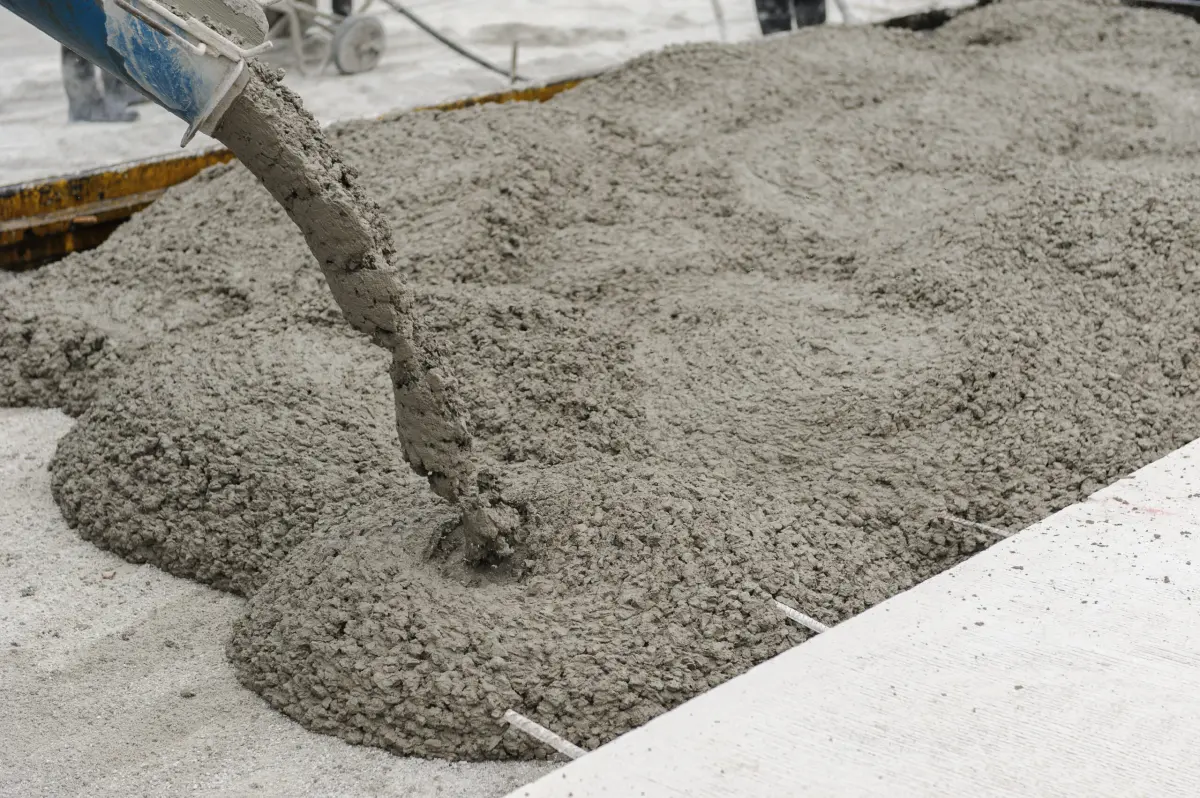
The mixing process must be thorough to ensure that every particle of aggregate is evenly coated with the cement paste. For small projects, a portable drum mixer is standard, while large-scale construction requires ready-mix trucks that keep the material agitated during transit. The ratio of water to cement, known as the water-cement ratio, is the most important factor in determining the final strength of the concrete.
- Measure your dry ingredients accurately according to your specific mix design.
- Add a portion of the water to the mixer before introducing the dry materials to prevent sticking.
- Incorporate the cement and aggregates, adding the remaining water slowly until the desired consistency is reached.
- Mix for at least three to five minutes until the texture is uniform and free of dry clumps.
Avoid adding excess water to make the concrete easier to pour, as this significantly weakens the final structure. A "soupy" mix leads to shrinking, cracking, and surface dusting once the material dries.
How long does it take to cure?
Curing is not the same as drying; it is the process of maintaining moisture and temperature to allow the chemical hydration reaction to continue. While concrete may feel hard to the touch within 24 to 48 hours, it takes significantly longer to reach its design strength. Most standard concrete mixes achieve approximately 70 percent of their total strength after seven days.
Full structural maturity is typically reached at the 28-day mark. During the first few days, it is vital to prevent the concrete from drying out too quickly, which can cause surface cracks. Professionals often use water curing, plastic sheeting, or chemical curing compounds to seal in moisture. If the weather is exceptionally hot, the water may evaporate before the cement has fully hydrated, leading to a brittle and weak finish. Cold weather also poses risks, as freezing water can expand and shatter the internal structure of the concrete before it sets.
Common mistakes when working with concrete
Many beginners struggle with the physical demands and the unforgiving nature of concrete. One of the most frequent errors is failing to properly prepare the subgrade. If the ground beneath a slab is not compacted or if it contains organic material, the concrete will eventually settle unevenly and crack. Always ensure the base is stable, level, and well-drained before pouring.
Another common mistake is improper finishing. Overworking the surface with a steel trowel too early can bring excess water and "fines" to the top, creating a weak layer called laitance that will peel or flake off later. Additionally, ignoring the need for control joints is a recipe for disaster. Concrete naturally shrinks as it cures, and without pre-cut joints to guide where the cracks occur, the slab will develop jagged, unsightly fissures in random locations. Always plan the layout of your joints before you begin the pour.
Best tools for concrete projects
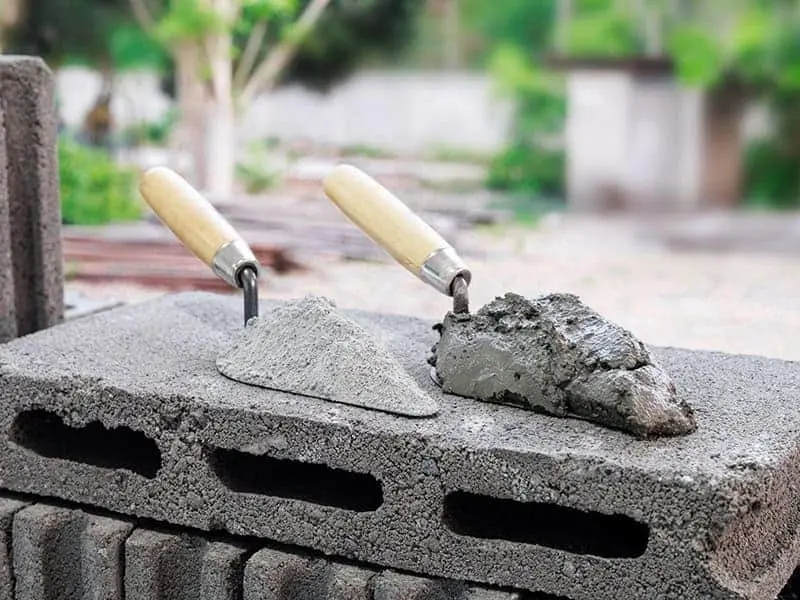
Having the right equipment makes the difference between a professional result and a failed project. For mixing, a high-quality electric or gas-powered mixer is essential for anything larger than a small post hole. For placing and finishing, you will need a sturdy wheelbarrow, a square-point shovel, and a screed board to level the surface. A screed is simply a straight piece of lumber used to strike off the excess concrete after it has been poured.
- Bull float: Used to smooth the surface and push down aggregate immediately after screeding.
- Edger: Creates rounded edges to prevent chipping.
- Magnesium float: Used for the final smoothing of the surface.
- Vibrator: Removes air pockets to prevent internal voids or "honeycombing."
Always wear personal protective equipment, including rubber gloves and safety glasses, as wet concrete is highly alkaline and can cause severe chemical burns to the skin and eyes. With these tools and a methodical approach, you can successfully manage residential concrete applications.
Key facts
- Concrete is a composite material consisting of a binding medium, typically Portland cement, mixed with water, sand, and gravel.
- The chemical reaction between cement and water, known as hydration, causes the mixture to harden into a rock-like mass.
- A standard concrete mix ratio for general projects is 1 part cement, 2 parts sand, and 3 parts gravel by volume.
- Adding too much water to the mix significantly weakens the final structure by increasing porosity and shrinkage.
- Concrete does not "dry" through evaporation; it cures through a continuous chemical process that gains strength over 28 days.
- Using clean, washed aggregates is essential because dirt or organic matter prevents the cement paste from bonding properly.
The bottom line
Concrete is an essential construction material created by balancing cement, water, and aggregates to trigger a chemical hardening process. Success relies on precise ratios, clean materials, and controlled curing to ensure long-term structural integrity. By avoiding excess water and protecting the pour from extreme temperatures, you create a durable, rock-hard surface capable of supporting heavy loads and weathering the elements for many decades to come.
People also ask
What is the difference between concrete and cement?
Cement is a fine powder that acts as the binding agent, while concrete is the complete mixture of cement, water, and aggregates. Think of cement as the "glue" and concrete as the finished product.
How long does it take for concrete to fully cure?
Concrete reaches most of its structural strength within 28 days, though it continues to harden slowly for years. You can usually walk on it after 24 to 48 hours.
Why does concrete crack after it is poured?
Cracks occur due to shrinkage during the curing process, temperature fluctuations, or improper subgrade preparation. Proper joint placement helps control where these inevitable cracks appear.
Can I pour concrete in freezing weather?
Pouring in freezing temperatures is risky because if the water inside the mix freezes before hydration, the concrete will lose significant strength. Professionals use heated enclosures or chemical additives to prevent freezing.
What is the purpose of steel reinforcement in concrete?
Concrete is excellent at resisting compression but weak under tension. Steel rebar or mesh is embedded to provide the tensile strength necessary to prevent structural failure.
How do you prevent concrete from drying too quickly?
You can prevent rapid moisture loss by keeping the surface damp with water or covering it with plastic sheeting. Proper curing ensures the chemical hydration process completes fully for maximum durability.
This answer was created with the help of AI research tools and reference sources. Spotted an error? Let us know — we correct mistakes quickly. See our editorial policy.