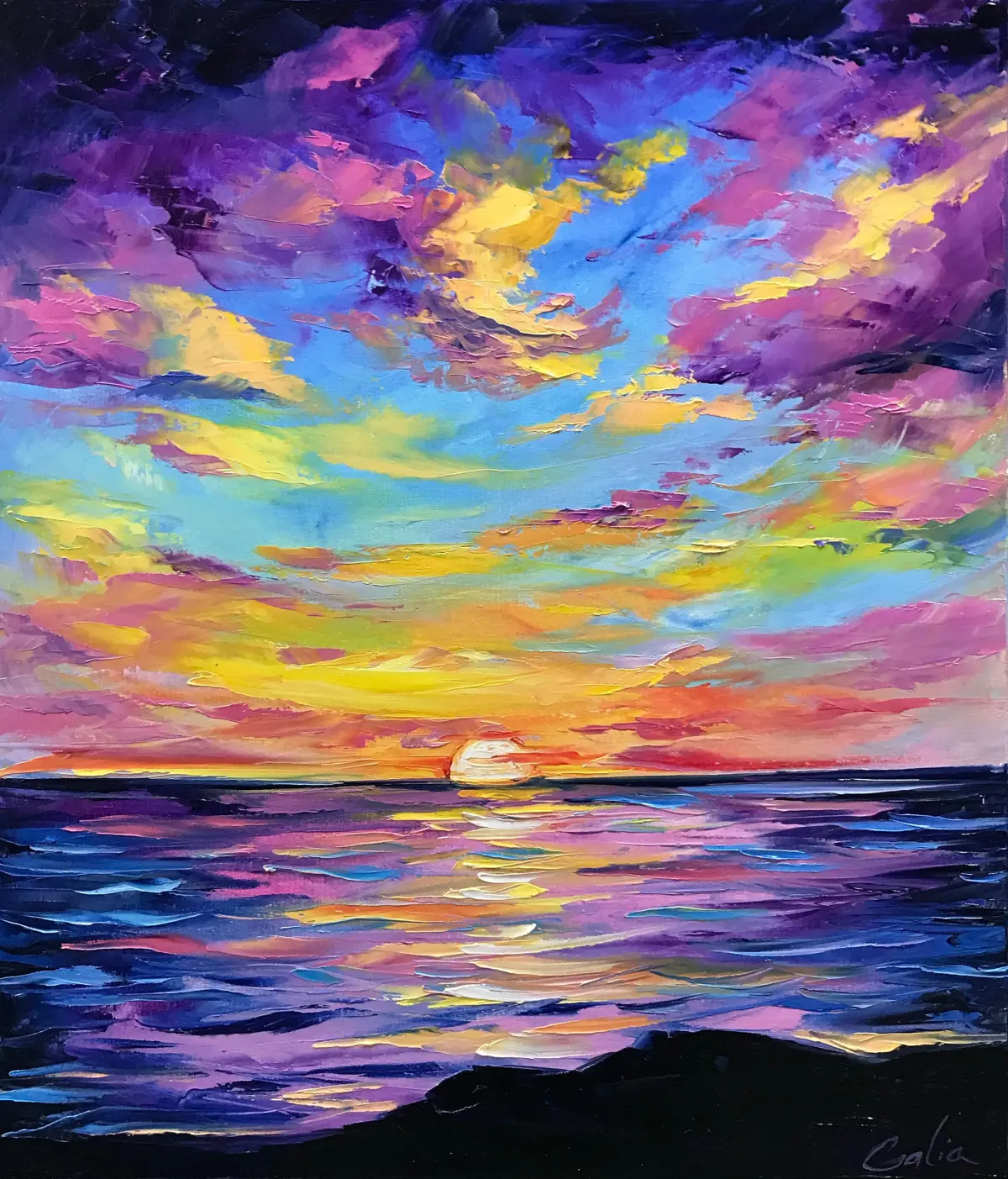
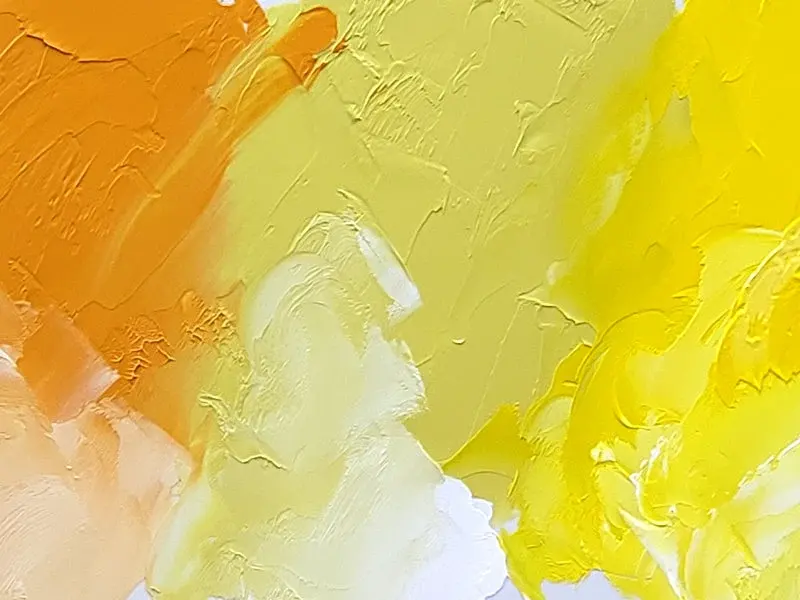
What is the difference between acrylic and oil paint?
Short answer
Oil paint uses a drying oil binder, typically linseed, requiring long curing times and solvent-based cleanup. Acrylic paint uses a synthetic polymer emulsion that dries rapidly through water evaporation. While oils offer unmatched blending capabilities and depth, acrylics provide versatility, water-based convenience, and durability, making them ideal for different artistic workflows.
On this page
How long does it take to dry?
Oil paint does not technically "dry" in the traditional sense; instead, it cures through a chemical process of oxidation. This reaction can take anywhere from a few days to several months depending on the thickness of the application and the specific pigments used. Because the paint remains workable for such an extended period, artists can manipulate colors on the canvas for days, allowing for seamless gradients and soft transitions.
In contrast, acrylic paint dries primarily through the evaporation of its water content. This process is remarkably fast, often occurring within 10 to 30 minutes. While this rapid drying time is excellent for layering and quick project completion, it prevents the long-term blending possible with oils. Artists working with acrylics must often use specialized retarders if they wish to extend the open time of their paint.
- Oil paints: Surface dry in 2–5 days; fully cured in 6–12 months.
- Acrylic paints: Surface dry in 10–30 minutes; fully cured in 24–48 hours.
Best paint for beginners
Acrylics are generally considered the superior choice for beginners due to their ease of use and safety. They are water-soluble, meaning brushes and palettes can be cleaned with soap and water, eliminating the need for harsh chemicals like turpentine or mineral spirits. This makes them ideal for home studios or settings with limited ventilation, as they produce no toxic fumes.
Oil painting requires a more complex setup, including solvents for thinning paint and cleaning brushes. These materials are often flammable and require proper disposal and ventilation to avoid health risks. However, many beginners choose oils because the paint’s slow drying time is more forgiving, allowing students to correct mistakes or adjust compositions long after the initial application.
- Acrylics: Low cost, easy cleanup, no toxic solvents, fast layering.
- Oils: High pigment load, superior blending, requires solvents, longer learning curve.
Why color shifting happens
One of the most noticeable differences between these mediums is how the color changes as the paint dries. Acrylics are notorious for "color shift," a phenomenon where the paint appears slightly darker when dry than it did when wet. This occurs because the acrylic polymer binder is milky white when wet and turns perfectly clear as the water evaporates, altering the light refraction of the pigment.
Oil paints remain remarkably consistent in color from the wet state to the dry state. Because the oil binder does not turn clear upon drying, the color you see on the palette is the color that remains on the canvas. Artists who require precision in color matching, such as portrait painters or those working in realism, often prefer oils to avoid the unpredictability of the acrylic shift.
How to layer and mix paint
Layering techniques differ significantly between the two mediums due to their chemical structures. In oil painting, artists follow the "fat over lean" rule, which dictates that each subsequent layer should contain more oil than the previous one. This prevents the paint from cracking as it cures, as layers with more oil remain flexible while the underlying, less-oily layers dry more quickly.
Acrylics do not require strict layering rules because they do not crack in the same way. You can apply thick layers over thin ones or vice versa without compromising the structural integrity of the piece. However, because acrylics dry so quickly, they are better suited for techniques like glazing or hard-edge painting.
- Prepare your surface with gesso to ensure proper adhesion.
- Apply thin washes to establish the composition.
- Build up opaque layers, ensuring the paint is not overly thinned with water.
- Use mediums to alter the texture or finish of the acrylic paint.
Common mistakes when painting
A frequent error for those transitioning from oils to acrylics is attempting to blend colors directly on the canvas for too long. Because acrylics dry so quickly, overworking an area often results in "lifting," where the brush pulls up the semi-dry paint underneath, creating a muddy or textured mess. To avoid this, apply paint in decisive strokes and use a spray bottle with water to keep the surface slightly damp.
Conversely, a common mistake for new oil painters is applying paint too thickly without allowing sufficient drying time between sessions. This can lead to the surface skinning over while the interior remains wet, eventually causing the paint to wrinkle or crack. Always work from thin to thick and be patient with the curing process to ensure the longevity of your artwork.
Key facts
- Oil paint is composed of pigment suspended in a drying oil, typically linseed, which oxidizes over time.
- Acrylic paint uses a synthetic polymer emulsion binder that dries through the evaporation of water.
- Oil paints remain workable for several days, whereas acrylics can become dry to the touch in minutes.
- Acrylics are water-soluble and clean up with soap and water, while oils require solvents like turpentine or mineral spirits.
- Oil paintings require a non-porous surface primed with gesso to prevent the oil from rotting the canvas fibers.
- Acrylics can be applied to almost any non-oily surface, including paper, wood, fabric, and canvas, without specialized priming.
The bottom line
The fundamental difference lies in the binder: oil paint relies on slow-drying linseed oil, while acrylics use a fast-drying synthetic polymer. Choose oils if you prioritize blending, depth, and traditional techniques that require a long open time. Select acrylics if you prefer quick results, easy water-based cleanup, and a versatile medium that adheres to nearly any surface without the need for harsh, toxic chemical solvents.
People also ask
Can you paint oil over acrylic?
Yes, you can safely apply oil paint over a fully dried acrylic base. However, you should never apply acrylic paint over oil, as the oil's flexibility prevents the acrylic from adhering properly, leading to peeling.
Read the full answer →How long does an oil painting take to fully cure?
While oil paint may feel dry within a week, it can take six months to a year to cure completely. It is best to wait at least six months before applying a final protective varnish.
Do acrylic paints change color when they dry?
Yes, acrylics often experience a slight "color shift" as they dry, usually appearing slightly darker than they did when wet. This happens because the binder turns from a milky white to a clear, transparent finish.
Is oil paint toxic to work with?
The pigments themselves can be toxic if ingested or inhaled, but the primary danger comes from the solvents used for thinning and cleaning. Using odorless mineral spirits and ensuring proper ventilation significantly reduces these risks.
Can I mix acrylic and oil paint together?
No, you should never mix these two mediums on your palette. Because they have different chemical bases—water versus oil—they will not blend correctly and will likely result in a structurally unstable paint film.
Which medium is better for beginners?
Acrylics are generally recommended for beginners due to their fast drying time, ease of cleanup, and lack of toxic fumes. They are more forgiving and allow for rapid layering without the need for complex solvent management.
This answer was created with the help of AI research tools and reference sources. Spotted an error? Let us know — we correct mistakes quickly. See our editorial policy.