What is a glazing medium?
Short answer
A glazing medium is an additive used in oil and acrylic painting to increase the transparency, flow, and drying time of pigments. By thinning paint without compromising its structural integrity, it allows artists to apply delicate, translucent layers called glazes. These layers create depth, luminosity, and complex optical color mixing effects.
On this page
What is a glazing medium used for?
Glazing mediums serve as a bridge between the pigment and the binder, allowing artists to manipulate the consistency of their paint. In traditional oil painting, these mediums often consist of a mixture of linseed oil, damar varnish, and a solvent like turpentine or mineral spirits. By thinning the paint, the medium enables the application of thin, transparent films over dried, opaque layers of paint. This technique, famously utilized by Renaissance masters like Leonardo da Vinci and Titian, creates a sense of depth that opaque painting alone cannot achieve.
The primary function of the medium is to maintain the "fat" or oil content of the paint as it is thinned. If a painter thins oil paint only with solvent, the paint loses its binder and becomes brittle, leading to cracking over time. Glazing mediums ensure the paint film remains flexible and durable. Furthermore, these additives can alter the sheen of the finished work, ranging from a high-gloss finish to a more subtle satin appearance, depending on the specific formulation chosen by the artist.
How to use glazing medium in painting
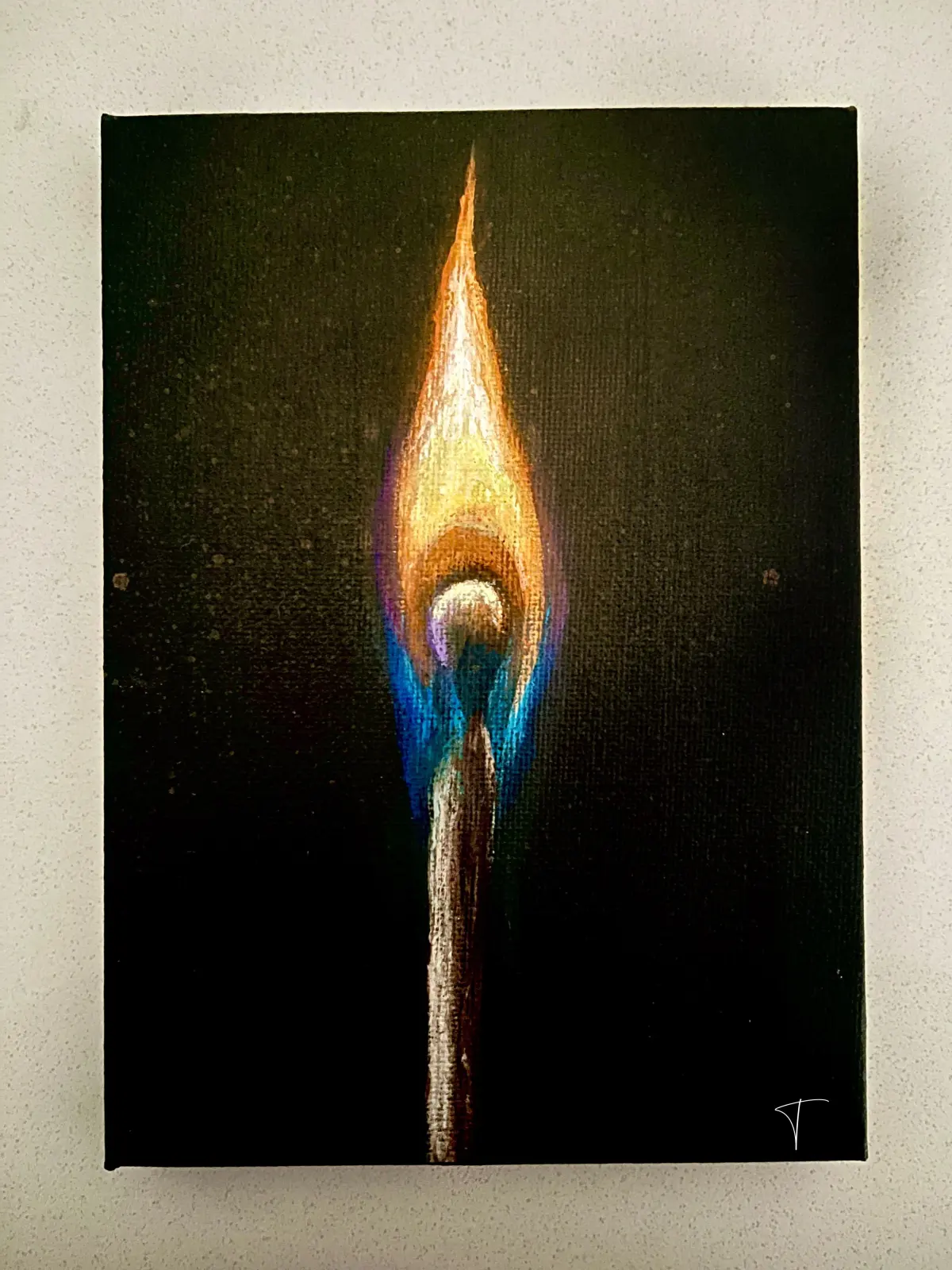
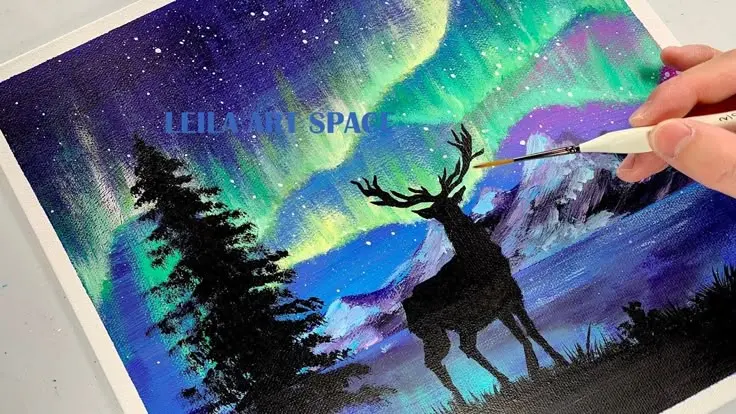
Using a glazing medium requires patience and a systematic approach to layering. The process relies on the optical principle that light passes through the transparent glaze, hits the opaque underpainting, and reflects back to the viewer’s eye. This creates a rich, glowing effect that appears to emanate from within the canvas.
- Ensure your underpainting is completely dry to the touch, as applying a glaze over wet paint will cause the colors to muddy.
- Mix a small amount of pigment into your glazing medium on your palette, keeping the ratio high in medium and low in pigment to maintain transparency.
- Apply the mixture to the canvas using a soft, high-quality brush, working in smooth, even strokes to avoid visible brush marks.
- Allow the layer to dry thoroughly before adding subsequent glazes, as each layer builds the complexity of the final hue.
Best glazing medium for beginners
For those new to the technique, pre-mixed commercial mediums are the most reliable option. These products are formulated to balance drying time, viscosity, and film strength, removing the guesswork involved in mixing traditional recipes. Beginners should look for mediums labeled as "alkyd" or "stand oil" based, as these offer predictable results and consistent handling.
- Alkyd mediums: These are excellent for beginners because they speed up the drying process significantly, allowing artists to layer colors within a single day.
- Stand oil mediums: These are thicker and provide a smooth, leveling quality that helps eliminate brush strokes, making them ideal for fine detail work.
- Water-mixable oil mediums: These are specifically designed for artists who wish to avoid harsh solvents, allowing for cleanup with soap and water while maintaining the characteristics of traditional oils.
- Acrylic glazing liquids: These are specifically formulated for acrylic paints, offering a longer open time and a transparent finish that does not yellow with age.
Why does my glaze look streaky?
Streaking is a common frustration, usually caused by an improper ratio of medium to pigment or poor brush technique. If the mixture contains too much pigment, the glaze becomes opaque and loses its transparency, resulting in uneven patches of color. Conversely, if the brush is too dry or the bristles are too coarse, the medium will not level out properly on the surface of the canvas.
To achieve a professional, glass-like finish, ensure your mixture has the consistency of a thin syrup. Use a soft-bristled brush, such as synthetic sable or mongoose, which is designed to hold the medium and release it evenly. If you notice streaks while applying, immediately use a clean, dry "blending" brush to lightly sweep over the area. This technique, often called "softening," helps to distribute the glaze uniformly and removes any excess medium that might pool in the texture of the canvas.
Common mistakes when using glazing mediums
The most frequent error is ignoring the "fat over lean" rule, which is essential for the longevity of oil paintings. This principle dictates that each subsequent layer of paint must have a higher oil content than the one beneath it. If a layer with less oil is placed over a layer with more oil, the top layer will dry faster and pull against the bottom layer, causing the paint to crack or flake off.
- Applying glazes too thickly, which results in a tacky surface that attracts dust and never cures properly.
- Using a brush that is not perfectly clean, as even a tiny amount of leftover opaque color can ruin the transparency of the glaze.
- Rushing the drying process by applying a new layer before the previous one is stable, which can cause the underlying paint to lift or smear.
- Failing to seal the painting with a final varnish once the entire piece is finished, which is necessary to protect the delicate glaze layers from environmental pollutants and UV damage.
Key facts
- A glazing medium is a liquid additive mixed with paint to increase transparency, flow, and drying time.
- It is primarily used in oil and acrylic painting to create thin, translucent layers called glazes.
- Oil-based mediums typically consist of linseed oil, stand oil, or alkyd resins, while acrylic mediums are water-based polymer emulsions.
- Glazing allows artists to build depth and luminosity by layering colors that interact optically rather than by physical mixing.
- Mediums alter the consistency of paint, helping to eliminate visible brushstrokes for a smooth, glass-like finish.
- Always follow the "fat over lean" rule in oil painting, ensuring that upper layers contain more oil than lower layers to prevent cracking.
The bottom line
Glazing mediums are essential tools for artists seeking to achieve depth, luminosity, and smooth transitions in their work. By extending the paint and increasing transparency, these additives allow for complex layering techniques that are impossible with opaque applications alone. Whether using acrylics or oils, selecting the right medium ensures your layers remain stable, durable, and visually vibrant, ultimately elevating the professional quality of your finished art.
People also ask
Can I use water to thin acrylic paint instead of a glazing medium?
While water thins acrylics, it also dilutes the binder, which can weaken the paint film and cause it to lose adhesion. A glazing medium maintains the pigment-to-binder ratio, ensuring the paint remains durable and retains its sheen.
How long does a glaze take to dry?
Acrylic glazes can dry in minutes, while oil-based glazes may take several days depending on the medium used. Alkyd-based mediums are specifically designed to accelerate the drying time of oil glazes compared to traditional linseed oil.
Do I need a specific brush for glazing?
Soft, synthetic, or natural hair brushes are preferred for glazing to minimize texture and brush marks. Stiff bristles can leave grooves in the thin, wet paint, which disrupts the clarity of the layered effect.
Is it possible to glaze over a dry painting?
Yes, glazing is most effective when applied over a completely dry, light-colored base layer. This allows the light to pass through the transparent glaze and reflect back off the underpainting, creating a rich, glowing effect.
What is the difference between a glaze and a wash?
A wash is generally a very thin, watery layer of paint used for staining or underpainting, often with little binder. A glaze is a controlled mixture of pigment and medium designed to create a permanent, lustrous, and transparent film.
Can glazing mediums change the finish of my painting?
Many mediums are available in gloss, satin, or matte finishes, allowing you to control the final appearance of the work. Using a gloss medium will deepen colors and increase reflectivity, while matte mediums will soften the look.
This answer was created with the help of AI research tools and reference sources. Spotted an error? Let us know — we correct mistakes quickly. See our editorial policy.