What are good acrylic painting ideas?
Short answer
Acrylic painting offers immense versatility for artists of all levels. Excellent project ideas include practicing color blending with sunset landscapes, exploring texture through impasto techniques, or painting detailed botanical studies. Beginners should focus on simple shapes and high-contrast subjects, while advanced painters can experiment with glazing, mixed media, and complex portraiture.
On this page
Best acrylic painting ideas for beginners
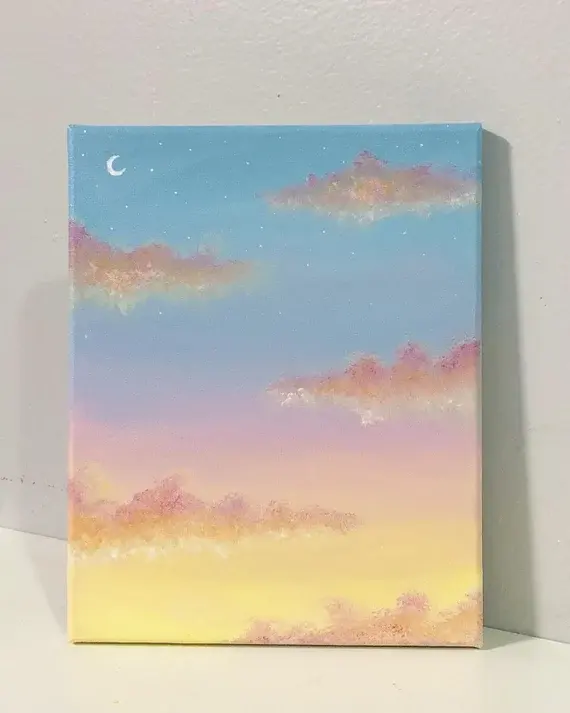
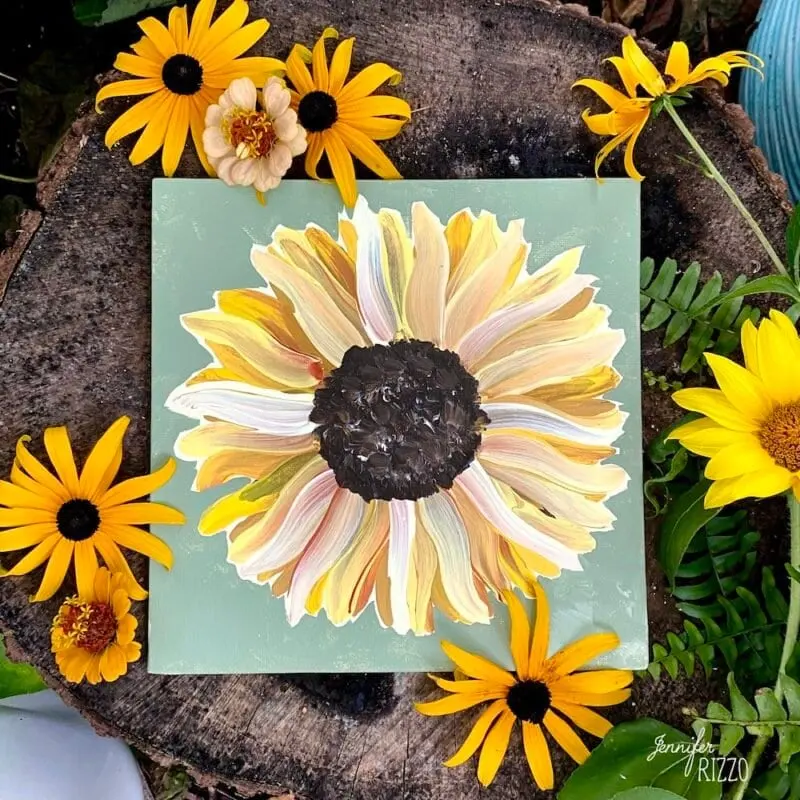
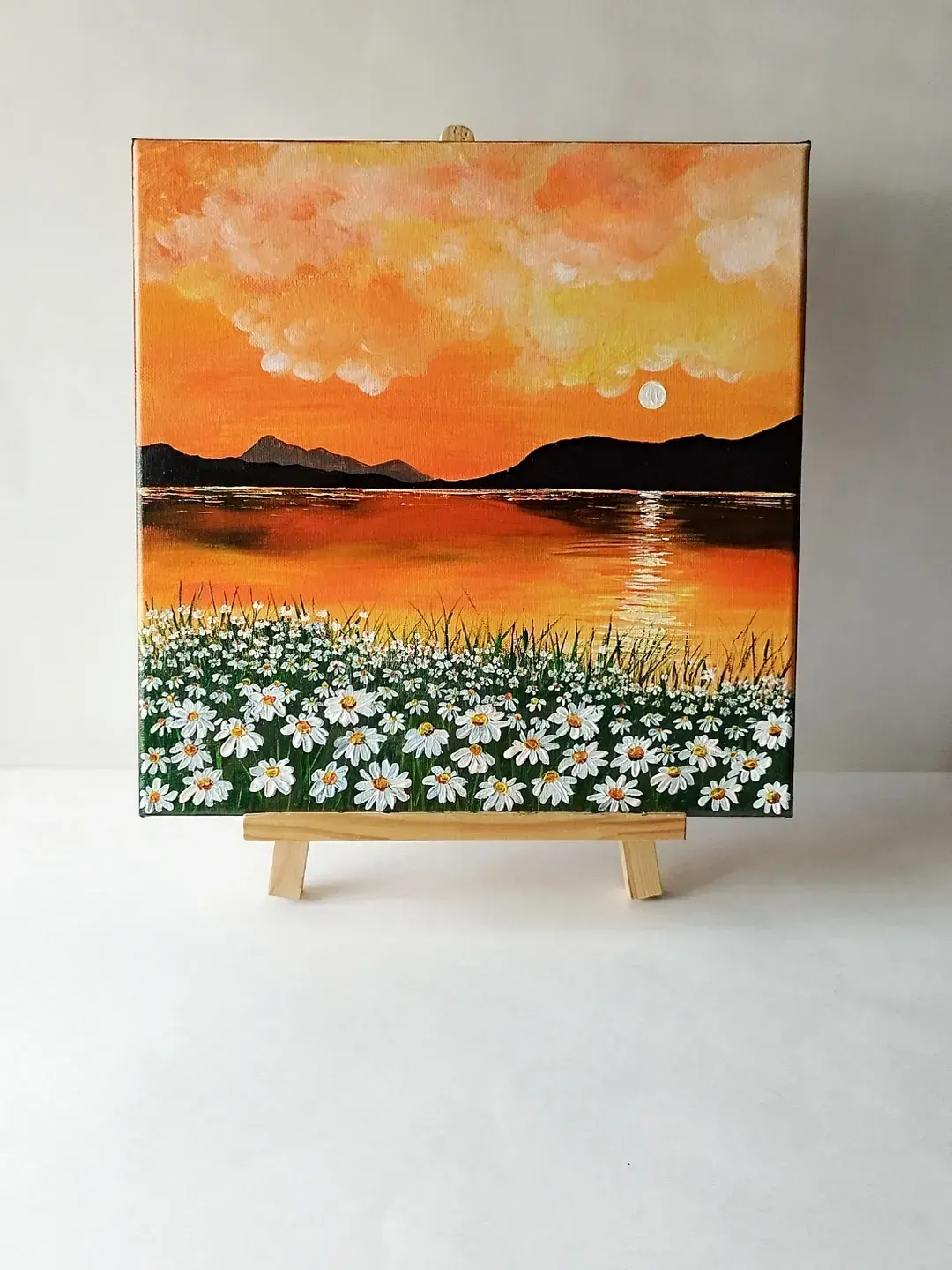
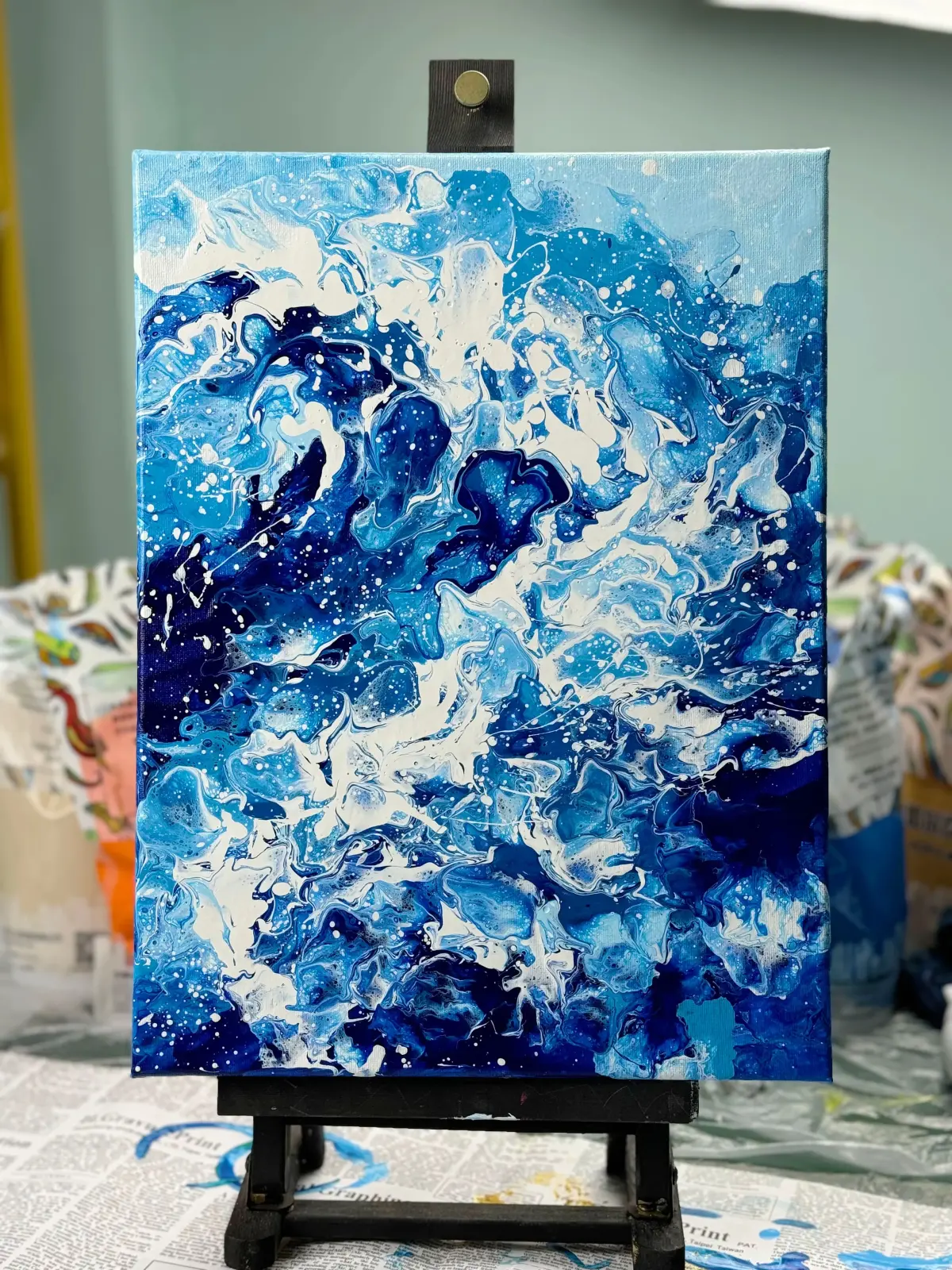
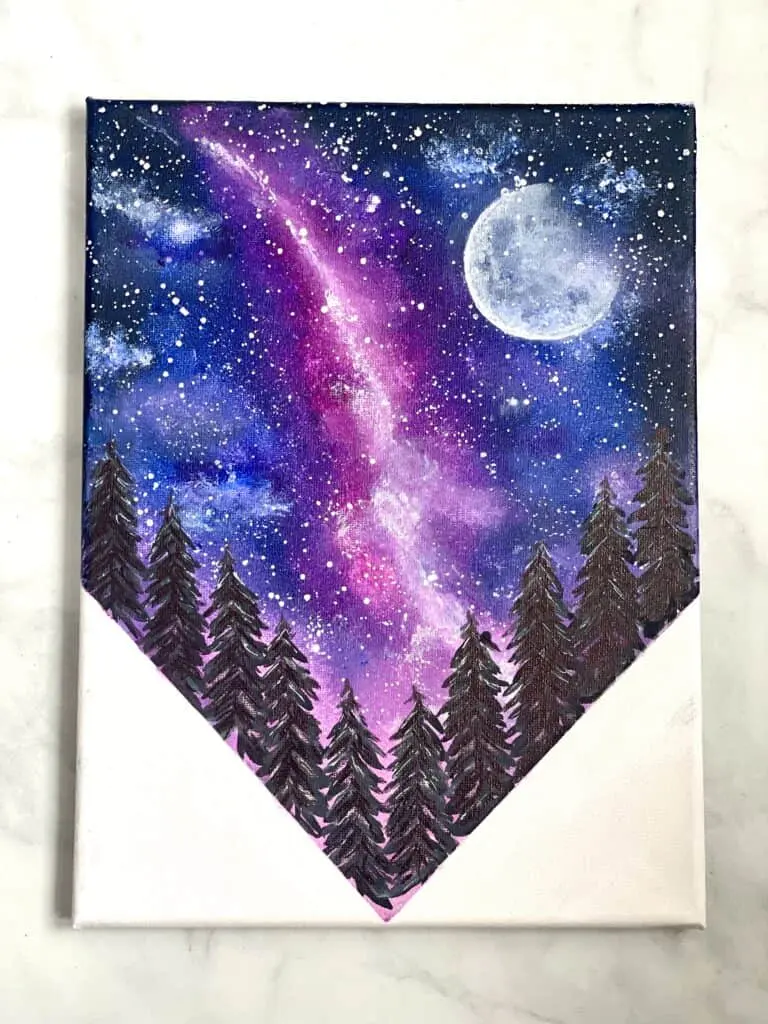
Starting with acrylics requires subjects that allow for mistakes and quick layering. Landscapes are ideal because they rely on broad shapes and color gradients rather than rigid lines. A simple sunset or a mountain range allows you to practice blending colors while the paint is still wet. Another excellent starting point is still-life painting, such as a bowl of fruit or a single flower. These objects remain stationary, giving you the time to observe light and shadow without the pressure of a moving subject.
When choosing your first project, consider these fundamental exercises to build confidence:
- Paint a monochromatic study to understand value and contrast.
- Create a color wheel to learn how to mix secondary and tertiary hues.
- Practice basic brushstrokes using different sizes of flat and round brushes.
- Paint a simple geometric composition to master clean, sharp edges.
Focusing on these basics ensures you develop the technical skills necessary for more complex works later on.
How to paint with acrylics step by step
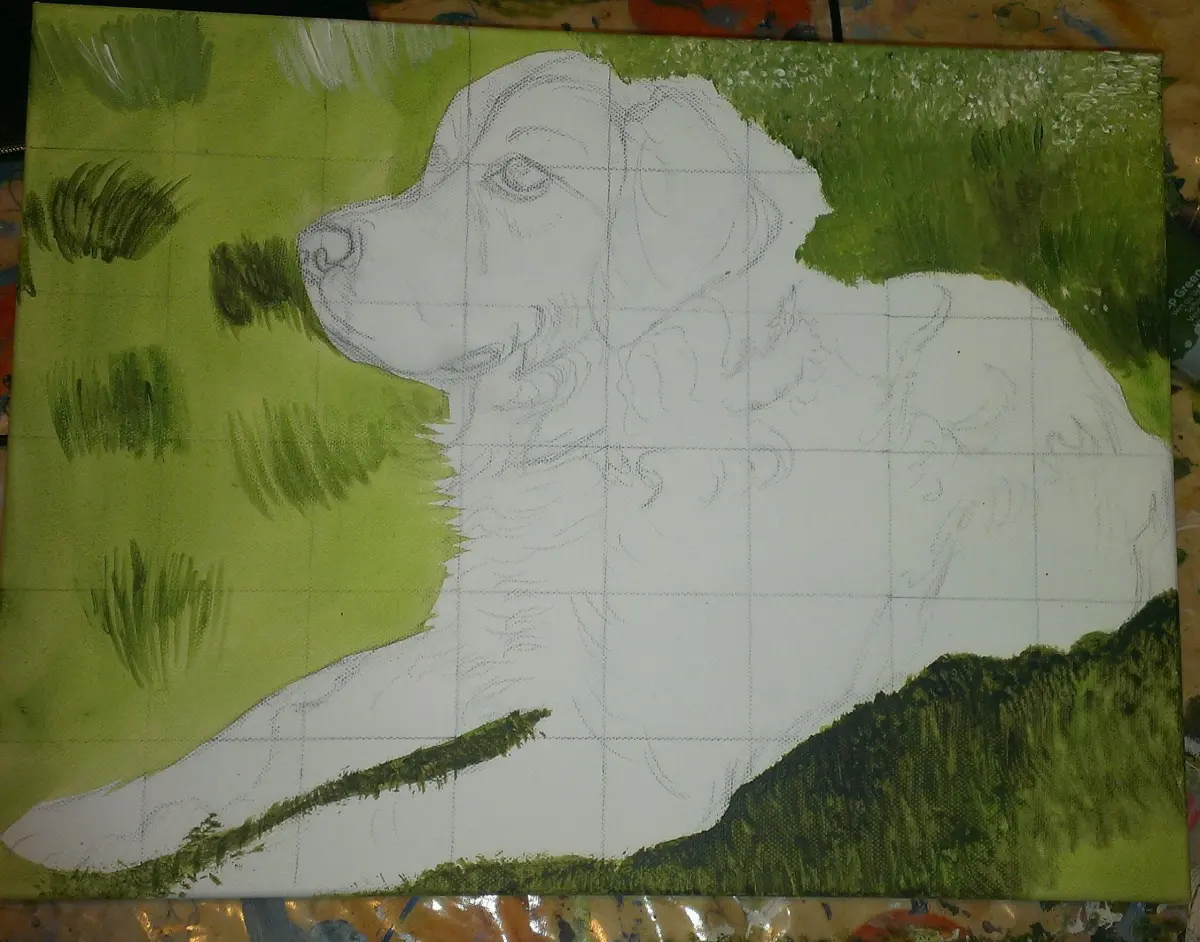
Acrylic paint dries rapidly, so organization is essential to your workflow. Begin by preparing your surface, whether it is a canvas, wood panel, or heavy-duty paper, with a layer of gesso to prevent the paint from soaking in too deeply. Once the surface is dry, sketch your composition lightly with a pencil or a thin wash of burnt sienna. This initial outline provides a roadmap for your painting process, allowing you to focus on color application without losing your place.
Follow these steps to complete your first piece:
- Block in the largest shapes and background colors first to establish the overall composition.
- Gradually add mid-tones and shadows to define the form of your subject.
- Apply highlights last using a smaller brush to draw the viewer's eye to specific focal points.
- Use a damp cloth or a spray bottle to keep your palette moist, as acrylics can harden quickly once exposed to air.
Always work from dark to light, as acrylics are opaque and can easily cover underlying layers if you make an error.
Common mistakes when painting with acrylics
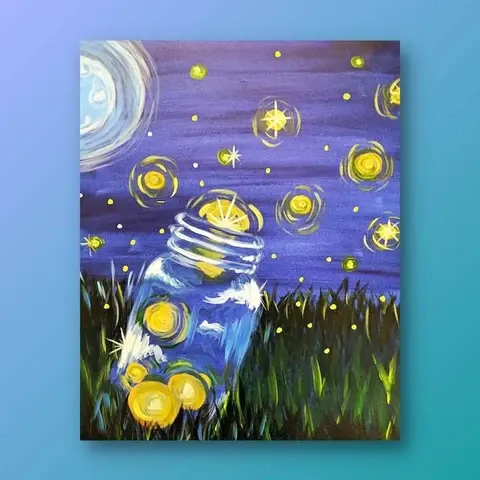
The most frequent error beginners make is failing to manage the paint's drying time. Because acrylics are water-based polymers, they can become unusable on the palette within minutes if not properly maintained. Many artists mistakenly use too much water to thin the paint, which breaks down the binder and causes the pigment to lose its adhesion. Instead of using water, use specific acrylic mediums to change the consistency, flow, or finish of your paint without compromising its structural integrity.
Another common pitfall is over-blending on the canvas. Unlike oil paints, which stay wet for days, acrylics begin to set almost immediately. If you repeatedly brush over the same spot, you will likely lift the paint you just laid down, creating a muddy or streaky appearance. To achieve smooth gradients, work quickly and use a slightly damp brush or a retarder medium to extend the drying time. Avoid cleaning your brushes in the middle of a session by keeping them in a water jar, but never leave them resting on their bristles, as this will permanently ruin the shape.
How to add texture to acrylic paintings
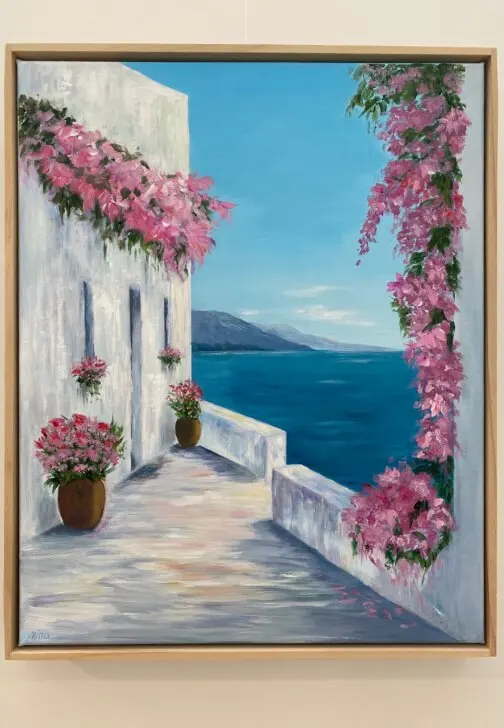
Acrylic paint is naturally thick, making it perfect for experimenting with impasto techniques. You can apply paint directly from the tube using a palette knife to create raised, sculptural effects that catch the light. This adds a tactile dimension to your work that is not possible with watercolors or thin oils. For even more dramatic results, mix your paint with modeling paste or heavy gel mediums. These additives increase the volume of the paint, allowing you to build peaks and ridges that hold their shape as they dry.
Beyond using mediums, you can incorporate found objects into your work to create a mixed-media piece. Small items like sand, fabric scraps, or dried leaves can be embedded into the wet paint to create unique surfaces. When using these materials, ensure they are clean and dry before adhering them to the canvas to prevent mold or peeling. Experimenting with texture allows you to move beyond flat, illustrative styles and creates a more engaging, physical experience for the viewer.
Best ways to finish and preserve your work
Once your painting is complete and fully cured, it is vital to apply a protective varnish. Acrylic paint remains slightly porous even after it dries, meaning it can attract dust, dirt, and pollutants over time. A high-quality acrylic varnish acts as a clear, removable barrier that protects the surface from environmental damage and ultraviolet light. You can choose between matte, satin, or gloss finishes depending on the aesthetic you want to achieve. A gloss varnish will deepen the colors and provide a reflective sheen, while a matte finish minimizes glare.
Before varnishing, ensure the painting has been dry for at least 48 to 72 hours to prevent trapping moisture. Use a wide, soft-bristled brush to apply the varnish in long, even strokes, working from the top of the canvas to the bottom. Avoid going back over areas that have already begun to dry, as this can cause streaks or cloudy patches. Once the varnish is applied, allow it to cure in a dust-free environment for at least 24 hours before displaying your finished masterpiece.
Key facts
- Acrylic paint dries within 10 to 20 minutes, allowing for rapid layering and quick project completion.
- Always keep a spray bottle of water nearby to mist your palette, as acrylics harden permanently once dry.
- Use synthetic brushes for acrylics, as natural hair bristles can absorb too much water and become limp.
- Apply a coat of gesso to your canvas or wood surface before painting to prevent the paint from soaking into the fibers.
- Clean your brushes immediately after use with soap and water, as dried acrylic acts like plastic and can ruin bristles.
- Mix acrylics with matte or gloss mediums to change the consistency, transparency, and finish of the paint without diluting the pigment.
The bottom line
Acrylic painting offers unmatched versatility for artists due to its rapid drying time and durable finish. By mastering basic techniques like layering, glazing, and proper brush maintenance, you can explore endless creative possibilities on diverse surfaces. Whether you are a beginner or an experienced painter, focusing on color mixing and surface preparation will ensure your projects remain vibrant, professional, and long-lasting for years to come.
People also ask
Can I paint over an acrylic painting if I make a mistake?
Yes, acrylic paint is opaque and dries quickly, making it ideal for covering errors. Simply wait for the layer to dry completely and paint directly over the mistake with a fresh color.
Do I need to seal my finished acrylic painting?
Applying a varnish is recommended to protect your work from dust, UV light, and physical damage. Wait at least 24 to 48 hours for the paint to cure fully before applying a final varnish.
Can acrylic paint be used on surfaces other than canvas?
Acrylics are highly versatile and adhere well to wood, metal, glass, fabric, and paper. Ensure the surface is clean and primed if necessary to provide the paint with enough "tooth" to grip.
How do I prevent my acrylic paint from drying out on the palette?
Use a stay-wet palette, which consists of a damp sponge underneath a sheet of parchment paper. This creates a humid environment that keeps the paint workable for several hours or even days.
Is it possible to blend acrylics like oil paints?
While acrylics dry fast, you can use a slow-drying medium or a retarder to extend the open time. This allows you to blend colors on the canvas for smoother transitions and gradients.
How do I thin acrylic paint for a watercolor effect?
You can thin acrylics with water, but adding more than 30 percent water can weaken the binder. It is safer to use an acrylic glazing liquid to maintain the paint's structural integrity while achieving transparency.
This answer was created with the help of AI research tools and reference sources. Spotted an error? Let us know — we correct mistakes quickly. See our editorial policy.