What is graffiti art?
Short answer
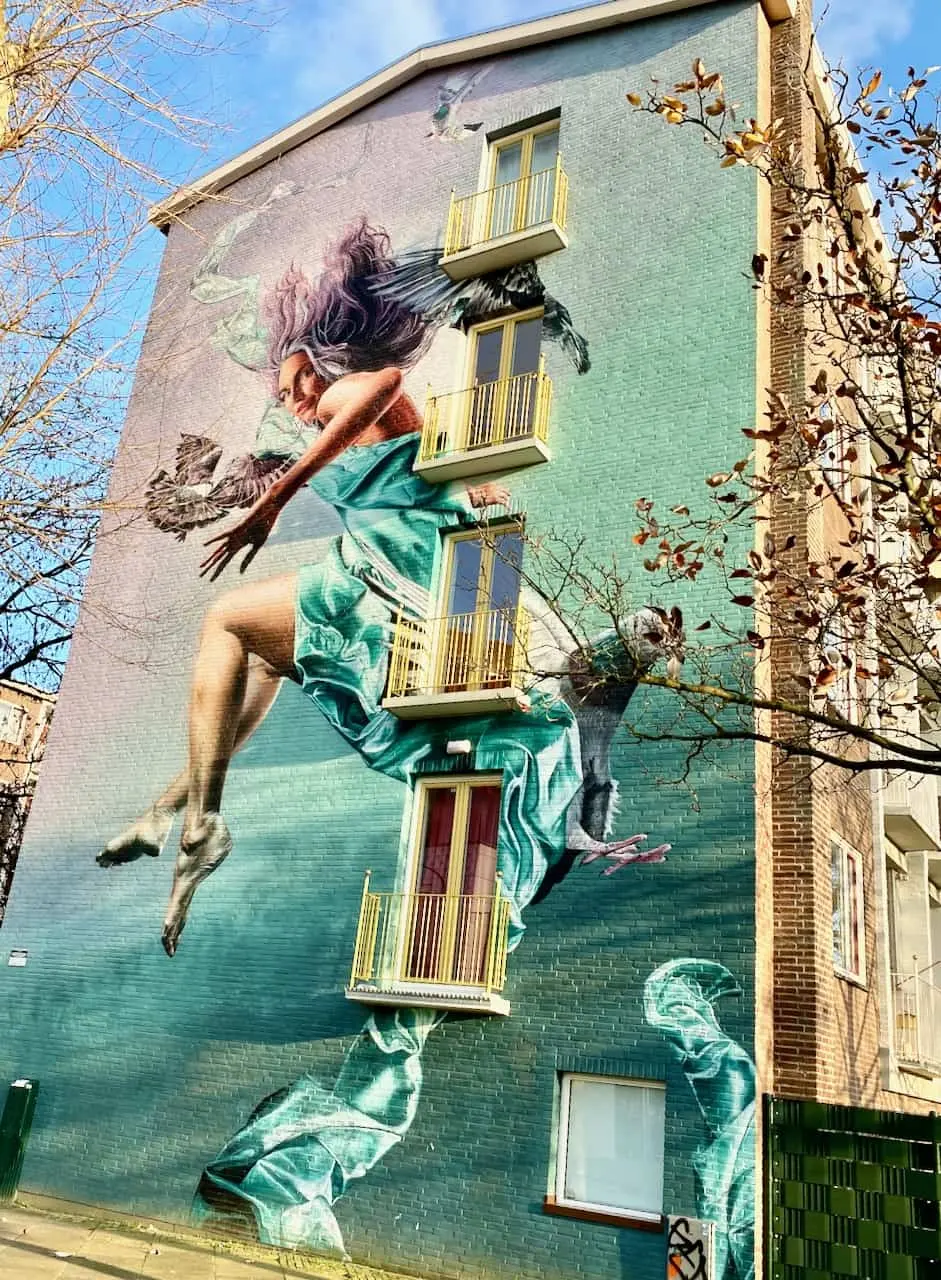
Graffiti art is a form of visual expression involving the unauthorized or authorized marking of public surfaces using spray paint, markers, or stencils. Emerging from 1970s New York City hip-hop culture, it has evolved from simple stylized signatures, known as tags, into complex, large-scale murals that blend fine art techniques with urban rebellion.
On this page
How did graffiti art start?
Modern graffiti traces its roots to late 1960s Philadelphia and early 1970s New York City. A teenager known as Cornbread is often credited with starting the trend in Philadelphia, while in New York, a delivery messenger named Demetrius, who used the tag TAKI 183, gained notoriety for writing his name across the city. These early pioneers used permanent markers to leave their mark on subway cars and walls, transforming the city landscape into a canvas for personal identity.
By the mid-1970s, the practice moved from simple signatures to elaborate, colorful lettering styles called "pieces," short for masterpieces. Artists began experimenting with bubble letters, arrows, and complex layering to make their work stand out in a competitive environment. This era solidified the connection between graffiti and the burgeoning hip-hop subculture, as writers, DJs, and breakdancers shared the same urban spaces. What began as a way to gain neighborhood fame quickly became a global phenomenon, influencing fashion, music, and contemporary gallery art.
What are the different types of graffiti?
Graffiti is categorized by its complexity and the time required for execution. Understanding these distinctions helps in identifying the skill level and intent of the artist.
- Tag: A stylized signature, usually done in one color, serving as the artist's primary identifier.
- Throw-up: A quick, rounded letter style designed for speed, often using two colors to fill and outline.
- Piece: A large, highly detailed work involving multiple colors, shading, and complex lettering that takes hours to complete.
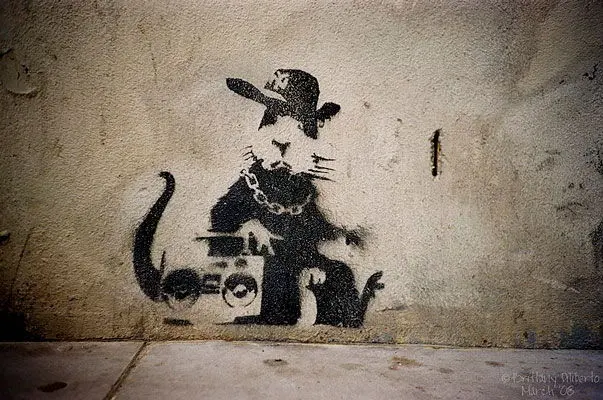
- Stencil: A design cut into cardboard or plastic, allowing the artist to spray paint the image quickly and repeatedly.
- Wildstyle: A sophisticated, interlocking letter form that is often illegible to the untrained eye, emphasizing artistic flow over readability.
These categories represent a hierarchy of effort. While a tag can be completed in seconds, a mural-sized piece may require days of planning and execution, often involving professional-grade supplies and artistic training.
Best tools for graffiti beginners
Starting in graffiti requires specific equipment designed to withstand outdoor conditions and provide consistent coverage on various textures like brick, concrete, or metal. Beginners should avoid cheap hardware store paints, which often drip or lack the pigment density needed for clean lines.
- High-quality spray paint: Brands like Montana Cans or Molotow offer low-pressure cans that provide better control for beginners.
- Assorted caps: Different spray nozzles, or caps, change the width of the line. "Skinny" caps are for details, while "fat" caps are for filling large areas.
- Sketchbook: Practice your letter structure and color theory on paper before moving to a wall.
- Respirator: Always wear a mask with organic vapor cartridges to protect your lungs from toxic paint fumes.
- Gloves: Use nitrile or latex gloves to keep your hands clean and maintain a good grip on the pressurized cans.
Investing in these professional-grade tools ensures that your practice sessions are productive and safer. Always prioritize ventilation when working in indoor spaces or enclosed areas.
Common mistakes when painting graffiti
Many newcomers struggle because they lack foundational knowledge regarding surface preparation and technique. One of the most frequent errors is attempting a complex piece before mastering basic letter structure. If the underlying skeleton of the letter is weak, adding colors and effects will not fix the composition. Always focus on the balance and spacing of letters first.
Another common mistake involves poor paint application. Beginners often hold the can too close to the surface, which causes the paint to pool and drip. To avoid this, keep the can at a consistent distance of 6 to 8 inches and move your arm in a smooth, continuous motion. Additionally, neglecting to shake the can thoroughly before use leads to inconsistent pigment flow and clogs. Finally, avoid painting in high winds or extreme humidity, as these conditions prevent the paint from adhering properly to the surface and result in a streaky, unprofessional finish.
Why is graffiti art controversial?
The debate surrounding graffiti centers on the tension between artistic expression and property rights. Proponents argue that graffiti is a vital form of public art that democratizes creativity, allowing individuals to reclaim urban spaces that are otherwise dominated by corporate advertising. In many cities, specific areas have been designated as legal walls, where artists can practice without fear of legal repercussions. This has helped shift public perception, with some murals becoming valued landmarks that increase local tourism and neighborhood character.
Conversely, critics view unauthorized graffiti as vandalism, citing the cost of removal and the perceived degradation of property values. This legal conflict has led to strict anti-graffiti ordinances and heavy fines in many jurisdictions. Despite this, the influence of graffiti on contemporary art is undeniable; major museums now host exhibitions featuring former graffiti writers. The movement continues to evolve, balancing its roots in illicit subculture with its growing status as a respected, albeit polarizing, form of global contemporary art.
Key facts
- Graffiti art is defined as unauthorized writing or drawings made on public surfaces, though it is increasingly commissioned as professional muralism.
- The modern movement originated in Philadelphia and New York City during the late 1960s and early 1970s.
- "Tagging" refers to the simplest form of graffiti, which consists of a writer’s stylized name or pseudonym.
- Aerosol spray paint remains the primary medium for graffiti artists due to its portability and ability to cover large areas quickly.
- A "piece" is a complex, multi-colored mural that requires significant time and planning compared to a quick tag.
- Always check local laws before painting, as creating art on private or public property without permission is considered vandalism and is illegal.
The bottom line
Graffiti art is a dynamic form of creative expression that has evolved from illicit urban tagging into a globally recognized contemporary art movement. While it remains controversial due to its frequent association with vandalism, it serves as a powerful medium for personal identity and social commentary. By mastering technical skills and respecting legal boundaries, artists can transform public spaces into vibrant, thought-provoking galleries for the community.
People also ask
What is the difference between graffiti and street art?
Graffiti is typically rooted in the culture of lettering, pseudonyms, and territorial marking, often created without permission. Street art is generally more image-based, focuses on public engagement or social commentary, and is frequently sanctioned by property owners.
How do artists develop their unique style?
Artists practice by sketching their "handstyle" or signature repeatedly in notebooks until it becomes fluid and recognizable. They then translate these letter structures into larger formats using spray paint, often experimenting with color theory and shading to add depth.
What are the most common tools used by graffiti artists?
Beyond standard spray paint cans, artists use various nozzle tips called "caps" to control the width and pressure of the paint spray. They also use protective gear like respirators and gloves to prevent the inhalation of toxic fumes and skin contact with chemicals.
Is graffiti considered a form of fine art?
Many major museums and galleries now recognize graffiti as a legitimate contemporary art movement. Famous figures like Jean-Michel Basquiat and Banksy have successfully transitioned from the streets to high-end art markets and international exhibitions.
What are the most common mistakes beginners make?
Beginners often try to paint too fast, which leads to drips, or they fail to shake the spray can sufficiently, resulting in uneven pigment. Another common error is attempting a large, complex mural before mastering basic line control and letter structure.
How can someone legally practice graffiti art?
Many cities provide designated "legal walls" where artists can paint without fear of prosecution. Alternatively, aspiring artists can seek permission from local businesses or community centers to create murals on their property.
This answer was created with the help of AI research tools and reference sources. Spotted an error? Let us know — we correct mistakes quickly. See our editorial policy.