What are the benefits of playing music?
Short answer
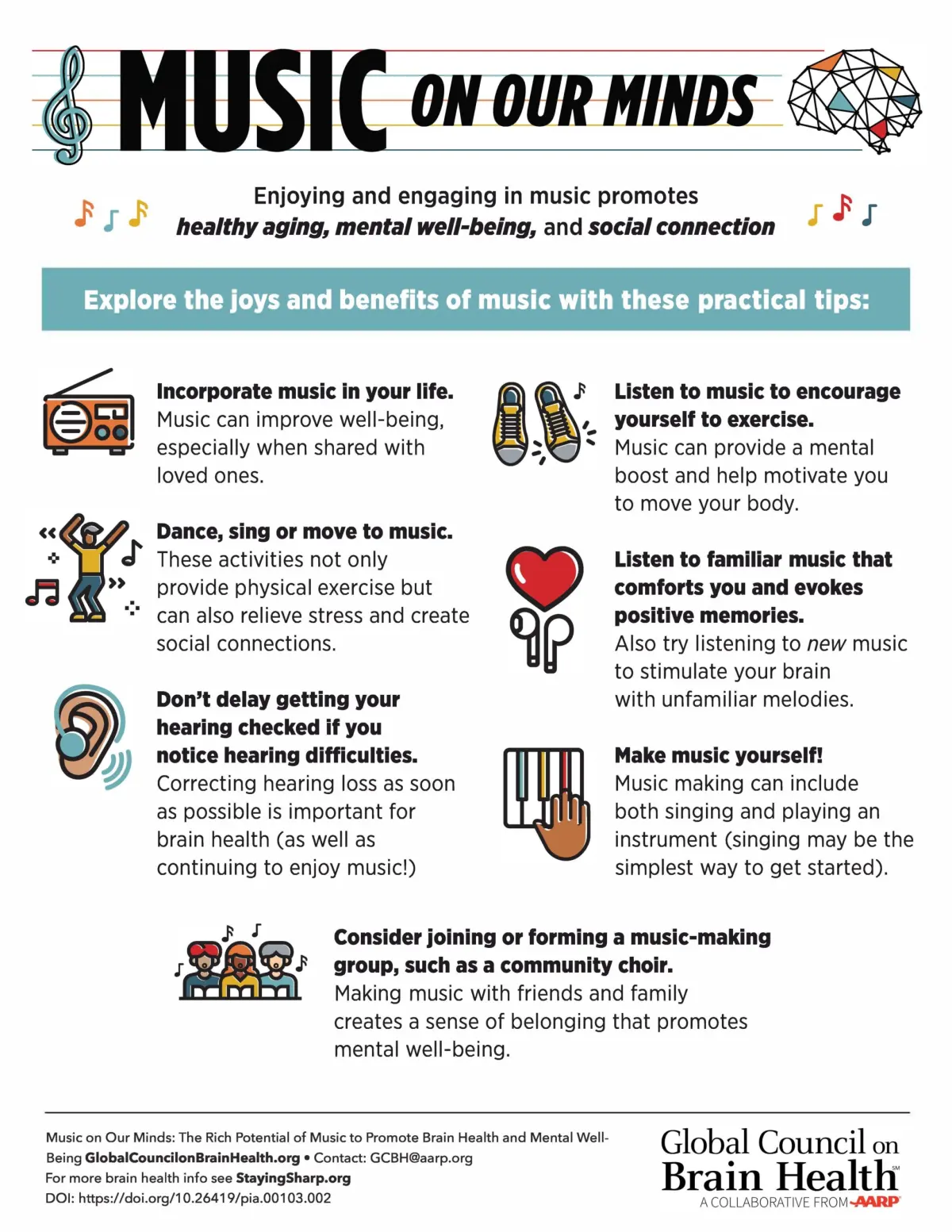
Playing music enhances cognitive function, improves memory, and strengthens emotional regulation. It engages nearly every area of the brain, fostering neural connectivity between the left and right hemispheres. Beyond mental gains, it improves physical coordination, reduces stress levels through cortisol regulation, and provides a unique, disciplined outlet for creative self-expression and social connection.
On this page
How music changes your brain
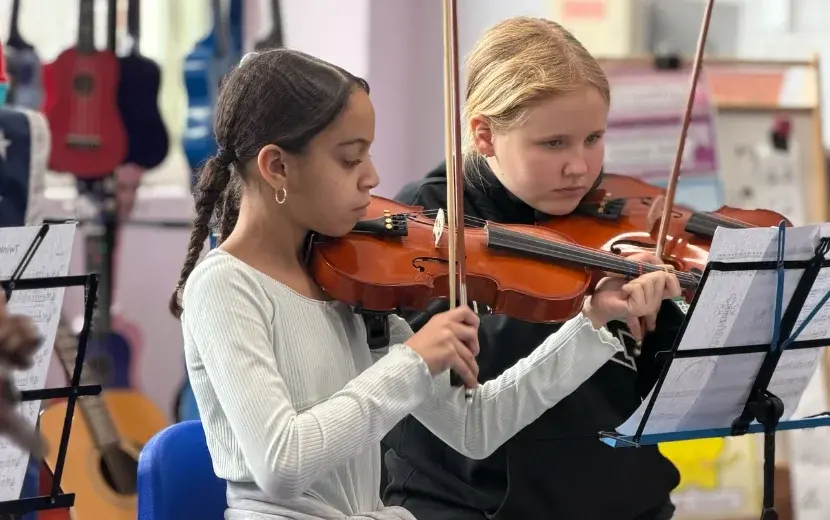
Playing a musical instrument is a full-body workout for the brain. Neuroscientists have observed that when a musician plays, their brain shows increased activity across multiple regions simultaneously. This process strengthens the corpus callosum, the bridge between the left and right hemispheres, allowing messages to cross more efficiently. This enhanced connectivity helps musicians solve problems more creatively and effectively in both academic and professional settings.
Studies, such as those conducted by researchers at Northwestern University, indicate that musical training can improve executive function. This includes better focus, increased working memory, and superior impulse control. Because reading music requires the brain to process sensory information—visual, auditory, and motor—at high speeds, it essentially trains the mind to multitask with greater precision. This mental agility persists long after the practice session ends, offering long-term protection against cognitive decline.
How long does it take to see benefits
The timeline for experiencing the benefits of music depends on the consistency of practice rather than the total duration of study. Beginners often notice improvements in fine motor skills and hand-eye coordination within the first few weeks of regular practice. However, structural changes in the brain’s white matter typically require several months of dedicated, repetitive engagement to become measurable. Most experts suggest that even 20 minutes of daily practice is more effective than one long, weekly session.
To maximize your progress and see faster results, follow these steps:
- Establish a consistent daily time slot to build a habit.
- Focus on "deliberate practice," where you isolate difficult measures rather than playing entire songs.
- Record your sessions to track subtle improvements in tone and rhythm.
- Set small, achievable goals for each week to maintain motivation.
- Incorporate music theory basics to understand the structure behind the sounds.
Best instruments for beginners
Choosing the right instrument is essential for maintaining interest and ensuring steady progress. For those seeking a gentle learning curve, the piano is often recommended because it provides a visual layout of musical notes, making it easier to understand theory. Ukuleles are also excellent for beginners due to their small size, soft nylon strings, and the fact that many popular songs can be played with only three or four simple chords.
If you are interested in social playing, consider instruments that fit into ensembles or bands.
- Piano: Offers a comprehensive foundation in melody and harmony.
- Ukulele: Highly portable and accessible for quick, rewarding progress.
- Acoustic Guitar: Versatile and ideal for learning rhythm and accompaniment.
- Recorder: Inexpensive and useful for learning basic breath control and notation.
- Percussion: Great for developing a strong sense of internal timing and rhythm.
Common mistakes when learning music
A frequent error for new students is attempting to learn complex pieces before mastering basic scales and rhythm patterns. Skipping the fundamentals creates gaps in your technique that become difficult to fix later. Another common pitfall is practicing in a distracted environment, such as in front of a television or with a phone nearby. Music requires deep focus to build the neural pathways necessary for muscle memory.
Avoid these common traps to ensure a smoother learning experience:
- Neglecting to warm up your muscles, which can lead to strain or repetitive stress injuries.
- Setting goals that are too ambitious, which leads to early burnout and frustration.
- Ignoring the importance of a metronome, which is vital for developing internal timing.
- Focusing solely on speed rather than accuracy and musicality.
- Failing to listen to recordings of the music you are trying to learn.
Why music reduces stress
Playing music acts as a powerful therapeutic tool by lowering cortisol levels, the body’s primary stress hormone. When you focus on the nuances of a melody or the precision of a beat, you enter a state of "flow." This state occupies the mind so completely that the anxieties of daily life are temporarily pushed aside. This meditative quality provides a necessary mental break, allowing the nervous system to shift from a state of high alert to one of relaxation.
Beyond the biological impact, music provides a constructive emotional outlet. It allows players to channel feelings that might be difficult to express through words alone. Whether you are playing a somber classical piece or an upbeat jazz improvisation, the act of creation fosters a sense of accomplishment and self-worth. By consistently engaging with an instrument, you build a resilient, creative, and disciplined mind that is better equipped to handle the challenges of the modern world.
Key facts
- Learning an instrument improves neuroplasticity, strengthening the connection between the brain's left and right hemispheres.
- Consistent practice for as little as 20 minutes a day can significantly improve fine motor skills and hand-eye coordination.
- Playing music engages the auditory, motor, and visual cortices simultaneously, providing a comprehensive cognitive workout.
- Group music participation, such as joining a choir or band, is proven to lower cortisol levels and reduce feelings of social isolation.
- To avoid injury, always warm up your fingers and wrists with gentle stretches before beginning a practice session.
- Avoid the common mistake of practicing for hours once a week; daily, shorter sessions lead to faster muscle memory retention.
The bottom line
Engaging with music offers profound benefits that span physical, cognitive, and emotional domains. By fostering neural connectivity, enhancing motor coordination, and providing a healthy outlet for stress, music serves as a powerful tool for self-improvement. Whether you choose to pick up a guitar or join a local ensemble, the act of creating sound is a rewarding endeavor that enriches your life and sharpens your mind.
People also ask
Does learning music make you smarter?
Studies suggest that musical training enhances executive functions, such as working memory and inhibitory control. While it may not raise IQ points directly, it improves the mental flexibility required for complex problem-solving.
Is it too late to start learning an instrument as an adult?
It is never too late to begin, as the adult brain retains the ability to form new neural pathways. Many adults find that their increased discipline and focus allow them to progress faster than children.
Which instrument is the easiest for a beginner to learn?
The ukulele and piano are often recommended for beginners because they provide immediate, clear feedback. The ukulele has a soft nylon string tension, while the piano offers a visual layout of notes.
How long does it take to become proficient?
Proficiency depends on your goals, but most students reach a basic level of competency after six to twelve months of consistent practice. Mastering an instrument is a lifelong pursuit that evolves with your dedication.
Can playing music help with stress relief?
Yes, playing music acts as a form of active meditation that shifts focus away from daily stressors. The rhythmic nature of music can also help regulate breathing and lower heart rates.
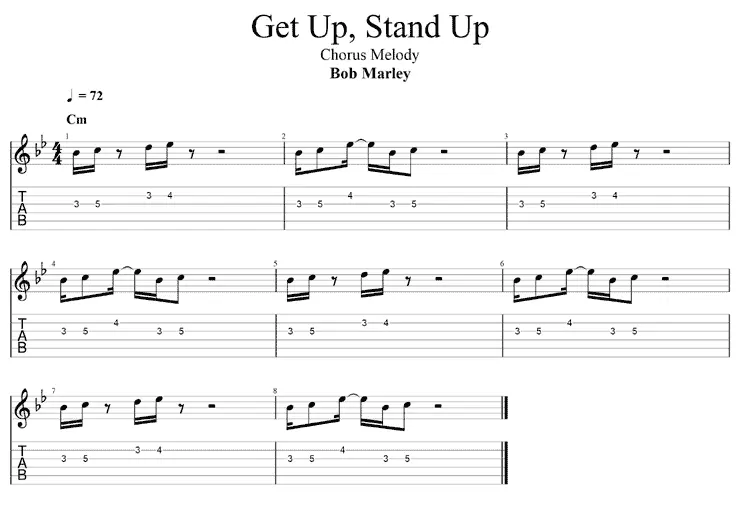
Do I need to be able to read sheet music to play?
While reading music is a valuable skill, many successful musicians learn by ear or through tablature. You can enjoy playing and express creativity without ever mastering traditional staff notation.
This answer was created with the help of AI research tools and reference sources. Spotted an error? Let us know — we correct mistakes quickly. See our editorial policy.