How do you draw a paint palette?
Short answer
Drawing a paint palette involves sketching an elongated oval shape, adding a thumb hole near one edge, and incorporating small, circular indentations for paint wells. By using simple geometric shapes and perspective, you can create a realistic representation of this classic artist’s tool, whether you prefer a traditional wooden or plastic design.
On this page
How to draw a basic paint palette shape
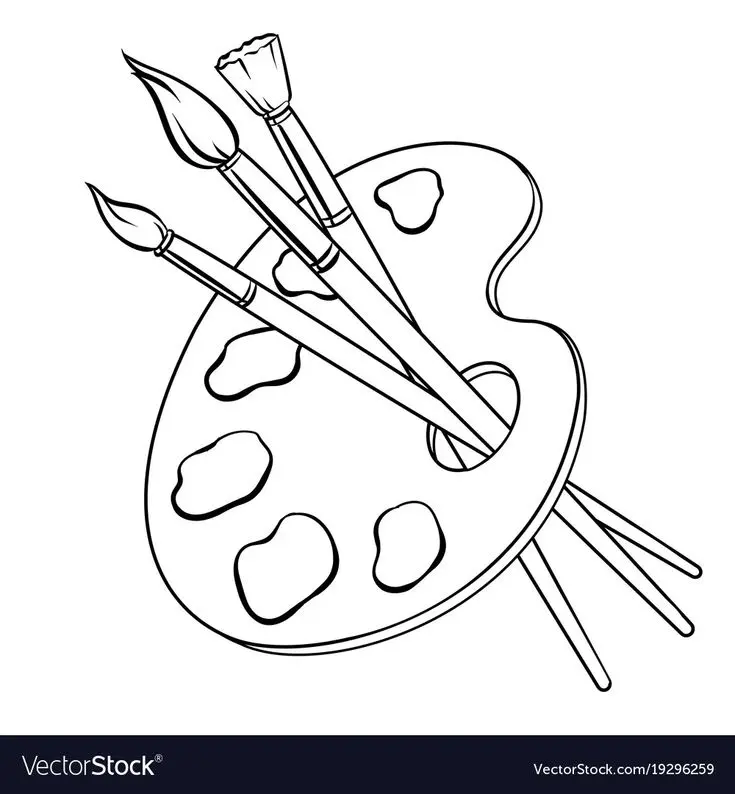
To begin drawing a classic artist’s palette, start by sketching a flattened, irregular oval on your paper. Traditional wooden palettes are not perfect circles; they are shaped like a kidney bean or an elongated teardrop to fit comfortably against the forearm. Use a light graphite pencil to outline this base shape, ensuring the curves are smooth and organic rather than rigid or mechanical.
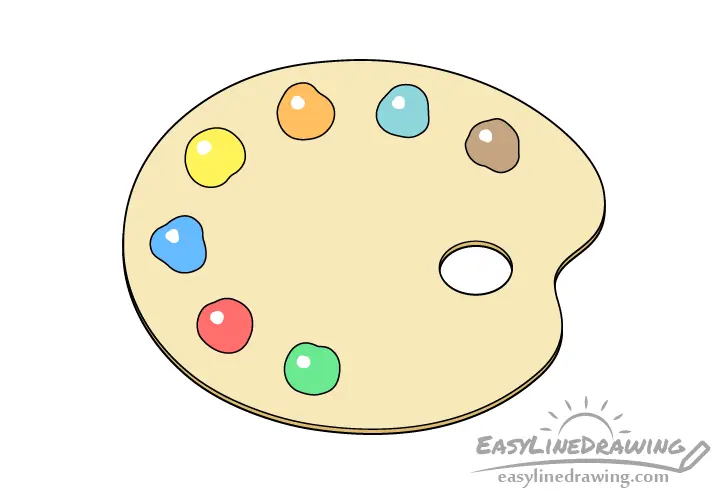
Once you have the outer silhouette, define the thumb hole, which is the most recognizable feature of the palette. Place this hole in the wider, rounded section of the oval, usually positioned toward the left or right side depending on whether the artist is left- or right-handed. Keep the hole slightly off-center to maintain the balance of the drawing. You can refine the shape by following these steps:
- Draw a light horizontal guide line through the center of your oval.
- Sketch a small, slightly tilted circle near the edge for the thumb hole.
- Erase the guide lines and darken the outer contour of the palette.
How to add depth and perspective
Adding depth transforms a flat drawing into a three-dimensional object. To achieve this, draw a thin, second line just inside the outer edge of the palette to represent the thickness of the wood or plastic material. Shading the underside of the palette—the area furthest from your light source—will create the illusion that the object is lifted off the surface of the paper.
Perspective is crucial when drawing a palette resting on a table. If the palette is lying flat, the thumb hole should appear as a slightly compressed oval rather than a perfect circle. If you are drawing the palette held in a hand, tilt the entire shape at an angle. Use cross-hatching or blending stumps to smooth out the shadows beneath the palette, which helps ground the object in the scene. Small highlights along the top edge can further emphasize the material's texture.

How to draw paint wells and blobs
If you are drawing a plastic palette rather than a wooden one, you must include the recessed paint wells. These are circular indentations designed to hold pigments. Draw several small, overlapping circles across the surface of your palette. To make them look like wells, draw a smaller circle inside each larger one and add a crescent-shaped shadow on the side opposite the light source to indicate depth.
If you prefer to draw a palette with mixed paint, use irregular, blob-like shapes to represent dollops of color. Vary the sizes of these blobs to make the drawing look authentic and used. When shading these, remember that wet paint is reflective. Use these tips to enhance your rendering:
- Keep the edges of your paint blobs soft and rounded.
- Add tiny white highlights on the top of each paint blob to suggest a glossy, wet surface.
- Vary the spacing between blobs to avoid a repetitive, unnatural pattern.
Common mistakes when drawing palettes
One frequent error is making the thumb hole too large or perfectly centered, which makes the palette look structurally unsound or awkward to hold. Another common mistake is neglecting the thickness of the palette’s edge; a palette drawn as a single, thin line looks like a piece of paper rather than a sturdy artist's tool. Always ensure the thickness is consistent around the entire perimeter.
Artists often struggle with the perspective of the paint wells. If the wells are drawn as perfect circles while the palette itself is viewed at an angle, the drawing will look disjointed. Ensure that the wells follow the same elliptical perspective as the main body of the palette. Avoid using overly dark outlines for the paint blobs, as this can make them look like stickers rather than organic, fluid paint sitting on the surface.
Best tools for drawing a paint palette
For beginners, a standard HB graphite pencil is ideal for sketching the initial outline, while a 2B or 4B pencil works well for adding shadows and depth. Use a kneaded eraser to lift graphite gently, which is helpful for creating highlights on the paint blobs or cleaning up the edges of the thumb hole. If you are using paper with a slight tooth, the graphite will blend more smoothly.
If you want to add color to your drawing, colored pencils or markers are excellent choices. Markers provide a flat, vibrant look similar to plastic palettes, while colored pencils allow for subtle layering and blending. When coloring, start with the lightest shades of paint and gradually build up to the darker, more saturated colors to create a realistic effect. By experimenting with different paper textures and drawing mediums, you can achieve a professional look that highlights the unique character of your paint palette.
Key facts
- A traditional artist's palette is typically oval or kidney-shaped to fit comfortably against the forearm.
- Thumb holes are usually positioned near the wider end of the palette to ensure balanced weight distribution.
- Wooden palettes require "seasoning" with linseed oil before their first use to prevent paint from soaking into the fibers.
- When sketching a palette, use a wide, flattened "C" shape or an irregular kidney bean outline for a realistic silhouette.
- Adding a small circle near the edge creates the thumb hole, which should be slightly offset from the center.
- To add depth, draw thin, rounded blobs along the perimeter to represent dollops of paint.
The bottom line
Drawing a paint palette is a straightforward exercise in capturing organic, asymmetrical shapes. By focusing on the iconic kidney-bean silhouette and properly placing the thumb hole, you create a recognizable tool of the trade. Remember to add small, rounded mounds along the edge to suggest active use. With these simple structural elements, you can effectively illustrate the classic instrument used by painters for centuries.
People also ask
What is the best material for a paint palette?
Wood is preferred for oil painting as it provides a stable, non-slip surface that improves with age. Plastic or ceramic palettes are better for watercolors or acrylics because they are non-porous and easy to clean.
Should I hold the palette in my left or right hand?
Most artists hold the palette in their non-dominant hand to keep their primary hand free for the brush. If you are left-handed, you should seek a palette with the thumb hole positioned for your left grip.
How do I keep paint from drying out on the palette?
For acrylics, use a stay-wet palette with a damp sponge and parchment paper to maintain moisture. For oils, you can cover your palette with plastic wrap or store it in a specialized airtight palette box.
Why do professional palettes have a hole for the thumb?
The thumb hole allows the artist to hold the palette securely while standing at an easel for extended periods. It distributes the weight across the forearm, reducing wrist strain during long painting sessions.
Can I use a paper plate as a palette?
Yes, disposable paper palettes are excellent for quick projects or when using acrylics. However, they are not suitable for heavy oil applications as the oil can seep through the paper.
How do I clean a wooden palette?
Scrape off excess dried paint with a palette knife, then wipe the surface with a rag dampened with a small amount of linseed oil. Avoid using harsh solvents that can strip the wood's finish.
This answer was created with the help of AI research tools and reference sources. Spotted an error? Let us know — we correct mistakes quickly. See our editorial policy.