How do you draw with colored pencils on dark paper?
Short answer
Drawing on dark paper requires opaque, high-pigment pencils, such as wax-based or oil-based brands, to ensure colors stand out against the background. By layering light colors first and building saturation gradually, you can create vibrant, luminous effects. Use white pencils as an underpainting base to make subsequent colors appear significantly more brilliant.
On this page
Which colored pencils work best on dark paper?
Not all colored pencils are created equal when it comes to dark surfaces. To achieve professional results, you must prioritize opacity and pigment density. Wax-based pencils, such as Prismacolor Premier, are excellent because their soft core allows for heavy, buttery layering that sits on top of the paper fibers. Oil-based pencils, like Faber-Castell Polychromos, offer a firmer lead that is ideal for fine details, though they may require more pressure to achieve full coverage.
Regardless of the binder, look for "lightfast" ratings on the packaging. Because dark paper absorbs light, you need colors that maintain their intensity without fading into the background. Avoid student-grade or watercolor pencils, as these often contain binders that turn translucent when applied to black or navy paper. High-quality artist-grade pencils contain more pigment and less filler, which is essential for overcoming the low contrast inherent in dark surfaces.
How to prepare your drawing surface
The texture of your paper, known as its "tooth," plays a critical role in how your pigment adheres. A heavy-toothed paper, such as charcoal or pastel paper, will grab more pigment, allowing for thicker layers and more vibrant color pops. Smooth, hot-pressed papers are better suited for fine, illustrative work, but they may struggle to hold multiple layers of wax. Always test a small swatch on the corner of your sheet before beginning your primary composition.
Preparation also involves careful sketching. Graphite often disappears on black paper, making it difficult to see your initial outlines. To avoid this, consider these alternatives:
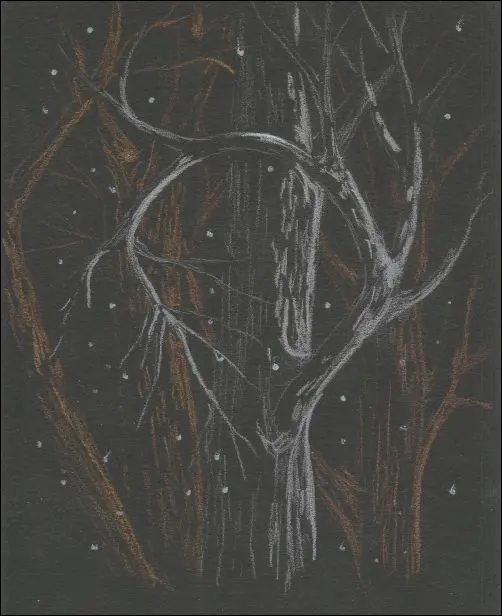
- Use a white or light gray pastel pencil to sketch your initial layout.
- Transfer your drawing using white transfer paper to ensure your lines are visible.
- Lightly dust the surface with a fixative if the paper is too slick to accept the initial pencil strokes.
How to layer colors for maximum vibrancy
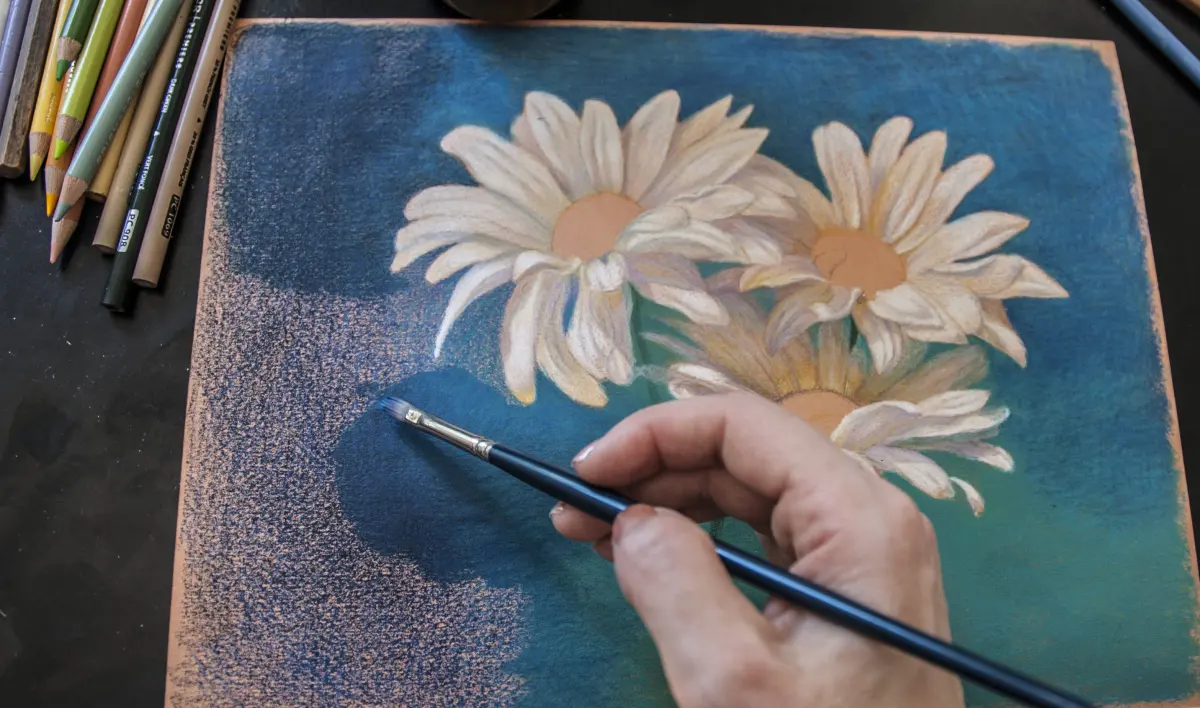
Layering on dark paper is the inverse of traditional white paper techniques. On white paper, you work from light to dark; on dark paper, you must work from dark to light. Start by blocking in your mid-tones, then gradually introduce lighter, more opaque colors. If you jump straight to your brightest highlights, you risk creating a chalky, dull appearance that lacks depth and dimension.
To achieve the most luminous results, follow these professional layering steps:
- Apply a base layer of white pencil over the areas you want to be the brightest.
- Layer your desired color directly over the white base to create a glowing effect.
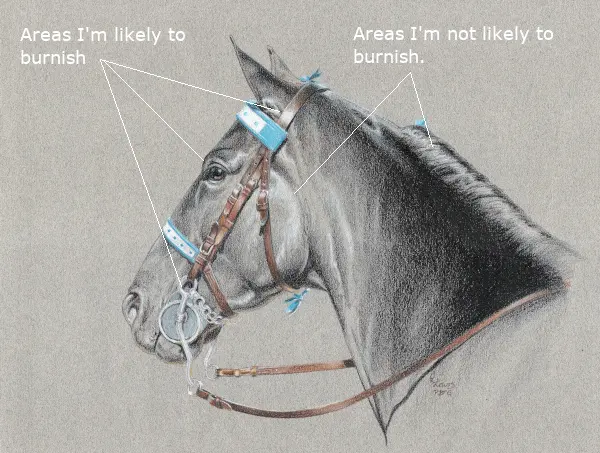
- Use a colorless blender pencil to burnish the layers together, filling in the paper's tooth.
- Add final highlights with a high-quality white gel pen or a very sharp, opaque white pencil.
Why colors appear dull on dark paper
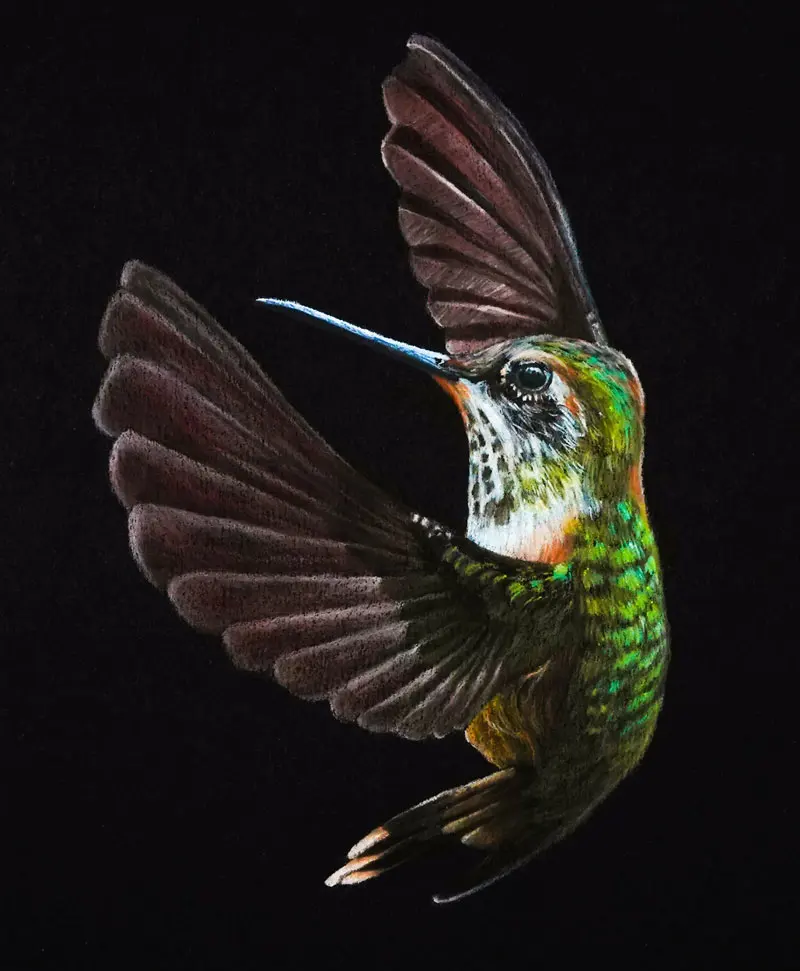
The most common frustration for beginners is the "disappearing" effect, where colors seem to sink into the paper and lose their saturation. This happens because the dark background absorbs the light that would normally reflect off the white paper, effectively muting your colors. When you apply a thin layer of color, the dark paper shows through the pigment particles, creating a muddy or transparent look rather than a solid, opaque finish.
To combat this, you must apply enough pressure to create a dense, physical layer of wax or oil. Think of your pencil strokes as building a wall of pigment rather than just staining the surface. If your colors still look weak, it is likely because you are not layering enough or your pencil lacks sufficient pigment density. Increasing the number of layers will create a more reflective surface, which helps the colors stand out against the surrounding darkness.
Common mistakes when drawing on dark paper
One frequent error is failing to manage the contrast properly. Beginners often forget that the dark paper itself serves as their deepest shadow. You do not need to use black pencils for shading; instead, let the paper provide the darkest values and focus your energy on the mid-tones and highlights. Overworking the dark areas with black pencils can make the drawing look flat and lifeless, robbing it of the dramatic contrast that makes dark-paper art so compelling.
Another mistake involves the use of fixatives. While fixatives protect your work, they can sometimes darken the paper or alter the finish of your wax-based pencils, making them look cloudy. Always use a light, even spray and allow the drawing to dry completely between coats. If you are a beginner, avoid these common pitfalls:
- Pressing too hard too early, which fills the paper tooth and prevents further layering.
- Using colors that are too dark, which blend into the background instead of popping.
- Neglecting to clean your hands, as oils from your skin can create smudges on dark paper that are difficult to remove.
Key facts
- Use opaque, wax-based or oil-based pencils, as these provide the best pigment coverage on dark surfaces.
- Always apply a base layer of white pencil first to make subsequent colors appear more vibrant and opaque.
- Work in thin, light layers rather than pressing hard, which can cause the wax to bloom or create a waxy buildup.
- Use a high-quality, heavy-weight paper specifically designed for drawing, such as Canson Mi-Teintes or black Stonehenge.
- Avoid using cheap, water-based pencils, as they often appear translucent and fade into the dark background.
- Keep a kneaded eraser handy to lift pigment and create highlights, as dark paper allows for subtractive drawing techniques.
The bottom line
Drawing on dark paper requires a shift in perspective, as you are building light out of darkness rather than shading into white space. By prioritizing opaque, wax-based pencils and establishing a white base layer, you ensure that your colors remain vivid. Patience in layering and the strategic use of highlights will transform your work, turning the dark background into a powerful tool for depth and dramatic contrast.
People also ask
Can I use regular graphite pencils on black paper?
Graphite pencils are generally not recommended for black paper because they create a reflective, metallic sheen that is difficult to see. White charcoal or specialized light-colored pencils are much more effective for visibility and contrast.
Why do my colors look muddy when I draw on dark paper?
Muddy colors often occur when you apply too much pressure or use pencils with low pigment density. Ensure you are using professional-grade pencils and layering colors slowly to maintain saturation.
Do I need to seal my drawing once it is finished?
Yes, a fixative spray is essential to prevent smudging and to protect the delicate wax layers. Use a workable fixative between layers and a final matte or glossy spray once the piece is complete.
How do I get bright highlights on dark paper?
For intense highlights, use a white gel pen or a white gouache paint over the top of your colored pencil work. These mediums are more opaque than pencils and provide a sharp, clean pop of light.
Is it better to use a hard or soft pencil?
Soft, wax-based pencils are typically superior for dark paper because they lay down pigment more easily without requiring heavy pressure. Hard pencils are better suited for fine details and sharp edges once the base layers are established.
What is the "bloom" effect in colored pencil drawing?
Wax bloom is a cloudy, whitish film that appears on the surface of a drawing due to the wax content in the pencils. You can easily remove this by gently buffing the surface with a soft, dry cloth.
This answer was created with the help of AI research tools and reference sources. Spotted an error? Let us know — we correct mistakes quickly. See our editorial policy.