What are the best watercolor paints for beginners?
Short answer
For beginners, the best watercolor paints are high-quality student-grade sets from reputable brands like Winsor & Newton Cotman, Daniel Smith Essentials, or Sennelier. These offer excellent pigment load and lightfastness without the high cost of professional series. Focus on a versatile palette of six to twelve pans to master color mixing.
On this page
What are the best watercolor paints for beginners?
When starting your watercolor journey, the primary goal is to find paints that offer a balance between affordability and performance. Professional-grade paints contain a higher concentration of pigment, but student-grade lines are specifically formulated to handle similarly while remaining budget-friendly. Look for brands that provide clear information about lightfastness—the ability of a pigment to resist fading over time—and transparency levels on their packaging.
Many experts recommend starting with a "split primary" palette. This setup includes a warm and cool version of each primary color: red, yellow, and blue. By having these six colors, you can mix a vast spectrum of secondary and tertiary hues without needing a massive set of pre-mixed tubes. This approach teaches you fundamental color theory and prevents the common beginner mistake of relying on muddy, pre-mixed greens or browns that lack vibrancy.
How to choose between pans and tubes
Watercolor paints come in two primary forms: pans (solid cakes) and tubes (moist paste). Pans are generally preferred by beginners because they are portable, require no preparation, and allow for easy cleanup. You simply touch a wet brush to the surface to pick up pigment. They are ideal for small-scale practice and keeping your workspace tidy while you learn to control water-to-paint ratios.
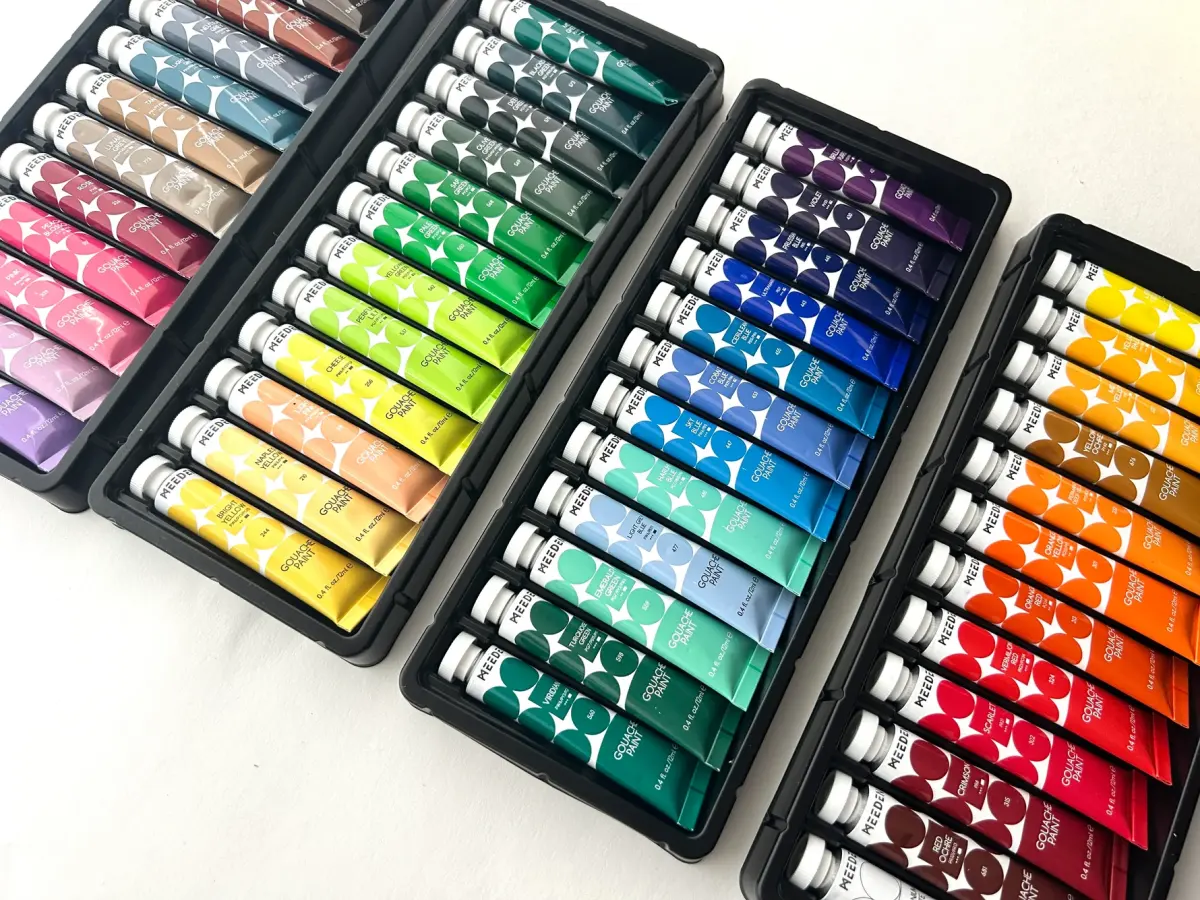
Tubes are better suited for artists who intend to paint larger works or who want to fill their own custom palettes. Because the paint is fresh and moist, it is easier to create large washes of color quickly. However, tubes can be messy and often lead to waste if you squeeze out more than you need. Here is a quick guide to help you decide:
- Choose pans if you are painting on the go or have limited desk space.
- Choose tubes if you want to mix large puddles of color for expansive backgrounds.
- Always check that your paint set includes a mixing tray for blending colors.
Which watercolor brands should beginners buy?
Selecting a reputable brand ensures that your paints will behave predictably, which is crucial for building confidence. Winsor & Newton’s Cotman line is widely considered the gold standard for students, offering a reliable consistency and a wide range of colors. Daniel Smith’s Essentials set is another excellent choice, as it introduces beginners to high-quality pigments that are often found in professional-grade collections.
Sennelier is another top contender, known for using honey as a binder, which gives their paints a unique, smooth flow and a beautiful luminous quality. Regardless of the brand, avoid "craft-grade" or children’s watercolor sets. These often contain fillers and dyes that do not behave like true watercolors, leading to frustration when you try to layer colors or create smooth gradients. Investing in a recognized brand ensures that your progress is based on the quality of your technique rather than the limitations of your materials.
Common mistakes when using watercolor paints
One of the most frequent errors beginners make is using too much paint and not enough water. Watercolor is a transparent medium, meaning the white of the paper should provide the highlights. If your paint looks opaque or chalky, you likely need to dilute it further with clean water. Another common mistake is overworking the paper, which can cause the fibers to pill and the colors to turn into a muddy gray.
To maintain clarity in your work, follow these steps to manage your application:
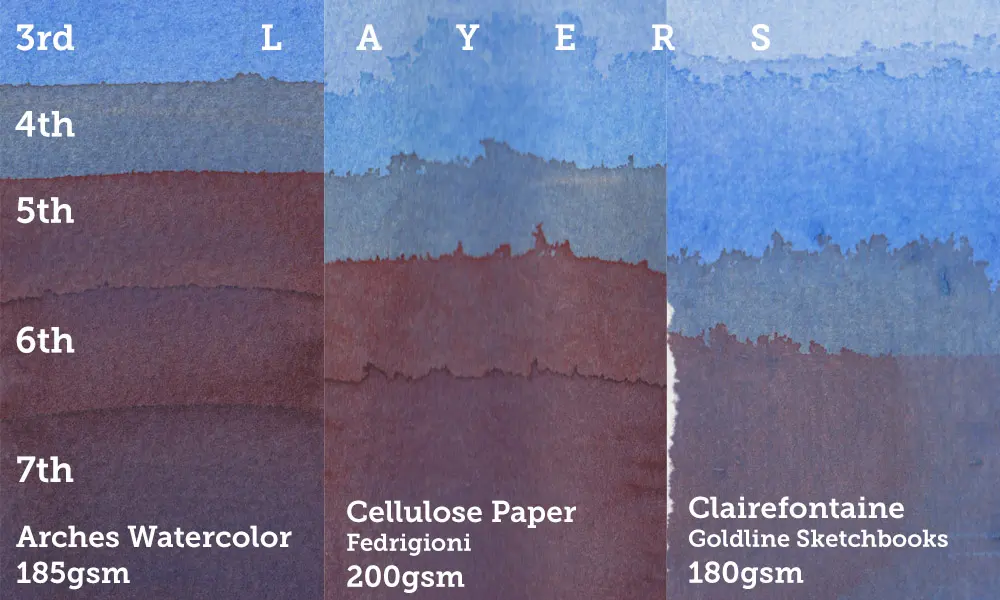
- Always start with a light wash and build up to darker values in layers.
- Allow each layer to dry completely before applying the next to avoid unwanted bleeding.
- Keep two jars of water at your station: one for rinsing your brush and one for picking up clean water to mix with your paint.
- Test your colors on a scrap piece of watercolor paper before applying them to your final project.
How to maintain your watercolor supplies
Proper care of your paints and brushes will significantly extend the life of your equipment. After each painting session, gently wipe down your pans with a clean, damp cloth to remove any stray pigment that might contaminate other colors. If you use tubes, ensure the caps are tightened securely to prevent the paint from drying out prematurely. Store your set in a cool, dry place away from direct sunlight to prevent the pigments from degrading.
Your brushes also require specific attention. Never leave your brushes sitting in water, as this can damage the bristles and ruin the point. Instead, rinse them thoroughly, reshape the bristles with your fingers, and lay them flat to dry. By treating your tools with respect, you ensure that your materials remain in top condition as your skills improve. Consistent maintenance allows you to focus entirely on your creative process without worrying about equipment failure or contaminated colors during your next painting session.
Key facts
- Student-grade paints are formulated with more binder and less pigment than professional-grade paints, making them more affordable for practice.
- Pan sets are solid blocks of dried paint that are portable and ideal for beginners, while tubes offer fresh, moist paint for mixing large washes.
- Look for "lightfastness" ratings on labels; a rating of I or II ensures your artwork will not fade significantly when exposed to light.
- Avoid "craft-grade" or children's sets, as they often contain excessive filler that results in muddy, chalky colors.
- A basic split-primary palette—two reds, two yellows, and two blues (one warm and one cool of each)—allows for the widest range of color mixing.
- Always test your paints on 140lb (300gsm) cold-press watercolor paper, as thinner paper will buckle and pill when wet.
The bottom line
For beginners, the best approach is to purchase a small, high-quality student-grade set featuring a split-primary color palette. Focus on acquiring 140lb cold-press cotton paper, as the surface quality is more important than the number of paint tubes you own. By mastering color mixing and water control on proper paper, you will avoid common pitfalls like muddy colors, ensuring a rewarding and successful artistic start.
People also ask
What is the difference between pans and tubes?
Pans are small, dried cakes of pigment that react instantly with water, making them perfect for travel and quick sketching. Tubes contain moist paint that is easier to use for large-scale work where you need to mix a significant amount of color at once.
Do I need to buy a large set of 48 colors?
Beginners do not need large sets, as they often contain redundant colors that hinder learning. Starting with a set of 12 high-quality colors teaches you how to mix your own secondary and tertiary hues effectively.
Why does my watercolor painting look dull or muddy?
Muddy colors usually occur from over-mixing paints on the paper or using too many colors at once. Try to limit your palette to three colors per painting and avoid scrubbing the paper with a brush while it is damp.
Is expensive paper necessary for beginners?
Using cheap, thin paper is the most common mistake beginners make because it cannot handle water absorption. Investing in 100% cotton, 140lb cold-press paper significantly improves your results and prevents frustration during the learning process.
How do I store my watercolor paints?
Keep your paints in a cool, dry place away from direct sunlight to prevent the binders from degrading. If using tubes, ensure the caps are screwed on tightly to prevent the paint from drying out prematurely.
Can I mix different brands of watercolor paint?
You can safely mix different brands of watercolor paint as long as they are all professional or student-grade. Avoid mixing watercolor with acrylics or oils, as the different chemical binders will not bond correctly.
This answer was created with the help of AI research tools and reference sources. Spotted an error? Let us know — we correct mistakes quickly. See our editorial policy.