How do you blend acrylic paint?
Short answer
Blending acrylic paint involves manipulating the pigment while it remains wet to create smooth transitions between colors. Because acrylics dry rapidly, you must work quickly or use additives to extend their open time. Techniques such as wet-on-wet application, glazing, and dry brushing allow artists to achieve professional, seamless gradients on canvas.
On this page
How to blend acrylics smoothly
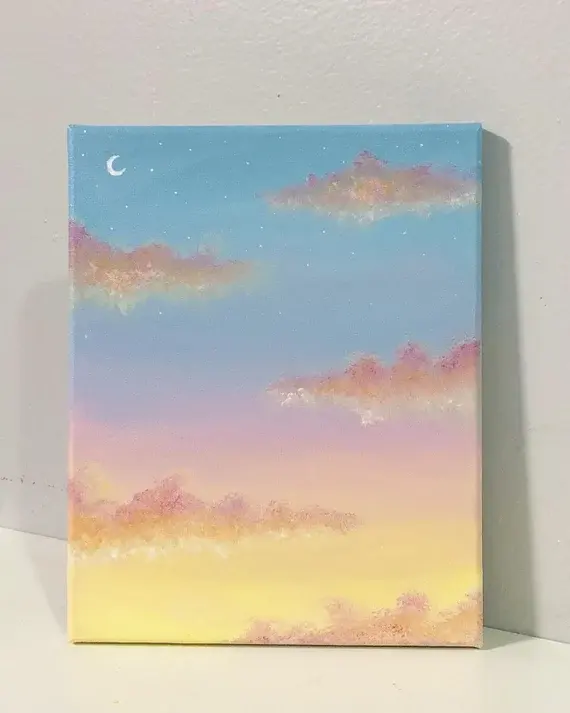
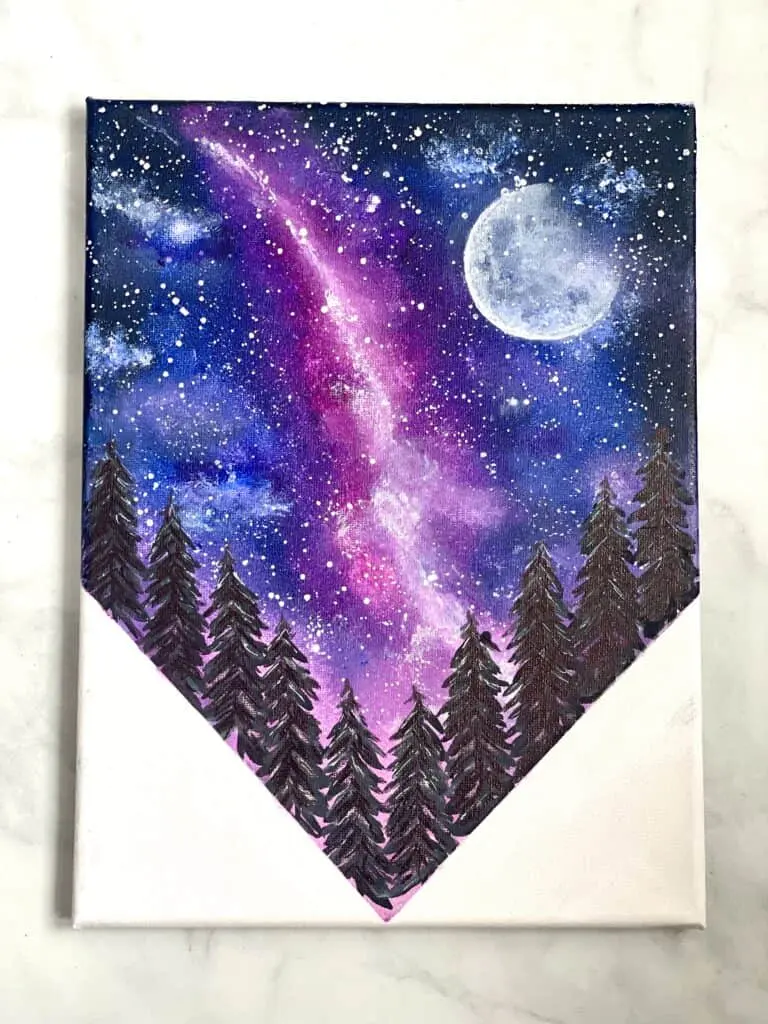
To achieve a smooth gradient, you must apply paint while the surface is still moist. Begin by placing two colors side-by-side on your palette or canvas, leaving a small gap between them. Use a clean, damp brush to pull the colors toward the center, overlapping them to create a transition zone. By working back and forth with light pressure, you can soften the hard edge where the colors meet.
Consistency is vital for effective blending. If your paint is too thick, it will drag and create visible brushstrokes rather than a smooth transition. Consider these steps for a successful blend:
- Apply a thin layer of water or a medium to the canvas to provide a slick surface.
- Load your brush with the first color and apply it to one side of the area.
- Load the second color and apply it to the opposite side, leaving a small space in the middle.
- Use a clean, soft-bristled brush to gently sweep across the meeting point until the transition looks uniform.
How to extend acrylic drying time
Acrylic paint typically dries within minutes, which makes blending difficult for beginners. To gain more working time, you can use specialized acrylic retarders or slow-drying mediums. These additives chemically delay the evaporation process, allowing you to manipulate the paint for an hour or longer. You can mix these directly into your paint or apply them to the canvas as a base layer.
Another effective strategy involves controlling your environment. Heat and airflow significantly accelerate drying, so painting in a cool room away from fans or direct sunlight is beneficial. You can also use a fine-mist spray bottle to lightly dampen your canvas or the paint surface as you work. This keeps the pigment pliable, though you must be careful not to oversaturate the paint, as this can cause it to lose its binding strength and peel over time.
Best tools for blending acrylics
The right equipment significantly improves your ability to create gradients. Synthetic brushes are generally preferred over natural hair brushes because they hold their shape better when wet and are easier to clean. Filbert brushes, which have a rounded edge, are particularly effective for blending because they lack sharp corners that might leave harsh streaks in the paint.
Beyond brushes, consider using a palette knife for initial color mixing or a soft blending sponge for large areas. A sponge can distribute paint evenly across a wide surface, making it ideal for backgrounds or sky effects. When selecting your materials, keep these items in mind:
- Soft synthetic flat or filbert brushes for blending strokes.
- A spray bottle filled with distilled water for moisture control.
- High-quality heavy-body acrylics, which provide better coverage and blending potential.
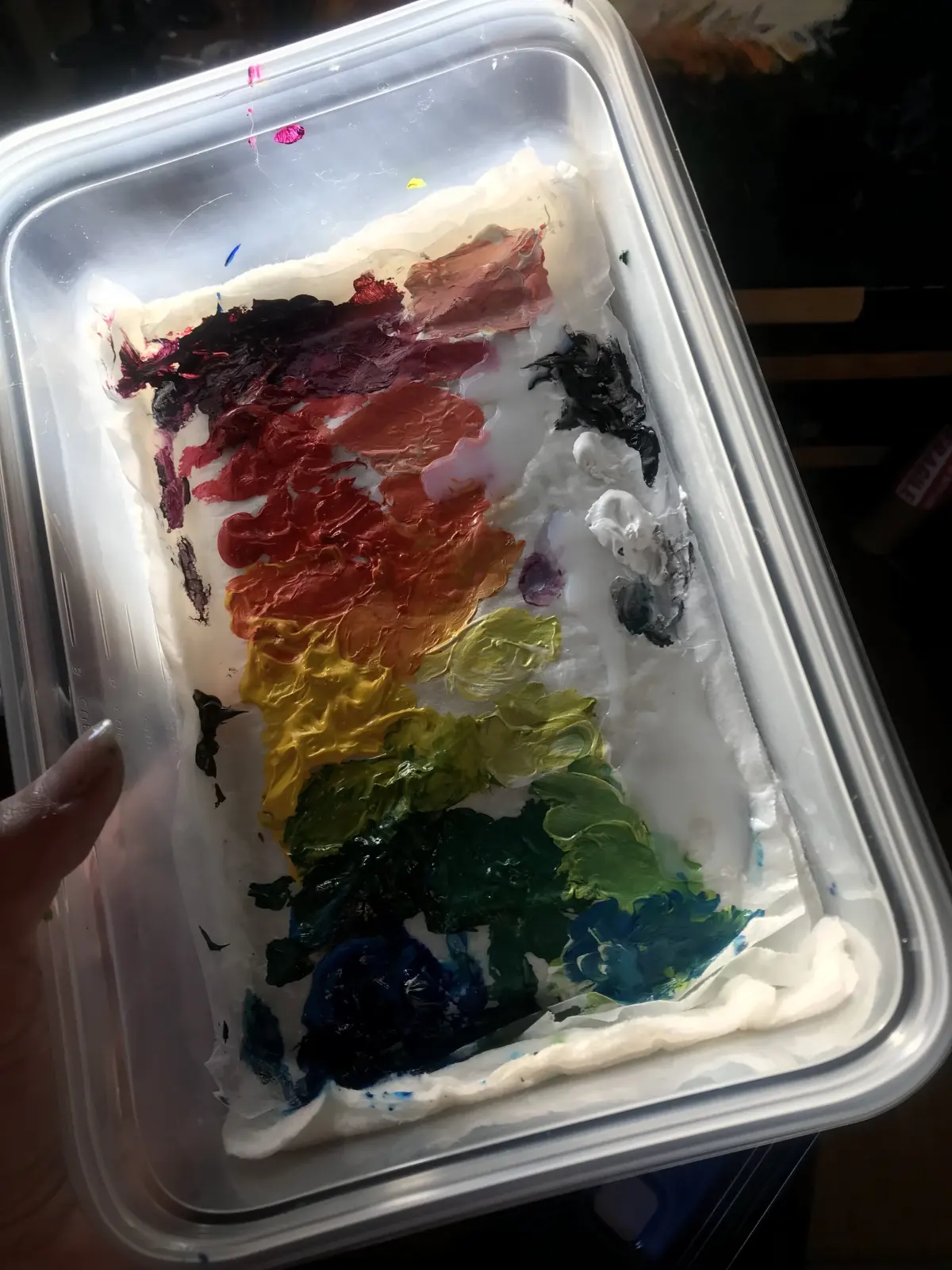
- A stay-wet palette, which keeps your paint usable for hours by utilizing a damp sponge under parchment paper.
Why acrylic paint dries too fast
The rapid drying time of acrylics is due to the polymer emulsion binder, which forms a water-resistant film as the water evaporates. Unlike oil paints, which dry through oxidation over several days, acrylics undergo a physical change that is nearly permanent once the water leaves the mixture. This makes them convenient for layering but challenging for traditional "wet-on-wet" techniques that require extended manipulation.
Understanding the chemistry helps you manage your expectations. If you are working in a dry climate, the water in your paint will evaporate almost instantly upon contact with the air. This is why many artists choose to work in small sections rather than attempting to blend an entire canvas at once. By focusing on one transition at a time, you prevent the paint from setting before you have achieved the desired level of softness.
Common mistakes when blending acrylics
One frequent error is overworking the paint. If you continue to brush over an area that has already begun to dry, the bristles will lift the half-dried film, resulting in a rough, "pilled" texture. Once the paint reaches this tacky stage, it is best to stop immediately and let it dry completely before applying a new layer. You can then fix the transition by applying a thin, translucent glaze over the area.
Another mistake is using too much water to thin the paint. While water helps with flow, adding more than 30 percent water can break down the acrylic polymer binder, leading to a weak paint film that may crack or flake off the canvas. Always use a dedicated acrylic medium to thin your paint if you want to maintain its structural integrity. Avoid these common pitfalls to keep your work clean:
- Using dirty brushes that contaminate your color transitions.
- Applying too much pressure, which removes paint rather than blending it.
- Ignoring the edges of your work, which can leave distracting lines.
- Failing to clean your brush between color applications, causing muddy hues.
Key facts
- Acrylic paint dries rapidly, often within 10 to 20 minutes, which limits the window for traditional wet-on-wet blending.
- Using a professional-grade retarder medium can extend the drying time of acrylics by several hours, allowing for smoother transitions.
- A "glazing" technique involves applying thin, transparent layers of paint over dried colors to create the illusion of a soft gradient.
- Misting your canvas or palette with a fine spray of water prevents the paint from skinning over while you work.
- Synthetic brushes with soft, flexible bristles are superior to natural hair brushes for blending acrylics without leaving visible streaks.
- The "double-loading" technique involves picking up two colors on one brush and blending them directly on the canvas surface.
The bottom line
Mastering acrylic blending requires balancing speed with the right chemical additives. By utilizing retarder mediums, maintaining a moist brush, and employing thin glazing layers, you can overcome the medium's rapid drying time. Avoid overworking the paint to prevent muddy results. With practice, these techniques allow you to achieve smooth, professional-looking gradients that rival the depth and softness typically associated with traditional oil painting media.
People also ask
Can I use oil painting techniques to blend acrylics?
You cannot use traditional oil techniques because acrylics dry through evaporation rather than oxidation. You must work quickly or use additives to keep the paint wet long enough to manipulate the edges.
What is the best surface for blending acrylic paint?
A primed canvas or heavy-weight acrylic paper works best, as these surfaces provide enough "tooth" to hold the paint. Avoid slick surfaces like untreated plastic, which can cause the paint to bead up or slide.
How do I fix hard lines between two colors?
If the paint is still damp, use a clean, slightly moist brush to gently feather the edge where the two colors meet. If the paint is dry, apply a thin, transparent glaze of the lighter color over the transition zone.
Should I use water to thin my paint for blending?
Adding too much water breaks down the acrylic binder, which can cause the paint to lose its adhesion or appear chalky. Use a dedicated glazing medium instead of water to maintain the paint's structural integrity.
Why does my paint turn muddy when I blend it?
Muddy colors occur when you over-mix complementary colors or work the paint too much while it is semi-dry. Limit your brushstrokes and avoid excessive back-and-forth movement once the paint begins to set.
How do I keep my brushes clean while blending?
Keep a jar of water nearby and rinse your brush frequently to prevent paint from drying in the bristles. Once acrylic dries in a brush, it is often impossible to remove without damaging the tool.
This answer was created with the help of AI research tools and reference sources. Spotted an error? Let us know — we correct mistakes quickly. See our editorial policy.