How do you keep acrylic paint from drying out?
Short answer
To keep acrylic paint from drying out, store it in airtight containers away from heat and direct sunlight. When working, use a stay-wet palette or mist your paints with water to maintain moisture. Proper lid maintenance and temperature control are essential for extending the shelf life of your acrylic supplies indefinitely.
On this page
Why does acrylic paint dry out so fast?
Acrylic paint is a fast-drying medium composed of pigment suspended in an acrylic polymer emulsion. Once the water content in the paint evaporates, the polymer particles coalesce into a durable, water-resistant plastic film. This chemical process is irreversible, meaning that once the paint has hardened on your palette or inside the tube, it cannot be reconstituted with water or medium.
Environmental factors significantly accelerate this drying process. High ambient temperatures, low humidity, and direct air currents from fans or heaters will cause the water to leave the emulsion rapidly. Because acrylics are designed to dry quickly to allow for layering, they are inherently sensitive to their surroundings. Understanding that evaporation is the primary culprit allows artists to implement effective barriers against air exposure, ensuring the paint remains workable for as long as possible during a painting session or in long-term storage.
How to store acrylic paint properly?
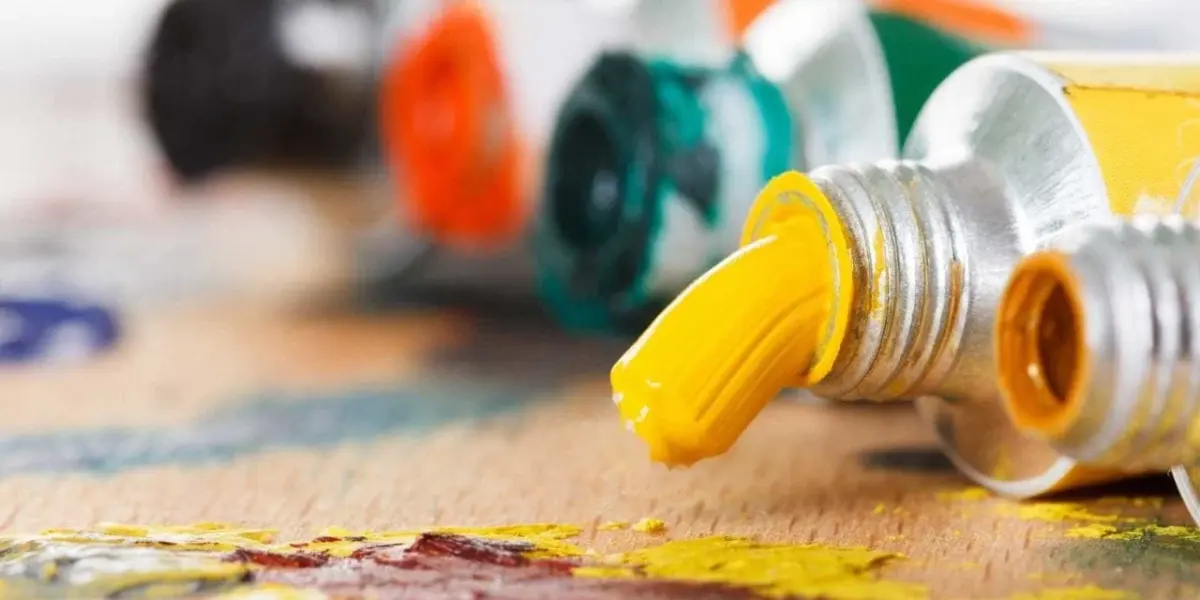
Proper storage is the most effective way to prevent acrylic paint from drying out while in its container. Always ensure that the caps on your tubes or lids on your jars are tightened securely after every use. Before closing a tube, wipe the threads clean with a damp cloth to remove any dried paint residue that might prevent an airtight seal. If the threads are clogged, air can slowly seep into the container, causing the paint to skin over or harden entirely.
For long-term storage, consider these environmental guidelines to maintain the integrity of your pigments:
- Keep containers in a cool, dark environment, such as a cupboard or drawer, to prevent heat-induced evaporation.
- Store tubes upright or on their sides, but avoid placing them near radiators, windows, or direct sunlight.
- If using jars, place a small piece of plastic wrap over the opening before screwing the lid on to create an extra seal.
- Avoid freezing temperatures, as extreme cold can break the emulsion, causing the paint to separate and become unusable.
How to keep acrylic paint wet on the palette?
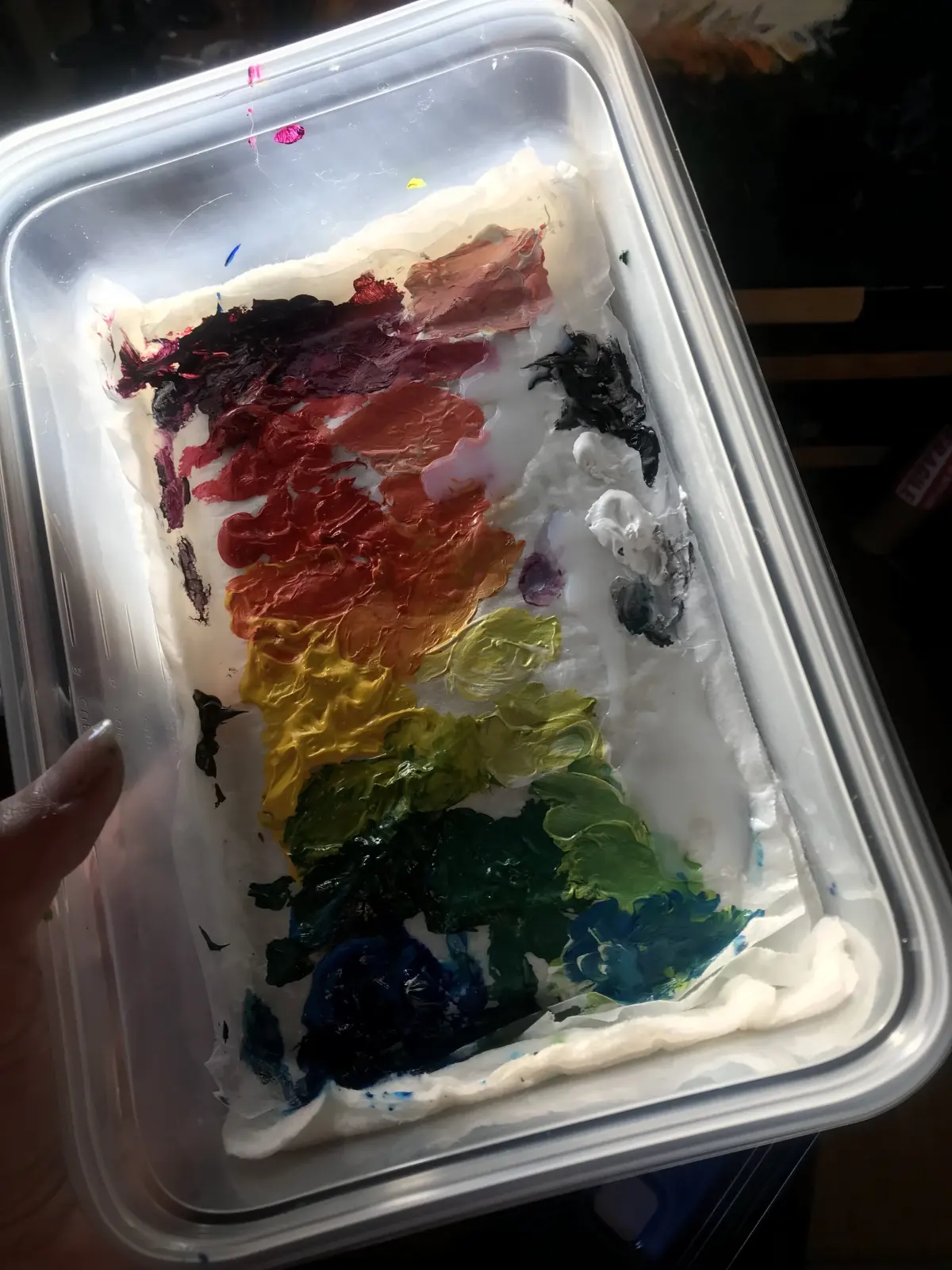
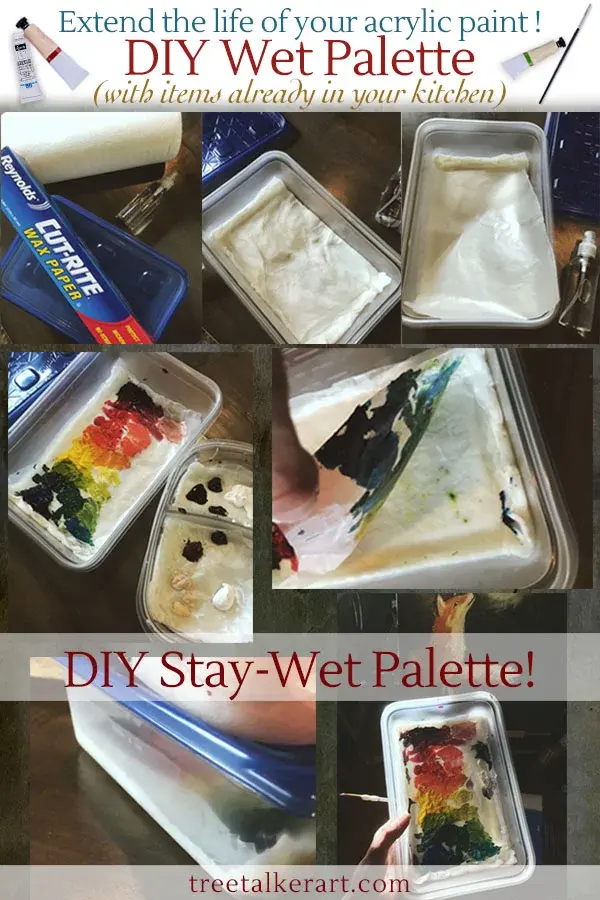
The palette is where acrylic paint is most vulnerable to drying. To combat this, many professionals use a "stay-wet" palette, which consists of a shallow container holding a damp sponge and a sheet of specialized permeable parchment paper. The paint sits on top of the paper, drawing moisture from the sponge below through osmosis. This setup can keep acrylics moist and workable for several days, provided the lid is kept closed when you are not actively painting.
If you do not have a stay-wet palette, you can create a simple DIY version or use a spray bottle to manage your paint. Follow these steps to keep your colors fresh:
- Fill a fine-mist spray bottle with distilled water to avoid mineral buildup.
- Lightly mist your palette every 15 to 20 minutes to replenish lost moisture.
- Use a plastic cover or a damp paper towel draped over the palette during short breaks.
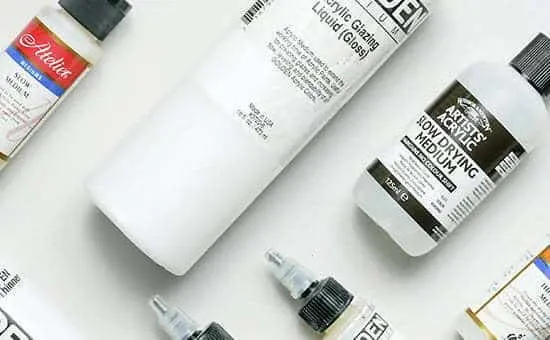
- Add a drop of retarder medium to your paint piles to slow the drying time chemically.
Common mistakes when using acrylics
One common mistake is putting out too much paint at once. Beginners often squeeze large dollops of every color onto their palette, only to find that the majority of it has dried before they can use it. It is more efficient to dispense only the amount of paint you anticipate using in the next 30 minutes. If you need more, you can always squeeze out additional paint, but you cannot save what has already hardened.
Another frequent error is failing to clean brushes promptly. Acrylic paint dries rapidly within the bristles, which can ruin expensive brushes in minutes. Always keep a jar of water nearby and rinse your brush every time you switch colors or take a break. Never leave a brush sitting in water for extended periods, as this can damage the ferrule and handle. Additionally, avoid mixing your paint with too much water, as thinning the binder too much can weaken the paint film and make it behave inconsistently.
Best tools for maintaining paint moisture
Investing in the right equipment can drastically improve your workflow and reduce waste. Stay-wet palette systems are the industry standard for acrylic artists, as they provide a controlled environment that mimics the humidity needed to keep the emulsion stable. High-quality airtight containers are also worth the investment, especially if you mix custom colors that you intend to use over several painting sessions. These containers often feature rubber gaskets that provide a superior seal compared to standard screw-top jars.
When choosing tools, look for the following features to ensure your paint stays fresh:
- Palette boxes with deep wells and rubber-sealed lids for maximum air exclusion.
- Fine-mist sprayers that provide a consistent, light coating of water without flooding the paint.
- Retarder mediums that are compatible with your specific brand of paint to ensure chemical stability.
- Dedicated paint organizers that allow for easy access while keeping tubes and jars in a stable, temperate environment.
Key facts
- Acrylic paint dries through evaporation, meaning exposure to air is the primary cause of hardening.
- A stay-wet palette, which uses a damp sponge under parchment paper, can keep acrylics usable for days.
- Adding a few drops of water or a specialized retarder medium slows the drying process significantly.
- Mist your palette periodically with a spray bottle filled with distilled water to maintain moisture levels.
- Store unused paint in airtight containers or seal tubes tightly to prevent the cap from becoming glued shut.
- Keep your workspace away from direct heat sources or fans, as these accelerate the evaporation of the paint's water base.
The bottom line
To keep acrylic paint from drying out, prioritize minimizing air exposure by using a stay-wet palette and sealing tubes immediately after use. Incorporate retarder mediums instead of excessive water to extend working time without damaging paint quality. By controlling your environment—avoiding direct heat and maintaining moderate humidity—you can significantly reduce waste and ensure your pigments remain ready for your next creative session on the canvas.
People also ask
Can I revive acrylic paint that has already dried on my palette?
Unfortunately, once acrylic paint has fully cured, it becomes a permanent plastic film that cannot be re-liquefied. You must scrape it away and start with fresh paint.
Should I put my acrylic paint in the refrigerator to keep it fresh?
While some artists store paint in the fridge to slow drying, it is generally unnecessary and can cause the binder to separate. Room temperature storage in an airtight container is usually sufficient.
What is the difference between water and a retarder medium?
Water thins the paint and weakens the binder if used in excess, whereas a retarder medium slows drying time without compromising the paint's structural integrity or adhesion.
How do I prevent paint from drying inside the tube nozzle?
Wipe the nozzle clean with a damp cloth after every use before replacing the cap. Applying a tiny amount of petroleum jelly to the threads can also ensure an airtight seal.
Does humidity affect how fast acrylic paint dries?
Yes, high humidity slows evaporation, keeping paint wet longer, while dry or arid environments cause acrylics to skin over and harden very quickly.
How long can I expect paint to stay wet on a stay-wet palette?
With the lid closed, a high-quality stay-wet palette can keep acrylics workable for several days or even weeks depending on the ambient temperature.
This answer was created with the help of AI research tools and reference sources. Spotted an error? Let us know — we correct mistakes quickly. See our editorial policy.