What is Francisco Goya's most famous painting?
Short answer
Francisco Goya’s most famous painting is The Third of May 1808, completed in 1814. This monumental oil-on-canvas work depicts the execution of Spanish resistance fighters by Napoleon’s troops. It is widely celebrated as one of the first truly modern paintings due to its emotional intensity, raw depiction of violence, and revolutionary artistic style.
On this page
Why is The Third of May 1808 so famous?
The Third of May 1808 is celebrated because it broke away from the traditional, heroic depictions of war common in the early 19th century. Instead of glorifying the victors or focusing on a single noble leader, Goya chose to highlight the terror and helplessness of the common people. The painting serves as a powerful protest against the brutality of conflict, marking a departure from the Neoclassical style that dominated the era.
Its fame also stems from its technical innovation, particularly the use of light and shadow to create a sense of immediate, visceral drama. The central figure, a man in a white shirt with his arms outstretched, evokes the imagery of a martyr, drawing direct parallels to religious iconography. This composition forces the viewer to confront the inhumanity of the firing squad, which is depicted as a faceless, mechanical force of destruction.
How to analyze Goya’s painting style
To understand Goya’s genius, one must look at how he manipulated paint and perspective to convey psychological weight. Unlike his contemporaries, who favored smooth, polished surfaces, Goya used loose, expressive brushstrokes that give the work an urgent and chaotic energy. This technique, which he refined later in his life, prefigured the developments of Impressionism and Expressionism by decades.
When examining the painting, consider these key elements:
- The stark contrast between the warm light of the lantern and the dark, oppressive night sky.
- The faceless nature of the soldiers, who are shown only from behind to emphasize their lack of individual humanity.
- The bloodied ground, which serves as a grim reminder of the reality of the execution.
- The central man's posture, which mimics the crucifixion, adding a layer of spiritual tragedy to the political event.
Where can you see Goya’s masterpieces today?
The primary location for viewing Goya’s most important works is the Museo del Prado in Madrid, Spain. The museum houses an extensive collection of his paintings, drawings, and prints, including the "Black Paintings" and his royal portraits. Seeing The Third of May 1808 in person allows visitors to appreciate the massive scale of the canvas, which measures nearly nine feet wide.
If you are planning a visit to the Prado, follow these steps to ensure a productive experience:
- Check the museum’s official website for current exhibition hours and ticket availability.
- Prioritize the Goya rooms on the ground floor to see his early tapestries and later, darker works.
- Use an audio guide or a guided tour to understand the historical context of the Peninsular War.
- Allow at least two hours to fully process the emotional impact of the gallery’s most significant pieces.
Common mistakes when studying Goya
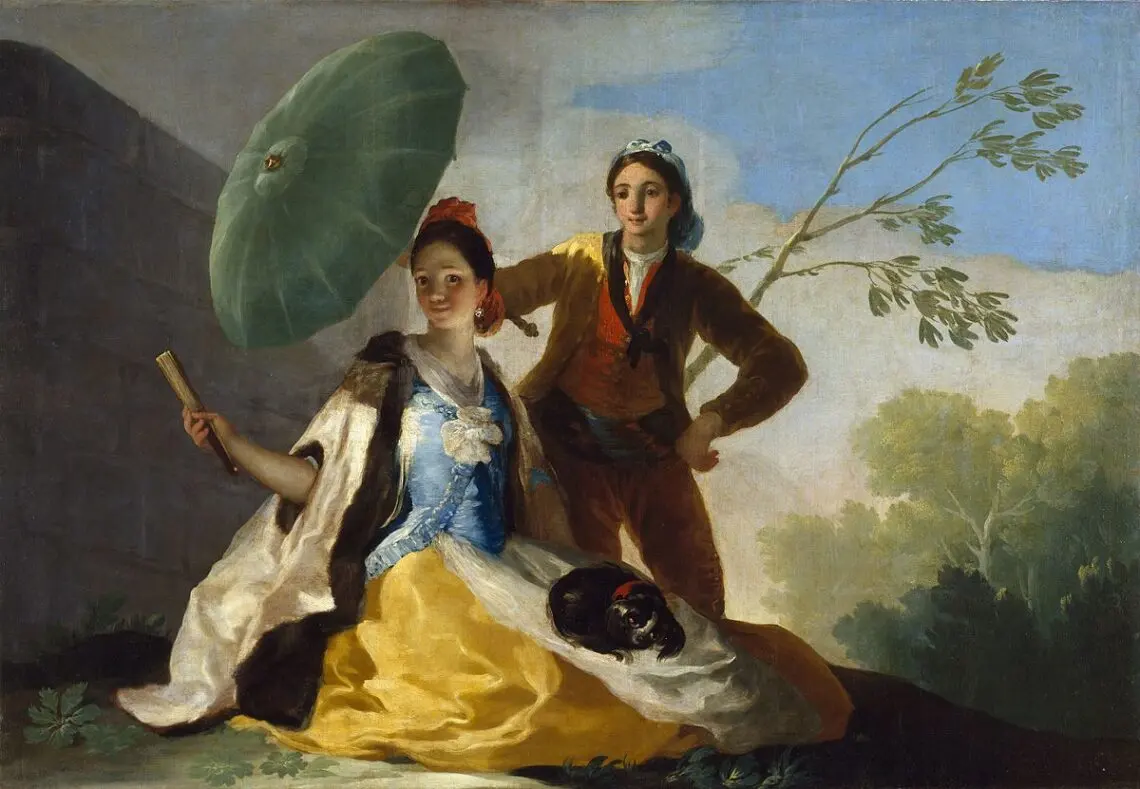
One common error is viewing Goya’s work solely through the lens of his royal portraiture. While he was a successful court painter, his true artistic legacy lies in his private works and his critical commentary on society. Mistaking his official portraits for his personal artistic vision ignores the profound cynicism and empathy that defined his later career.
Another mistake is misinterpreting his "Black Paintings" as mere expressions of insanity. While these works were painted directly onto the walls of his home during a period of illness and isolation, they are highly calculated critiques of superstition, corruption, and the human condition. Avoid viewing them as simple horror imagery; instead, look for the underlying political and social satire that Goya embedded in these disturbing scenes. Always consider the historical turmoil of Spain during the Napoleonic occupation to fully grasp why he shifted from courtly elegance to such dark, brooding subject matter.
What other Goya paintings should you know?
While The Third of May 1808 is his most famous work, Goya produced a vast body of art that defined his era. His transition from lighthearted tapestry designs to the somber, psychological depth of his later years provides a fascinating look at an artist evolving alongside a changing nation. Familiarizing yourself with these other works provides a more complete picture of his influence on art history.
Key works to explore include:
- The Second of May 1808: A companion piece to his most famous work, depicting the initial uprising in Madrid.
- The Clothed Maja and The Naked Maja: Two of his most controversial and debated portraits.
- Saturn Devouring His Son: Perhaps the most iconic and haunting of the "Black Paintings."
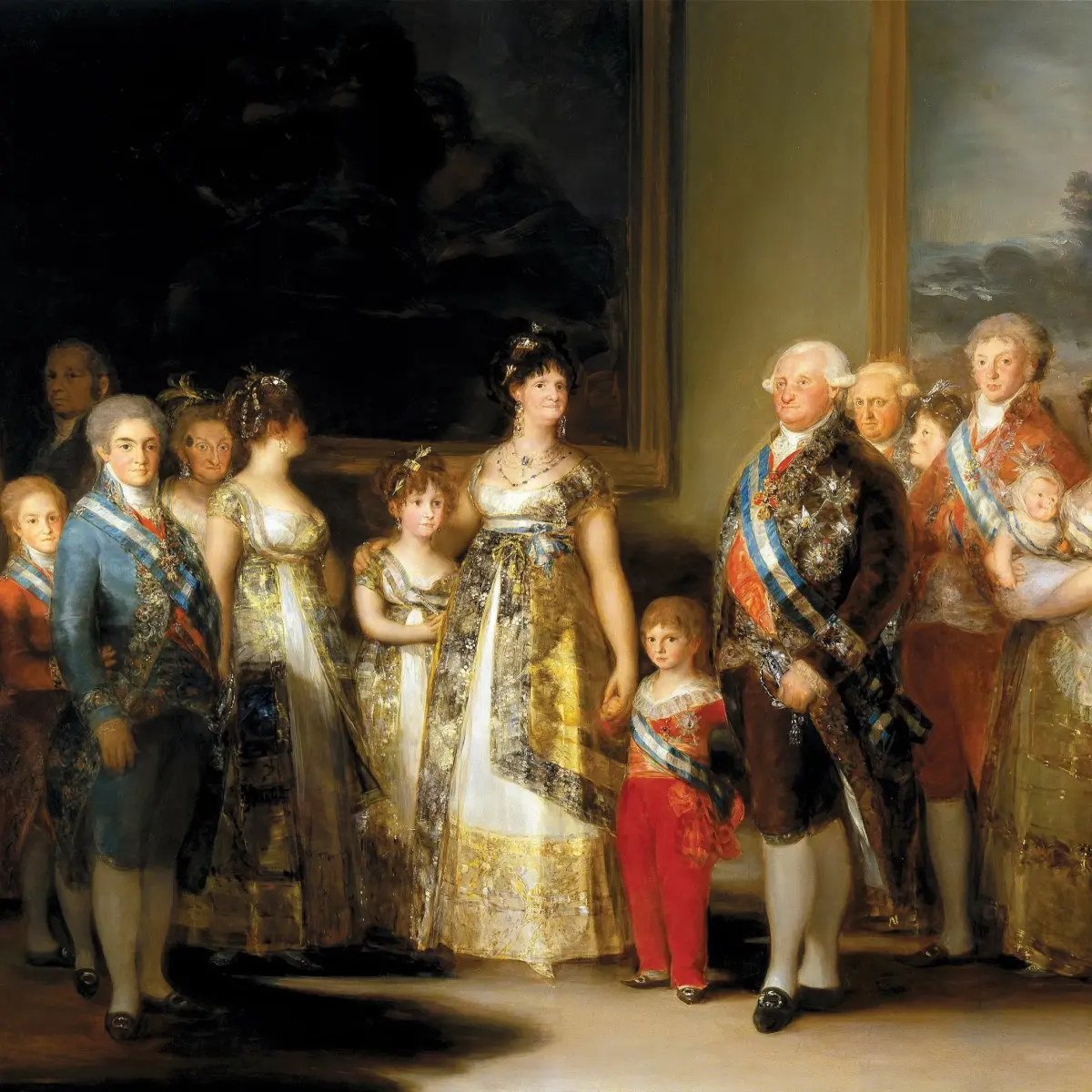
- The Family of Charles IV: A royal portrait that many critics believe contains subtle, biting social commentary on the Spanish monarchy.
By studying these diverse pieces, you will gain a deeper appreciation for Goya’s ability to capture both the grandeur and the grotesque elements of life.
Key facts
- Francisco Goya’s most famous painting is widely considered to be The Third of May 1808, completed in 1814.
- The oil-on-canvas work measures approximately 8 feet 9 inches by 11 feet 4 inches and is housed in the Museo del Prado in Madrid.
- It depicts the execution of Spanish resistance fighters by Napoleon’s soldiers during the Peninsular War.
- The painting is celebrated for its revolutionary departure from traditional heroic war art, focusing instead on the raw terror of the victims.
- A common mistake is assuming the painting depicts a generic battle; it specifically commemorates the Dos de Mayo Uprising in Madrid.
- To appreciate the work’s impact, look for the central figure in the white shirt, whose pose mimics the crucifixion of Christ.
The bottom line
Francisco Goya’s The Third of May 1808 remains his most iconic work due to its visceral depiction of human suffering. By shifting the focus from glorious victory to the grim reality of execution, Goya transformed the genre of history painting. Today, it stands as a universal symbol of protest against state violence, influencing generations of artists who seek to capture the true, unvarnished cost of war.
People also ask
Where is The Third of May 1808 currently located?
The painting is part of the permanent collection at the Museo del Prado in Madrid, Spain. It is considered one of the museum's most significant masterpieces.
What is the historical context of this painting?
It records the brutal aftermath of the Dos de Mayo Uprising, where French troops executed hundreds of Spanish citizens. Goya painted it years later to honor the fallen resistance fighters.
Why is the man in the white shirt so significant?
He serves as the emotional anchor of the composition, symbolizing innocence and martyrdom. His bright clothing draws the viewer's eye directly to the tragedy of the scene.
Did Goya paint any other famous war-related works?
Yes, he created a famous series of etchings titled The Disasters of War. These 82 prints provide a harrowing, graphic look at the atrocities committed during the conflict.
Is The Third of May 1808 considered a Romantic painting?
It is often categorized as a precursor to modern art, though it fits within the Romantic movement. Its emphasis on emotion, suffering, and individual experience defines its style.
How should I view this painting if I visit the museum?
Stand back to take in the scale, then move closer to observe the loose, expressive brushwork. Avoid focusing only on the central figure to appreciate how the dark, faceless firing squad contrasts with the light.
This answer was created with the help of AI research tools and reference sources. Spotted an error? Let us know — we correct mistakes quickly. See our editorial policy.