What colors make light brown?
Short answer
Light brown is created by mixing a primary color base—typically orange or a combination of red and yellow—with a significant amount of white to increase brightness. Alternatively, you can mix complementary colors like blue and orange, then adjust the saturation and lightness by adding white or a touch of yellow.
On this page
How to mix light brown with primary colors
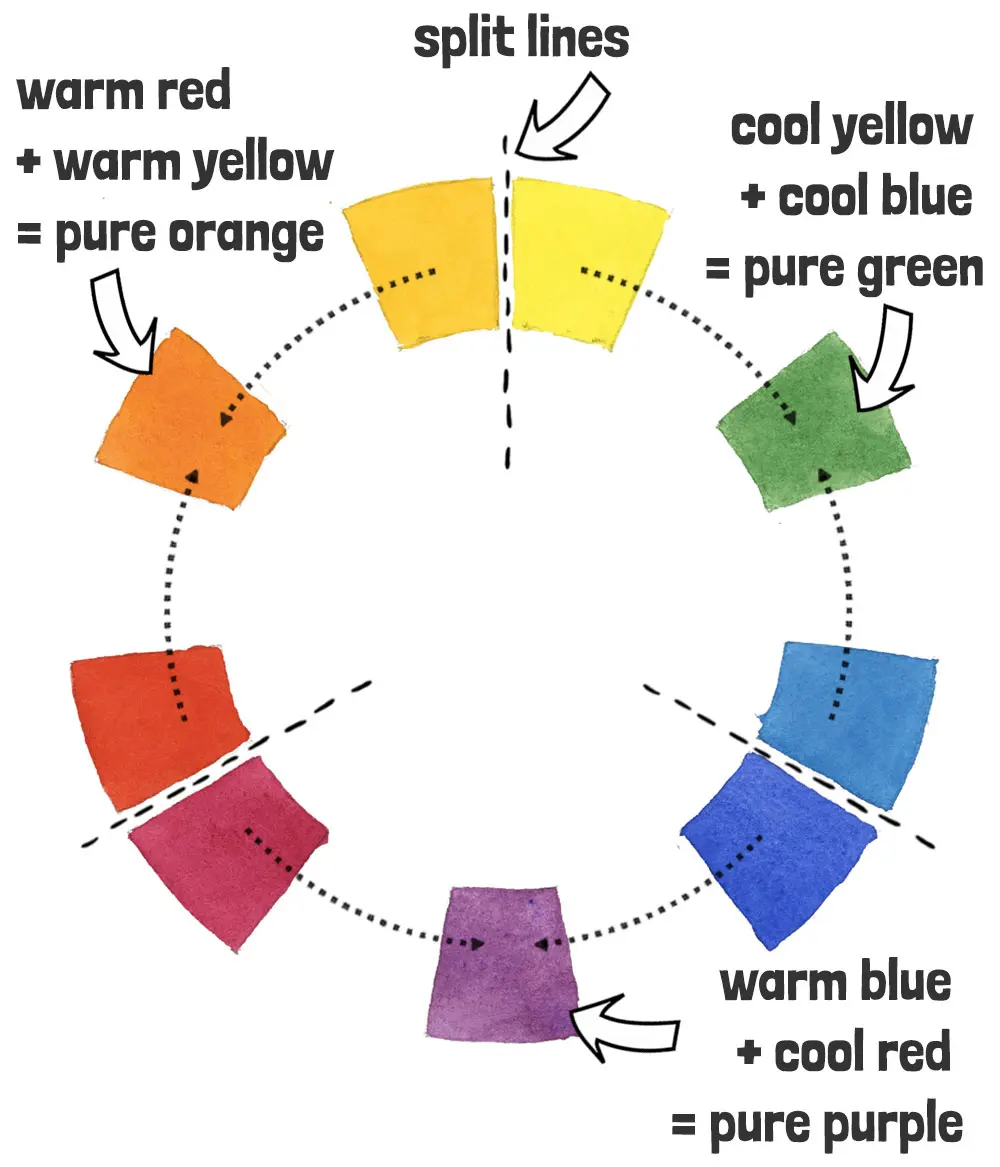
To achieve a light brown, you must first create a base brown by combining the three primary colors: red, yellow, and blue. Because brown is a neutral color, the proportions determine the specific undertone. For a warm light brown, use a higher ratio of yellow and red, while a cooler tone requires more blue. Once you have a medium brown, you transition it to a lighter shade by introducing white paint gradually.
The process of lightening requires patience because white paint is highly opaque and can quickly turn a rich brown into a muddy, pastel gray. Always add the white in tiny increments, stirring thoroughly between each addition to monitor the color shift. If you overshoot the lightness, you can re-introduce a very small amount of your original brown mix to regain depth.
- Combine equal parts red, yellow, and blue to form a base brown.
- Evaluate the undertone; add more yellow for warmth or blue for coolness.
- Gradually fold in small amounts of white paint to achieve the desired light brown tint.
- Test the color on a scrap surface to ensure it matches your target shade.
Why color temperature matters in light brown
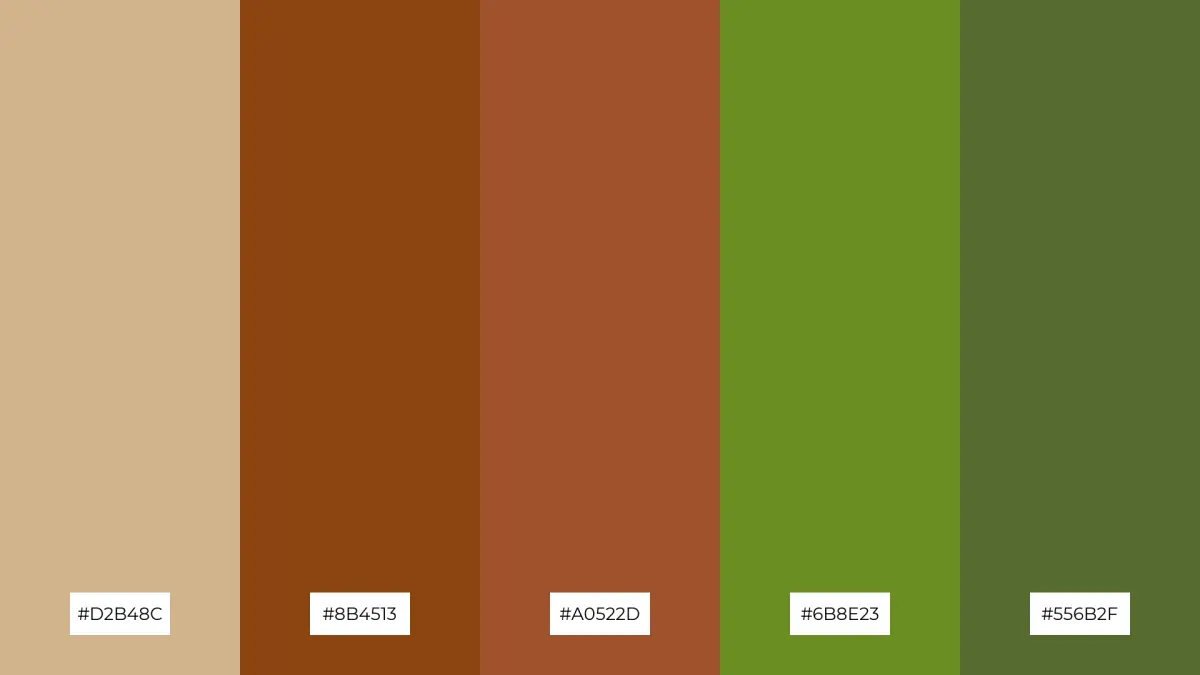
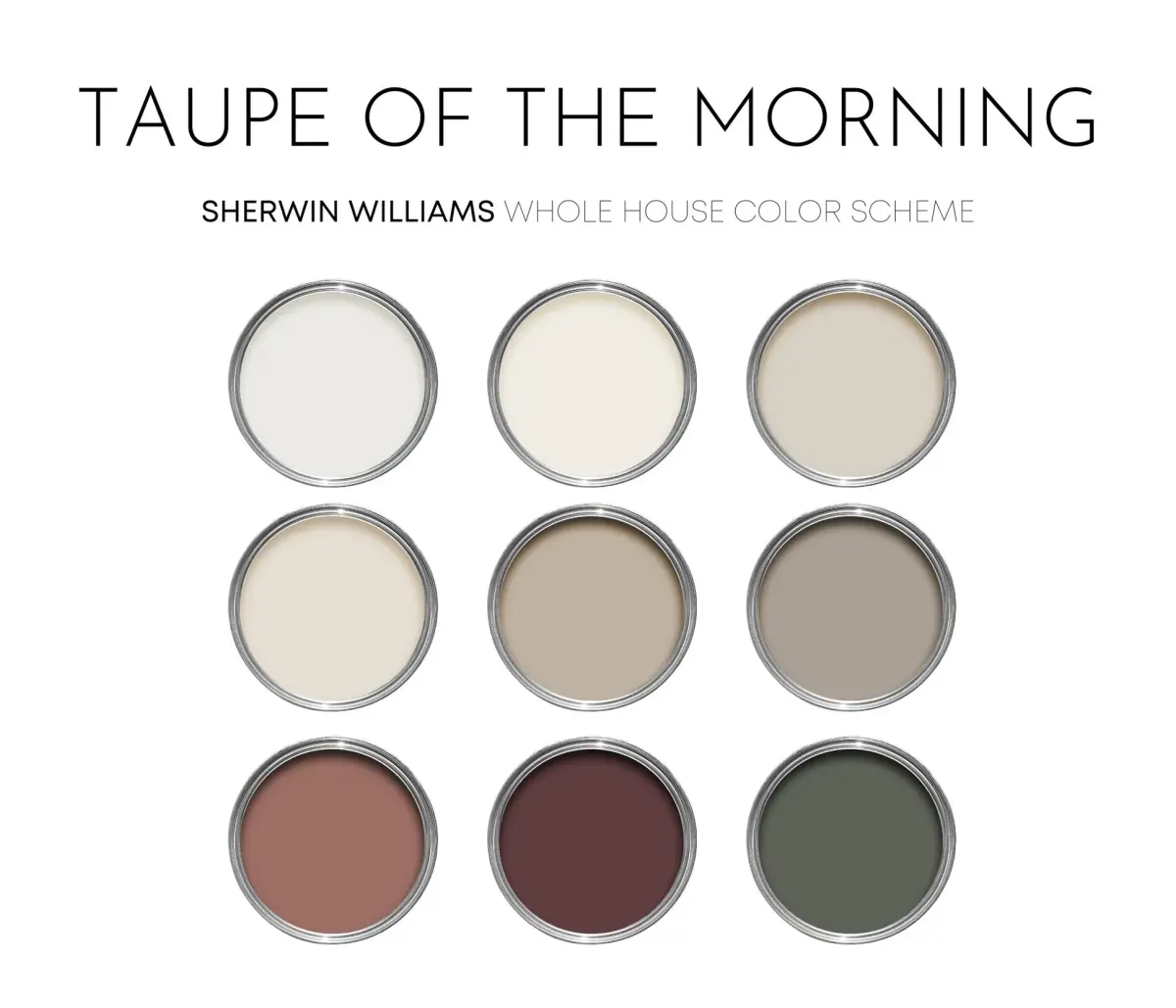
The "temperature" of your light brown refers to whether the color leans toward orange or blue. A warm light brown often results from a higher concentration of yellow and red pigments, resembling shades like tan, khaki, or sand. These colors are ideal for depicting natural landscapes, skin tones, or earthy textures in art. Conversely, a cool light brown contains more blue, resulting in shades that lean toward taupe or mushroom.
Understanding these undertones is essential when mixing, as adding white to a cool brown will produce a distinctively different result than adding white to a warm brown. If your mixture looks too vibrant or "artificial," you can neutralize it by adding a tiny touch of the color's complement. For instance, if your light brown is too orange, a microscopic amount of blue will tone it down and create a more natural, muted appearance.
Best tools for mixing light brown
Achieving a consistent light brown requires the right set of pigments and tools. For acrylic or oil painting, a high-quality set of primary colors—cadmium red, cadmium yellow, and ultramarine blue—provides the best foundation. Using high-pigment paints ensures that your light brown remains vibrant rather than chalky when you add white. Titanium white is the standard for lightening, as it has excellent coverage and strength.
When mixing, use a palette knife rather than a brush. A palette knife allows for a thorough blend without trapping excess paint in the bristles, which can lead to color contamination. Furthermore, keep a clean cloth or paper towel nearby to wipe the knife between additions. This prevents unwanted residue from previous mixes from altering the tint of your light brown, ensuring the final result is clean and precise.
- Use a metal palette knife for efficient color blending.
- Keep your primary colors separate on the palette to avoid accidental mixing.
- Utilize a glass or plastic palette for easy cleanup and visibility.
- Always mix more paint than you think you need to ensure consistency across your project.
Common mistakes when mixing light brown
A frequent error is adding too much white paint too quickly, which results in a flat, chalky color that lacks depth. Another common mistake is failing to mix the colors thoroughly, leaving streaks of primary pigments that appear as unwanted spots in the final shade. Always ensure the pigments are fully integrated before adding the next component, as partial mixing can lead to an uneven, muddy appearance.
Additionally, many beginners forget to account for the drying time and oxidation of pigments. Some paints, particularly oils, may darken slightly as they dry, meaning a light brown that looks perfect on the palette might appear darker once applied to the canvas. It is often helpful to mix the color slightly lighter than your target shade to compensate for this natural shift. Testing the paint on a small, disposable surface and letting it dry completely is the best way to verify the final hue.
How to adjust light brown shades
Once you have created a basic light brown, you can fine-tune it to match specific requirements. If the color feels too dull, a tiny drop of yellow or orange can add a "glow" that makes the brown feel more energetic. If the color is too intense, a small amount of gray or a complementary color can soften it, making it appear more sophisticated and natural. This process of adjustment is known as "toning."
If you are working with digital media or color theory for design, the process is similar but uses light values instead of physical pigments. You would adjust the Hue, Saturation, and Brightness (HSB) settings. By increasing the brightness and lowering the saturation of an orange or yellow base, you can arrive at a perfect light brown digitally. Whether you are working with physical paint or digital pixels, the core principle remains the same: balance the primary colors to create the base, then adjust the lightness to reach your final goal.
Key facts
- Light brown is a tertiary color created by mixing primary colors red, blue, and yellow in specific proportions.
- You can achieve light brown by mixing orange with a small amount of blue, or by blending all three primary colors with a significant amount of white.
- Adding white paint is the most effective way to lighten a dark brown base to reach a lighter shade.
- Complementary colors, such as blue and orange, naturally neutralize each other to create various shades of brown.
- Adjusting the ratio of yellow will shift the brown toward a warmer, golden tone, while adding more blue creates a cooler, taupe-like hue.
- A common mistake is adding too much black, which makes the color muddy and difficult to fix without using large amounts of white.
The bottom line
Creating light brown is a matter of balancing primary colors and adjusting the brightness with white. By mixing red, yellow, and blue, you establish the base brown, then use white to reach your desired lightness. Focus on small, incremental adjustments to avoid muddy results. With practice, you can manipulate the ratios to achieve warmer gold-toned browns or cooler, sophisticated taupe shades for any project.
People also ask
How do I make light brown without white paint?
You can create a lighter tone by increasing the amount of yellow or orange in your mixture. While it will not be as pale as a white-tinted color, a higher concentration of warm primary colors will naturally brighten the resulting brown.
What is the difference between tan and light brown?
Tan is a pale, sandy shade of brown that typically contains more yellow and white than a standard light brown. Light brown is a broader category that can include reddish or grayish undertones depending on the primary color balance.
Why does my brown paint look green?
If your brown mixture looks green, you likely used too much blue or a yellow with a cool, greenish base. To correct this, add a small amount of red to neutralize the green tones and pull the color back toward a neutral brown.
Can I use purple to make light brown?
Yes, mixing purple with yellow creates a brown because yellow is the complementary color to purple. By adding white to this combination, you can easily achieve a soft, muted light brown.
How do I darken a light brown color?
To darken light brown, add very small amounts of black or dark blue. Always add dark pigments gradually, as it is much easier to darken a color than it is to lighten it once the mixture becomes too deep.
Does mixing all primary colors always make brown?
Yes, mixing red, yellow, and blue in equal parts creates a neutral brown or gray. The specific shade depends on the intensity and hue of the primary colors used in the initial mix.
This answer was created with the help of AI research tools and reference sources. Spotted an error? Let us know — we correct mistakes quickly. See our editorial policy.