Painting & Color
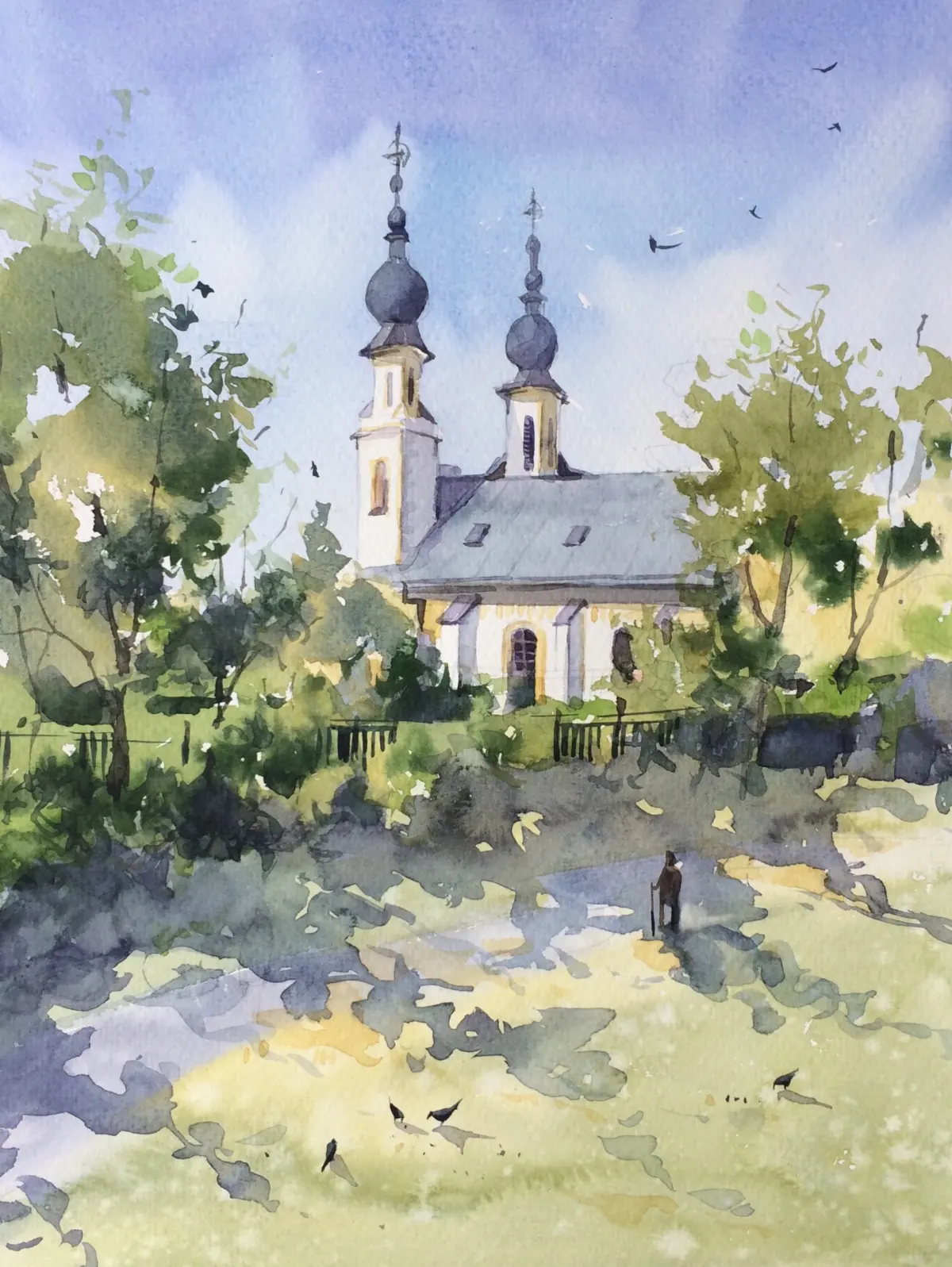
How do you paint a landscape in watercolor?
Painting a landscape in watercolor requires layering transparent washes from light to dark. You must plan your composition…
Questions and answers about watercolor.
Painting a landscape in watercolor requires layering transparent washes from light to dark. You must plan your composition…
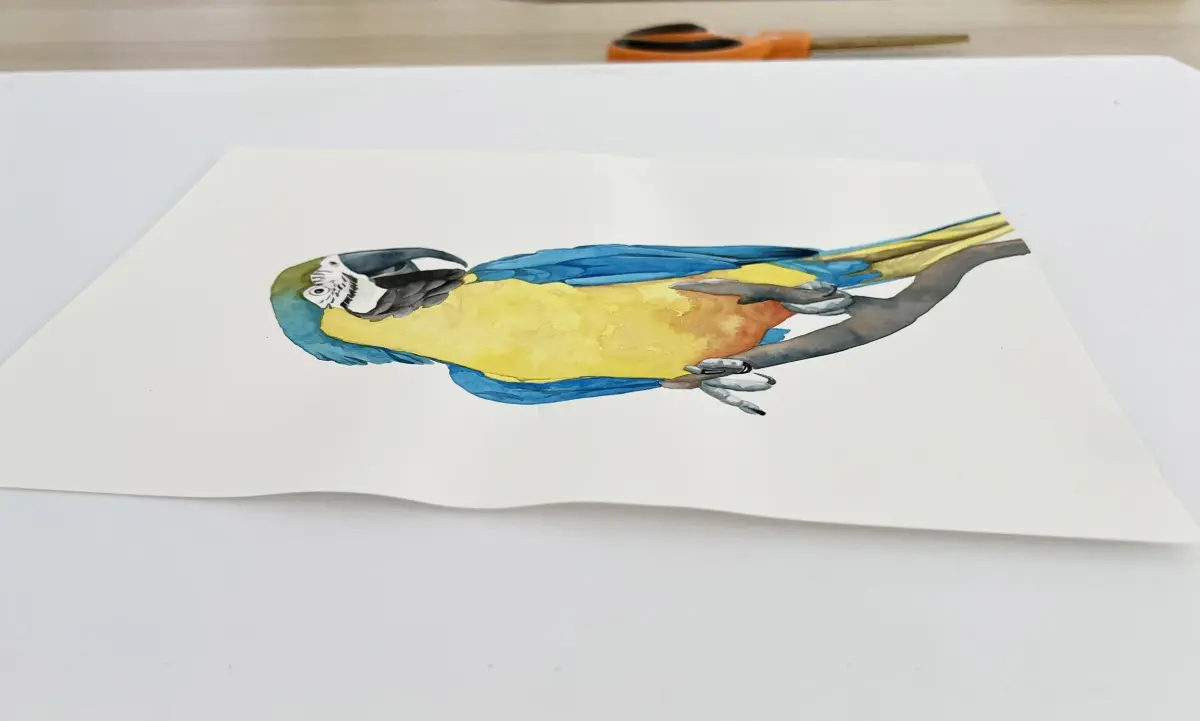
Stretching watercolor paper involves soaking a sheet in clean water, attaching it to a rigid board with water-activated gummed…
You need only three essential brushes to begin watercolor painting: a medium round brush for general work, a large flat brush…
The best watercolor sets for beginners are pan-based student-grade kits, such as those from Winsor & Newton Cotman or Sakura…
Painting a mushroom in watercolor requires layering transparent pigments from light to dark. Begin by sketching the cap and…
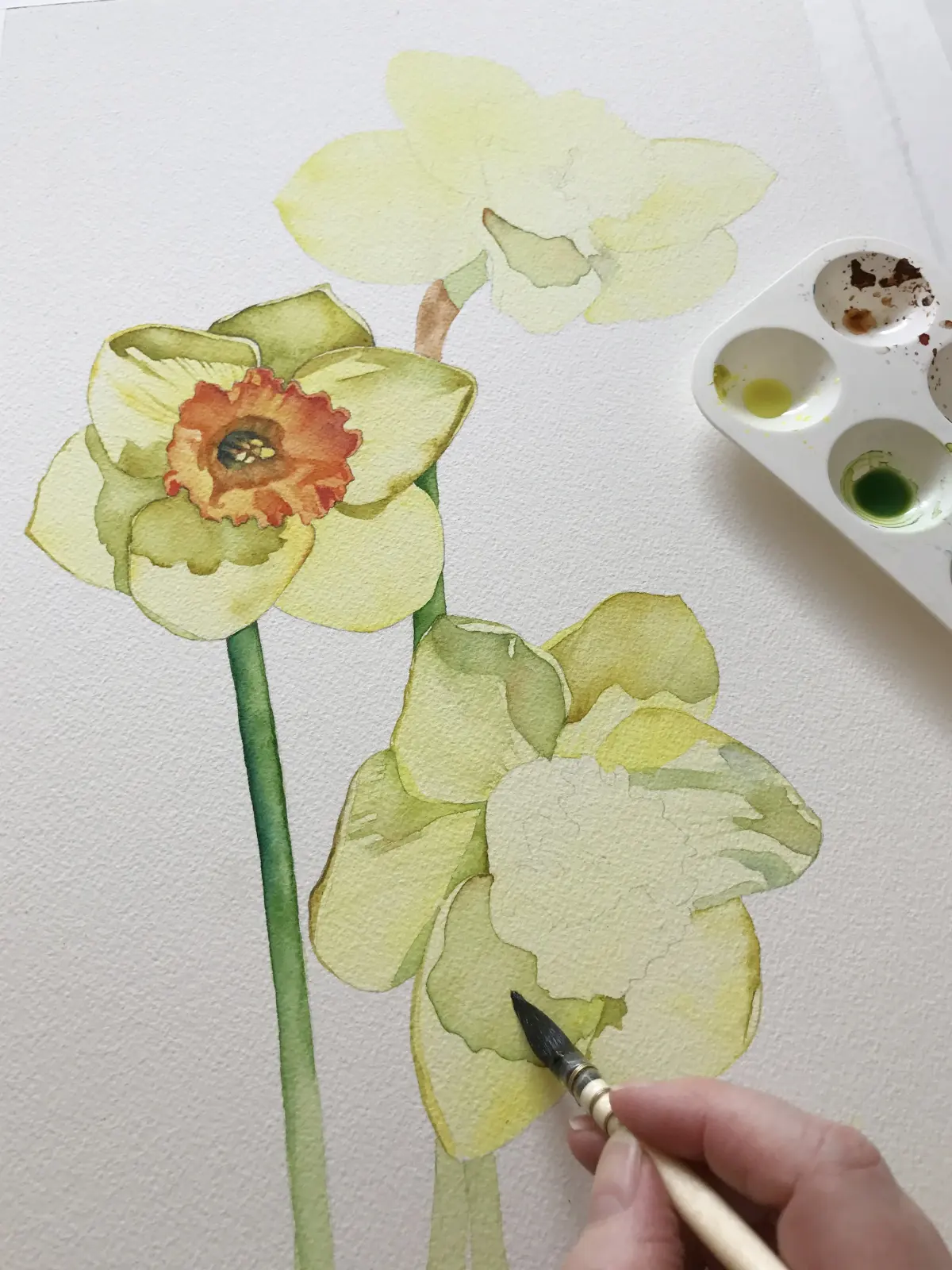
Painting flowers in watercolor requires balancing the medium’s natural fluidity with controlled brushwork. By mastering…
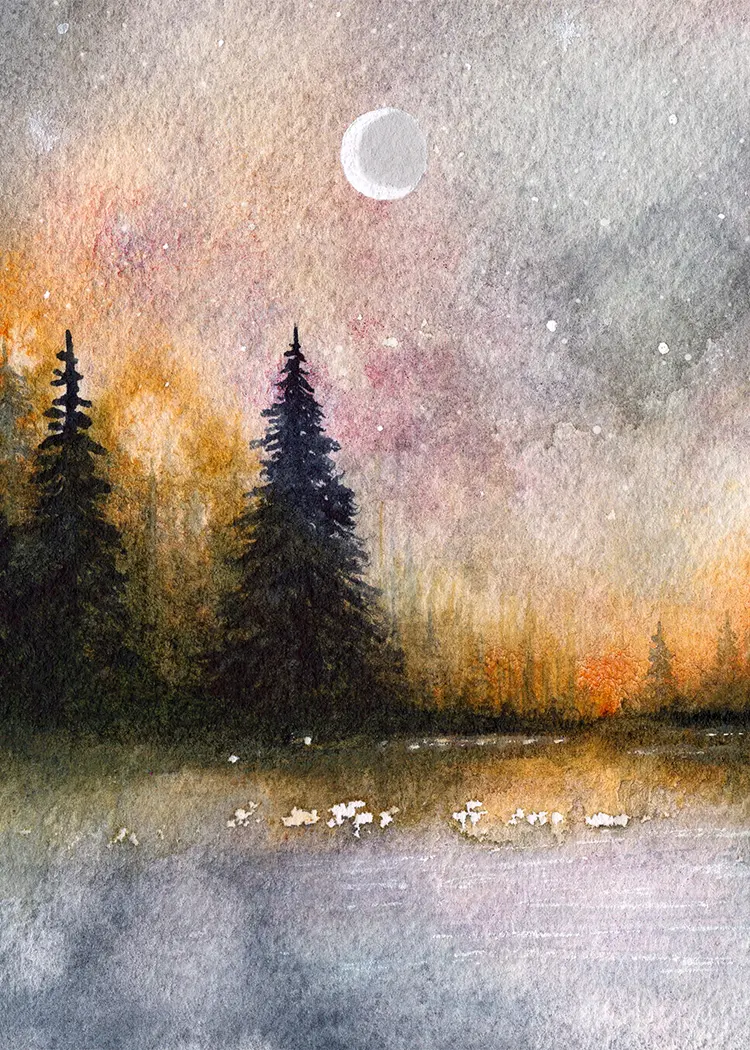
Painting a realistic moon in watercolor requires a combination of masking fluid to preserve bright highlights and a "wet-on-wet"…
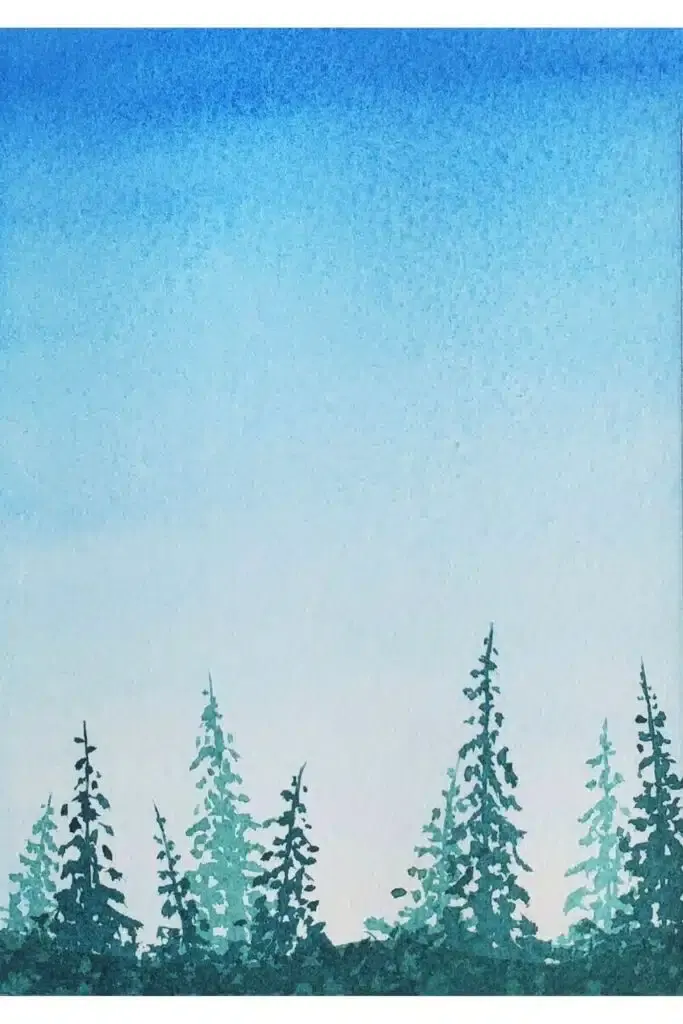
Painting a forest with watercolor involves layering transparent washes to build depth, starting with the background and moving…
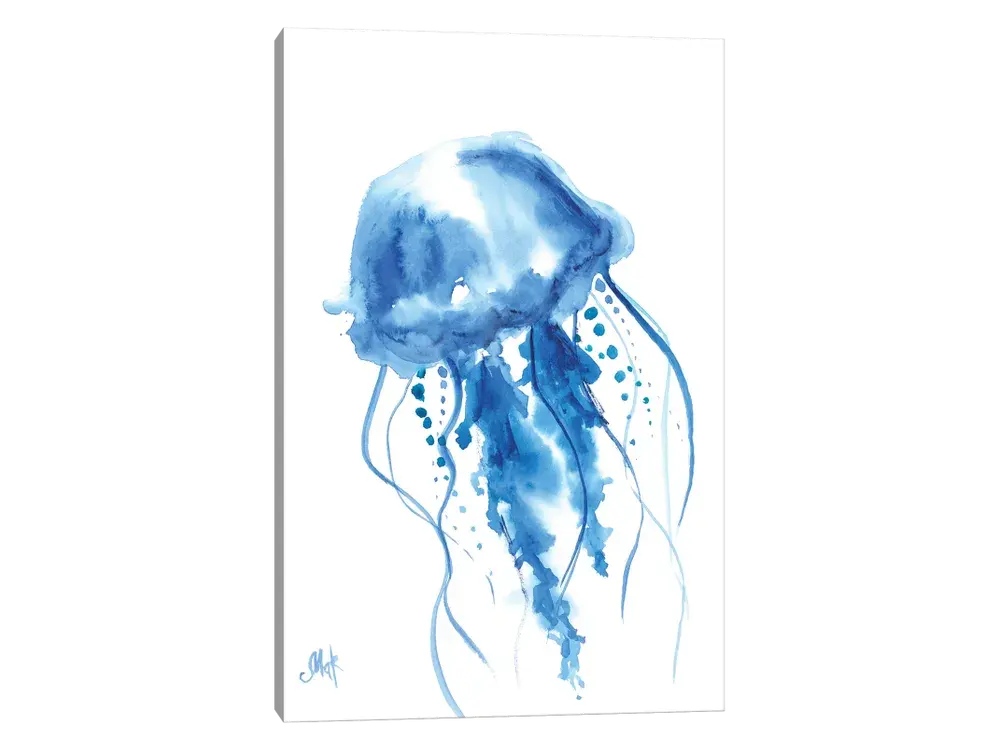
Painting a jellyfish in watercolor requires a focus on transparency, layering, and fluid brushwork. By utilizing the wet-on-wet…
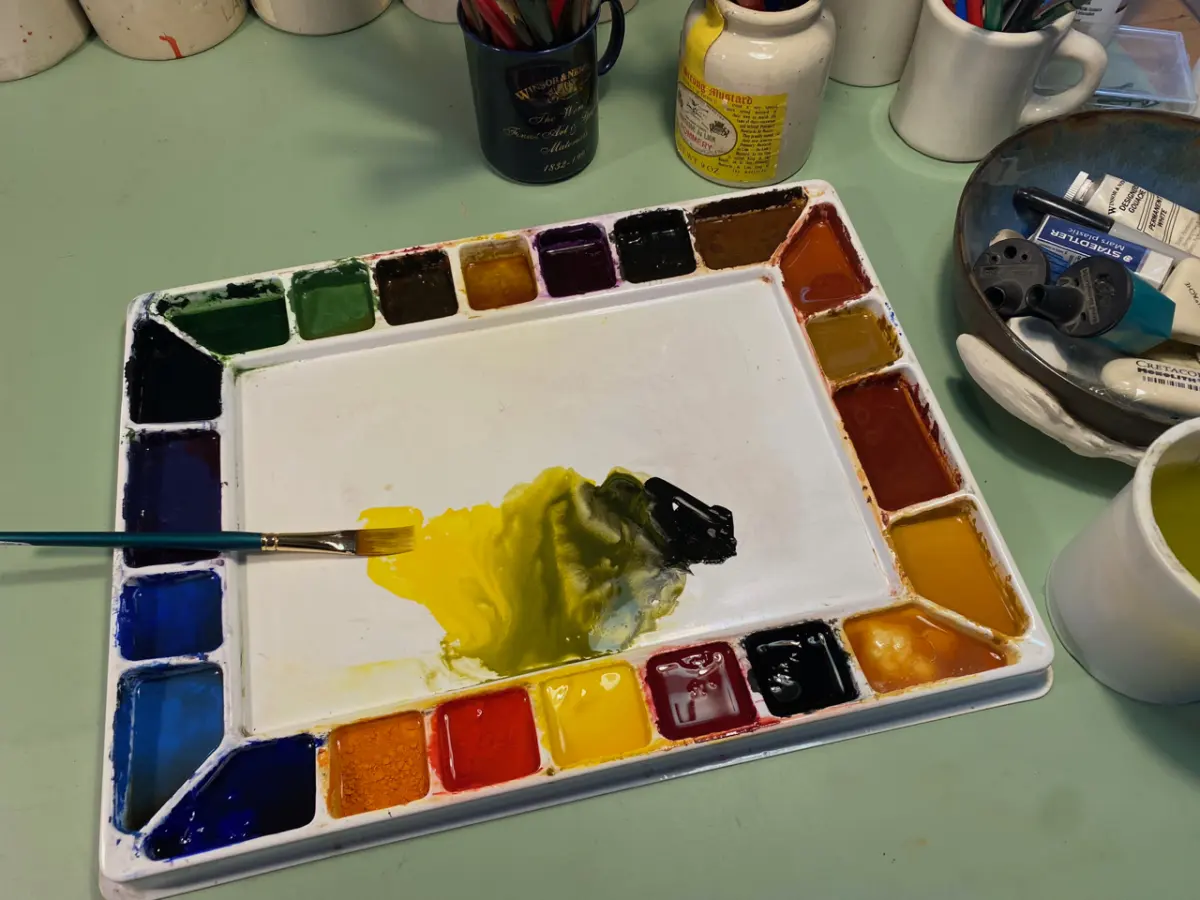
Watercolor paint typically dries to the touch within 10 to 30 minutes, depending on environmental conditions and application…
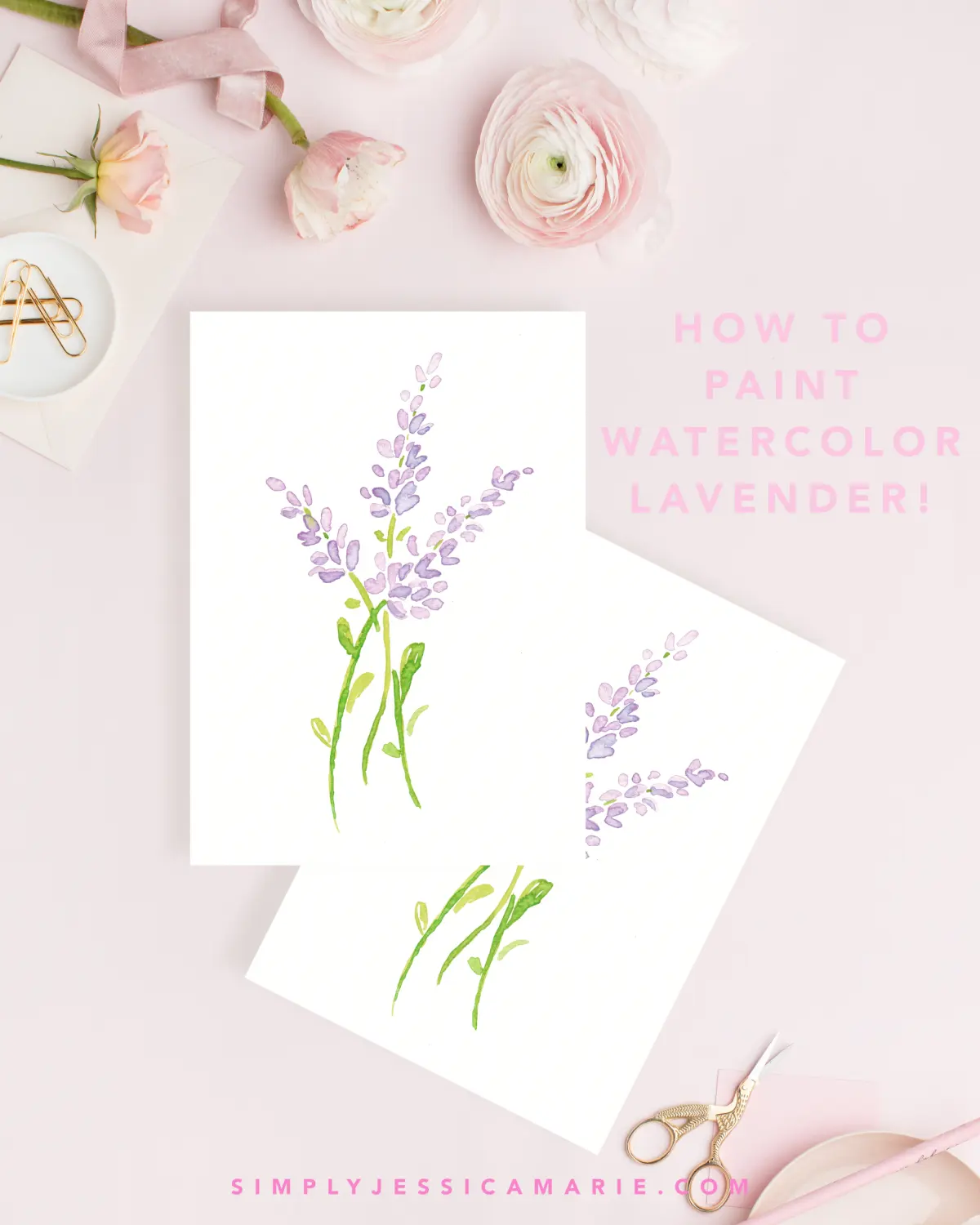
Painting lavender with watercolor requires a "less is more" approach, focusing on loose, rhythmic brushstrokes rather than…
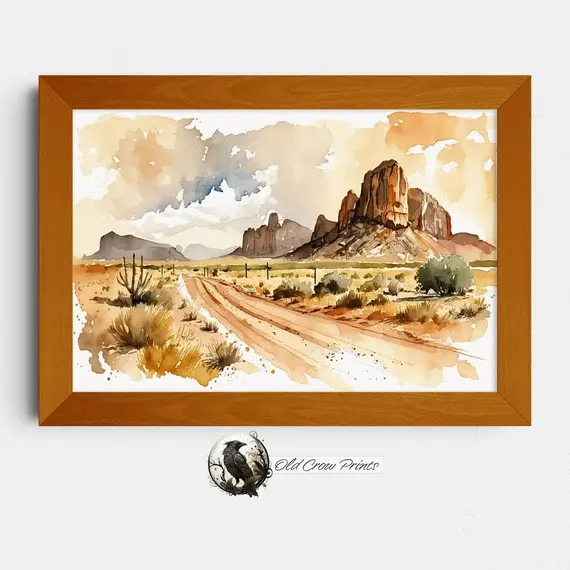
Painting a desert with watercolor requires mastering wet-on-wet washes for expansive skies and dry-brush techniques for textured…
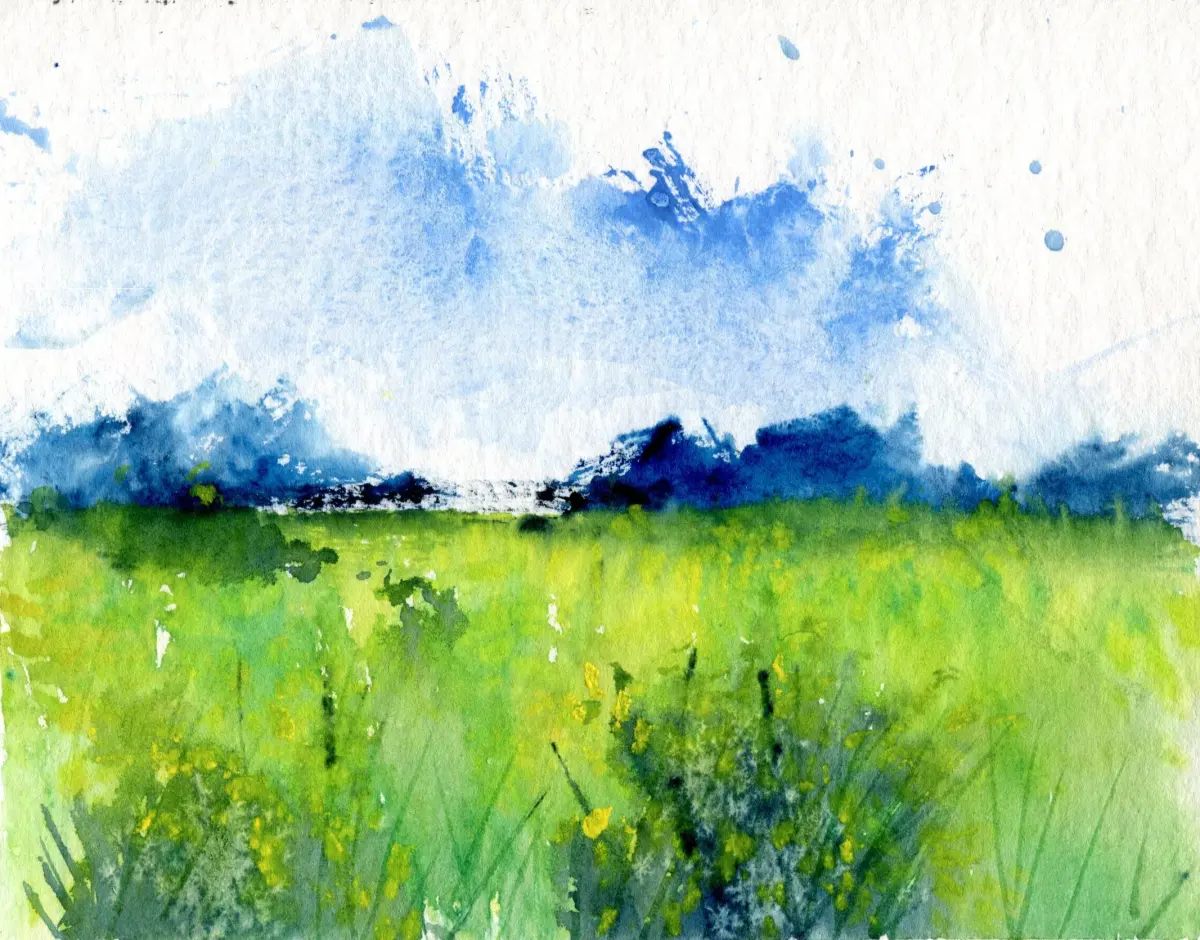
Loose watercolor painting is an expressive technique that prioritizes fluid movement, suggestive shapes, and color interaction…
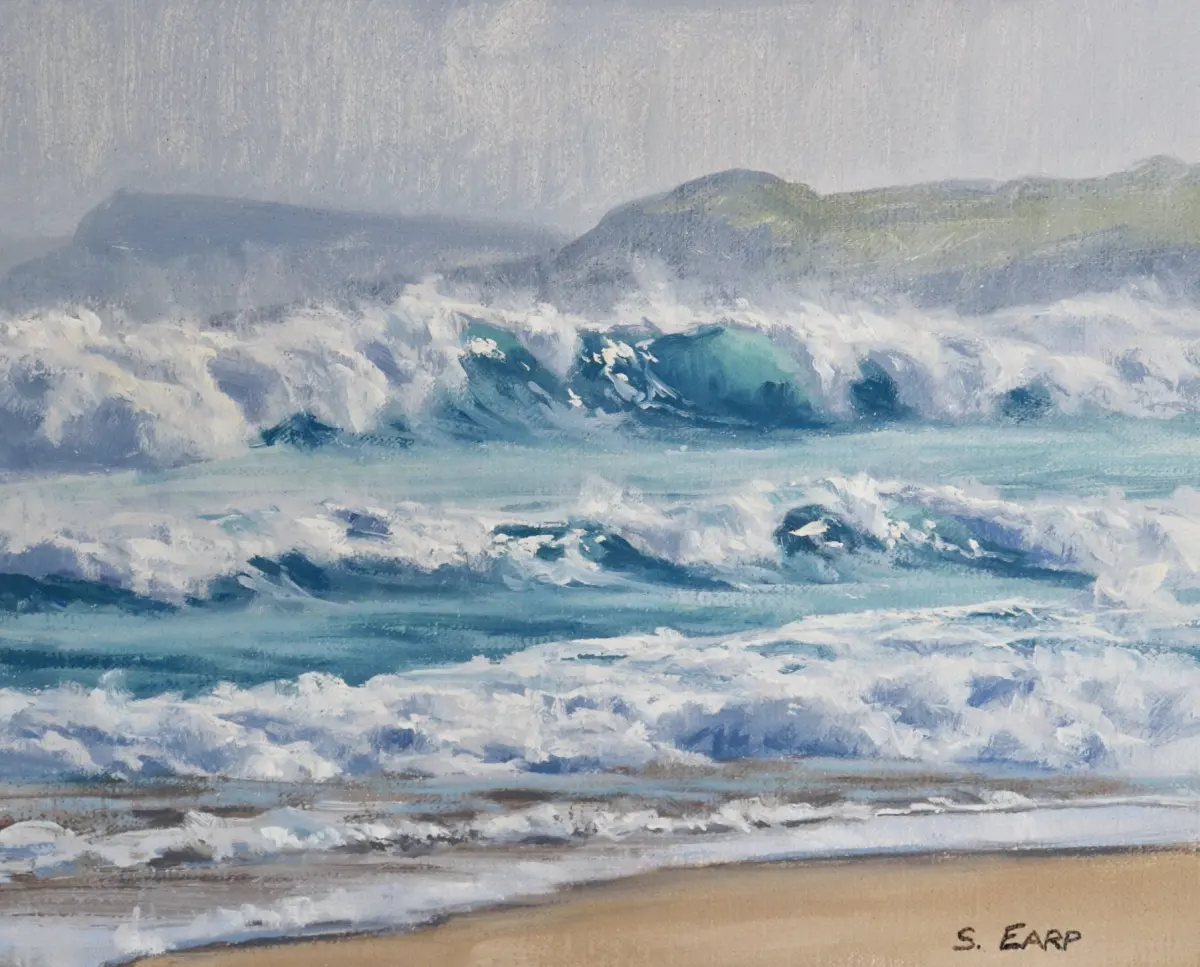
Painting waves in watercolor requires layering transparent washes and preserving white paper to represent sea foam. By using a…
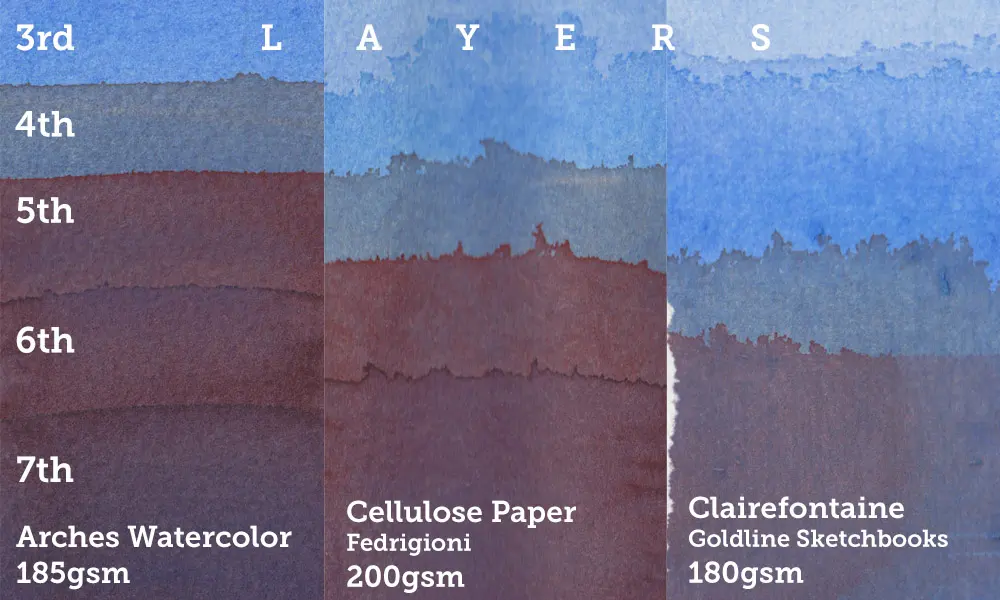
The best paper weight for watercolor is 140 lb (300 gsm). This thickness provides enough structural integrity to withstand heavy…
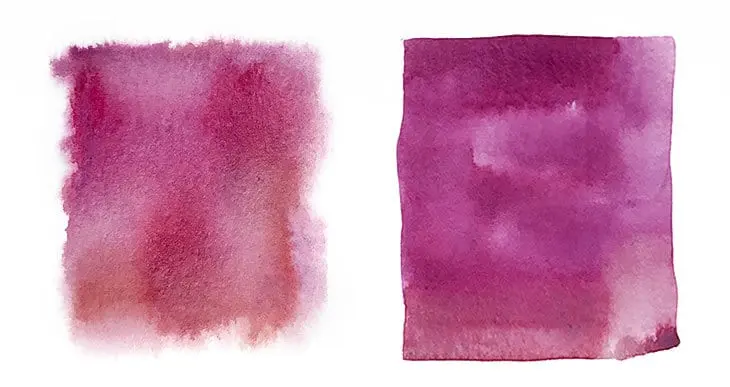
Wet-on-wet is a watercolor technique where paint is applied to a pre-moistened paper surface. This method allows pigments to…
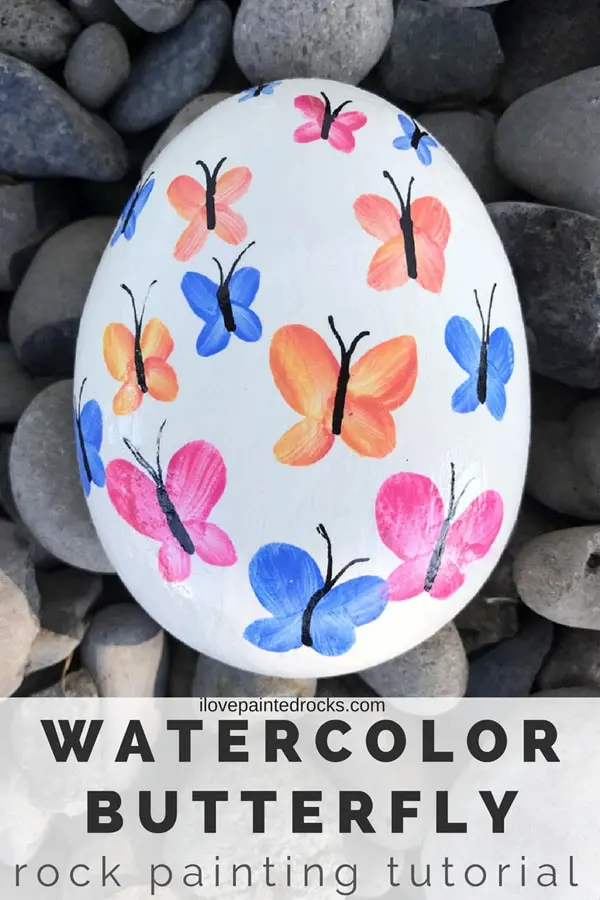
Watercolor paint does not naturally adhere to porous stone surfaces, so you must first prime the rock with a sealant or gesso…
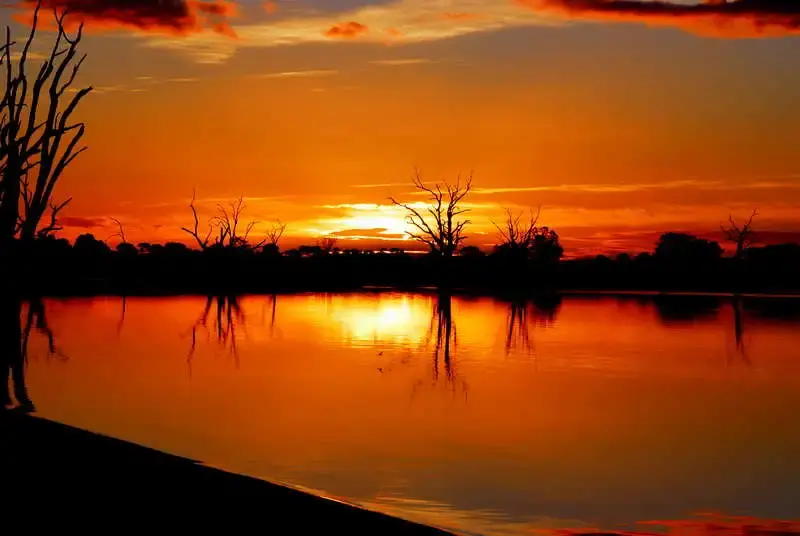
Painting a sunset with watercolor requires a wet-on-wet technique to blend vibrant hues seamlessly. By applying layers of…
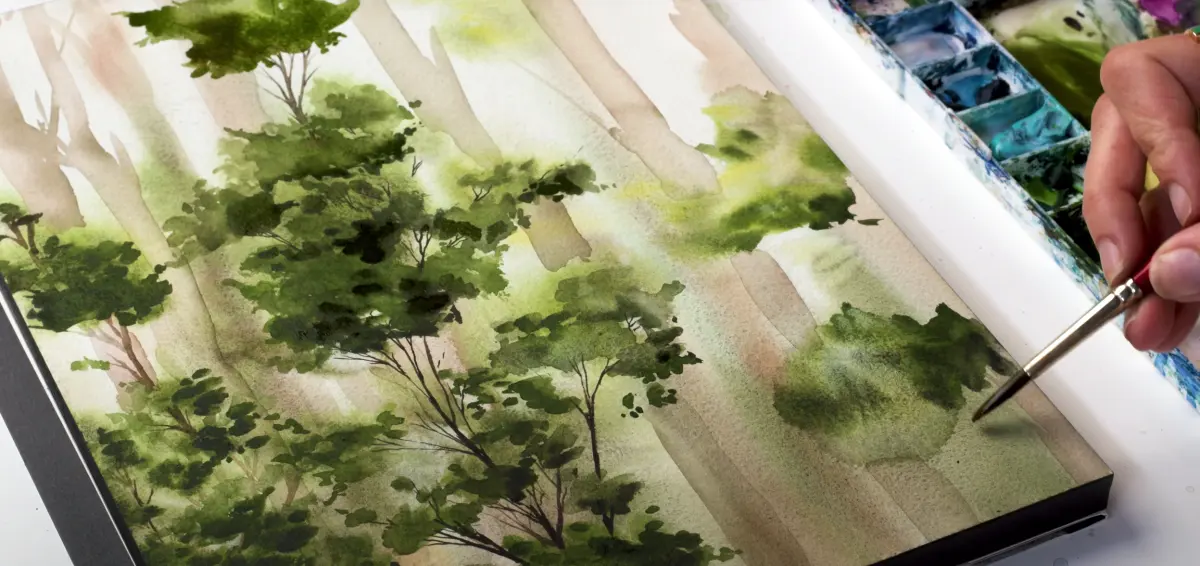
Painting trees in watercolor requires layering from light to dark values. Start by establishing the trunk and main branches…
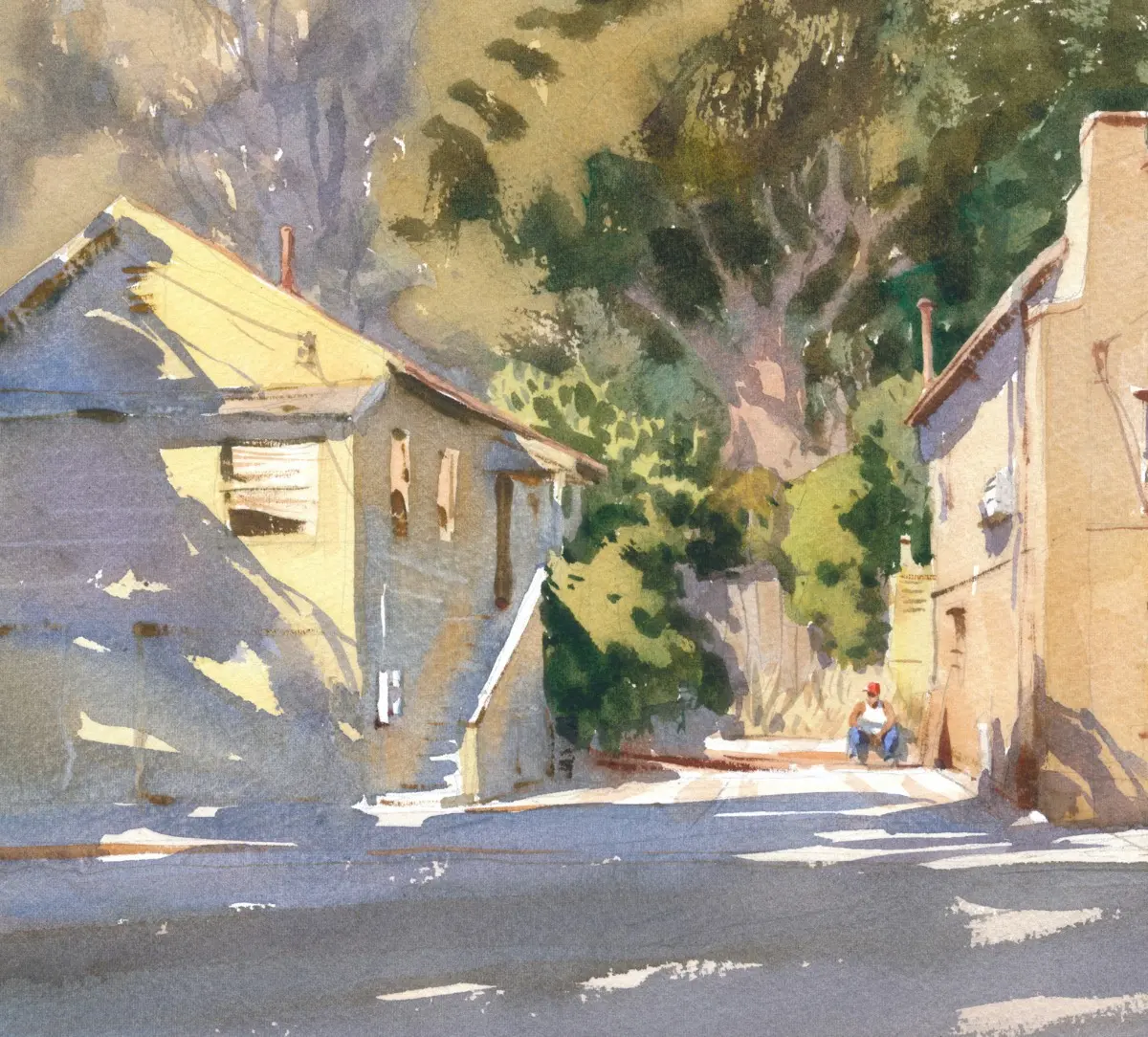
Painting shadows in watercolor requires mixing cool-toned, transparent pigments rather than simply adding black. By applying…
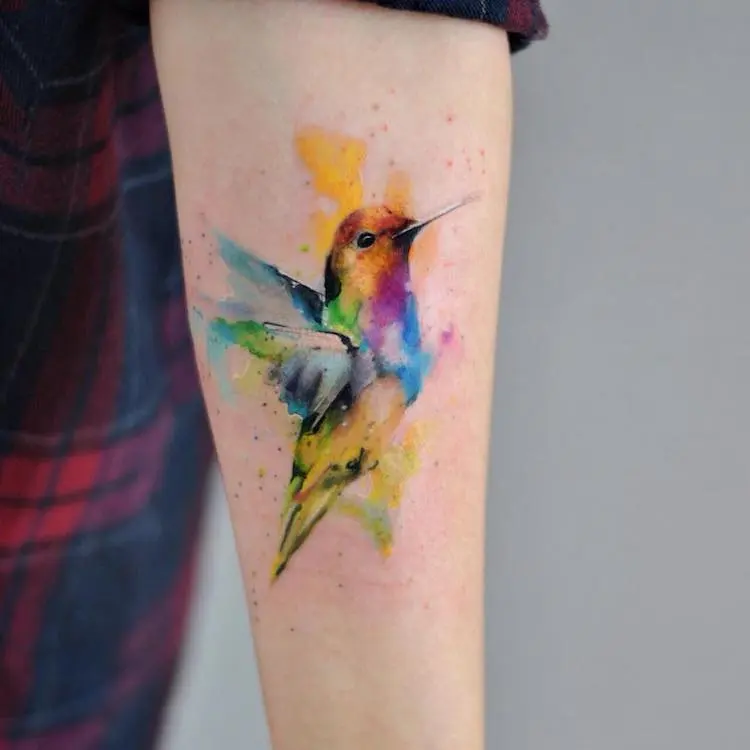
A watercolor tattoo is a style of body art that mimics the fluid, translucent aesthetic of traditional watercolor paintings…
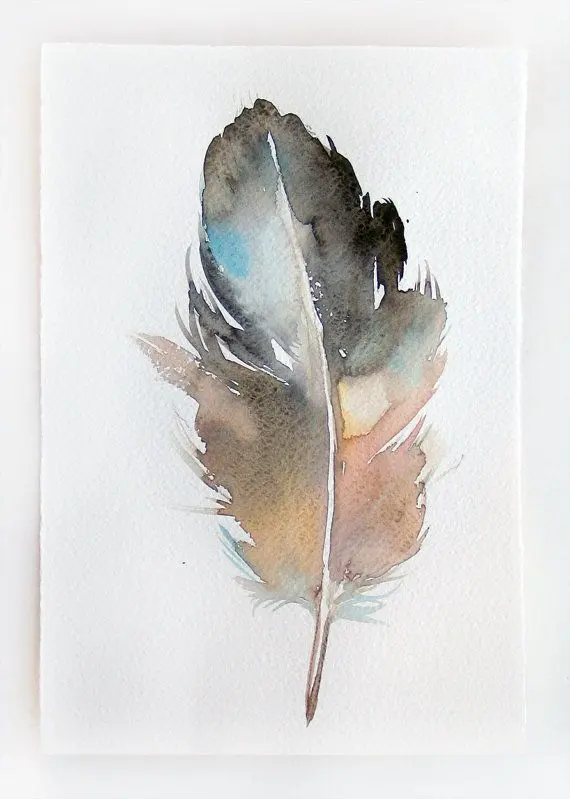
Painting a feather with watercolor requires layering delicate, thin washes to establish the base color, followed by precise…
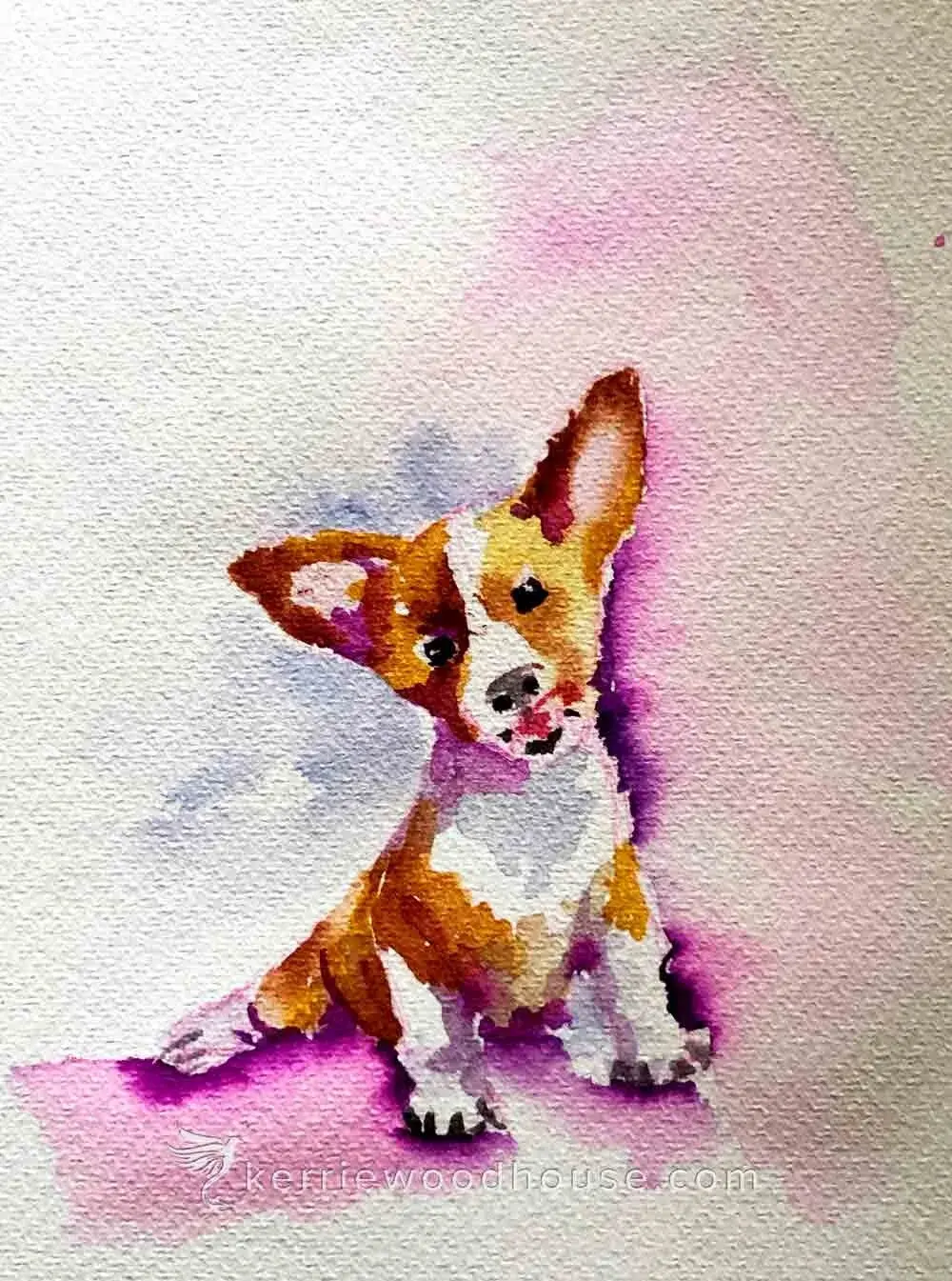
Painting a dog with watercolors involves layering transparent pigments to build depth and texture. Begin by sketching the…
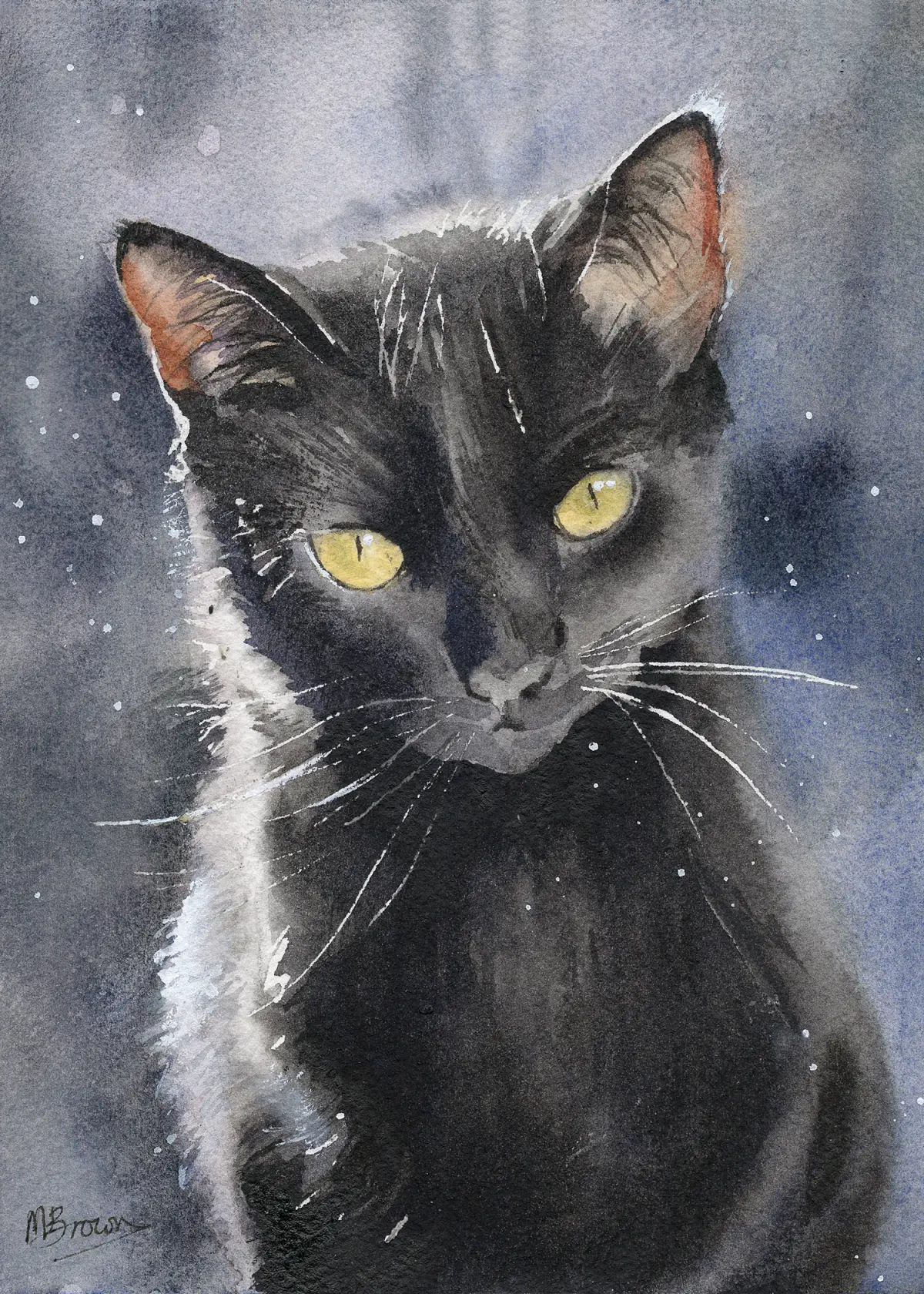
Painting a cat in watercolor requires layering transparent pigments to capture the texture of fur and the animal's unique…