Painting & Color
How do you protect a watercolor painting?
Protecting a watercolor painting requires shielding it from moisture, ultraviolet light, and physical abrasion. Because…
Questions and answers about watercolor.
Protecting a watercolor painting requires shielding it from moisture, ultraviolet light, and physical abrasion. Because…
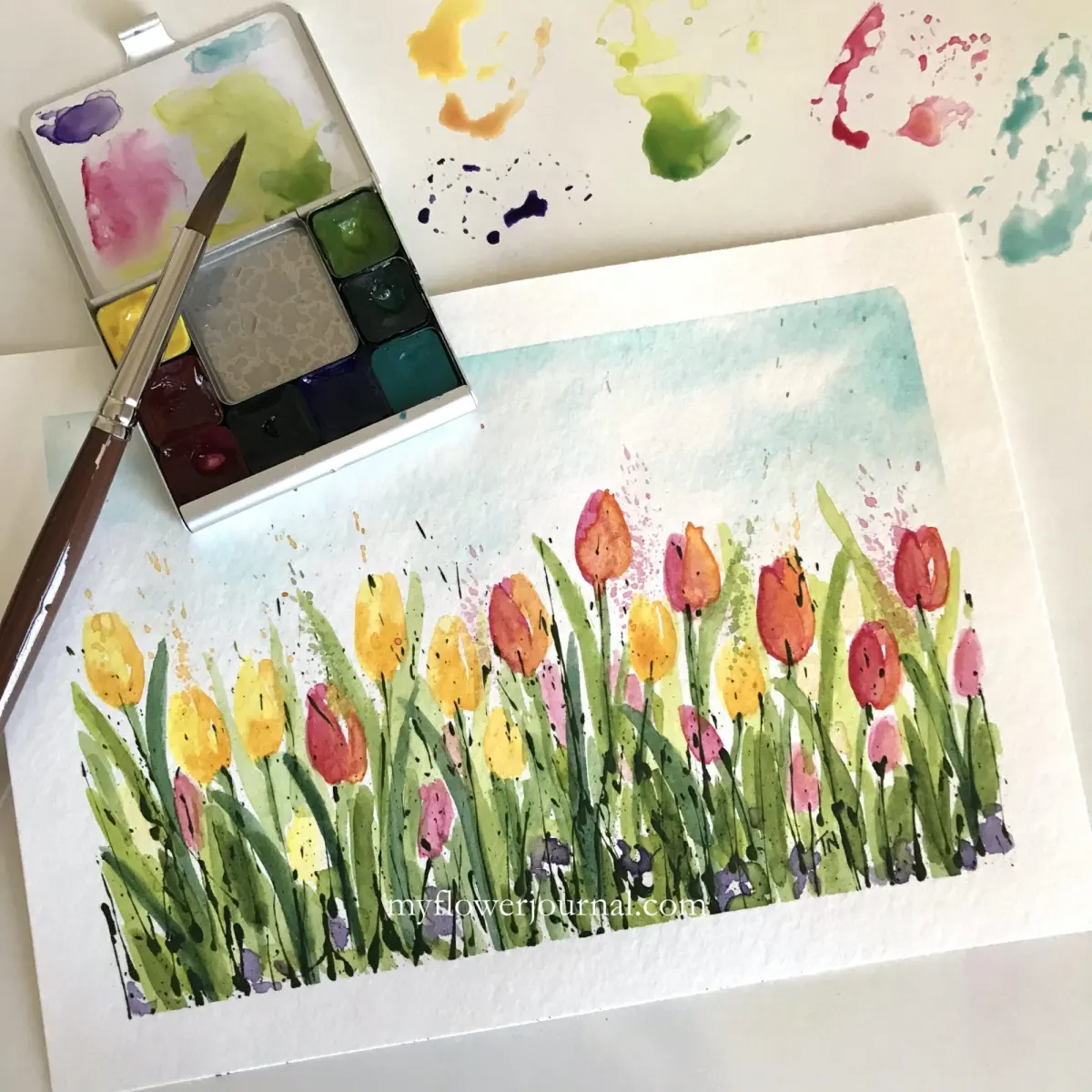
Painting tulips in watercolor requires a focus on fluid, organic shapes and layered color transparency. By utilizing wet-on-wet…
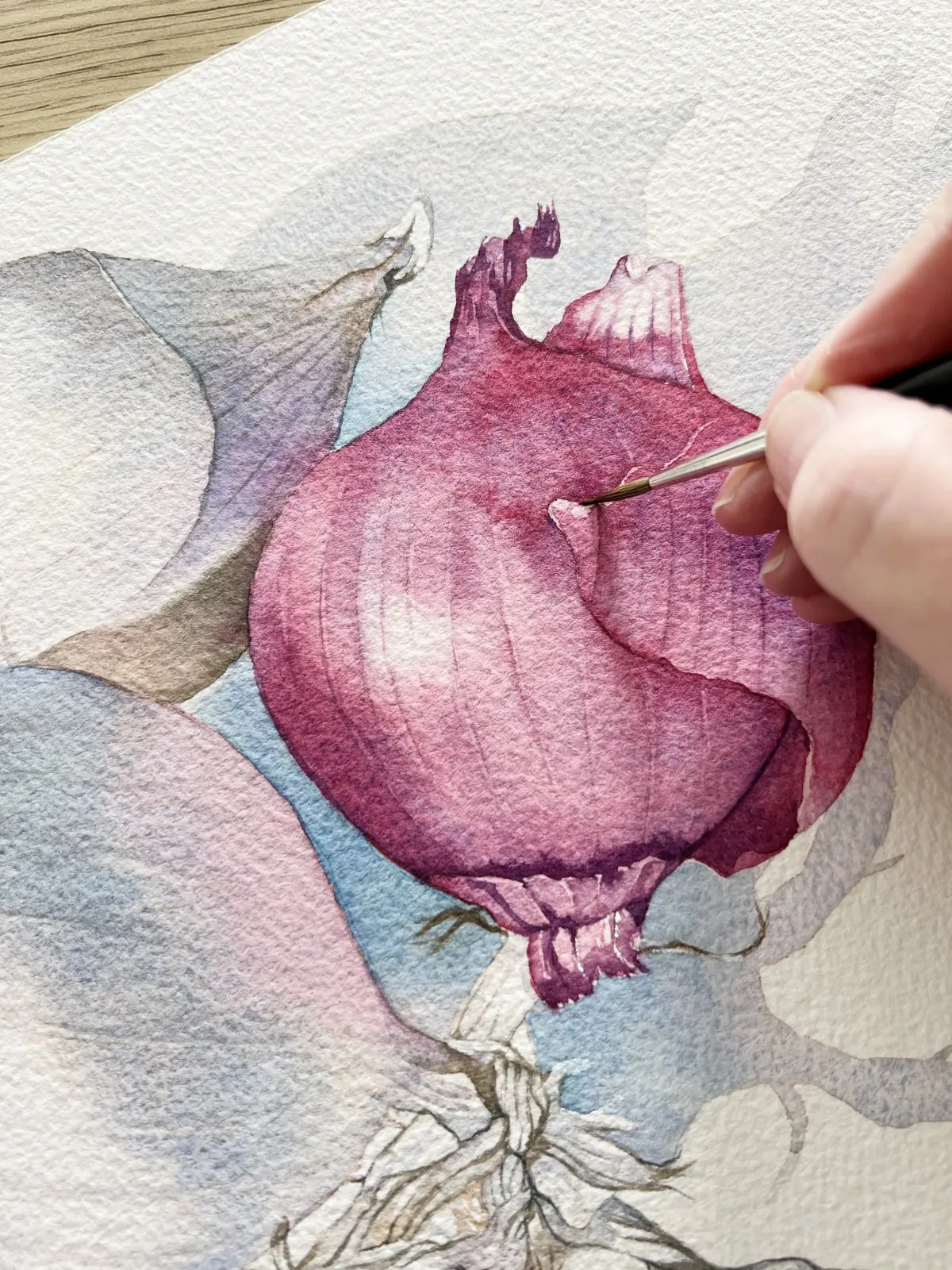
Watercolor paint consists of finely ground color pigments suspended in a water-soluble binder, typically gum arabic. This…
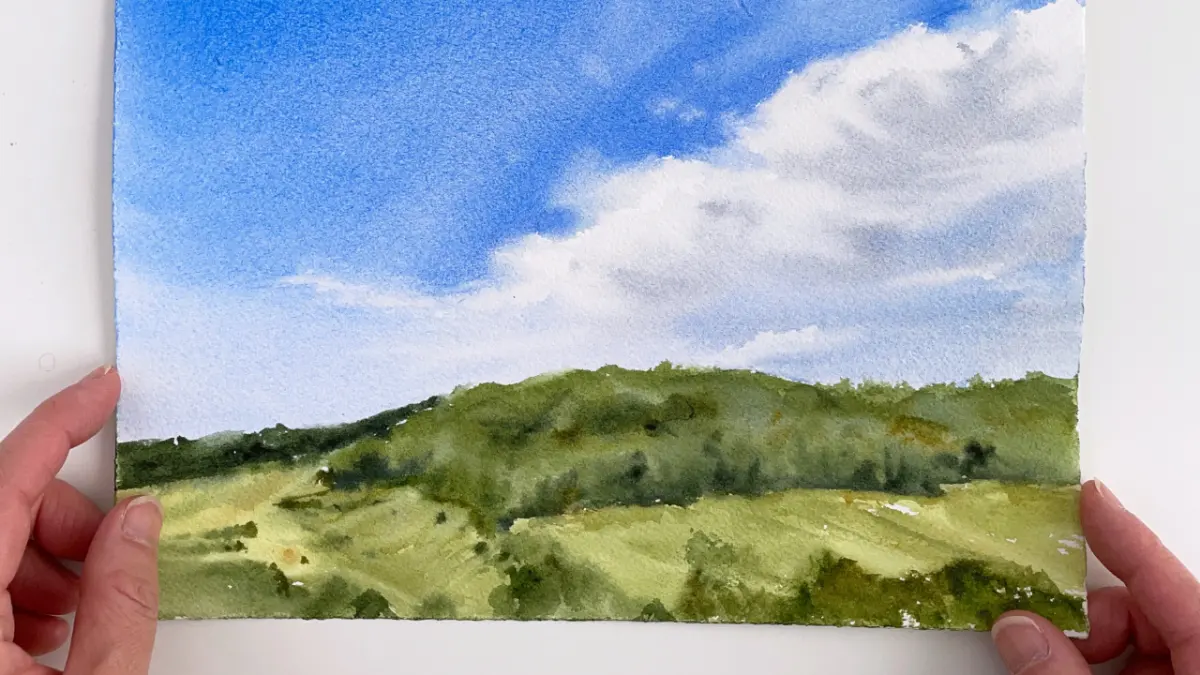
Painting a watercolor sky requires managing water-to-pigment ratios and timing. By using the wet-on-wet technique, you apply…
Painting a watercolor wreath involves creating a circular guide, layering botanical elements like leaves and flowers, and…
Painting skies in watercolor requires mastering water control and timing. You must work quickly while the paper is damp to…
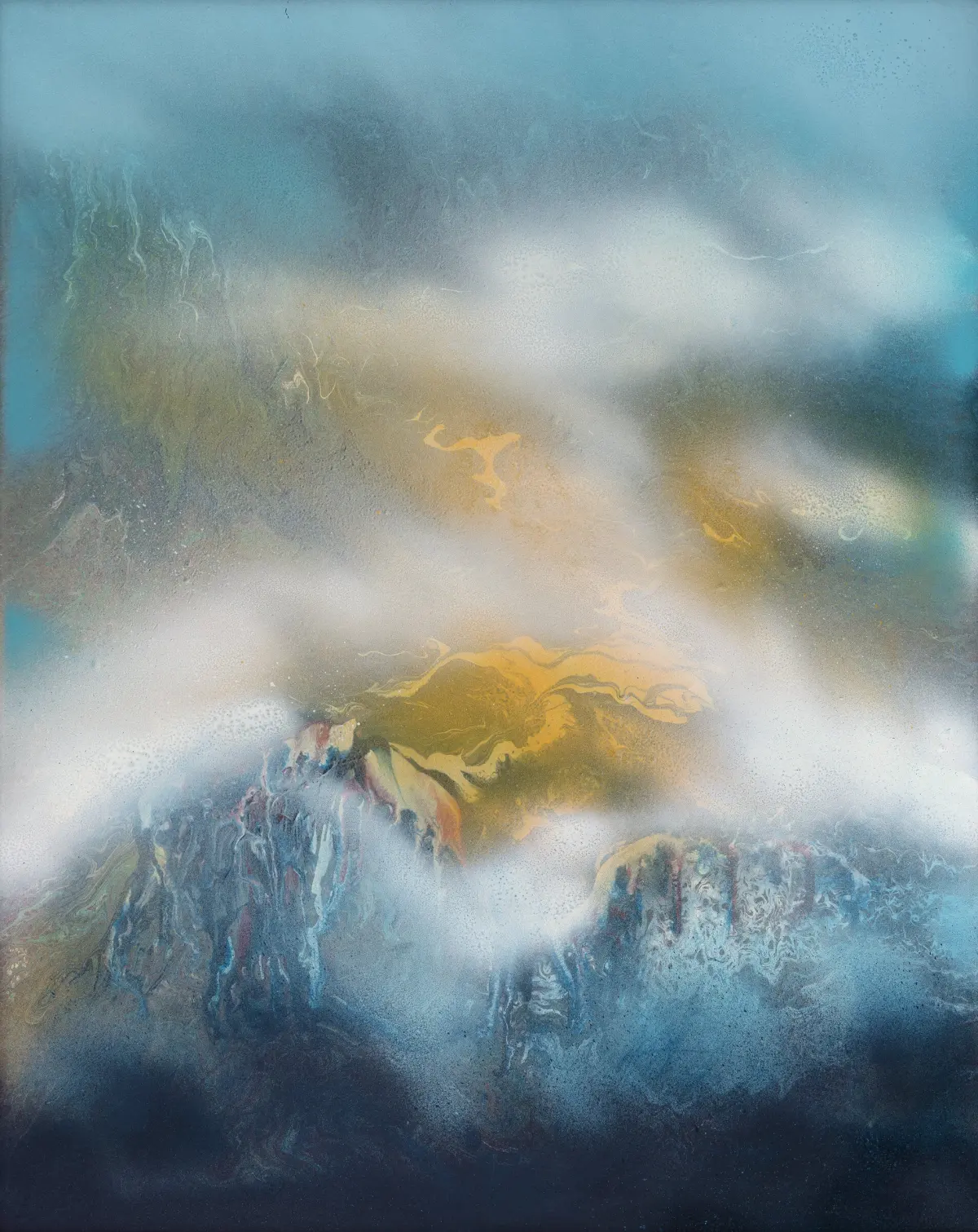
Painting fog in watercolor requires managing moisture levels to create soft, diffused edges. By using the wet-on-wet technique…
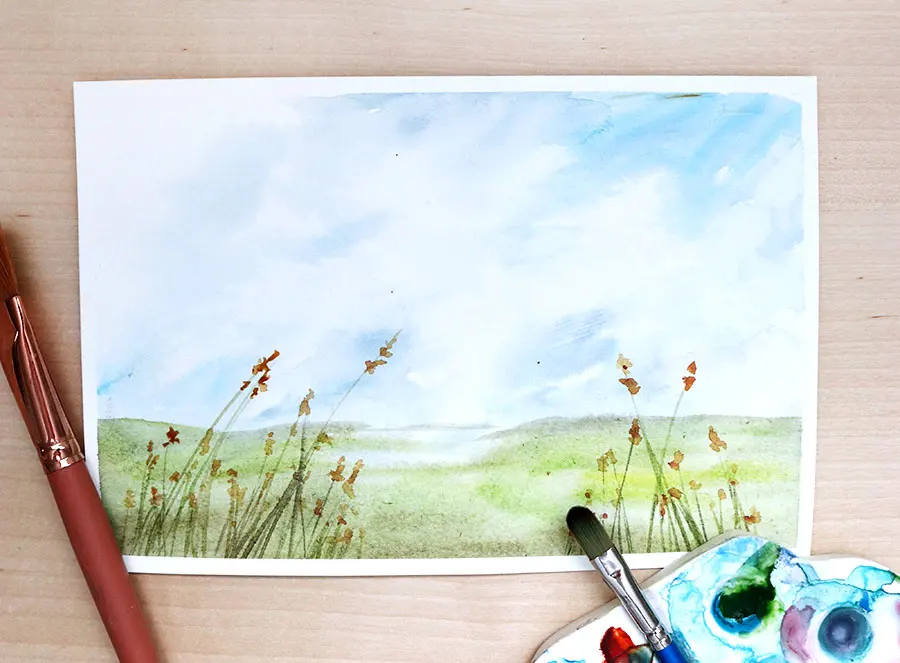
Painting clouds in watercolor requires a "negative painting" approach or a "wet-on-wet" technique. By applying water to the…
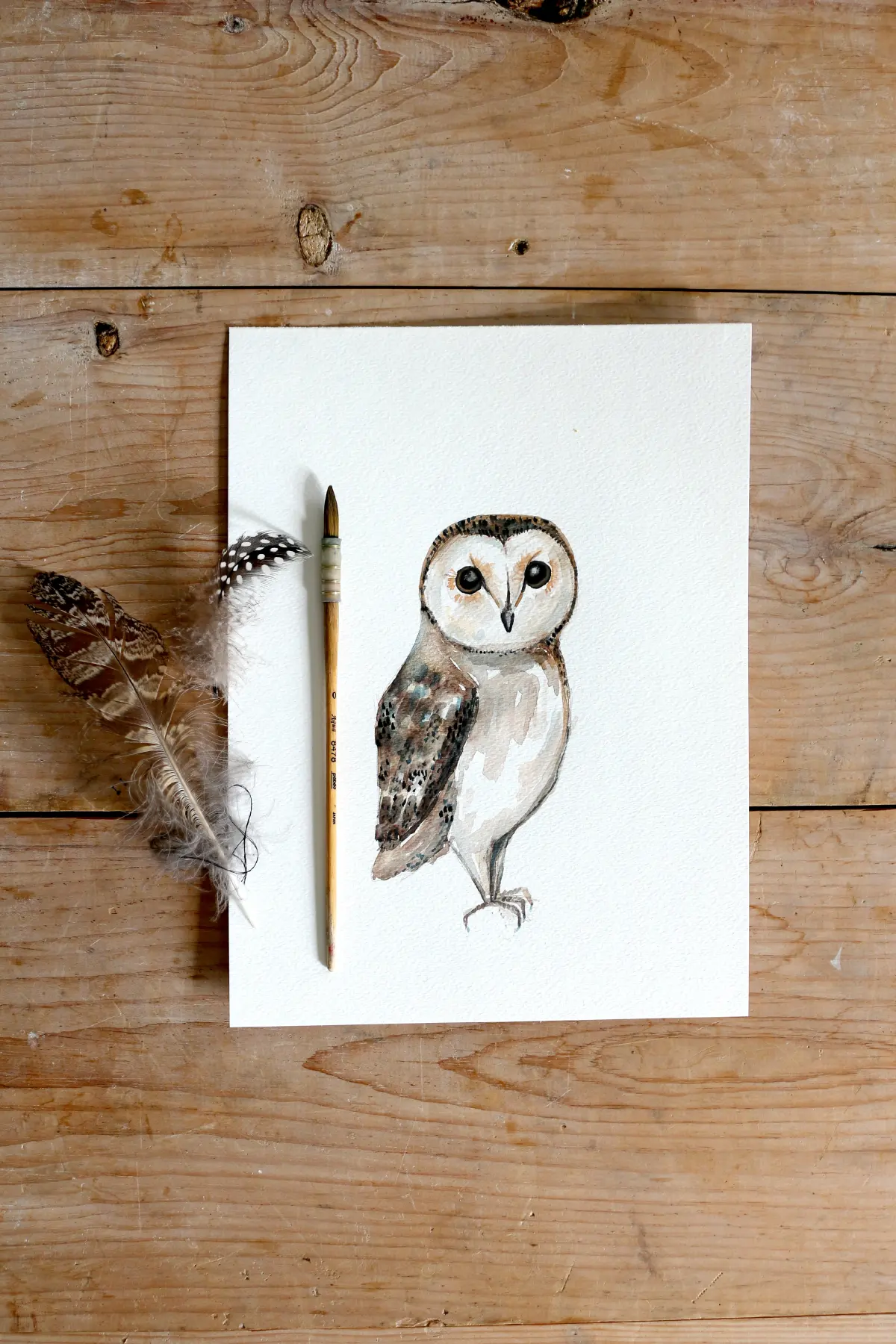
Painting an owl with watercolor requires layering light washes to build texture, starting with the eyes and facial disk. Focus…
Painting autumn leaves in watercolor requires layering transparent pigments, starting with light yellows and gradually adding…
Yes, you can use watercolor on canvas, but standard canvas is not naturally absorbent. Because watercolor relies on paper fibers…
Painting cherry blossoms with watercolor involves layering soft pink washes and using fine brushes to suggest delicate petals…
Watercolor paintings look muddy primarily because of overworking the paper, mixing too many pigments, or using contaminated…
Painting a house in watercolor requires a methodical approach, starting with a light pencil sketch followed by layering…
Painting lemons in watercolor requires a layered approach using transparent washes to build luminosity. Begin with a light…
Watercolor paper buckles because it is made of cellulose fibers that expand when they absorb water. As the paper becomes…
Watercolor mistakes are corrected by lifting pigment while wet, scrubbing gently when dry, or masking errors with opaque media…
A watercolor wash is a technique involving the application of diluted pigment across a paper surface to create a smooth…
Start watercolor painting by acquiring basic supplies: a set of professional-grade paints, two round brushes, and 140-pound…
Neither medium is objectively easier; they simply offer different challenges. Watercolor is portable and requires less cleanup…
Avoid watercolor blooms by managing the moisture levels of your paper and brush. A bloom, or cauliflower, occurs when a wetter…
Painting mountains in watercolor requires mastering water control and layering. Begin by sketching light outlines, then apply…
Creating texture in watercolor involves manipulating paper absorbency, pigment density, and water application. Artists achieve…
Painting grass in watercolor requires layering from light to dark, using varied brushstrokes to mimic natural texture. Begin…