What is chiaroscuro?
Short answer
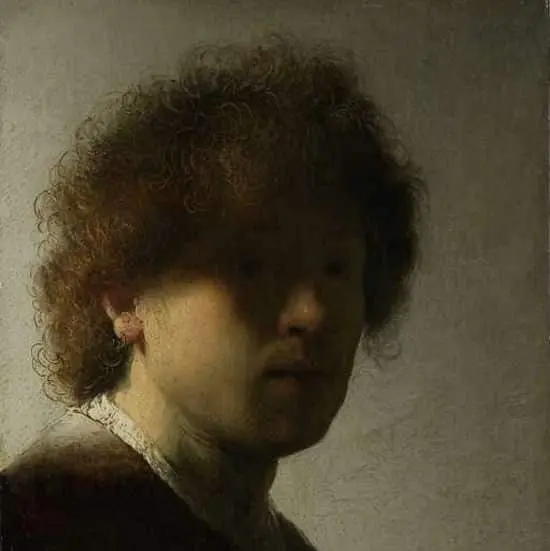
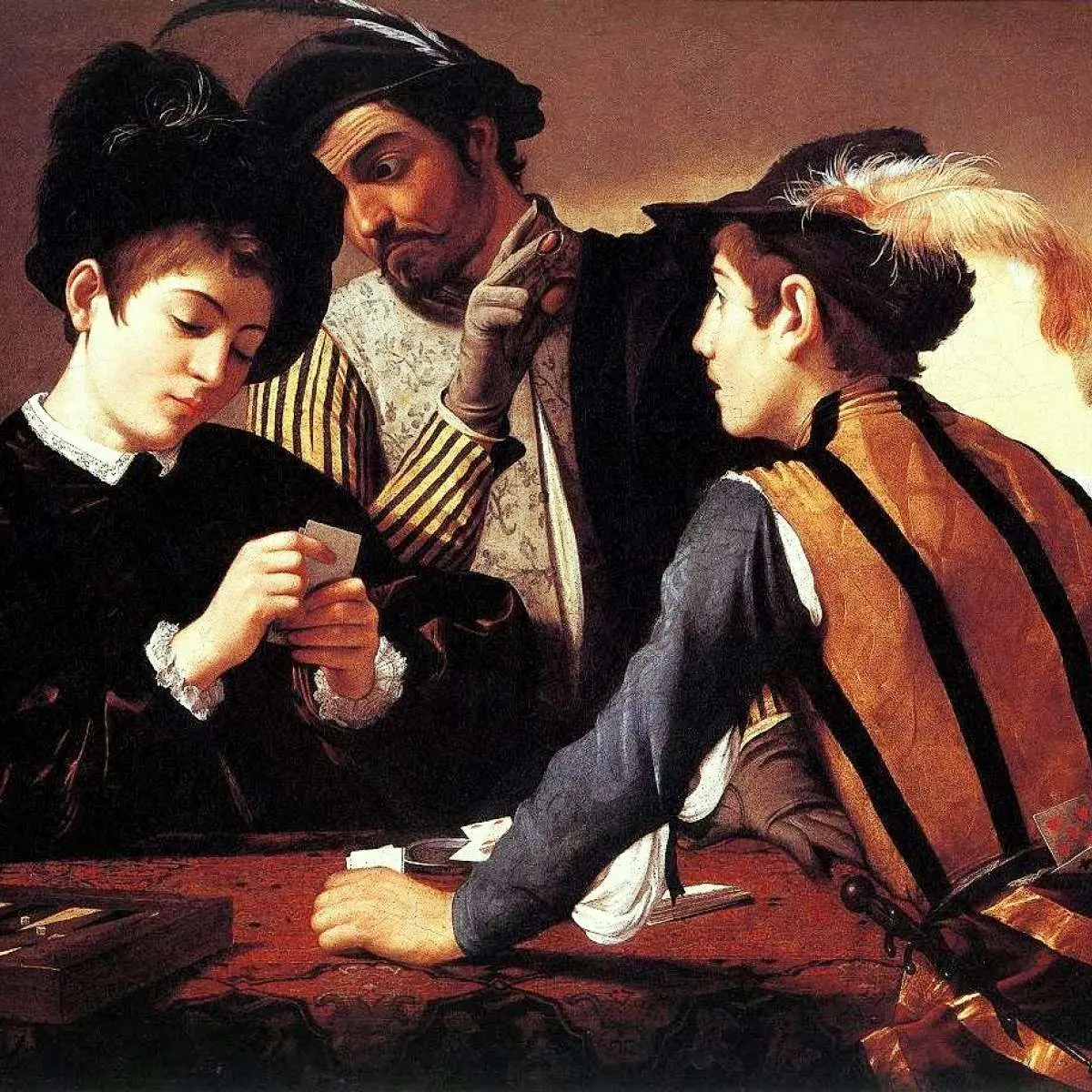
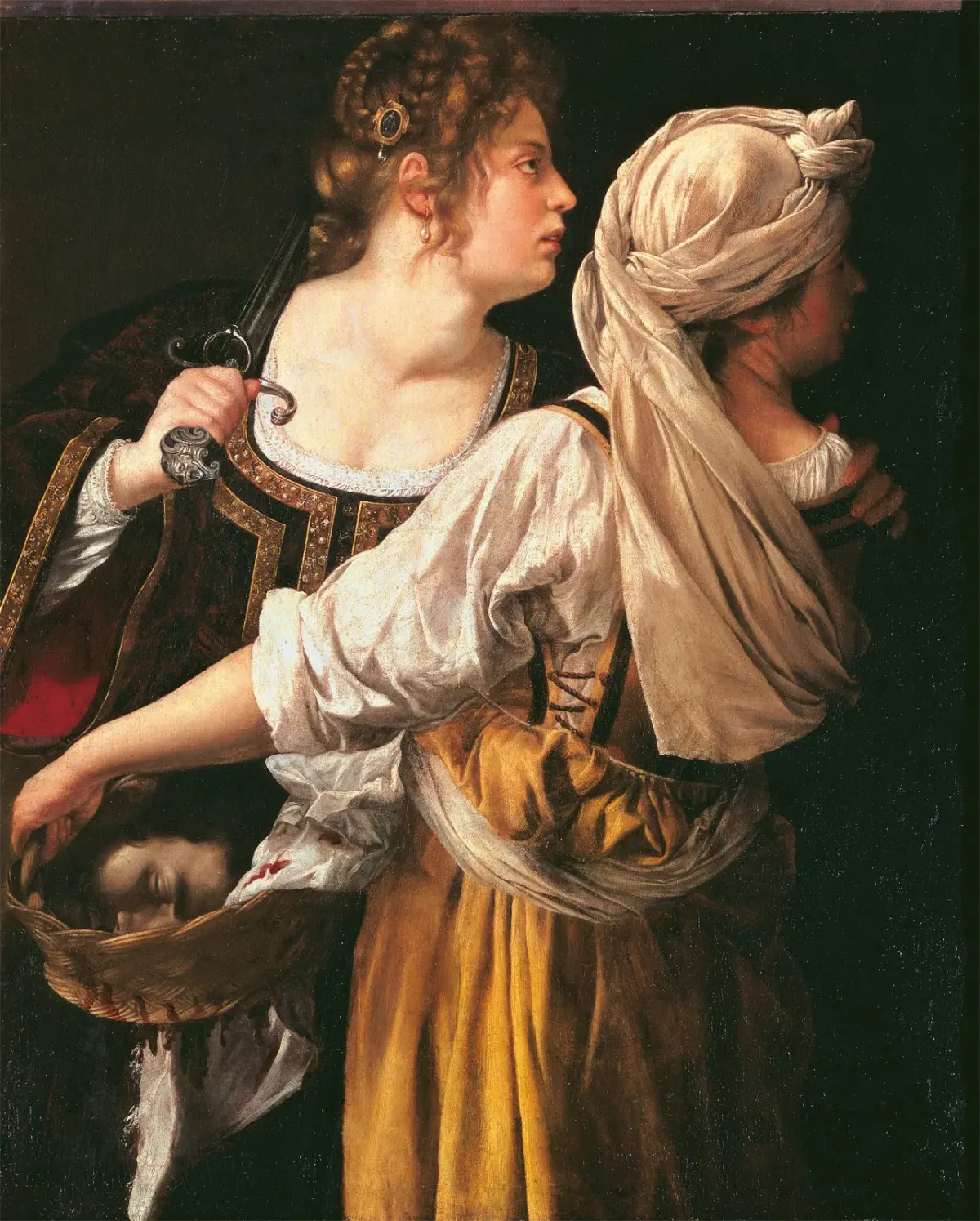
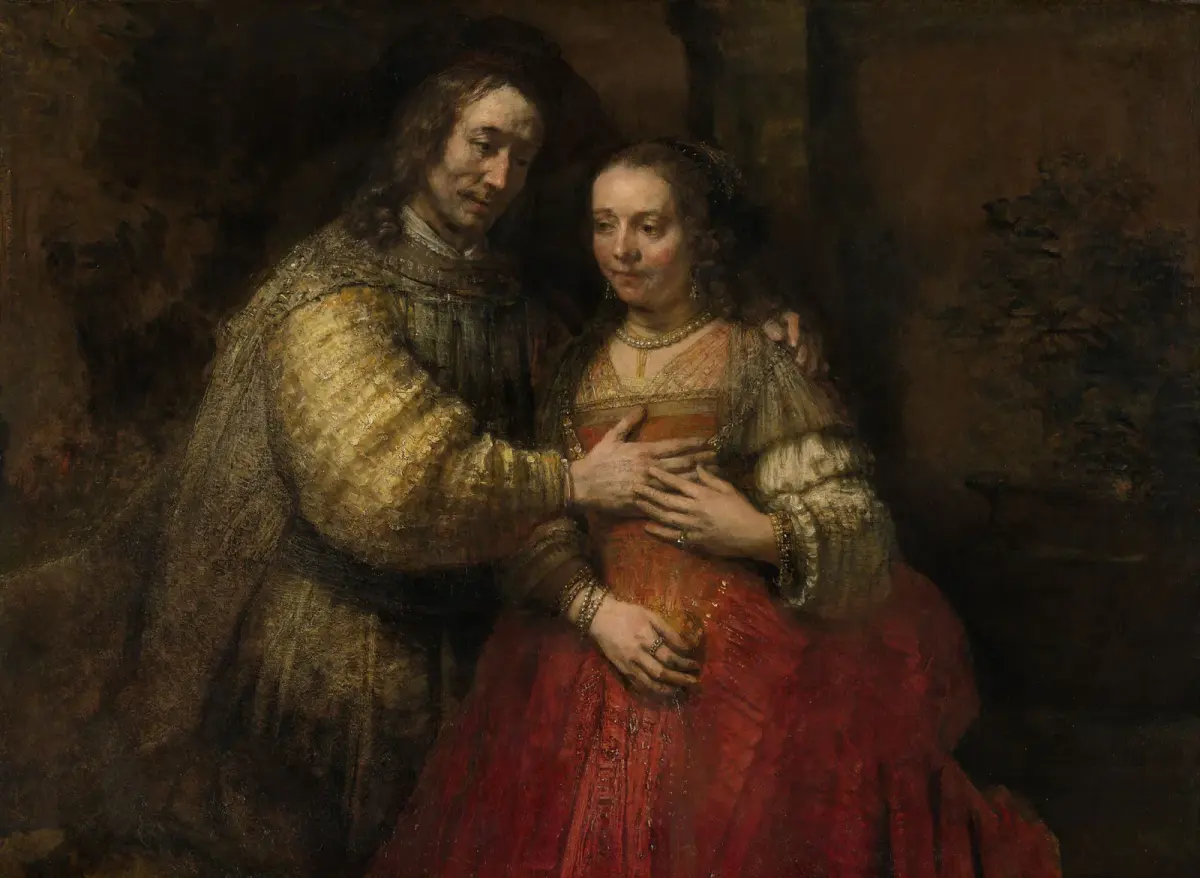
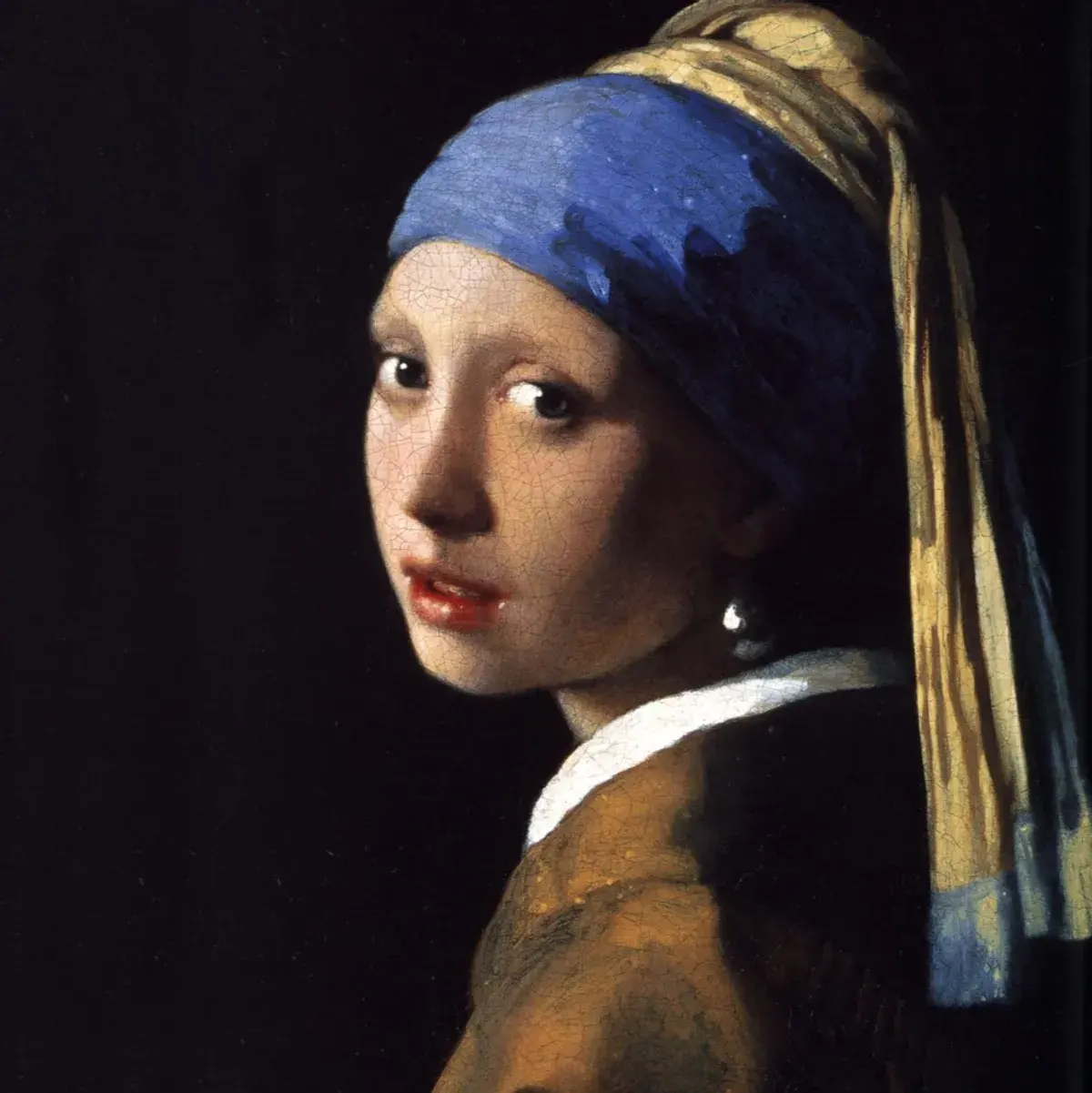
Chiaroscuro is an artistic technique that uses strong contrasts between light and dark to model three-dimensional forms on a two-dimensional surface. Derived from the Italian words for "light" and "dark," it creates a sense of volume and dramatic atmosphere, famously employed by Renaissance and Baroque masters like Leonardo da Vinci and Caravaggio.
On this page
What is the history of chiaroscuro?
The term chiaroscuro originated during the Italian Renaissance as painters sought to move beyond flat, linear representations of figures. Artists discovered that by carefully placing highlights against deep shadows, they could simulate the physical weight and roundness of human bodies. Leonardo da Vinci was a pioneer of this approach, using a subtle variation known as sfumato to blur the transitions between colors and tones, creating a lifelike, atmospheric depth in works like the Mona Lisa.
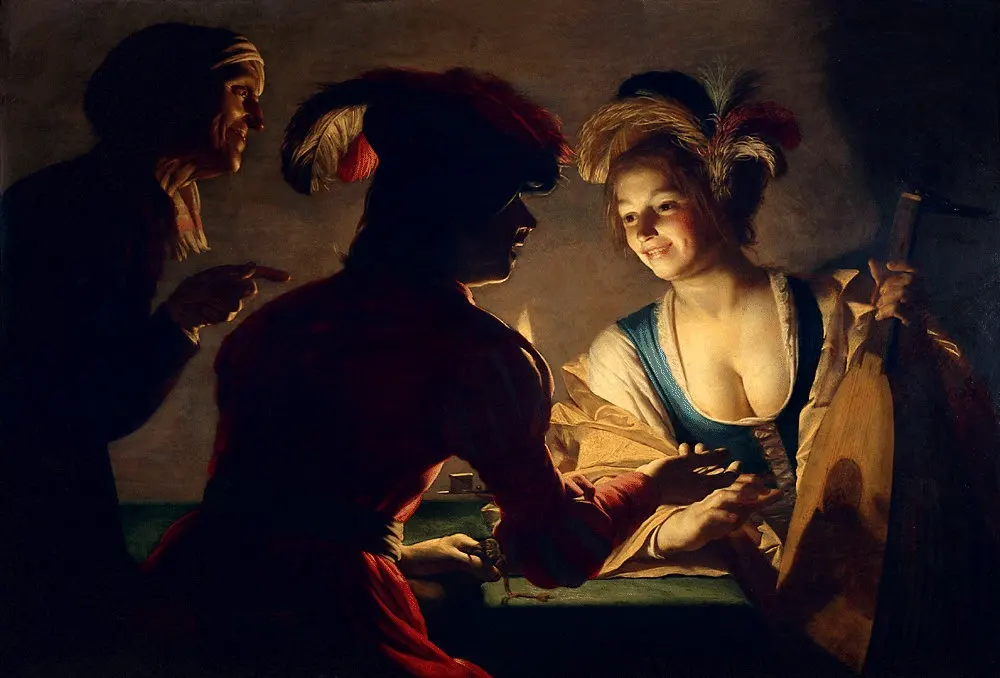
By the 17th century, the technique evolved into a more dramatic style often called tenebrism. Caravaggio became the most influential practitioner of this intense version, utilizing harsh, directional light sources to plunge large parts of a composition into near-total darkness. This high-contrast aesthetic became a hallmark of the Baroque period, influencing artists across Europe, including Rembrandt, Peter Paul Rubens, and Diego Velázquez, who used these techniques to heighten emotional intensity and religious fervor.
How to use chiaroscuro in drawing
To apply chiaroscuro effectively, you must first identify the direction of your light source. Once the light is established, you can build form by mapping out the transition from the brightest highlight to the deepest shadow. The goal is to create a gradual shift in value that convinces the viewer’s eye that the object occupies actual space.
- Establish the light source: Determine where the light hits the object and mark the brightest point.
- Identify the core shadow: Locate the darkest area on the object itself, usually where the light turns away from the source.
- Add reflected light: Include a faint glow in the shadow area caused by light bouncing off nearby surfaces to add realism.
- Cast shadows: Draw the shadow the object projects onto the ground, which should be darker than the shadows on the object itself.
- Soften transitions: Use blending tools or hatching to smooth the gradations between light and dark.
Why chiaroscuro creates depth
Chiaroscuro works because the human brain interprets variations in light and shadow as indicators of physical form. When an artist lightens one side of a sphere and darkens the other, the brain automatically perceives a curved surface rather than a flat circle. This visual shorthand is essential for representational art, as it provides the necessary information to judge distance, texture, and volume without needing physical depth.
The technique also serves a narrative purpose by directing the viewer’s attention. By illuminating a specific face or hand while obscuring the background in shadow, the artist creates a focal point. This selective lighting acts as a visual spotlight, stripping away unnecessary details and forcing the viewer to engage with the most important elements of the scene. It transforms a static image into a dynamic, theatrical experience that feels immediate and urgent.
Common mistakes when painting chiaroscuro
One of the most frequent errors beginners make is using a range of values that is too narrow. If your highlights are not bright enough and your shadows are not dark enough, the image will appear muddy and flat. To achieve a successful effect, you must be willing to push your darks toward pure black and your lights toward white, ensuring a full spectrum of contrast across the canvas.
- Using too many mid-tones, which prevents the image from having a clear focal point.
- Placing the light source inconsistently, which confuses the viewer and destroys the illusion of volume.
- Failing to account for reflected light, which makes shadows appear like black holes rather than areas of subtle, hidden detail.
- Over-blending, which can result in a "fuzzy" look that lacks the crisp definition needed to define sharp edges or textures.
- Ignoring the shadow's shape, as the cast shadow must follow the contours of the surface it falls upon to look convincing.
Best tools for chiaroscuro practice
For those starting to explore chiaroscuro, charcoal and graphite are the most effective mediums because they allow for a wide range of tonal values. Charcoal, in particular, is excellent for creating deep, velvety blacks and can be easily wiped away to reveal bright highlights. Using a white charcoal pencil or a kneaded eraser on toned paper allows you to work from the middle ground, adding light and dark simultaneously to build the form.
If you prefer painting, a limited palette is often the best way to master light and shadow. By using only black, white, and a single earth tone like burnt umber, you can focus entirely on value without being distracted by color theory. This method, known as grisaille, has been used by masters for centuries to prepare complex compositions. Once you understand how to manipulate light through value alone, adding color becomes a much more intuitive and controlled process that enhances your overall artistic vision.
Key facts
- Chiaroscuro is an Italian term meaning "light-dark," describing the use of strong contrasts between light and shadow to model three-dimensional forms.
- Leonardo da Vinci pioneered the technique during the High Renaissance to create depth and volume on flat surfaces.
- Caravaggio later refined the style into "tenebrism," which utilizes extreme, dramatic darkness to isolate subjects in a spotlight effect.
- To practice this technique, place a single, strong light source to one side of your subject to ensure clear highlights and deep, cast shadows.
- Avoid using "muddy" mid-tones; the effectiveness of chiaroscuro relies on the sharp transition between the brightest highlights and the darkest shadows.
- Artists often use a "chiaroscuro woodcut" method, which involves printing multiple blocks of different tones to achieve a layered, painterly effect on paper.
The bottom line
Chiaroscuro is a fundamental artistic technique that uses the interplay of light and shadow to grant two-dimensional works a sense of physical weight and depth. By mastering the transition from bright highlights to deep, dramatic darkness, artists can guide the viewer's focus and evoke powerful emotions. Whether in classical painting or modern digital media, this timeless method remains essential for creating compelling, three-dimensional visual narratives.
People also ask
What is the difference between chiaroscuro and sfumato?
While chiaroscuro focuses on the bold contrast between light and dark, sfumato is a technique of blending colors and tones so subtly that there is no perceptible transition. Leonardo da Vinci famously used both together to create realistic, atmospheric portraits.
Who was the most influential artist associated with this style?
Caravaggio is widely considered the master of this technique due to his aggressive use of deep shadows. His style, known as tenebrism, influenced generations of Baroque painters across Europe, including Rembrandt and Velázquez.
Can chiaroscuro be used in photography?
Yes, photographers use this technique by controlling artificial light or window light to highlight specific features of a subject. By underexposing the background and using a single directional light, they create the same dramatic depth found in Renaissance paintings.
Why do artists use this technique?
It is primarily used to create the illusion of volume and to direct the viewer's eye toward the most important parts of a composition. By obscuring parts of the scene in shadow, artists can also add mystery or emotional intensity to their work.
Is chiaroscuro only used in painting?
No, the technique is applied in drawing, printmaking, film, and digital art. Cinematographers, particularly in the film noir genre, use high-contrast lighting to establish mood and tension within a scene.
What are common mistakes when attempting chiaroscuro?
A common error is failing to create a true black, which flattens the image and ruins the contrast. Another mistake is placing the light source too close to the camera, which washes out the shadows and prevents the necessary depth.
This answer was created with the help of AI research tools and reference sources. Spotted an error? Let us know — we correct mistakes quickly. See our editorial policy.