What techniques did Mark Rothko use?
Short answer
Mark Rothko employed thin, translucent layers of oil paint applied with large brushes to create his signature "color field" paintings. He focused on soft-edged, rectangular forms that appear to hover within a luminous, atmospheric space. By layering pigments, he achieved a vibrating depth that invites deep emotional contemplation from the viewer.
On this page
How did Mark Rothko layer his paint?
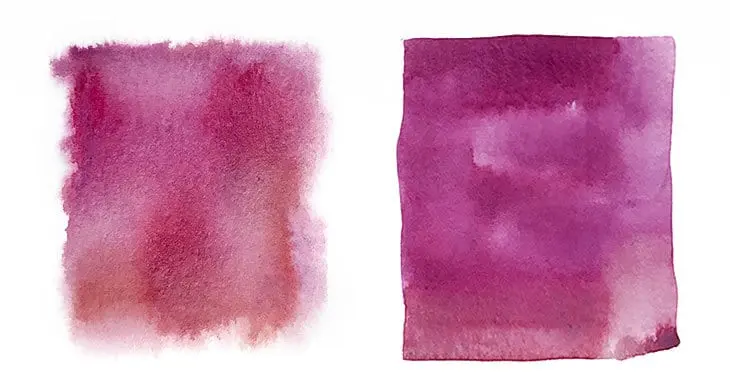
Rothko achieved his signature depth by applying numerous thin, translucent washes of oil paint rather than thick, impasto strokes. He often diluted his pigment with turpentine or other solvents to create a watercolor-like consistency that soaked into the raw, unprimed canvas. This technique allowed the color to stain the fabric, creating a matte, light-absorbing surface rather than a reflective, glossy one. By building up these washes, he created an optical effect where colors seem to glow from within the canvas.
To replicate this layering process, artists should follow these steps:
- Prepare a raw canvas without traditional gesso to ensure the paint absorbs directly into the fibers.
- Mix oil paint with a significant amount of solvent to achieve a thin, fluid consistency.
- Apply the paint in broad, sweeping motions using a large, soft-bristled brush.
- Allow each layer to dry completely before applying the next to maintain clarity and prevent muddying the colors.
How to create soft-edged color rectangles?
The defining feature of a Rothko painting is the soft, blurred boundary between the rectangular shapes and the background. Unlike hard-edge abstraction, which uses masking tape to create crisp lines, Rothko painted his forms freehand. He used a "scumbling" technique, where he dragged a dry brush over the surface to soften the edges of the blocks of color. This creates a hazy, atmospheric quality that makes the shapes appear as though they are floating or dissolving into the surrounding space.
This technique requires a delicate balance of pressure and paint density. If the brush is too wet, the edges will bleed too far; if it is too dry, the transition will look scratchy. Mastering this requires practicing the transition between the center of the rectangle and the surrounding field. The goal is to make the edge feel like a gentle vibration rather than a definitive border, allowing the viewer's eye to wander across the surface without encountering a jarring stop.
What materials did Mark Rothko use?
Rothko was highly experimental with his binders, often mixing oil paint with egg tempera, rabbit-skin glue, or synthetic resins. These unconventional mixtures were intended to alter the drying time and the final texture of the work. Because he often layered different binders on top of one another, his paintings are notoriously difficult to conserve. He frequently used large, industrial-sized brushes to cover vast areas of the canvas quickly, which helped him maintain a consistent, gestural flow across the entire composition.
Common materials and their roles in his process include:
- Rabbit-skin glue: Used as a sizing agent to prepare the canvas and provide a specific tooth for the paint.
- Egg tempera: Mixed with oil to create a faster-drying, more opaque layer that contrasts with the thinner oil washes.
- Damar varnish: Occasionally added to glazes to increase the luminosity and depth of the darker, more saturated colors.
- Industrial pigments: He preferred high-quality, intense pigments that could retain their hue even when heavily diluted with solvents.
Common mistakes when painting like Rothko
One of the most frequent errors is over-mixing the colors on the palette. Rothko’s paintings rely on the optical mixing that happens on the canvas, not the physical mixing of pigments in a cup. When colors are mixed too thoroughly before application, they lose their vibrancy and become dull or "muddy." Another common mistake is applying paint that is too thick. Because Rothko’s technique depends on the transparency of the layers, thick paint blocks the light from reflecting off the canvas fibers, effectively killing the luminous quality that defines his style.
Artists also often struggle with the scale of the work. Rothko intended for his paintings to be large enough to envelop the viewer’s peripheral vision. Attempting to replicate his technique on a small scale often results in a crowded, cluttered composition that fails to achieve the meditative, immersive effect he sought. To avoid this, focus on the relationship between the colors rather than the precision of the shapes, and work on a surface large enough to allow for expansive, rhythmic brushwork.
Why did Mark Rothko use large canvases?
Rothko believed that large-scale paintings created a human-scale experience that invited the viewer to step inside the work. By filling the viewer's field of vision, he aimed to eliminate the distinction between the observer and the object. This immersion was central to his goal of expressing basic human emotions, such as tragedy, ecstasy, and doom. The sheer size of the canvas forces the viewer to stand at a specific distance, which helps to activate the soft edges and the subtle shifts in color that define his mature work.
The physical act of painting these large surfaces also influenced his technique. Because he could not reach every part of the canvas easily, his brushstrokes became more sweeping and rhythmic. This physical engagement with the work is reflected in the final product, as the scale demands a certain level of commitment from both the painter and the viewer. By removing the frame and the traditional focal point, he successfully transformed the painting into an environment rather than a mere window, ensuring that the emotional impact of the color remains the primary focus of the viewer's experience.
Key facts
- Rothko applied thin, translucent layers of oil paint known as "scumbles" to create a luminous, glowing effect.
- He frequently mixed his own pigments with binding agents like egg yolk or rabbit-skin glue to alter the drying time and texture.
- The artist used large-scale canvases to overwhelm the viewer's peripheral vision and encourage an immersive, meditative experience.
- He often painted "wet-in-wet," allowing colors to bleed into one another to soften the edges of his signature rectangular forms.
- Rothko typically avoided using brushes for the final layers, preferring rags or sponges to achieve a feathered, atmospheric surface.
- To prevent cracking, he applied paint in many thin washes rather than thick, heavy impasto strokes.
The bottom line
Mark Rothko’s mastery lay in his ability to transform simple rectangular forms into profound emotional experiences through technical precision. By layering thin, translucent glazes and utilizing large-scale canvases, he created works that seem to pulsate with light. Aspiring artists should focus on patience, allowing colors to bleed naturally rather than using tape, and prioritizing the atmospheric depth that comes from building up many delicate, transparent paint layers.
People also ask
Did Mark Rothko use masking tape to create his straight lines?
No, Rothko did not use tape or rulers. He relied on a steady hand and the natural bleeding of paint to define the edges of his rectangles, which is why his lines appear soft rather than razor-sharp.
What was the significance of the scale of his paintings?
Rothko believed that large canvases allowed the viewer to step inside the painting. By filling the field of vision, the art becomes a physical environment rather than just an object to observe from a distance.
How did Rothko achieve the "glow" in his colors?
He achieved this by layering many thin, translucent washes of color over a lighter base. The light reflects off the bottom layers and passes back through the top, creating an internal luminosity.
What materials did he use for his canvases?
He primarily used heavy-duty cotton duck or linen canvas. He often primed these surfaces with a thin layer of rabbit-skin glue to provide a stable, absorbent foundation for his oil paints.
Did Rothko use a specific color palette?
His palette evolved significantly over time. While his early works featured earthy tones, he later shifted toward vibrant reds, oranges, and yellows, and eventually to somber, dark grays and blacks in his final years.
Why are his paintings sometimes described as "Color Field" art?
The term refers to his focus on large, flat areas of color that emphasize the emotional power of hue itself. He stripped away representational figures to let the color interact directly with the viewer's psyche.
This answer was created with the help of AI research tools and reference sources. Spotted an error? Let us know — we correct mistakes quickly. See our editorial policy.