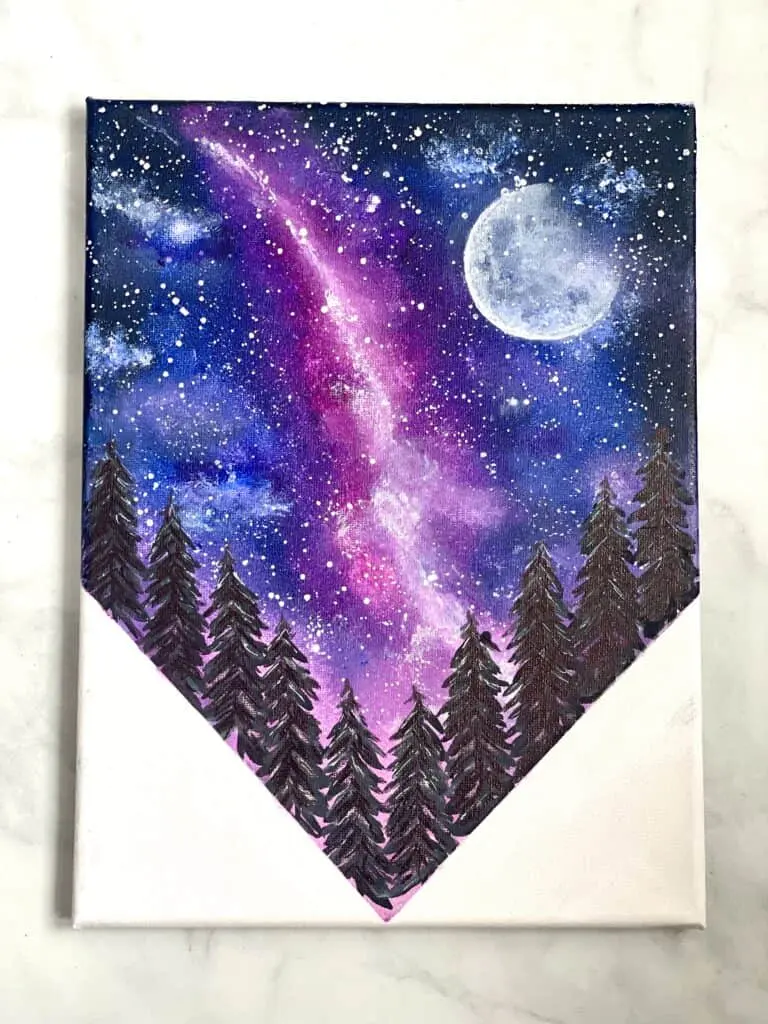
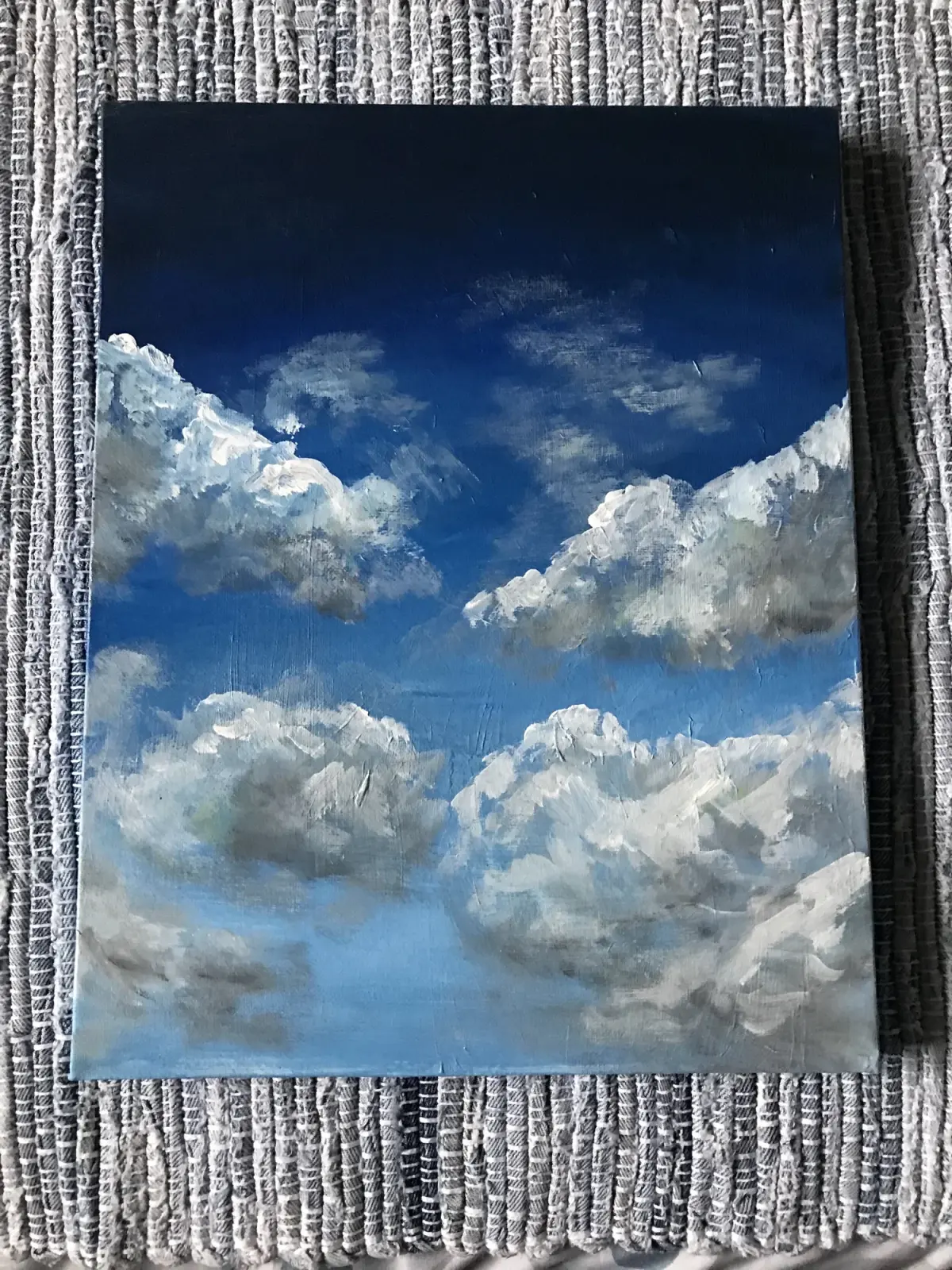
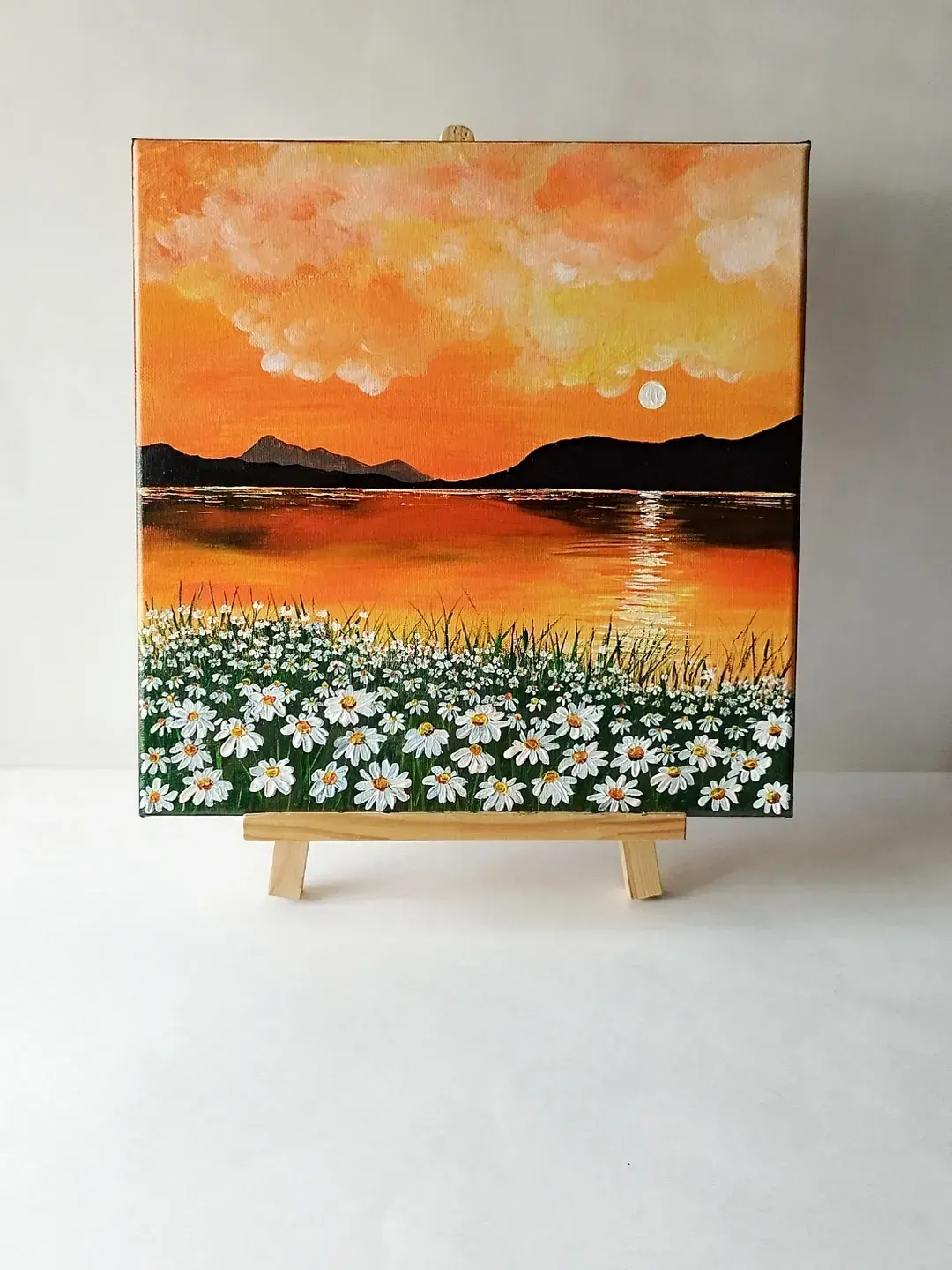
How do you paint a landscape with acrylic paint?
Short answer
Painting a landscape with acrylics involves building depth through layers, starting with a thin wash for the background and progressing to opaque details in the foreground. By utilizing the medium’s fast-drying properties, artists can quickly block in colors, add texture, and refine lighting effects to create a compelling, professional-looking natural scene.
On this page
What supplies do I need for acrylic landscape painting?
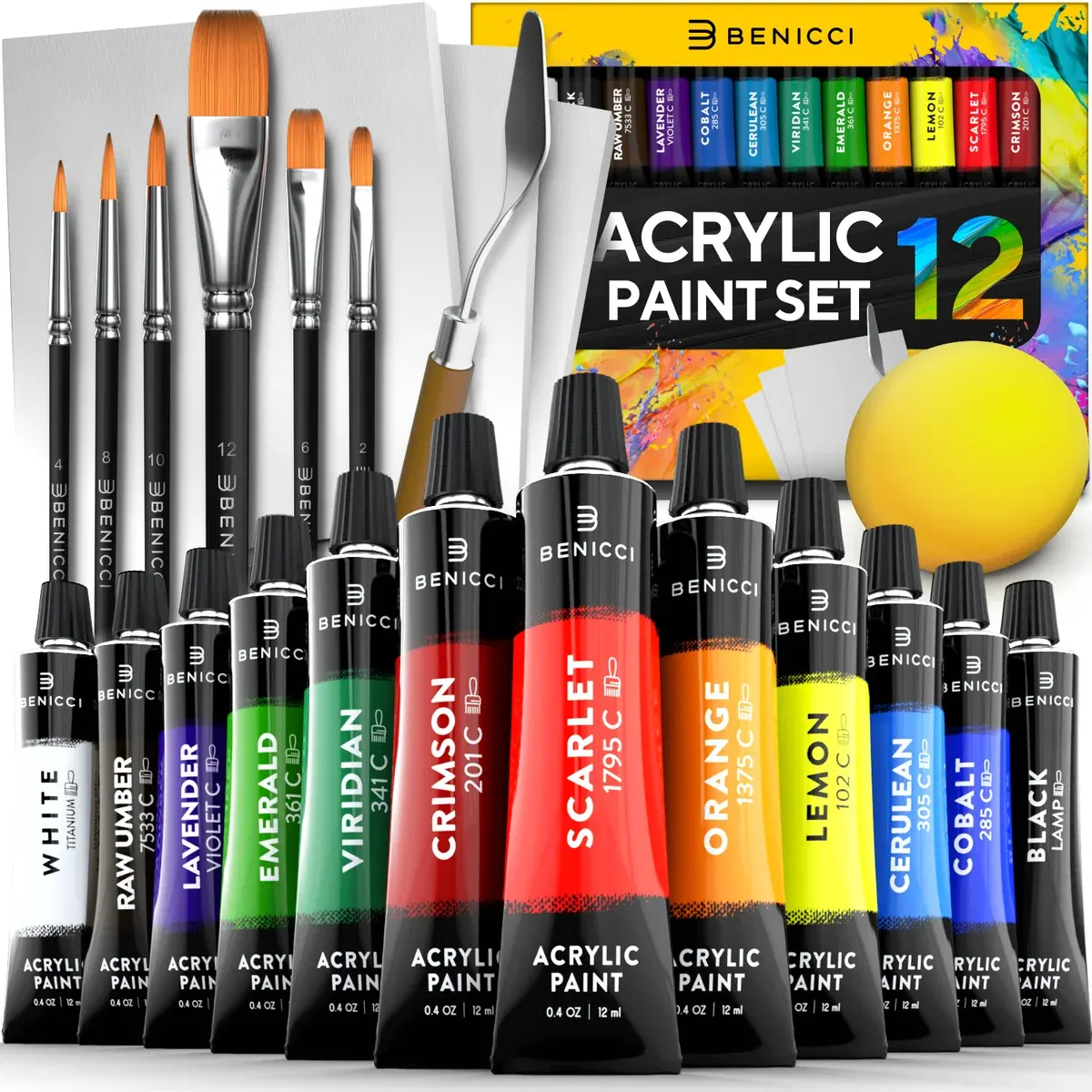
To begin painting landscapes, you need a basic set of acrylic paints, typically including primary colors, white, and earth tones like burnt sienna or yellow ochre. High-quality student-grade paints are sufficient for practice, but professional-grade paints offer better pigment load and consistency. You will also need a selection of synthetic brushes, which are durable and hold their shape well with acrylics. A flat brush is ideal for blocking in large areas of sky or grass, while a small round or detail brush helps with fine elements like tree branches or distant rocks.
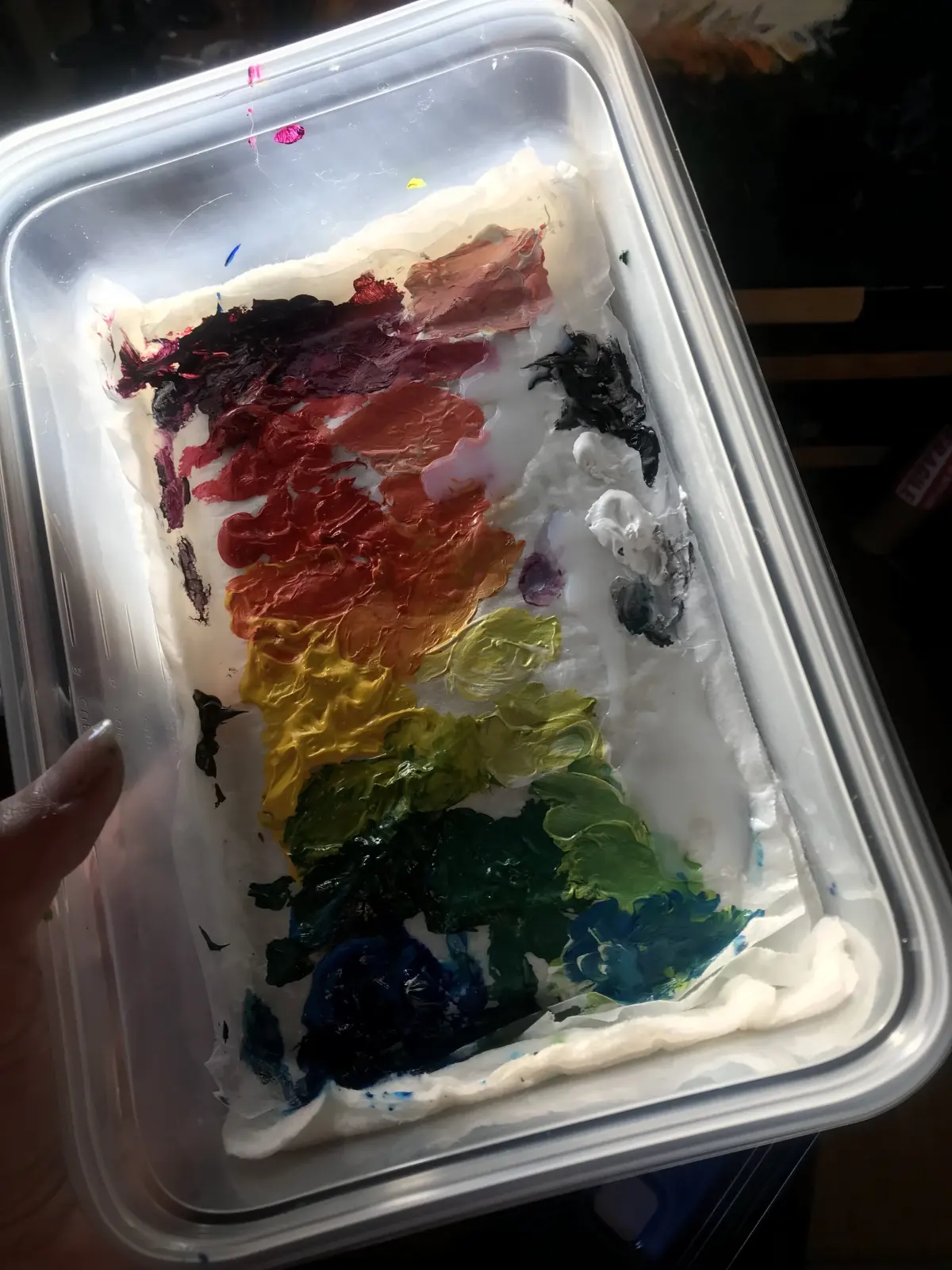
Beyond brushes and paint, your setup should include a sturdy surface such as a stretched canvas, canvas board, or heavy-duty watercolor paper treated with gesso. A palette, preferably a stay-wet palette, keeps your paint moist during long sessions. You will also need a water container for rinsing brushes and a rag or paper towel to control moisture levels. Having a spray bottle of water nearby is essential to keep your paint workable, as acrylics dry rapidly when exposed to air.
How do I start a landscape painting?
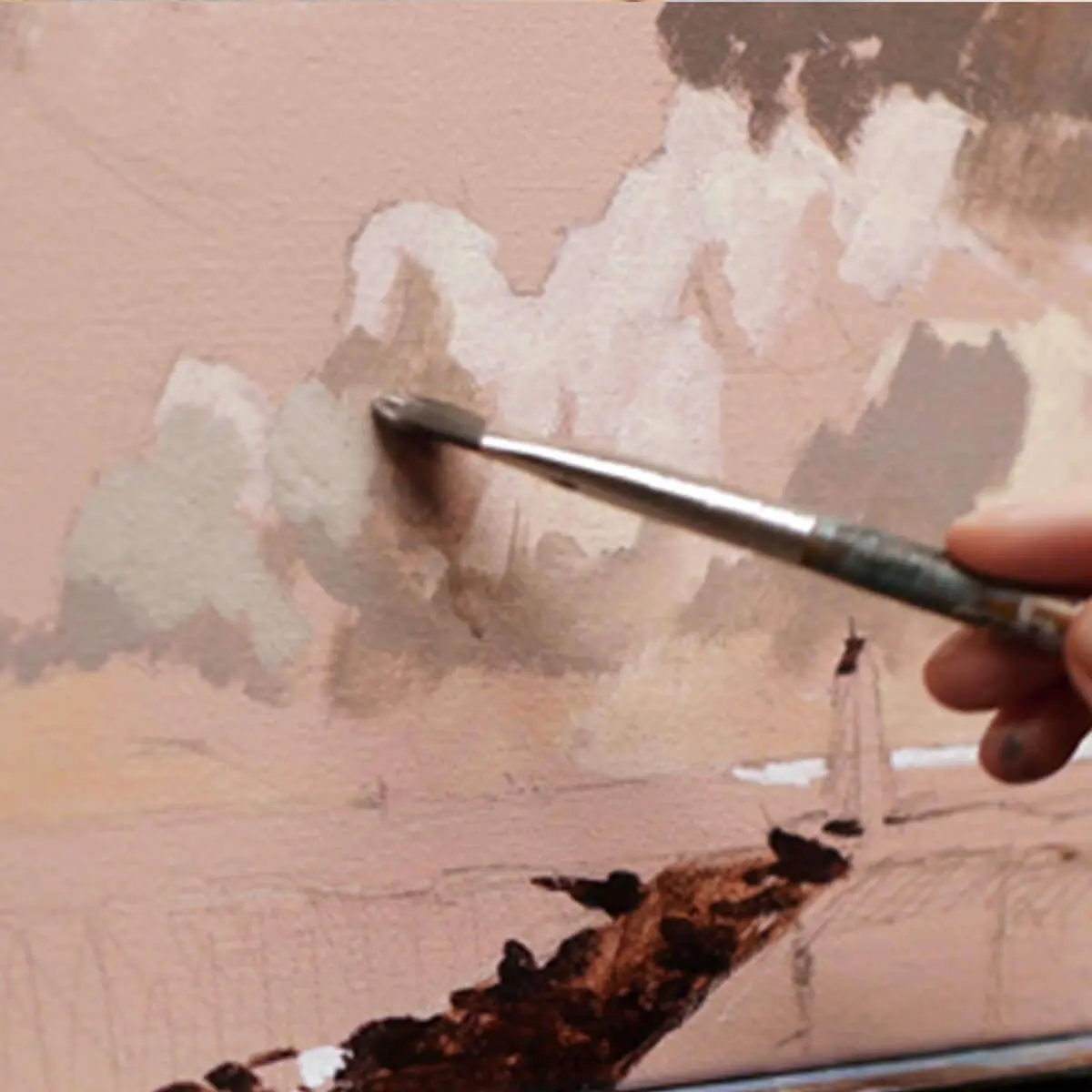
The most effective way to start is by creating an underpainting or a "wash." Thin your acrylic paint with water until it reaches the consistency of watercolor and cover the entire canvas with a neutral tone. This removes the intimidating white surface and provides a mid-tone value that helps you judge your colors accurately. Once the wash is dry, sketch your main composition using a light pencil or a diluted paint color. Focus on the horizon line and the placement of major features like mountains, trees, or bodies of water.
- Establish the horizon line, ensuring it is not exactly in the center to create a more dynamic composition.
- Block in the largest shapes first, such as the sky and the ground, using broad, thin strokes.
- Work from the back of the scene to the front, painting the furthest elements first.
- Keep your initial layers thin to allow for easier adjustments as you build up the painting.
How do I create depth in a landscape?
Creating the illusion of three-dimensional space is achieved through atmospheric perspective. Objects that are further away should be lighter, less saturated, and cooler in color temperature. For example, distant mountains often appear as pale blue or grey shapes, while foreground elements should feature warmer, more intense colors and higher contrast. By softening the edges of distant objects and sharpening the focus of foreground elements, you guide the viewer’s eye through the landscape.
Another technique for depth is overlapping. When you paint one object partially obscuring another, the brain naturally interprets the obscured object as being further away. Varying the size of elements is also critical; larger objects in the foreground provide a sense of scale compared to smaller, distant counterparts. Always remember that as you move toward the foreground, you should increase the texture and detail of your brushwork. This transition from smooth, blurry backgrounds to textured, crisp foregrounds is the hallmark of a successful landscape painting.
What are common mistakes when painting landscapes?
One of the most frequent errors is using colors exactly as they appear in the tube without mixing. Landscapes are rarely composed of pure, bright colors; they are usually muted mixtures of earth tones and complementary colors. Another common mistake is overworking the paint. Because acrylics dry so quickly, scrubbing at a semi-dry area will lift the paint and create a muddy, uneven texture. If you need to blend colors, do so quickly while the paint is still wet or use a slow-drying medium to extend the working time.
- Neglecting the sky: The sky sets the mood and lighting for the entire piece.
- Using too much water: Over-diluting acrylics breaks down the binder, making the paint chalky and weak.
- Ignoring light source: Ensure all shadows in your landscape fall in the same direction to maintain consistency.
- Over-detailing: Beginners often try to paint every individual leaf on a tree, which makes the painting look cluttered rather than realistic.
How do I finish an acrylic landscape?
The final stage of your painting is all about adding highlights and refining the details that provide visual interest. Use a small brush to add the brightest highlights on the tops of leaves, the crests of waves, or the edges of rocks where the light hits directly. This "pop" of contrast brings the image to life. Step back from your work frequently during this stage to ensure the overall balance of the composition remains intact. If a detail draws too much attention away from the focal point, soften it with a light glaze of color.
Once the painting is completely dry, consider applying a varnish. Acrylic paint can attract dust due to its slightly tacky surface, and a varnish provides a protective, uniform finish. You can choose between matte, satin, or gloss varnishes depending on the desired aesthetic. Ensure the painting has cured for at least 24 to 48 hours before varnishing to prevent trapping moisture. A well-applied varnish not only protects your work from UV damage and environmental pollutants but also deepens the colors, giving your landscape a professional, gallery-ready appearance that will last for many years.
Key facts
- Acrylic paint dries within 10 to 20 minutes, allowing for rapid layering and quick corrections.
- Use a "wash" technique by thinning paint with water to create a watercolor-like base for your landscape.
- Always work from the background to the foreground, painting the sky and distant mountains before adding trees or rocks.
- Keep a spray bottle of water nearby to mist your palette and prevent the acrylics from drying out while you work.
- Use a synthetic brush, which is more durable and better suited for the viscosity of acrylics than natural hair brushes.
- Clean brushes immediately after use, as dried acrylic paint is plastic-based and can permanently ruin bristles.
The bottom line
Painting a landscape with acrylics requires a methodical approach, beginning with thin washes for the background and building toward detailed foreground elements. By mastering color mixing and atmospheric perspective, you can create depth and realism. Remember to manage your drying time with water or retarders and clean your tools promptly. With practice, the fast-drying nature of acrylics becomes a powerful asset for capturing fleeting natural scenes effectively.
People also ask
How do I prevent acrylic paint from drying too quickly on my palette?
You can use a stay-wet palette, which consists of a damp sponge layer underneath parchment paper. Alternatively, mix a small amount of acrylic retarder into your paints to extend their open time.
Should I prime my canvas before I start painting a landscape?
Yes, applying a layer of gesso is essential to seal the canvas fibers. This prevents the paint from soaking into the fabric and ensures the colors remain vibrant on the surface.
How do I create a sense of depth in a landscape painting?
Use atmospheric perspective by making distant objects lighter, cooler in color, and less detailed. As objects get closer to the foreground, increase their contrast, saturation, and level of detail.
Can I paint over a mistake if I dislike a section of my landscape?
Absolutely, because acrylic paint is opaque when applied thickly. Simply wait for the area to dry completely and paint over it with a new layer of color.
What is the best way to mix colors for natural landscapes?
Avoid using paint straight from the tube; always mix at least two colors to create more realistic, muted tones. Adding a touch of a complementary color can help "dull" a hue to look more like natural grass or earth.
Do I need to seal my finished acrylic landscape painting?
While not strictly mandatory, applying an acrylic varnish once the painting is fully cured protects it from dust, UV light, and moisture. Choose between matte, satin, or gloss finishes depending on your preference.
This answer was created with the help of AI research tools and reference sources. Spotted an error? Let us know — we correct mistakes quickly. See our editorial policy.