Are left-handed people more creative?
Short answer
There is no definitive scientific evidence proving that left-handed people are inherently more creative than right-handed individuals. While some studies suggest a slight correlation between left-handedness and divergent thinking, the link is inconsistent and often statistically insignificant. Creativity is a complex, multifaceted trait influenced more by environment and practice than handedness.

On this page
Why do people think left-handedness and creativity are linked?
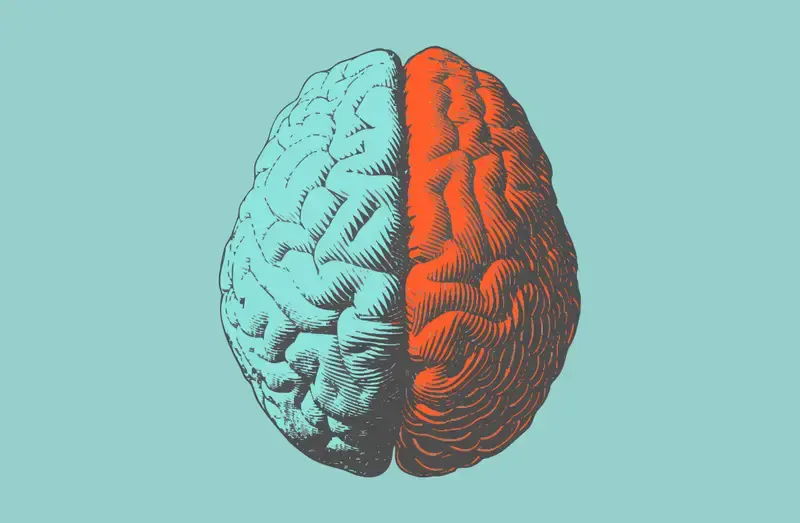
The popular belief that left-handed people possess superior creative abilities stems from early 20th-century theories regarding brain lateralization. Researchers once hypothesized that because the right hemisphere of the brain controls the left side of the body and is associated with spatial and artistic tasks, left-handed individuals might have more robust right-brain development. This led to the widespread myth that left-handers are "right-brained" thinkers, supposedly making them more prone to artistic genius and unconventional problem-solving.
However, modern neuroimaging has largely debunked the idea of a simple "left-brain versus right-brain" divide. Most cognitive functions, including creativity, require the integration of both hemispheres working in tandem. While some studies have observed that left-handed individuals may show slightly different patterns of brain organization, these differences do not translate into a measurable "creativity advantage." The persistence of this myth is largely due to confirmation bias, where people notice the left-handedness of famous artists like Leonardo da Vinci or Pablo Picasso while ignoring the vast majority of equally creative right-handed icons.
What does the science actually say about handedness?
Scientific research into handedness and cognitive ability has produced mixed results over the past several decades. Some studies in the 1980s and 1990s suggested that left-handers might be better at divergent thinking—the ability to generate multiple solutions to a single problem. Yet, subsequent large-scale meta-analyses have failed to replicate these findings consistently. When researchers control for factors like education, socioeconomic status, and age, the statistical gap in creative performance between left-handed and right-handed groups effectively disappears.
It is more accurate to view handedness as a biological trait related to prenatal development rather than a predictor of intellectual or creative output. Approximately 10 percent of the global population is left-handed, a ratio that has remained relatively stable throughout human history. Because this group is a minority, any individual achievement by a left-handed person is often disproportionately highlighted, reinforcing the false narrative that their handedness played a causal role in their success or creative vision.

How can you improve your creative thinking skills?
Creativity is a skill that can be cultivated through deliberate practice and exposure to new experiences, regardless of which hand you use to write. Research into neuroplasticity shows that the brain remains adaptable throughout adulthood, meaning you can strengthen your creative muscles by changing your habits. The goal is to move away from rigid, routine-based thinking and toward more flexible, exploratory mental processes.
- Practice divergent thinking by listing 20 uses for a common object like a paperclip.
- Engage in "cross-training" by learning a skill outside your comfort zone, such as coding if you are an artist or painting if you are a programmer.
- Dedicate time to "mind-wandering," as periods of rest allow the brain to form unexpected connections between disparate ideas.
- Keep a daily journal to capture fleeting thoughts before they are lost.
By focusing on these practical exercises, you can enhance your ability to innovate without relying on biological predispositions.
Common mistakes when trying to become more creative
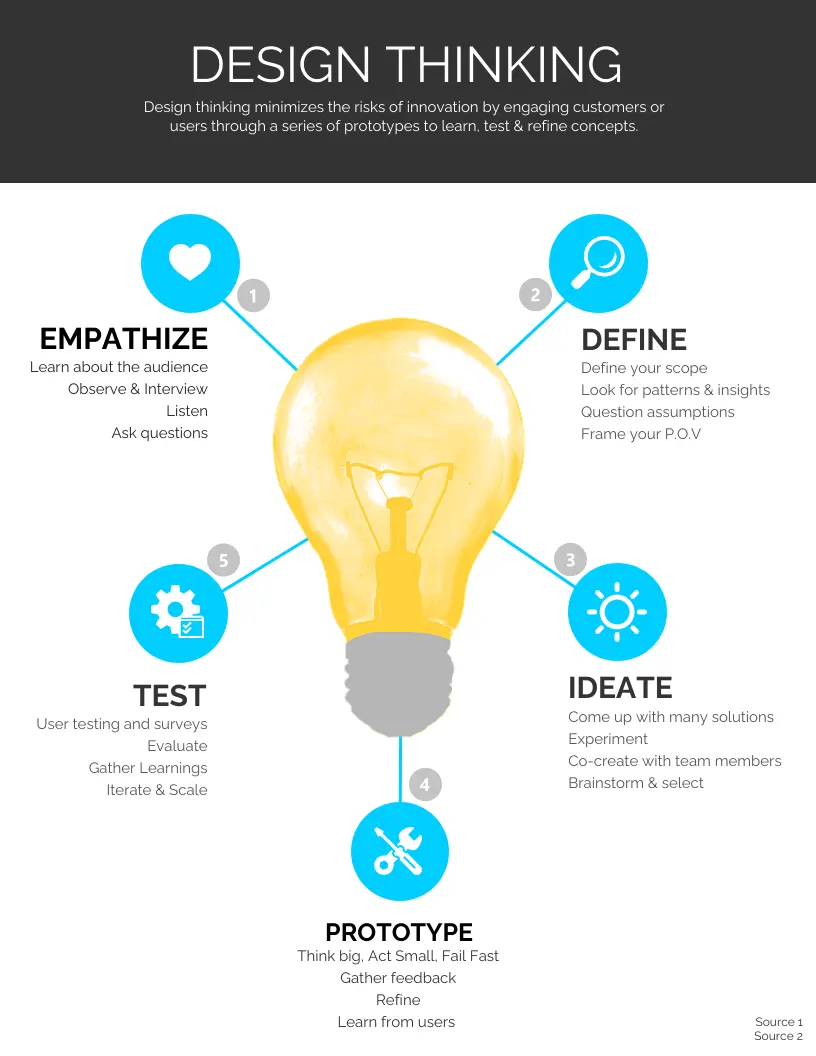
Many people fall into the trap of believing that creativity is an innate "gift" that one either has or lacks. This fixed mindset often leads to frustration when initial attempts at creative work do not yield immediate, brilliant results. Another significant mistake is waiting for "inspiration" to strike rather than building a consistent creative routine. Creativity is rarely a sudden lightning bolt; it is usually the result of disciplined, iterative work that involves frequent failure and refinement.
- Relying on substances or extreme environments to "trigger" creative breakthroughs.
- Over-consuming content without taking time to produce your own original work.
- Ignoring the importance of critical feedback from peers or mentors.
- Focusing too much on the final product rather than the process of exploration.
- Comparing your early-stage work to the polished final results of experts.
Avoiding these common pitfalls allows you to focus on the actual mechanics of creation, which is far more effective than hoping for a biological advantage.
How to leverage your unique perspective for innovation
Rather than worrying about whether your handedness gives you an advantage, focus on how your unique life experiences shape your perspective. Creativity is essentially the ability to synthesize existing information in new ways. Your specific background, education, and personal challenges provide a unique set of data points that no one else possesses. By intentionally seeking out diverse viewpoints and challenging your own assumptions, you can create a unique mental framework that fosters innovation.
Practical steps to leverage your perspective include:
- Documenting your unique problem-solving process to identify your personal creative style.
- Seeking collaboration with people who have different backgrounds to challenge your biases.
- Analyzing how your daily environment influences your mood and productivity.
- Embracing constraints, such as limited time or materials, to force unconventional solutions.
Ultimately, your creative potential is defined by your curiosity, your willingness to experiment, and your persistence in the face of challenges. By focusing on these actionable behaviors, you can maximize your creative output regardless of your handedness.
Key facts
- Approximately 10 percent of the global population is left-handed, a ratio that has remained remarkably stable for thousands of years.
- Research suggests left-handers may have a slight advantage in divergent thinking, a core component of creativity involving generating multiple solutions to a problem.
- Brain imaging studies indicate that left-handed individuals often exhibit more symmetric brain organization, which may facilitate faster communication between the left and right hemispheres.
- No definitive causal link exists between handedness and artistic genius; creativity is a complex trait influenced by genetics, environment, and deliberate practice.
- Many high-achieving individuals in creative fields, such as Leonardo da Vinci and Jimi Hendrix, were left-handed, though this does not prove that handedness itself is the primary driver of their talent.
- To foster your own creativity, focus on techniques like "brainstorming" or "mind mapping" rather than relying on biological traits you cannot change.
The bottom line
While the idea that left-handedness is a biological shortcut to creativity is a popular cultural narrative, scientific evidence remains inconclusive. Handedness may influence how the brain processes information, but creativity is primarily a product of persistent effort, curiosity, and environmental stimulation. Regardless of which hand you favor, you can cultivate your creative potential by practicing divergent thinking and consistently challenging your existing mental frameworks.
People also ask
Does being left-handed make a person more intelligent?
There is no consistent evidence that left-handedness correlates with higher general intelligence. While some studies show minor differences in cognitive processing, these variations do not translate into a measurable advantage in IQ scores.
Is it true that left-handed people die younger?
This is a persistent myth based on flawed statistical analysis from the late 20th century. Modern, rigorous studies have found no significant difference in life expectancy between left-handed and right-handed individuals.
Can you train yourself to be more creative if you are right-handed?
Yes, creativity is a skill that can be developed through consistent practice and exposure to new experiences. Engaging in hobbies like painting, writing, or learning a new language stimulates neuroplasticity, which enhances creative problem-solving abilities.
Why are some people left-handed?
Handedness is influenced by a complex interaction between genetics and prenatal development. While researchers have identified several genes associated with left-handedness, it remains a polygenic trait that is not determined by a single factor.
Are left-handed people better at sports?
Left-handers often hold a "frequency-dependent" advantage in interactive sports like tennis, boxing, or fencing. Because right-handed opponents are more common, they are less practiced at defending against the unique angles and movements of a left-handed player.
Should parents force a left-handed child to use their right hand?
Experts strongly advise against forcing a child to switch their dominant hand. Doing so can cause significant frustration, developmental delays, and potential learning difficulties, as it interferes with the child's natural neurological organization.
This answer was created with the help of AI research tools and reference sources. Spotted an error? Let us know — we correct mistakes quickly. See our editorial policy.