How do you draw a sports car?
Short answer
Drawing a sports car requires capturing its aerodynamic silhouette through precise geometric construction. Begin by sketching a low, elongated chassis using light guidelines to establish the wheelbase and roofline. Focus on exaggerating the wide stance and aggressive wheel arches, then refine the body panels and details to convey speed, balance, and mechanical power.
On this page
How to sketch the basic proportions of a sports car
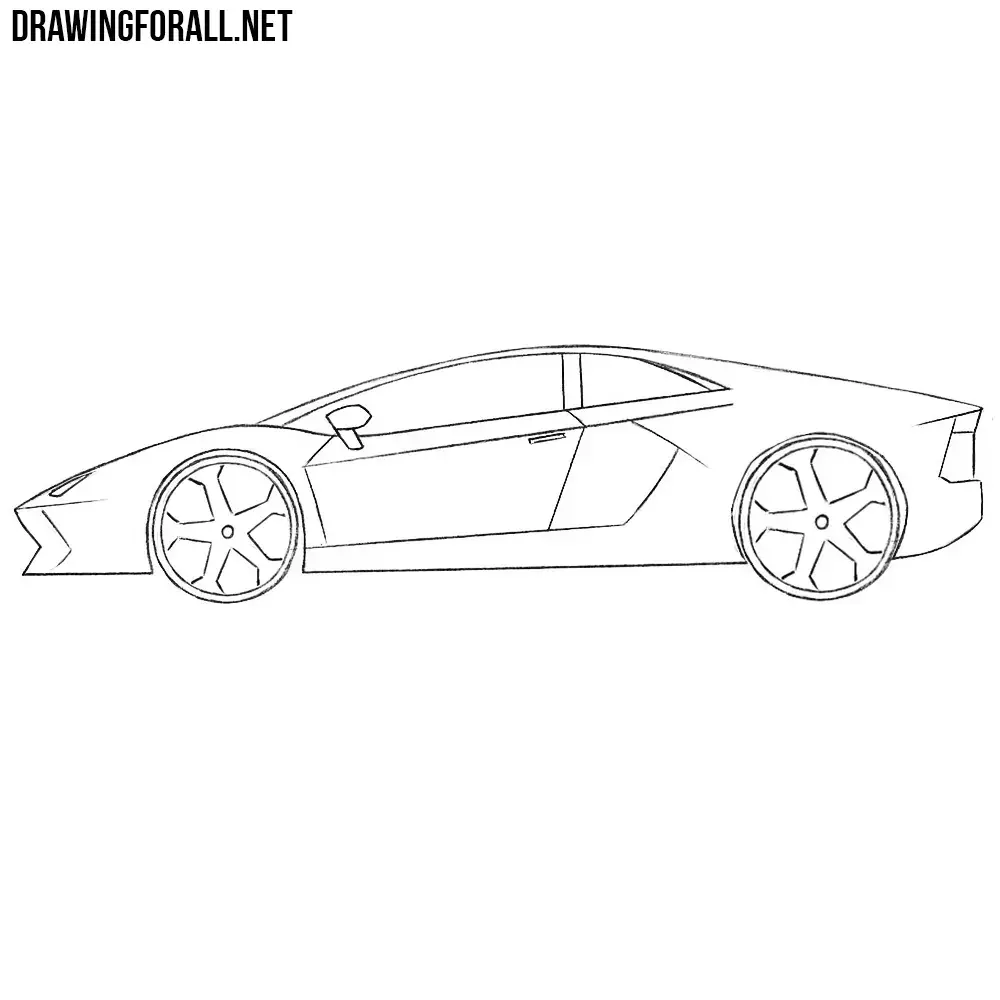
The foundation of any compelling sports car drawing is the "wedge" shape, which emphasizes speed even when the vehicle is stationary. Start by drawing a long, horizontal rectangle to define the overall length and height of the car. Most sports cars have a low center of gravity, so ensure the roofline is relatively flat and positioned closer to the rear wheels than the front. Use light pencil strokes to mark the center of the wheels, keeping in mind that high-performance vehicles often have a longer wheelbase compared to standard sedans.
Once you have the basic frame, establish the "beltline," which is the crease running along the side of the car beneath the windows. This line dictates the character of the vehicle; a rising beltline suggests forward momentum. Follow these steps to set your foundation:
- Draw two circles for the wheels, ensuring they are large enough to fill the wheel arches.
- Sketch a long, sloping line for the hood that transitions smoothly into the windshield.
- Define the overhangs, keeping the front bumper short to suggest agility and performance.
- Add a horizontal line for the ground to anchor the car firmly in space.
Best tools for drawing cars for beginners
While professional designers utilize advanced digital tablets, beginners should start with traditional graphite pencils to master line weight and shading. A set of HB, 2B, and 4B pencils allows you to create both crisp structural lines and deep, realistic shadows. Use a hard HB pencil for the initial construction lines, as these are easier to erase without smudging the paper. A kneaded eraser is an essential tool for lifting graphite gently, allowing you to refine body curves without damaging the texture of the paper.
For paper selection, choose a smooth, medium-weight vellum or Bristol board. These surfaces prevent the graphite from catching on paper fibers, resulting in cleaner lines for complex curves. When adding final details like headlights or grilles, a fine-liner pen or a sharp mechanical pencil provides the precision necessary for small mechanical components. Keep a blending stump or a piece of soft tissue nearby to smooth out gradients on the hood and doors, which helps simulate the reflective surface of polished car paint.
How to draw realistic wheels and tires
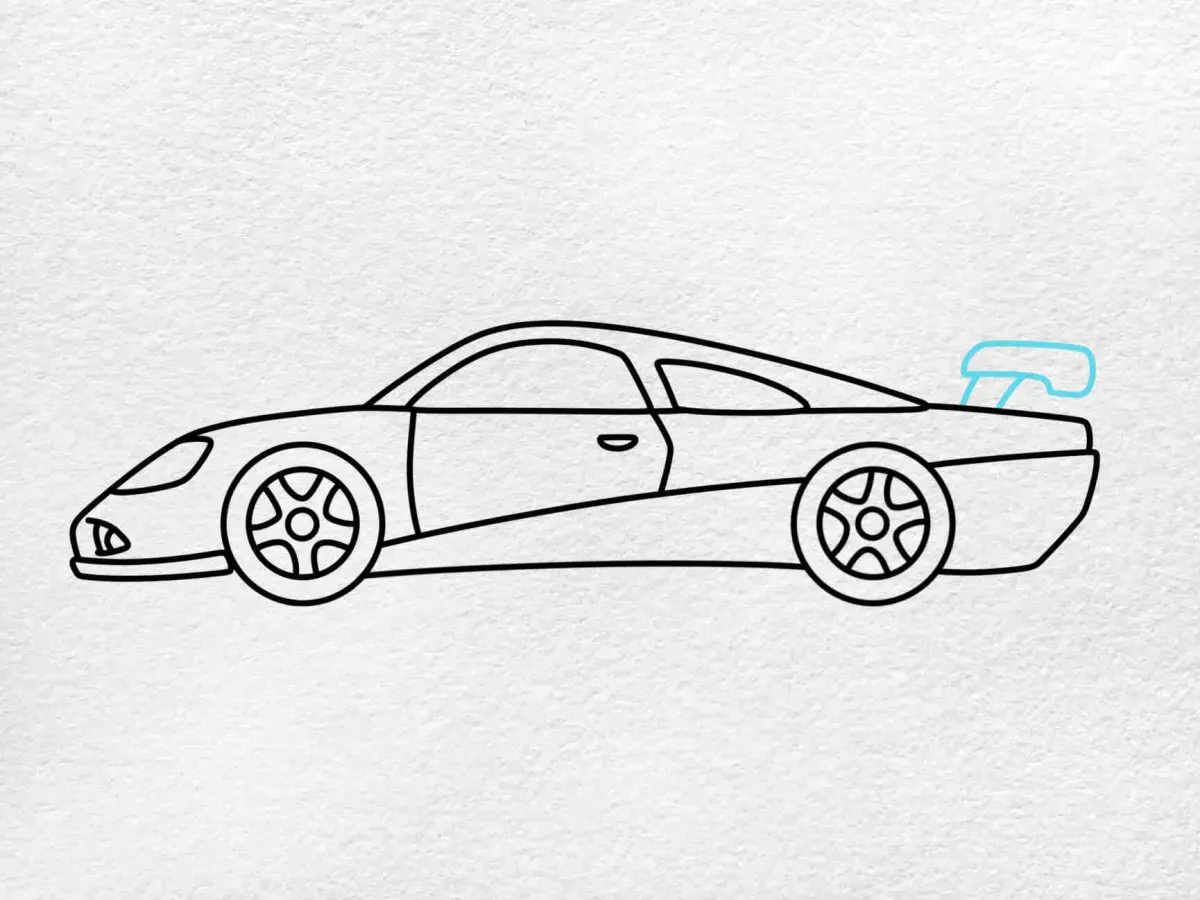
Wheels are the most critical element for conveying the weight and purpose of a sports car. A common mistake is drawing wheels that look flat or detached from the body. To create a sense of depth, draw the tire as a thick cylinder rather than a circle. Ensure the top of the tire is tucked slightly under the wheel arch, which creates a "planted" look that defines high-end automotive design. Remember that sports car tires are typically wider than those on daily drivers, so exaggerate their thickness to emphasize power.
When detailing the rims, follow the perspective of the car’s body. If the car is angled, the rims should appear as ellipses rather than perfect circles. Use a radial pattern for the spokes, starting from the center hub and extending outward. Adding a subtle shadow underneath the tire where it meets the ground is vital for grounding the vehicle.
- Use a compass or a circular template for perfect wheel symmetry.
- Add a thin highlight line on the top curve of the tire to suggest rubber texture.
- Leave a small gap between the rim and the tire wall to show depth.
Why perspective is crucial for automotive drawing
Perspective gives a sports car its dynamic presence and prevents the drawing from looking like a flat sticker. Most automotive illustrators use a three-point perspective to capture the car from a low, aggressive angle, which makes the vehicle look more imposing. By placing the horizon line low on the page, you force the viewer to look up at the car, exaggerating its sleekness. If the perspective is off, the car will appear distorted or "broken" in the middle, ruining the illusion of a solid, engineered machine.
To maintain correct perspective, ensure that all parallel lines—such as the hood creases or the window sills—converge toward a single vanishing point. If you are drawing the car from a side view, keep the lines perfectly horizontal to emphasize the length. If you are drawing a three-quarter view, use two vanishing points on the horizon to guide your lines. Practice drawing simple boxes in perspective first; if you can draw a box that looks like a car chassis, you can easily add the curves and details of a sports car later.
Common mistakes when drawing sports car details
One of the most frequent errors is neglecting the "tumblehome," which is the inward slope of the cabin as it rises from the beltline to the roof. A sports car is rarely a box; the sides should curve inward to meet the glass, creating a tapered, aerodynamic look. Another mistake is drawing headlights that are too generic. Modern sports cars feature complex LED signatures and sharp, angular housing that define the car's "face." Spend extra time studying the specific shapes of intakes, vents, and spoilers, as these are the features that distinguish a supercar from a standard coupe.
Finally, avoid over-detailing the body panels, which can make the car look cluttered. Focus on the primary light reflections that run along the bodywork, as these define the car's shape more effectively than complex lines.
- Do not draw every single panel gap, as this makes the car look like a toy.
- Ensure the windshield angle matches the angle of the hood to maintain flow.
- Keep shadows consistent to ensure the light source is clear across the entire vehicle.
By focusing on these structural elements and avoiding excessive clutter, you will create a professional-looking sports car illustration that captures the essence of speed and automotive engineering mastery.
Key facts
- Sports cars are defined by a low ground clearance and a wide, aerodynamic stance.
- Start by drawing a long, horizontal rectangle to establish the car's overall length and wheelbase.
- Use a "wedge" shape for the body, keeping the front end lower than the rear to suggest speed.
- Place the wheels inside the body frame rather than underneath it to maintain a realistic, grounded look.
- Focus on the "beltline," the crease running along the side, to give the car a muscular, aggressive character.
- Use elliptical shapes for the wheels, as perspective makes them appear as ovals rather than perfect circles.
The bottom line
Drawing a sports car requires mastering the balance between aggressive, aerodynamic lines and precise proportions. By focusing on a low-slung wedge shape, properly placing the wheels within the frame, and using shading to define the vehicle's curves, you can create a compelling sense of speed and power. Practice consistent perspective and avoid overly tall rooflines to ensure your final drawing looks like a professional performance machine.
People also ask
Should I draw the wheels or the body first?
Always establish the body shape and wheelbase first. Drawing the wheels too early often leads to incorrect proportions, making the car look like a toy rather than a high-performance vehicle.
How do I make the car look like it is moving?
Add "speed lines" behind the vehicle and tilt the car slightly forward. Additionally, blurring the spokes of the wheels suggests rapid rotation, which implies the car is in motion.
What is the most common mistake when drawing sports cars?
The most common error is drawing the roof too high. Sports cars are designed for aerodynamics, so keeping the cabin low and sleek is essential for an authentic look.
How do I draw realistic headlights?
Treat headlights as part of the body's surface rather than separate stickers. Follow the curvature of the hood and fenders to ensure they look integrated into the car's design.
Why do my drawings look flat?
You are likely missing shadows and highlights. Use a light source to determine where the car’s curves catch the light, and shade the underside to create depth and volume.
What tools are best for beginners?
Start with a 2B pencil for light sketching and a fine-liner pen for final outlines. Using a ruler for the initial wheelbase helps maintain symmetry before you add freehand curves.
This answer was created with the help of AI research tools and reference sources. Spotted an error? Let us know — we correct mistakes quickly. See our editorial policy.