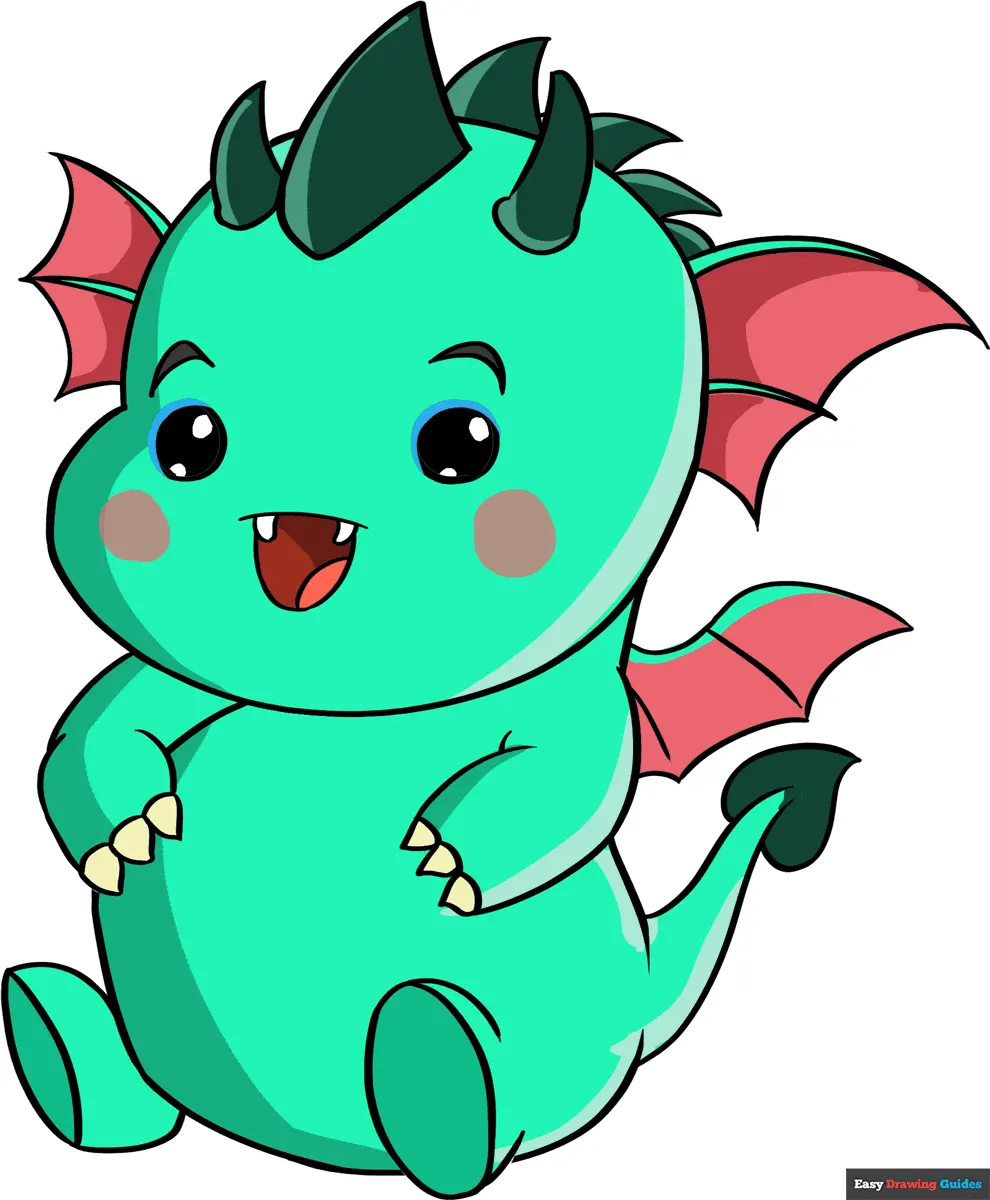
How do you draw a cute unicorn?
Short answer
Drawing a cute unicorn involves focusing on rounded shapes, large eyes, and a simplified silhouette. Start by sketching a soft, pear-shaped head and a stout body. Add a spiraled horn, a flowing mane, and expressive eyes to create charm. Using gentle curves rather than sharp angles is the key to achieving a whimsical, adorable aesthetic.
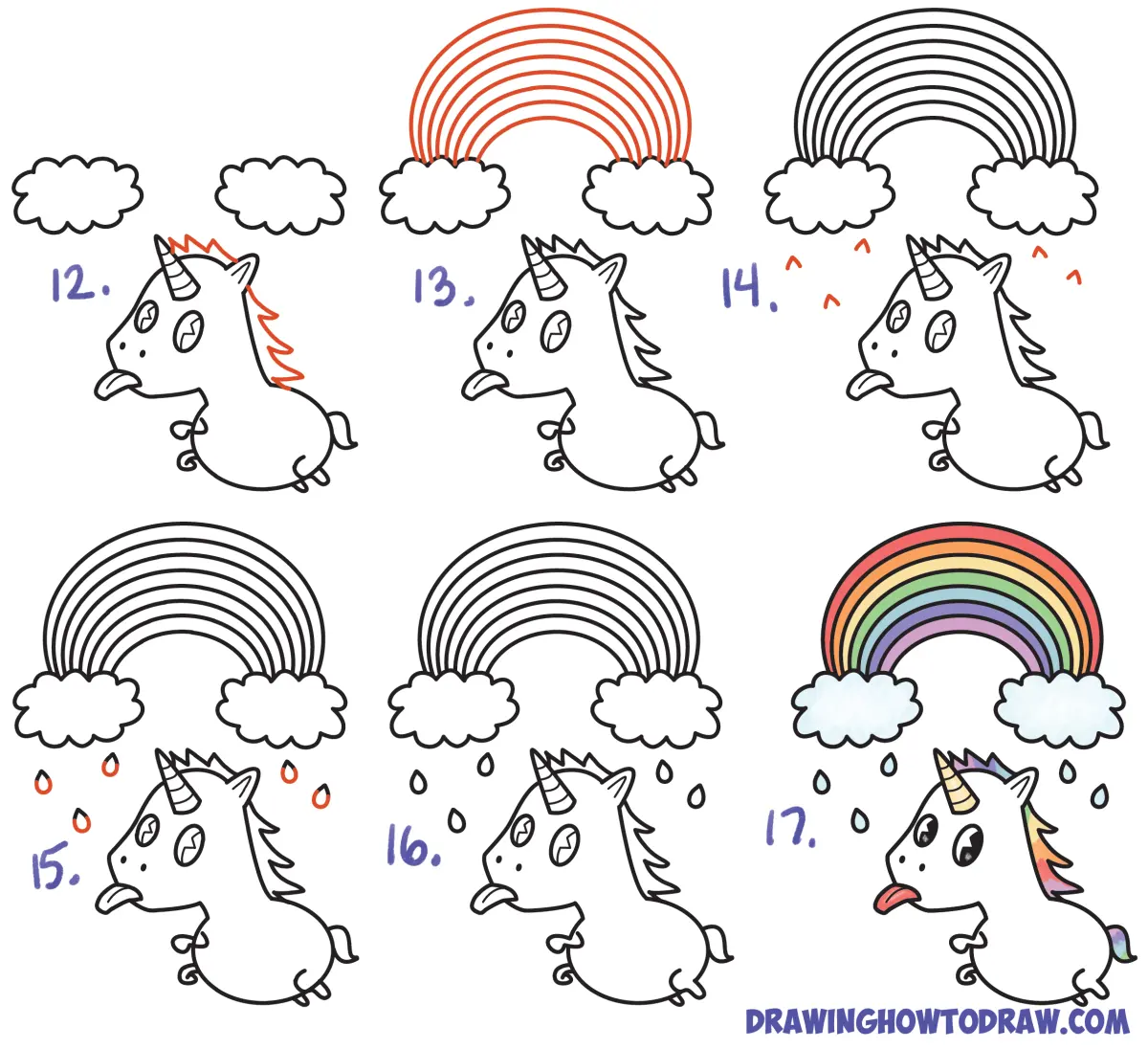
On this page
How to draw a cute unicorn step by step
Creating a cute unicorn is best approached by breaking the character down into basic, soft geometric shapes. Begin by drawing a large oval for the head and a slightly larger, rounded rectangle for the body. Connect these with a short, thick neck to give the creature a sturdy yet youthful appearance. Once the frame is set, you can refine the outlines into smooth, flowing lines that define the unicorn’s silhouette.
Follow these steps to construct your drawing:
- Sketch a circle for the head and a soft, rounded oval for the torso.
- Add four short, stubby legs with rounded hooves to emphasize the "chibi" or miniature style.
- Draw a long, curved line for the back and a shorter one for the belly, ensuring the connection points are smooth.
- Place two large, circular eyes near the bottom of the head oval to make the face look innocent and friendly.
- Add a small, triangle-shaped horn on the forehead and a flowing mane that cascades down the neck.
Best drawing tools for beginners
For those just starting, using a graphite pencil with a soft lead—such as a 2B or 4B—is ideal because it allows for light initial sketches that are easy to erase. Beginners should also utilize a high-quality kneaded eraser, which can be molded into precise shapes to lift graphite without damaging the paper. If you prefer digital tools, a basic tablet with pressure-sensitive brushes provides excellent control over line weight, which is essential for creating the soft, rounded look characteristic of cute character designs.
When selecting paper, choose a smooth-surfaced sketchbook. Rough, textured paper can make it difficult to draw clean, consistent curves, which are vital for a cute aesthetic. If you intend to add color, consider using alcohol-based markers or soft colored pencils. These mediums blend well and allow you to create the pastel color palettes—such as light pinks, purples, and blues—that are traditionally associated with unicorn illustrations. Always keep a sharpener nearby to maintain fine detail work.
Why proportions matter for cute characters
In the world of character design, the "cute" factor is largely determined by the use of exaggerated proportions. By making the head disproportionately large compared to the body, you tap into the psychological appeal of infant-like features. This technique, often referred to as "kawaii" style, tricks the eye into perceiving the character as harmless, soft, and approachable. Keep the limbs short and the torso compact to reinforce this sense of youthful playfulness.
Positioning is equally important when finalizing your layout. Placing the eyes lower on the face creates a wider, more open forehead, which is a classic hallmark of cute design. Ensure the horn is relatively small; a massive, sharp horn can make the unicorn look aggressive or intimidating, which contradicts the goal of a cute illustration. By maintaining these specific ratios, you ensure that the final drawing feels balanced, friendly, and visually appealing to viewers of all ages.

Common mistakes when drawing unicorns
One frequent error is drawing the horn too straight or too long. A cute unicorn should have a horn that feels like a natural part of its head, often slightly curved or tapered to look less like a weapon and more like an accessory. Another common mistake is using harsh, jagged lines for the mane and tail. Cute unicorns are defined by their softness, so use long, sweeping, and continuous strokes to represent hair that looks silky and light rather than stiff or messy.
Avoid these pitfalls to improve your results:
- Drawing the legs too thin, which makes the unicorn look fragile instead of sturdy and cute.
- Placing the eyes too close together, which can make the character look cross-eyed or confused.
- Using dark, heavy outlines that overwhelm the delicate features of the face.
- Forgetting to add a small highlight in the eyes, which is essential for making the character look alive and expressive.
- Over-detailing the hooves or ears, which distracts from the overall simple and clean design.
How to add personality with accessories
Once the basic unicorn shape is established, adding simple accessories can significantly enhance its personality and charm. Consider drawing small, decorative elements like a flower crown resting between the ears or a series of small, floating stars around the horn. These details should be kept minimal to avoid cluttering the drawing. If you want the unicorn to feel even more unique, you can give it a specific expression by slightly curving the mouth upward or adding a small blush under the eyes.
Coloring also plays a massive role in defining the character's mood. Using a gradient effect on the mane—transitioning from lavender to sky blue, for instance—adds a magical quality that elevates the drawing. When applying color, keep the shading soft and avoid high-contrast, harsh shadows. Instead, use light, diffused shading to maintain the gentle, airy feel of the piece. By focusing on these final touches, you transform a simple sketch into a polished, whimsical character that feels truly complete and ready to be shared.
Key facts
- Start by drawing a large oval for the head and a smaller, slightly overlapping oval for the snout to establish proportions.
- Use a "U" shape for the eyes and add two small circles inside to create a friendly, wide-eyed expression.
- Place the horn directly between the ears, using a long, thin triangle shape with horizontal lines to suggest a spiral texture.
- Keep the mane and tail fluffy by using rounded, cloud-like shapes rather than sharp, jagged lines.
- Position the legs close together at the base to make the unicorn appear more compact and endearing.
- Use soft, pastel colors like lavender, mint, or baby pink to enhance the overall "cute" aesthetic.
The bottom line
Drawing a cute unicorn relies on prioritizing rounded shapes and soft, friendly features over realistic anatomy. By focusing on large eyes, a compact body, and fluffy, cloud-like hair, you can create an endearing character. Remember to keep your initial sketches light and use pastel colors to complete the look. Practicing these basic proportions will help you develop your own unique style while keeping the design simple and charming.
People also ask
What is the best way to draw a unicorn horn?
Draw a tall, narrow triangle that tapers to a soft point. Adding slightly curved horizontal lines across the triangle creates the classic spiraled look associated with mythical unicorns.
How do I make my unicorn look more whimsical?
Add small, decorative elements like tiny stars, hearts, or sparkles floating around the unicorn’s head. Using rounded, soft edges for the entire body also contributes to a more magical and approachable appearance.
Should I draw the unicorn standing or sitting?
Drawing a unicorn in a sitting position often makes it look cuter and more stable. A sitting pose allows you to overlap the front hooves, which simplifies the anatomy for beginners.
What are the most common mistakes when drawing a unicorn?
A frequent error is making the legs too long or thin, which can make the creature look awkward. Another mistake is drawing the horn too far back on the head; it should sit right at the hairline.
How do I add hair to the unicorn?
Use thick, flowing strokes to create the mane and tail. Think of them as soft ribbons or clouds rather than individual strands to maintain a clean and simple drawing style.
Can I use a pencil for the initial sketch?
Always start with a light pencil sketch to map out your shapes. You can erase the overlapping lines once the final outline is complete to ensure the drawing looks professional and clean.
This answer was created with the help of AI research tools and reference sources. Spotted an error? Let us know — we correct mistakes quickly. See our editorial policy.