Is coloring good for adults?
Short answer
Coloring is an effective, accessible tool for adults to reduce stress and improve mental well-being. By engaging the brain in a repetitive, creative task, it helps lower cortisol levels and promotes a meditative state. While not a replacement for professional therapy, it is a scientifically backed method for fostering mindfulness and relaxation.

On this page
Why coloring is good for mental health
Coloring acts as a form of art therapy that helps adults manage anxiety and improve focus. When a person concentrates on filling in shapes and choosing colors, the brain enters a state similar to meditation. This process shifts focus away from daily stressors and intrusive thoughts, allowing the amygdala—the brain's fear center—to rest. Research suggests that engaging in this rhythmic, non-competitive activity can significantly lower heart rates and reduce feelings of agitation.
Beyond immediate stress relief, coloring fosters a sense of accomplishment and creative expression. Many adults find that the structured nature of coloring books provides a safe environment to experiment with color theory without the pressure of creating original art from scratch. This low-stakes creative outlet can boost mood and provide a necessary mental break during a busy workday. By dedicating even fifteen minutes to this practice, individuals can create a consistent ritual that supports long-term emotional regulation and cognitive clarity.
How to start coloring as an adult
Getting started requires minimal investment, making it an ideal hobby for those with limited time or resources. You do not need artistic training to benefit from the practice, as the primary goal is the process rather than the final product. To begin, focus on selecting materials that feel comfortable in your hand and designs that align with your personal aesthetic preferences.
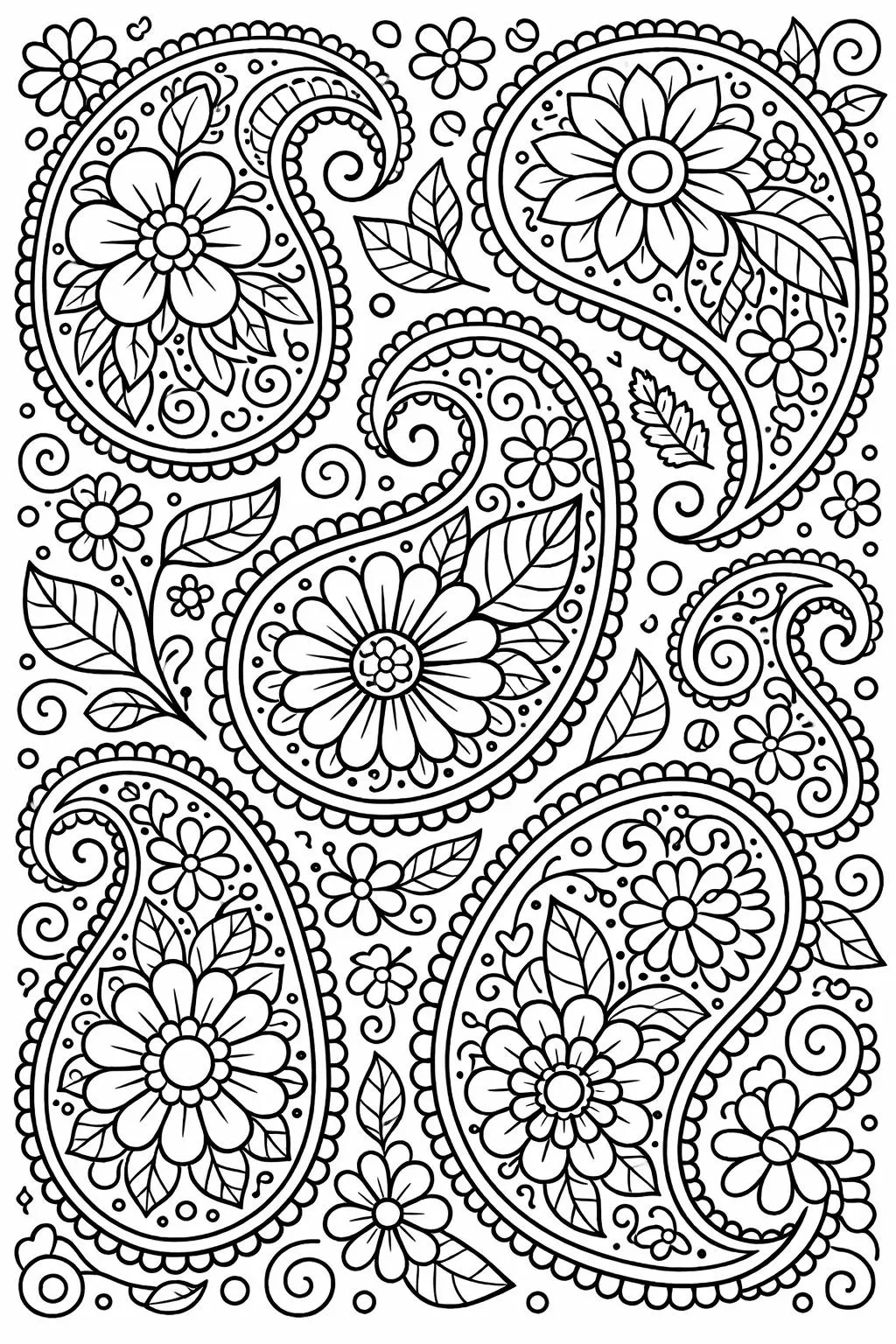
- Purchase a high-quality coloring book featuring intricate patterns, mandalas, or botanical illustrations.
- Select a set of colored pencils, gel pens, or fine-tip markers that offer a range of vibrant shades.
- Find a quiet, well-lit space where you can sit comfortably for at least twenty minutes without interruption.
- Begin by coloring from the center of the page outward to maintain focus and avoid smudging your work.
- Practice deep, rhythmic breathing as you work to enhance the physical relaxation benefits of the activity.

Best coloring supplies for beginners
Choosing the right tools can significantly enhance your experience and prevent frustration. While basic crayons are functional, many adults prefer tools that offer more precision and color depth. Colored pencils are often the top choice because they allow for layering, blending, and shading, which adds a professional dimension to your finished pages. If you prefer bold, saturated colors, water-based markers are an excellent alternative, though you should ensure the paper in your book is thick enough to prevent bleeding.
When shopping for supplies, consider the following factors to ensure a satisfying experience:
- Paper weight: Look for books with thick, acid-free paper to accommodate various mediums without tearing.
- Ergonomics: Choose pencils with a triangular or soft-grip barrel to reduce hand fatigue during longer sessions.
- Variety: Start with a set of 24 colors, which provides enough range for complex shading without being overwhelming.
- Portability: Consider a spiral-bound book if you plan to color while traveling or during commutes.
Common mistakes when coloring
One of the most frequent errors adults make is treating coloring as a chore or a task that must be finished perfectly. This mindset defeats the purpose of the activity, which is meant to be a relaxing, meditative escape. Avoid the trap of comparing your work to images found on social media, as these are often created by experienced artists using professional-grade tools. Remember that the goal is personal enjoyment, not creating a masterpiece for public display.
Another common mistake is neglecting physical comfort, which can lead to neck strain or wrist pain. Ensure your workspace is set up with proper ergonomics, keeping your coloring surface at a height that allows you to maintain a neutral spine. Avoid holding your pencil with an overly tight grip, as this causes tension that negates the calming effects of the activity. If you find yourself feeling frustrated by a specific design, do not hesitate to stop and move on to a different page.
How long does it take to see results
The benefits of coloring are often felt almost immediately, though the long-term impact on mental health typically requires consistent practice. Most individuals report a noticeable reduction in stress levels after just 15 to 20 minutes of focused coloring. By dedicating this short amount of time to the activity, you can effectively "reset" your nervous system after a period of intense mental exertion. Consistency is more important than duration, so aim for daily sessions rather than one long, exhausting session once a week.
Over several weeks of regular practice, many people notice improved concentration and a greater ability to manage emotional triggers. The cumulative effect of these sessions helps build a habit of mindfulness that can be applied to other areas of life. Whether you choose to color during your morning coffee or as a way to wind down before bed, the key is to prioritize the experience over the outcome. By integrating this simple practice into your routine, you can cultivate a sustainable tool for lifelong mental well-being and creative fulfillment.
Key facts
- Coloring can lower cortisol levels, the body’s primary stress hormone, through repetitive motor activity.
- Studies suggest that coloring complex geometric patterns, such as mandalas, promotes a meditative state.
- Using high-quality colored pencils or alcohol-based markers provides better blending and sensory satisfaction than basic crayons.
- Setting a timer for 15 to 20 minutes is often sufficient to achieve a noticeable shift in mood.
- Avoid the "perfectionist trap" by focusing on the process of filling space rather than the final aesthetic result.
- Choose designs with varying levels of detail to match your current energy level and available time.
The bottom line
Coloring for adults serves as an accessible, low-stakes mindfulness practice that effectively reduces stress and improves focus. By engaging in the repetitive, rhythmic motion of filling in shapes, you can quiet a busy mind and disconnect from digital pressures. Whether you have five minutes or an hour, this simple creative outlet provides a practical way to foster mental clarity and emotional regulation in your daily life.
People also ask
Does coloring replace professional mental health therapy?
No, coloring is a supplementary wellness tool rather than a substitute for clinical treatment. While it can help manage daily stress, it does not address underlying psychological conditions that require professional intervention.
Is there a specific type of coloring book that works best?
Books featuring intricate mandalas, nature scenes, or abstract patterns are popular because they require focused attention. Ultimately, the best book is one that features imagery you find visually appealing and relaxing.
Do I need to be artistic to benefit from coloring?
You do not need any formal artistic training or natural talent to experience the benefits of coloring. The activity is designed for personal relaxation rather than for creating a gallery-worthy piece of art.
How often should I color to see benefits?
Even sporadic coloring sessions can provide immediate stress relief. However, incorporating it into your routine two or three times a week can help build a more consistent habit of mindfulness.
Can coloring help with digital eye strain?
Coloring acts as a healthy "analog" break from screens, which helps reduce eye fatigue. By shifting your gaze from a backlit monitor to a physical page, you allow your eye muscles to relax.
What are the most common mistakes beginners make?
Beginners often worry too much about color theory or staying perfectly within the lines. The primary goal is relaxation, so pressuring yourself to achieve a professional finish often negates the calming effects.
This answer was created with the help of AI research tools and reference sources. Spotted an error? Let us know — we correct mistakes quickly. See our editorial policy.