How do you start drawing as a hobby?
Short answer
Starting to draw requires minimal equipment: a graphite pencil, an eraser, and a sketchbook. Begin by practicing basic geometric shapes and observational sketching to build hand-eye coordination. Consistency is more important than natural talent; dedicating fifteen minutes daily will yield significant progress in your technical skills and confidence over time.
On this page
What equipment do I need to start drawing?
You do not need expensive professional supplies to begin your artistic journey. Most beginners thrive with a simple kit consisting of a few graphite pencils, specifically a 2B for general sketching and a 4B or 6B for darker shading. A white vinyl eraser is superior to the pink rubber variety, as it removes marks cleanly without damaging the paper surface.
When selecting paper, look for a sketchbook with at least 80-pound weight to prevent graphite from smearing or bleeding through. Avoid thin printer paper, which lacks the "tooth" or texture necessary to grip graphite effectively. You should also include a small handheld sharpener to maintain a precise point, which is essential for capturing fine details as you progress through your lessons.
- Graphite pencils (HB, 2B, 4B).
- A high-quality white vinyl eraser.
- A sketchbook with acid-free, medium-weight paper.
- A metal or plastic pencil sharpener.
- A soft cloth or blending stump for smoothing tones.
How to learn the basics of drawing?
The foundation of all drawing lies in the ability to see and replicate basic geometric forms. Everything in the physical world, from a complex human face to a sprawling landscape, can be broken down into spheres, cubes, cones, and cylinders. By mastering these primitive shapes, you provide yourself with a structural framework that makes complex subjects much less intimidating.
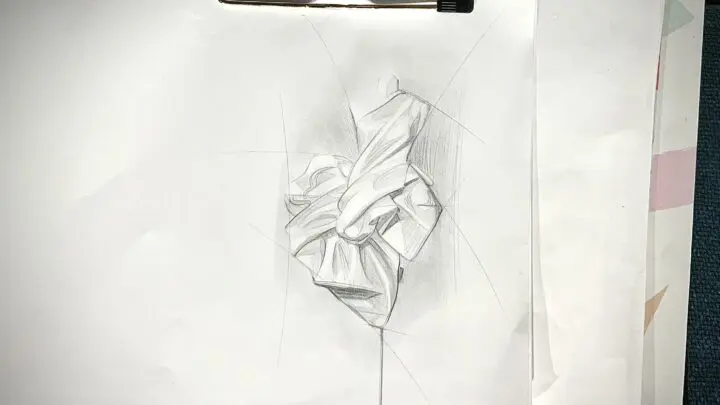
Once you understand form, focus on the concept of light and shadow. Practice creating a value scale, which is a gradient ranging from the lightest white of the paper to the deepest black of your softest pencil. Observing how light hits an object and where it casts a shadow will give your drawings a three-dimensional quality, transforming flat sketches into realistic representations.
- Practice drawing circles and squares until they are consistent.
- Study how light sources create highlights and core shadows.
- Use simple objects like apples or mugs for your first observational studies.
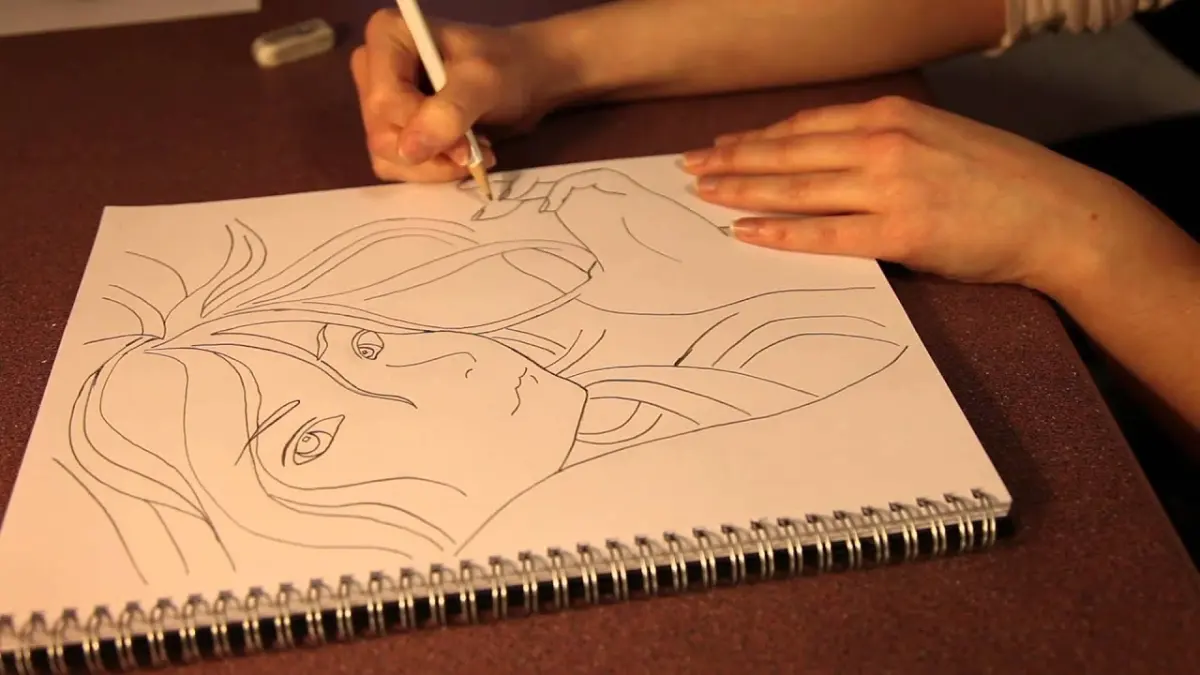
- Fill pages with "blind contour" drawings to improve hand-eye coordination.
How long does it take to get good at drawing?
Skill acquisition in drawing is a gradual process that relies on muscle memory and visual perception. While some individuals may grasp spatial relationships faster than others, consistent practice is the primary driver of improvement. Most beginners notice a significant shift in their ability to translate what they see onto paper after three to six months of daily, focused effort.
It is helpful to view drawing as a form of physical exercise rather than a test of innate talent. Just as an athlete trains muscles, an artist trains the eyes to see edges, proportions, and negative space. If you commit to fifteen minutes of deliberate practice every day, you will likely see measurable growth in your technical accuracy within a single year.
Common mistakes when starting to draw
A frequent error among beginners is the tendency to draw what they think an object looks like rather than what they actually see. For example, when drawing an eye, many people default to a generic almond shape they memorized in childhood. This often leads to drawings that feel flat or symbol-based rather than realistic. Always look at the specific angles and curves of your subject.
Another common pitfall is pressing too hard with the pencil, which creates deep indentations in the paper that are impossible to erase. Start your sketches with a very light touch, using the pencil almost like a whisper. This allows you to adjust proportions and correct errors without leaving ghost lines or damaging the texture of the page.
- Avoid smudging your work with your hand; use a scrap piece of paper under your palm.
- Do not rush to add details before the basic proportions are correct.
- Resist the urge to compare your early work to professional artists on social media.
- Remember that every "bad" drawing is a necessary step toward building your unique style.
Why drawing feels difficult at first
The frustration of drawing often stems from the gap between your visual taste and your current technical ability. As you learn to observe the world more critically, you become more aware of your own mistakes, which can feel discouraging. This phenomenon is a sign of growth; it proves that your eyes are becoming more refined even if your hands have not yet caught up.
To overcome this, maintain a sketchbook dedicated solely to experimentation. Use this space to draw without the pressure of creating a finished masterpiece, focusing instead on the process of observation. By separating the act of learning from the desire for perfection, you allow yourself the freedom to fail and learn. Over time, the physical act of drawing will become as natural and fluid as writing.
Key facts
- Start with a basic set of graphite pencils ranging from 2H (hard) to 6B (soft) to experiment with line weight and shading.
- Use a sketchbook with at least 80-pound paper weight to prevent ink bleeding or tearing when erasing.
- Practice "blind contour drawing," where you draw an object without looking at your paper, to improve hand-eye coordination.
- Dedicate just 15 minutes a day to drawing to build a consistent habit rather than attempting long, infrequent sessions.
- Focus on drawing basic geometric shapes like spheres, cubes, and cylinders to understand how light and shadow define form.
- Keep your initial sketches loose and light; you can always darken lines later, but heavy graphite is difficult to erase cleanly.
The bottom line
Starting a drawing hobby requires minimal equipment and a commitment to consistent, low-pressure practice. By focusing on fundamental shapes and daily exercises, you develop the necessary motor skills and visual perception to improve over time. Avoid the trap of perfectionism early on; instead, prioritize the process of observation. With patience and regular effort, your ability to translate the world onto paper will grow steadily and rewarding.
People also ask
Do I need to be able to draw a straight line to be an artist?
No, professional artists rarely draw perfectly straight lines freehand. Accuracy comes from practice and using tools like rulers or guides when necessary, rather than innate ability.
Should I start by learning to draw people or landscapes?
Start with inanimate objects or still-life subjects, as they do not move and allow you to study light and shadow at your own pace. Once you master basic forms, you can move on to more complex subjects like anatomy or scenery.
How often should I replace my drawing tools?
Graphite pencils last a long time, but you should replace erasers when they become hardened or dirty to avoid smudging your work. Paper quality is more important than the brand of pencil you choose.
Is it better to learn from a book or an online tutorial?
Both offer value, but structured courses often provide a better foundation for beginners. Choose a method that allows you to see the step-by-step process of how an artist builds a drawing from simple shapes.
Why do my drawings look flat?
Drawings often look flat because they lack a full range of values from deep black to bright white. Focus on adding shadows and highlights to create the illusion of three-dimensional depth on a two-dimensional surface.
Read the full answer →How do I handle the frustration of not being good immediately?
View early drawings as data collection rather than masterpieces. Every "bad" drawing teaches you what to adjust for the next attempt, making persistence the most important skill for any beginner.
This answer was created with the help of AI research tools and reference sources. Spotted an error? Let us know — we correct mistakes quickly. See our editorial policy.