Painting & Color
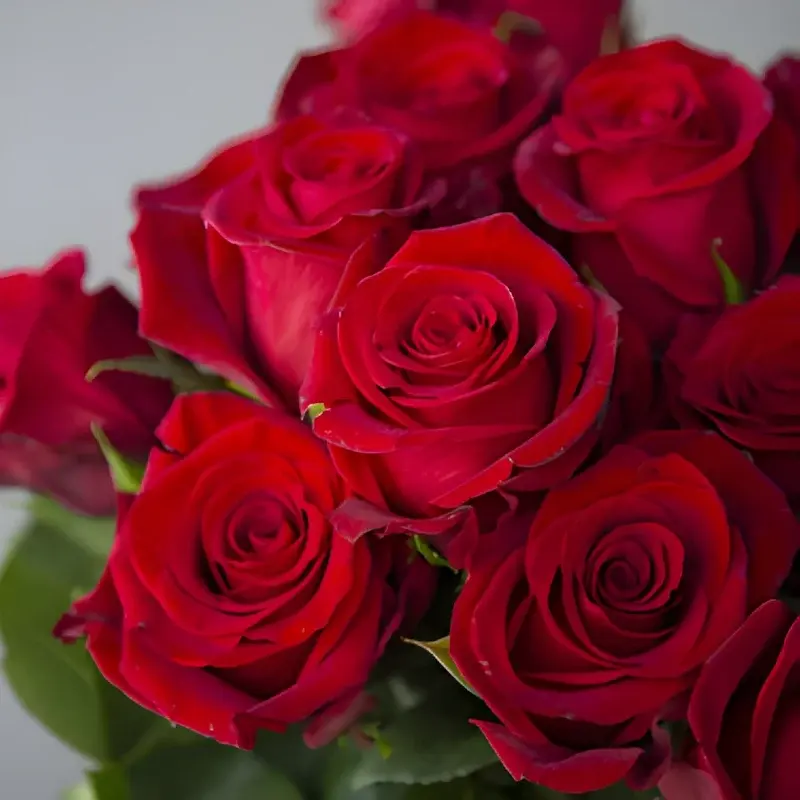
Why are roses red?
Roses are red primarily due to the presence of pigments called anthocyanins, specifically cyanidin 3,5-diglucoside. These…
Watercolor, acrylic and oil painting, color theory and mixing.
Roses are red primarily due to the presence of pigments called anthocyanins, specifically cyanidin 3,5-diglucoside. These…
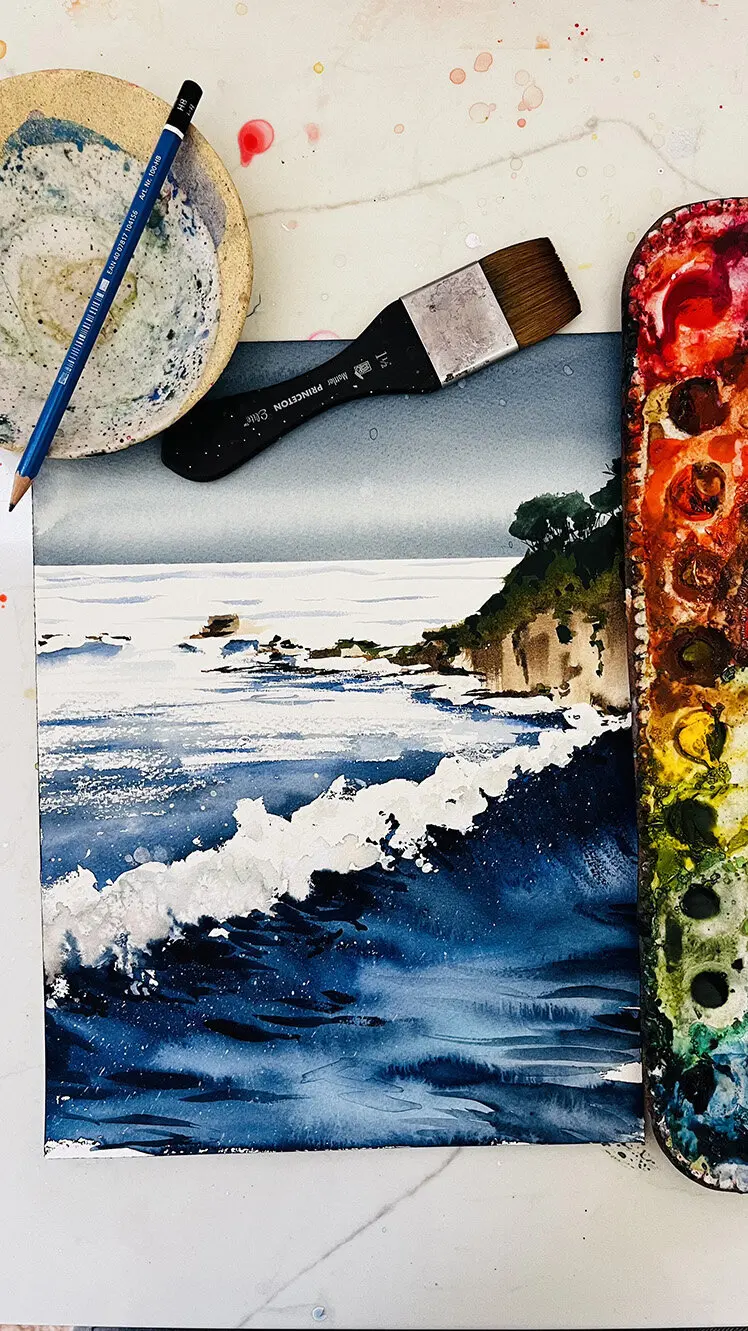
Watercolor paint is made by grinding finely milled pigments into a suspension of gum arabic, a natural binder derived from…
Sir Isaac Newton is credited with inventing the first color wheel in 1666. By refracting white light through a prism, he…
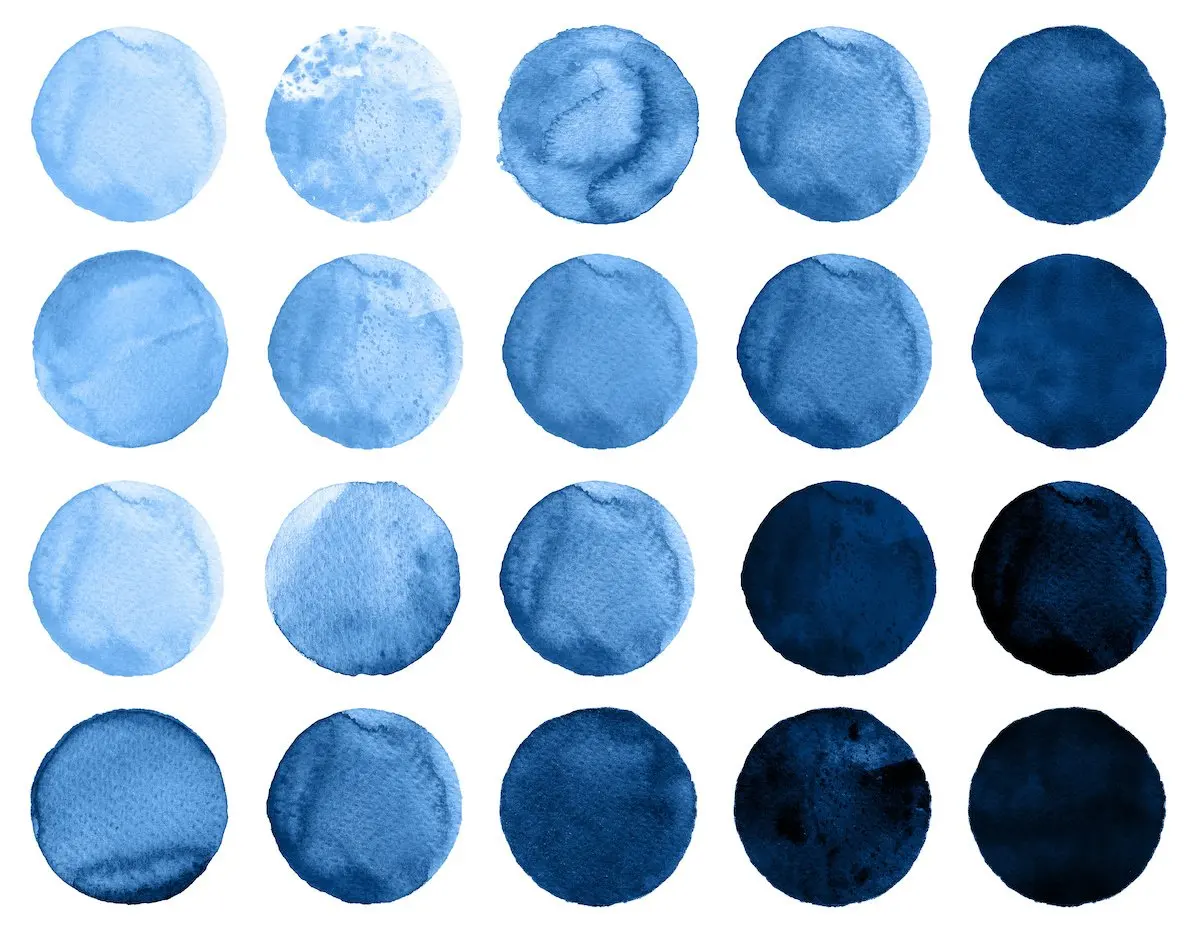
Blue is the most popular color globally because of its deep association with positive, stable elements in the natural world…
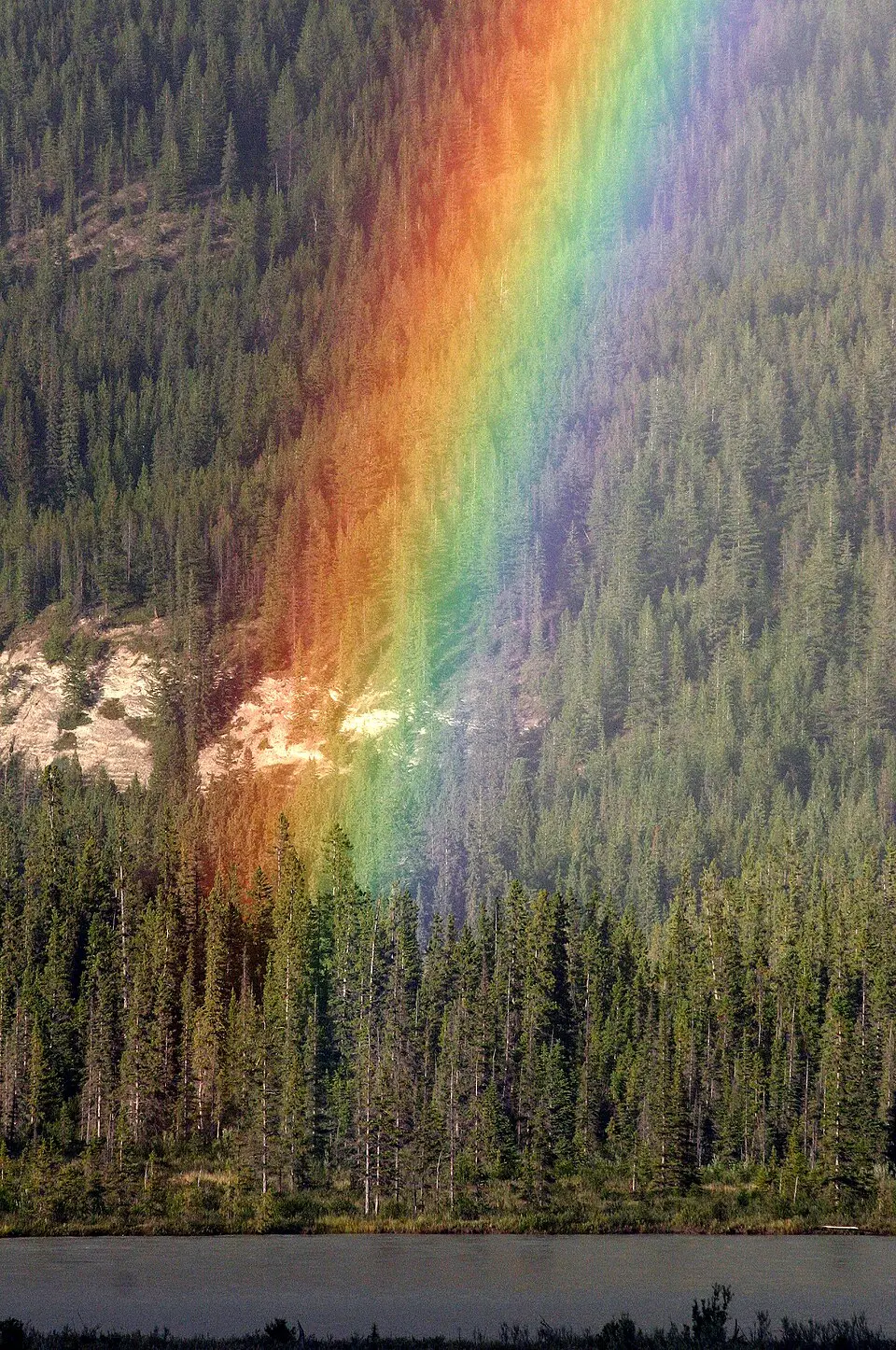
A rainbow is an optical phenomenon made of sunlight interacting with water droplets. It is not a physical object but a spectrum…
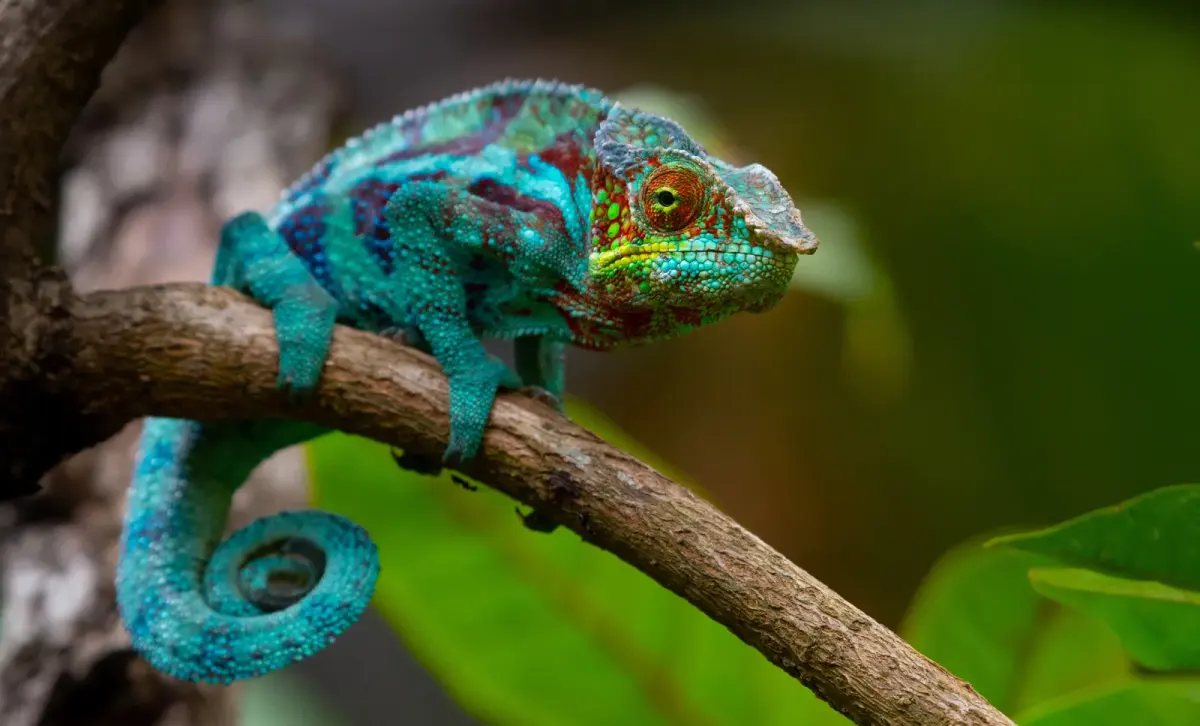
Chameleons change color primarily by adjusting specialized skin cells called iridophores. These cells contain nanocrystals that…
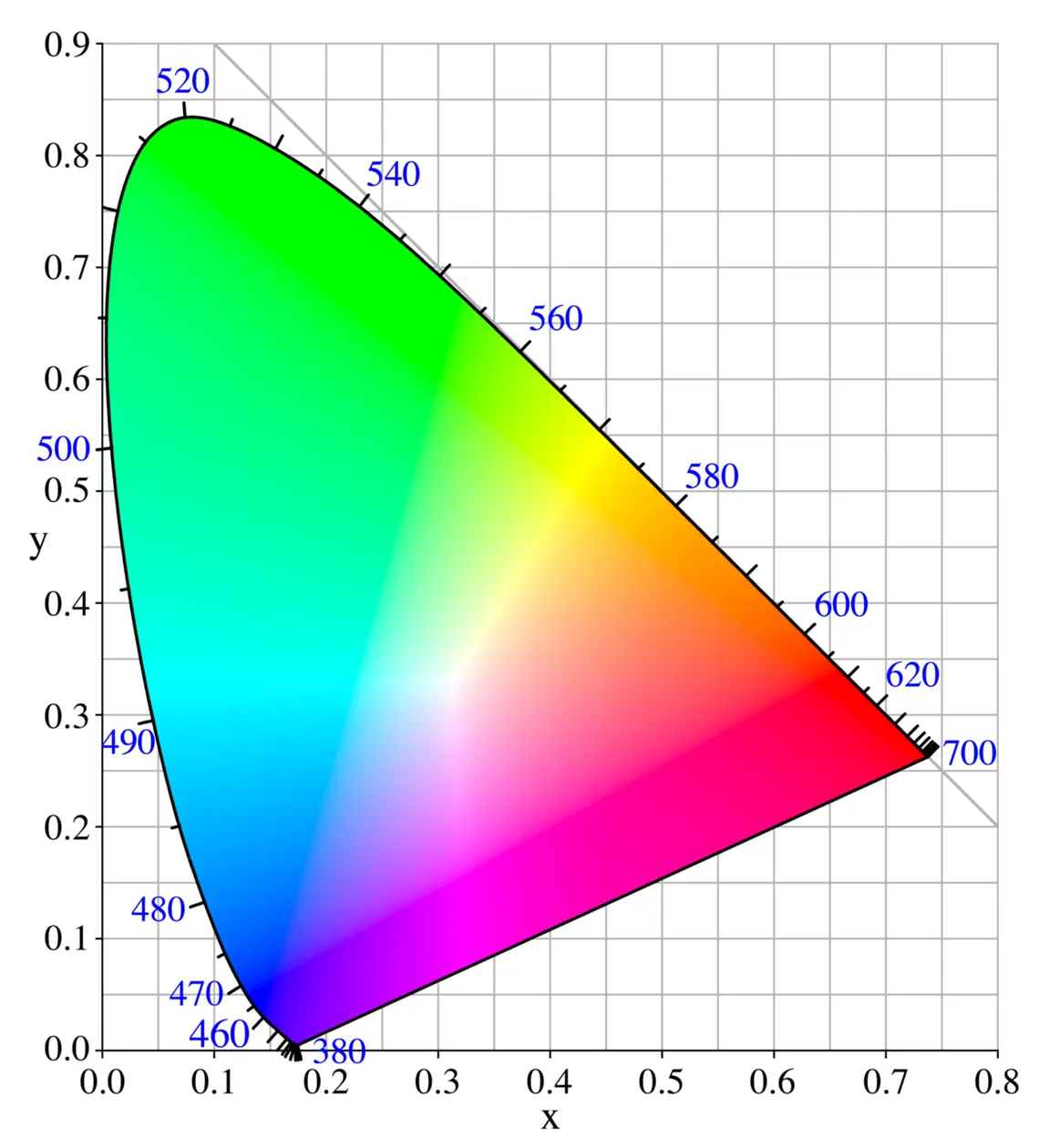
The average human eye can distinguish approximately one million distinct colors. This capacity relies on three types of cone…
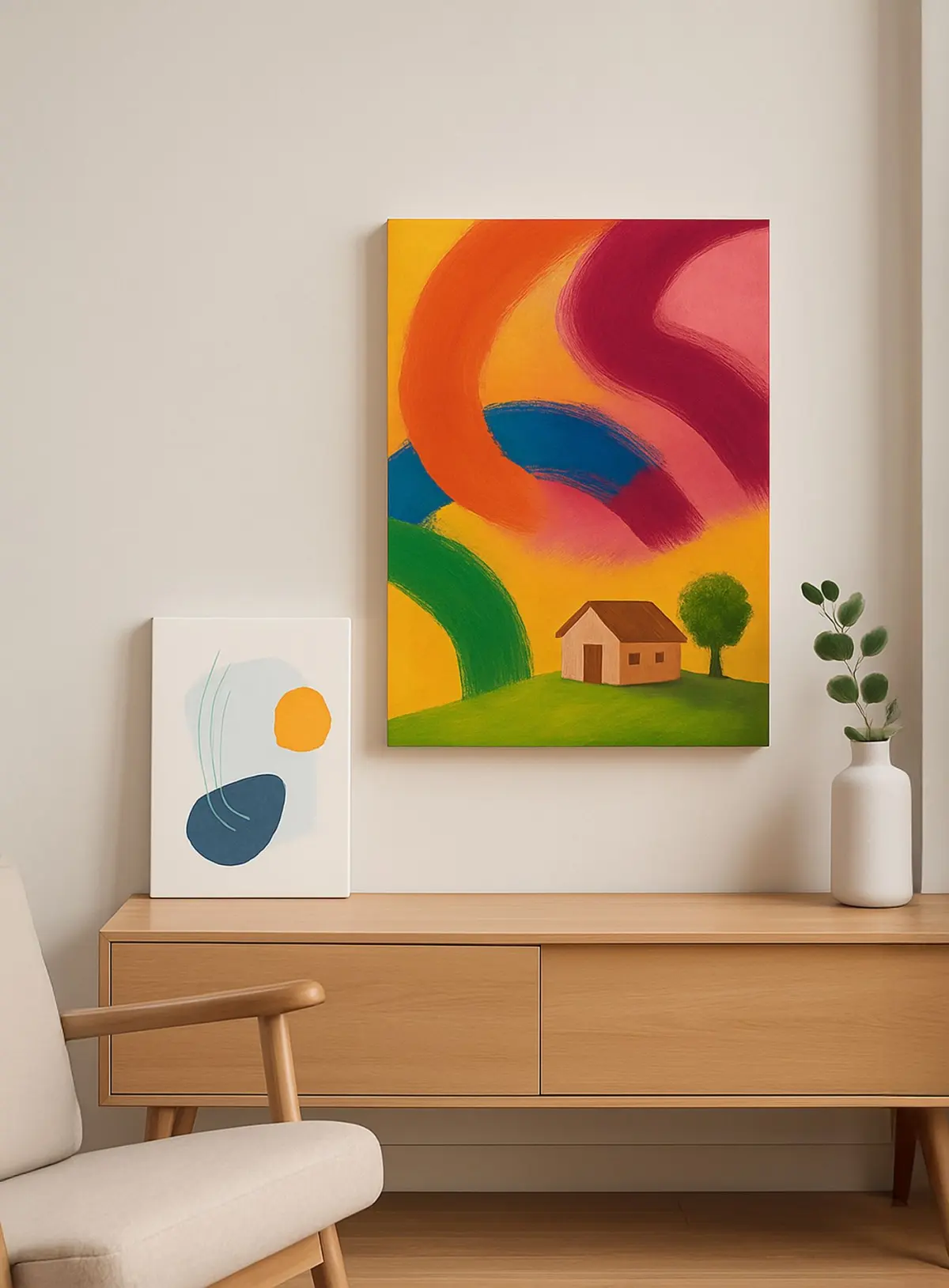
Canvas is a durable, plain-woven fabric traditionally crafted from heavy-duty cotton, linen, or synthetic fibers like polyester…
Purple became associated with royalty primarily due to its extreme scarcity and high production cost in the ancient world…
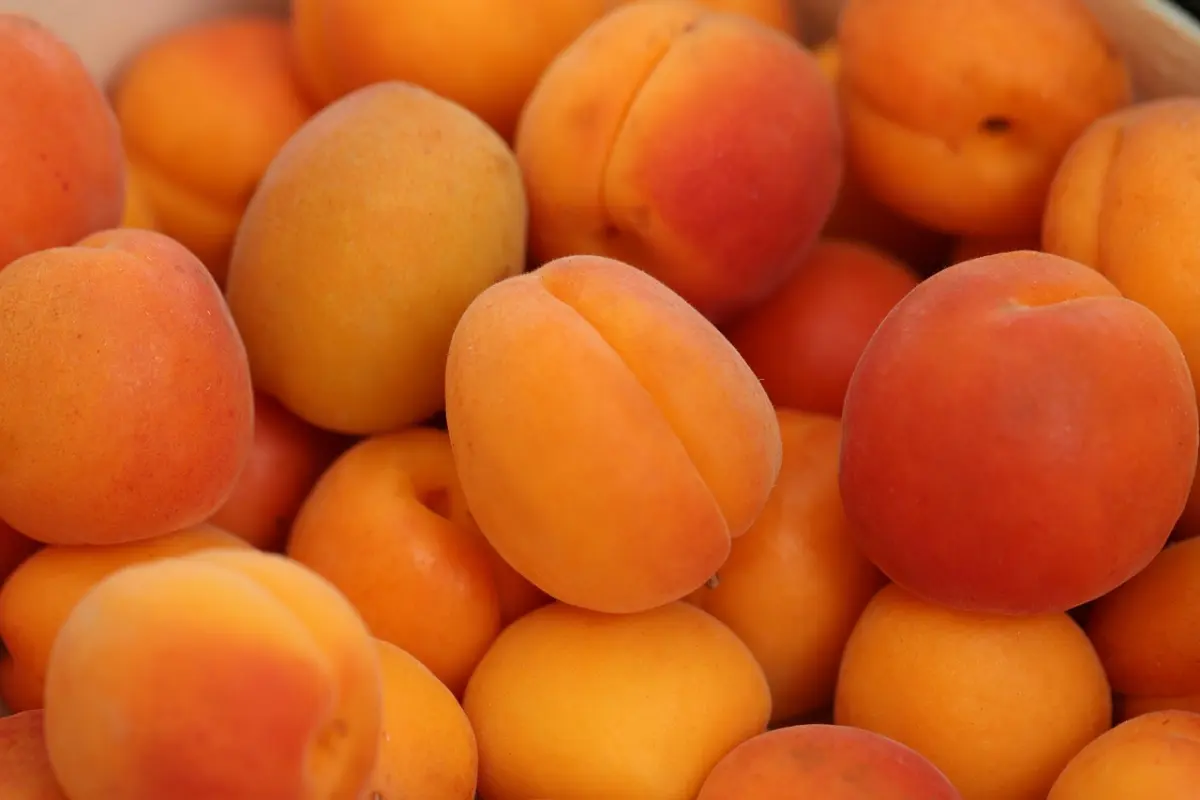
The color orange was named after the fruit because the word arrived in English via Old French and Middle English before the…

Brick is manufactured by mixing clay, shale, or shale-like materials with water to create a plastic mass. This mixture is molded…
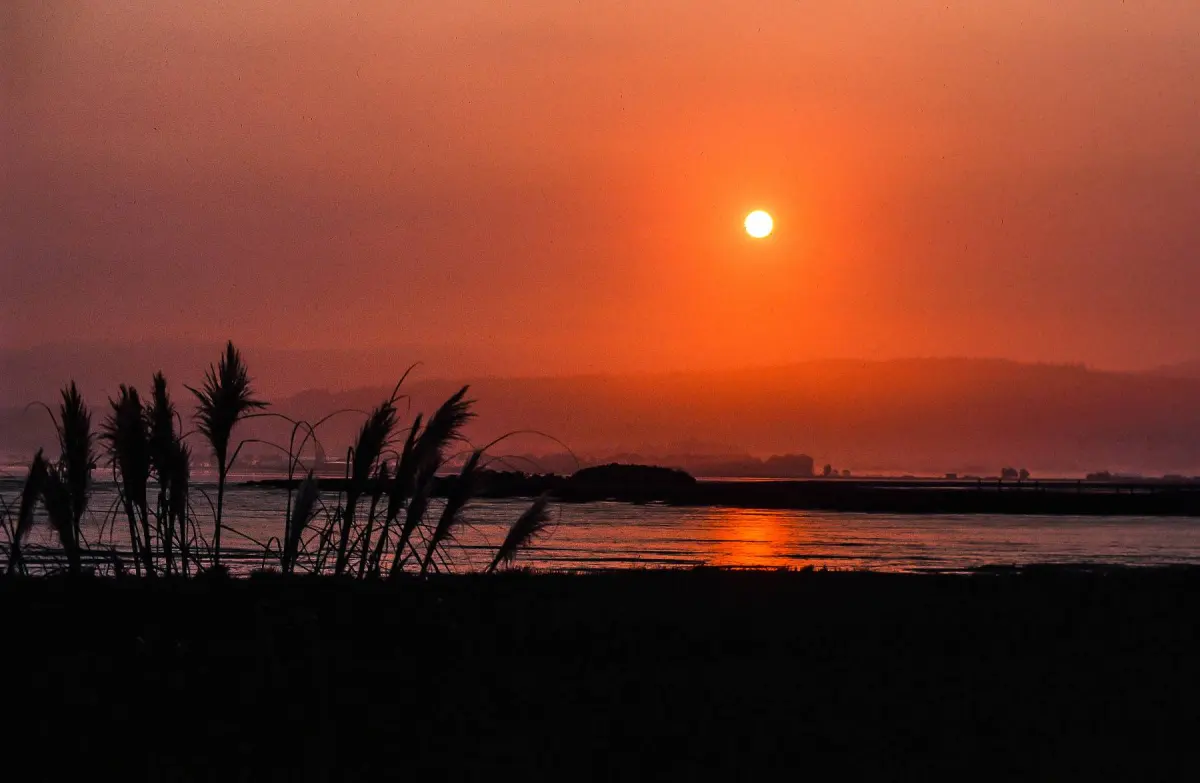
Sunsets appear red and orange because sunlight must travel through a thicker layer of Earth’s atmosphere when the sun is low on…
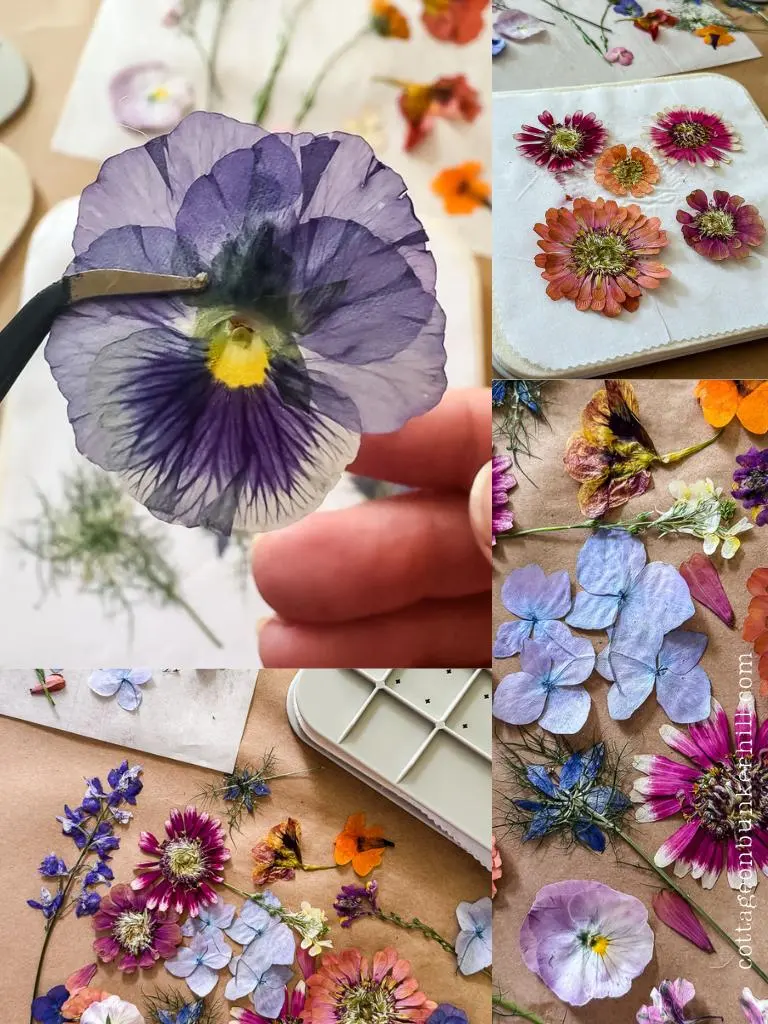
Drying flowers is a simple process of removing moisture to preserve their beauty. The most effective methods include air-drying…
James Clerk Maxwell is credited with creating the first durable color photograph in 1861. By photographing a tartan ribbon…
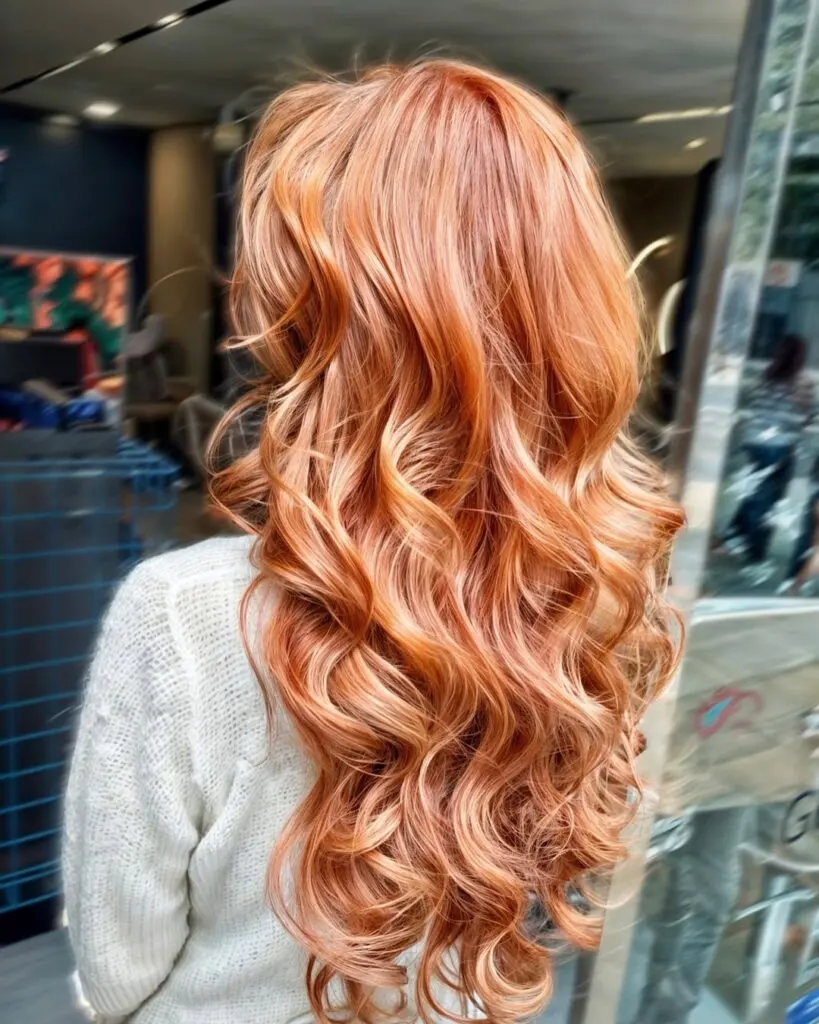
Natural red hair is the rarest hair color in the world, occurring in approximately one to two percent of the global population…
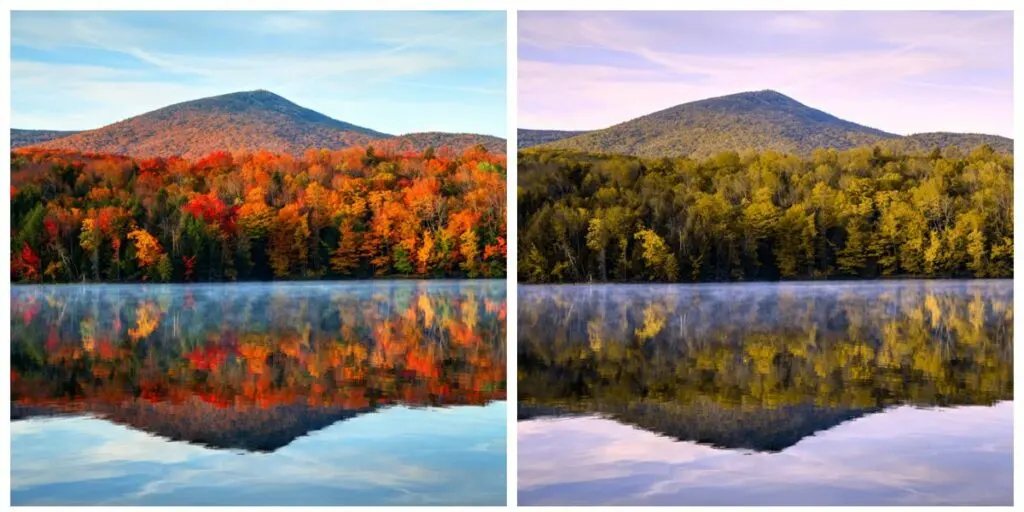
Color blindness is a vision deficiency that makes it difficult to distinguish between certain shades, most commonly reds and…
Hair turns gray when hair follicles lose their melanocytes, the specialized cells responsible for producing melanin. As we age…
Flower colors communicate specific emotions and cultural messages, a tradition known as floriography. While meanings vary by…
The Taj Mahal is a white marble mausoleum located in Agra, India, commissioned in 1632 by the Mughal emperor Shah Jahan to house…
Dogs perceive color through a dichromatic visual system, meaning they primarily see the world in shades of blue and yellow…
Green is widely considered the rarest natural human eye color, appearing in approximately 2 percent of the global population…
Painting offers profound cognitive, emotional, and physical benefits. It enhances fine motor skills, improves spatial awareness…
A Bar at the Folies-Bergère (1882) is widely considered Édouard Manet’s most famous and significant painting. While Le Déjeuner…
The best surface for oil painting is a rigid, acid-free panel or a high-quality stretched linen canvas, both properly primed…