Painting & Color
What is a pentimento?
A pentimento is a visible trace of an earlier painting beneath the final surface of an artwork. Derived from the Italian word…
Watercolor, acrylic and oil painting, color theory and mixing.
A pentimento is a visible trace of an earlier painting beneath the final surface of an artwork. Derived from the Italian word…
Painting a wall mural involves preparing the surface, sketching your design, and applying paint in layers. Begin by cleaning the…
Priming a canvas involves applying a layer of gesso to the fabric surface to create a barrier between the paint and the fibers…
The Scream was painted by the Norwegian Expressionist artist Edvard Munch. He created four primary versions of this iconic…
Store canvas paintings in a climate-controlled environment, ideally between 65°F and 70°F with 40% to 50% relative humidity…
Egg tempera is a permanent, fast-drying painting medium consisting of colored pigments mixed with a binder of egg yolk and…
Cleaning an oil painting is a delicate process that requires minimal intervention to avoid permanent damage. You should limit…
Painting a denim jacket requires using high-quality acrylic paints mixed with a textile medium to ensure flexibility and…
A canvas board is a rigid art support consisting of a piece of cotton or linen canvas glued onto a stiff backing, typically…
Bob Ross was an American painter and television host best known for his instructional series, The Joy of Painting. He…
Cold press watercolor paper is a versatile, slightly textured paper manufactured by passing damp sheets through cold metal…
Plum is created by mixing red and blue to form a purple base, then adding a small amount of white to lighten it and a touch of…
Tempera paint is a permanent, fast-drying medium consisting of colored pigments mixed with a water-soluble binder, most commonly…
Henri Matisse utilized bold, non-naturalistic color palettes, rhythmic line work, and simplified forms to express emotional…
Thin acrylic paint by mixing it with water or a specialized acrylic medium. Use water for thin, watercolor-like washes, but…
A muralist is a professional artist who designs and executes large-scale paintings directly onto walls, ceilings, or other…
Painting a night sky with acrylics involves layering dark blue, violet, and black hues to create depth. Use a wet-on-wet…
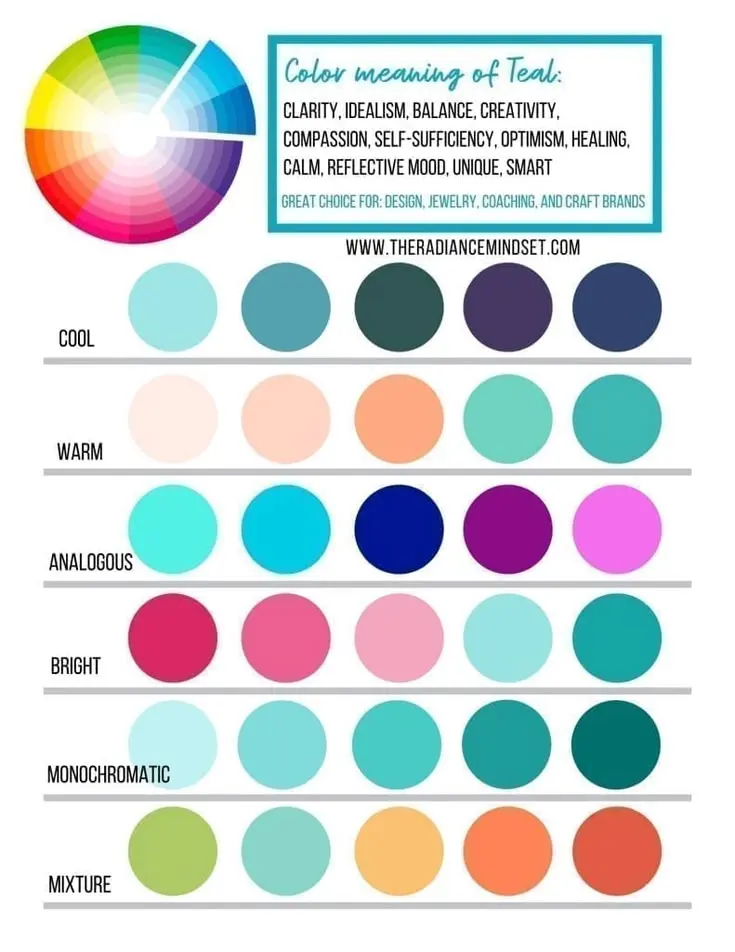
The complementary color of teal is a reddish-orange, often described as coral or a warm terracotta. In color theory…
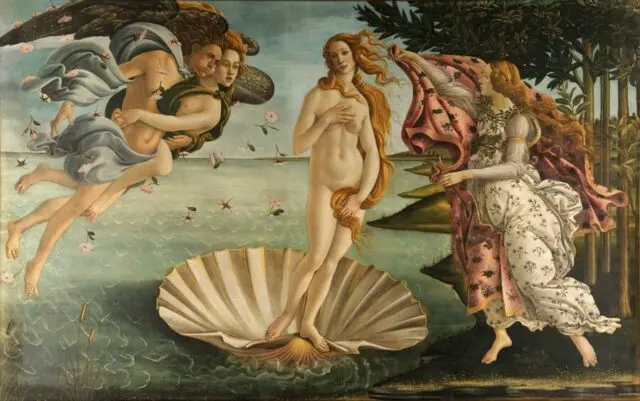
Sandro Botticelli, an Italian Renaissance master, painted The Birth of Venus around 1485. Commissioned by the influential Medici…
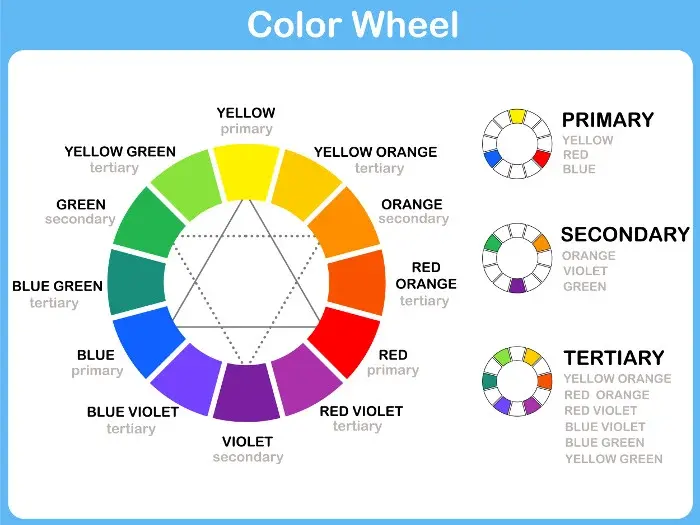
Color theory is the collection of rules and guidelines that artists use to communicate with viewers through appealing color…

Clean acrylic brushes immediately after use by rinsing them in cool or lukewarm water. Use a mild soap to gently massage the…
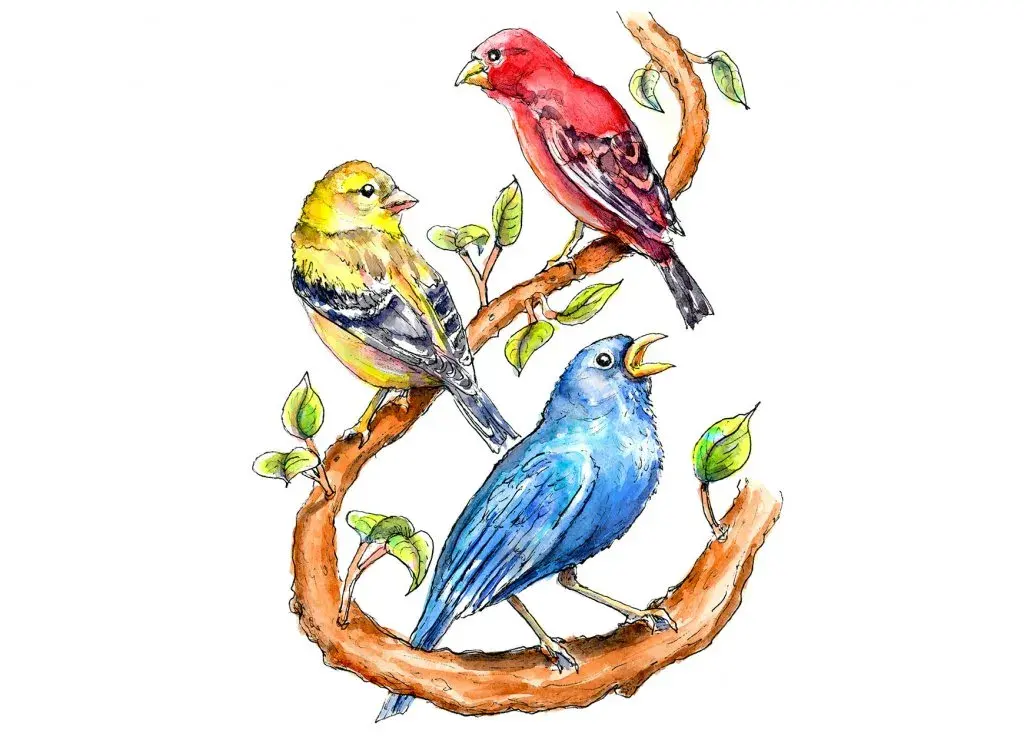
The primary colors in traditional painting are red, yellow, and blue. These three pigments are considered primary because they…

Mixing skin tones with acrylic paint requires a base of white, yellow, red, and blue. Start by creating a neutral flesh tone…
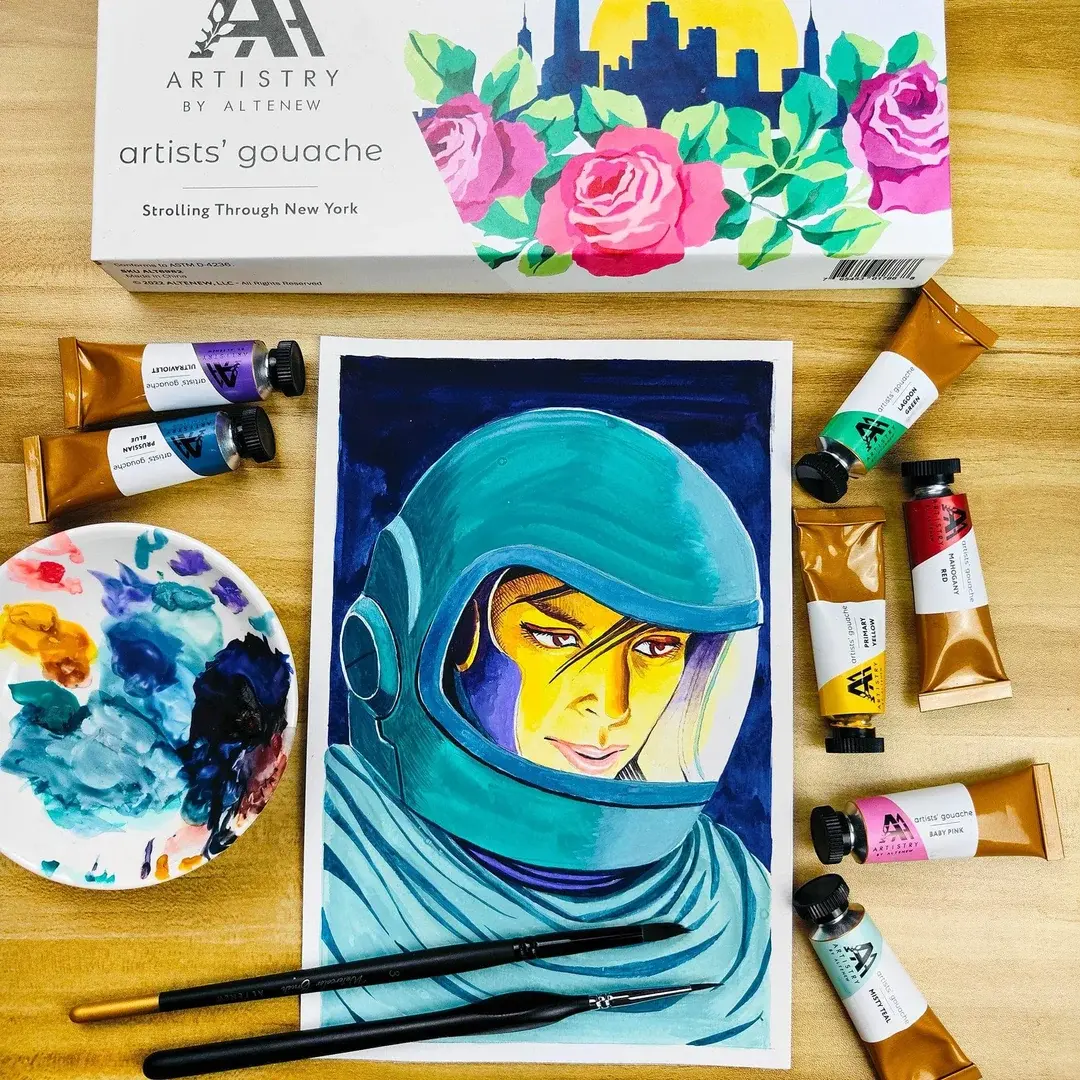
Watercolor and gouache are both water-based paints, but their primary difference lies in opacity. Watercolors are transparent…