How do you draw Asian eyes?
Short answer
Drawing Asian eyes requires observing the unique structure of the epicanthic fold and the way the upper eyelid often rests closer to the lash line. Focus on the subtle curvature of the lid, the placement of the crease, and the natural almond shape. Precision in these anatomical details creates a realistic, respectful representation.
On this page
How to identify the anatomy of Asian eyes
Many East Asian, Southeast Asian, and Central Asian eyes feature an epicanthic fold, a skin fold of the upper eyelid that covers the inner corner of the eye. This anatomical trait varies significantly among individuals, ranging from a slight overlap to a complete covering of the tear duct. When drawing, it is essential to observe how this fold connects to the bridge of the nose or the lower eyelid. Unlike eyes with a deep-set crease, many Asian eyes have a monolid or a low-set crease that sits closer to the lash line.
To capture this accurately, pay close attention to the following structural elements:
- The epicanthic fold: Observe whether the skin covers the caruncle (the pink corner of the eye) entirely or partially.
- The eyelid crease: Note that it may be absent, hidden by the lid, or follow a gentle, shallow curve.
- The eye shape: Often characterized by a soft, elongated almond shape that tapers toward the outer corner.
- The lash line: The lashes often grow straight or slightly downward, which affects how you render the thickness of the lid.
How to sketch the basic shape
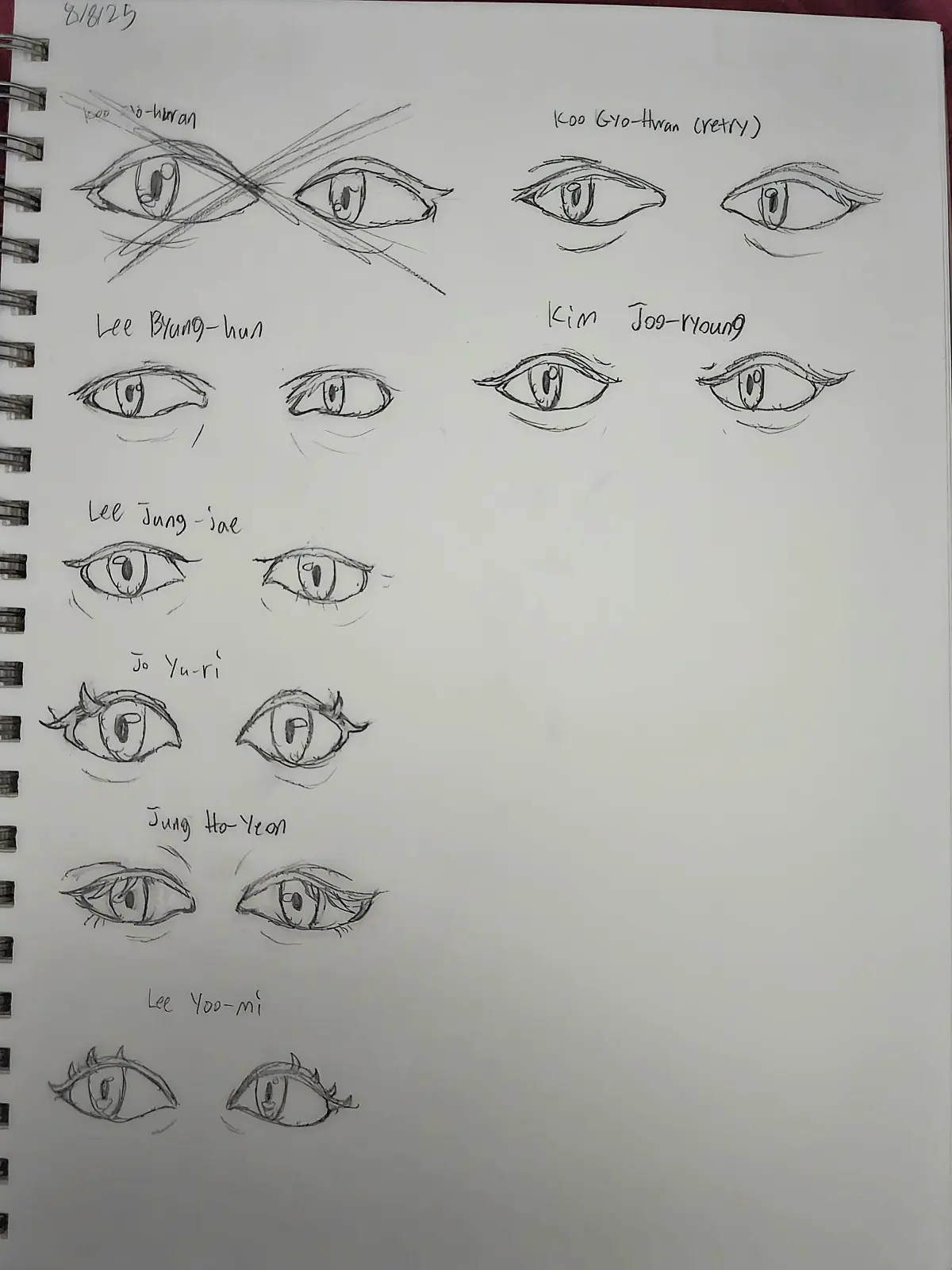
Start by establishing the horizontal axis of the eye. Because Asian eyes often have a more horizontal orientation compared to eyes with a prominent orbital bone, avoid drawing an overly dramatic upward tilt unless it is specific to your subject. Use light, gestural lines to map out the almond shape, ensuring the inner corner aligns with the anatomy of the nose bridge. Keep the lines soft, as harsh, heavy outlines can make the eye look unnatural or cartoonish rather than realistic.
Follow these steps to build the foundation of your drawing:
- Lightly draw a horizontal guide line to determine the placement and width of the eyes.
- Sketch the almond shape, keeping the inner corner slightly lower than the outer corner for a natural look.
- Define the epicanthic fold by drawing a small, soft curve that connects the upper lid to the side of the nose.
- Add the upper eyelid line, keeping it close to the lash line to represent the monolid or low-set crease.
How to shade and add depth
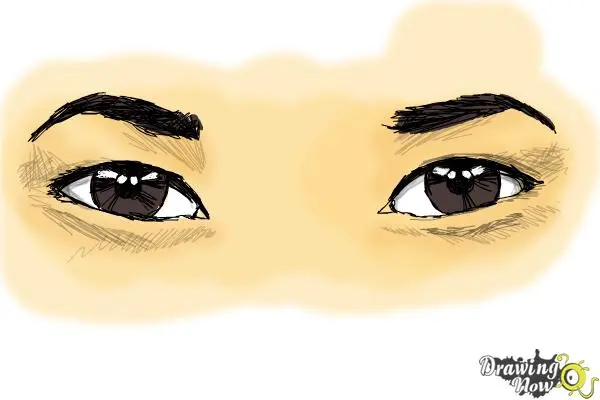
Shading is the most critical step for conveying the volume of the eyelid. Since the skin in the upper eyelid area is often smooth and continuous, avoid drawing a dark, heavy crease line. Instead, use a soft graphite pencil or blending stump to create a subtle gradient that suggests the weight of the skin resting over the lash line. Focus your darkest values on the lash line itself, where the lashes create a natural shadow, and gradually lighten the tone as you move upward toward the brow bone.
When shading, consider the light source to give the eye a three-dimensional appearance. The eyeball itself is a sphere, so ensure there is a highlight on the iris and a subtle shadow on the white of the eye (the sclera) where the upper lid casts a shadow. This technique prevents the eye from looking flat. Remember that the skin around the eye is soft, so blending is your best tool for creating a realistic texture that avoids overly rigid or sharp edges.
Common mistakes when drawing Asian eyes
One frequent error is over-emphasizing the crease or drawing a double eyelid where one does not exist. Beginners often try to force a westernized structure onto the eye, which results in a loss of the subject's unique features. Another common mistake is making the eye too round. Asian eyes typically have a more elongated, horizontal profile; drawing them too wide or circular will distort the proportions. Additionally, avoid drawing the lashes as thick, clumpy spikes, as this detracts from the delicate nature of the eyelid.
To improve your technique, avoid these pitfalls:
- Do not draw a thick, dark line for the crease, as this creates an artificial look.
- Avoid making the eyes perfectly symmetrical, as minor variations add realism.
- Do not neglect the lower eyelid, which often has a subtle, soft curve that balances the upper lid.
- Steer clear of using pure black for shadows; use a range of grays to build depth gradually.
Best practices for capturing character
Capturing the personality of the eyes involves more than just anatomical accuracy; it requires observing the subtle expressions of the subject. The way the skin folds near the outer corner of the eye, known as the "crow's feet" area, can change significantly when a person smiles or squints. Pay attention to how the lower lid moves upward during expression, as this is a key indicator of genuine emotion. By focusing on these micro-movements, your drawings will move beyond simple anatomy and begin to tell a story about the individual.
To refine your artistic approach, practice drawing from life or high-quality photographs that show diverse eye shapes. Observe how different lighting conditions affect the visibility of the epicanthic fold and the depth of the eyelid. Keep your pencil strokes light and intentional, allowing the drawing to emerge through layers rather than forced lines. With consistent practice and careful observation of the nuances in shape and shadow, you will develop the skill to render Asian eyes with both technical precision and artistic sensitivity.
Key facts
- Asian eyes often feature an epicanthic fold, a skin fold of the upper eyelid that covers the inner corner of the eye.
- The shape of the eye is typically almond-like, with a flatter upper eyelid crease or a monolid structure where no crease is visible.
- When drawing, observe the tilt of the eye, as the outer corner is frequently positioned slightly higher than the inner corner.
- Avoid using thick, heavy lines to represent the fold, as this can make the eye appear unnatural or overly shadowed.
- Focus on the placement of the eyelashes, which often grow straight or slightly downward rather than curling upward.
- Use subtle shading to define the orbital bone and the eyelid, as Asian eyes often have less prominent deep-set sockets.
The bottom line
Drawing Asian eyes requires careful observation of unique anatomical features like the epicanthic fold and monolid structures. By focusing on the subtle tilt, the specific lash growth, and soft shading techniques, artists can create accurate and expressive portraits. Avoid relying on exaggerated stereotypes, and instead prioritize the individual’s distinct eye shape to ensure your work remains both technically proficient and respectful of human diversity.
People also ask
What is a monolid?
A monolid is an eyelid shape that lacks a visible crease or fold above the lash line. It is a common feature in many East Asian populations and creates a smooth, continuous surface from the lash line to the brow bone.
How do I shade the eyelid area correctly?
Use light, soft strokes to suggest depth rather than harsh lines. Focus the darkest values near the lash line and gradually lighten the tone as you move toward the eyebrow to maintain a natural appearance.
Should I draw the epicanthic fold for every Asian eye?
Not every Asian eye has a prominent epicanthic fold, as eye shapes vary significantly across different ethnic groups. Observe your reference subject closely to determine if the fold is present, subtle, or absent.
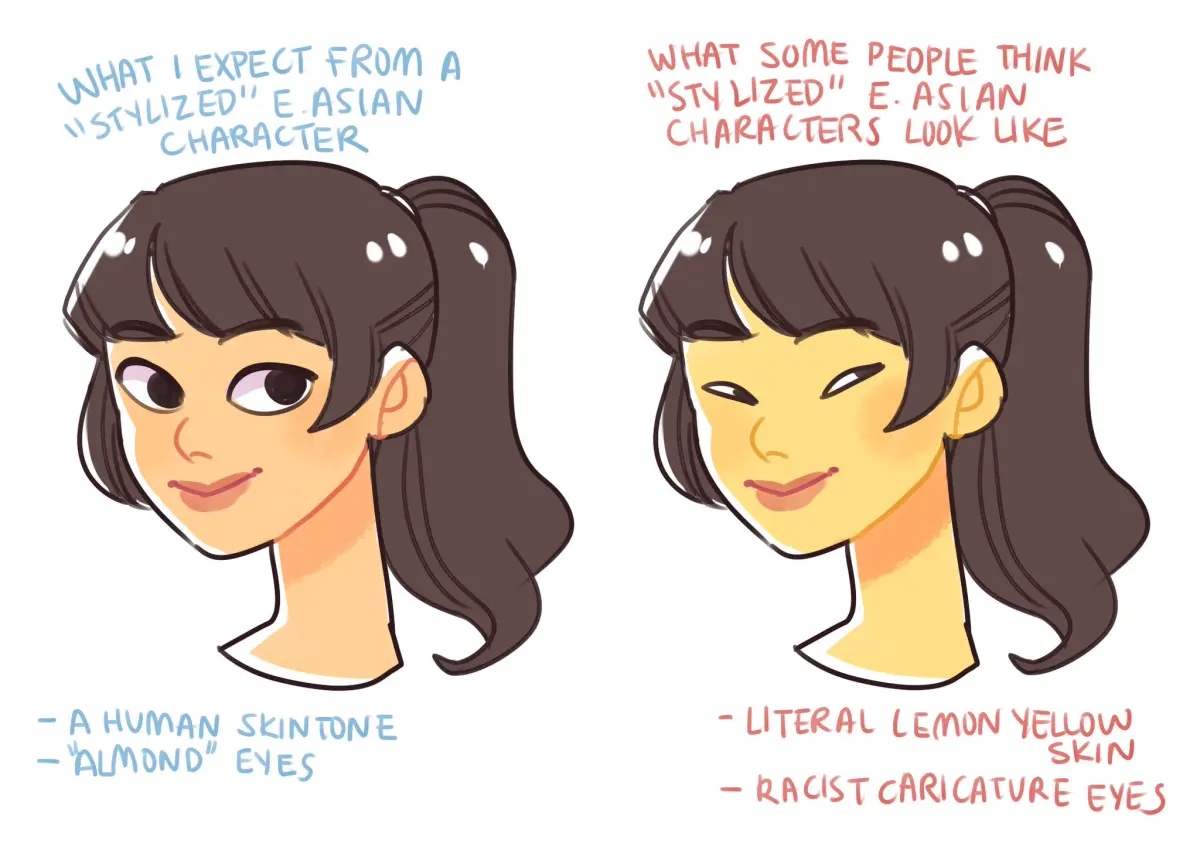
Why do my drawings of Asian eyes look like caricatures?
This often happens when artists rely on stereotypes, such as drawing slanted lines or overly thick lashes. Focus on individual anatomical features and proportions to ensure a respectful and accurate representation of the subject.
How can I make the eyes look expressive?
Focus on the relationship between the iris and the eyelids. Even without a deep crease, the way the eyelid interacts with the pupil and the tilt of the eye can convey a wide range of emotions.
What is the best way to handle eyelashes?
Keep the lashes sparse and follow the natural curve of the lid. Avoid drawing long, thick lashes that fan out excessively, as this can obscure the specific shape of the eye you are trying to capture.
This answer was created with the help of AI research tools and reference sources. Spotted an error? Let us know — we correct mistakes quickly. See our editorial policy.