Painting & Color
What colors make black?
Black is created by mixing primary colors in two distinct ways: subtractive and additive. In subtractive color mixing, such as…
Questions and answers about color.
Black is created by mixing primary colors in two distinct ways: subtractive and additive. In subtractive color mixing, such as…
Copper is a chemical element, not a mixture of colors. As a pure transition metal with the atomic number 29, it cannot be…
Mixed colors turn brown because they absorb most wavelengths of visible light, reflecting only a small, muddy portion of the…
Magenta is created by mixing equal parts of primary red and blue light in the additive color model. In pigment-based subtractive…
The complementary color of yellow is purple, or violet. In traditional color theory, complementary colors sit directly opposite…
Purple pairs beautifully with neutrals like white, gray, and beige for a sophisticated look. For higher contrast, pair it with…
Blue in art signifies depth, stability, and transcendence. Historically, its rarity and high cost associated with lapis lazuli…
Light brown is created by mixing a primary color base—typically orange or a combination of red and yellow—with a significant…
Aqua is created by mixing blue and green in roughly equal proportions, often with a small amount of white added to achieve its…
The complementary color of blue is orange. In traditional color theory, complementary colors sit directly opposite each other on…
Color temperature is a system for classifying colors as either "warm" or "cool" based on their psychological associations and…
Mint green pairs beautifully with crisp white, soft grays, warm wood tones, and metallic accents like gold or copper. For a…
Cyan is a secondary color created by mixing equal parts of green and blue light. In the subtractive color model used for…
Complementary colors sit directly opposite each other on the color wheel, creating maximum contrast and visual intensity…
The complementary color of turquoise is red-orange. In color theory, complementary colors sit directly opposite each other on…
Applying colored pencils directly to smooth metal is ineffective because the wax cannot grip the non-porous surface. To color…
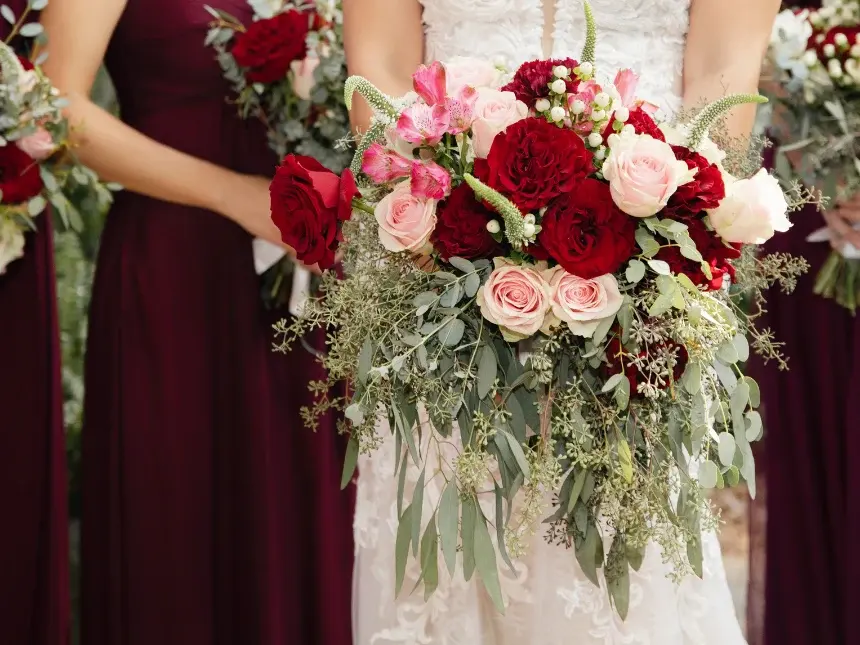
Maroon is created by mixing a primary red with a small amount of blue or violet to deepen the hue, followed by the addition of…
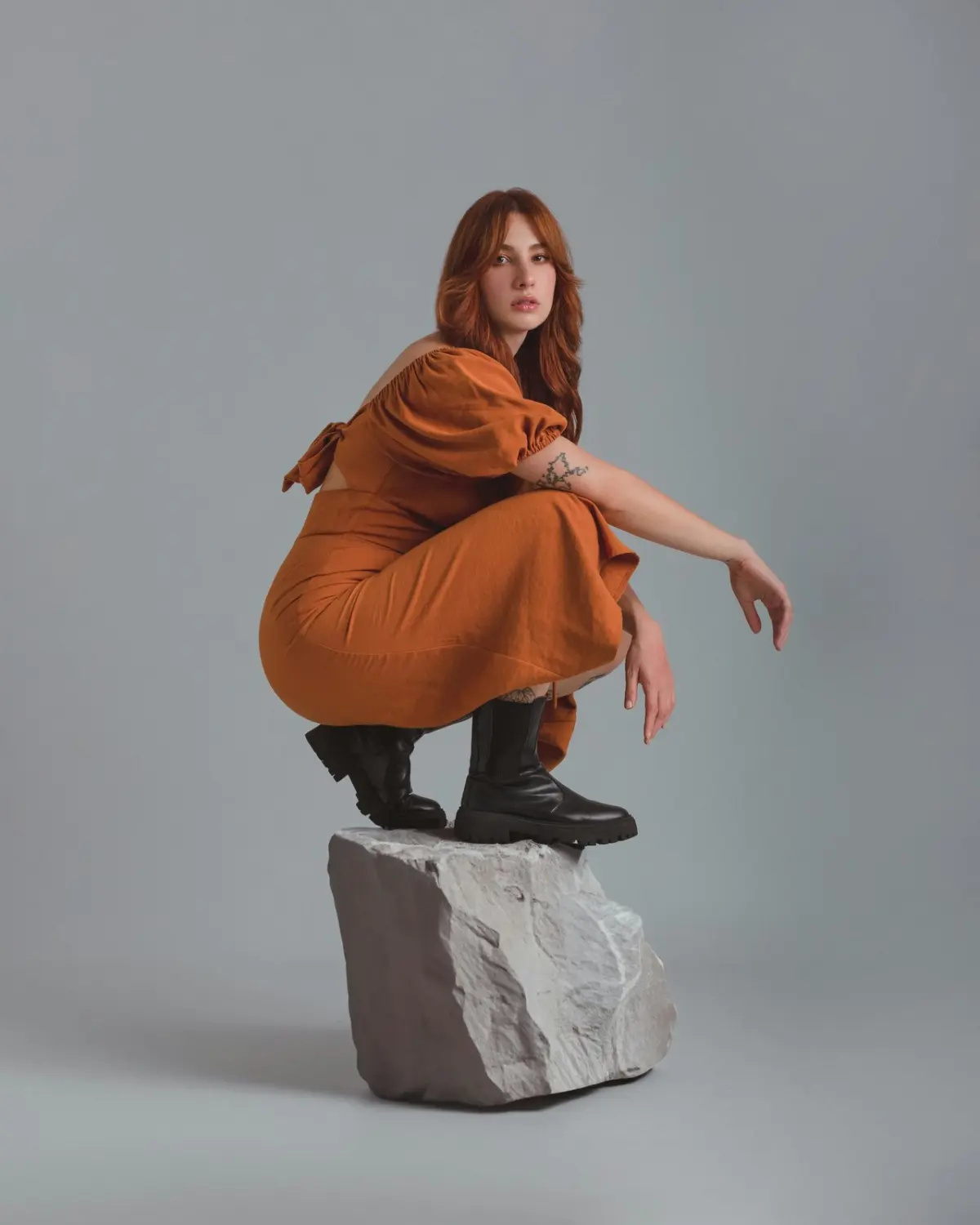
Ochre is a natural earth pigment primarily composed of iron oxide, clay, and sand. To recreate its signature warm, earthy hue…
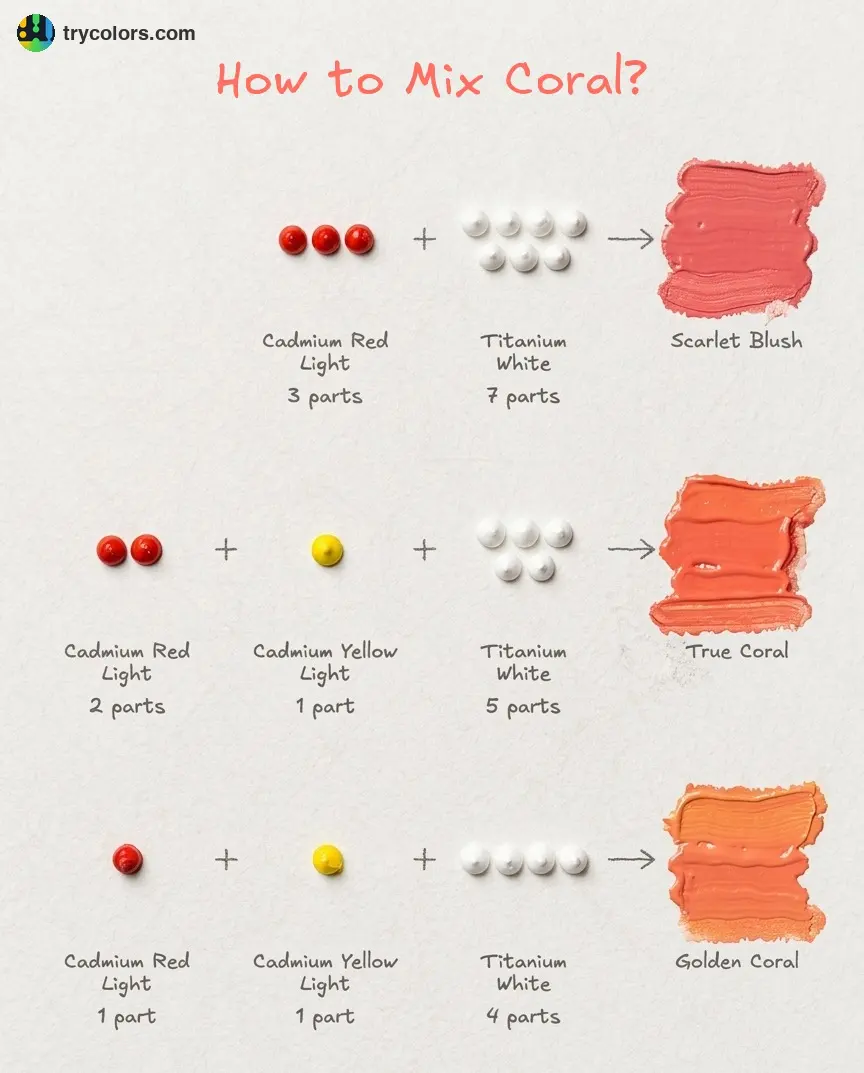
Coral is a vibrant, warm hybrid of pink and orange that pairs beautifully with neutrals, cool blues, and earthy tones. Because…
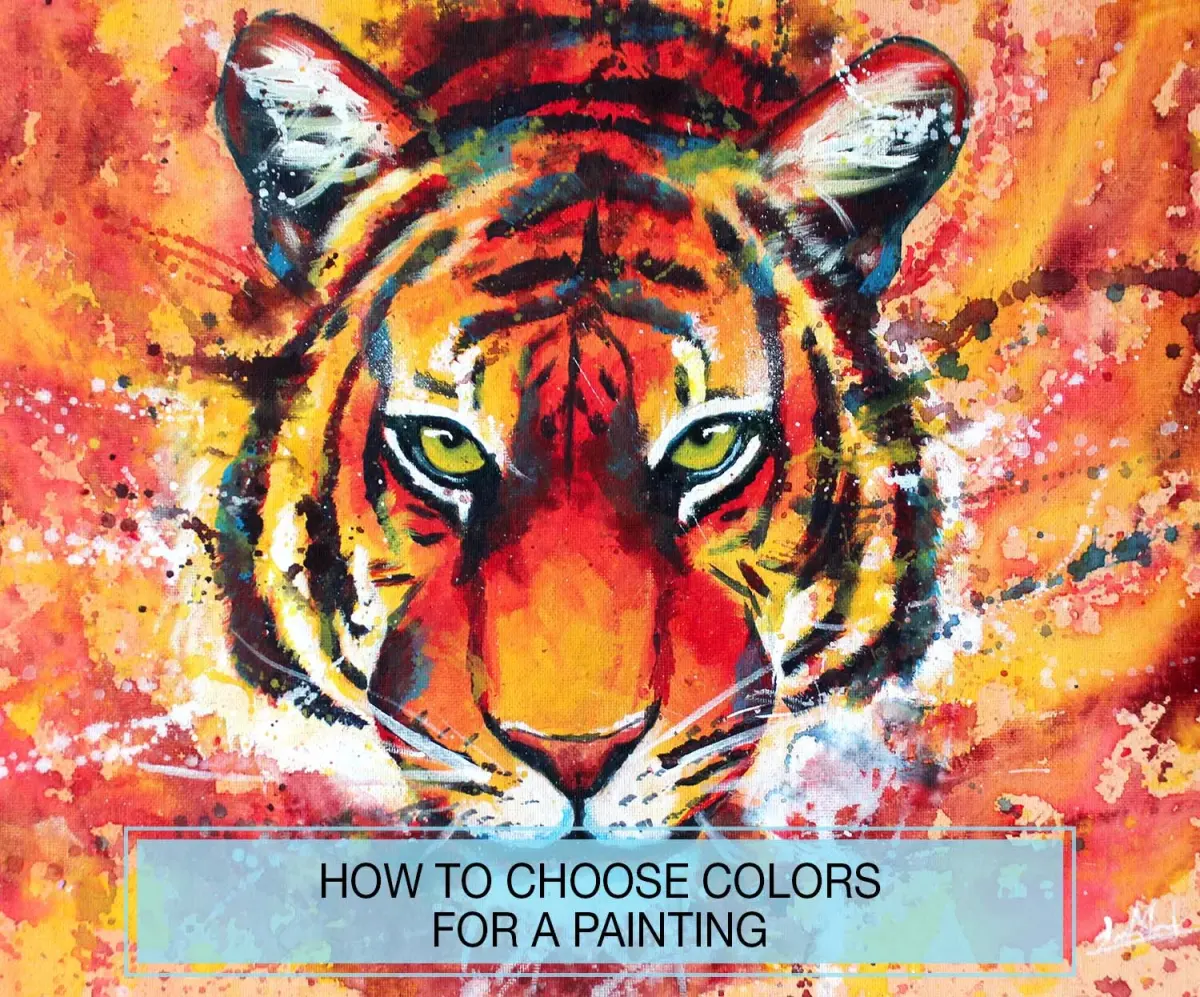
Choosing colors for a painting involves balancing emotional intent with technical color theory. Start by selecting a limited…
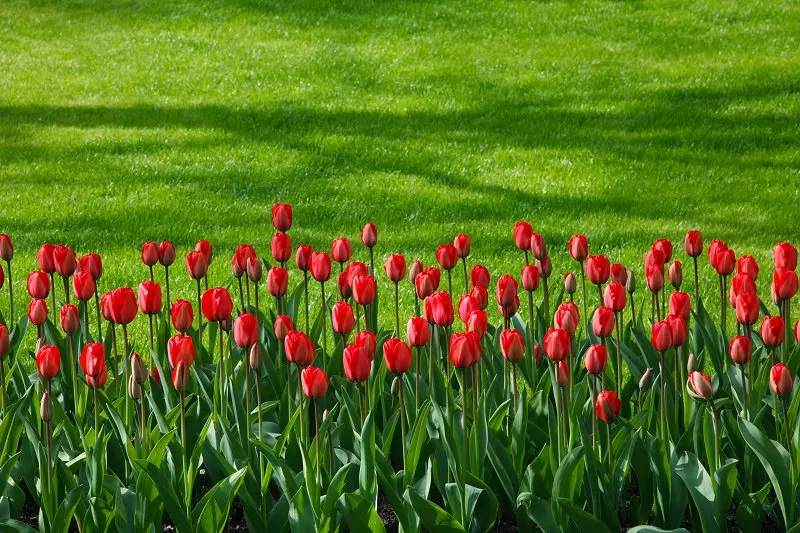
The complementary color of red is green. In traditional color theory, based on the RYB (red-yellow-blue) model, these two hues…

Yellow is a primary color in traditional subtractive color theory, meaning it cannot be created by mixing other pigments. In the…

Brick red is created by mixing a primary red with a small amount of blue or green to dull its intensity, then adding yellow or…
White is a versatile neutral that pairs effortlessly with every color in the spectrum. High-contrast combinations like black or…