Painting & Color
What colors make sky blue?
The sky appears blue because of Rayleigh scattering, a phenomenon where sunlight interacts with Earth's atmosphere. Sunlight…
Questions and answers about color.
The sky appears blue because of Rayleigh scattering, a phenomenon where sunlight interacts with Earth's atmosphere. Sunlight…
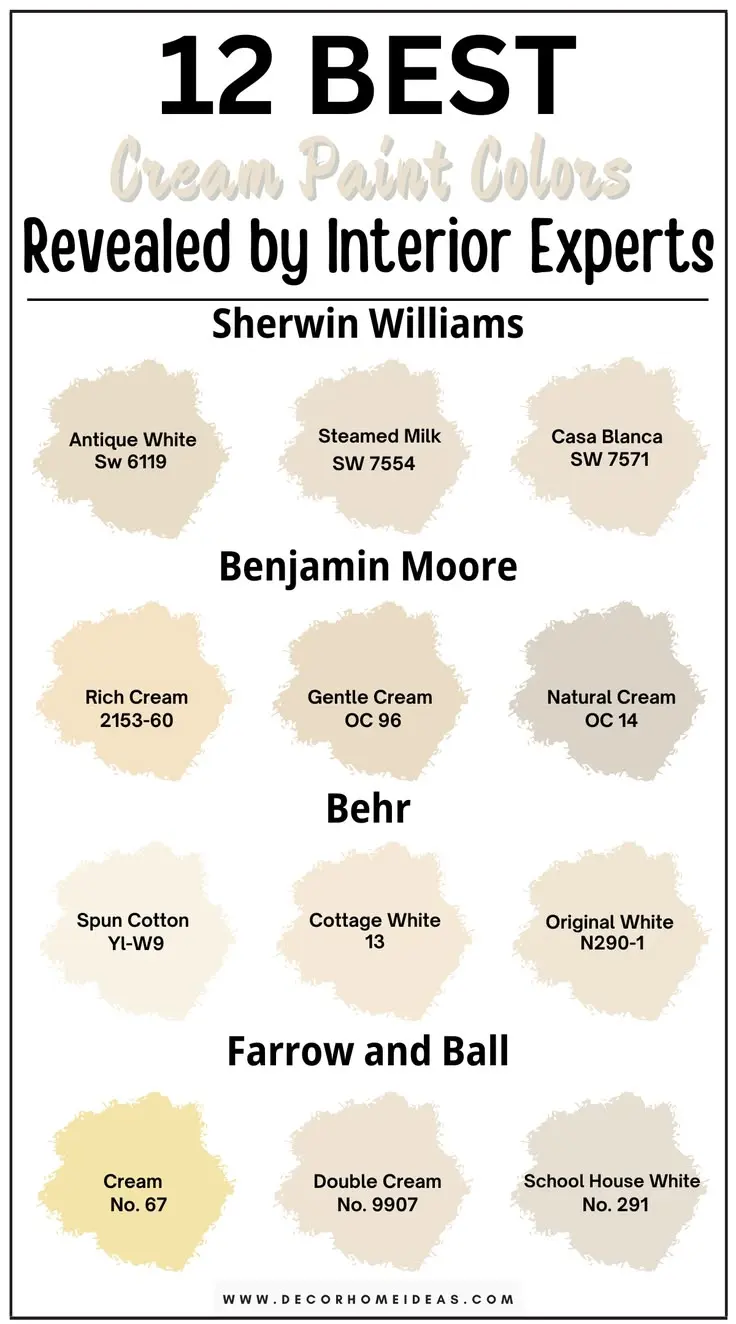
Cream is created by mixing white paint with a very small amount of yellow, and occasionally a tiny touch of brown or orange. The…
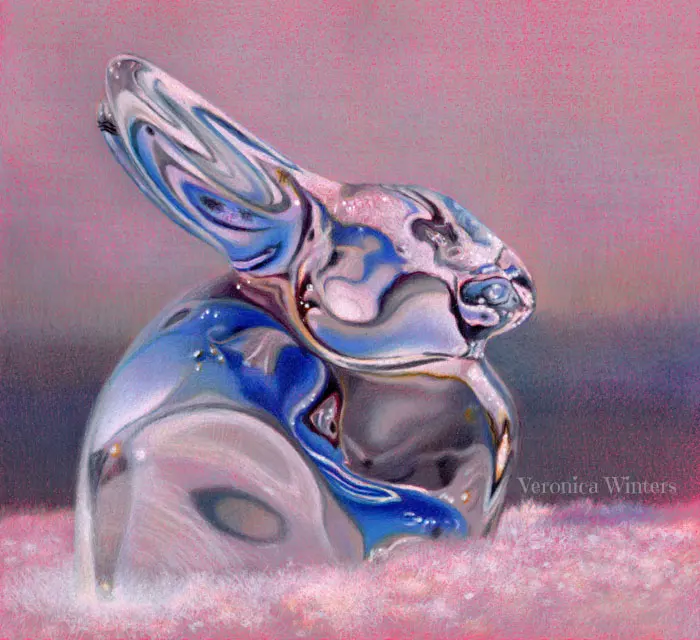
You cannot color glass directly with standard colored pencils because the wax or oil binders will not adhere to the smooth…
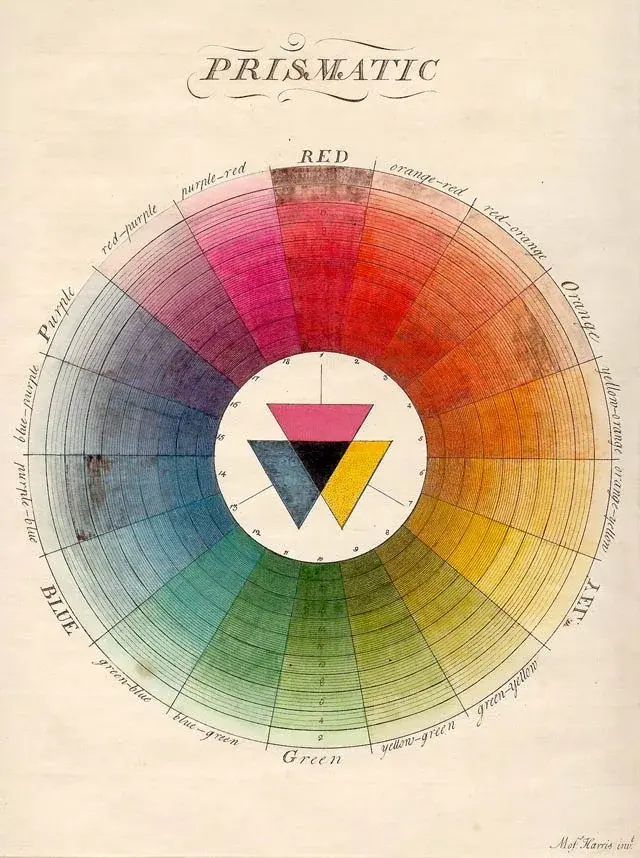
The color wheel is a circular diagram representing the relationships between colors based on their chromatic sequence. It…
Hot pink is created by mixing a primary magenta pigment with a small amount of white. Because magenta is a subtractive primary…
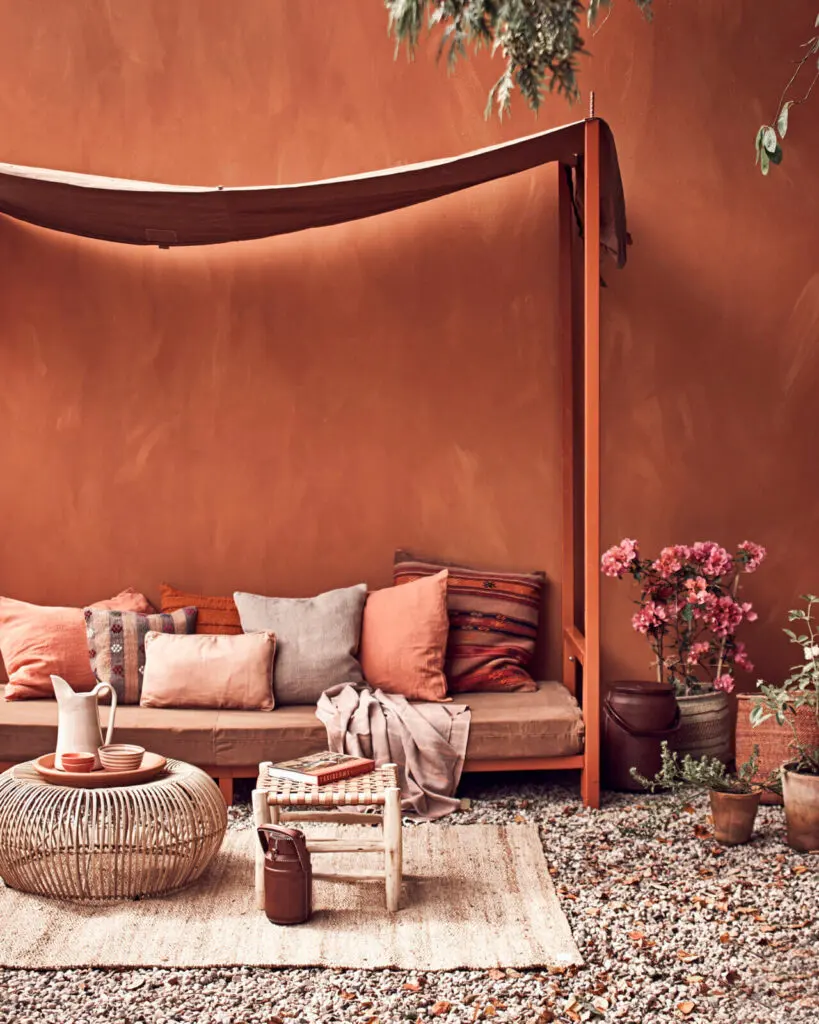
Warm colors are a group of hues on the color wheel that evoke feelings of heat, sunlight, and energy. Primarily consisting of…
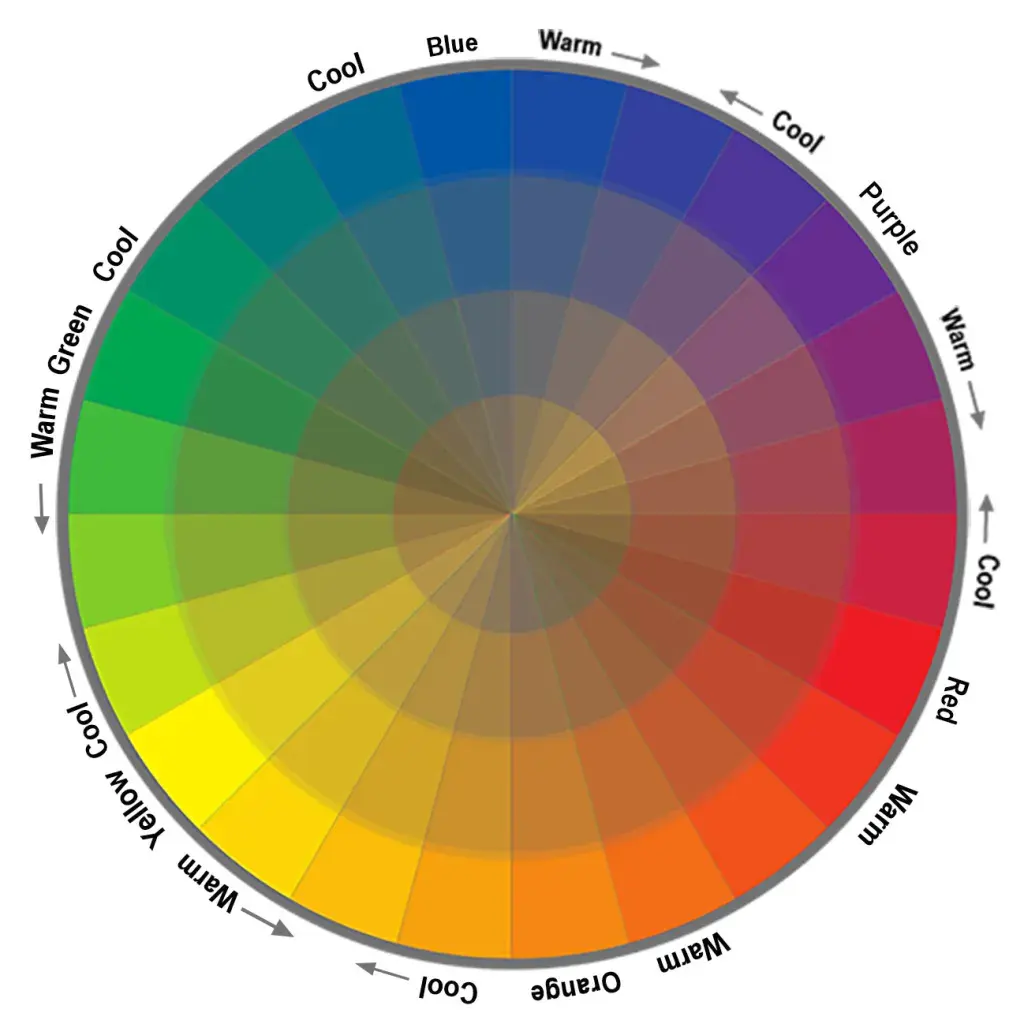
Mixing colors involves combining primary pigments to create secondary and tertiary hues. By manipulating the proportions of red…
Coloring skin with colored pencils requires layering light base tones followed by gradual shadows and highlights. Use a light…
Sunsets are primarily composed of reds, oranges, and pinks caused by Rayleigh scattering. As the sun nears the horizon, its…
You can lighten colors without white by increasing the amount of medium or solvent used in the mixture, a process known as…
Brown is created by mixing all three primary colors—red, yellow, and blue—together. Because brown is a composite color, its…
Burnt orange is created by mixing a vibrant orange base with small amounts of blue or black to darken and desaturate the hue…
Green in art represents a complex spectrum of meanings, primarily symbolizing nature, fertility, and renewal. Historically, it…
Red is a primary color in traditional art theory, meaning it cannot be created by mixing other colors. You cannot make red by…
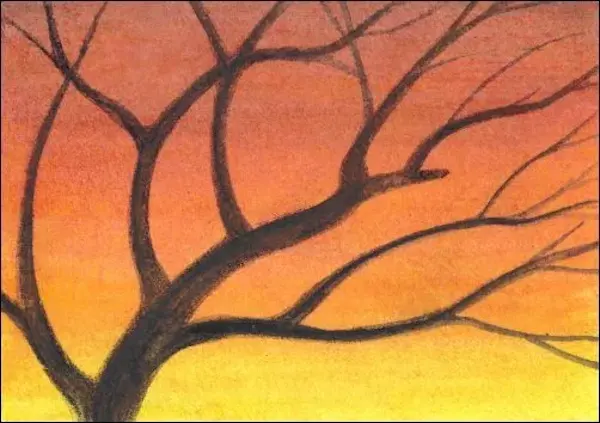
Coloring a sunset requires a layered approach, starting with light yellows and transitioning through oranges, reds, and deep…
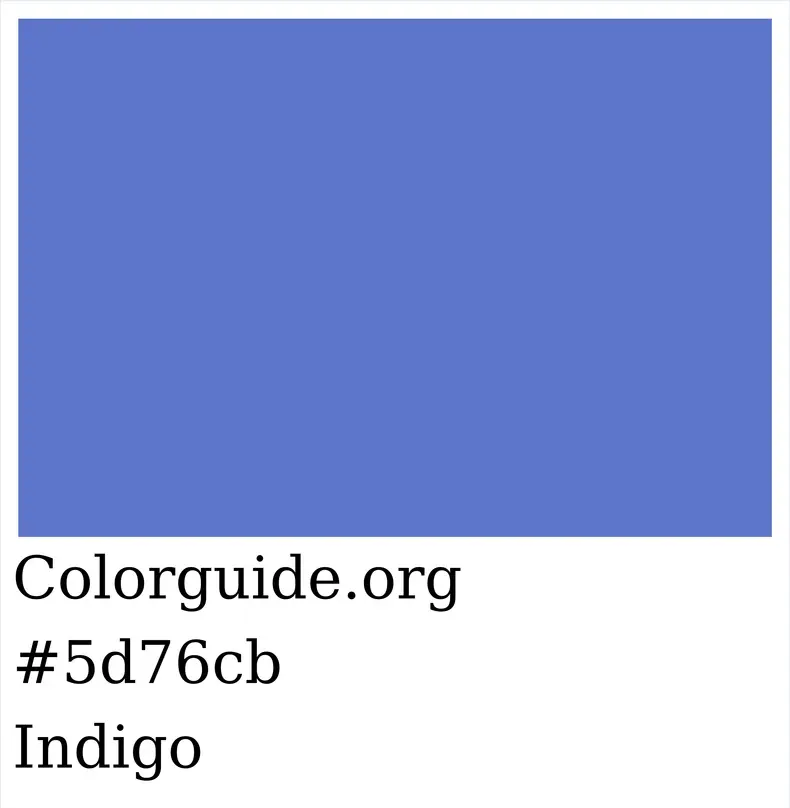
Indigo is created by mixing blue and violet pigments. In traditional color theory, it sits between these two hues on the…
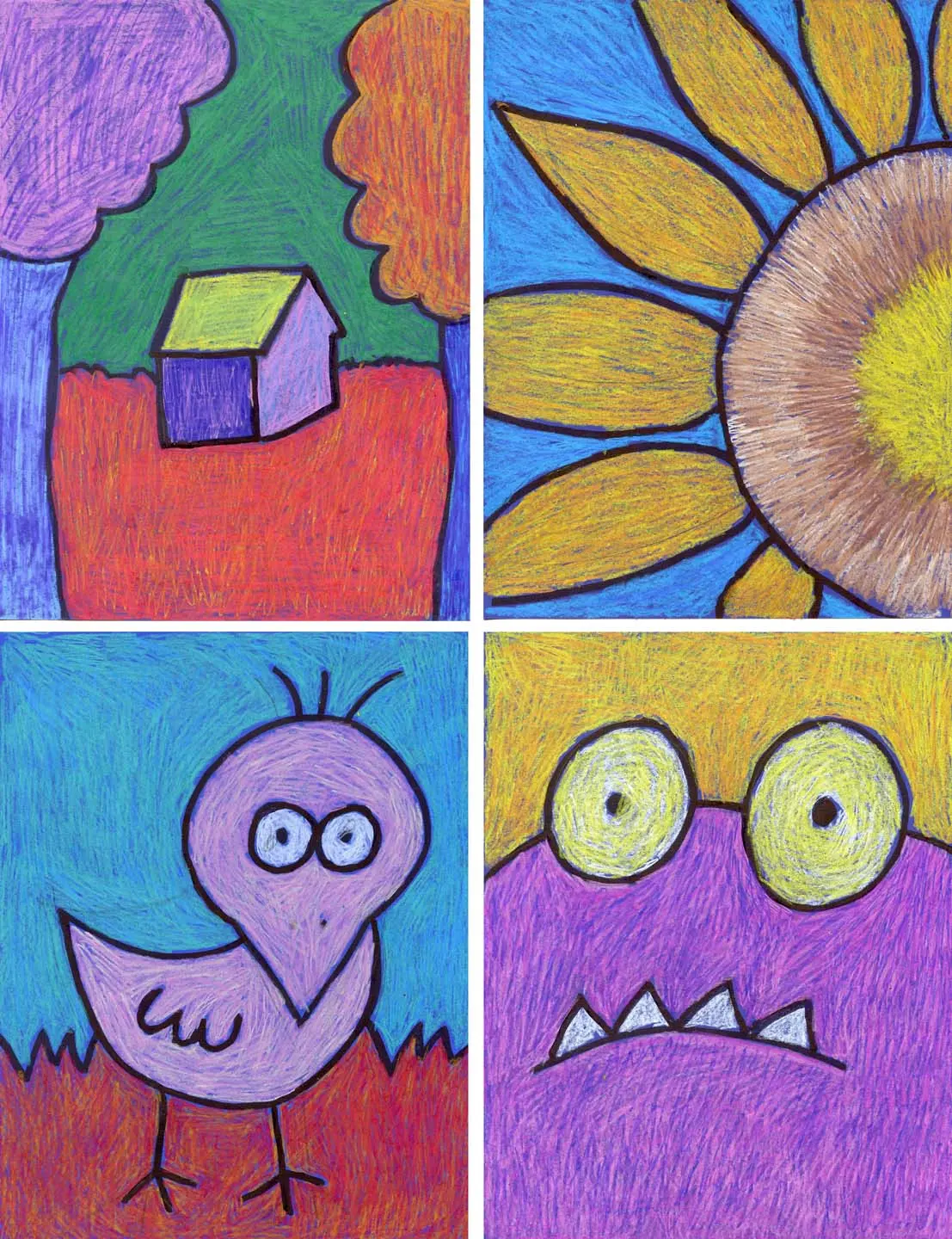
Coloring a drawing involves selecting a medium, establishing a light source, and applying pigments in layers. Beginners should…
Light skin tones are primarily composed of white base paint mixed with small amounts of yellow, red, and blue. Artists achieve…
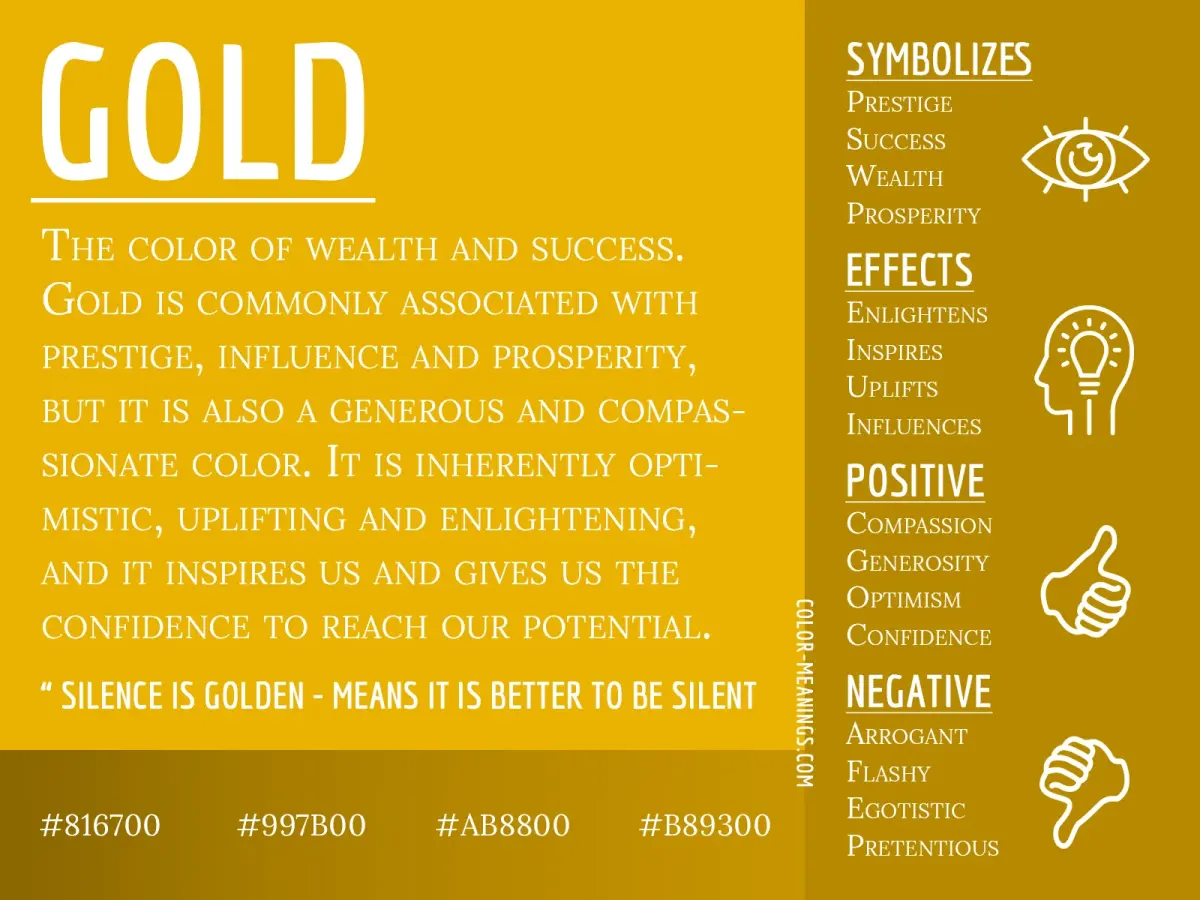
Gold is a chemical element with the symbol Au and cannot be created by mixing other colors. However, you can replicate the…
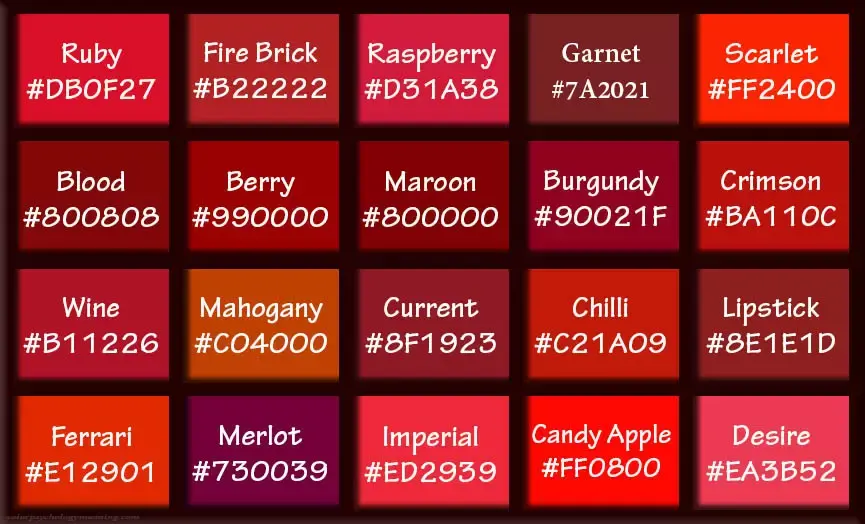
Scarlet is a brilliant, intense red color with a subtle orange undertone. To create it, mix a primary red—such as cadmium red or…
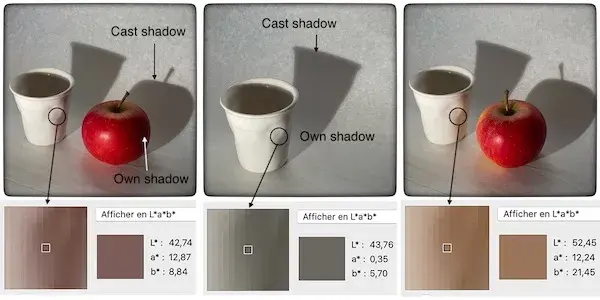
Shadows are rarely pure black or gray; they are typically desaturated, cooler versions of the object's local color. To mix a…
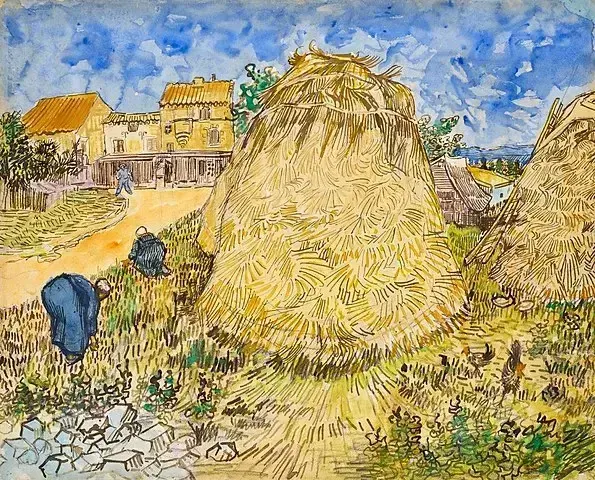
Yellow represents a spectrum of meanings in art, ranging from divinity, warmth, and prosperity to betrayal, sickness, and…
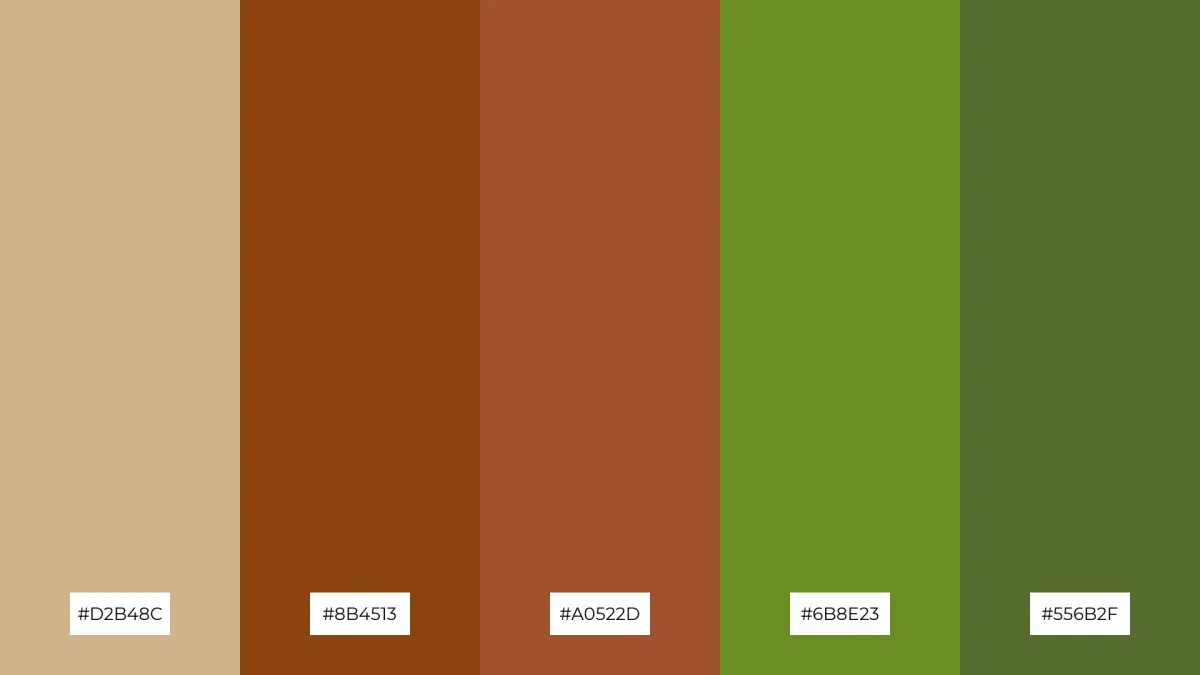
Tan is created by mixing a primary color—typically yellow—with a small amount of brown, or by combining all three primary colors…
Turquoise pairs beautifully with crisp white, warm metallics, earthy neutrals, and bold complementary shades like coral or…