Painting & Color
What colors make dark brown?
Dark brown is created by mixing the three primary colors—red, yellow, and blue—in specific proportions. To achieve a deeper…
Questions and answers about color.
Dark brown is created by mixing the three primary colors—red, yellow, and blue—in specific proportions. To achieve a deeper…
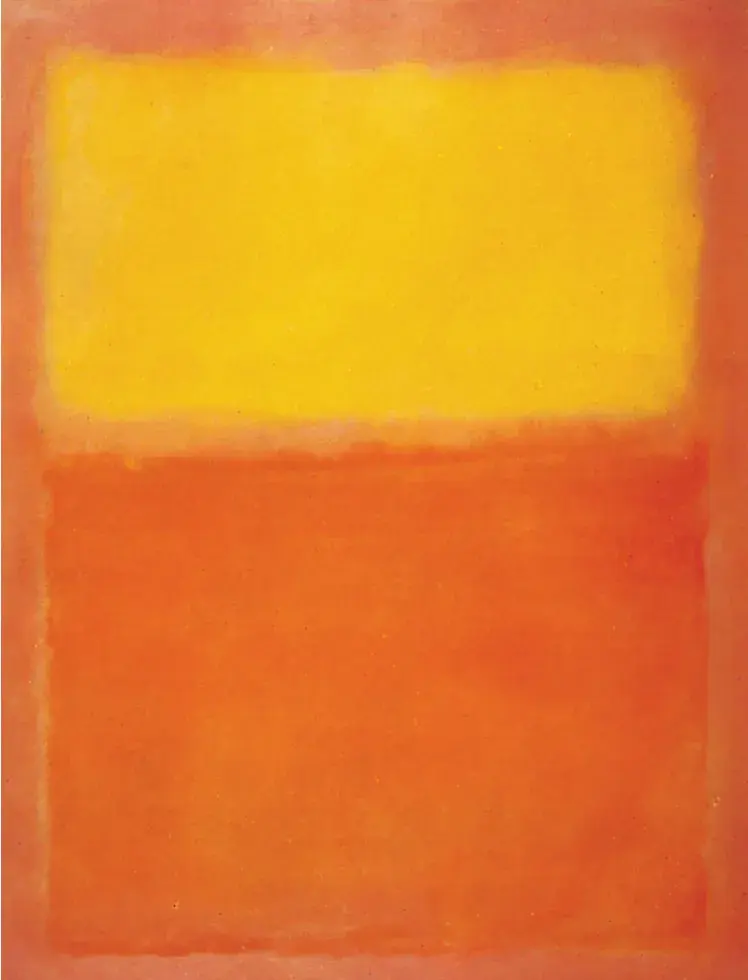
Color Field painting is a style of abstract art that emerged in the United States during the late 1940s. It is defined by large…
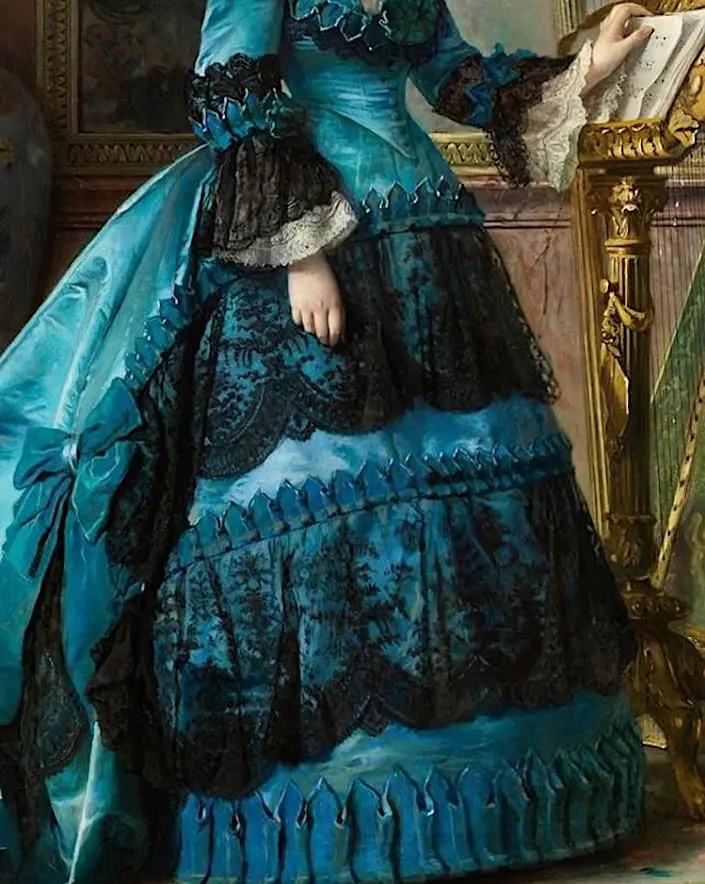
Blue was historically the most expensive and elusive pigment in art due to the scarcity of lapis lazuli. Early civilizations…
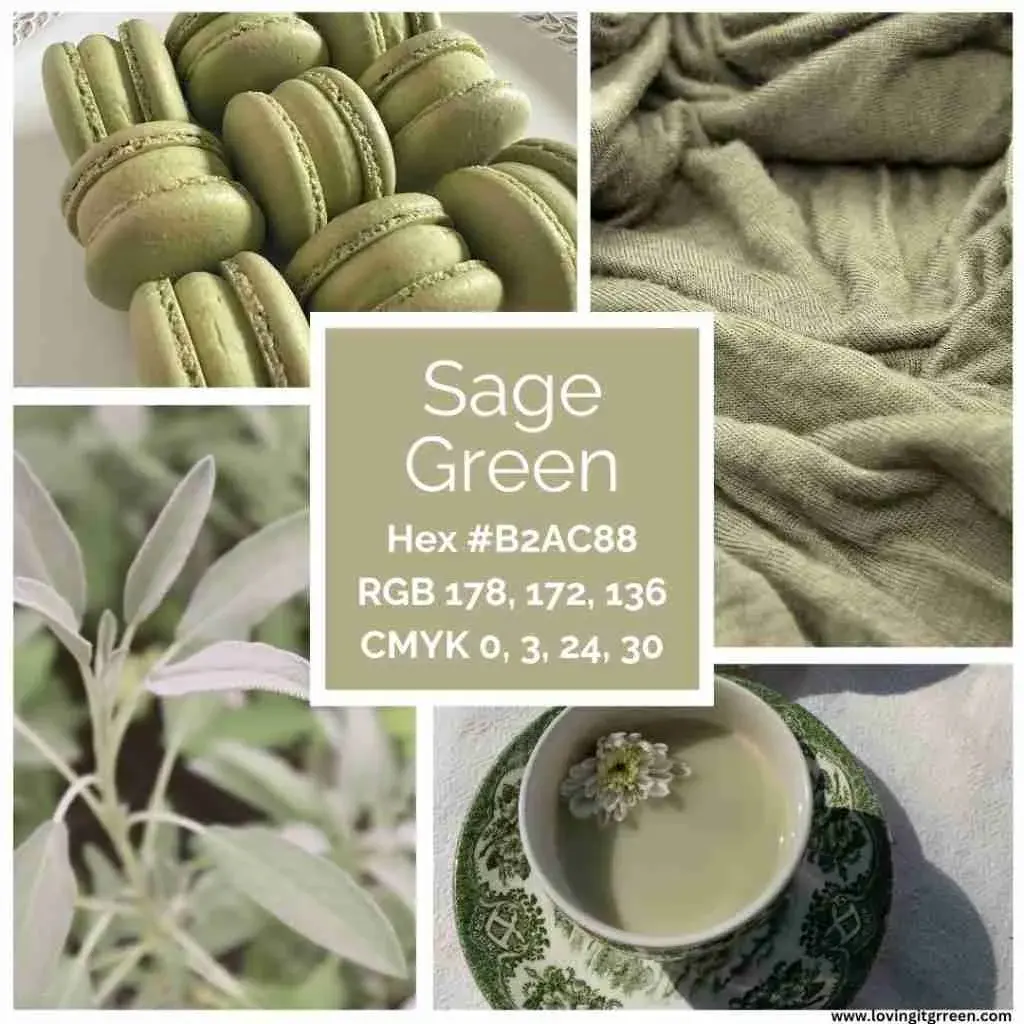
Sage green is created by mixing green with a small amount of gray or a complementary color like red. To achieve the specific…
Primary colors are the fundamental sets of colors that cannot be created by mixing other pigments or light sources together…
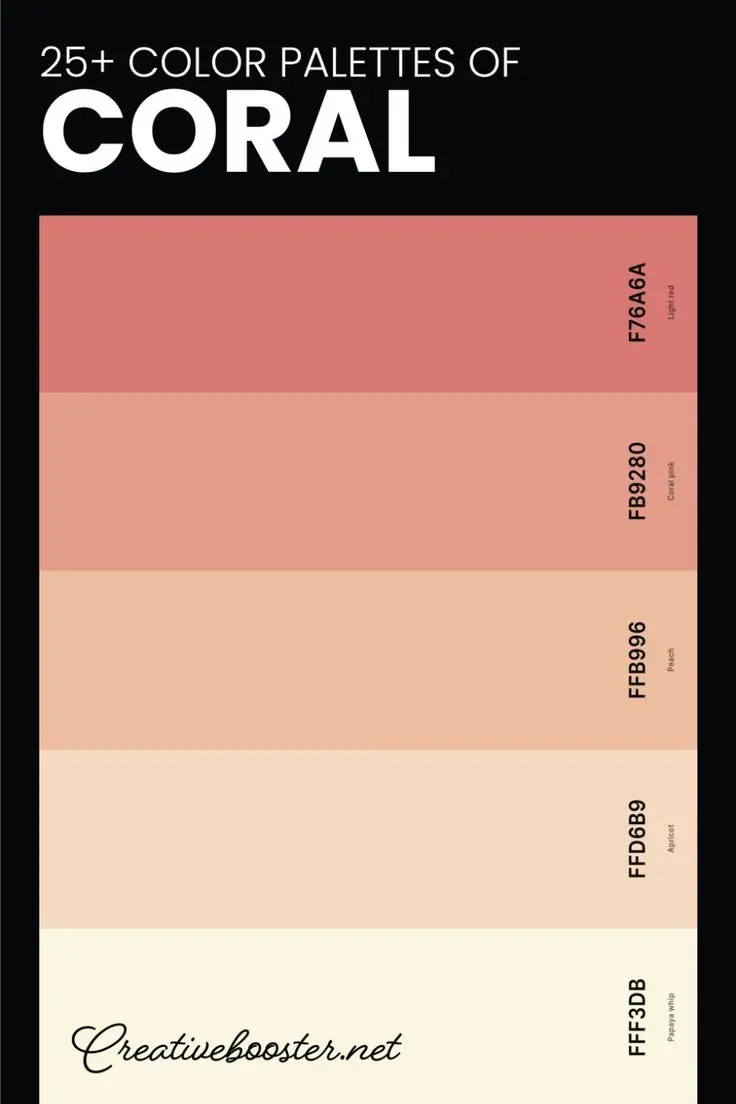
Coral is a vibrant hue created by mixing red and yellow, often with a touch of white to adjust its intensity. Depending on the…

The complementary color of magenta is green. In the context of the RGB color model used for digital displays, magenta is a…
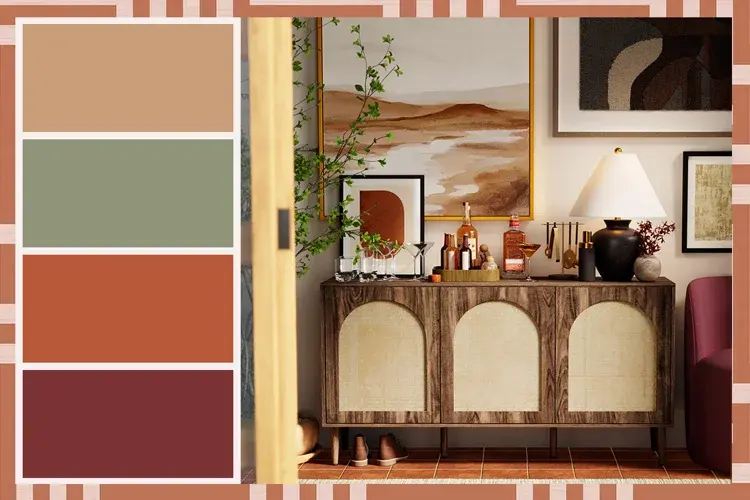
Terracotta is created by mixing orange with a smaller amount of brown, often adjusted with a touch of blue or gray to dull the…
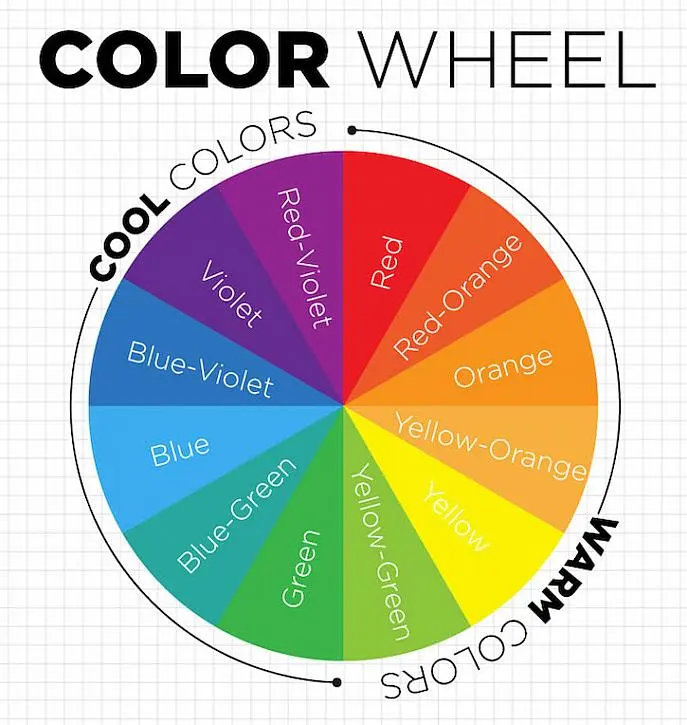
The color wheel is a circular diagram representing the relationships between colors. It organizes hues based on how they are…
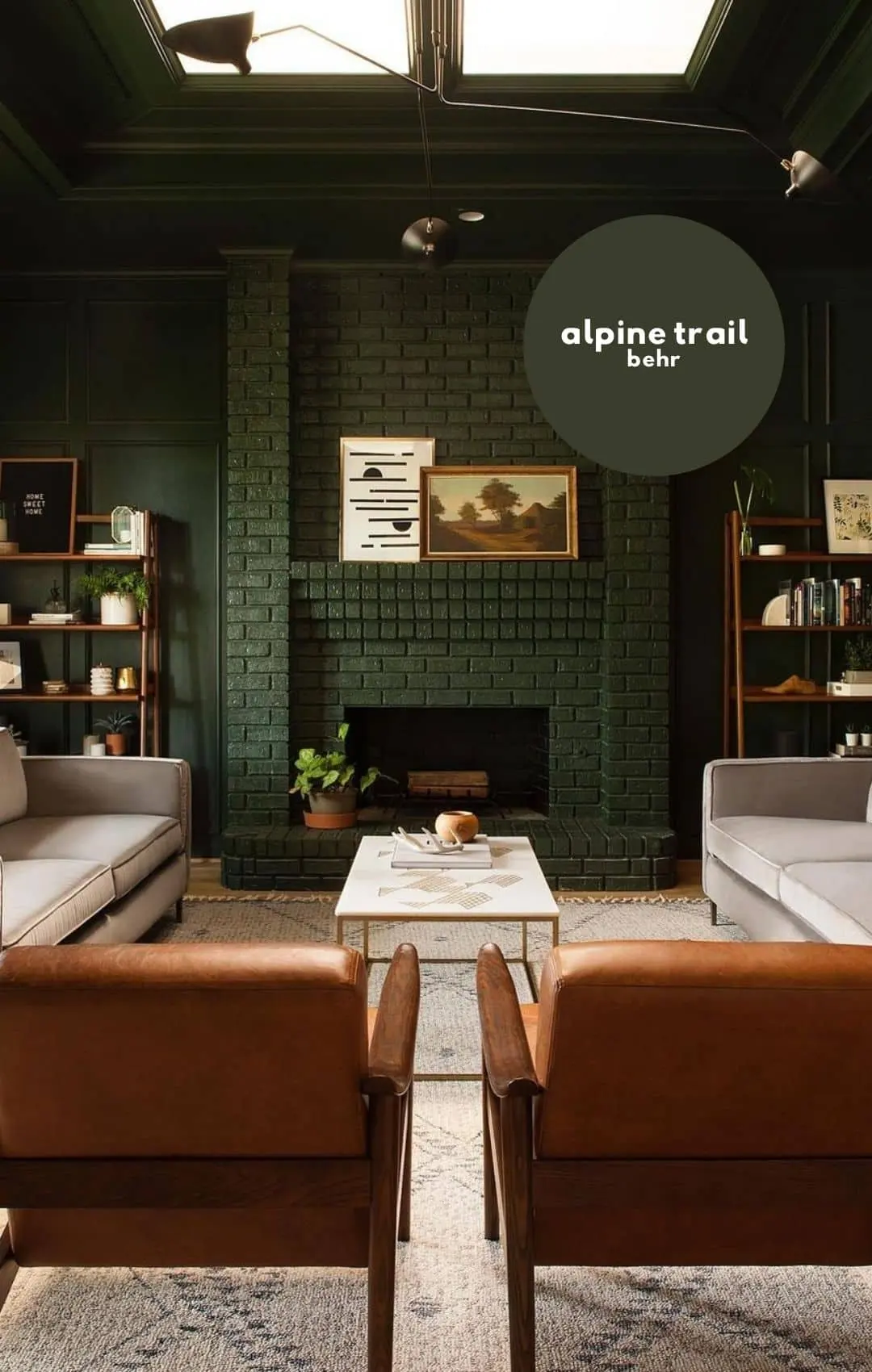
To create dark green, mix a primary green with a touch of black, or combine blue and yellow before adding a dark pigment. Adding…
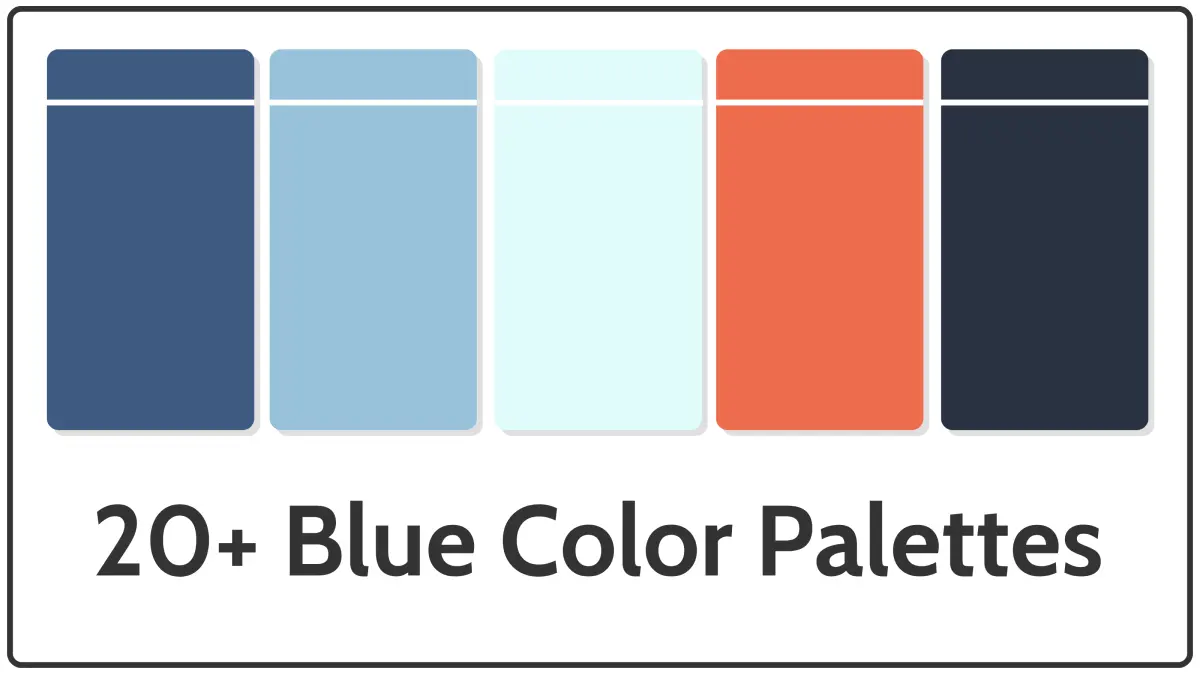
Blue is a primary color in traditional art theory, meaning it cannot be created by mixing other pigments. While you can mix…
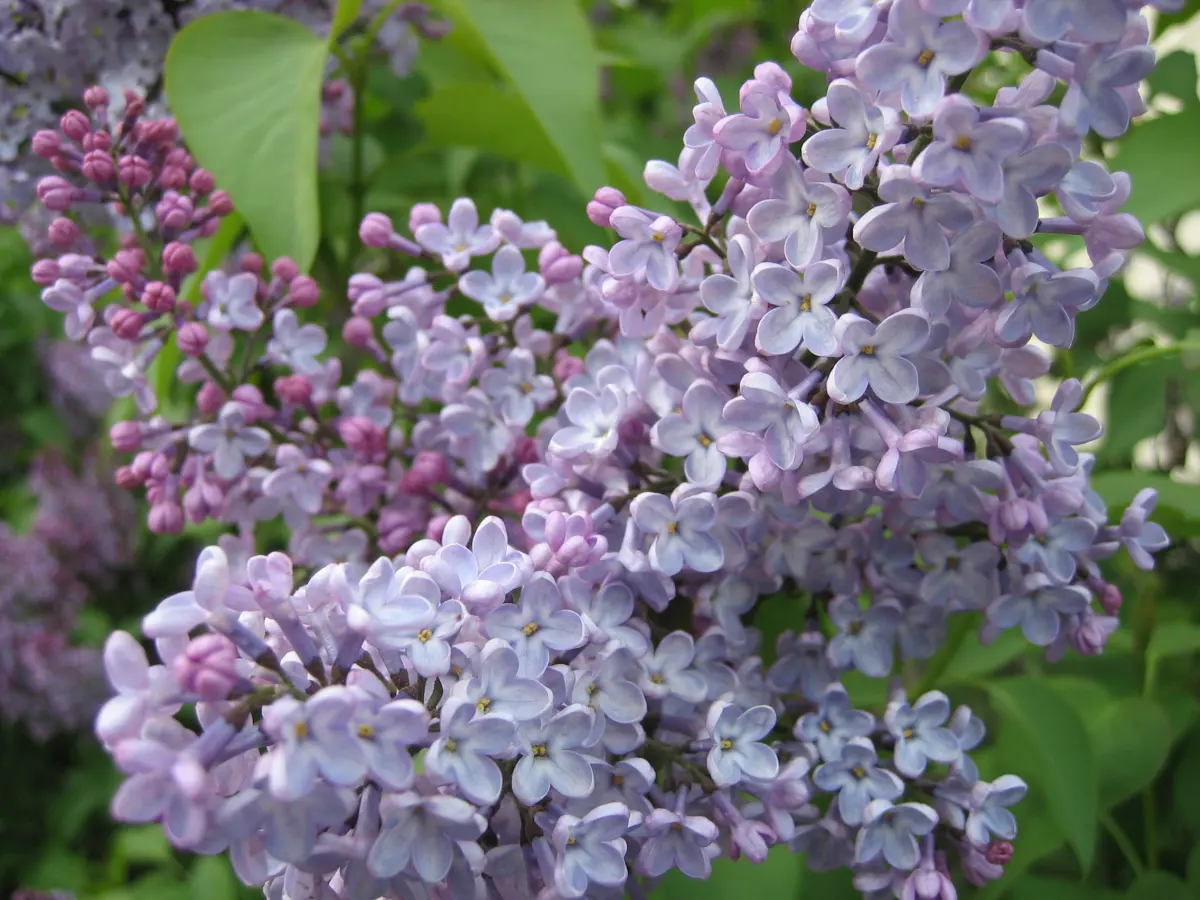
Lilac is created by mixing blue and red to form a cool-toned purple, which is then lightened significantly by adding white…

Black is not a color in the scientific sense of light, but it is considered a color in the context of art and pigment. In…
Black in art signifies a spectrum of meanings, ranging from elegance, authority, and mystery to mourning, void, and rebellion…
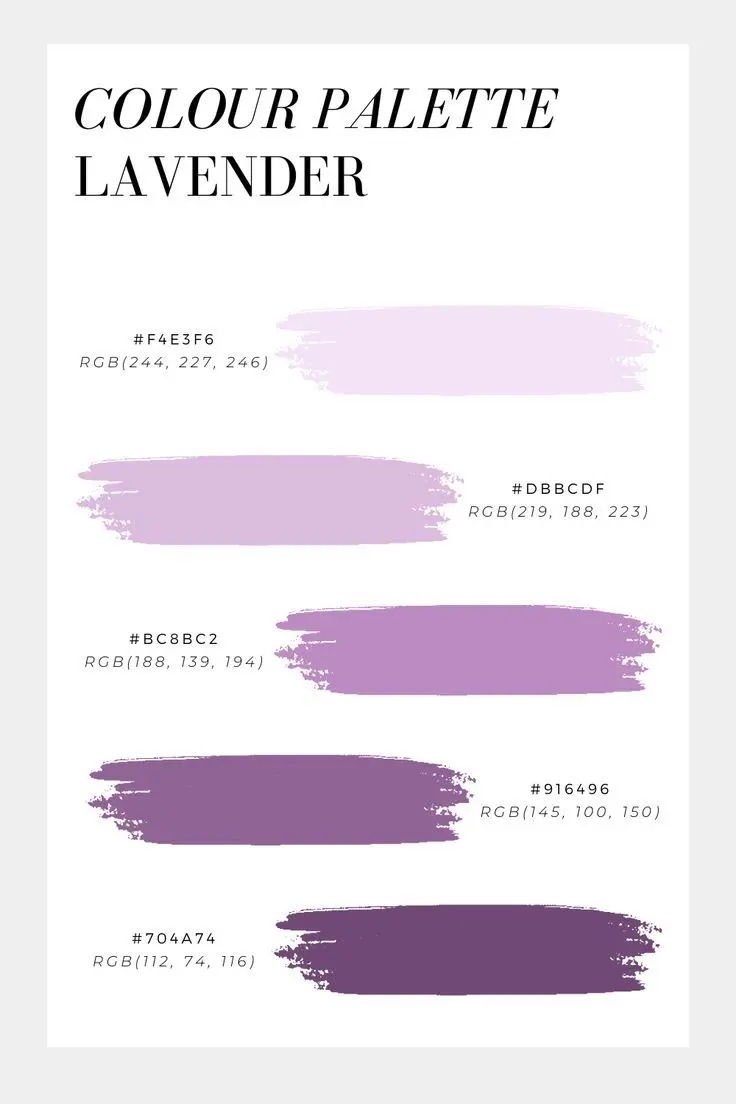
Lavender pairs best with soft neutrals like cream, white, and gray, or sophisticated metallics such as silver and gold. For a…
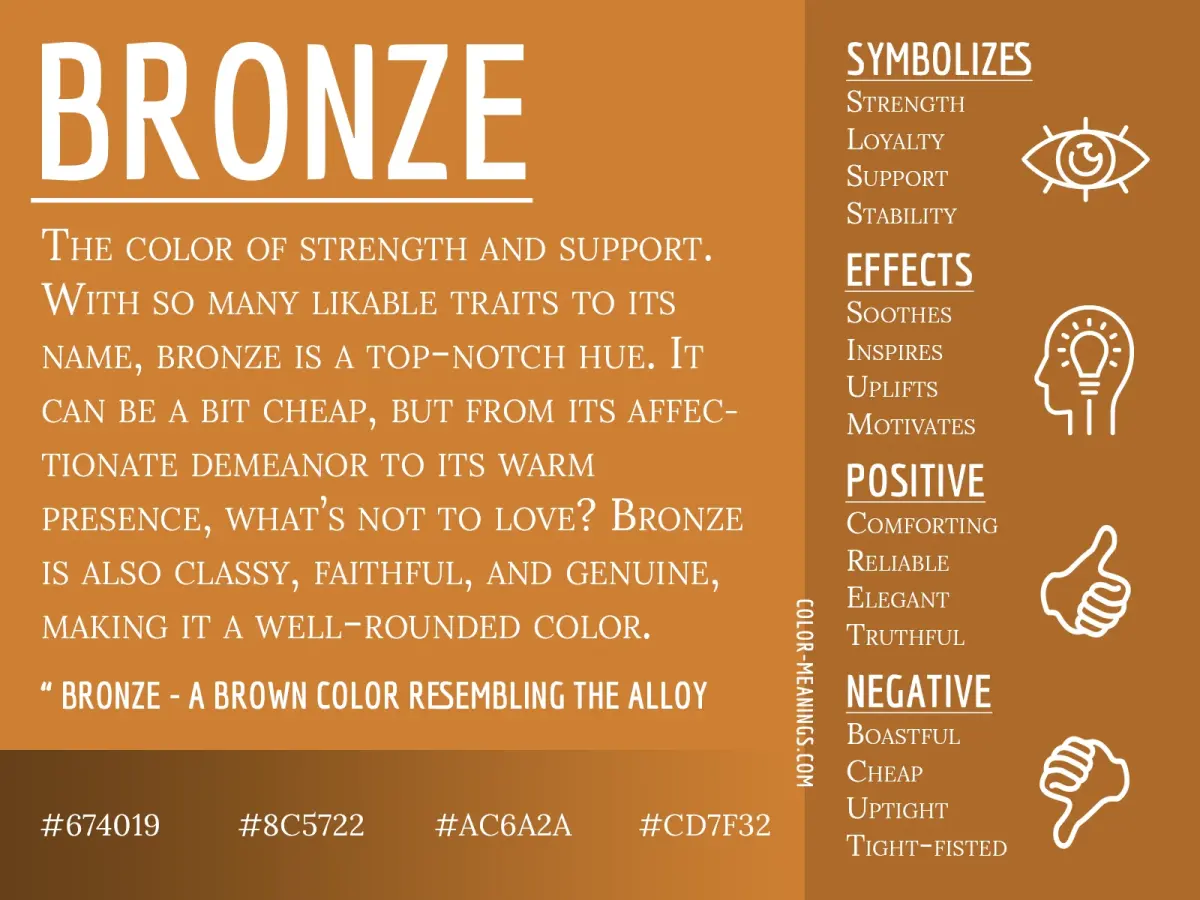
Bronze is an alloy primarily composed of copper and tin. While copper provides the base reddish-brown hue, the addition of tin…
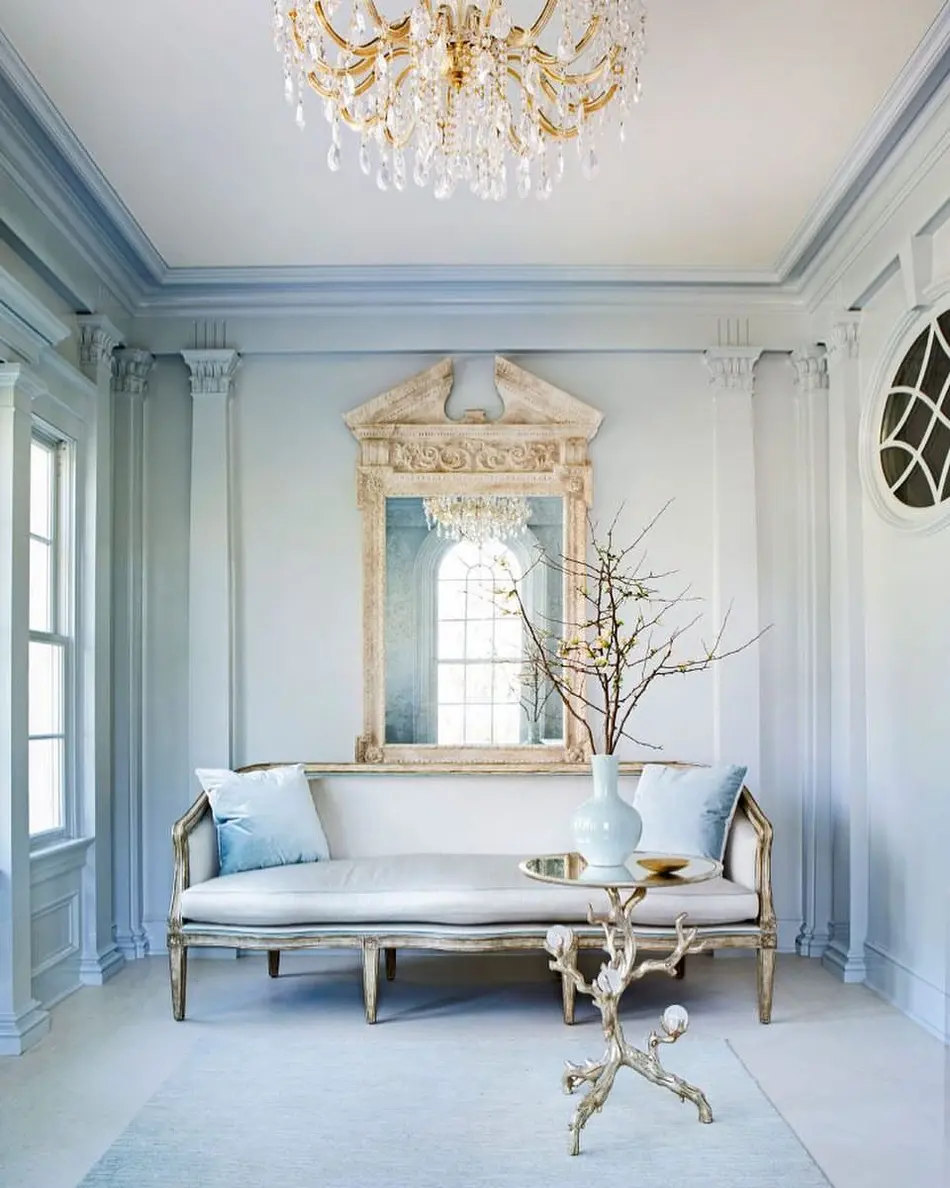
Baby blue is created by mixing a primary blue pigment with a significant amount of white. To achieve the specific pastel hue…
Olive green is a versatile, earthy neutral that pairs beautifully with warm earth tones, crisp neutrals, and bold jewel tones…
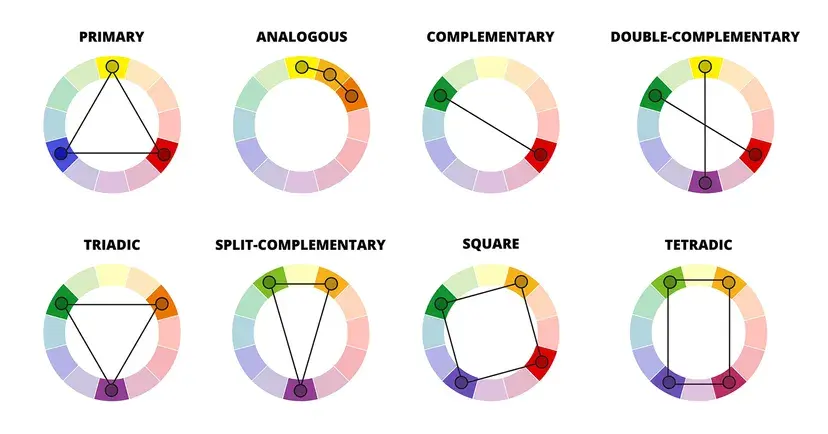
Analogous colors are groups of three to four hues located side-by-side on the traditional 12-part color wheel. By sharing a…
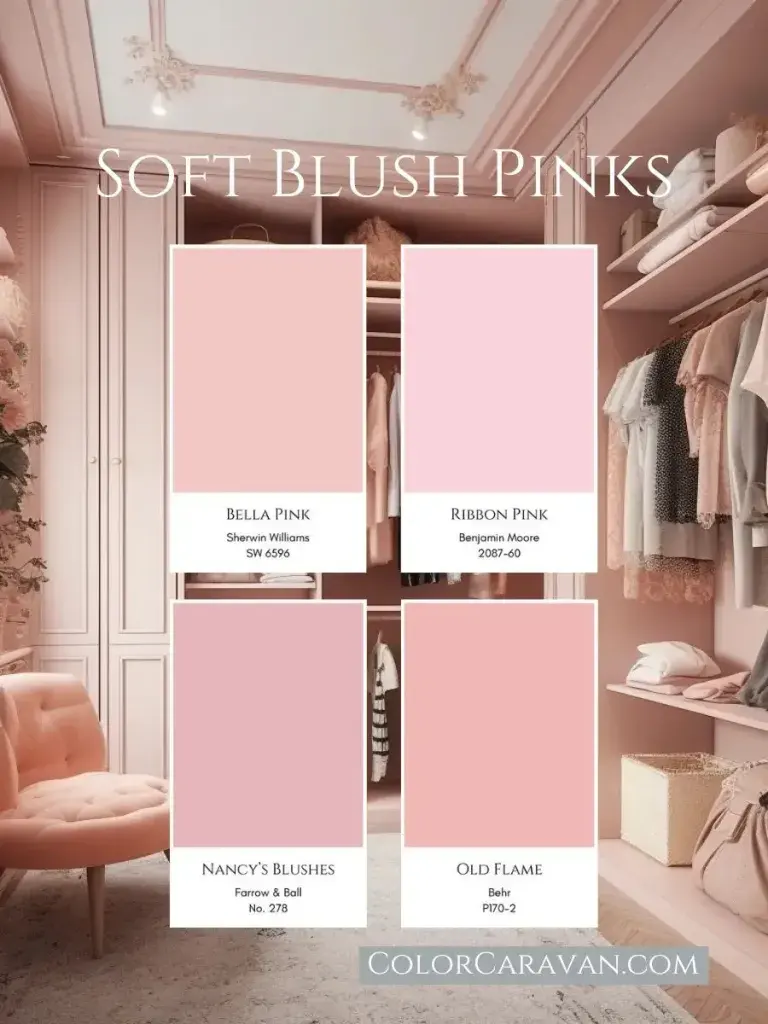
Blush pink is created by mixing a primary red pigment with a significant amount of white to achieve a pale, desaturated tone. To…
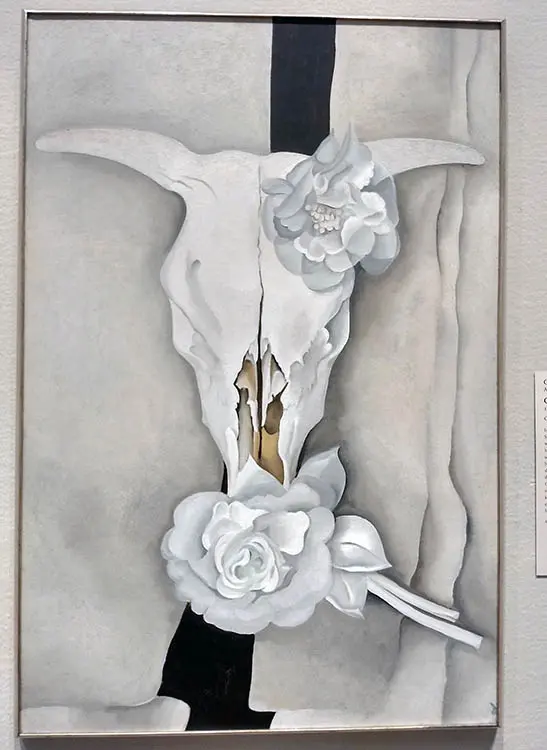
White in art signifies purity, emptiness, light, and infinite potential. It serves as a foundational element for highlighting…
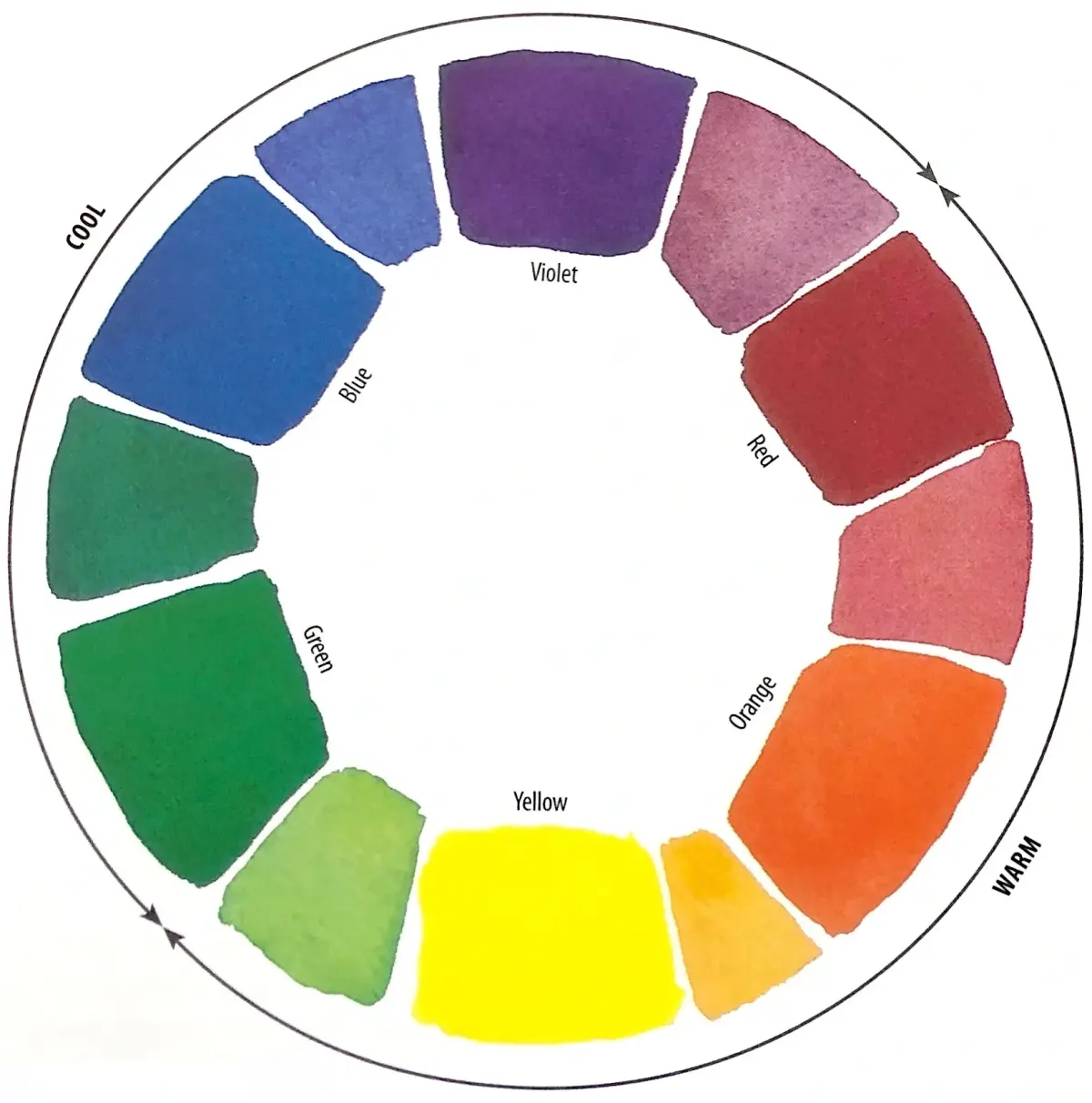
The complementary color of green is red. In traditional color theory, based on the RYB color model, red sits directly opposite…
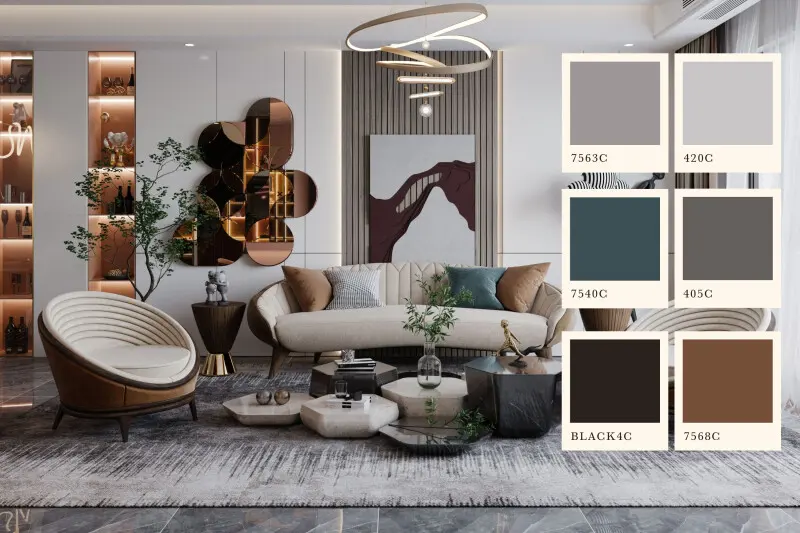
A color palette is a curated selection of colors used in a design project to create visual harmony, establish brand identity…
Teal is created by mixing blue and green, typically with a small amount of white to adjust the brightness and saturation. It is…