How are crayons made?
Short answer
Crayons are manufactured by melting paraffin wax, mixing it with precise color pigments, and pouring the liquid into specialized molds. After the wax cools and solidifies, the crayons are ejected, inspected for quality, and labeled. This efficient process transforms raw industrial ingredients into the familiar wax sticks used for drawing and coloring.
On this page
How are crayons made in factories?
The manufacturing process begins with the delivery of high-quality paraffin wax in large, solid slabs. This wax is heated in massive industrial vats until it reaches a liquid state, typically around 150 degrees Fahrenheit. Once the wax is fully melted, workers add specific color pigments to create the desired hue. The mixture is stirred continuously to ensure the color is perfectly uniform throughout the batch.
After the coloring stage, the molten wax is pumped into a cooling mold machine. These machines contain hundreds of precision-engineered slots shaped like the final crayon. Cold water circulates through the mold housing to rapidly lower the temperature of the wax. Once the wax has hardened into solid sticks, a mechanical ram pushes them out of the molds. The entire process relies on strict temperature control to prevent air bubbles or structural weaknesses in the final product.
What ingredients are used in crayons?
The primary component of a standard crayon is paraffin wax, which provides the necessary structure and melting point. To ensure the wax is durable and adheres well to paper, manufacturers often blend it with stearic acid, a fatty acid derived from animal or vegetable fats. This additive helps the crayon maintain its shape during use and prevents it from crumbling under pressure.
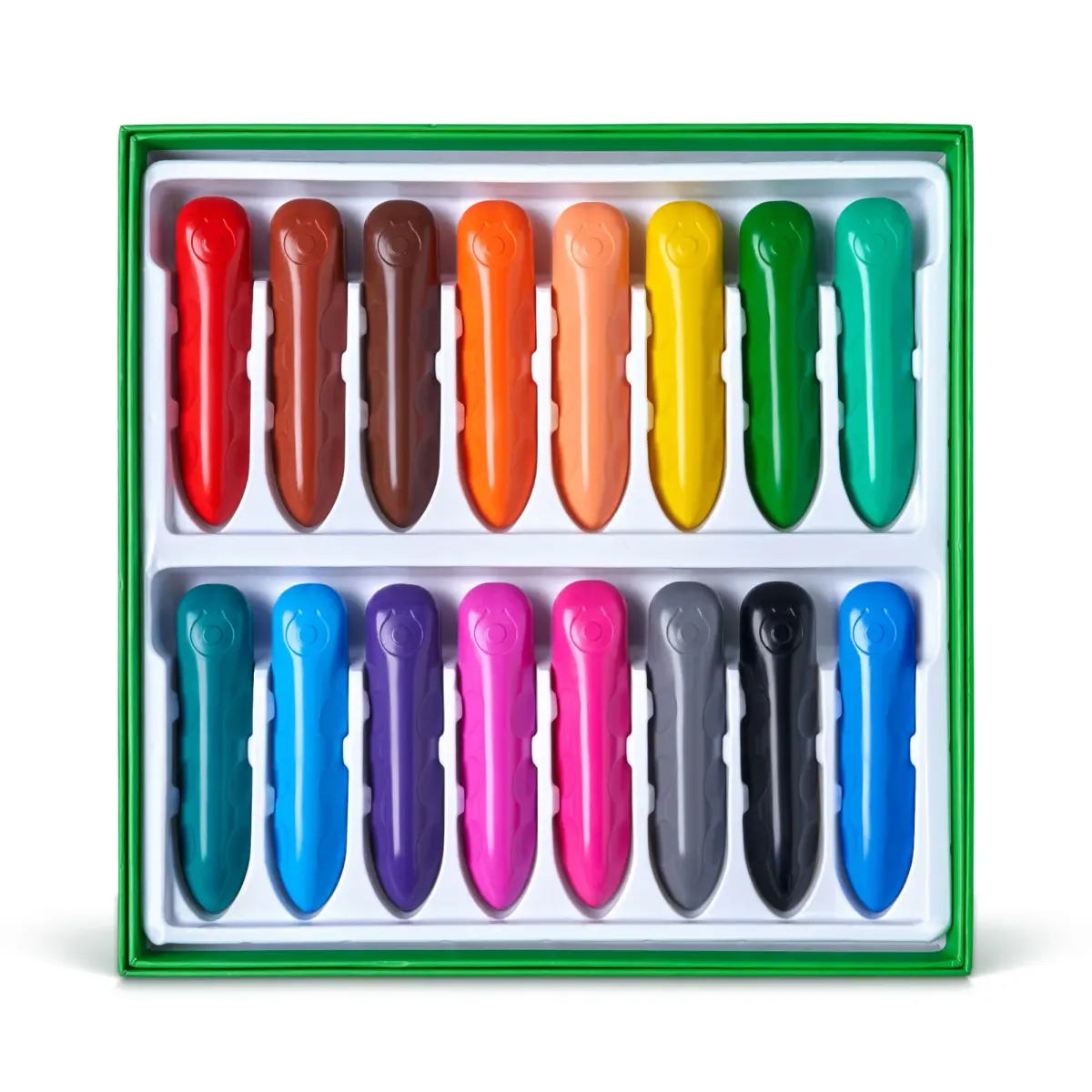
The vibrant colors are achieved through the use of organic and inorganic pigments. These pigments are finely ground powders that are dispersed into the wax base. For specialized crayons, such as those that are washable or extra-soft, manufacturers may add surfactants or specialized oils to modify the texture. The specific chemical recipe for each color is kept proprietary to maintain consistency across millions of units produced annually.
- Paraffin wax: The base material that provides the body of the crayon.
- Stearic acid: A hardening agent that increases the durability of the stick.
- Pigments: Fine powders that provide the specific color saturation.
- Additives: Optional ingredients like oils or surfactants to improve glide and washability.
How long does it take to make a crayon?
From the moment the wax is melted to the final packaging stage, the production cycle is remarkably fast. A single batch of wax can be processed into thousands of crayons in just a few hours. The cooling phase is the most time-consuming part of the cycle, usually requiring about five to ten minutes for the wax to solidify completely within the molds.
Once the crayons are ejected from the cooling machine, they move along a conveyor belt for inspection. Automated systems check for broken tips or uneven labeling, while human workers perform spot checks to ensure color accuracy. The entire journey from raw wax slab to a finished, boxed set of crayons often takes less than one full working day in a modern, automated facility.
Common mistakes when making homemade crayons
Many hobbyists attempt to create crayons at home by melting down broken pieces of store-bought crayons. A common mistake is overheating the wax, which can cause the pigments to separate or the wax to become brittle. If the wax reaches its smoke point, it can also pose a significant fire hazard in a home kitchen. Always use a double boiler setup to ensure the wax melts slowly and evenly.
Another frequent error is using improper molds that cannot withstand the heat of the wax. Plastic molds that are not heat-resistant will warp, leading to misshapen crayons that are difficult to use. Additionally, failing to stir the mixture thoroughly during the cooling process can result in "streaky" crayons where the pigment settles at the bottom.
- Use a double boiler to prevent direct heat contact with the wax.
- Choose silicone molds that are specifically rated for high-temperature crafting.
- Stir the mixture gently to avoid introducing air bubbles into the liquid.
- Allow the crayons to cool completely at room temperature before attempting to remove them.
Why do crayons break or melt easily?
Crayons are designed to have a relatively low melting point so that they can transfer pigment onto paper with minimal pressure. Because they are primarily composed of paraffin wax, they are susceptible to environmental heat. If left in a hot car or direct sunlight, the molecular structure of the wax softens, causing the crayon to lose its shape or melt entirely.
Breakage often occurs due to the brittleness of the wax when it is cold or if the internal structure contains microscopic air pockets. While manufacturers strive to remove these bubbles, minor inconsistencies can occur during high-speed production. To extend the life of your crayons, store them in a cool, dry place away from direct heat sources. If a crayon does break, it can often be repaired by gently heating the two broken ends and pressing them firmly together until they fuse.
Key facts
- Crayons are primarily composed of paraffin wax, a byproduct of the petroleum refining process.
- The iconic scent of a crayon comes from the specific chemical composition of the paraffin wax used in production.
- Pigment is added to the melted wax in large vats to create the specific color batches.
- A standard molding machine can produce up to 12,000 crayons in a single cycle.
- Stearic acid is often added to the wax mixture to increase the melting point and ensure the crayon remains firm in warm hands.
- To prevent breakage, avoid storing crayons in direct sunlight or near heat sources, as wax softens at relatively low temperatures.
The bottom line
The manufacturing of crayons is a precise industrial process that transforms paraffin wax and pigments into the familiar tools used for artistic expression. By understanding that these tools are heat-sensitive, users can better maintain their integrity. Whether you are creating art or repurposing broken stubs, crayons remain a reliable and safe medium when handled with basic care and stored in appropriate, temperature-controlled environments.
People also ask
Are crayons toxic if accidentally ingested?
Most modern crayons are non-toxic and are tested to meet safety standards for children. However, they are not intended for consumption and can pose a choking hazard or cause mild digestive upset.
Why do crayons sometimes develop a white film?
This phenomenon is called wax bloom, which occurs when the temperature changes rapidly. It is a natural reaction of the wax components and does not affect the quality or performance of the crayon.
How can I remove crayon marks from walls?
You can often remove crayon marks by gently scrubbing the area with a damp cloth dipped in baking soda or using a specialized melamine foam eraser. Avoid using harsh chemical solvents that might damage the paint or wallpaper.
Can you melt down broken crayons to make new ones?
Yes, you can melt down old crayon stubs in a double boiler or silicone mold in a low-temperature oven. Ensure you peel off all paper wrappers first and use adult supervision when handling hot wax.
What is the difference between wax crayons and oil pastels?
Wax crayons use paraffin wax as a binder, while oil pastels use a mixture of oil and wax. This makes oil pastels much softer, creamier, and easier to blend on paper compared to the firmer, waxy texture of crayons.
How long do crayons typically last?
If stored in a cool, dry place away from direct sunlight, crayons can last for many years. They do not have a formal expiration date, though the paper wrappers may eventually deteriorate or peel over time.
This answer was created with the help of AI research tools and reference sources. Spotted an error? Let us know — we correct mistakes quickly. See our editorial policy.