Who invented the credit card?
Short answer
There is no single inventor of the credit card. The concept evolved from 19th-century "metal money" and department store charge plates. Frank McNamara is widely credited with creating the first multipurpose credit card, the Diners Club card, in 1950, which transformed consumer finance by allowing payments across various merchant locations.
On this page
Who invented the first credit card?
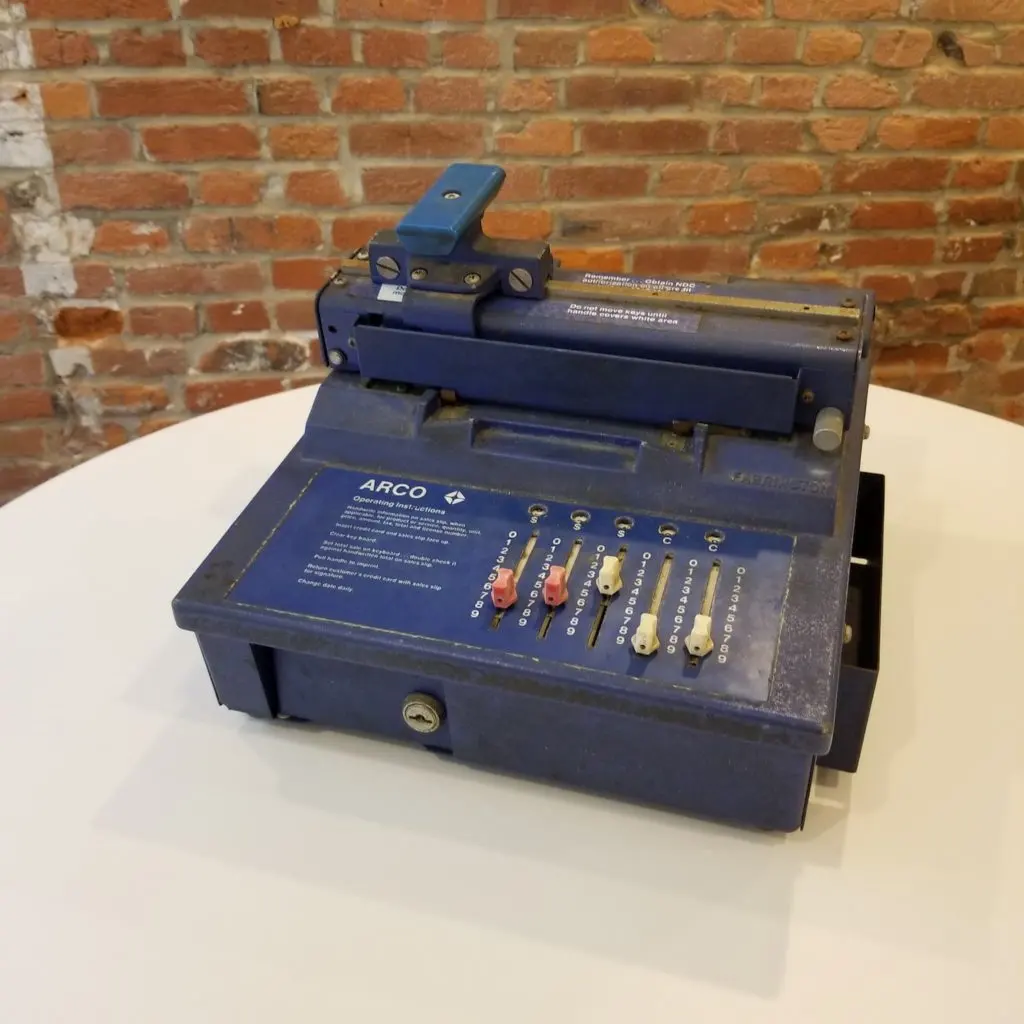
The credit card as we recognize it today was not the result of one specific invention, but rather a series of financial innovations. In the late 1800s, businesses began issuing charge coins and plates to loyal customers, allowing them to track debts manually. These early systems were restricted to a single store or a small group of local merchants.
The true breakthrough occurred in 1950 when Frank McNamara, a businessman, reportedly forgot his wallet while dining at a New York restaurant. To solve the embarrassment of being unable to pay, he and his partner Ralph Schneider launched the Diners Club card. This was the first multipurpose charge card, intended specifically for restaurant bills. Unlike store-specific plates, it allowed cardholders to settle accounts at multiple establishments, with the company paying the restaurant and then billing the customer.
How did credit cards evolve into the modern system?
Following the success of the Diners Club, the banking industry recognized the potential for a broader consumer credit instrument. In 1958, Bank of America launched the BankAmericard, which was the first successful revolving credit card. This allowed users to carry a balance from month to month rather than paying the full amount immediately, provided they paid interest.
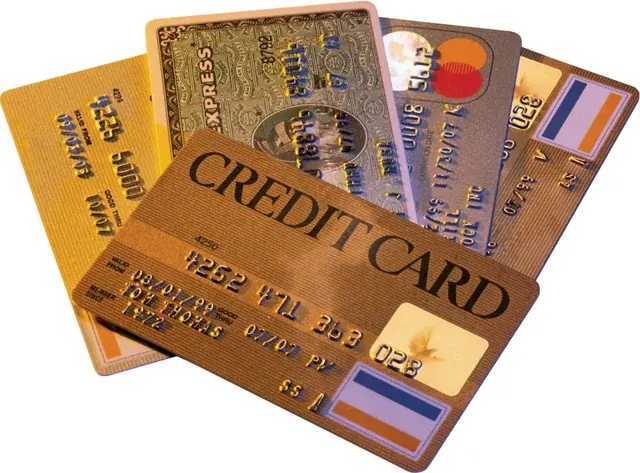
This period marked the transition from "charge cards" to "credit cards." The BankAmericard eventually evolved into Visa, while a competing group of banks formed the Interbank Card Association, which later became Mastercard. These systems standardized the process of electronic authorization and merchant settlement. The introduction of the magnetic stripe in the 1970s further accelerated this evolution, allowing for faster processing and reduced fraud.
- Implementation of the magnetic stripe allowed for automated data reading.
- The rise of computerized networks enabled global transaction verification.
- The shift to EMV chip technology in the 2010s improved security against counterfeiting.
What are the main types of credit cards today?
Modern credit cards are categorized by their rewards structures and the terms of repayment. Understanding these categories is essential for choosing a card that fits your financial habits. Most cards fall into one of the following categories:
- Rewards cards: These offer points, miles, or cash back on every dollar spent.
- Balance transfer cards: Designed to help consumers consolidate high-interest debt onto a card with a lower introductory rate.
- Secured cards: These require a cash deposit as collateral, making them ideal for individuals building or rebuilding their credit history.
- Premium cards: These often carry high annual fees but provide luxury benefits like airport lounge access and concierge services.
Choosing the right card requires analyzing your monthly spending patterns. If you pay your balance in full every month, a rewards card is often the most beneficial choice. If you anticipate carrying a balance, prioritize a card with a lower interest rate rather than one that offers points.
How to use credit cards responsibly
Using a credit card effectively requires discipline to avoid the common trap of high-interest debt. The most important rule is to treat your credit card like a debit card, spending only what you have in your bank account. By paying your statement balance in full every month, you avoid interest charges entirely.
To maintain a healthy financial profile, follow these steps:
- Set up automatic payments for at least the minimum amount due to avoid late fees.
- Monitor your credit utilization ratio, which is the percentage of your total credit limit that you are currently using.
- Review your monthly statements for unauthorized charges or billing errors.
- Keep your oldest credit account open to maintain a longer average credit history length.
Consistently following these steps helps build a positive credit score, which is vital for securing lower interest rates on future loans, such as mortgages or auto financing.
Common mistakes when using credit cards
Many consumers fall into financial distress by misunderstanding how credit card terms work. One of the most frequent errors is paying only the minimum balance required. While this keeps the account in good standing, it causes interest to compound rapidly on the remaining balance, often leading to years of debt.
Another common mistake is applying for too many cards in a short period. Each application triggers a "hard inquiry" on your credit report, which can temporarily lower your score. Furthermore, failing to read the fine print regarding "teaser" interest rates can lead to surprises when the introductory period expires. Always verify the standard APR, the annual fee, and any foreign transaction fees before signing up for a new card. By remaining vigilant and paying your balances promptly, you can leverage the convenience and security of credit cards without falling into the cycle of expensive debt.
Key facts
- Frank McNamara launched the first multipurpose charge card, the Diners Club card, in 1950.
- The concept originated when McNamara reportedly forgot his wallet while dining at a New York City restaurant.
- Early cards were made of cardboard or paper before transitioning to plastic in the late 1950s.
- Bank of America introduced the BankAmericard, the first revolving credit card, in 1958.
- BankAmericard was later rebranded as Visa in 1976 to reflect its global expansion.
- Always pay your full balance monthly to avoid high-interest charges that compound quickly.
The bottom line
The credit card evolved from a simple dining convenience into a complex global financial tool. While Frank McNamara’s 1950 Diners Club card pioneered the concept, the industry shifted toward revolving credit through Bank of America’s innovations. Today, credit cards serve as essential instruments for building financial history and managing cash flow, provided users practice disciplined repayment habits to avoid the pitfalls of high-interest debt accumulation.
People also ask
What is the difference between a credit card and a charge card?
A charge card requires you to pay the full balance in full every month, whereas a credit card allows you to carry a balance over time. Credit cards charge interest on unpaid balances, while charge cards typically do not.
Who created the magnetic stripe on credit cards?
IBM engineer Forrest Parry invented the magnetic stripe in 1960 by attaching a piece of magnetic tape to a plastic card. This innovation allowed for the automated processing of transactions rather than manual imprinting.
When were EMV chips introduced?
EMV chip technology was developed in the 1990s to reduce fraud by creating a unique code for every transaction. It became the global standard for card security, replacing the less secure magnetic stripe method.
What is the primary purpose of a credit score?
A credit score is a numerical representation of your reliability as a borrower based on your history. Lenders use this score to determine your interest rates and eligibility for loans or new credit cards.
Can minors get their own credit cards?
Generally, you must be 18 years old to open a credit card account in your own name. Minors can often be added as authorized users on a parent's account to help build their credit history early.
What should I do if my credit card is lost or stolen?
Contact your card issuer immediately to report the card as lost or stolen so they can freeze the account. Most issuers provide 24/7 fraud protection, ensuring you are not held liable for unauthorized charges.
This answer was created with the help of AI research tools and reference sources. Spotted an error? Let us know — we correct mistakes quickly. See our editorial policy.