What is Paul Cézanne's most famous painting?
Short answer
Paul Cézanne’s most famous painting is widely considered to be The Card Players, a series of five oil paintings created between 1890 and 1895. These works depict Provençal peasants playing cards in a quiet, meditative atmosphere. The version held by the Barnes Foundation in Philadelphia is particularly celebrated for its intricate composition.
On this page
What makes The Card Players so famous?
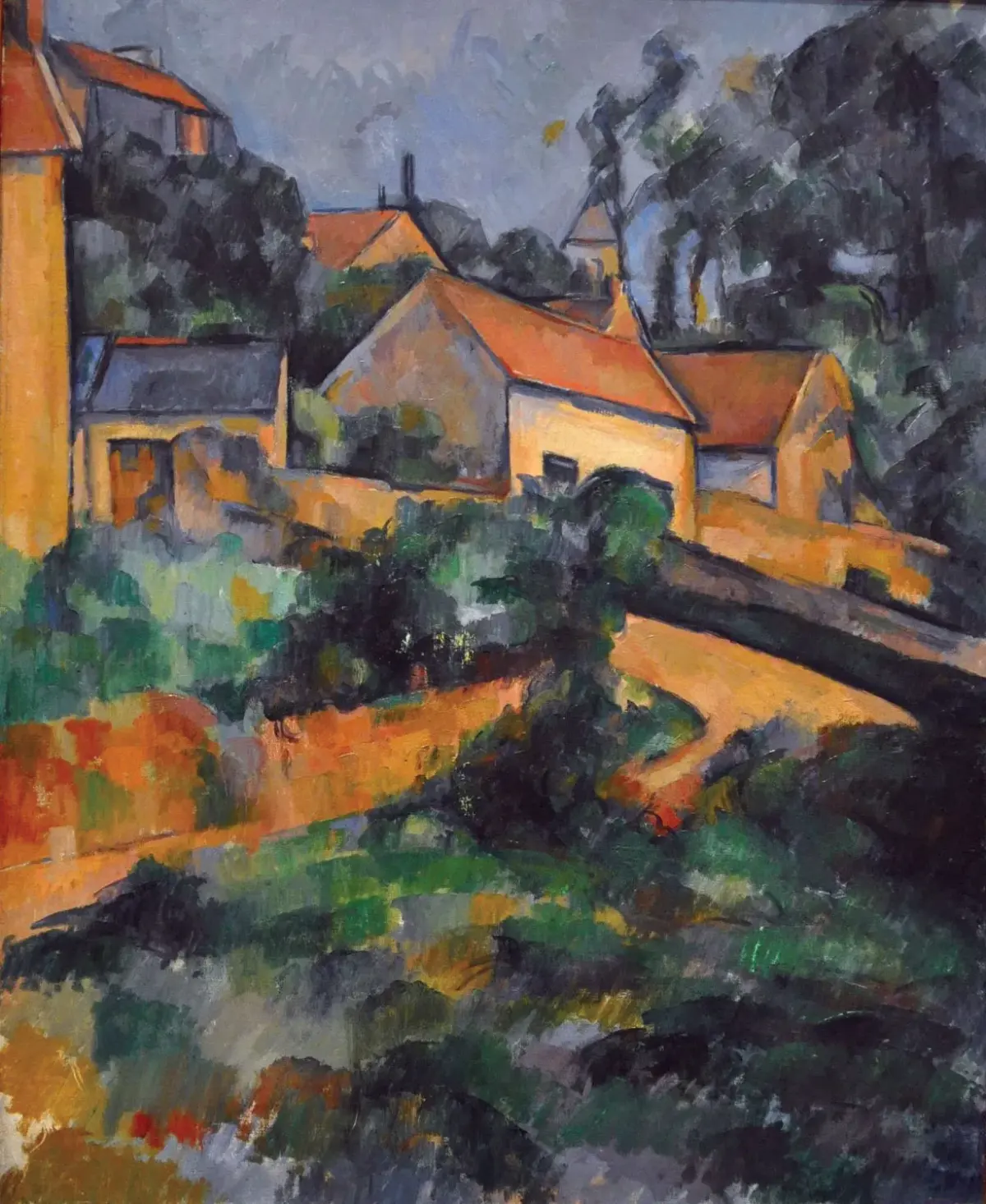
The Card Players represents the pinnacle of Cézanne’s mature style, where he moved away from the fleeting impressions of his contemporaries toward a more structural approach to painting. By reducing human figures to geometric forms—cylinders, spheres, and cones—Cézanne laid the essential groundwork for the development of Cubism. His ability to balance color and volume in these scenes transformed how artists viewed the relationship between the subject and the canvas.
The series is also famous for its sheer market value and historical significance. One version of the painting famously sold for over $250 million in 2011, making it one of the most expensive works ever purchased. Beyond the price tag, the paintings are studied for their psychological depth. The subjects are not engaged in dramatic action but are instead frozen in a moment of intense, silent concentration. This stillness creates a timeless quality that continues to captivate modern viewers and art historians alike.
How to analyze a Cézanne painting
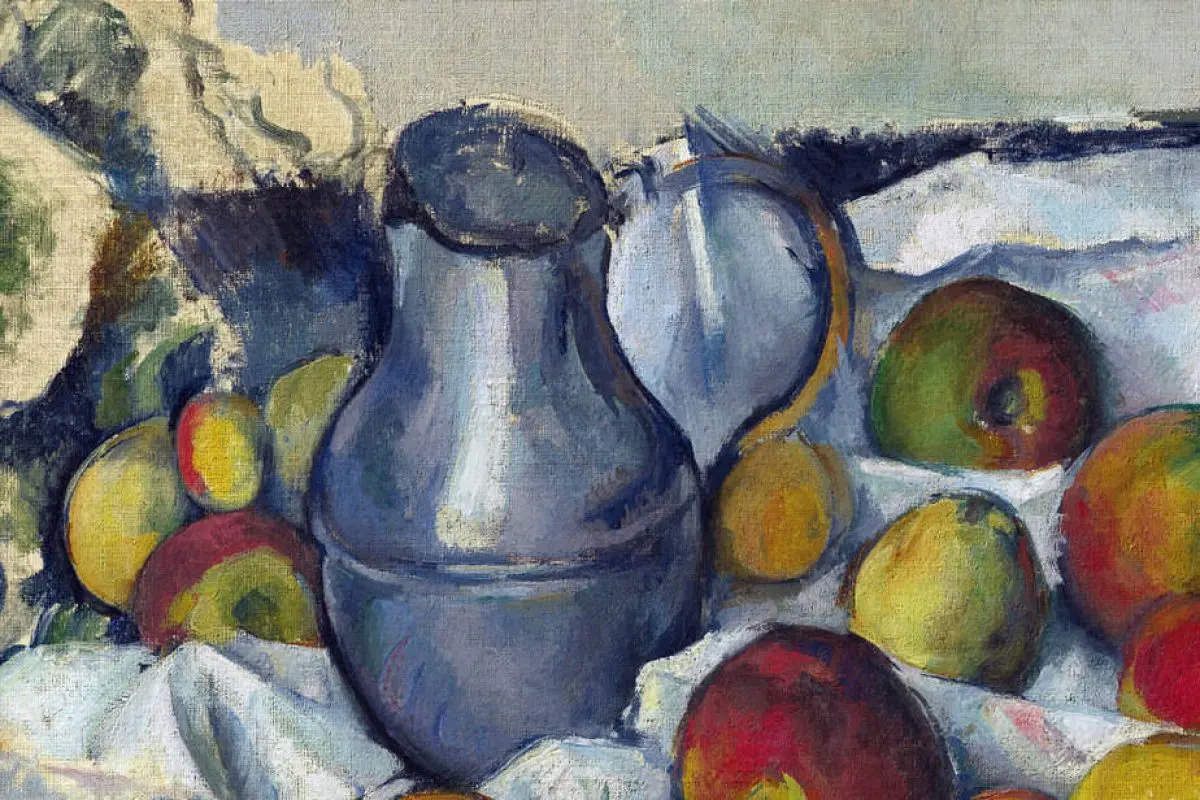
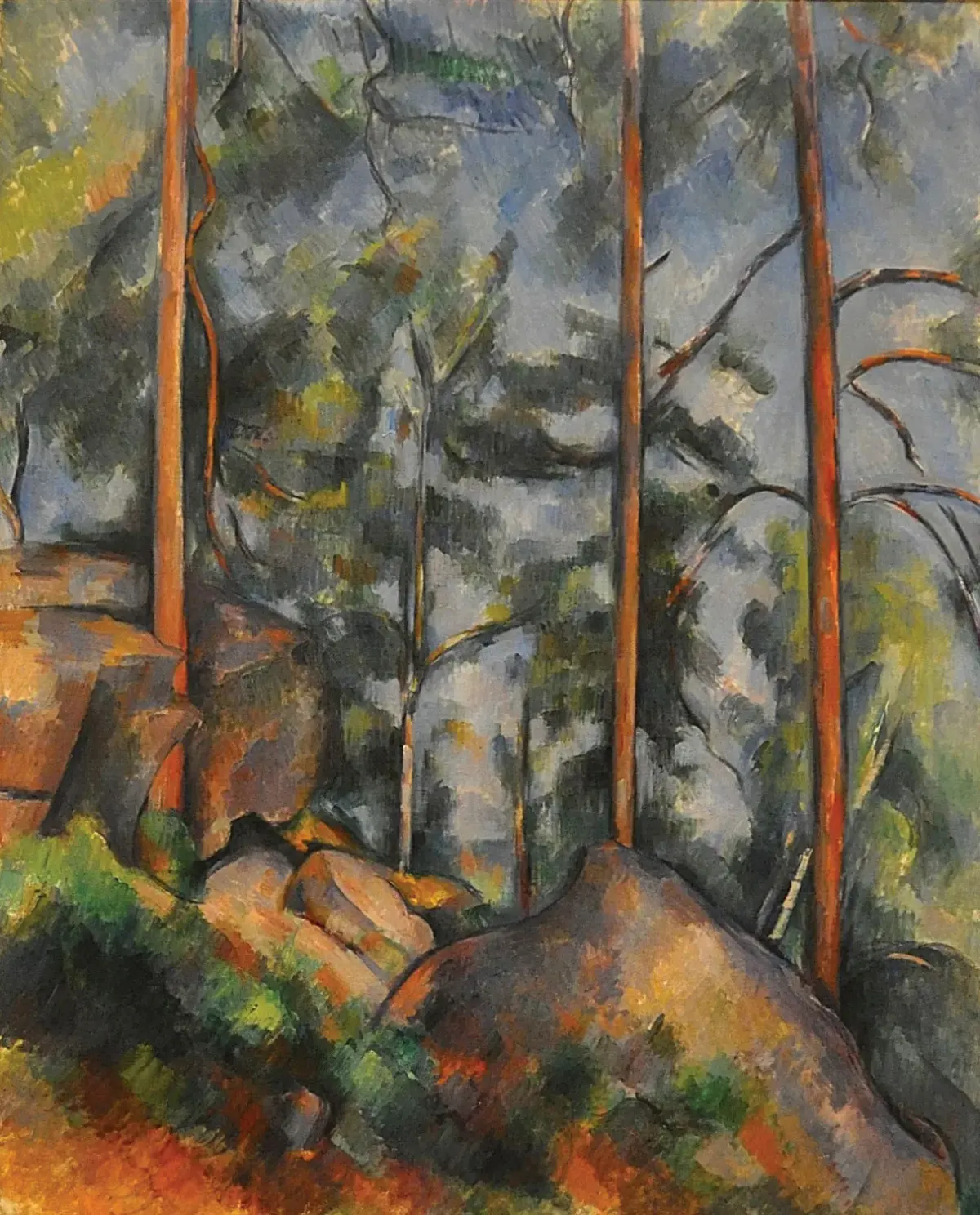
When viewing a work by Cézanne, it is helpful to look past the subject matter to see how the artist constructed the image. He did not aim for photographic realism; instead, he focused on the "realization" of nature through color patches. You can identify his technique by observing these specific elements:
- Brushstrokes: Look for short, rhythmic, parallel strokes that build up the surface of the canvas.
- Color modulation: Notice how he uses warm and cool tones to create a sense of depth rather than traditional shading.
- Perspective: Observe how the table or objects might appear tilted or slightly distorted to encompass multiple viewpoints.
By focusing on these technical choices, you can better appreciate why Cézanne is often called the "father of us all" by later masters like Pablo Picasso and Henri Matisse. He prioritized the internal logic of the painting over the external appearance of the world.
Where can you see Cézanne’s masterpieces?
While The Card Players is spread across various international institutions, you can view major collections of Cézanne’s work in several world-class museums. Because he was prolific, his paintings are housed in locations that allow for a comprehensive look at his evolution from early dark canvases to his bright, late-career landscapes.
- Musée d’Orsay, Paris: This museum holds a vast collection, including several versions of his still lifes and landscapes of Mont Sainte-Victoire.
- Barnes Foundation, Philadelphia: Home to one of the most significant versions of The Card Players and numerous other key works.
- The Metropolitan Museum of Art, New York: Features a wide array of his portraits and early experimental pieces.
- The National Gallery, London: Contains excellent examples of his late-period landscapes and portraits.
Visiting these museums allows you to see the texture of the paint and the complexity of his color layering in person. Photographs often flatten the image, failing to capture the physical presence of his deliberate, layered brushwork.
Common mistakes when studying Cézanne
Many beginners approach Cézanne expecting to find the emotional narrative common in Romantic or Baroque art. A common mistake is searching for a "story" or a specific psychological drama within his portraits. In reality, Cézanne viewed his human subjects as still-life objects, treating a person’s face with the same objective detachment as an apple or a bottle. If you look for traditional storytelling, you will likely miss the structural brilliance of the composition.
Another frequent error is assuming his distorted perspective is a technical failure. When you see a tilted tabletop or a strangely angled chair, do not assume he lacked the skill to draw correctly. Instead, recognize that he was intentionally breaking the rules of linear perspective to provide a more comprehensive, "lived-in" experience of the space. He wanted to show what the eye sees over time, rather than what a camera captures in a single, static instant.
Why Cézanne is important to modern art
Cézanne’s influence on the 20th century cannot be overstated, as he provided the bridge between Impressionism and the radical experimentation that followed. By prioritizing the autonomy of the canvas, he taught artists that a painting does not need to be a window into the world, but rather a creation in its own right. His rigorous process of analyzing form eventually led directly to the birth of abstract art.
His legacy persists because he balanced the intellectual rigor of geometry with the sensory richness of color. Whether he was painting the rugged peaks of Mont Sainte-Victoire or a simple bowl of fruit, he treated every subject with the same level of profound seriousness. This dedication to the craft of painting, rather than the mere imitation of nature, remains the standard for modern artistic practice. By studying his work, you gain a deeper understanding of how art shifted from representing reality to interpreting the fundamental structure of human perception.
Key facts
- Paul Cézanne’s most famous painting is widely considered to be The Card Players, a series of five oil paintings created between 1890 and 1895.
- The most expensive version of The Card Players was purchased by the Royal Family of Qatar in 2011 for an estimated $250 million.
- Cézanne is often called the "father of modern art" because his geometric approach to nature influenced the development of Cubism.
- When viewing his work, look for "passage," a technique where color planes overlap to create a sense of depth without traditional perspective.
- Avoid assuming his paintings are unfinished; his visible brushstrokes and unpainted canvas areas were intentional stylistic choices to emphasize structure.
- To appreciate his technique, examine how he used small, rhythmic strokes of color to build form rather than using traditional outlines.
The bottom line
Paul Cézanne’s The Card Players stands as his most iconic contribution to art history, bridging the gap between 19th-century Impressionism and 20th-century modernism. His revolutionary focus on geometric structure and color harmony fundamentally changed how artists perceive reality. By prioritizing form over photographic accuracy, Cézanne paved the way for the avant-garde movements that defined the modern era, securing his legacy as a transformative master painter.
People also ask
Why did Cézanne paint so many versions of the same subject?
Cézanne was obsessed with the structural analysis of his subjects and often returned to the same themes to refine his technique. By painting the same scene multiple times, he explored how light and color interacted with form over extended periods.
Did Cézanne belong to the Impressionist movement?
He participated in the first and third Impressionist exhibitions, but he eventually distanced himself from the group’s focus on fleeting light. He preferred to create art that felt solid and enduring, like the art found in museums.
Why is his work considered a precursor to Cubism?
Artists like Pablo Picasso and Georges Braque were inspired by his reduction of objects into basic geometric shapes. His method of viewing nature through cylinders, spheres, and cones provided the foundation for the Cubist movement.
Where can I see his paintings in person?
His works are housed in major institutions worldwide, including the Musée d'Orsay in Paris and the Metropolitan Museum of Art in New York. The five versions of The Card Players are split between private collections and museums like the Barnes Foundation and the Courtauld Gallery.
What was his relationship with the art critics of his time?
For most of his career, Cézanne was largely ignored or mocked by the Parisian art establishment. He spent much of his life working in isolation in Provence, gaining significant recognition only toward the very end of his career.
How should a beginner approach a Cézanne painting?
Instead of looking for realistic detail, focus on the overall composition and the way colors are layered to create volume. Pay attention to the tension between the flat surface of the canvas and the three-dimensional objects he depicts.
This answer was created with the help of AI research tools and reference sources. Spotted an error? Let us know — we correct mistakes quickly. See our editorial policy.