Science & Nature
Where do jellyfish live?
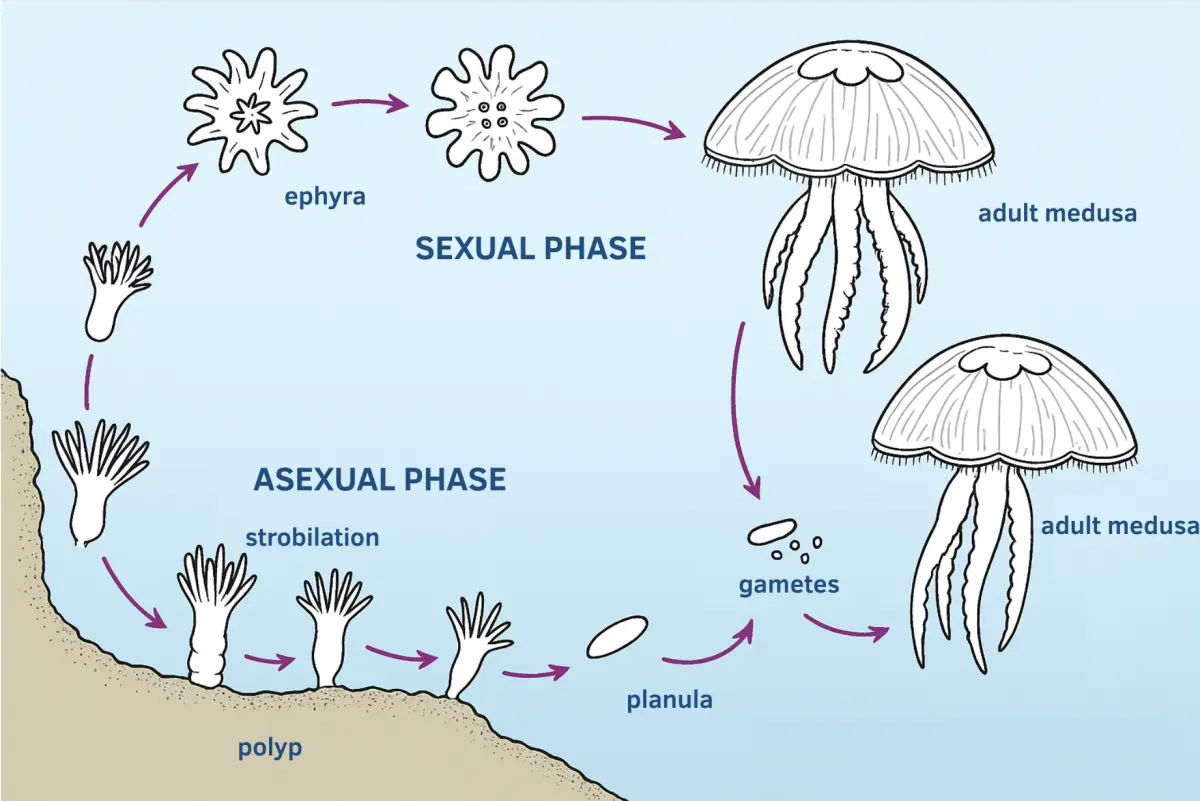
Jellyfish inhabit every ocean on Earth, ranging from the sunlit surface to the deepest, darkest trenches. While most species…
Animals, plants, the human body, space and how the natural world works.
Jellyfish inhabit every ocean on Earth, ranging from the sunlit surface to the deepest, darkest trenches. While most species…

A solar eclipse occurs when the Moon passes directly between the Sun and Earth, casting a shadow on our planet. This celestial…
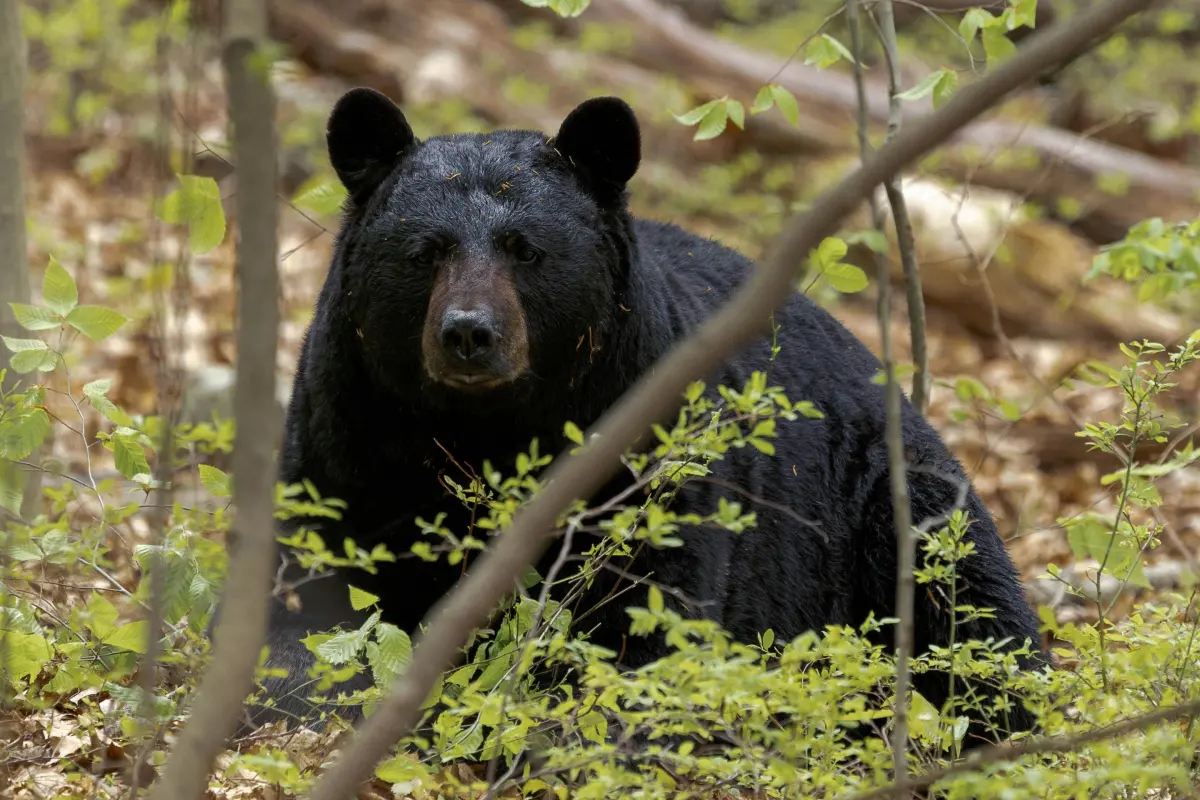
Bears typically live between 15 and 30 years in the wild, depending on their species and environmental conditions. While some…

Starting a garden requires selecting a sunny location, testing your soil, and choosing plants suited to your local climate…
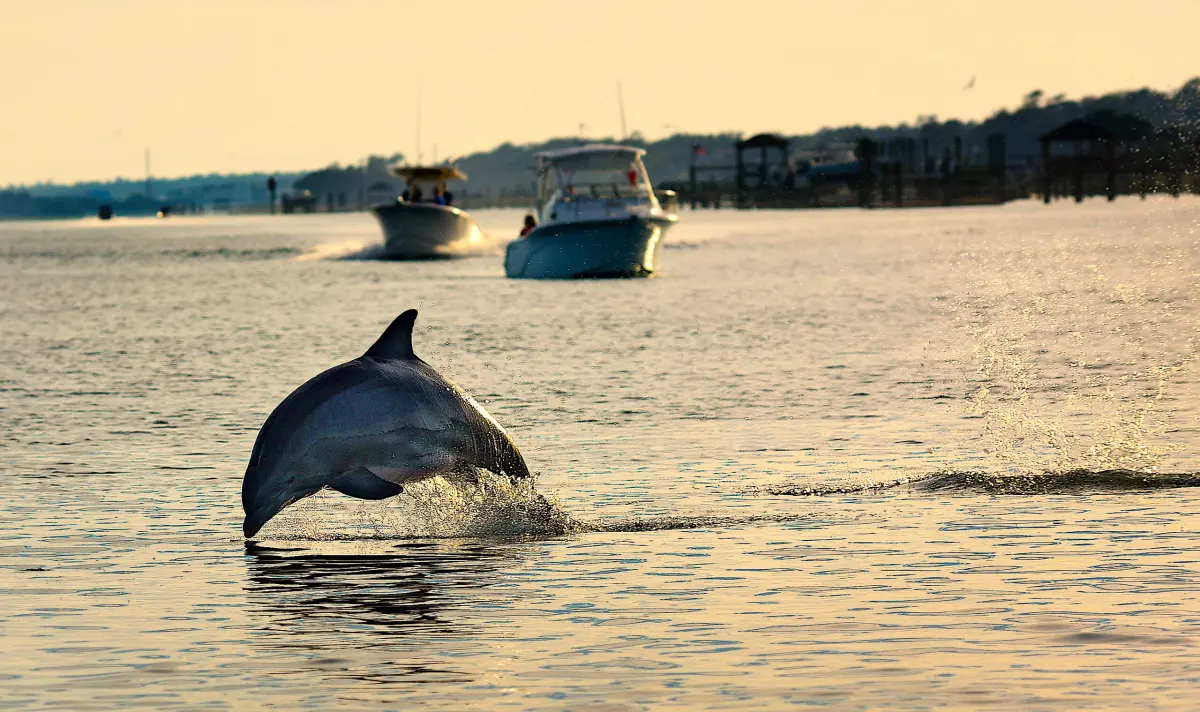
Dolphins inhabit nearly all marine environments across the globe, ranging from shallow coastal waters to the deep open ocean…

A baby dog is called a puppy. This term applies from birth until the animal reaches maturity, which typically occurs between one…
Honeybees primarily consume nectar and pollen gathered from flowering plants. Nectar provides the carbohydrates necessary for…
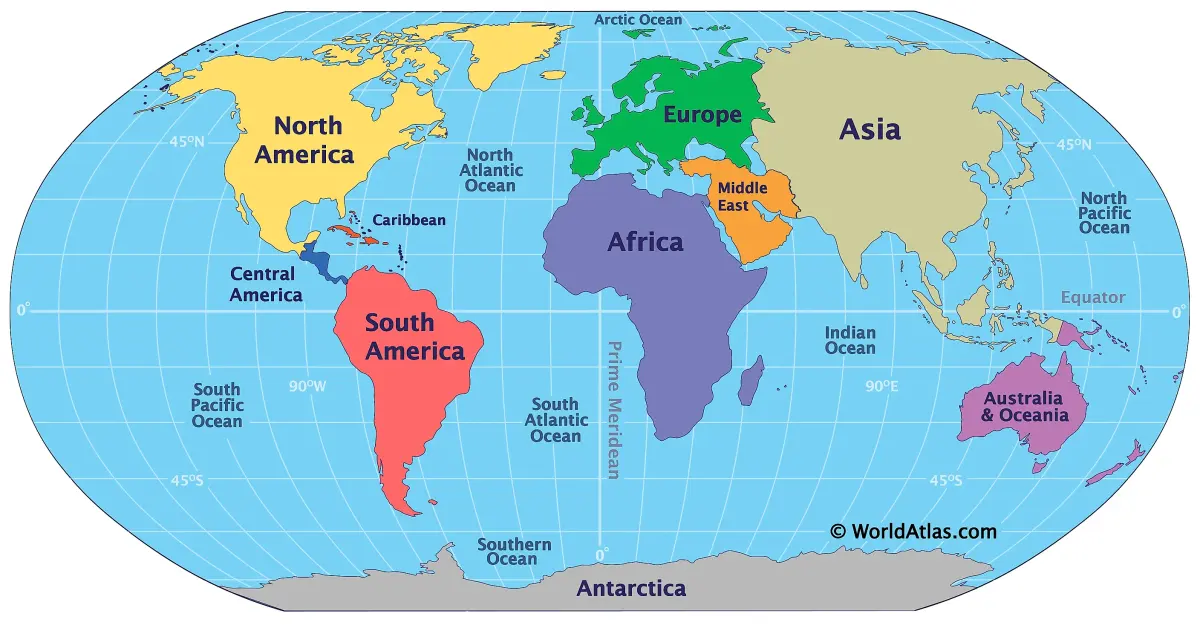
The Pacific Ocean is the largest and deepest ocean on Earth. It covers approximately 63 million square miles, accounting for…
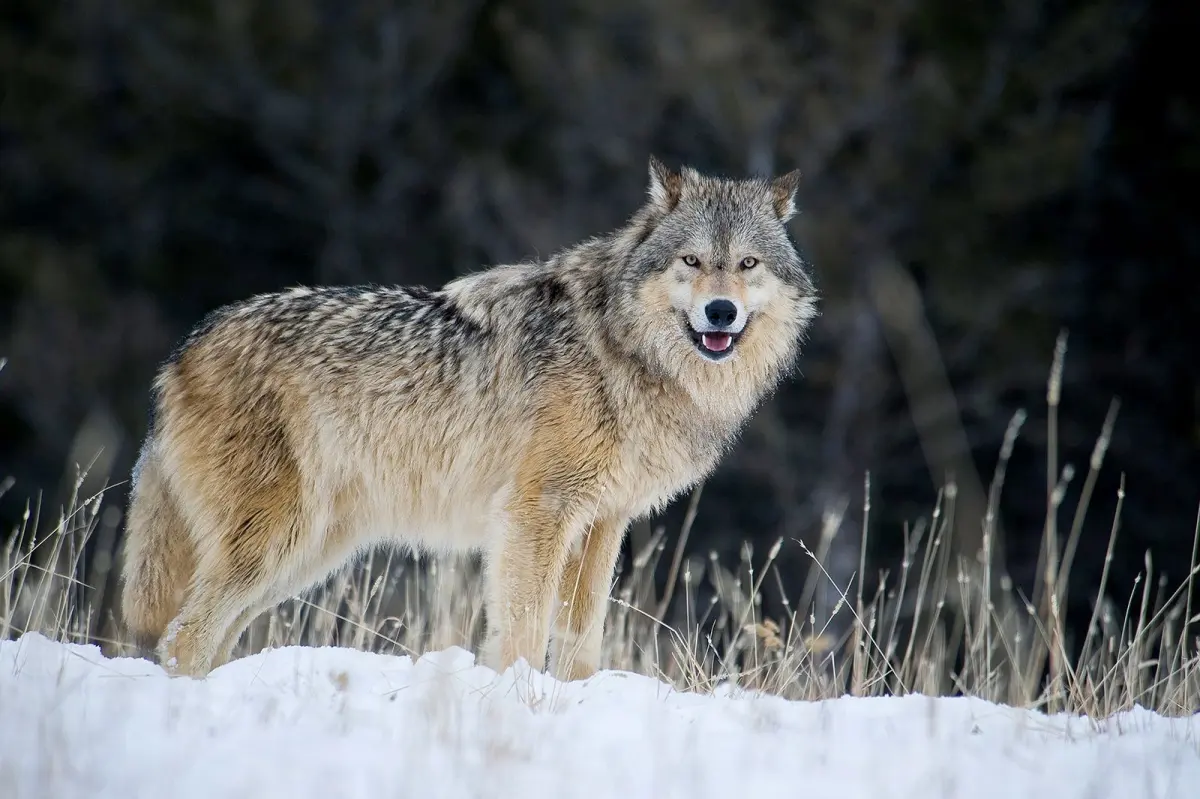
Gray wolves are not globally endangered, as their population remains stable across vast regions of North America, Europe, and…
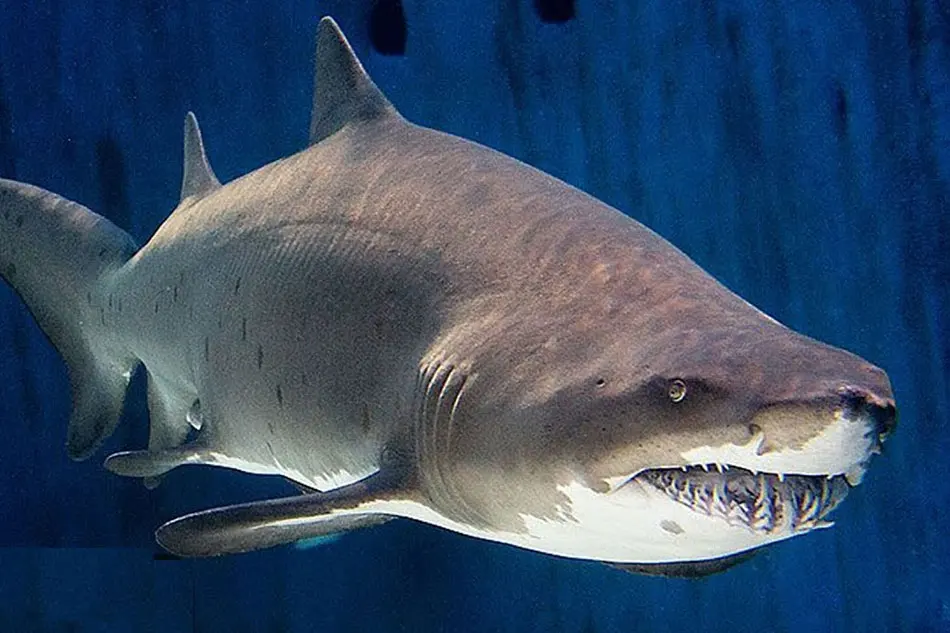
Shark lifespans vary significantly by species, ranging from roughly 20 years to several centuries. While smaller species like…
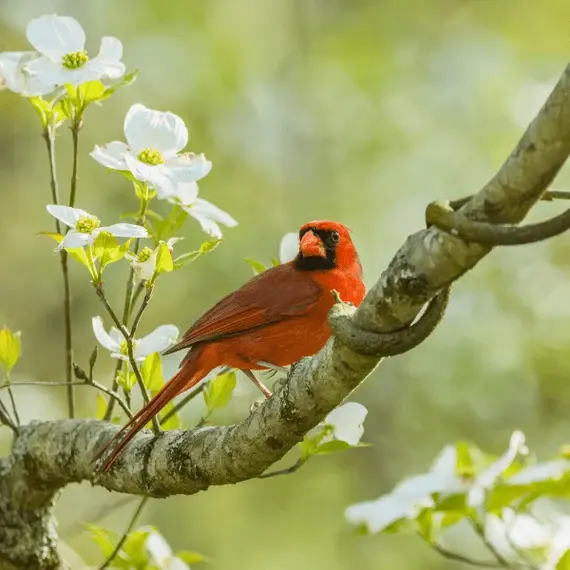
Dogwood trees are deciduous flowering trees or shrubs belonging to the genus Cornus. Known for their distinctive four-petaled…
The ocean is salty primarily because rain and rivers wash dissolved minerals from rocks into the sea. As water flows over land…
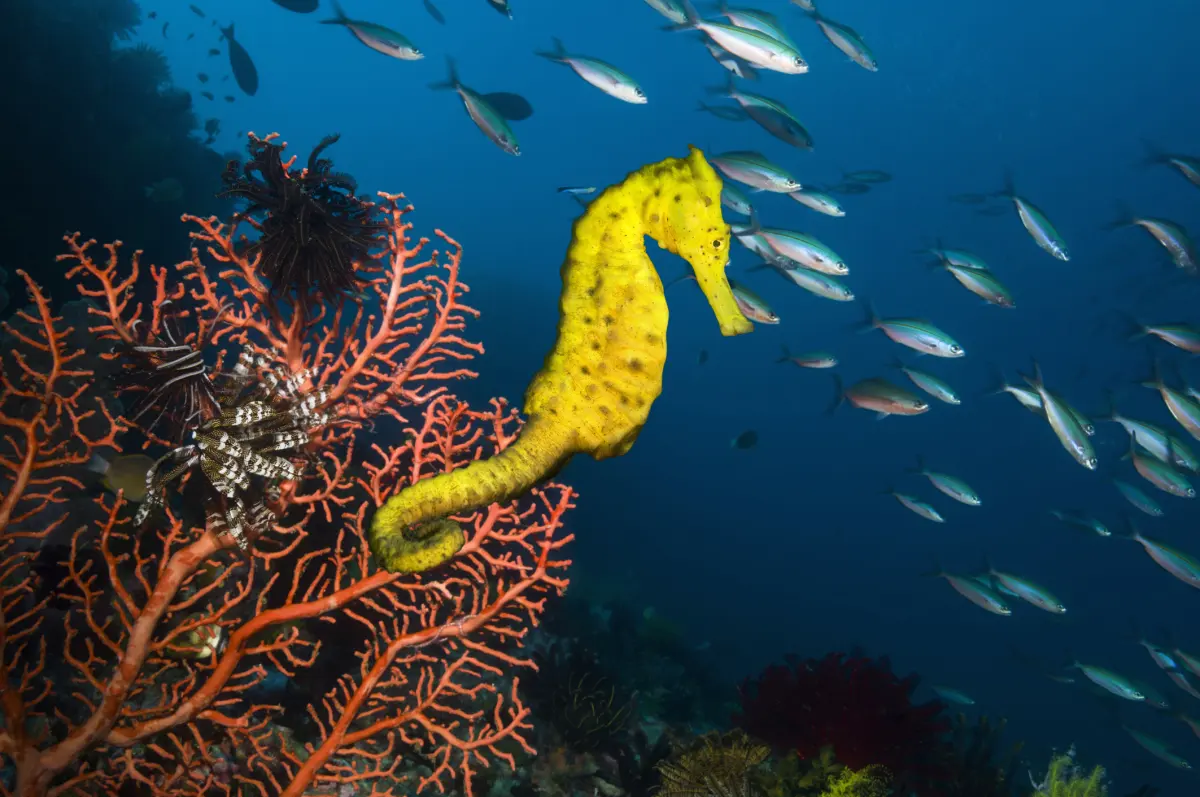
Seahorses typically live between one and five years in the wild, depending on their specific species and environmental…

Cats knead as a vestigial behavior rooted in kittenhood, where they rhythmically push their paws against their mother to…
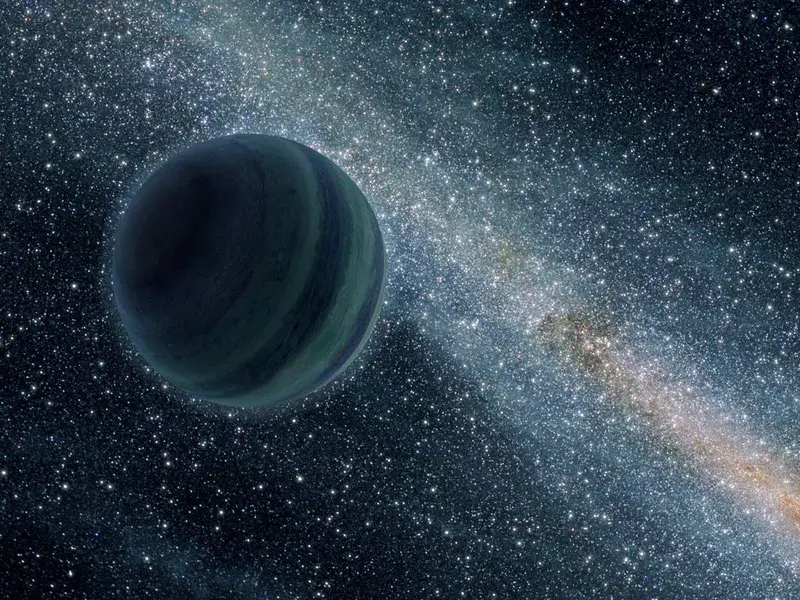
Stars are massive, luminous spheres of plasma that generate energy through nuclear fusion in their cores. Planets are smaller…

Dogs wag their tails primarily as a complex form of non-verbal communication. While often associated with happiness, the…
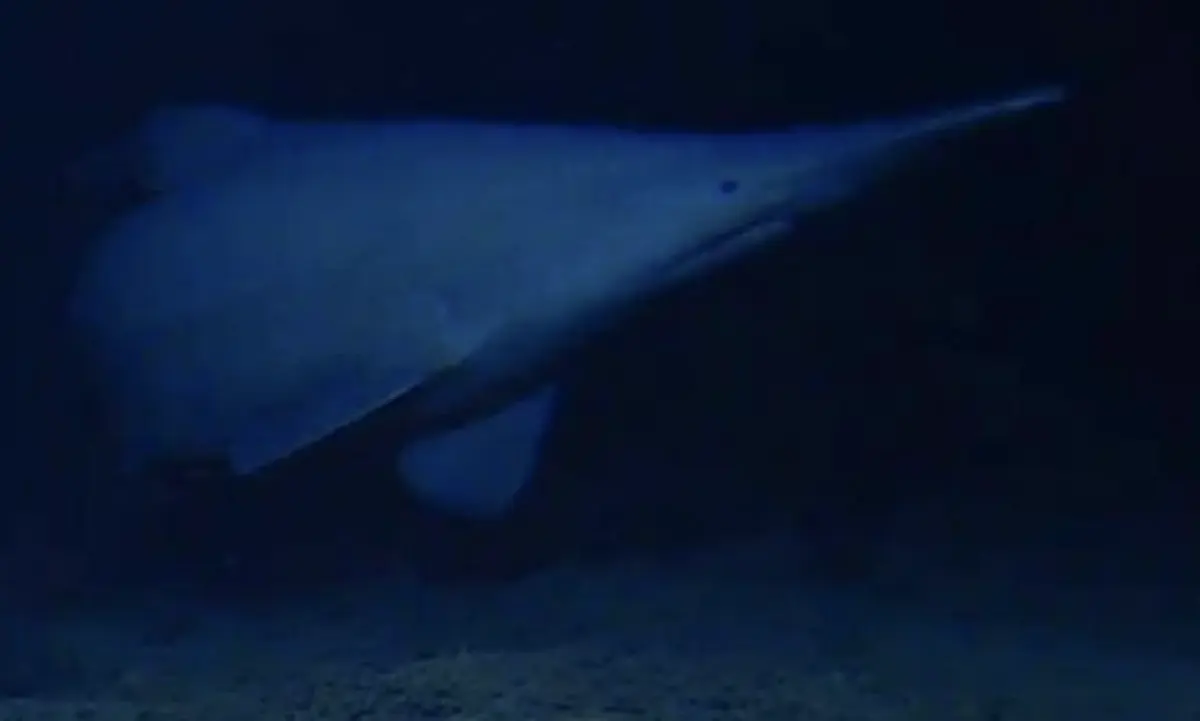
Sharks inhabit every ocean on Earth, ranging from shallow coastal waters to the deepest abyssal zones. While most species prefer…
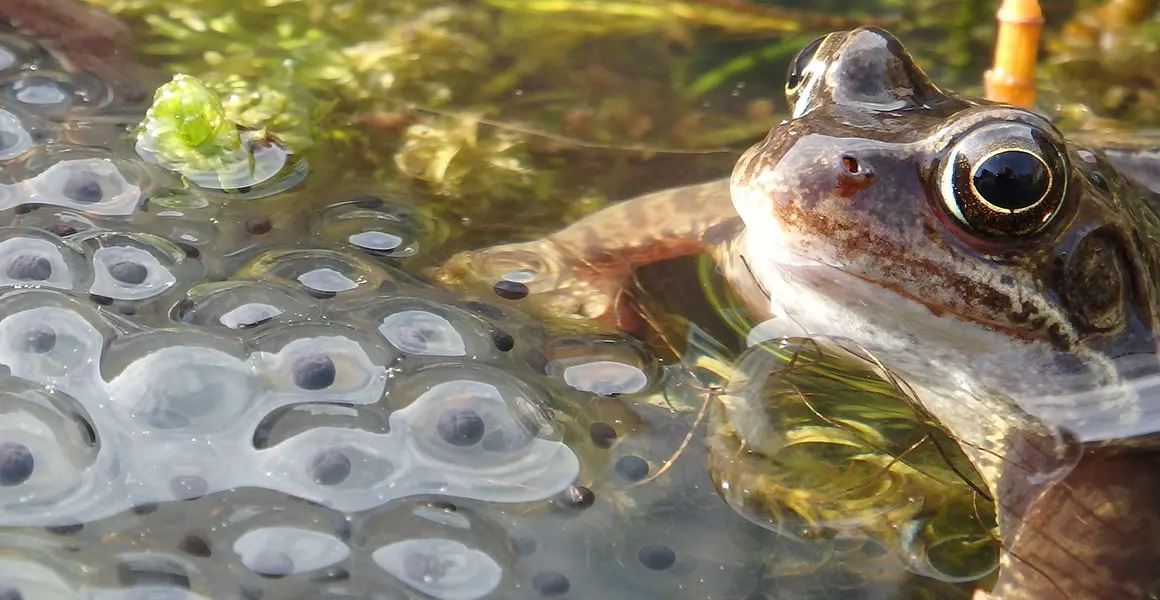
Most wild frogs live between 4 and 15 years, though lifespans vary significantly by species and environment. Small species like…
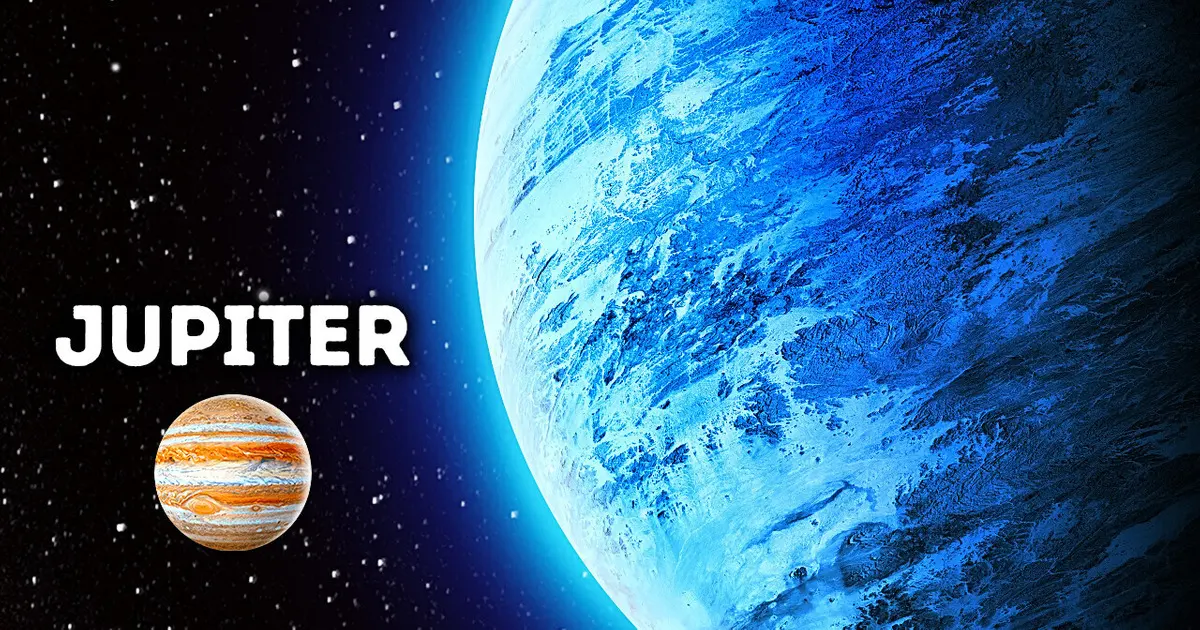
Jupiter is the largest planet in our solar system. It is a gas giant with a mass more than twice that of all other planets…
Charles Darwin was a 19th-century British naturalist who revolutionized biology by proposing the theory of evolution through…
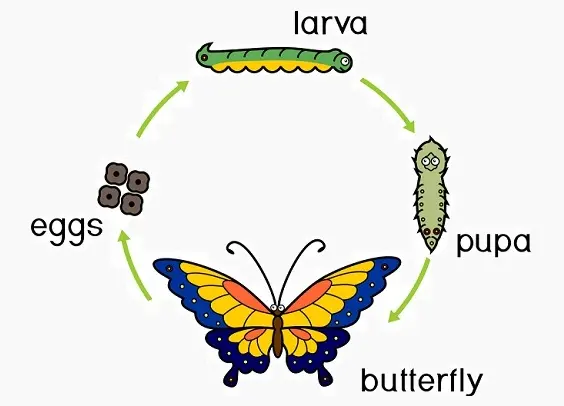
Metamorphosis is a biological process by which an animal physically develops after birth or hatching, involving a conspicuous…
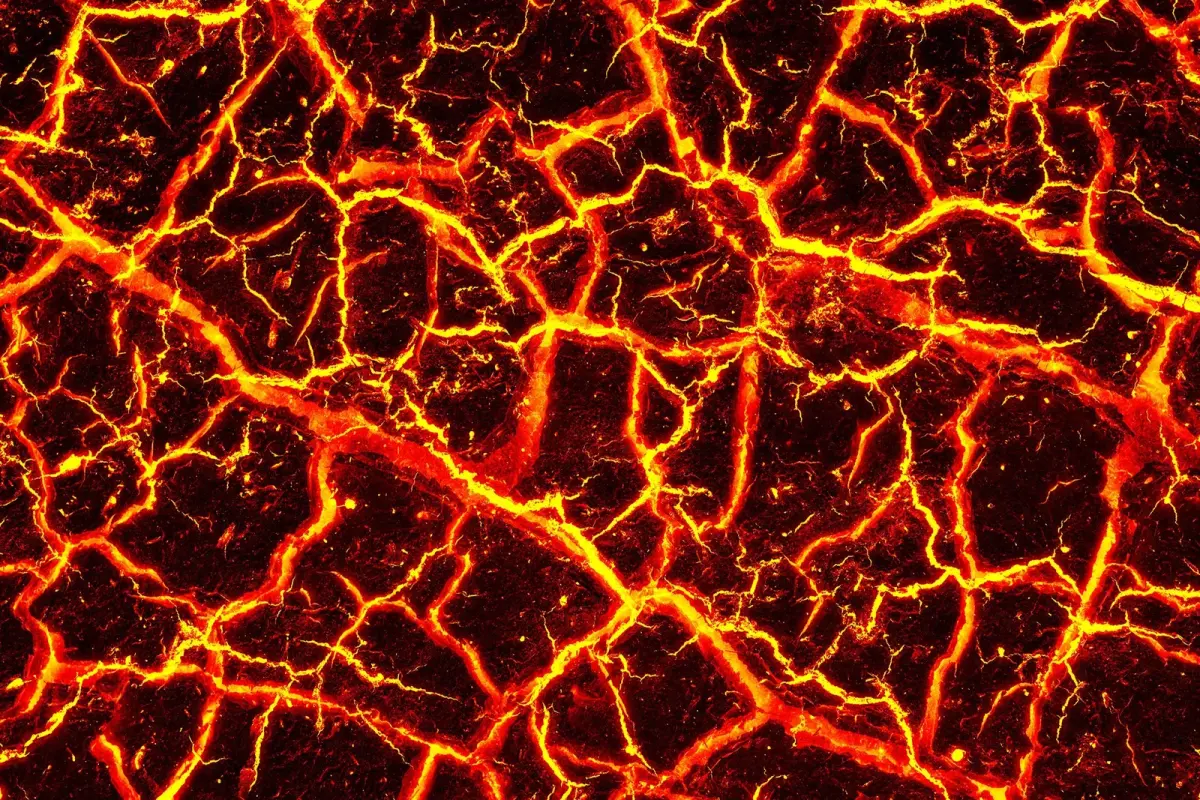
Magma is molten or semi-molten rock material located beneath the Earth's surface. It consists of a complex mixture of liquid…
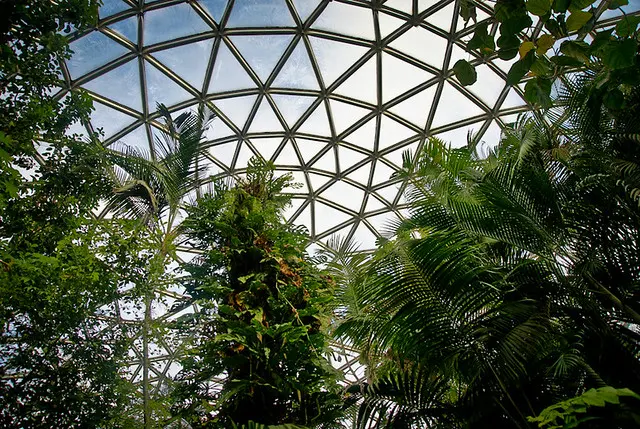
The Bloedel Conservatory is a domed botanical garden located in Vancouver’s Queen Elizabeth Park. It is world-famous for its…
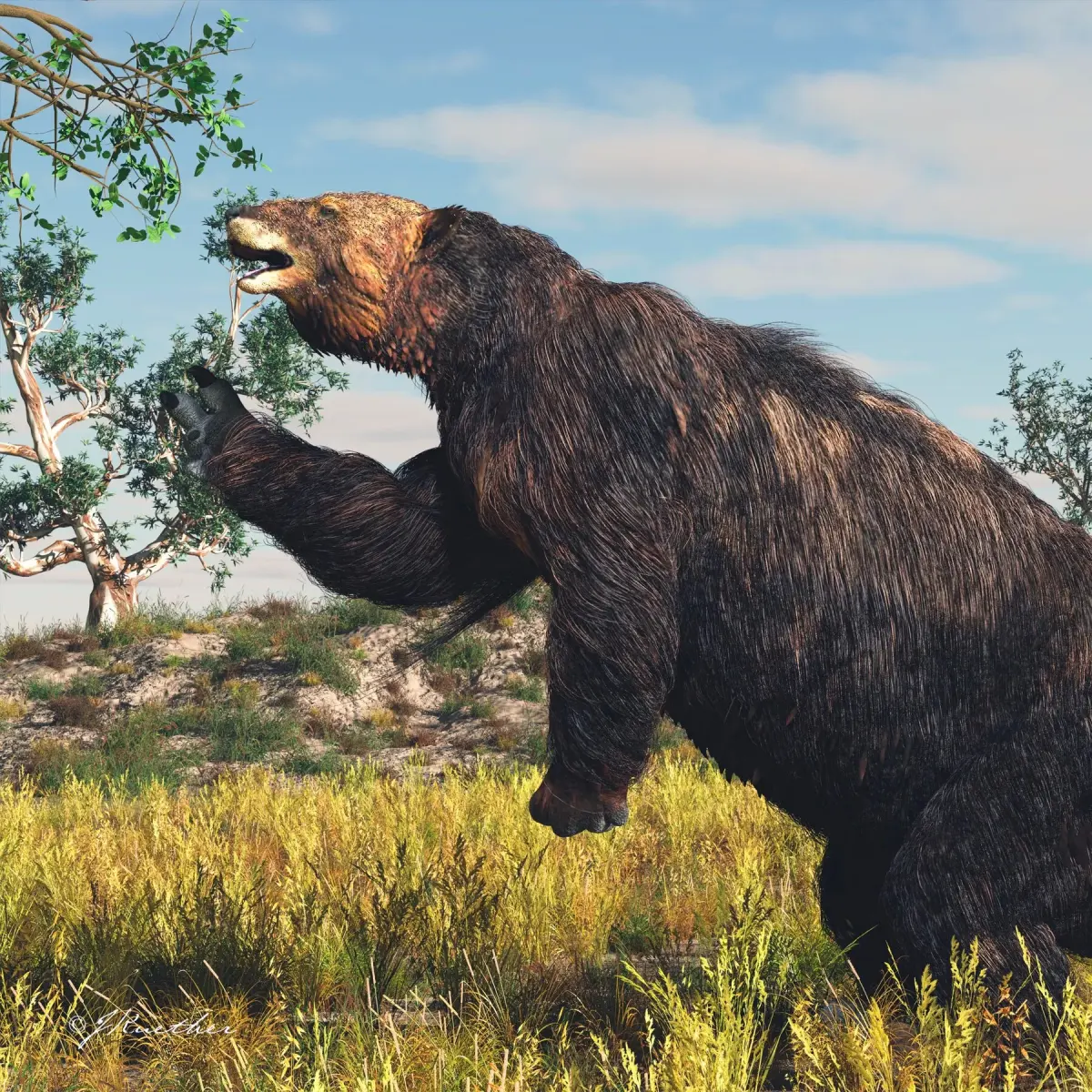
Sloths vary significantly in size depending on their species. Modern two-toed sloths typically weigh between 9 and 19 pounds and…