Science & Nature
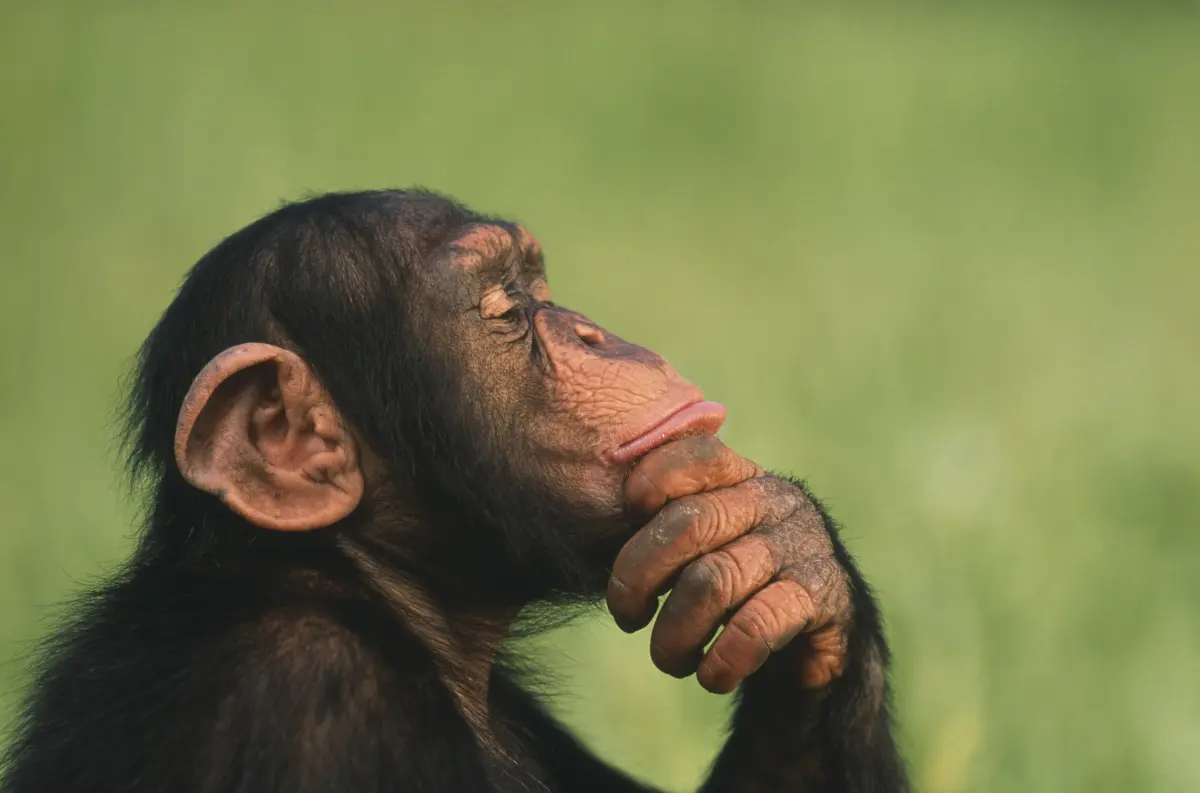
What is the smartest animal?
There is no single "smartest" animal because intelligence takes many forms, such as problem-solving, social cooperation, and…
Animals, plants, the human body, space and how the natural world works.
There is no single "smartest" animal because intelligence takes many forms, such as problem-solving, social cooperation, and…
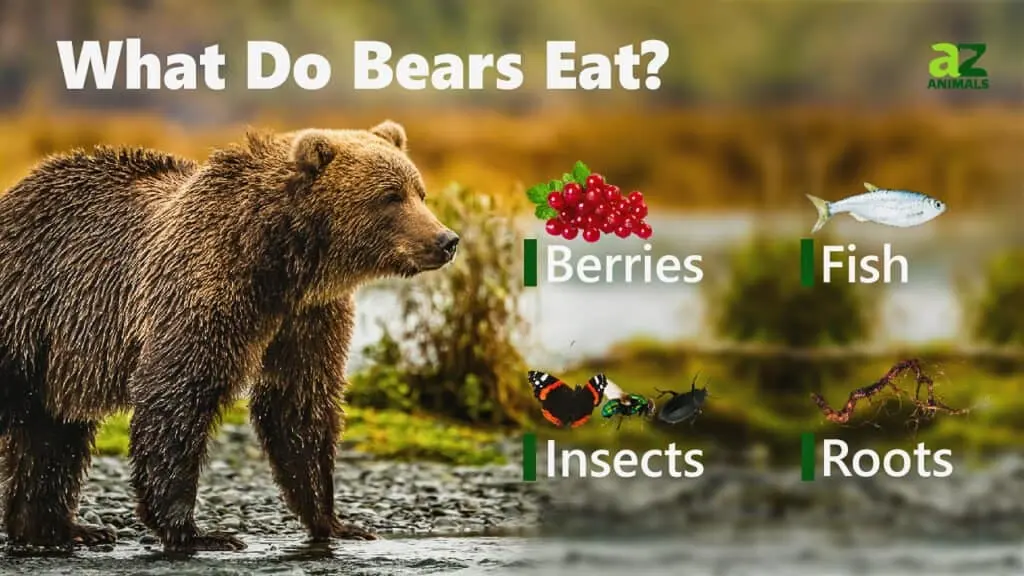
Bears are primarily opportunistic omnivores, meaning they consume a diverse range of plant matter and animal protein. While…
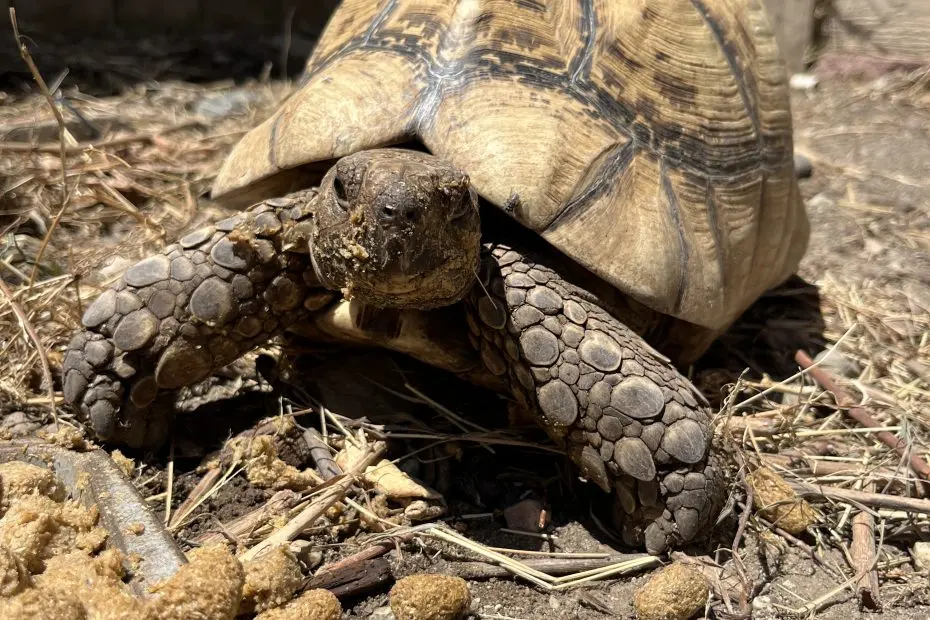
Most tortoises live between 50 and 100 years, though many species frequently exceed a century in captivity. Giant tortoise…
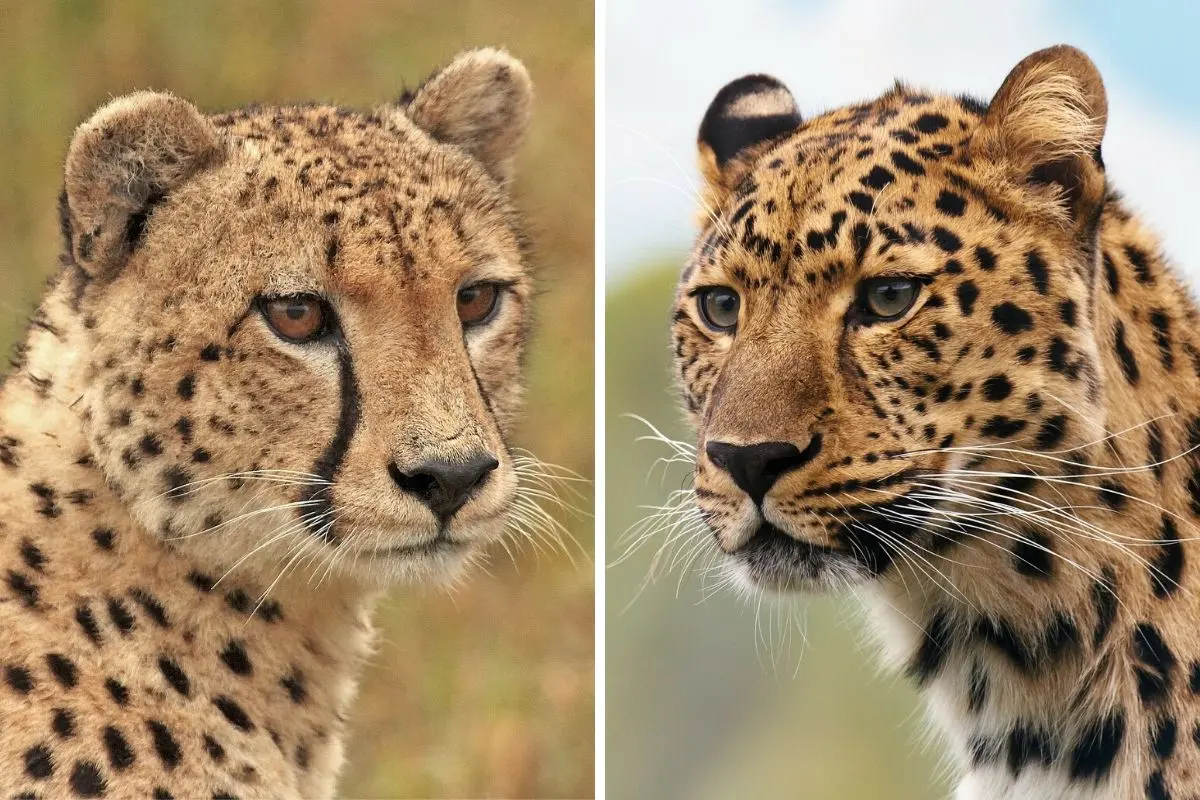
Cheetahs and leopards are distinct big cats with different physical builds and hunting strategies. Cheetahs are built for speed…
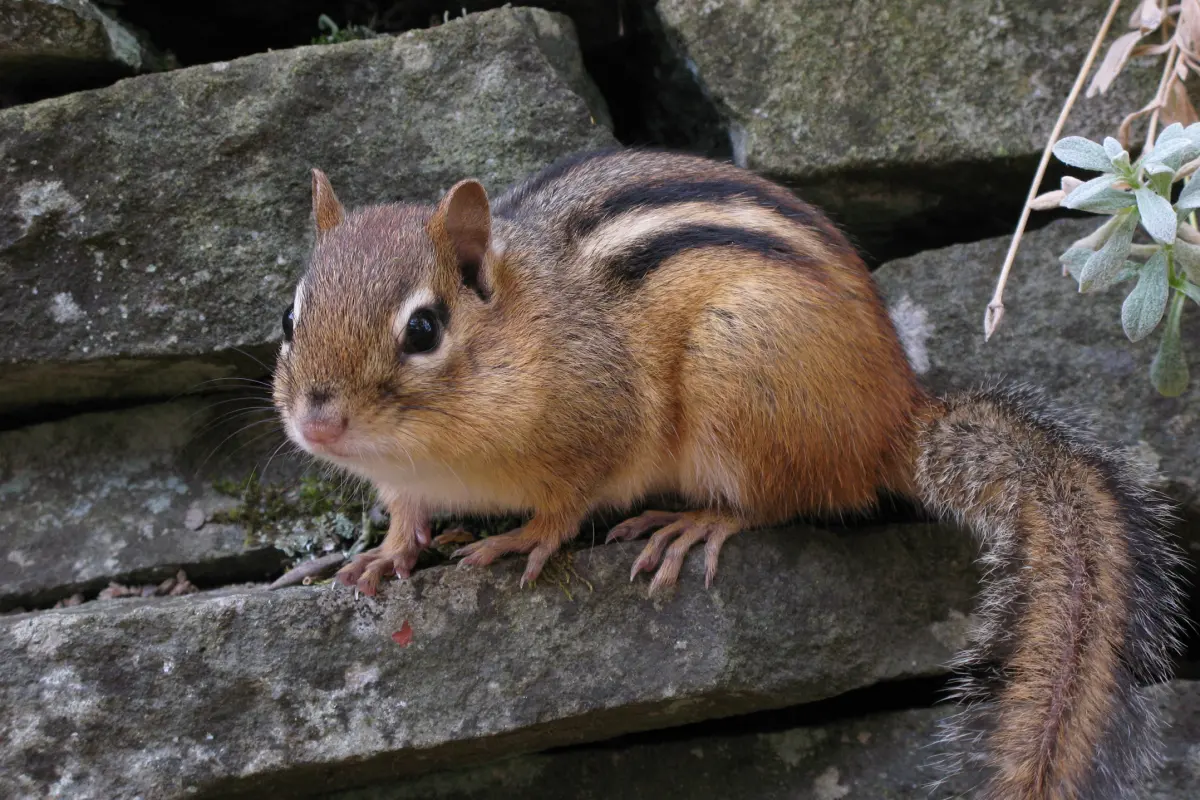
Chipmunks are small rodents, with most species measuring between 7 and 11 inches in total length, including their tails. They…
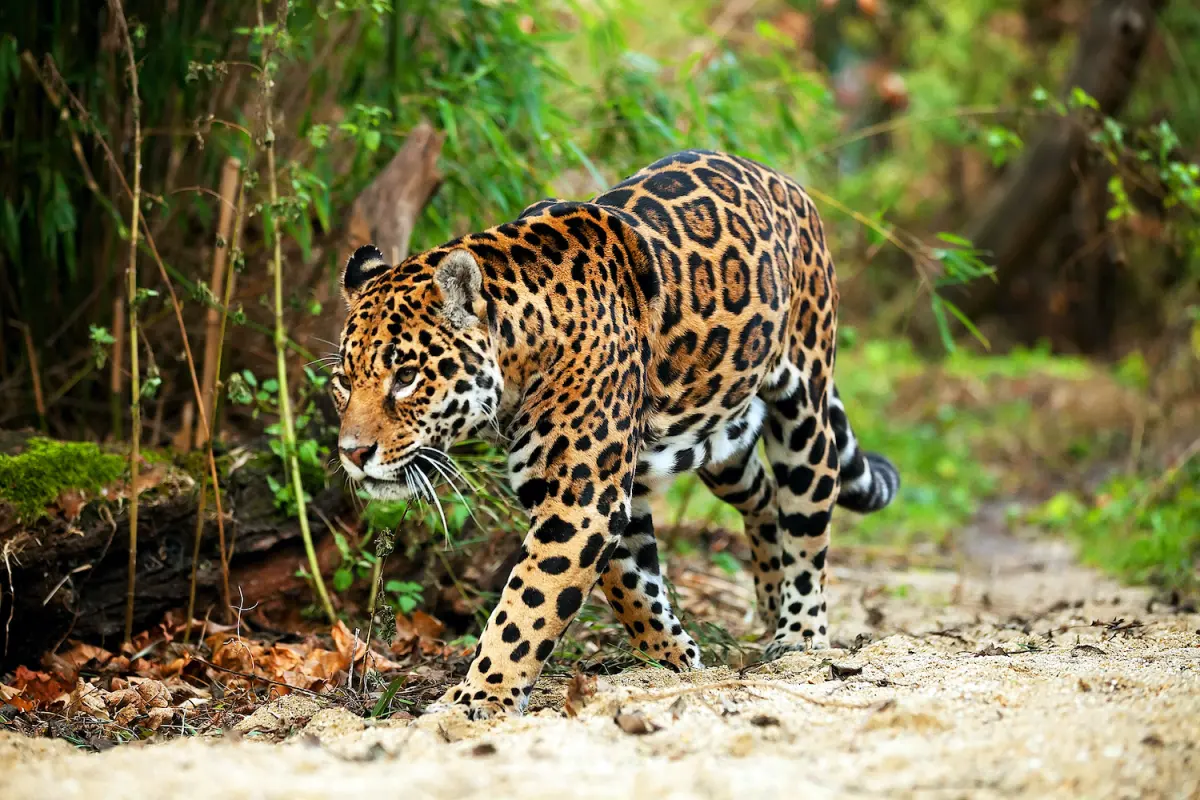
Jaguars and leopards are distinct big cats separated by geography and physical build. Jaguars, native to the Americas, are…
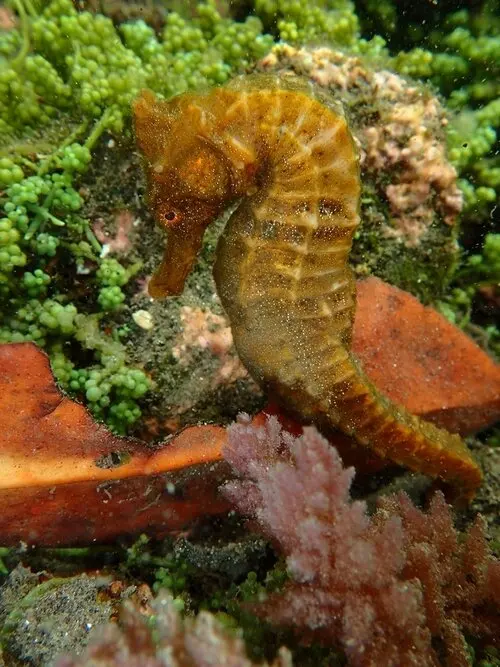
Seahorses vary significantly in size depending on the species, ranging from tiny pygmy varieties measuring less than an inch to…
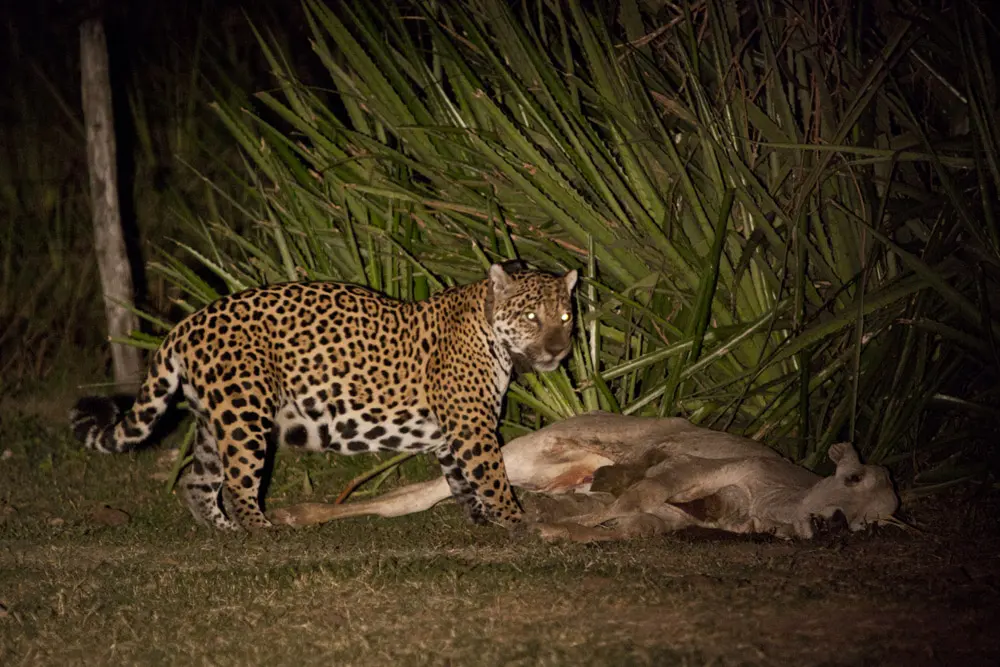
Jaguars are apex predators with an incredibly diverse diet, consuming over 85 different species across their range. They…
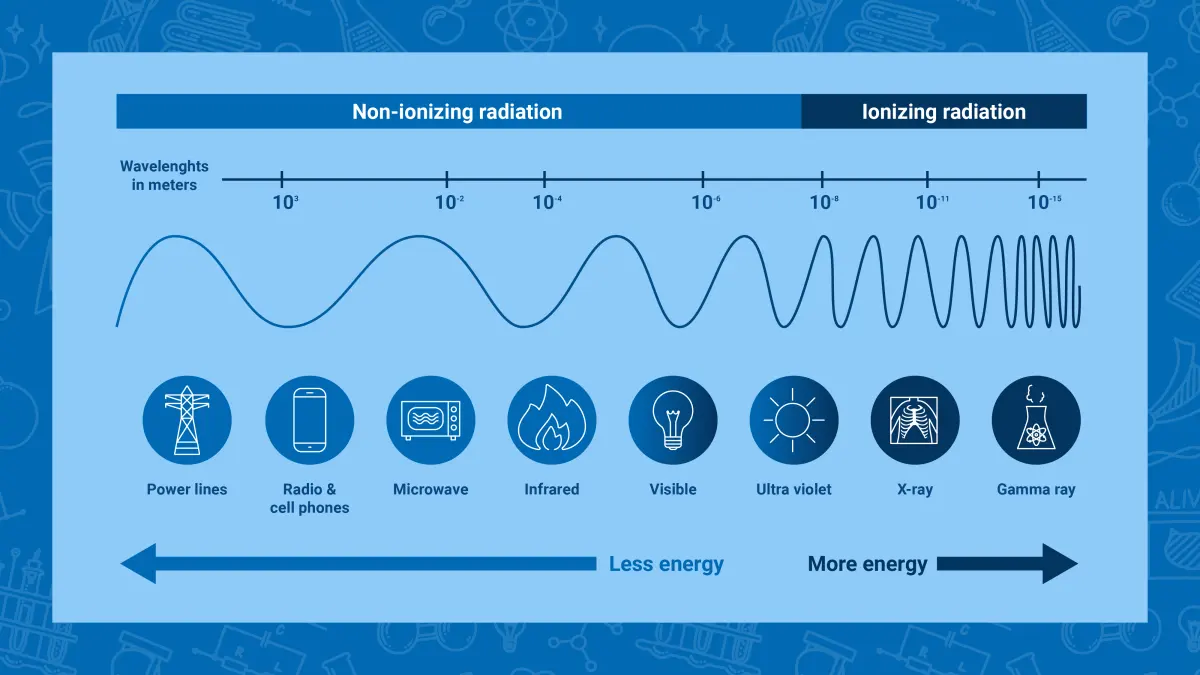
Radiation is the emission of energy as electromagnetic waves or moving subatomic particles. It occurs naturally throughout the…
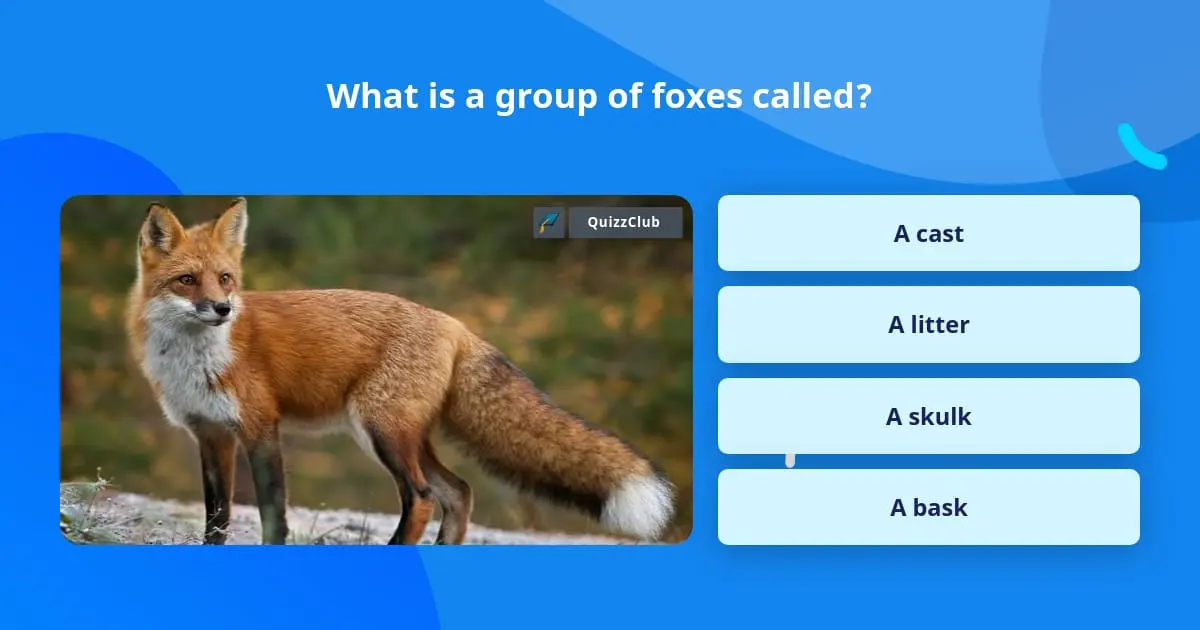
A group of foxes is most commonly called a skulk or a leash. While foxes are generally solitary animals, these collective nouns…
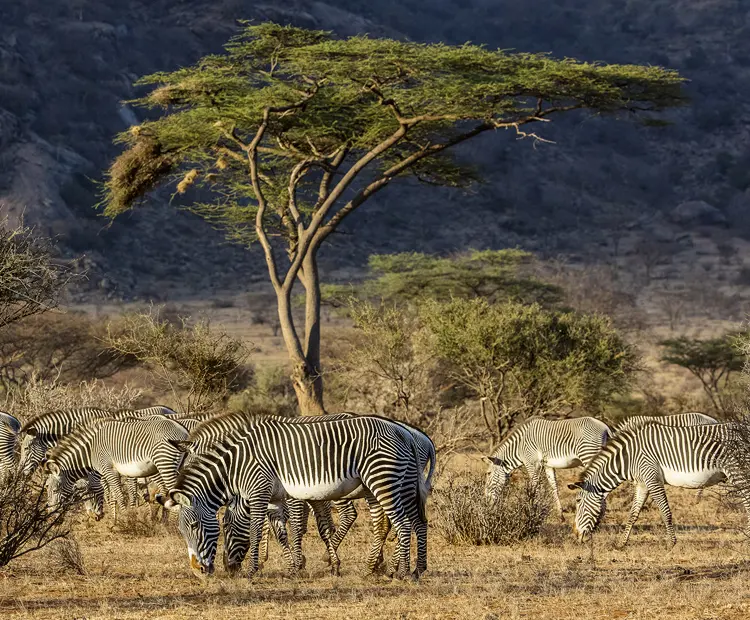
A savanna is a tropical or subtropical grassland ecosystem characterized by a distinct seasonal climate with alternating wet and…
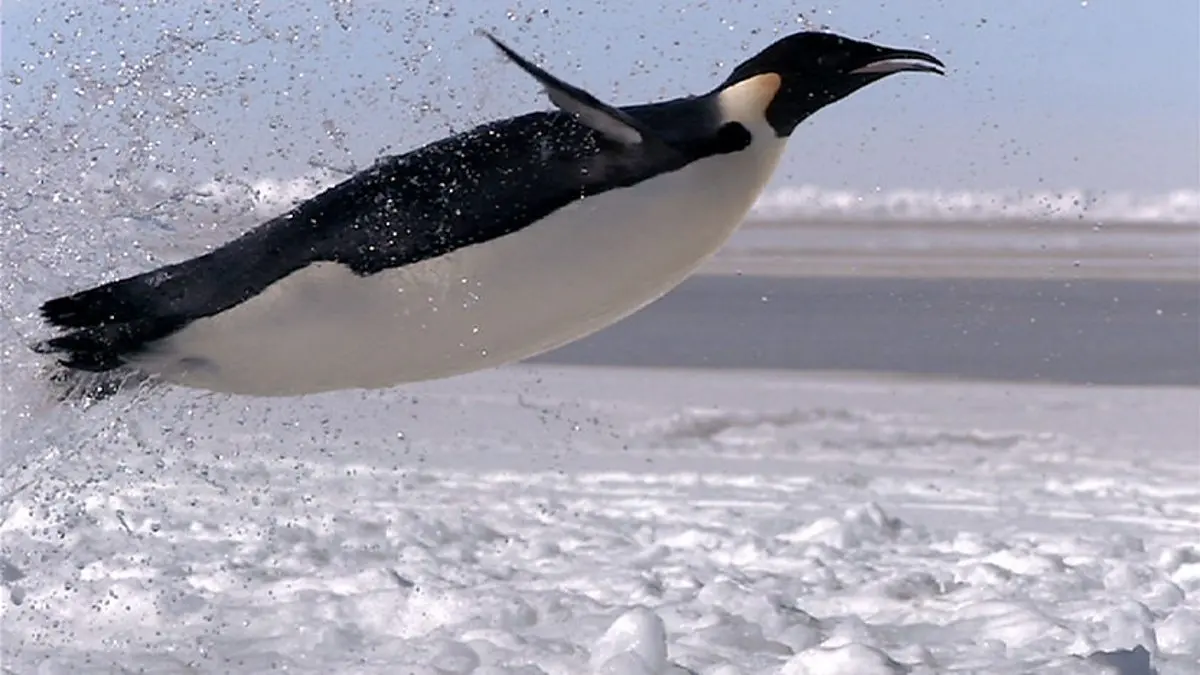
Penguins cannot fly because their bodies have evolved specifically for efficient swimming rather than aerial flight. Their wings…
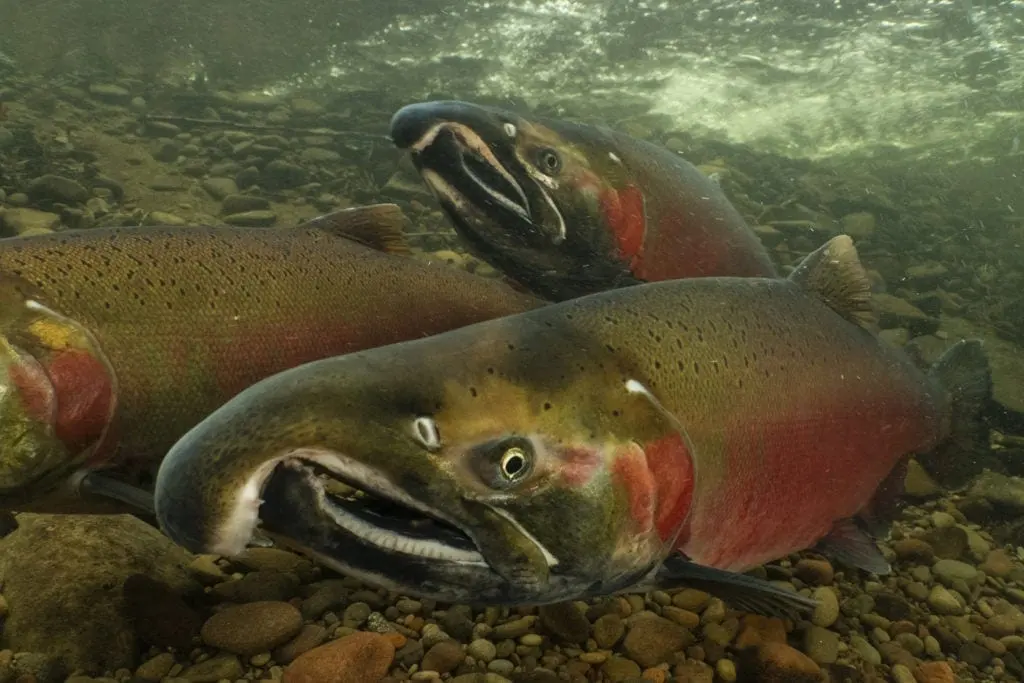
Salmon are not a single species, so their conservation status varies significantly. While some populations, particularly in the…
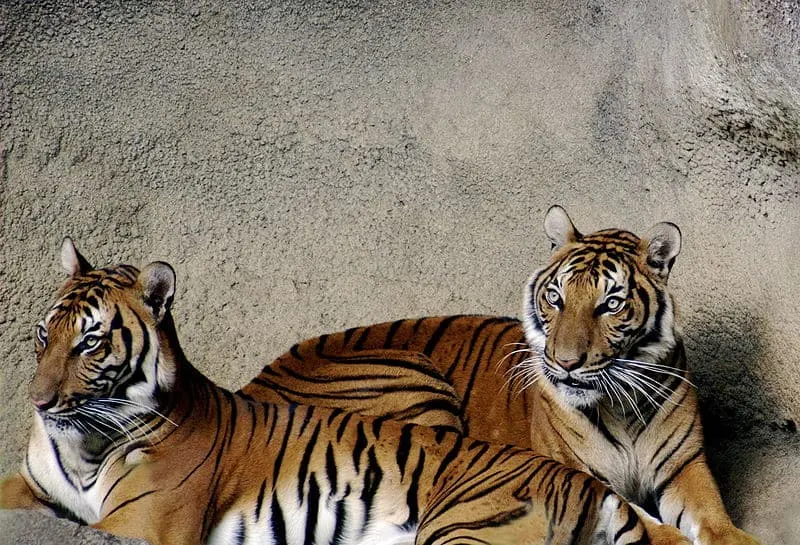
A group of tigers is called an ambush or a streak. While these terms exist in the English language, they are rarely used in…
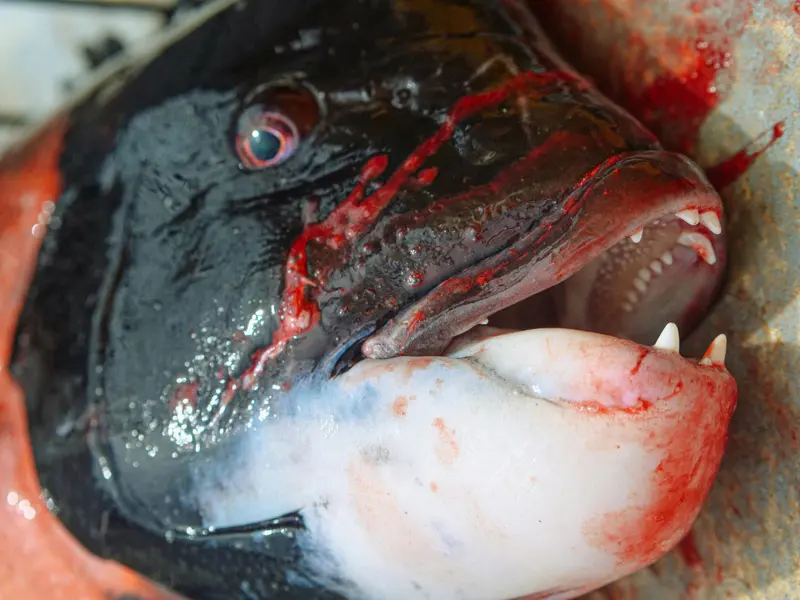
Scientific consensus increasingly supports the view that fish possess the biological capacity to feel pain. While their nervous…

Salt is produced primarily through the evaporation of seawater or the mining of underground rock salt deposits. Solar…
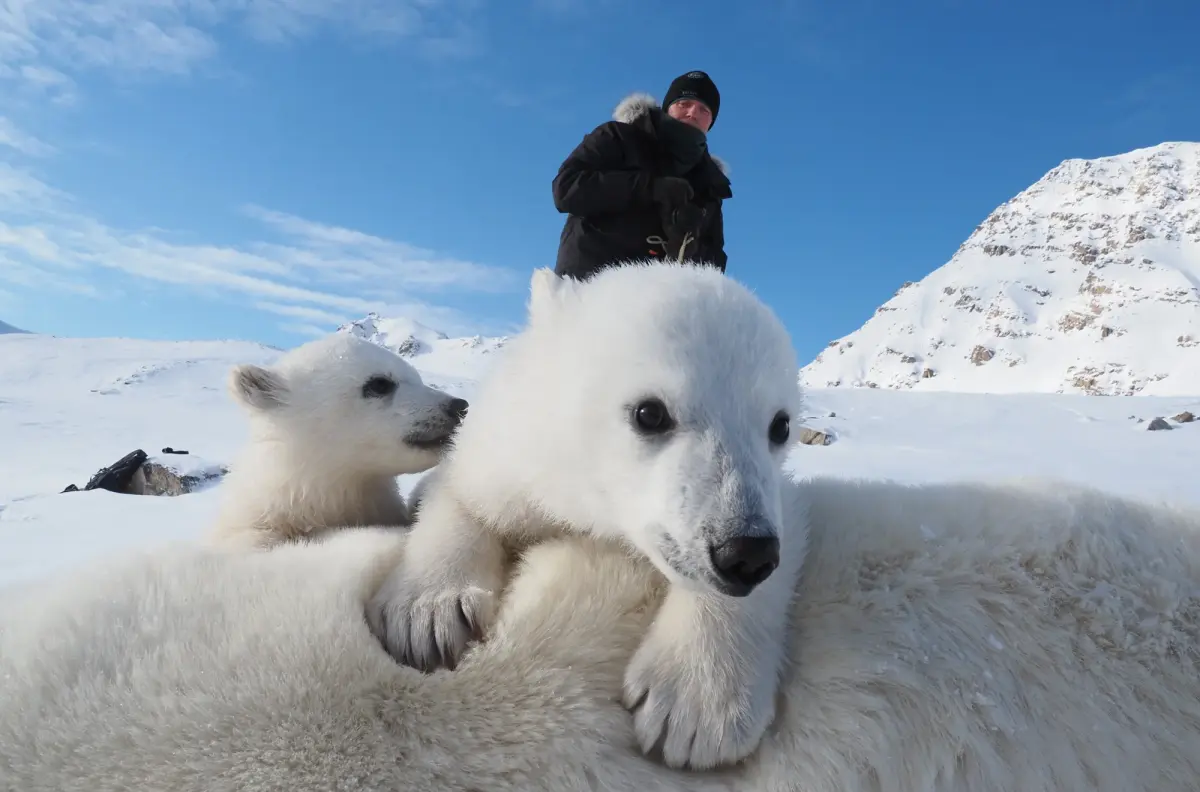
Polar bears live throughout the ice-covered waters of the Arctic Circle. Their range encompasses five nations: Canada, the…
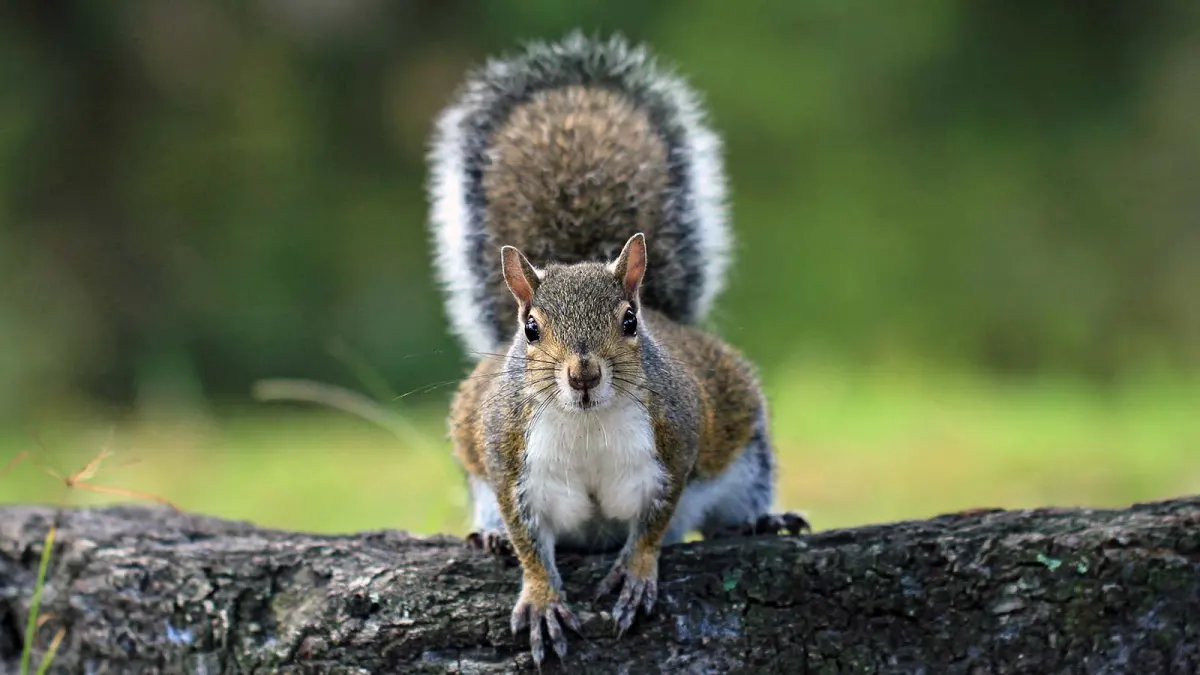
Squirrels live on every continent except Antarctica and Australia, occupying diverse habitats ranging from dense tropical…
Porcupines are specialized herbivores that consume a diverse array of plant materials throughout the year. Their diet primarily…
Photosynthesis is the biological process by which plants, algae, and certain bacteria convert light energy into chemical energy…
Hyena size varies significantly by species. The spotted hyena, the largest, weighs between 90 and 190 pounds and stands about 30…

Cats are obligate carnivores, meaning they require nutrients found only in animal tissue to survive. Their diet must be rich in…
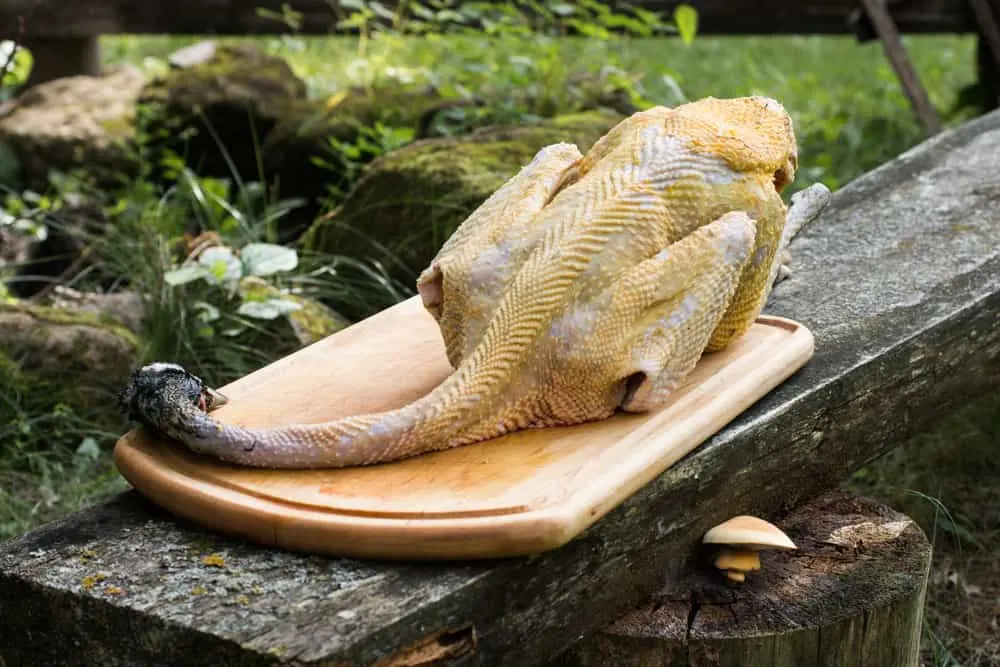
Peacocks are opportunistic omnivores that consume a diverse diet consisting of seeds, grains, insects, small reptiles, and…
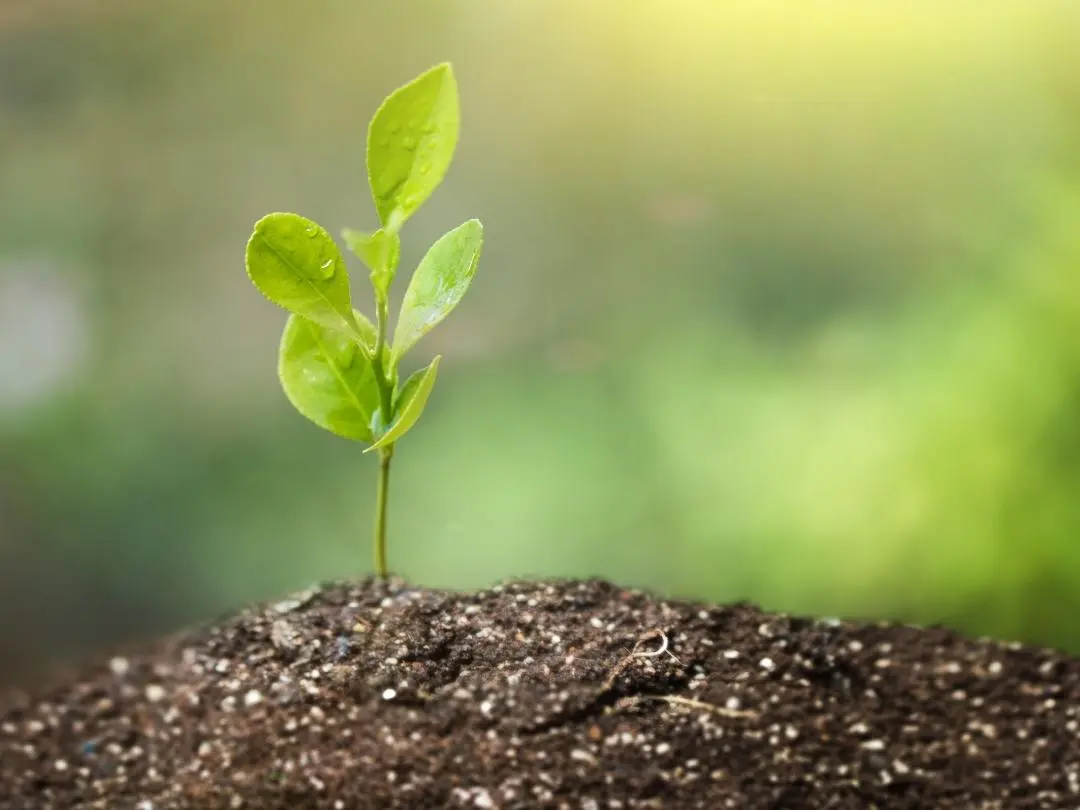
Seeds grow through a process called germination, triggered by water, oxygen, and appropriate temperatures. Once the seed coat…