Science & Nature
What do lobsters eat?
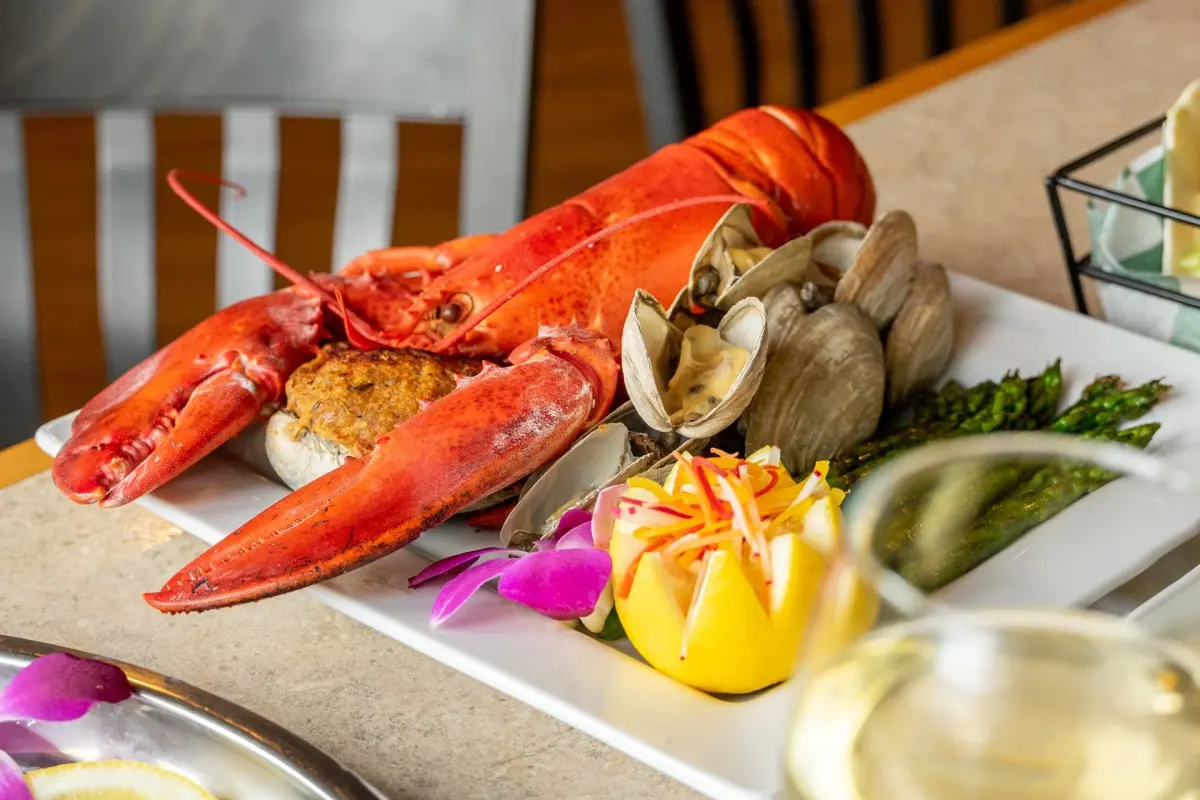
Lobsters are opportunistic omnivores that consume a wide variety of marine life. Their diet primarily consists of mollusks…
Animals, plants, the human body, space and how the natural world works.
Lobsters are opportunistic omnivores that consume a wide variety of marine life. Their diet primarily consists of mollusks…
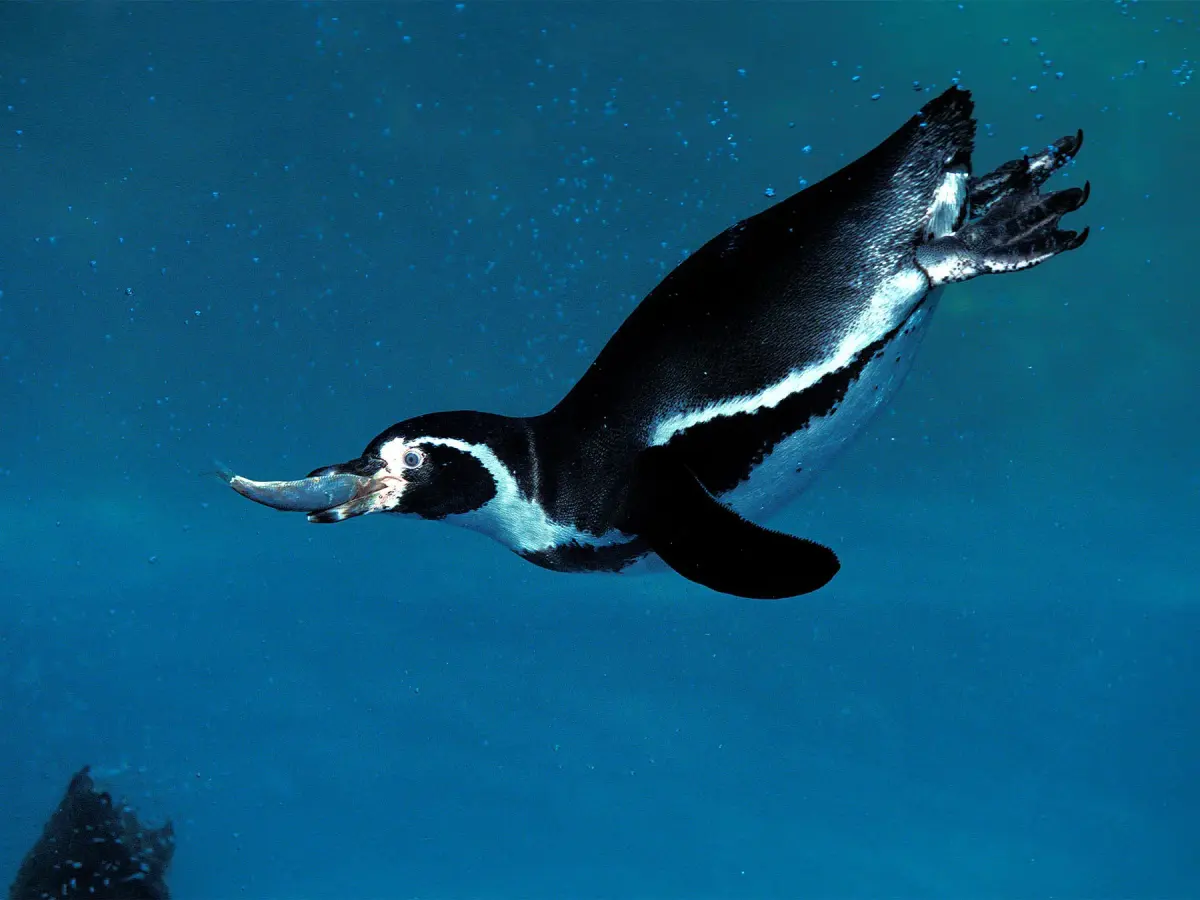
Penguins are carnivorous marine predators that primarily consume fish, krill, and squid. Their specific diet depends on their…
Asteroids are small, rocky remnants left over from the early formation of our solar system about 4.6 billion years ago. Most of…
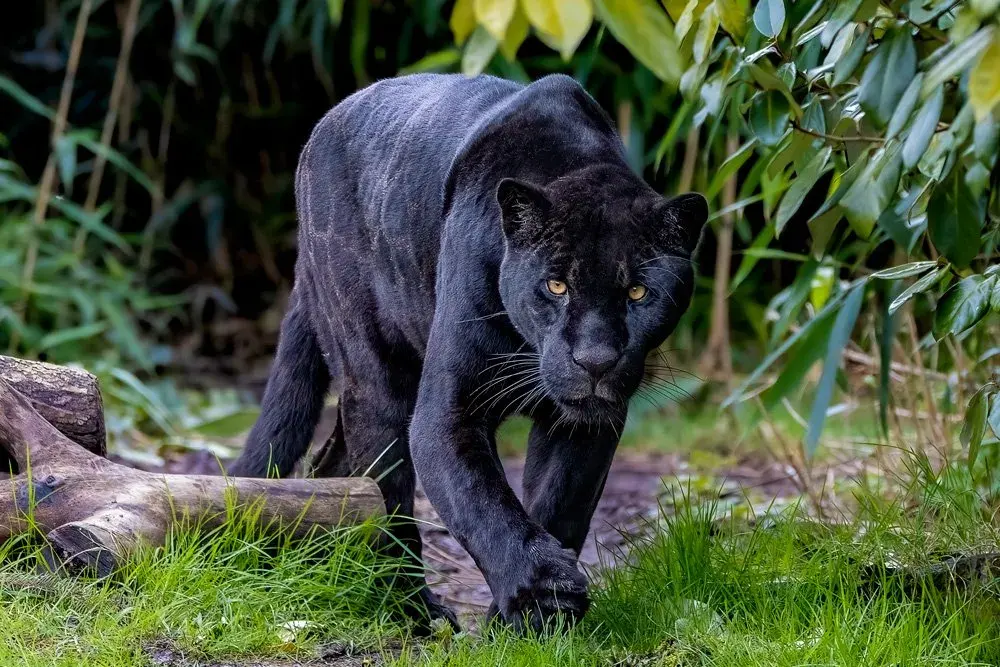
Many animals possess superior night vision due to specialized anatomical features like the tapetum lucidum, a reflective layer…
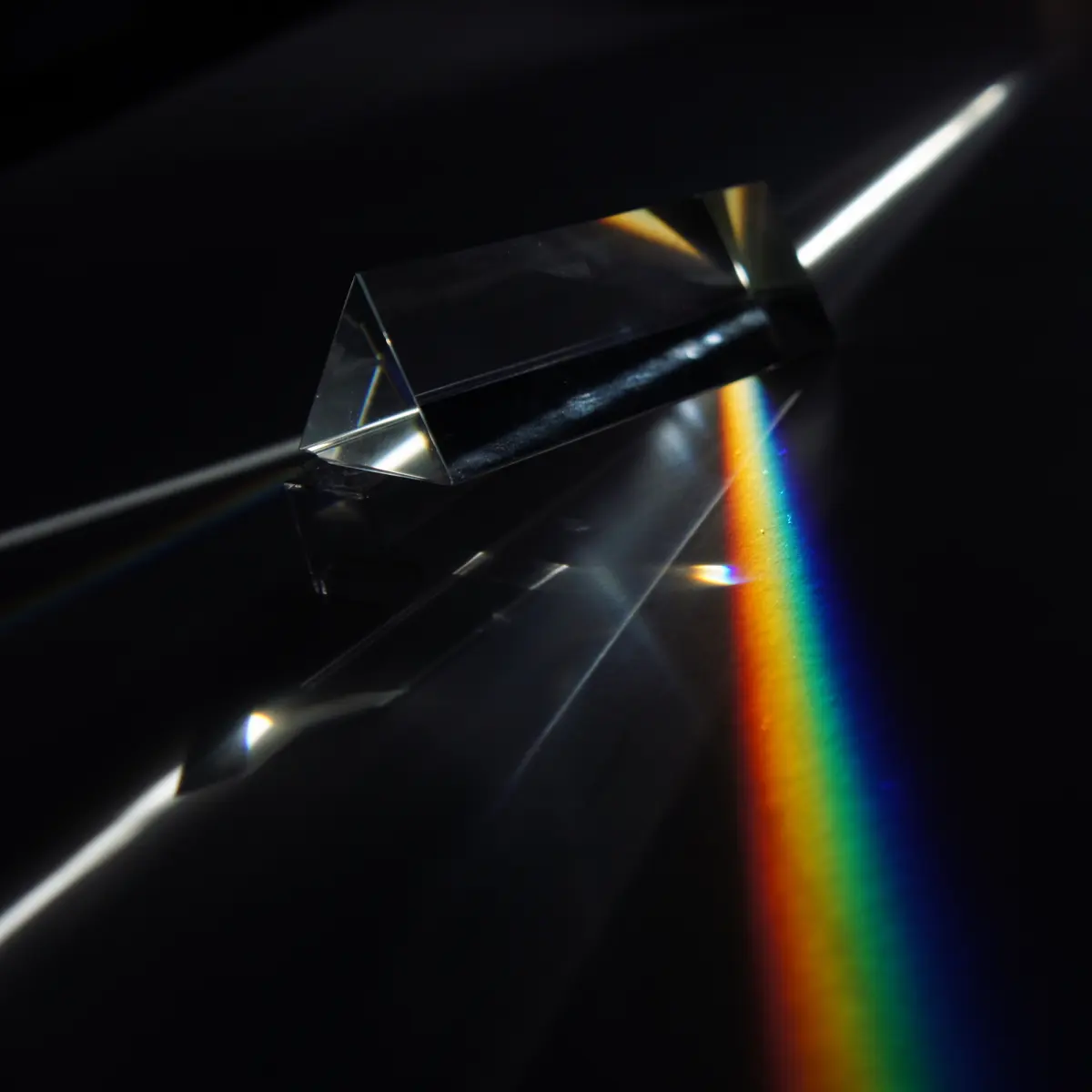
Light is composed of fundamental particles called photons, which possess no mass and travel as both particles and waves. These…
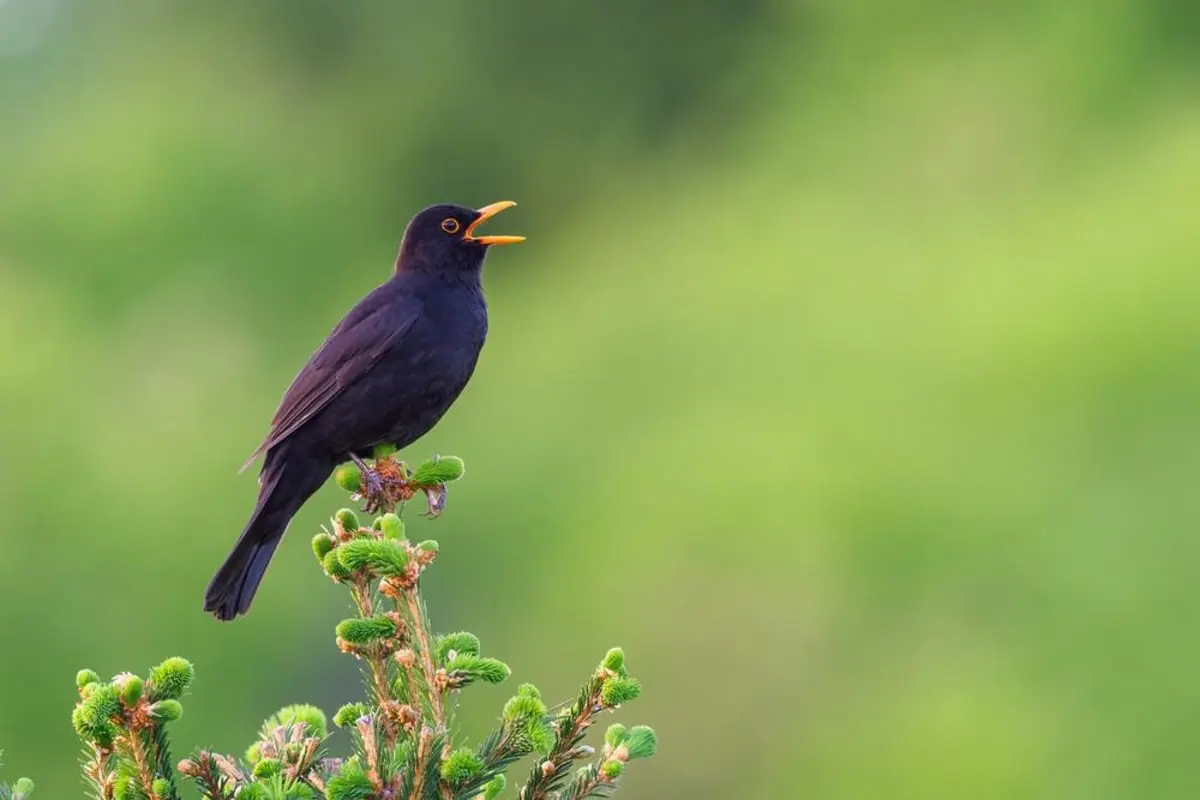
Birds sing during the dawn chorus primarily to defend their territory and attract potential mates. The calm, cool air of early…
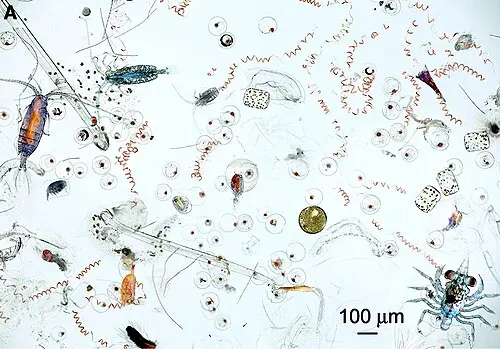
Plankton are diverse organisms that drift in water columns, unable to swim against currents. They range from microscopic…
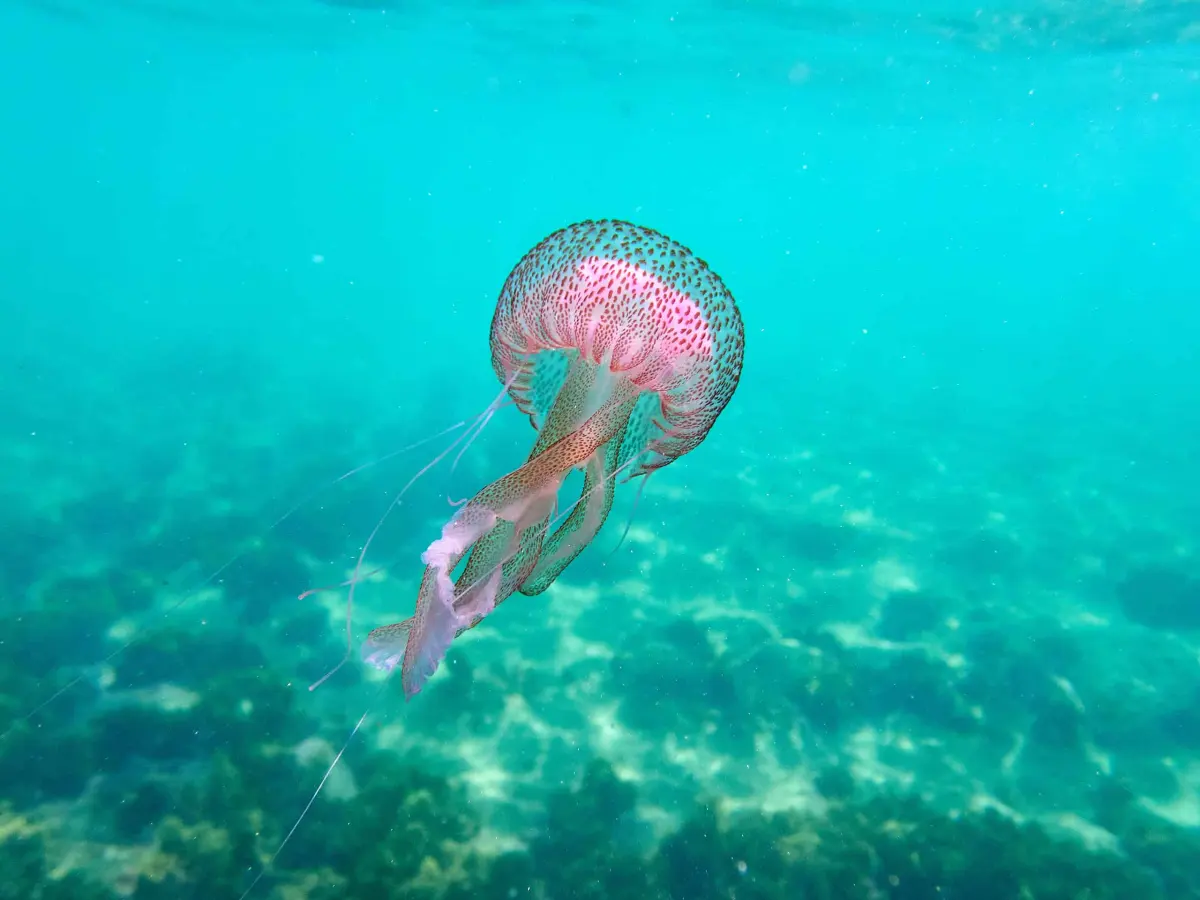
Jellyfish are carnivorous predators that consume a wide variety of marine life, including zooplankton, small crustaceans, fish…
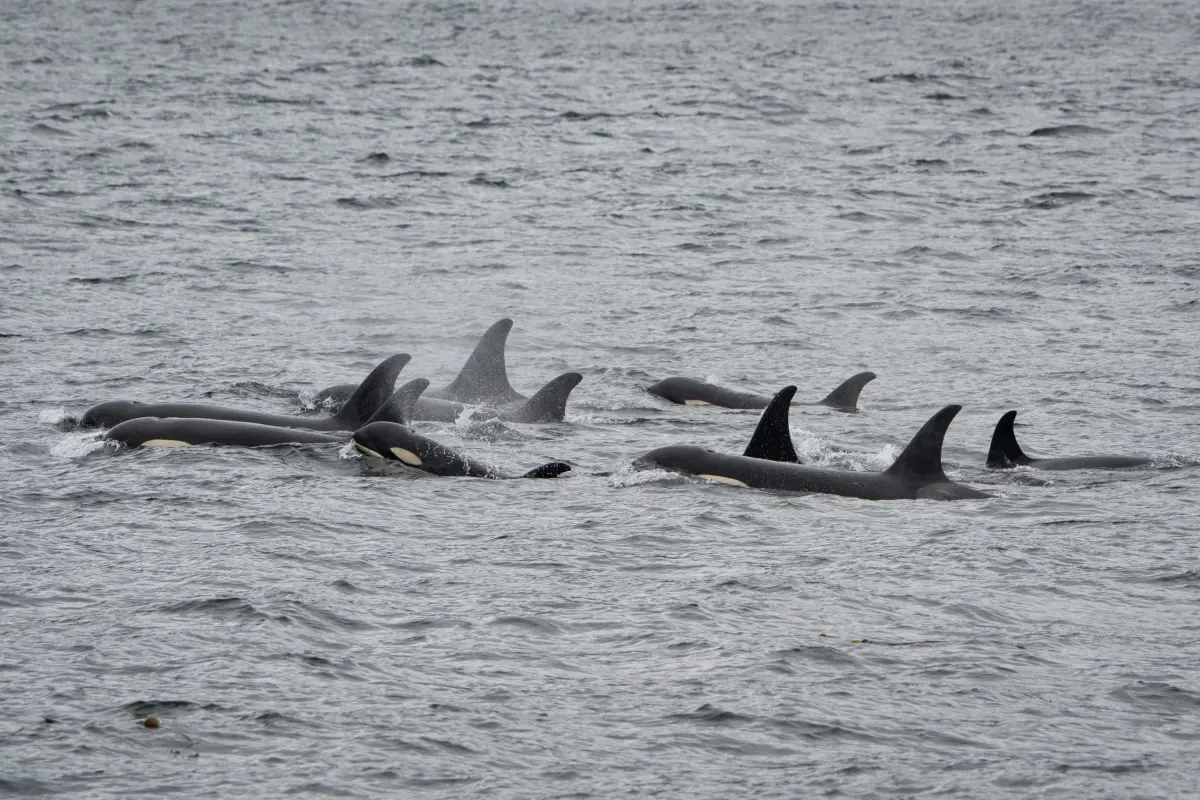
Orcas inhabit every ocean on Earth, ranging from the frigid waters of the Arctic and Antarctic to tropical seas near the…
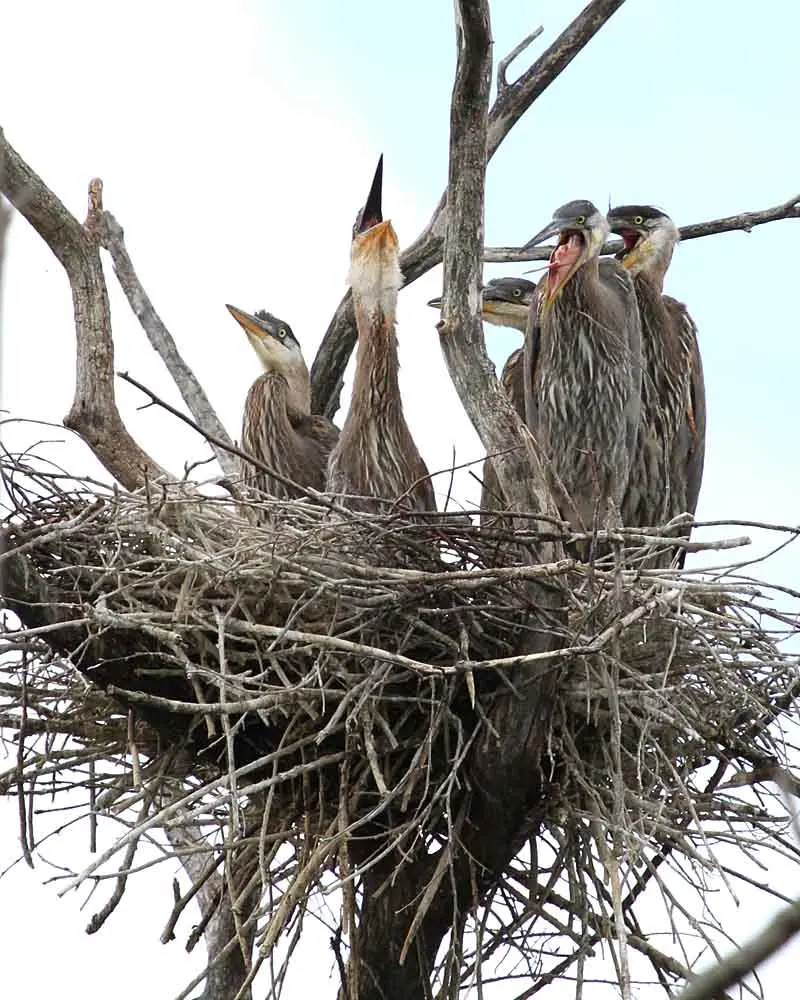
Most herons typically live between 5 and 15 years in the wild. While many individuals do not survive their first year due to…
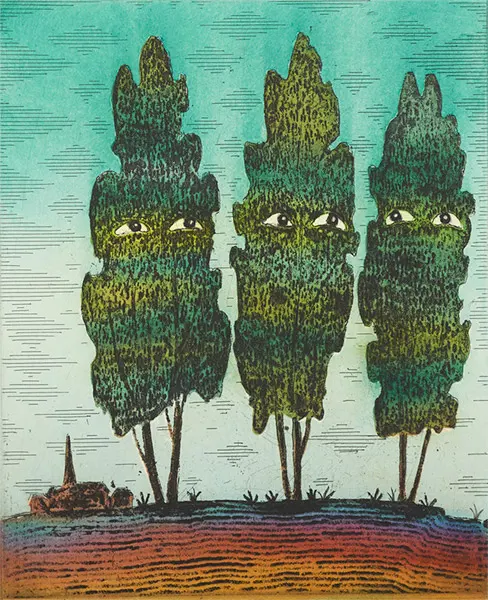
Trees communicate through complex underground fungal networks known as mycorrhizal networks, often called the "Wood Wide Web."…
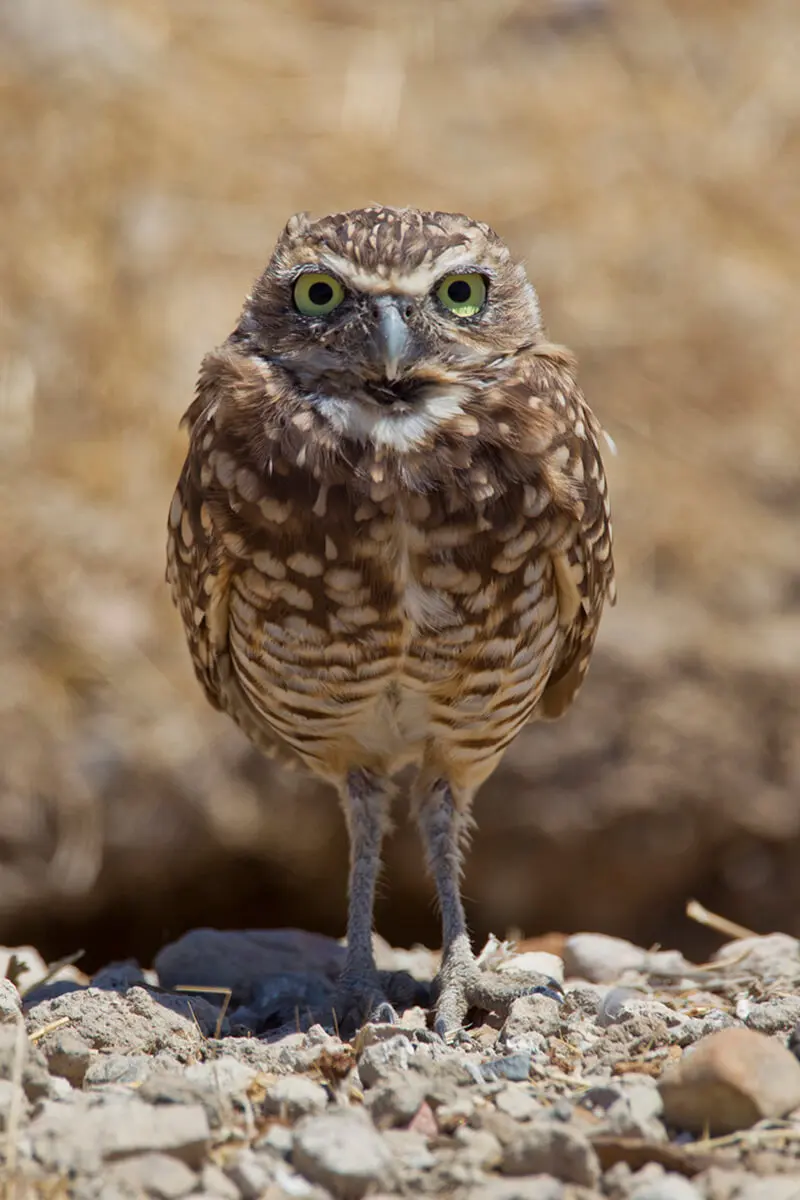
Owls generally live between 5 and 20 years in the wild, depending heavily on their size and species. Smaller owls, such as the…
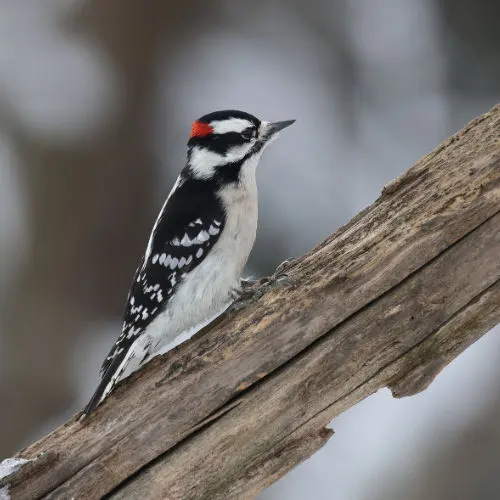
Woodpeckers inhabit every continent except Antarctica and Australia, thriving in diverse environments ranging from dense forests…
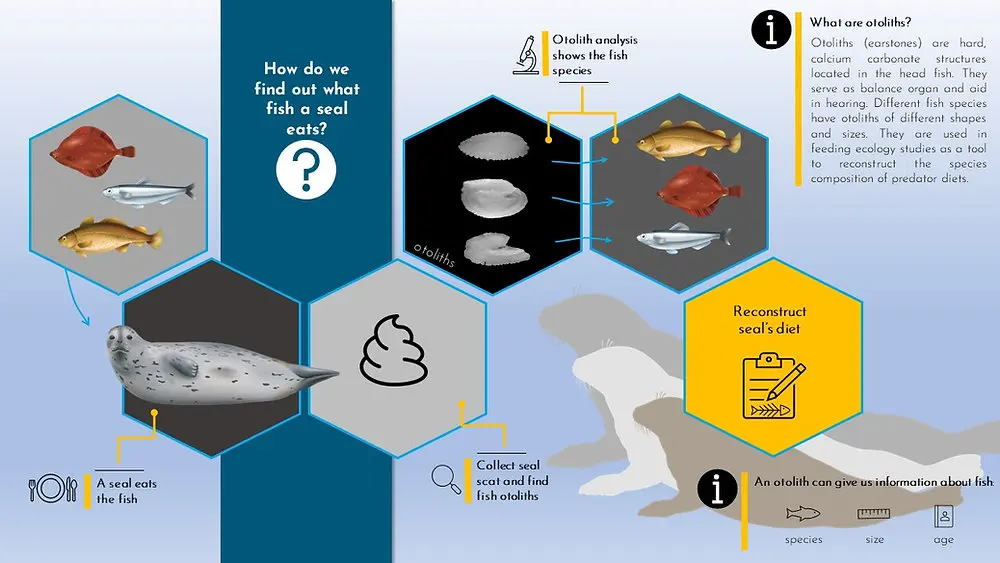
Seals are opportunistic carnivores that primarily consume fish, squid, and crustaceans. Their diet varies significantly…
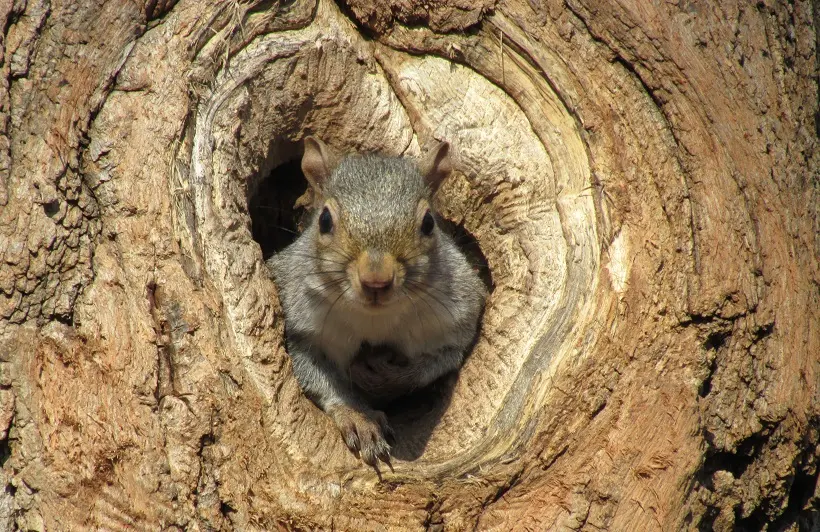
Squirrels typically live between two and six years in the wild, depending heavily on their species and environment. While many…
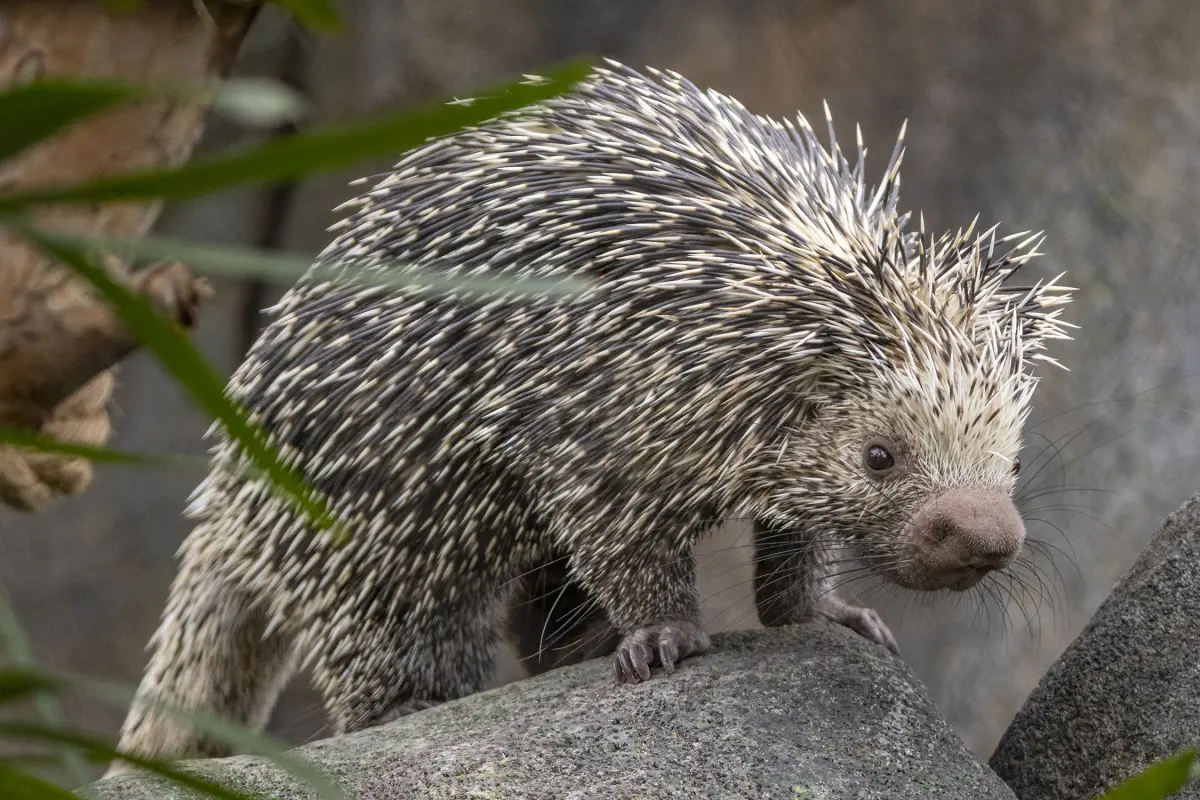
Porcupines vary significantly in size depending on the species. The North American porcupine typically reaches 25 to 36 inches…
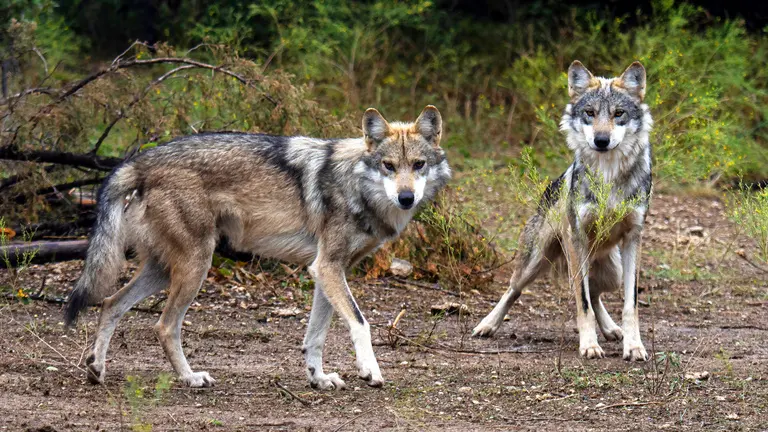
Wild wolves typically live between 6 and 8 years, though some individuals reach 10 to 13 years in protected environments. Life…
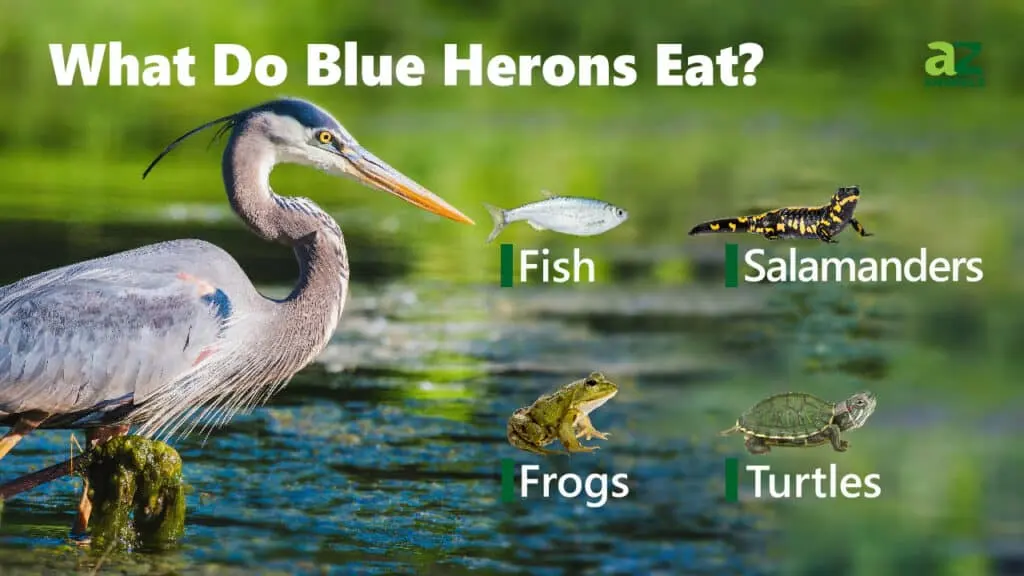
Herons are opportunistic carnivores that primarily consume fish, amphibians, reptiles, crustaceans, and small mammals. These…
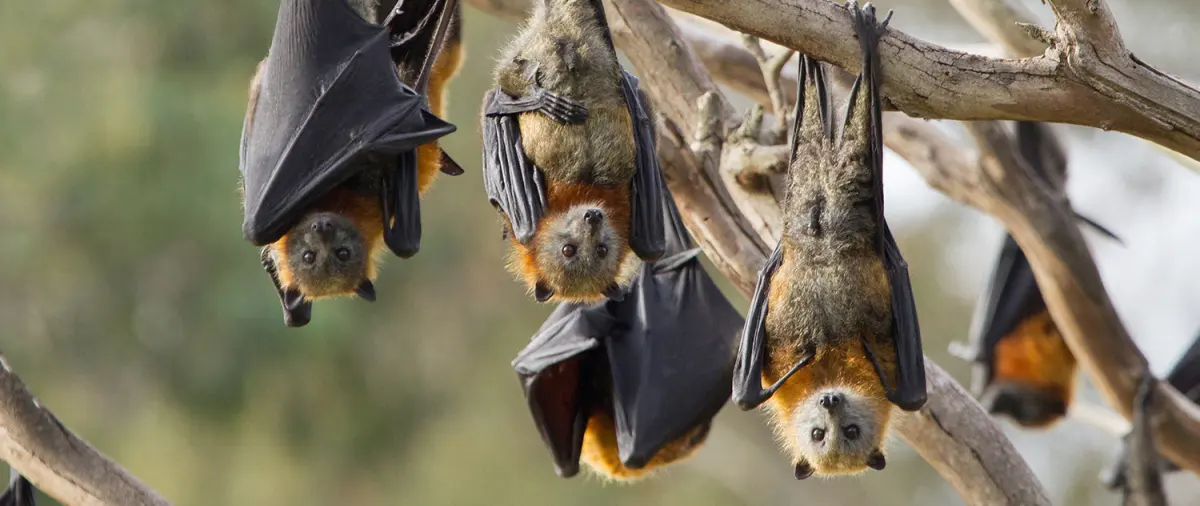
Most bat species live between 10 and 30 years, which is exceptionally long for small mammals. While many small rodents live only…
A pollinator garden is a landscape designed specifically to provide food, water, and shelter for essential pollinators like…
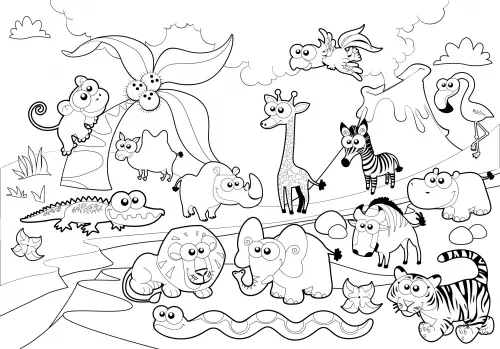
Most animals can see color, though their perception differs significantly from humans. While humans typically possess three…
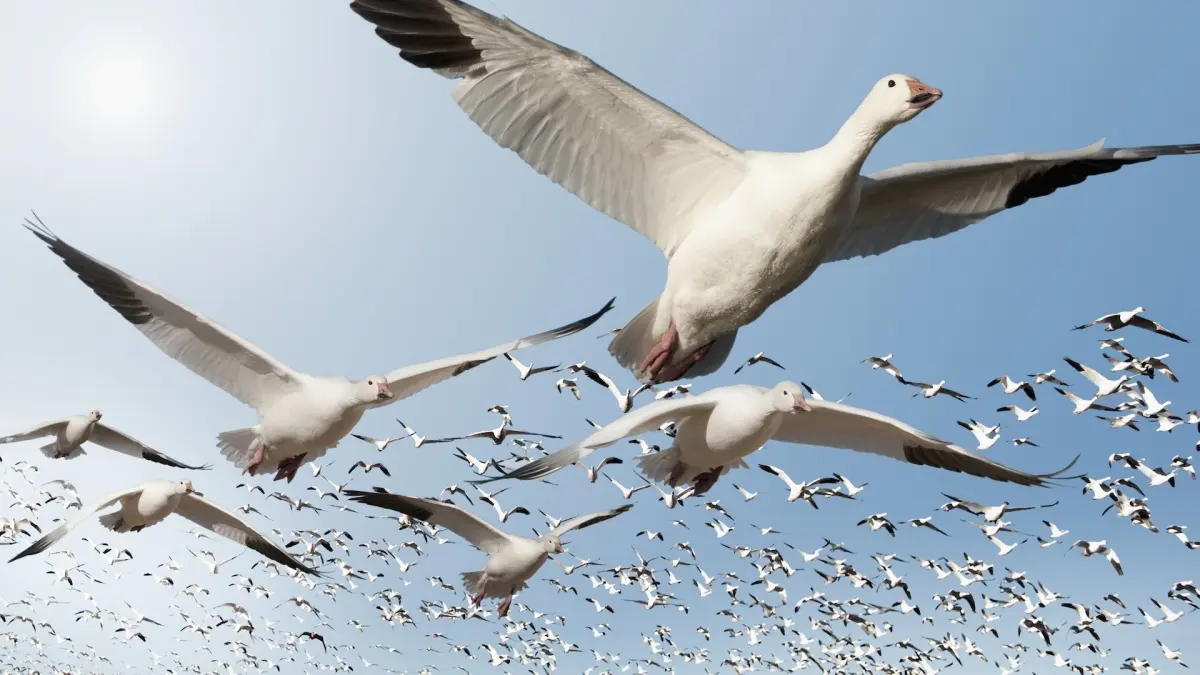
Birds migrate by navigating thousands of miles using internal biological compasses, celestial cues, and environmental landmarks…
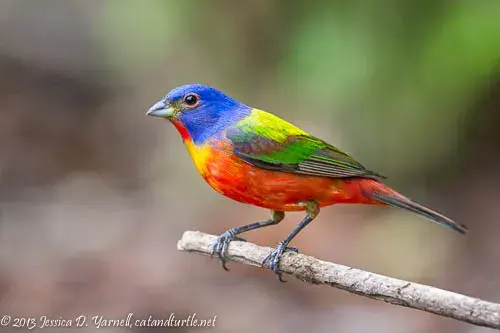
Birds possess tetrachromatic vision, meaning they see four primary colors: red, green, blue, and ultraviolet. Unlike humans, who…
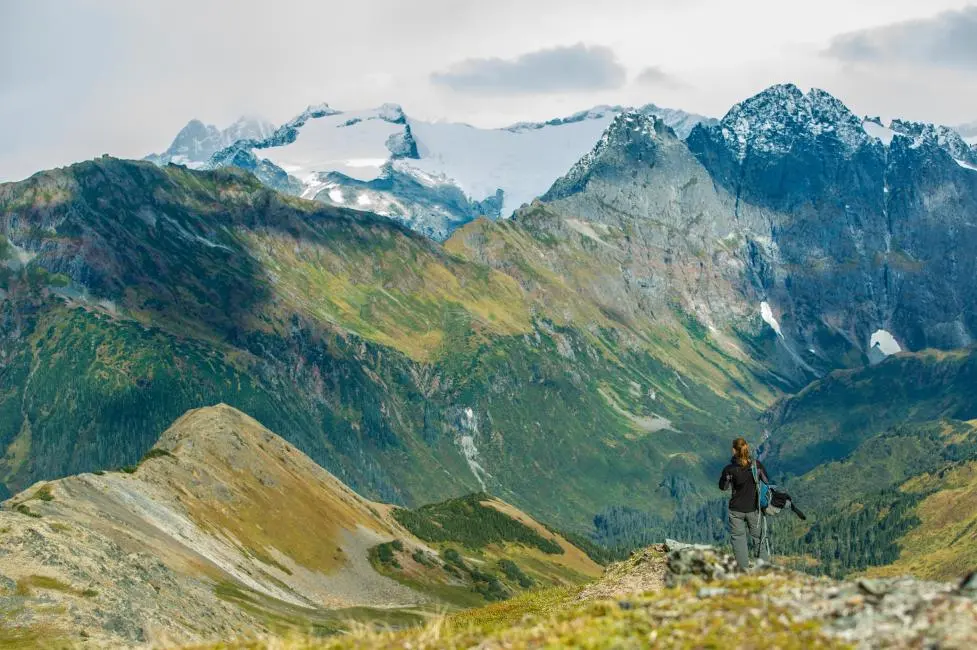
Temperate rainforests are lush, high-precipitation ecosystems located in mid-latitude coastal regions. They are characterized by…