Science & Nature
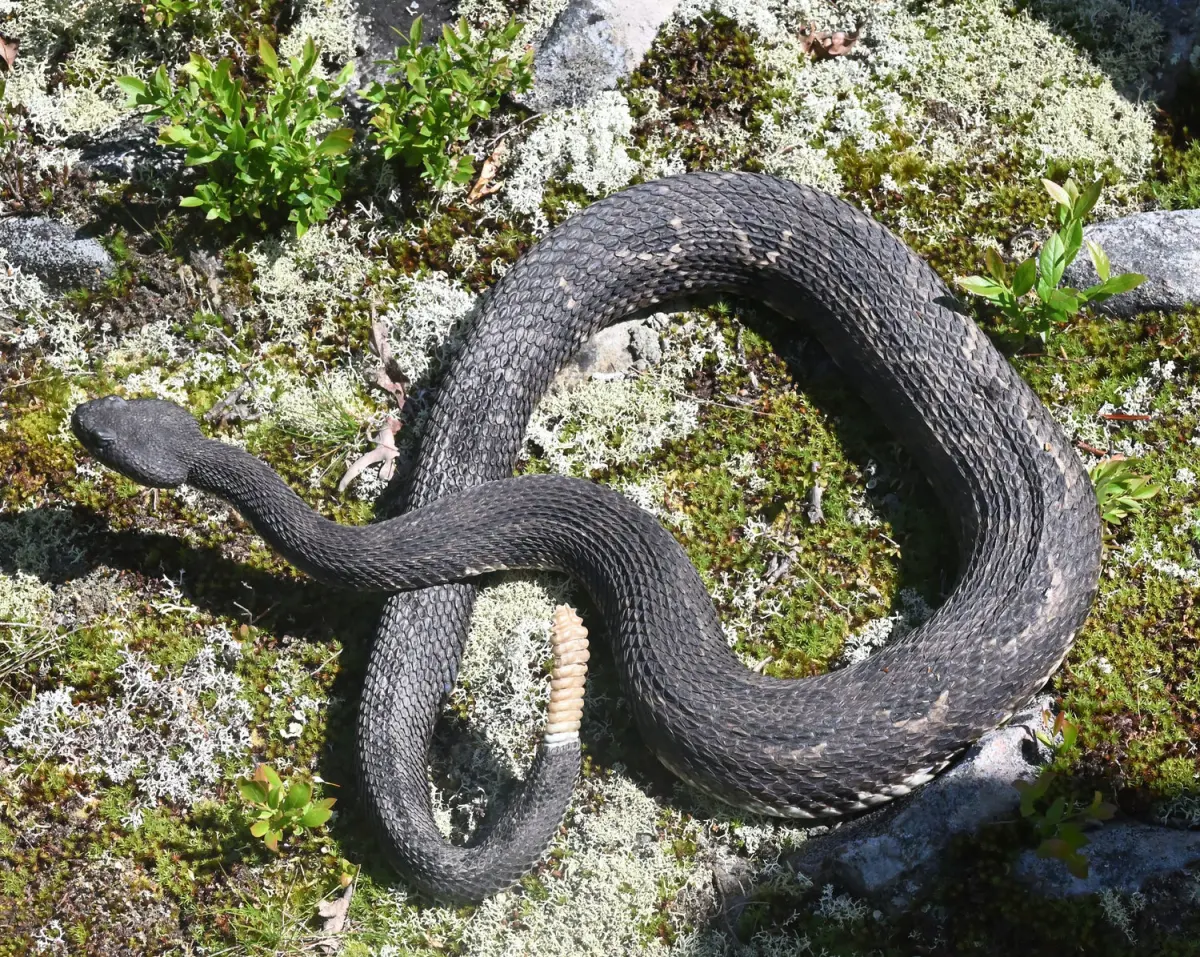
How big do rattlesnakes get?
Rattlesnakes vary significantly in size depending on the species, ranging from the small pygmy rattlesnake at about 18 inches to…
Animals, plants, the human body, space and how the natural world works.
Rattlesnakes vary significantly in size depending on the species, ranging from the small pygmy rattlesnake at about 18 inches to…
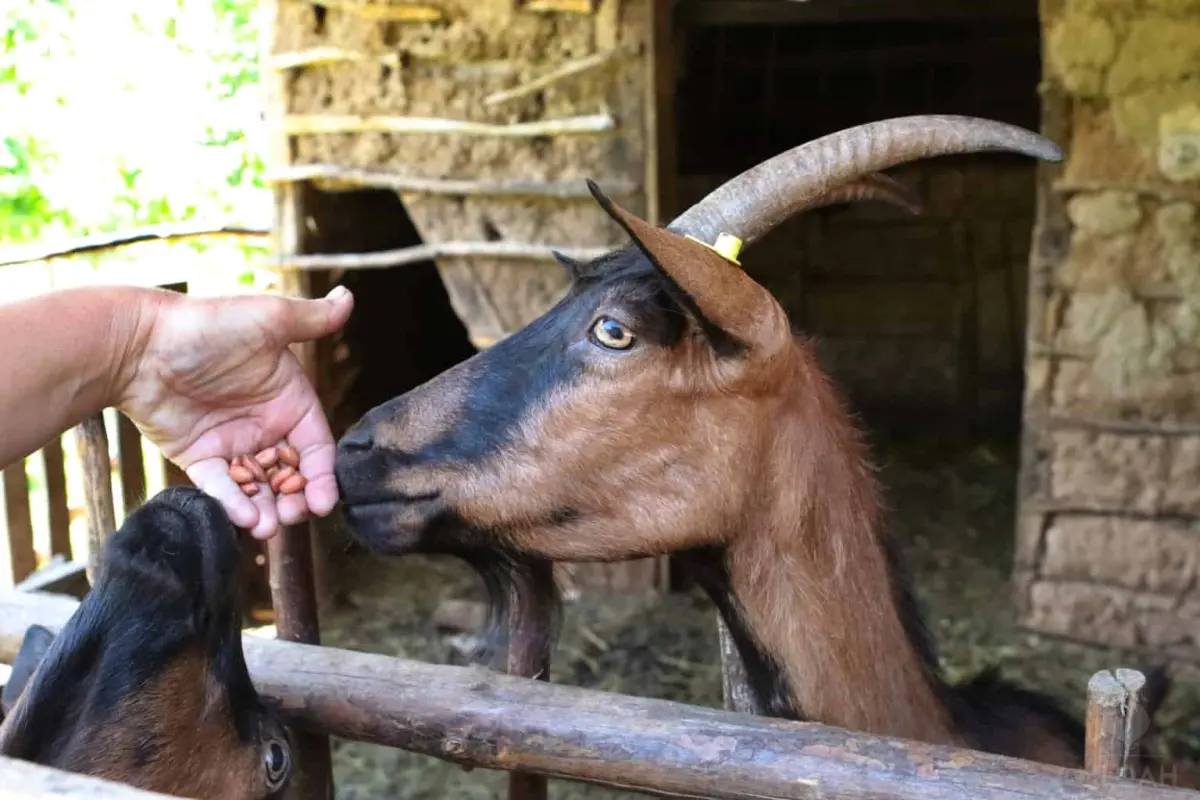
Goats are ruminant herbivores that primarily consume forage, including grasses, weeds, shrubs, and woody plants. They are…
Snails are primarily herbivores that consume a wide variety of plant matter, including leaves, stems, flowers, and rotting…
Sea turtles have diverse diets that change as they age and vary by species. While some are strict herbivores, others are…
Foraging begins with learning to identify a few common, unmistakable edible plants in your local area. Start by studying…
Crabs inhabit nearly every aquatic and terrestrial environment on Earth. While the majority reside in saltwater oceans, many…
Gray wolves typically weigh between 60 and 145 pounds, though sizes vary significantly by geography. Adult males generally…
Ostriches are opportunistic omnivores that primarily consume plant matter, including roots, leaves, seeds, and fruits. They also…
Pigeons vary significantly in size depending on their specific breed and habitat. Most common feral pigeons weigh between 250…
Pythons typically live between 20 and 30 years in captivity, though some individuals reach 40 years or more with expert care…
Extinction is the permanent disappearance of a species when the last individual dies. It is a natural process that has occurred…
Geese vary significantly in size depending on the species and breed. Domestic geese, such as the Embden, can weigh up to 30…
Maps represent the round Earth by using mathematical projections to flatten a three-dimensional sphere onto a two-dimensional…
Bobcats are opportunistic carnivores that primarily hunt small mammals, including rabbits, hares, and rodents. While they favor…
The Arctic is the polar region located at the northernmost part of Earth, encompassing the Arctic Ocean, adjacent seas, and…
Reykjavik is the world’s northernmost capital of a sovereign state, renowned for its vibrant cultural scene, geothermal energy…
A wetland is a distinct ecosystem where water covers the soil or is present at or near the surface for varying periods of time…
The Earth consists of four primary internal layers: the solid inner core, the liquid outer core, the viscous mantle, and the…
The smallest animal in the world is the Paedophryne amauensis, a species of frog discovered in Papua New Guinea in 2009…
To attract hummingbirds, provide a consistent supply of nectar through native flowers and feeders while ensuring a safe…
Camels are hardy herbivores that primarily consume tough, desert-dwelling vegetation. Their diet consists of thorny shrubs, dry…
Sea lions are opportunistic carnivores that consume a diverse diet of fish, cephalopods, and occasionally crustaceans. Their…
An invasive species is a non-native organism that causes ecological or economic harm in its new environment. These species…
Rhinos are among the largest land mammals, with adult weights ranging from 1,700 to 5,000 pounds (800 to 2,300 kilograms). The…