Painting & Color
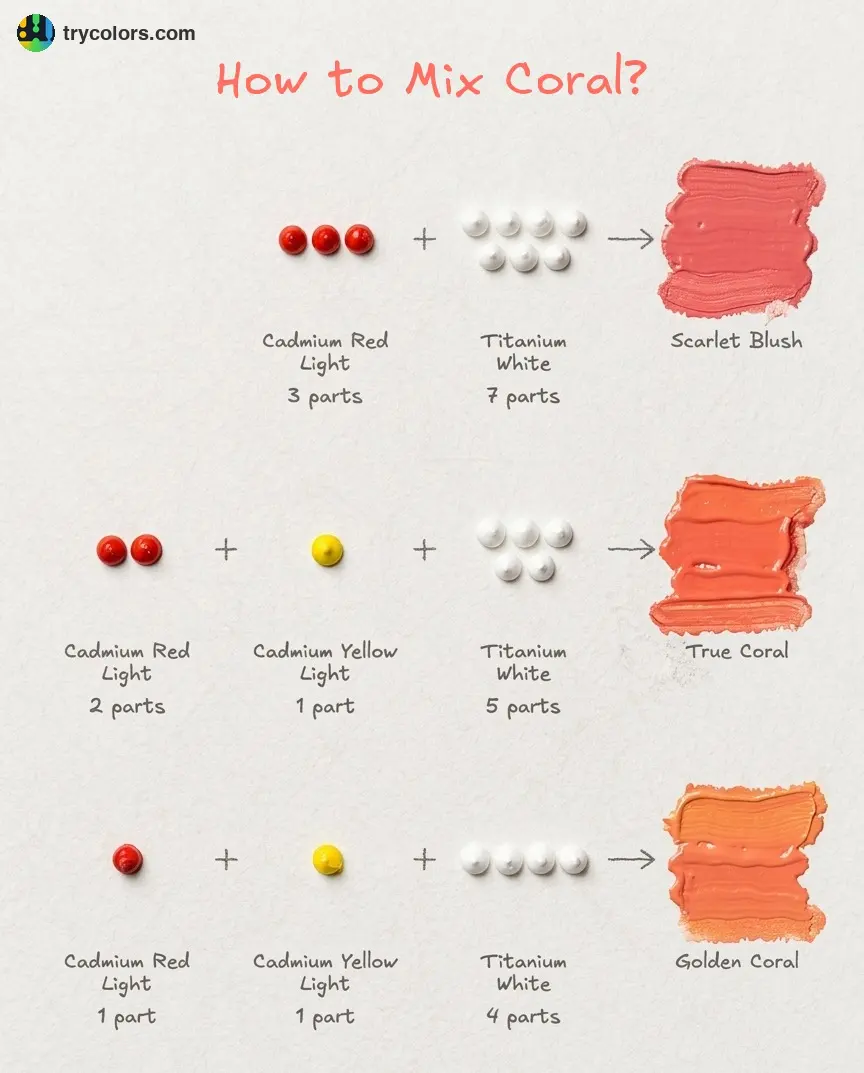
What colors go with coral?
Coral is a vibrant, warm hybrid of pink and orange that pairs beautifully with neutrals, cool blues, and earthy tones. Because…
Watercolor, acrylic and oil painting, color theory and mixing.
Coral is a vibrant, warm hybrid of pink and orange that pairs beautifully with neutrals, cool blues, and earthy tones. Because…
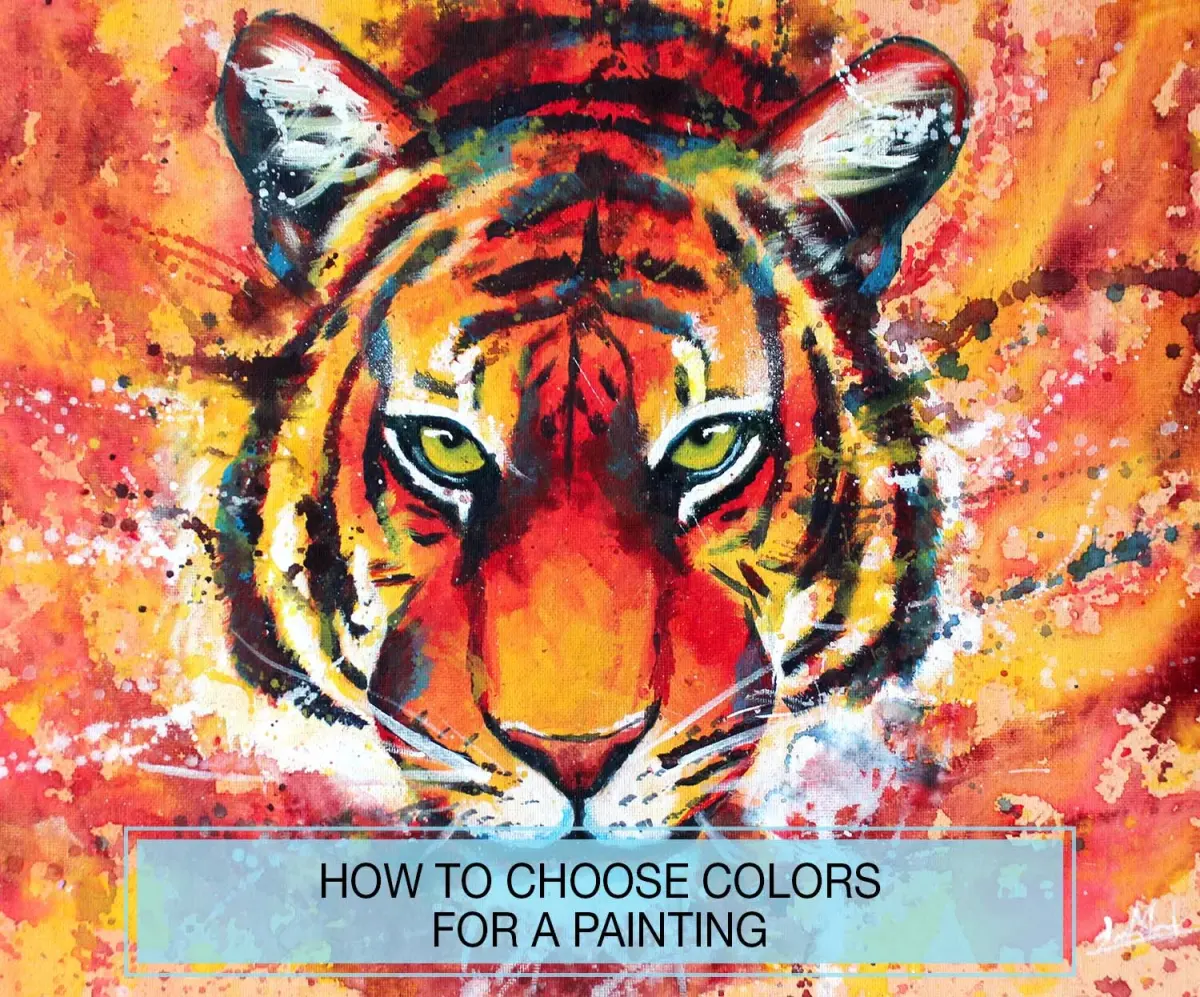
Choosing colors for a painting involves balancing emotional intent with technical color theory. Start by selecting a limited…
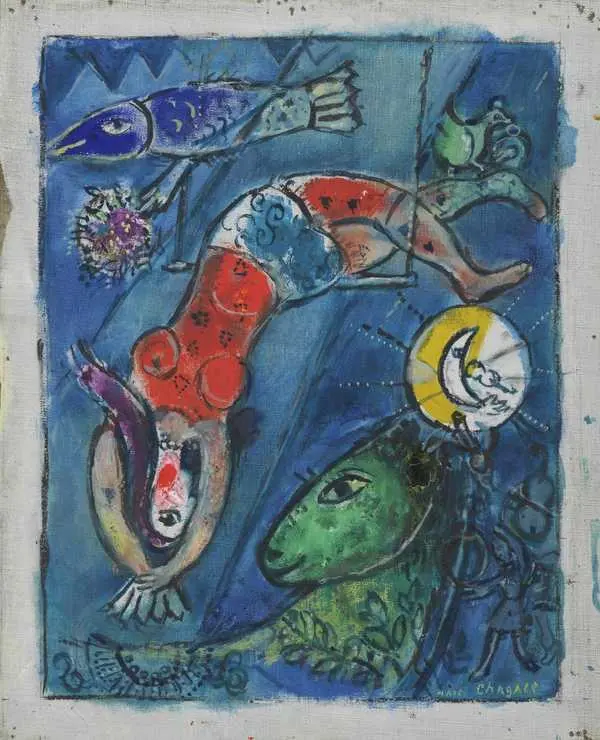
I and the Village (1911) is widely considered Marc Chagall’s most famous painting. This iconic oil-on-canvas masterpiece…
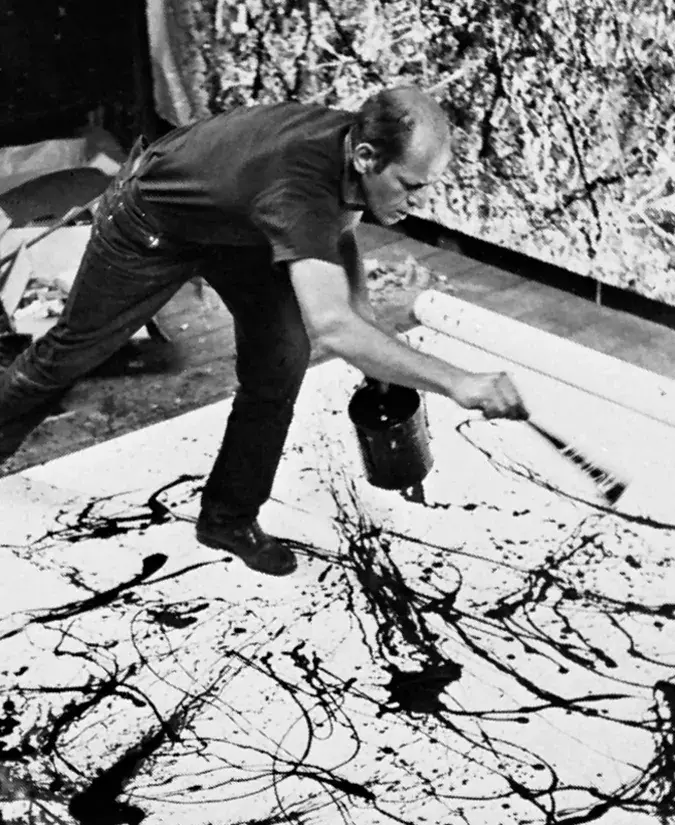
Jackson Pollock revolutionized modern art through his signature "drip" technique, which involved pouring, splashing, and…
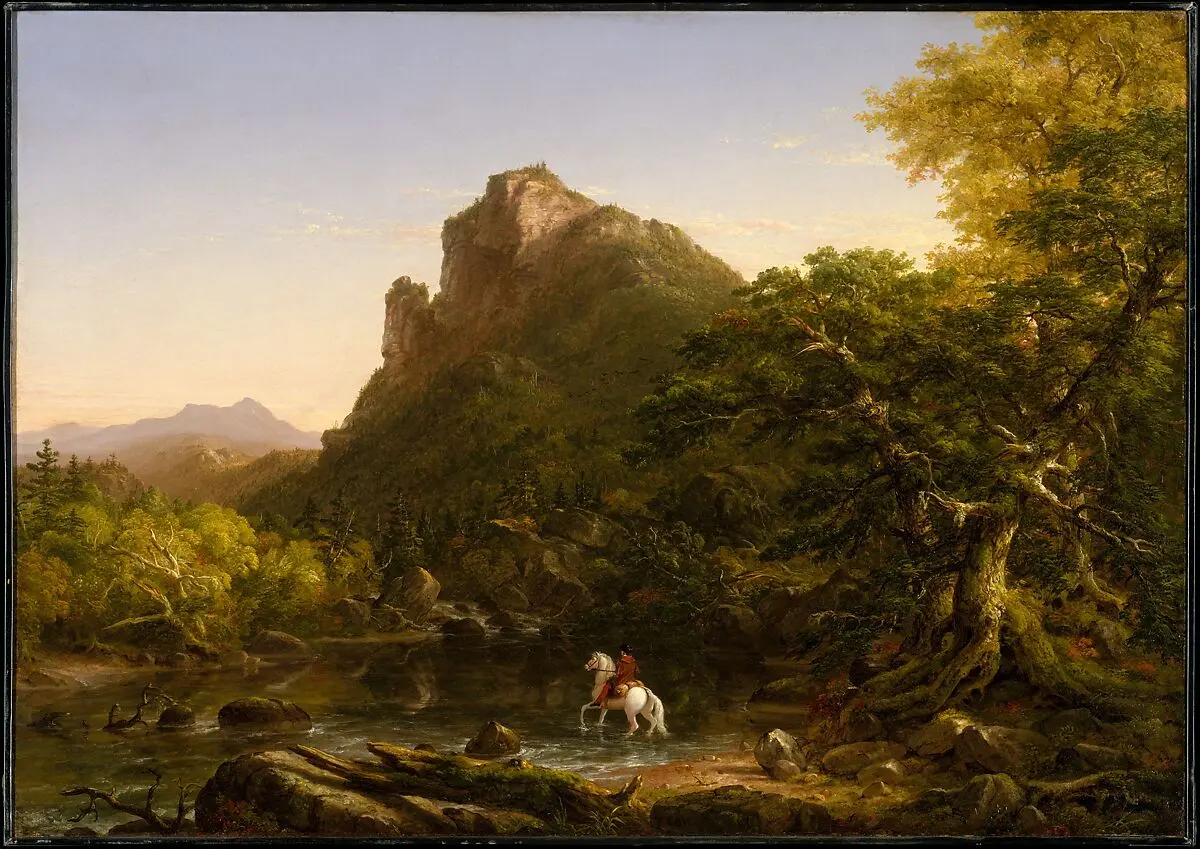
Thomas Cole is primarily known as the founder of the Hudson River School, the first major American landscape painting movement…
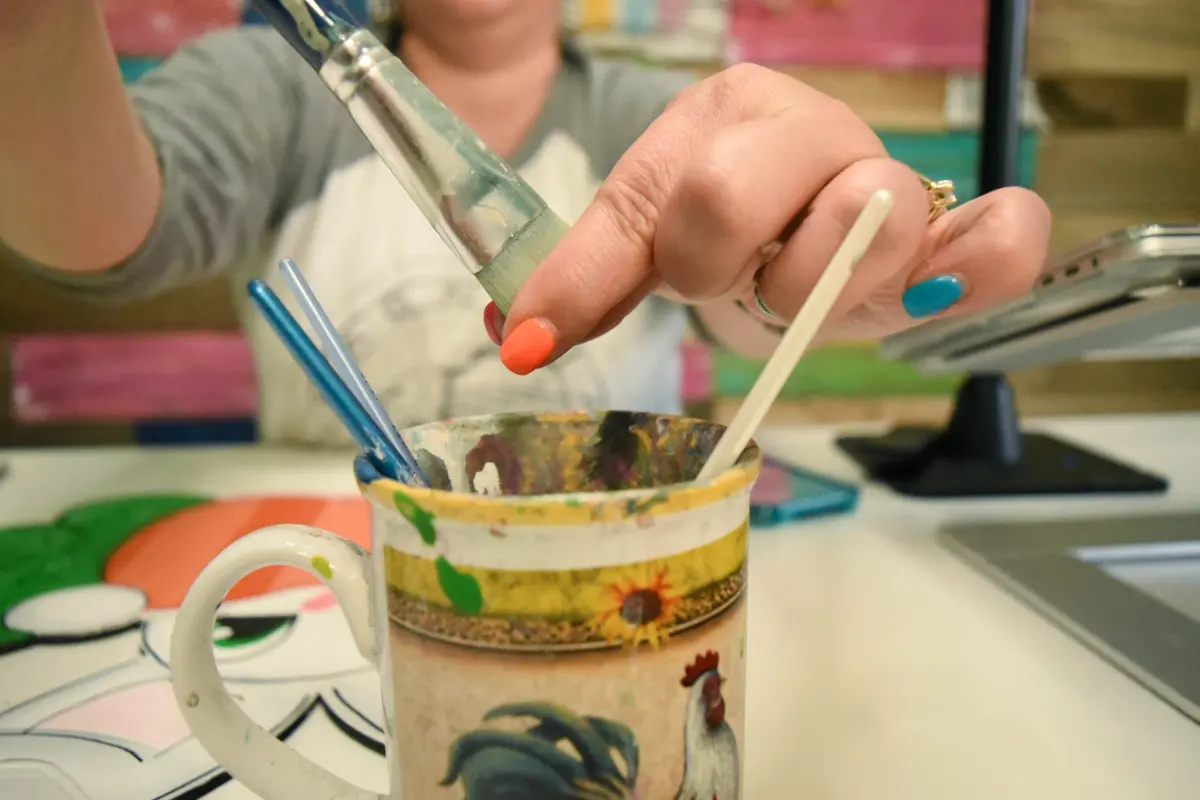
Proper paint brush care requires immediate cleaning after use, using the correct solvent for the medium, and storing brushes…
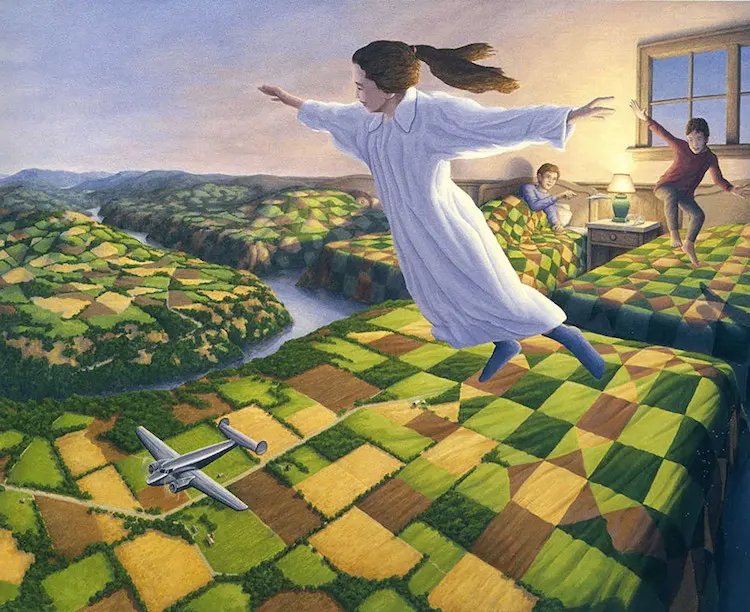
Magic realism is an artistic style that integrates fantastical or supernatural elements into otherwise realistic, mundane…
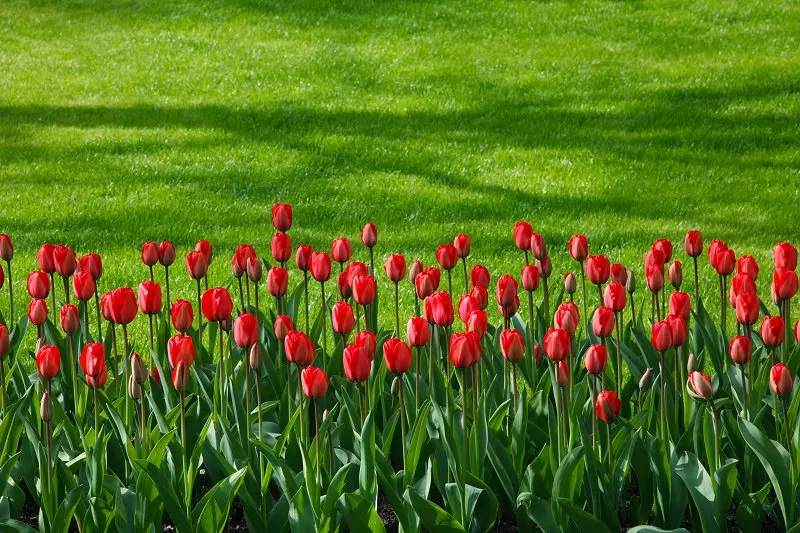
The complementary color of red is green. In traditional color theory, based on the RYB (red-yellow-blue) model, these two hues…
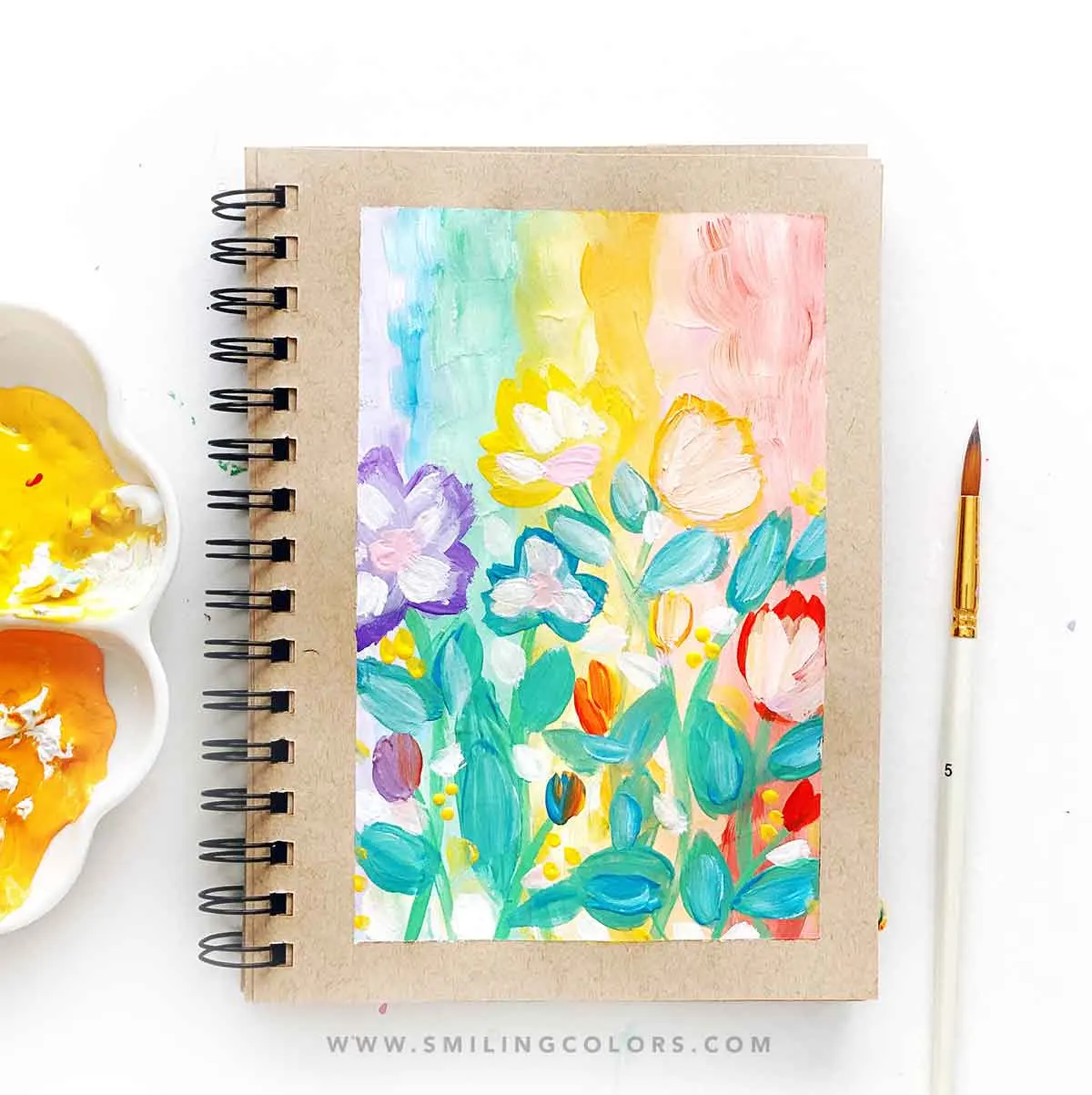
Yes, you can use acrylic paint on paper, provided you choose the right weight and type. Acrylics are water-based and versatile…
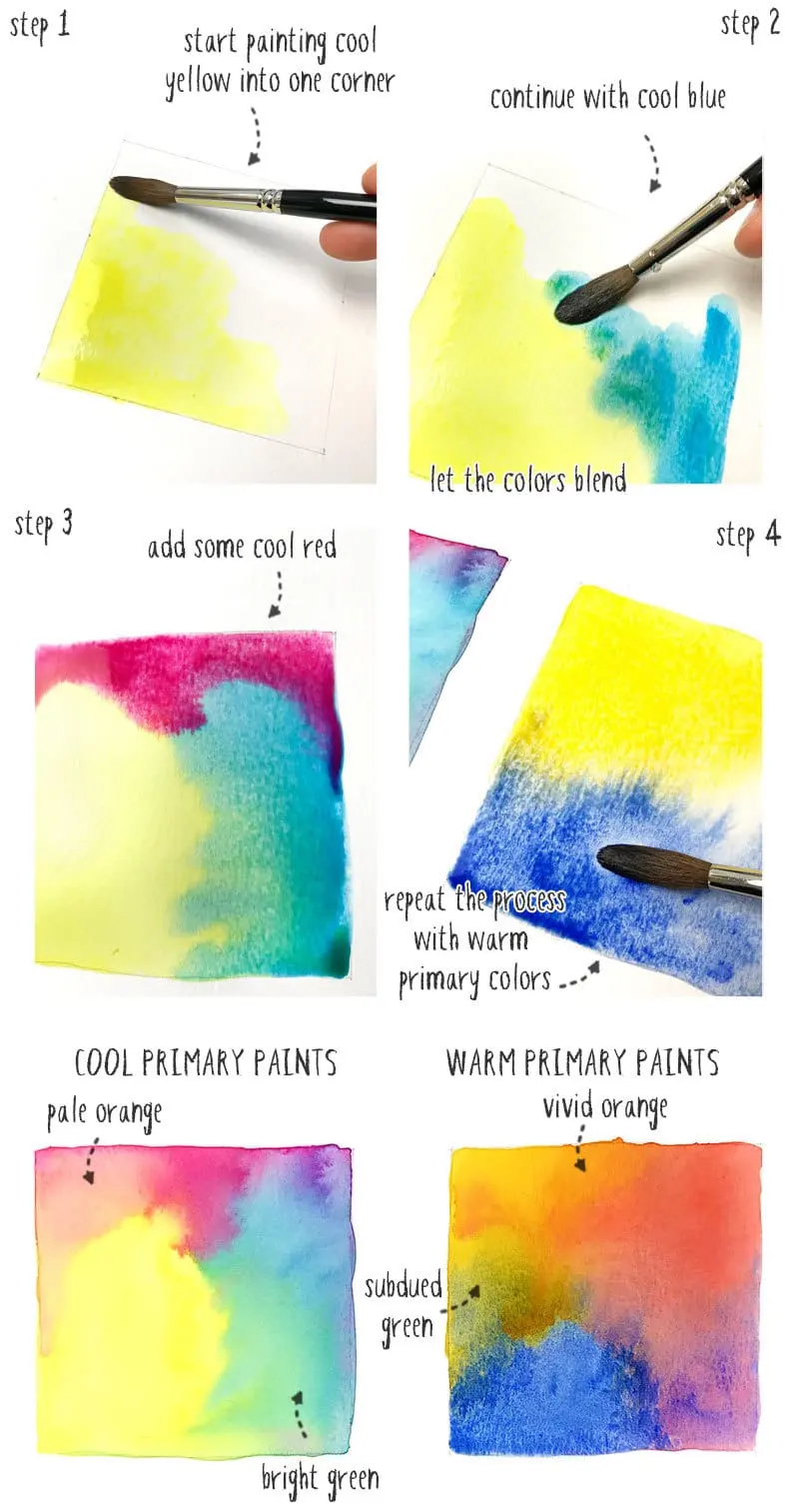
Beginners should focus on simple subjects that emphasize color mixing and water control rather than complex detail. Ideal…

Yellow is a primary color in traditional subtractive color theory, meaning it cannot be created by mixing other pigments. In the…
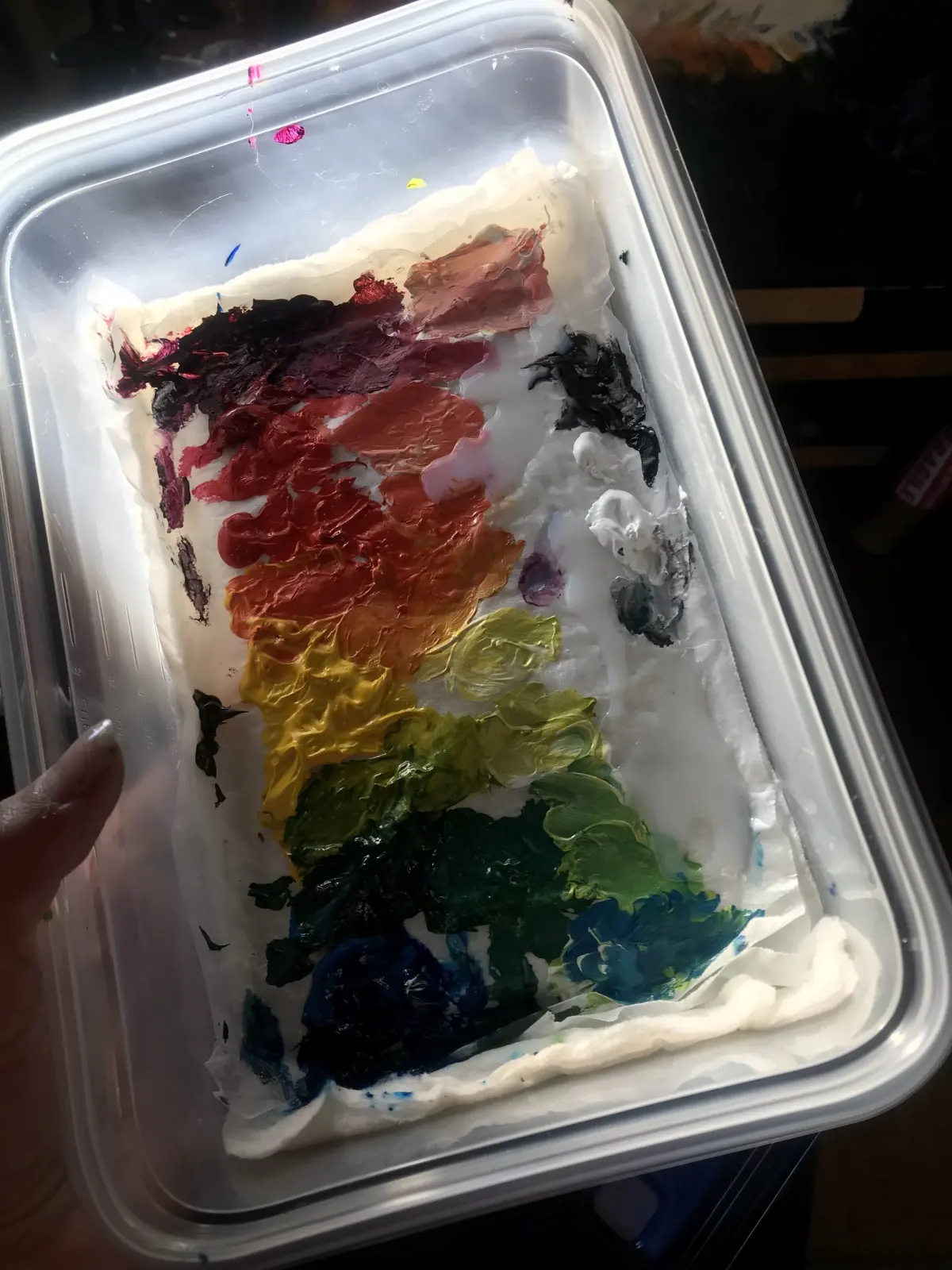
To keep acrylic paint from drying out, store it in airtight containers away from heat and direct sunlight. When working, use a…
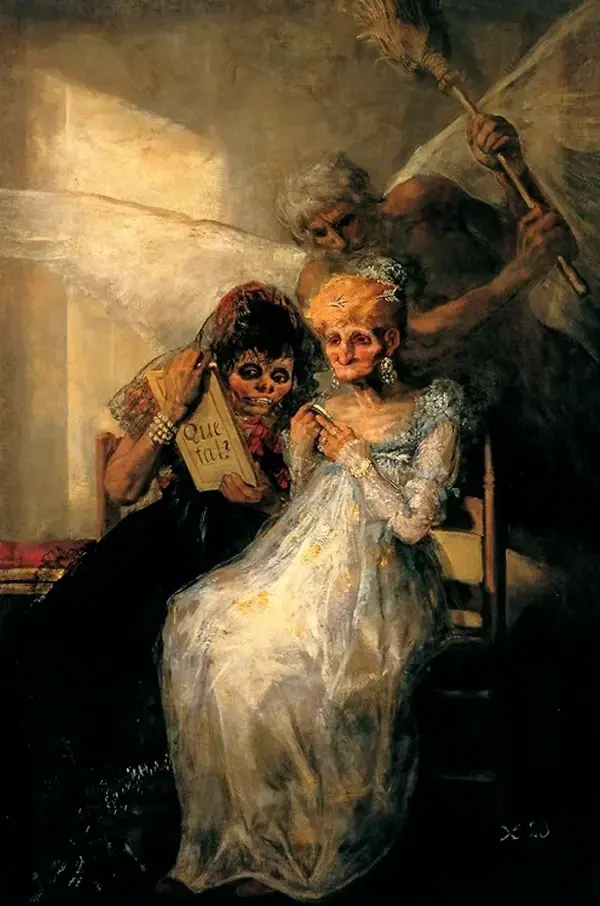
Francisco Goya’s most famous painting is The Third of May 1808, completed in 1814. This monumental oil-on-canvas work depicts…
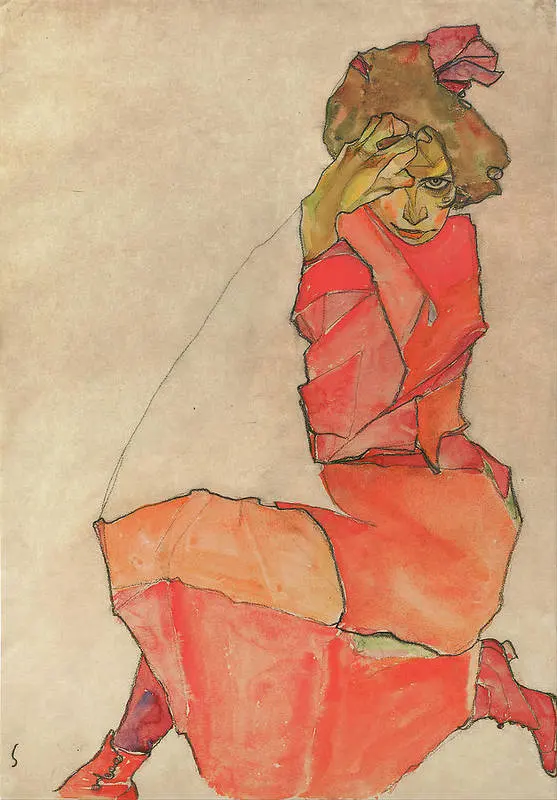
Egon Schiele utilized a distinctive technique defined by raw, agitated line work and expressive, distorted anatomy. He…
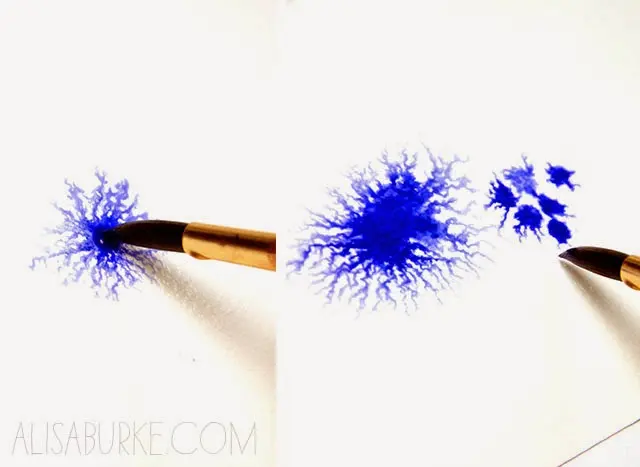
A watercolor bloom, often called a cauliflower, is a textured pattern that occurs when excess water or wet paint flows into a…

Brick red is created by mixing a primary red with a small amount of blue or green to dull its intensity, then adding yellow or…
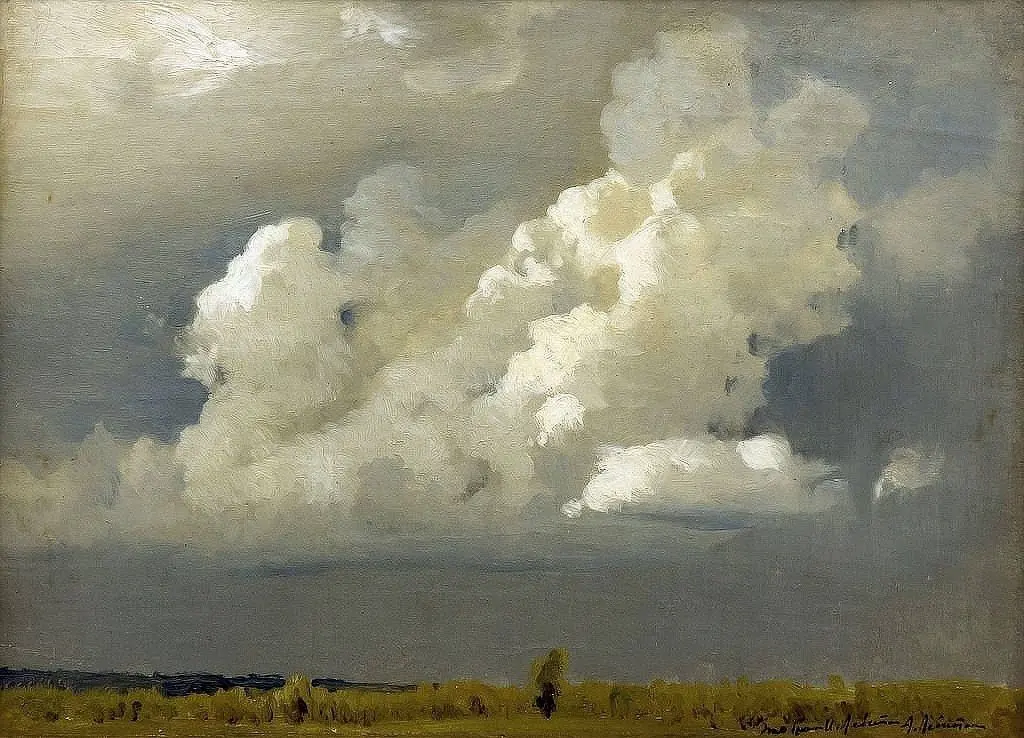
Painting clouds in oil requires layering thin glazes over a solid base. Start by establishing the sky’s color, then use opaque…
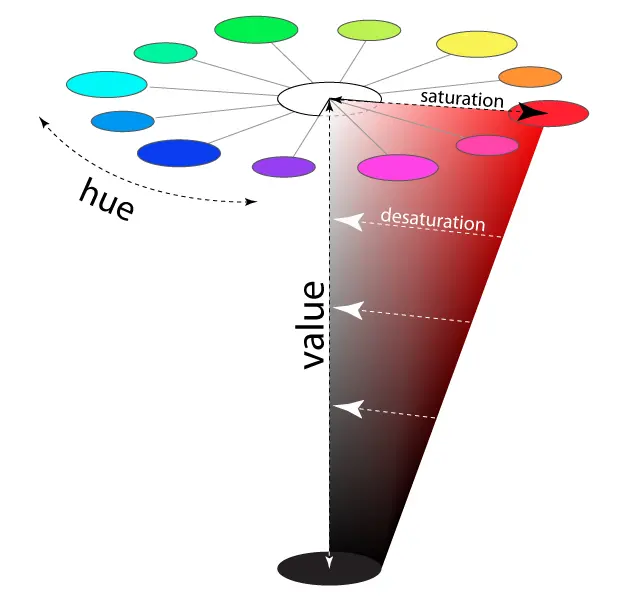
Hue refers to the specific color family—such as red, blue, or yellow—determined by its dominant wavelength of light. Saturation…
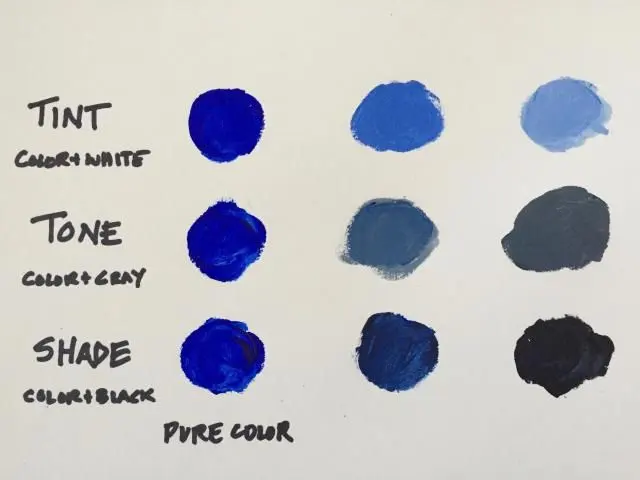
A tint is a color produced by mixing a pure hue with white, which increases its lightness and reduces its saturation. In color…
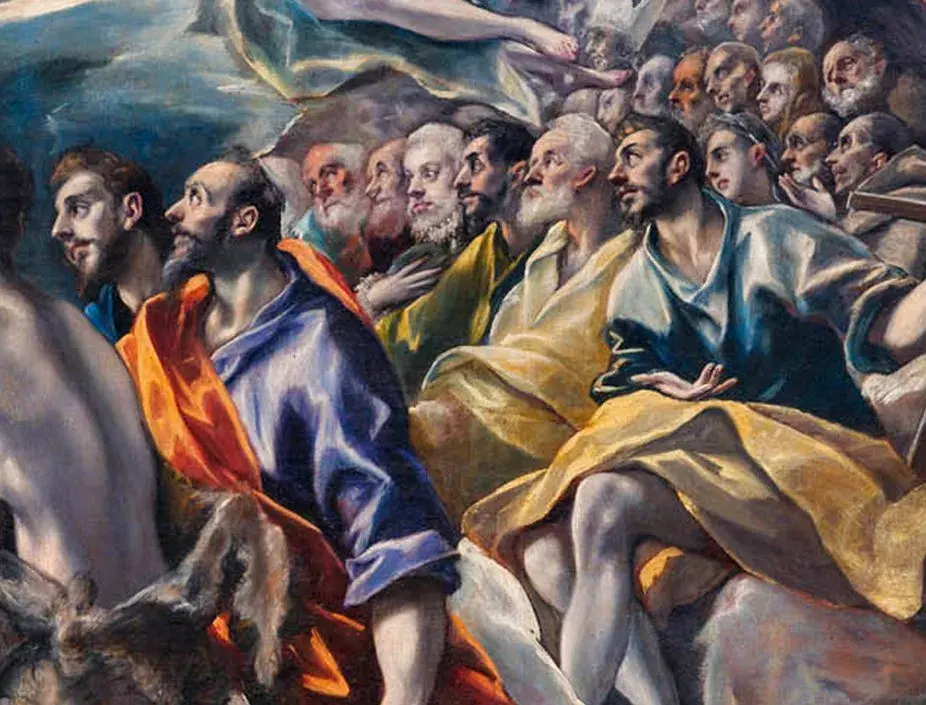
El Greco is celebrated for his unique, expressive style characterized by elongated human figures, vibrant colors, and dramatic…
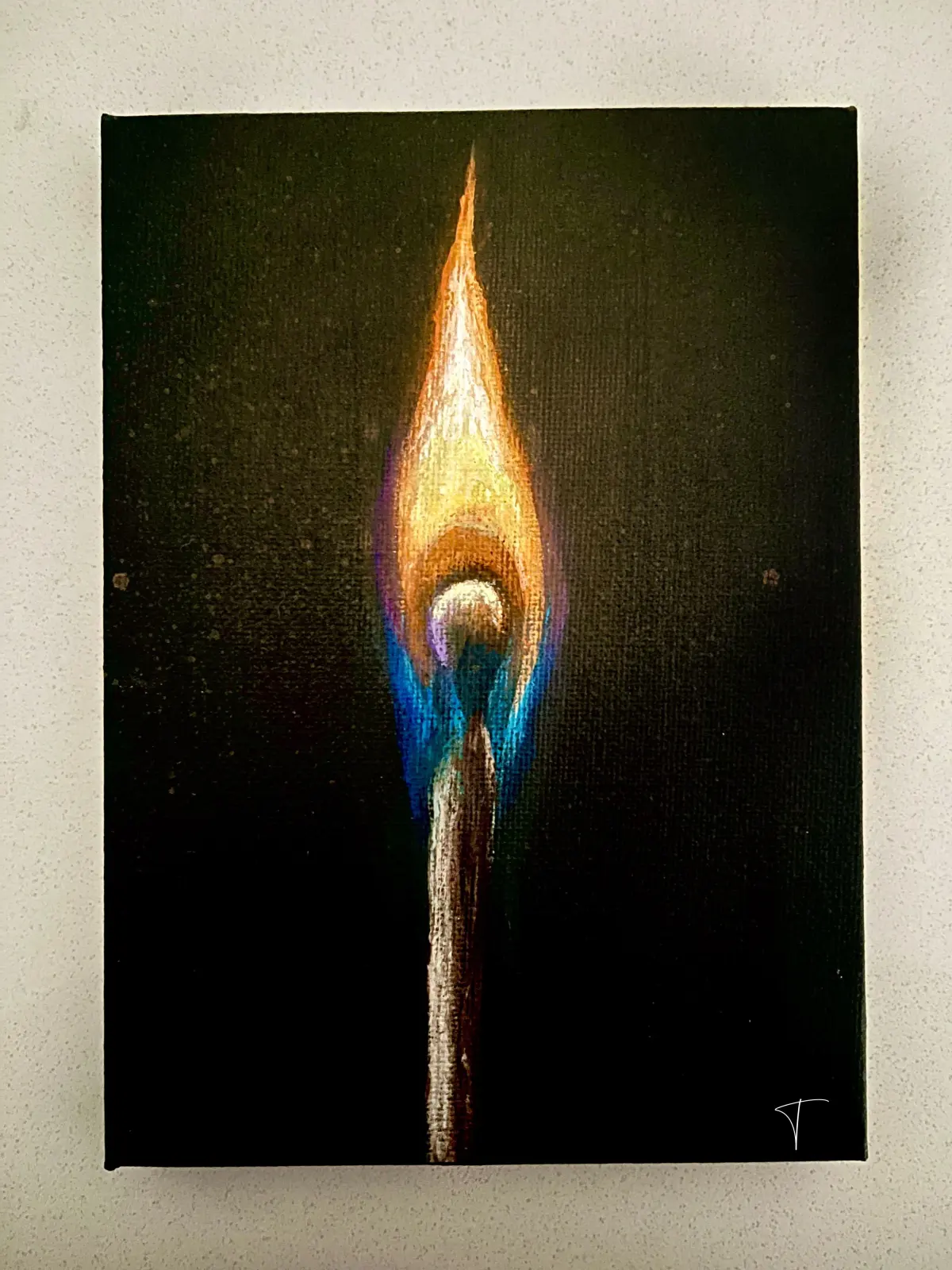
Painting fire with acrylics requires a layered approach, moving from dark to light colors. Start with a deep base, then build…
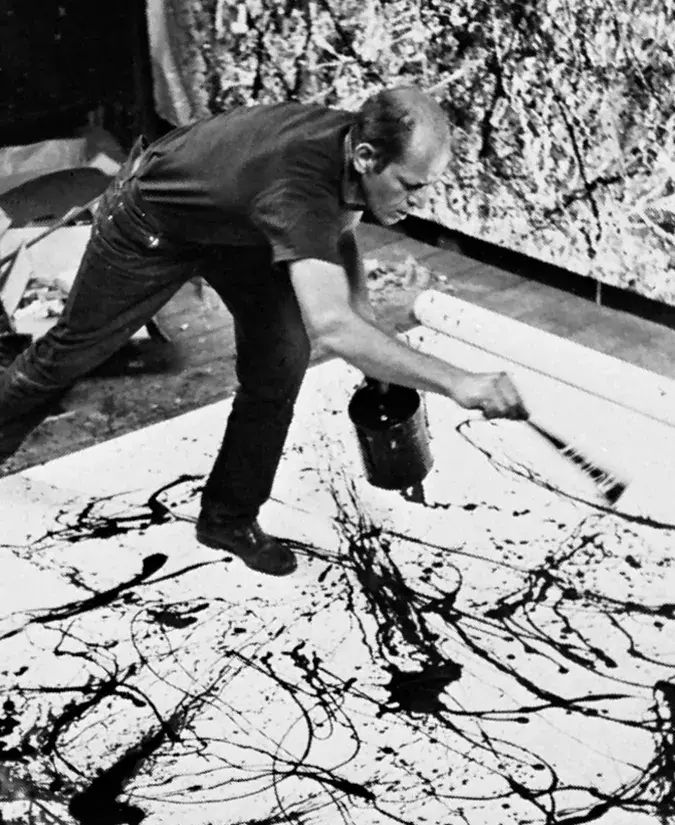
Jackson Pollock is primarily defined by Abstract Expressionism, specifically his signature "drip" or "action painting" style…
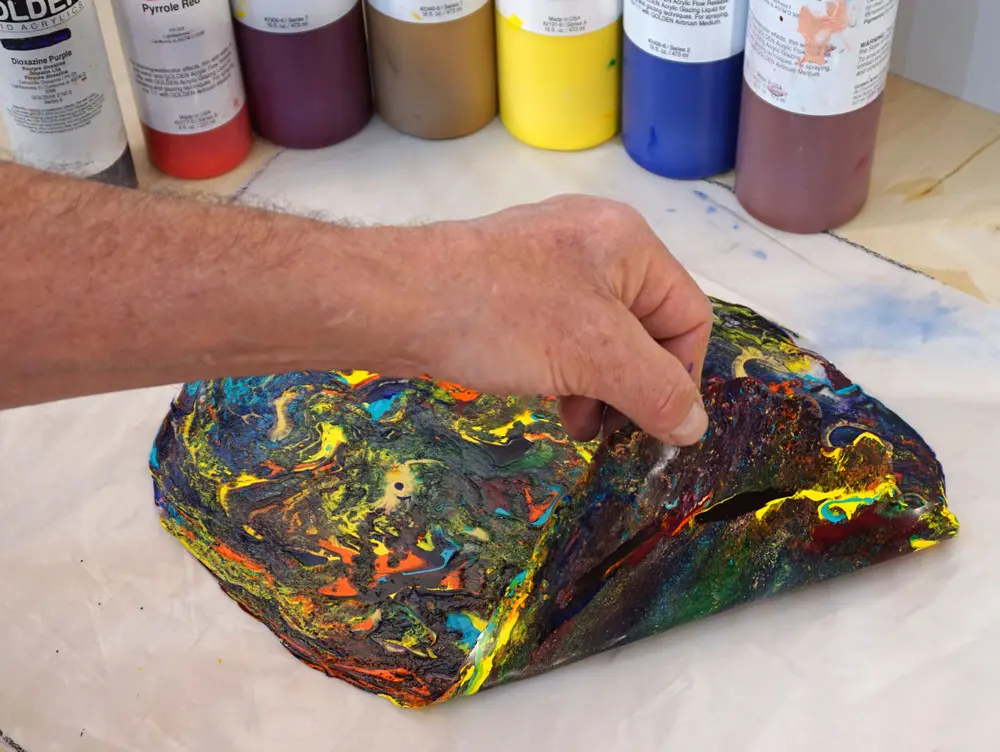
Painting realistic skin with acrylics requires building depth through thin, transparent layers called glazes. Start with a…
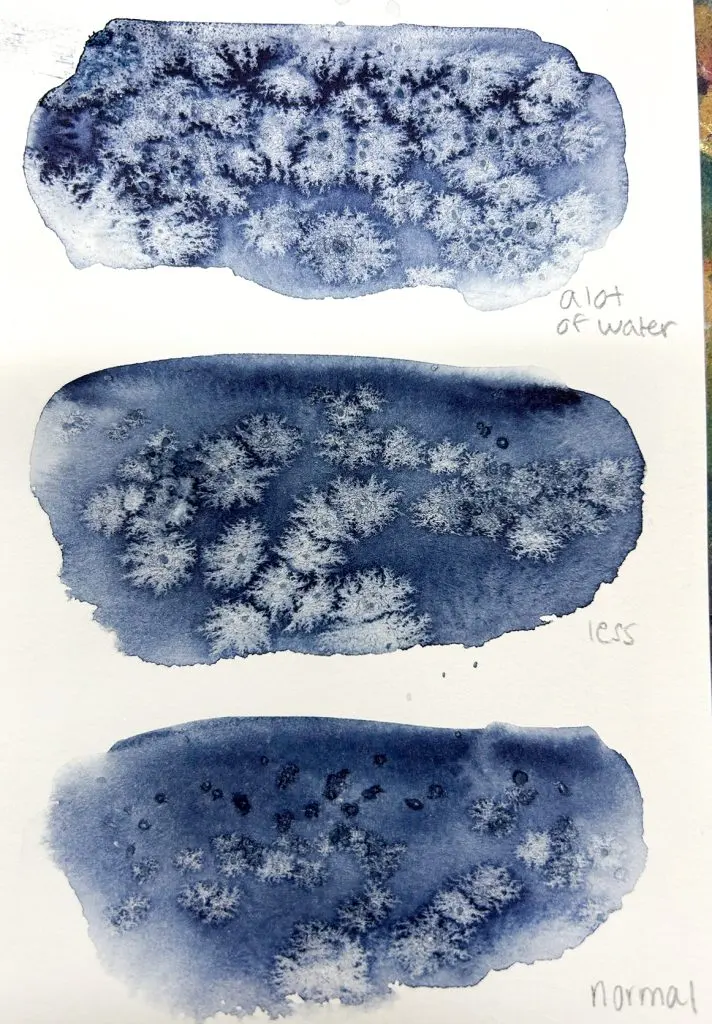
The salt technique is a watercolor method where salt crystals are sprinkled onto wet paint. As the paint dries, the salt absorbs…