Painting & Color
How do you paint a lake reflection with acrylic paint?
Painting a lake reflection requires applying darker, vertically oriented strokes beneath the horizon line to mirror the…
Watercolor, acrylic and oil painting, color theory and mixing.
Painting a lake reflection requires applying darker, vertically oriented strokes beneath the horizon line to mirror the…
Ancient people created paint by grinding natural minerals, earths, and organic materials into fine powders. These pigments were…
Odorless mineral spirits are a refined petroleum-based solvent used primarily for thinning oil-based paints, varnishes, and…
Cyan is a secondary color created by mixing equal parts of green and blue light. In the subtractive color model used for…
Grant Wood is best known as a leading figure of the American Regionalist movement, celebrated for his iconic 1930 painting…
Complementary colors sit directly opposite each other on the color wheel, creating maximum contrast and visual intensity…
Oil painting requires brushes with stiff, durable bristles capable of moving heavy paint. You primarily need a mix of hog…
Glazing is a painting technique involving the application of a thin, transparent layer of paint over a dried, opaque base layer…
Painting a landscape with acrylics involves building depth through layers, starting with a thin wash for the background and…
Mark Rothko employed thin, translucent layers of oil paint applied with large brushes to create his signature "color field"…
The complementary color of turquoise is red-orange. In color theory, complementary colors sit directly opposite each other on…
John Everett Millais’s Ophelia (1851–1852) is celebrated for its radical botanical realism and emotional intensity. By depicting…
Edward Hopper utilized dramatic light and shadow, simplified architectural forms, and a deliberate sense of isolation to define…
Andrew Wyeth was a preeminent 20th-century American realist painter celebrated for his evocative, melancholic depictions of…
Diego Velázquez’s most famous painting is Las Meninas, completed in 1656. This complex masterpiece serves as a profound…
Painting a realistic eye with acrylics involves layering colors from dark to light. Begin by sketching the almond shape, then…
David Hockney is a prolific English painter, printmaker, and photographer, widely considered one of the most influential British…
Graffiti art is a form of visual expression involving the unauthorized or authorized marking of public surfaces using spray…
A glazing medium is an additive used in oil and acrylic painting to increase the transparency, flow, and drying time of…
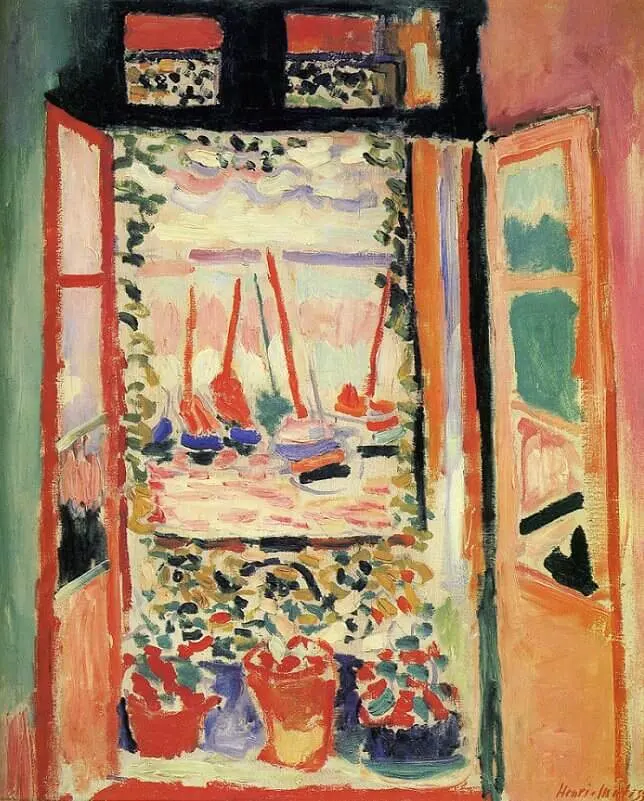
The Dance (II), painted in 1910, is widely considered Henri Matisse’s most famous work. This monumental oil painting depicts…
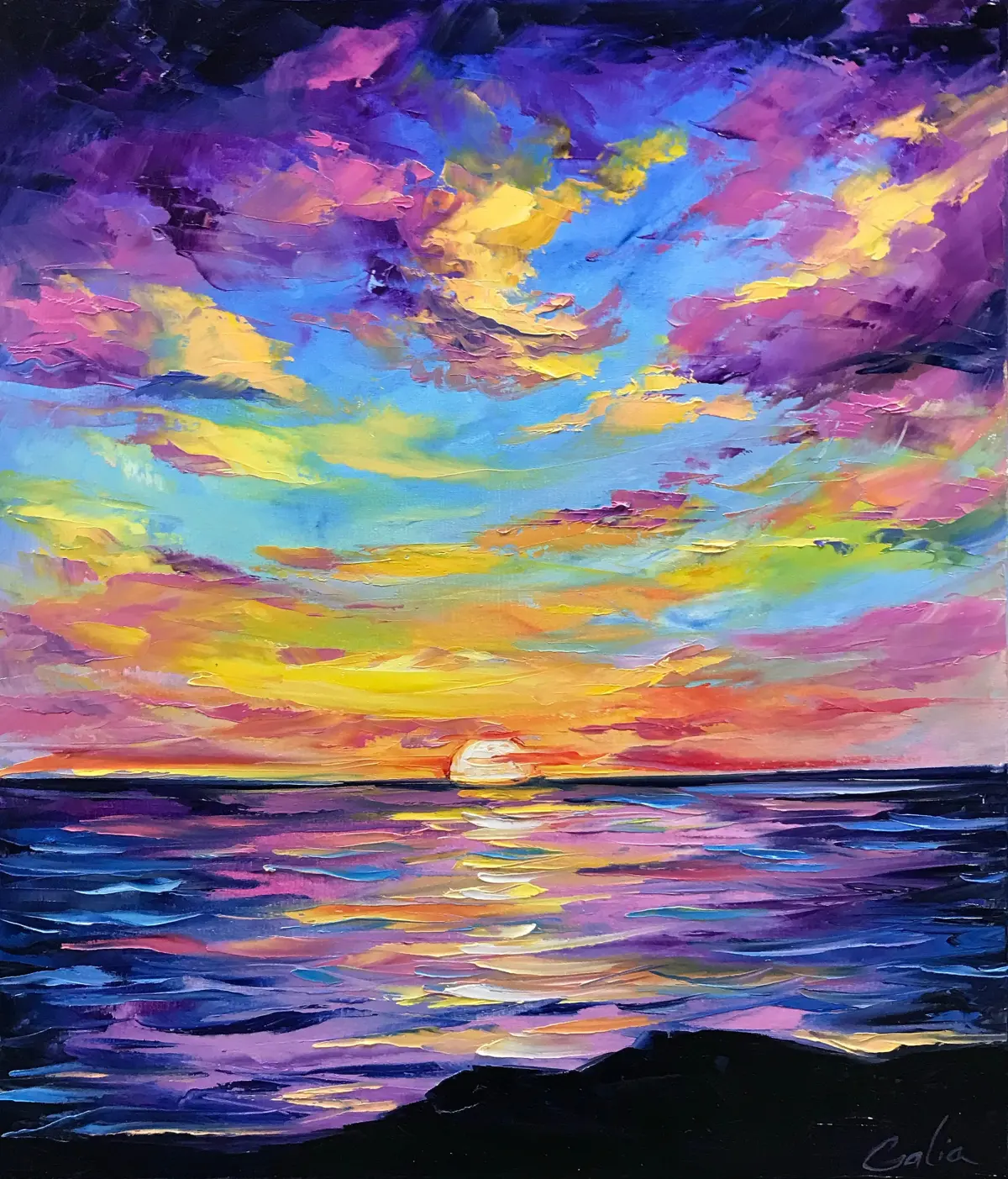
Painting a sunset in oil requires a structured approach focusing on light, color temperature, and atmospheric perspective. By…
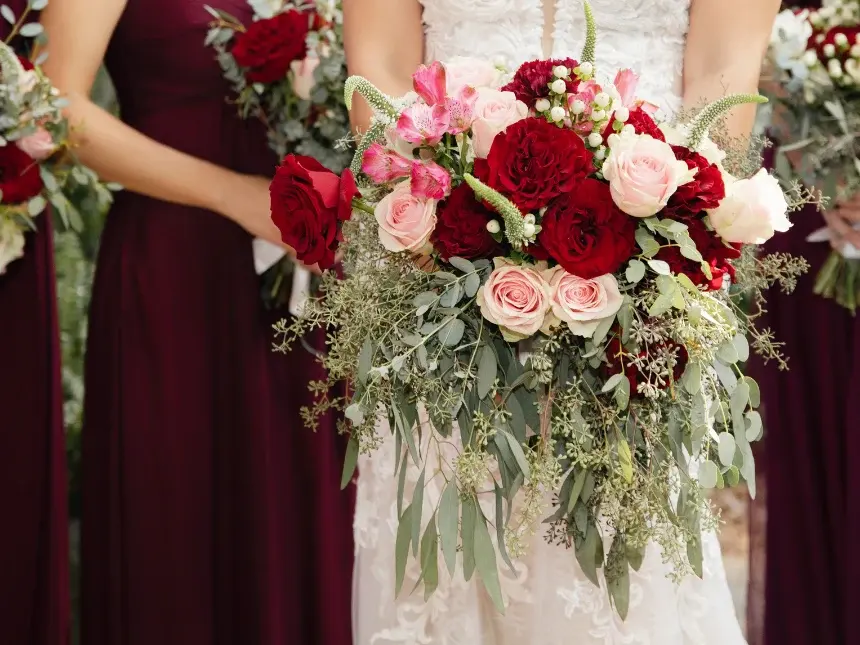
Maroon is created by mixing a primary red with a small amount of blue or violet to deepen the hue, followed by the addition of…
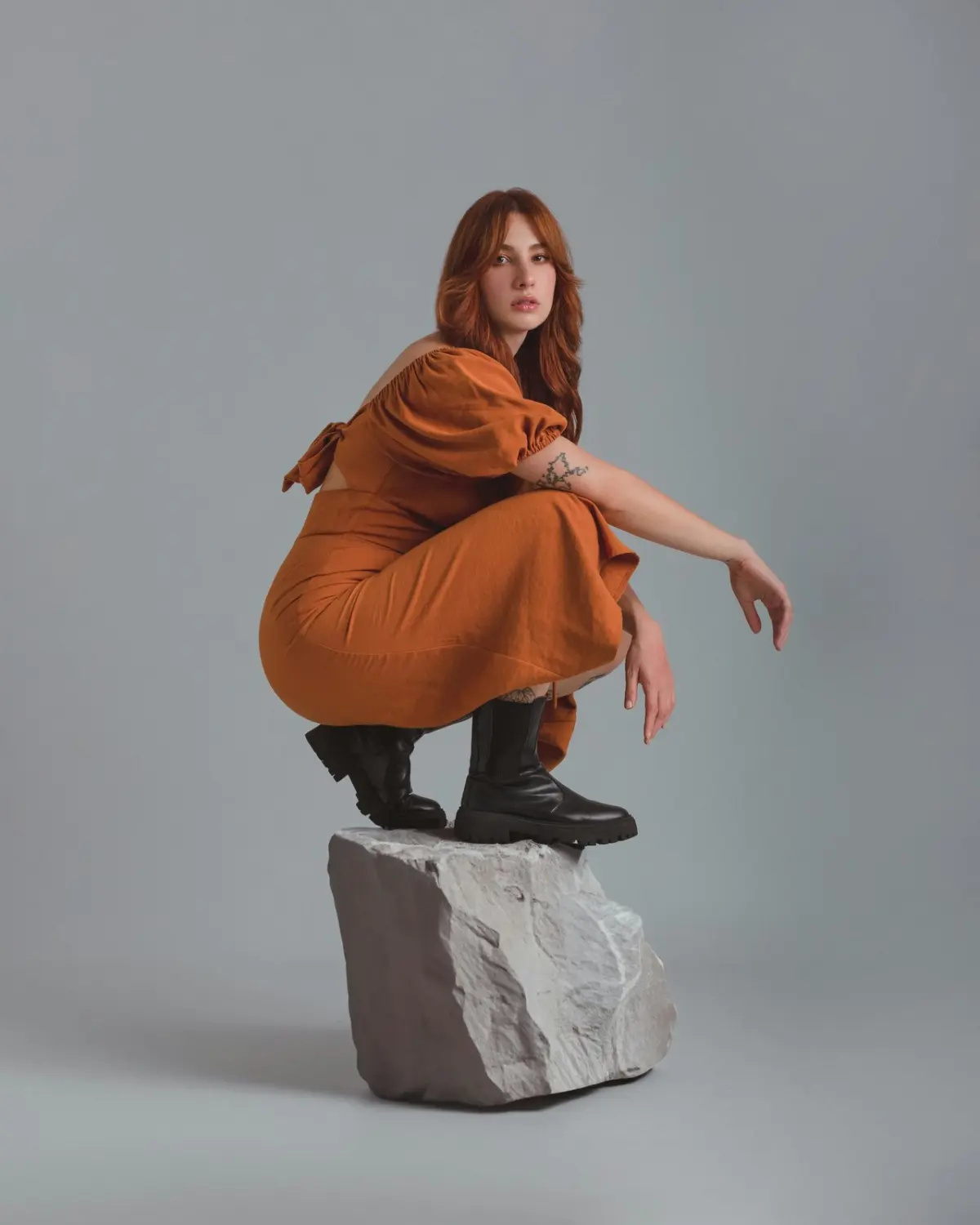
Ochre is a natural earth pigment primarily composed of iron oxide, clay, and sand. To recreate its signature warm, earthy hue…
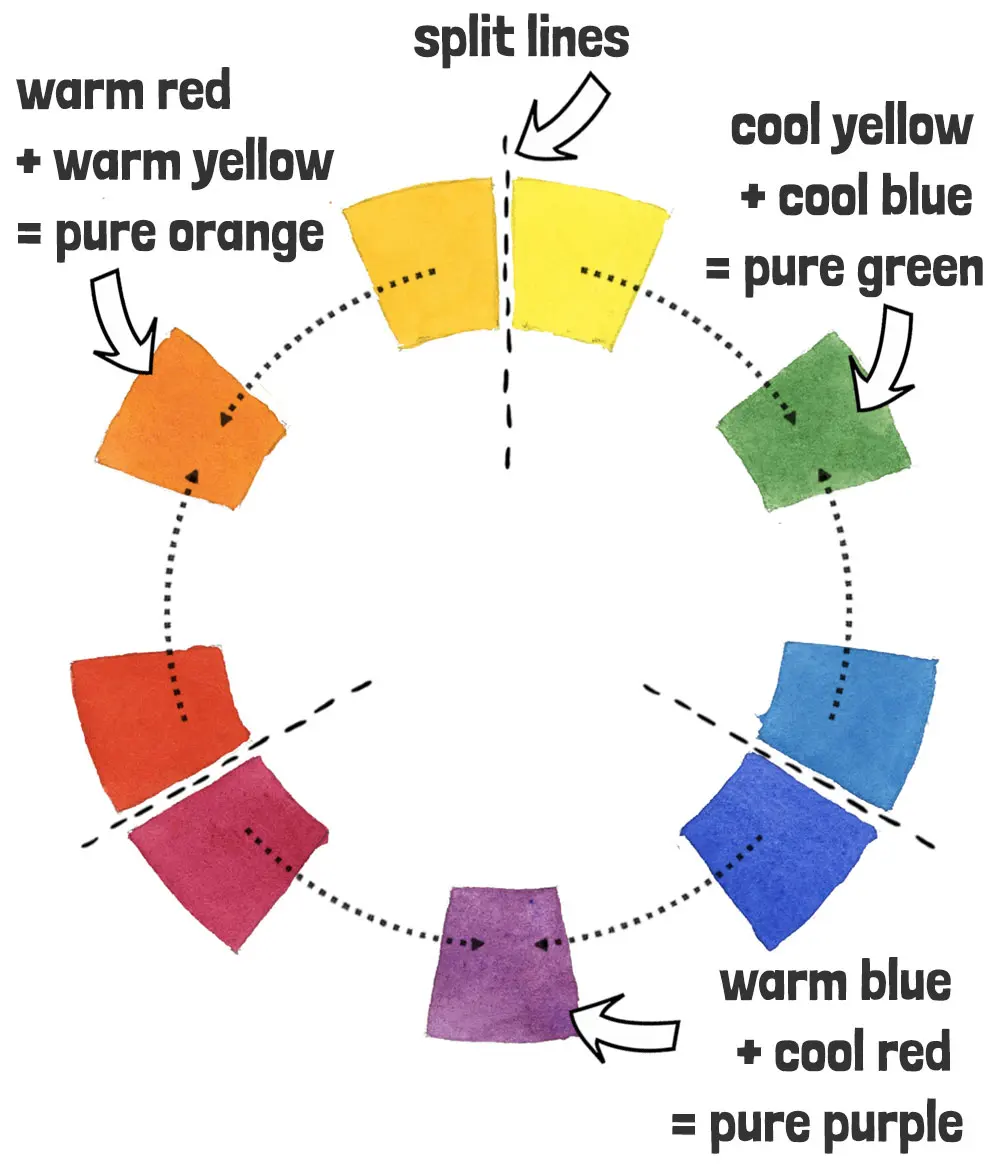
A split primary palette is a color mixing system using two versions of each primary color—one warm and one cool. By selecting a…