How did ancient people make paint?
Short answer
Ancient people created paint by grinding natural minerals, earths, and organic materials into fine powders. These pigments were then mixed with liquid binders, such as animal fat, egg yolk, plant gums, or water. This combination allowed the color to adhere to surfaces like cave walls, pottery, and plaster for thousands of years.
On this page
How did ancient people source pigments?
Ancient artists relied primarily on the earth around them to find vibrant colors. They utilized mineral deposits, such as iron oxides, to create earthy tones like red, yellow, and brown ochre. These minerals were often found in riverbeds or cliff faces and were prized for their stability and resistance to fading over time.
For more specialized colors, civilizations looked to organic sources or rare minerals. Egyptian blue, for instance, was one of the first synthetic pigments, created by heating silica, copper, and calcium. Meanwhile, charcoal and soot provided deep blacks, while crushed malachite offered rich greens. The process of gathering these materials required extensive knowledge of local geology and the chemical properties of various stones and plants.
What were the common binders used in ancient paint?
A pigment is merely a colored powder until it is suspended in a binder, which acts as the glue that holds the paint to a surface. Without a binder, the pigment would simply dust off once dry. Ancient people experimented with various substances to find the best medium for their specific artistic needs.
Common binders included:
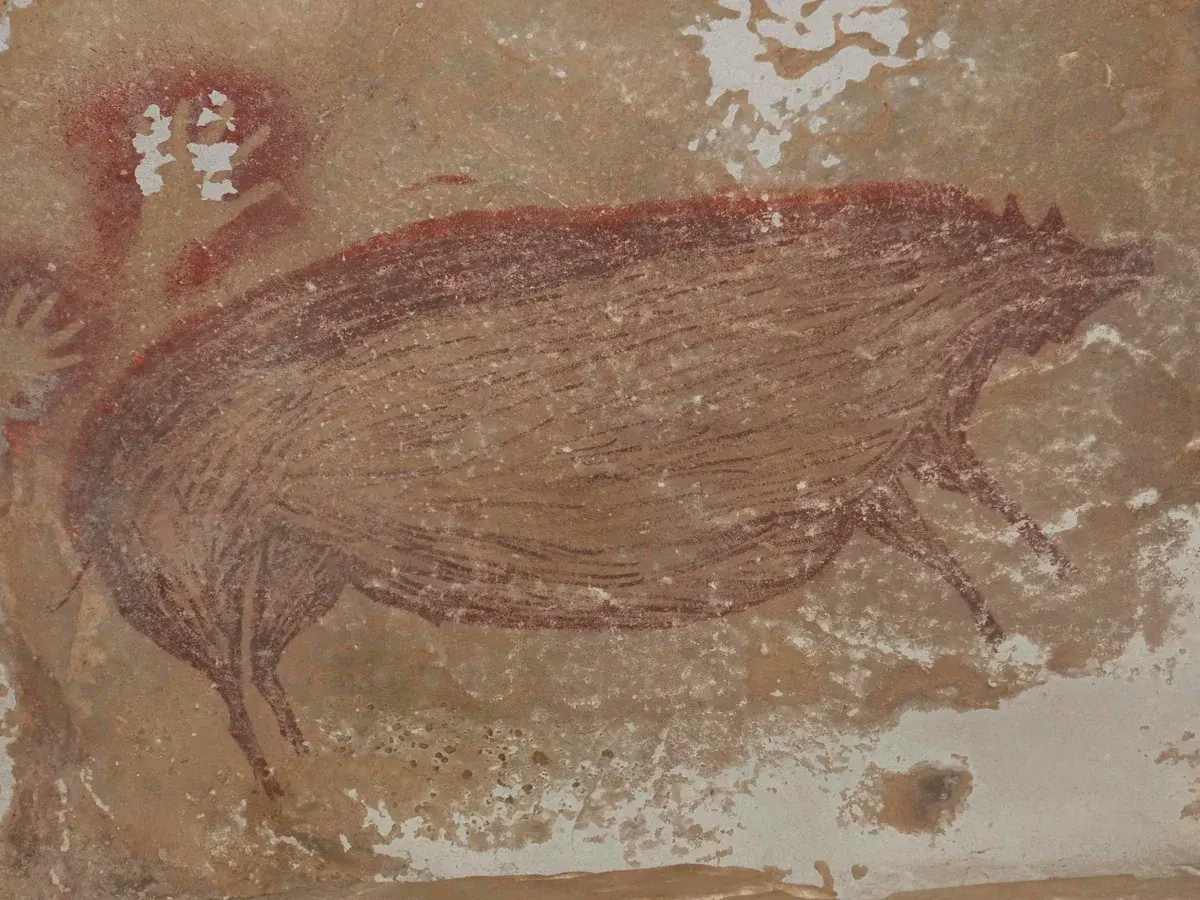
- Animal fats and marrow: Used in prehistoric cave paintings for durability.
- Egg tempera: A mixture of egg yolk and pigment that dries quickly and hardens into a tough film.
- Plant gums and resins: Extracted from trees like acacia to provide a flexible, clear adhesive.
- Beeswax: Used in encaustic painting, where the wax is heated and applied while molten.
- Casein: A protein derived from milk that created a durable, matte finish for wall paintings.
How to make natural paint like the ancients
If you wish to replicate the ancient process, you must start by preparing your raw materials. The goal is to achieve a consistent, fine texture that will spread evenly across your chosen surface.
Follow these steps to create your own earth-based paint:
- Collect soft rocks like ochre or charcoal and break them into small chunks using a hammer or stone.
- Grind the pieces into a fine powder using a mortar and pestle, ensuring there are no gritty particles left.
- Sift the powder through a fine cloth to remove any remaining large debris.
- Add a binder, such as a drop of gum arabic or egg yolk, and mix thoroughly until you reach a creamy consistency.
- Apply the paint to a porous surface like stone, wood, or unprimed canvas to see how the color behaves.
Why do ancient paintings last so long?
The longevity of ancient art is largely due to the chemical stability of the mineral pigments used. Unlike modern synthetic dyes, which can break down under ultraviolet light, inorganic minerals like hematite are essentially rock and do not degrade when exposed to the sun. When these pigments are applied to stable surfaces like limestone cave walls, they can become physically bonded to the substrate.
In some cases, the environment plays a crucial role in preservation. Caves provide a consistent climate with low humidity and no direct sunlight, which prevents the binder from drying out or rotting. Additionally, the formation of calcium carbonate "skins" over cave paintings—a process known as calcification—has effectively sealed and protected many prehistoric works from the elements for tens of thousands of years.
Common mistakes when making historical paint
One frequent error beginners make is failing to grind the pigment finely enough. If the particles are too large, the paint will feel sandy and will not adhere properly to the surface, leading to flaking or uneven coverage. It is essential to spend time during the grinding phase to ensure the powder is as smooth as possible.
Another common mistake involves the ratio of binder to pigment. If you use too much binder, the paint may become overly glossy or crack as it dries; if you use too little, the pigment will not stay on the surface. Always start by adding the liquid binder in very small increments. Test your mixture on a scrap piece of material before committing to a larger project to ensure the consistency is correct for your intended application.
Key facts
- Ancient painters primarily used natural minerals like ochre, hematite, and manganese for pigments.
- Binders, such as animal fat, egg yolk, plant sap, or saliva, were essential to make the pigment stick to surfaces.
- Cave artists in Lascaux, France, created works over 17,000 years ago using charcoal and iron oxide.
- To create a liquid paint, pigments were ground into a fine powder using stone mortars and pestles.
- Avoid using toxic minerals like cinnabar (mercury sulfide) without protective gear, as ancient artists often suffered from heavy metal poisoning.
- A common mistake is using too much binder, which can cause the paint to crack or flake off the surface once it dries.
The bottom line
Ancient painting was a resourceful craft that relied on the earth’s natural chemistry. By grinding minerals into pigments and mixing them with organic binders, early humans transformed raw materials into durable art. Whether using charcoal for black or ochre for red, these artists demonstrated a sophisticated understanding of their environment, creating enduring masterpieces that have survived for millennia through careful material selection and environmental preservation.
People also ask
What was the most common color in ancient cave paintings?
Red, yellow, and black were the most common colors. These were derived from iron-rich earth and charred wood found in the local environment.
How did ancient people keep their paint from drying out?
They often mixed pigments only as needed to prevent spoilage. When using organic binders like egg or milk, they would store the paint in cool, dark containers to extend its shelf life.
Did ancient civilizations use synthetic pigments?
Yes, the Egyptians created "Egyptian Blue" around 2500 BCE by heating silica, copper, and calcium. This is considered one of the first intentionally manufactured synthetic pigments in human history.
How were paintbrushes made in the Stone Age?
Artists used frayed sticks, animal hair, or even their own fingers to apply paint. They sometimes blew pigment through hollow bird bones to create spray-paint effects on cave walls.
Why did some ancient paintings survive for thousands of years?
The stable, dry, and protected environment of deep caves prevented moisture and UV light from degrading the pigments. Additionally, mineral-based pigments are chemically inert and resistant to fading.
Can you make your own paint using these ancient methods?
Yes, you can crush charcoal or colored rocks into a fine powder and mix them with a binder like honey or egg yolk. Ensure you test the surface for adhesion before applying it to a permanent project.
This answer was created with the help of AI research tools and reference sources. Spotted an error? Let us know — we correct mistakes quickly. See our editorial policy.