What brushes do you need for oil painting?
Short answer
Oil painting requires brushes with stiff, durable bristles capable of moving heavy paint. You primarily need a mix of hog bristle brushes for blocking in colors and synthetic or sable brushes for fine details. Start with a basic set of flats, filberts, and rounds in various sizes to handle most techniques.
On this page
What are the best oil painting brushes for beginners?
For those just starting, you do not need an exhaustive collection of expensive tools. A modest set of six to eight brushes will suffice for learning how paint behaves on canvas. Focus on acquiring a variety of shapes that allow you to experiment with different mark-making styles and textures.
Most professional instructors recommend starting with these specific shapes:
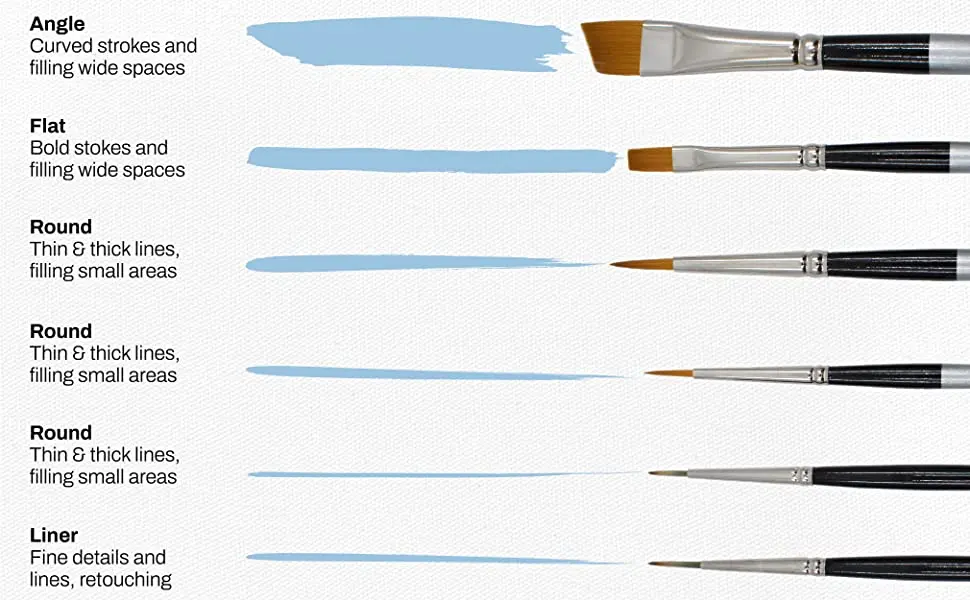
- Flats: Rectangular brushes with long hairs, ideal for bold strokes and covering large areas.
- Filberts: Oval-shaped brushes that combine the coverage of a flat with the softer edges of a round.
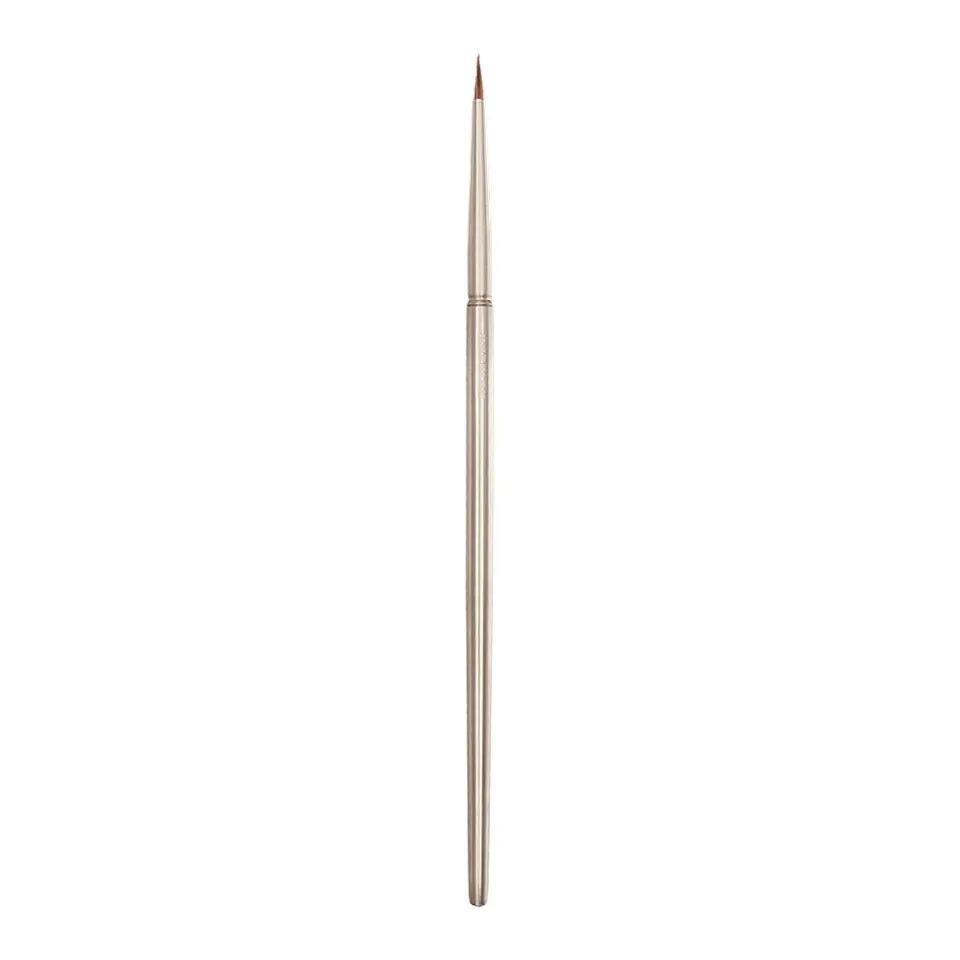
- Rounds: Pointed brushes perfect for controlled lines, sketching, and intricate detailing.
- Brights: Short, stiff flat brushes that offer great control for thick, impasto applications.
Aim for a range of sizes, typically numbers 2, 4, 6, 8, and 10. This variety ensures you have small tools for precision work and larger ones for establishing the composition. Synthetic brushes are often preferred by beginners today because they are durable, easy to clean, and significantly more affordable than traditional animal hair options.
Which brush hairs are best for oil painting?
The material of the brush head significantly impacts how the tool interacts with oil paint. Natural hog bristle is the industry standard for oil painting because the hairs are naturally stiff and curved, which helps them hold heavy, buttery paint. These bristles are resilient and maintain their shape even when pushed against a textured canvas.
Synthetic brushes, typically made from polyester or nylon, have evolved to mimic the performance of natural hair. They are excellent for blending and smoothing paint because they are softer and leave fewer visible brush marks. Sable or mongoose brushes are considered luxury items; they are incredibly soft and precise, making them ideal for final glazing or delicate highlights.
When shopping, consider the following hierarchy of utility:
- Hog Bristle: Best for base layers, thick application, and vigorous blending.
- Synthetic Blend: Best for general use, detail work, and ease of maintenance.
- Natural Sable: Best for fine, smooth finishes and fluid paint application.
How to choose the right brush size and shape?
Selecting a brush size depends on the scale of your canvas and the level of detail you intend to achieve. A common mistake is using brushes that are too small, which results in a "tight" or overworked appearance. Always try to use the largest brush possible for any given area to keep your work fresh and expressive.
The shape of the brush dictates the rhythm of your painting. Flats are essential for creating architectural edges and geometric shapes. Filberts are perhaps the most versatile, as you can use the flat side for broad coverage or the edge for thin, tapering lines. Rounds are less common for large areas but are indispensable for signing your name or adding final accents.
If you are painting on a large canvas, such as a 24-by-36-inch surface, do not hesitate to use size 12 or even larger brushes. Conversely, keep a few size 0 or 1 round brushes nearby for those moments when you need to define a tiny highlight or sharpen a shadow edge.
Common mistakes when using oil painting brushes
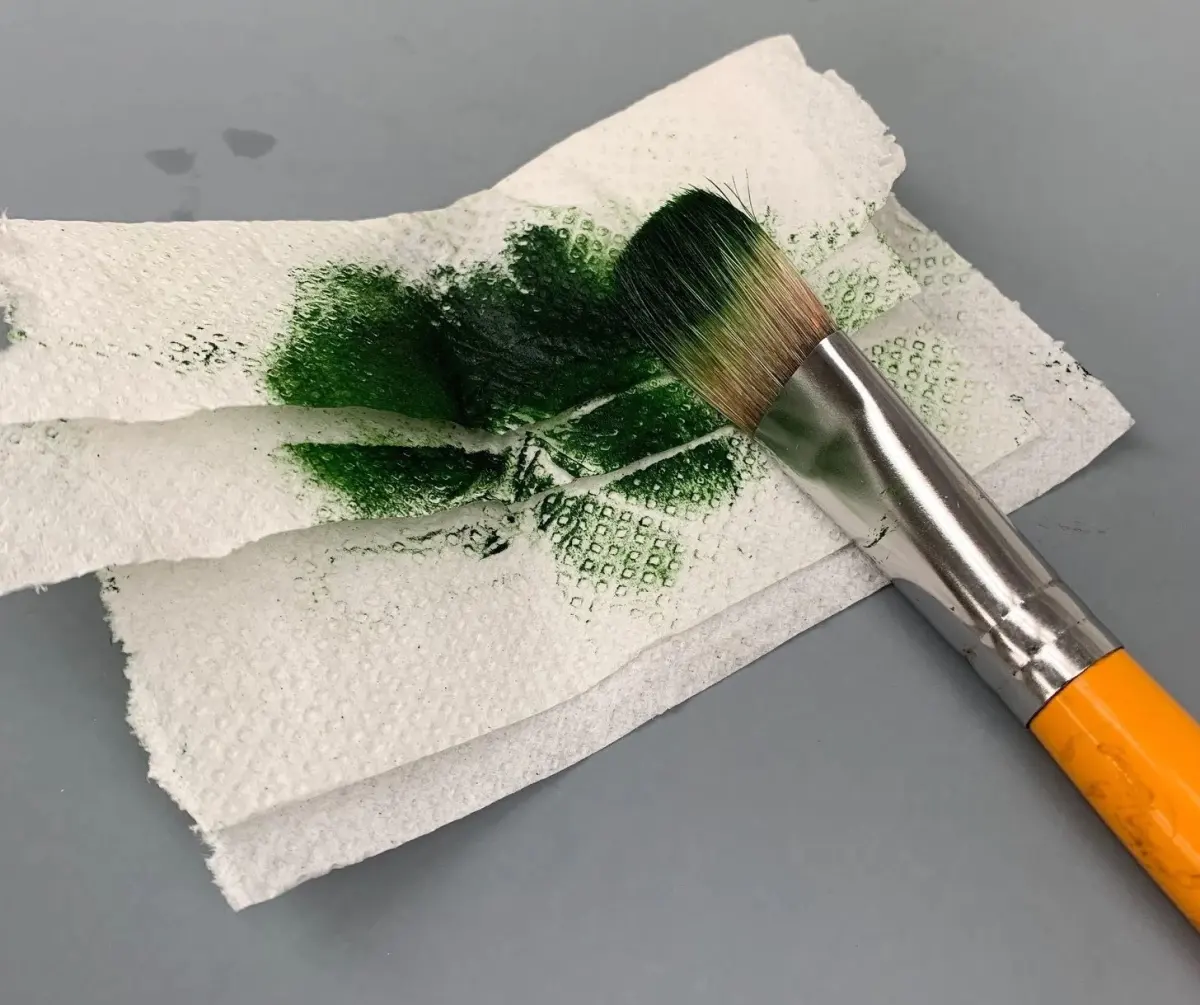
One of the most frequent errors is failing to clean brushes thoroughly after a session. Oil paint does not dry as quickly as acrylics, but if it dries inside the ferrule—the metal band holding the hairs—it will cause the bristles to splay and eventually ruin the tool. Always wipe excess paint off with a rag before using a brush cleaner or soap.
Another mistake is leaving brushes standing in a jar of solvent for extended periods. This practice bends the hairs permanently and can dissolve the glue holding the brush head to the handle. Always store your brushes lying flat or hanging with the bristles facing downward to maintain their structural integrity.
Avoid scrubbing your brushes against the bottom of a container. Instead, gently swirl them in your cleaning medium and wipe them clean. If you notice your brushes losing their shape, you can use a small amount of brush conditioner or hair conditioner to keep the fibers supple and aligned.
How to maintain and store your brushes?
Proper maintenance ensures that your investment lasts for years. After painting, use a mild soap or a dedicated brush cleaner to remove all pigment from the bristles. Rinse them under lukewarm water until the water runs completely clear, then gently reshape the bristles with your fingers before letting them air dry.
Storage is equally important for longevity. Never store brushes with the bristles touching the bottom of a container, as this will cause the tips to curl or fray. If you are traveling or need to store them long-term, use a roll-up bamboo mat or a dedicated brush case that allows air to circulate around the fibers.
By treating your tools with care, you will find that your brushes become more responsive over time. A well-broken-in brush often performs better than a brand-new one, as the hairs adapt to your specific pressure and painting style. Regularly inspect your collection for loose ferrules or shedding hairs to ensure your painting process remains uninterrupted and professional.
Key facts
- Use hog hair brushes for thick, heavy-bodied paint because their stiff bristles can move large amounts of pigment.
- Synthetic brushes, specifically those made of nylon or polyester, are ideal for smooth blending and fine detail work.
- Choose long-handled brushes to allow for a greater distance from the canvas, which improves perspective and gesture.
- Clean oil brushes immediately after use with a solvent like odorless mineral spirits, followed by mild soap and warm water.
- Never leave brushes resting on their bristles in a jar of solvent, as this causes the hair to bend and permanently lose its shape.
- Invest in a basic set of four shapes: a flat, a filbert, a round, and a bright to cover most painting techniques.
The bottom line
Building a versatile oil painting kit requires only a small selection of high-quality brushes rather than a vast collection. Prioritize a mix of stiff hog hair for structural application and soft synthetics for detail. By maintaining your tools through proper cleaning and storage, you ensure they remain responsive and effective. Focus on mastering these essential shapes to gain full control over your paint application and artistic expression.
People also ask
Can I use watercolor brushes for oil painting?
No, watercolor brushes are typically too soft and delicate to handle the weight of oil paint. They will quickly lose their shape and may be damaged by the solvents required for cleaning.
How do I know if a brush is good quality?
A high-quality brush will have a secure ferrule that does not wiggle and bristles that spring back to their original shape after being bent. Avoid brushes that shed hairs during the initial inspection.
What is the difference between a flat and a filbert brush?
A flat brush has a square end for bold, broad strokes and sharp edges. A filbert brush has a rounded, oval-shaped tip that is perfect for softening edges and blending colors.
Do I need to buy expensive natural sable brushes?
While red sable brushes are excellent for extreme detail, they are unnecessary for beginners. Modern synthetic alternatives offer similar performance at a fraction of the cost and are more durable.
How should I store my brushes between painting sessions?
Always store brushes lying flat or hanging with the bristles facing downward. Keeping them upright in a container while wet can cause solvent or water to seep into the ferrule, loosening the glue.
Why do my brushes keep losing their bristles on the canvas?
This usually happens because the brush is low quality or the solvent used for cleaning has dissolved the glue inside the ferrule. Ensure you are not soaking the entire brush head in harsh cleaners.
This answer was created with the help of AI research tools and reference sources. Spotted an error? Let us know — we correct mistakes quickly. See our editorial policy.