What art style did Jackson Pollock use?
Short answer
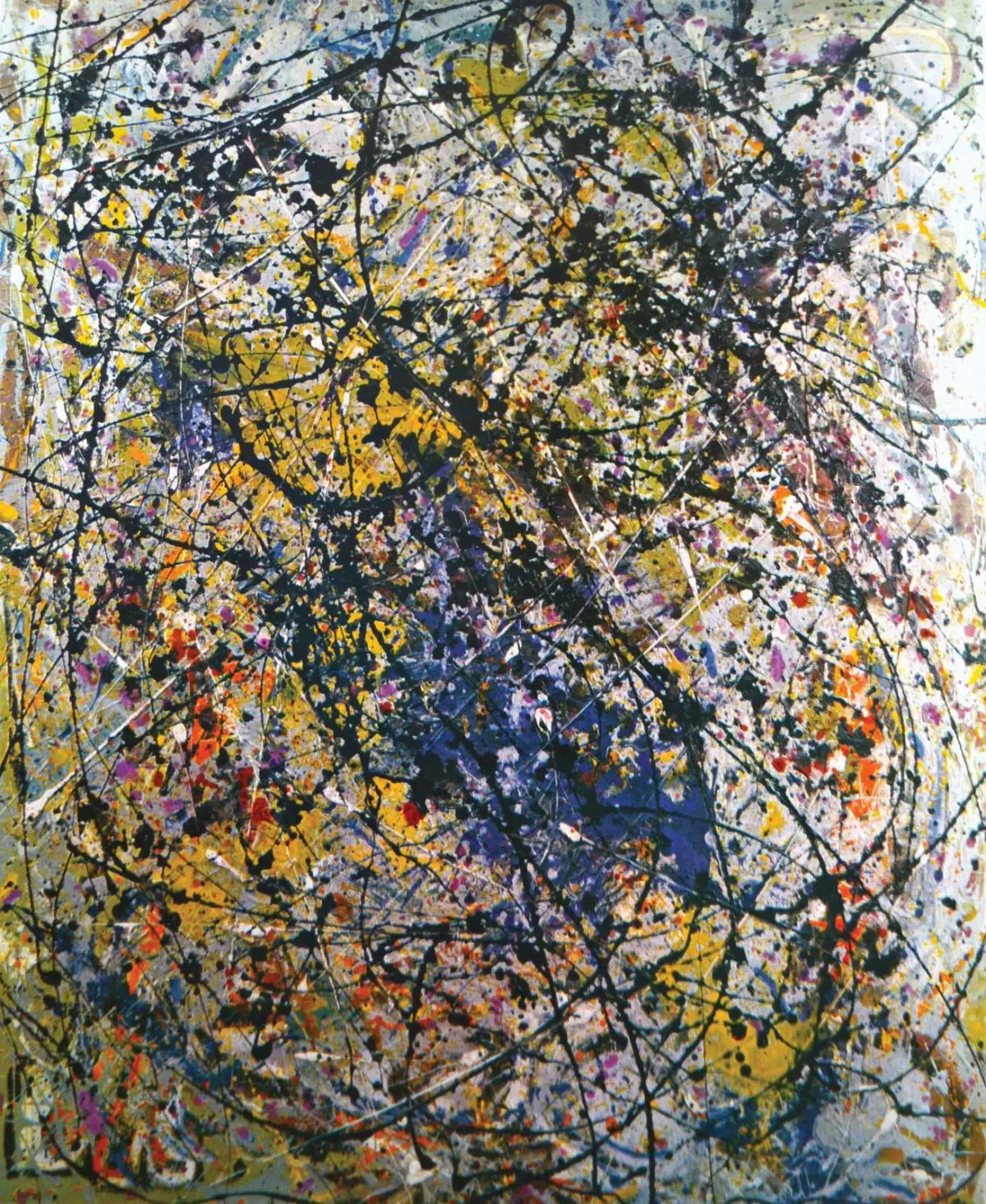
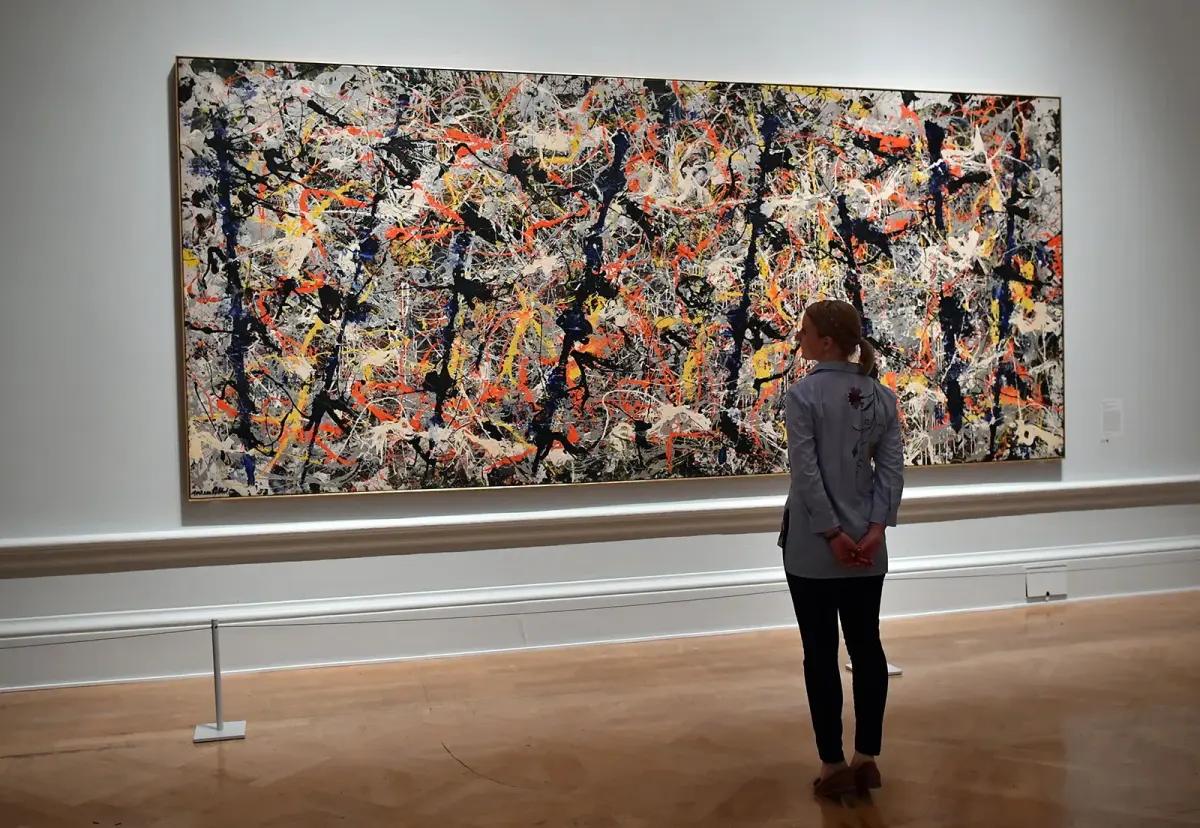
Jackson Pollock is primarily defined by Abstract Expressionism, specifically his signature "drip" or "action painting" style. Emerging in the late 1940s, this technique involved placing canvases on the floor and pouring, splashing, or dripping industrial paint onto them. His work emphasized the physical act of creation over traditional representational imagery or subjects.
On this page
What is Abstract Expressionism?
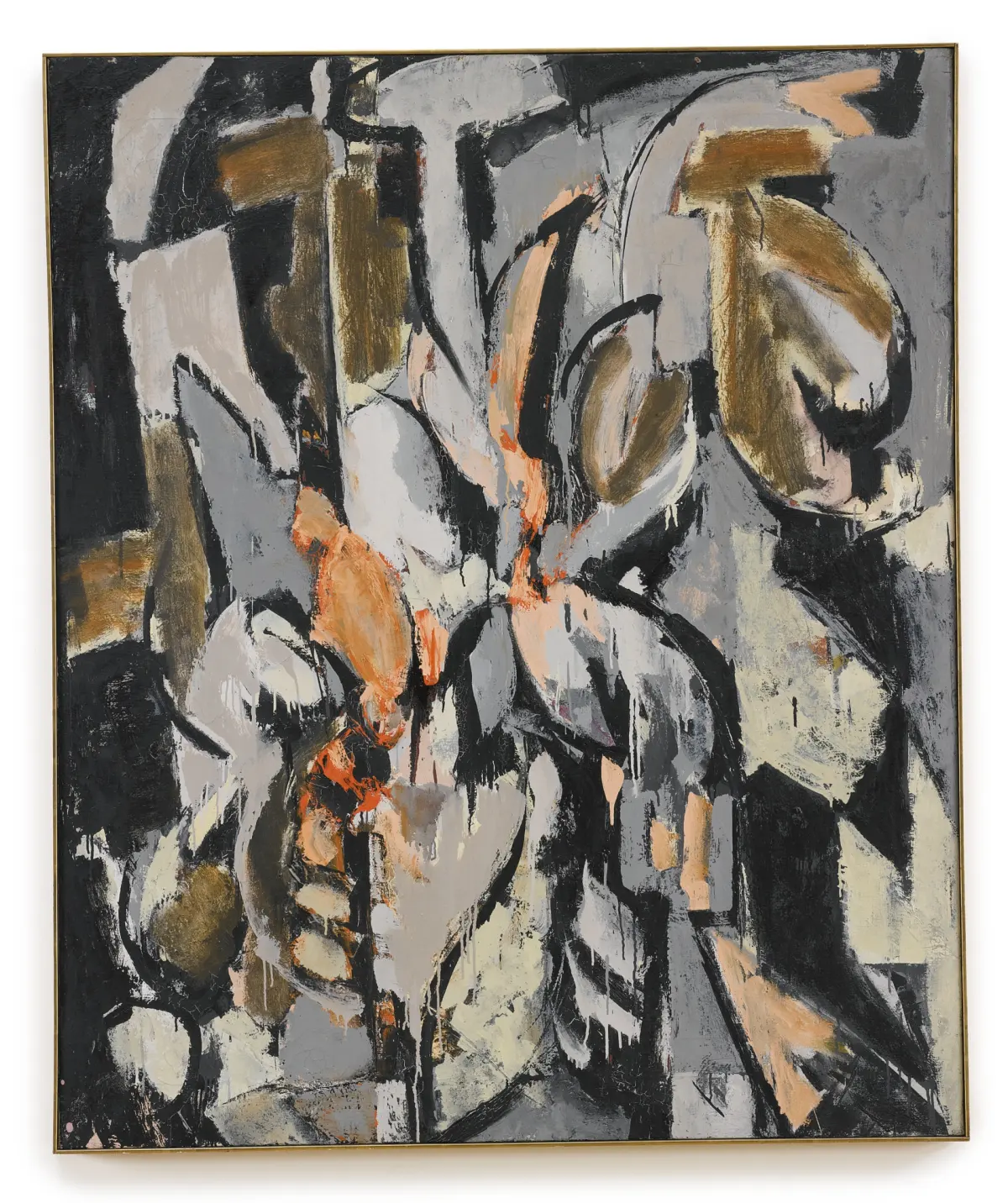
Abstract Expressionism is a post-World War II art movement that developed in New York City during the 1940s. It shifted the center of the art world from Paris to America, emphasizing spontaneous, automatic, or subconscious creation. Artists within this movement sought to express emotional states rather than depict recognizable objects or landscapes.
Pollock became the movement's most famous figure through his radical departure from the easel. Instead of using brushes to apply paint to a vertical surface, he treated the canvas as an arena for physical movement. This approach, often called "Action Painting," prioritized the gesture and the process of painting as much as the final visual result.
- Focus on non-representational forms.
- Emphasis on the artist's physical presence.
- Rejection of traditional composition techniques.
- Use of large-scale canvases to envelop the viewer.
How did Pollock create his drip paintings?
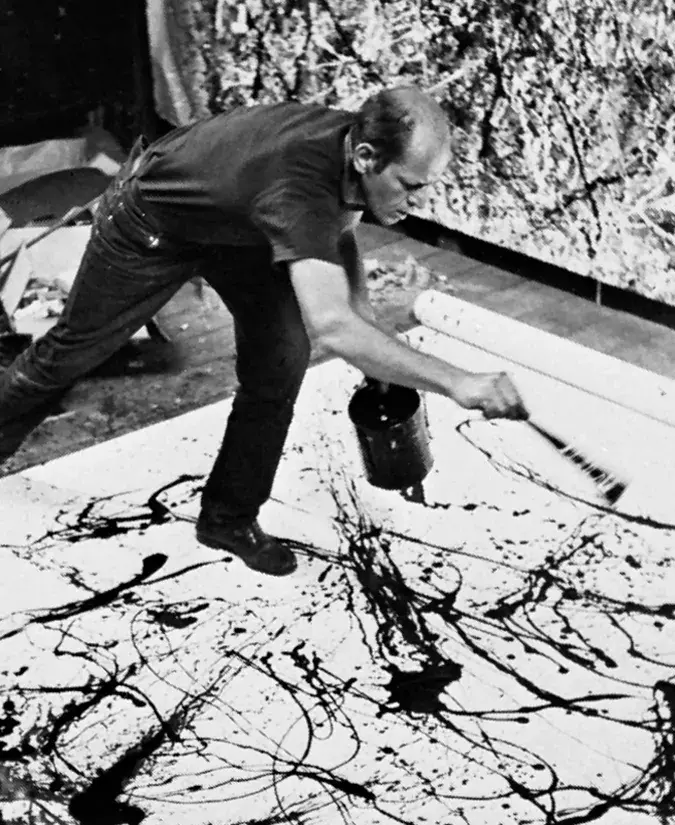
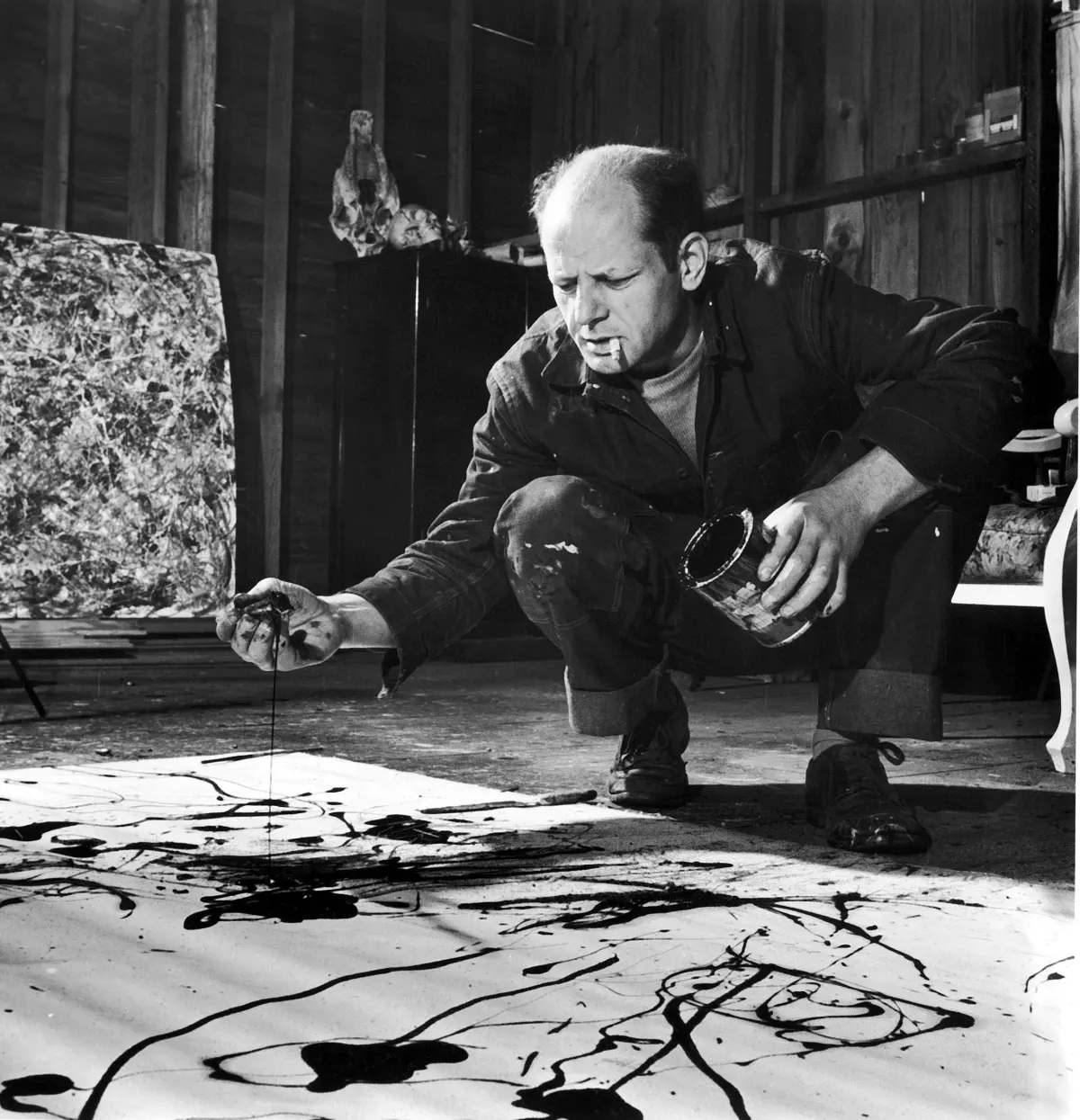
Pollock’s technique involved laying unprimed canvas directly on the floor of his studio. By working from all four sides, he could move around the entire work, effectively becoming part of the painting process. He utilized sticks, hardened brushes, and turkey basters to manipulate the flow of paint, creating complex, layered webs of color.
He frequently used commercial house paints rather than traditional artist oils. These paints were thinner and flowed more predictably, allowing him to create fluid, continuous lines. The rhythmic motion of his body—swinging his arms and flicking his wrists—dictated the density and direction of the lines, resulting in a dense, all-over composition that lacked a single focal point.
- Prepare the raw canvas on a flat, stable surface.
- Select fluid paints that can be poured or dripped easily.
- Establish a rhythmic physical motion to guide the paint flow.
- Layer different colors and textures to build visual depth.
- Allow the paint to dry completely before adding new layers.
Why is Pollock’s style considered revolutionary?
Pollock’s work challenged the fundamental definition of art by removing the artist's hand from direct contact with the canvas. By dripping paint from above, he introduced the element of chance and gravity into his compositions. This challenged the notion that a painting must be a deliberate, controlled representation of a specific subject matter.
His "all-over" style meant that no part of the canvas was more significant than another. This forced viewers to look at the entire surface simultaneously rather than following a traditional narrative path. Critics of the time were polarized; some viewed his work as chaotic nonsense, while others saw it as the ultimate expression of individual freedom and modern psychological depth.
- It broke the tradition of the easel painting.
- It elevated the physical act of painting to the status of the art itself.
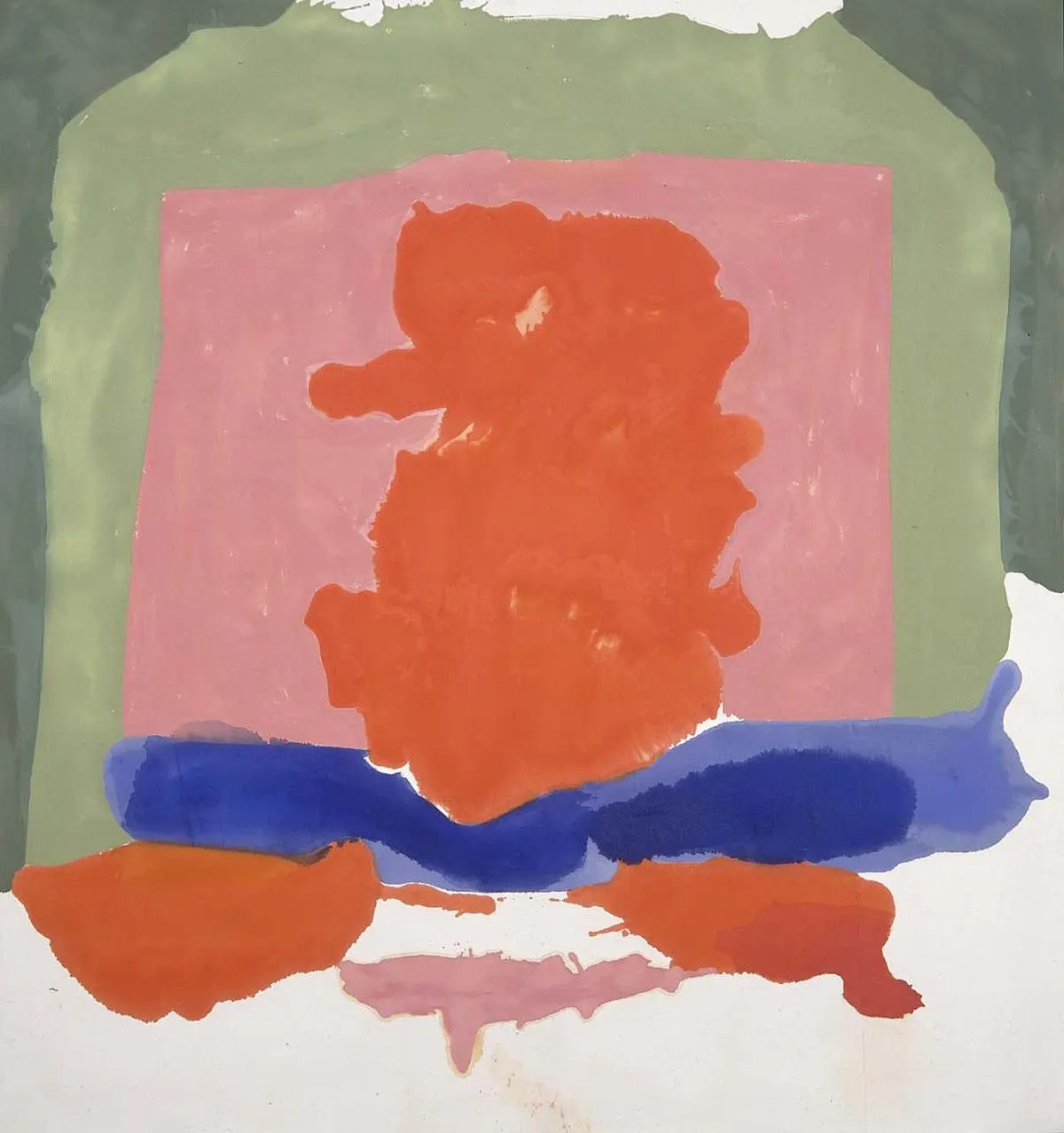
- It influenced subsequent movements like Color Field painting and Performance art.
- It emphasized the importance of the artist's subconscious mind.
Common mistakes when trying drip painting
Many beginners attempt to replicate Pollock’s style by simply throwing paint randomly at a canvas. This often results in a muddy, incoherent mess rather than the structured complexity found in Pollock’s masterpieces. The key is in the control of the gesture and the viscosity of the paint; if the paint is too thick, it will not form the desired thin, trailing lines.
Another frequent error is failing to consider the color palette beforehand. While Pollock’s work looks spontaneous, he often carefully balanced his colors to ensure the layers remained distinct. Beginners should also avoid using too many colors at once, as this can lead to visual clutter. Practice controlling the flow of the paint on scrap paper before applying it to a final canvas.
- Using paint that is too thick or heavy.
- Lacking a consistent physical rhythm or movement.
- Overloading the canvas with too many competing colors.
- Neglecting to let layers dry, which causes colors to bleed into a brown sludge.
Where can you see Pollock’s art today?
The most significant collection of Pollock’s drip paintings is held by the Museum of Modern Art in New York City. Pieces such as One: Number 31, 1950 and Autumn Rhythm (Number 30) are essential for understanding the scale and impact of his technique. These works demonstrate how his rhythmic lines create a sense of infinite movement and depth.
Other major institutions, including the Metropolitan Museum of Art and the Tate Modern, also house key examples of his work. If you are interested in seeing his process firsthand, the Pollock-Krasner House and Study Center in East Hampton, New York, preserves his original studio floor. Visitors can see the actual dried paint splatters that remain on the floorboards, providing a unique glimpse into the environment where these historic artworks were created.
Key facts
- Jackson Pollock is the primary figure of Abstract Expressionism, specifically the sub-genre known as Action Painting.
- He famously abandoned the traditional easel in 1947, choosing instead to place his canvases directly on the floor.
- His signature technique involved "drip" painting, where he poured or flicked liquid household enamel paint onto the canvas.
- Pollock utilized unconventional tools such as sticks, hardened brushes, and turkey basters rather than traditional artist brushes.
- His works are characterized by "all-over" composition, meaning there is no single focal point and the paint reaches the very edges of the canvas.
- To practice this style, focus on the physical rhythm of your movement rather than a pre-planned image, ensuring your paint consistency is thin enough to flow freely.
The bottom line
Jackson Pollock revolutionized modern art by shifting the focus from the finished image to the physical process of creation. By utilizing his "drip" technique, he moved away from traditional representational art toward pure, energetic abstraction. His work remains a testament to the power of spontaneity and physical movement, proving that the act of painting itself can be just as significant as the final visual result.
People also ask
Did Jackson Pollock use traditional oil paints for his drip paintings?
No, Pollock primarily used industrial synthetic resin-based paints, specifically household enamels. These paints were thinner and dried differently than traditional artist oils, allowing for the fluid, layered textures seen in his masterpieces.
Why did Pollock place his canvases on the floor?
Working on the floor allowed Pollock to move around all four sides of the canvas, giving him total access to the work. This physical immersion was essential for his "Action Painting" approach, as it allowed him to incorporate his entire body into the creation process.
What is the difference between Abstract Expressionism and Action Painting?
Abstract Expressionism is the broad umbrella movement that emerged in New York in the 1940s. Action Painting is a specific subset of this movement, defined by the emphasis on the physical act of painting as the primary subject of the artwork.
How can I avoid making a muddy mess when trying drip painting?
A common mistake is using too many colors at once or over-mixing them on the canvas. To keep the painting crisp, allow each layer of paint to dry completely before adding a new color, and limit your palette to three or four complementary hues.
Are there recognizable figures in Pollock's drip paintings?
Generally, no; his drip works are non-representational and focus on line, color, and energy. However, his earlier works from the late 1930s and early 1940s often featured surrealist, totemic, and mythological figures before he transitioned to pure abstraction.
How did critics initially react to Pollock's style?
Early reactions were polarized, with some critics dismissing his work as chaotic or accidental. However, influential critics like Clement Greenberg championed his work, arguing that it represented the logical evolution of modern art toward a pure, flat, and expressive surface.
This answer was created with the help of AI research tools and reference sources. Spotted an error? Let us know — we correct mistakes quickly. See our editorial policy.