What is El Greco known for?
Short answer
El Greco is celebrated for his unique, expressive style characterized by elongated human figures, vibrant colors, and dramatic, spiritual lighting. A master of the Spanish Renaissance, he bridged the gap between Byzantine icon painting and modern Expressionism. His visionary approach to religious themes transformed Western art, leaving an indelible impact on future generations.
On this page
What defines El Greco’s artistic style?
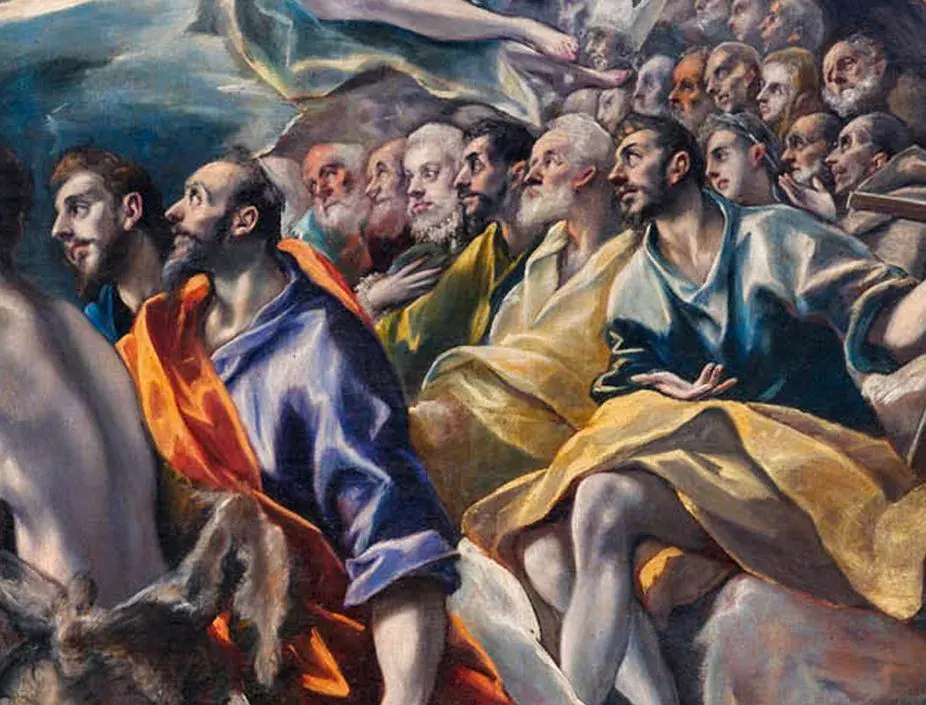
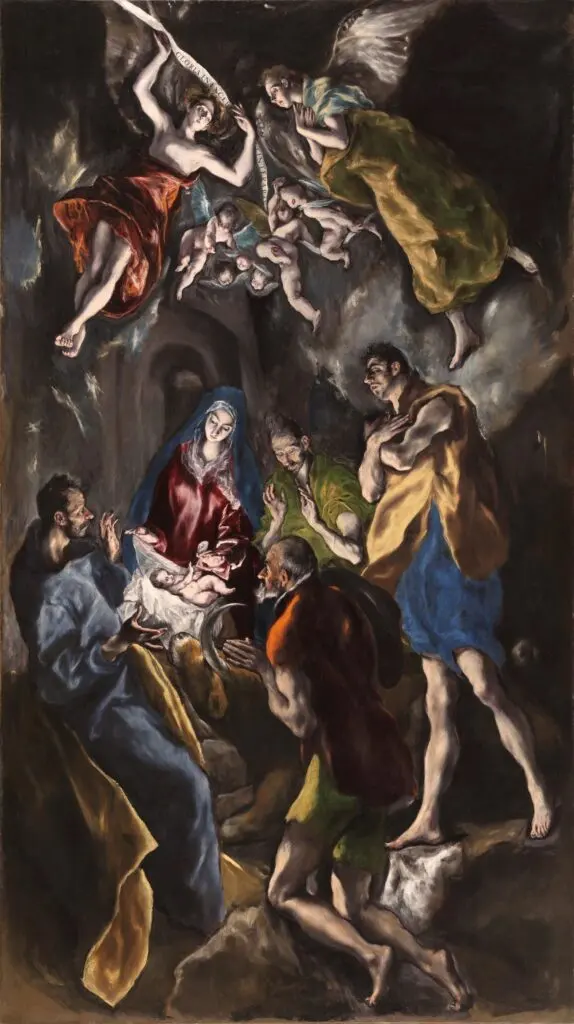
El Greco, born Doménikos Theotokópoulos in 1541, developed a visual language that defied the rigid realism of his time. His work is instantly recognizable due to the extreme elongation of his subjects, which often appear ethereal or weightless. By distorting proportions, he aimed to convey spiritual intensity rather than anatomical precision, moving away from the balanced harmony favored by his Italian contemporaries.
His color palette was equally revolutionary, utilizing acidic yellows, deep crimsons, and icy blues to create emotional tension. He frequently employed a technique where light seems to emanate from the figures themselves rather than an external source. This mastery of "chiaroscuro"—the contrast between light and dark—adds a sense of divine mystery to his religious scenes. His style evolved significantly after he settled in Toledo, Spain, in 1577, where his work became increasingly abstract and visionary.
Why is his work considered revolutionary?
El Greco’s importance lies in his role as a precursor to modern art movements. While he was largely ignored by critics for centuries after his death, early 20th-century artists like Pablo Picasso and the Expressionists rediscovered his work. They were captivated by his willingness to prioritize subjective emotional truth over objective reality. By abandoning the strict rules of perspective, he paved the way for artists to interpret the world through a personal, psychological lens.
His influence is evident in several key aspects of art history:
- The rejection of naturalism in favor of emotional abstraction.
- The use of distorted anatomy to express psychological states.
- The integration of dramatic lighting to heighten the narrative impact.
- The shift toward a more fluid, visible brushstroke that emphasizes the artist's hand.
These innovations broke the shackles of the Renaissance, allowing painters to experiment with form and color in ways that eventually led to the development of Cubism and Surrealism.
Where can you see his masterpieces today?
The vast majority of El Greco’s most significant works remain in Spain, particularly in the city of Toledo, which he called home for nearly forty years. The Church of Santo Tomé houses his most famous painting, The Burial of the Count of Orgaz, a monumental work that captures the intersection of the earthly and heavenly realms. Visitors to Toledo can also explore the El Greco Museum, which provides deep context into his life and career.
Outside of Spain, his works are held in major international collections. If you are planning a visit to see his art, consider these locations:
- The Museo del Prado in Madrid, which holds a massive collection of his portraits and religious canvases.
- The Metropolitan Museum of Art in New York, which features iconic works like View of Toledo.
- The National Gallery in London, home to The Agony in the Garden.
- The Art Institute of Chicago, which displays the dramatic Assumption of the Virgin.
How to appreciate El Greco’s paintings?
To truly experience an El Greco painting, one must look past the initial strangeness of the figures. Instead of asking if the people look "real," focus on the movement and energy within the composition. His swirling, cloud-filled skies and flickering light are designed to pull your eyes across the canvas in a specific rhythm. This rhythmic quality is intended to simulate the feeling of a spiritual vision or a transcendent experience.
When analyzing his work, observe the following elements:
- The interaction between the foreground figures and the background landscape.
- The way clothing folds and drapes, which often mirrors the emotional state of the subject.
- The gaze of the figures, which frequently looks upward or toward an unseen divine presence.
- The scale of the figures relative to the architecture surrounding them.
By focusing on these details, you can begin to understand how he manipulated space to create a sense of profound, otherworldly drama.
Common mistakes when studying El Greco
A frequent error is evaluating El Greco’s work through the lens of Renaissance realism. Many viewers mistakenly assume his distorted figures are the result of poor technique or failing eyesight. In reality, these choices were deliberate aesthetic decisions rooted in his Byzantine training and his desire to depict the supernatural. Dismissing his work as "incorrect" prevents a deeper understanding of his intent to capture the soul rather than the body.
Another mistake is viewing his paintings in isolation. El Greco’s art was deeply tied to the Counter-Reformation, a period of intense religious fervor in Spain. Without understanding the theological context of the time, the intensity of his religious imagery may seem excessive or confusing. To avoid this, always research the specific religious narrative or patron associated with the piece. By placing his work within its historical and spiritual environment, you gain a clearer perspective on why his art remains so powerful and relevant to modern audiences today.
Key facts
- El Greco, born Doménikos Theotokópoulos in 1541, was a master of the Spanish Renaissance who blended Byzantine traditions with Western Mannerism.
- He is best known for his signature style featuring elongated figures, intense, non-naturalistic colors, and dramatic, swirling compositions.
- His masterpiece, The Burial of the Count of Orgaz (1586), is widely considered one of the greatest paintings in the history of Western art.
- He spent his most productive years in Toledo, Spain, where he lived from 1577 until his death in 1614.
- To appreciate his work, look for the "spiritual" light he painted, which often seems to emanate from within the subjects rather than a single source.
- Avoid assuming his elongated figures were due to poor anatomy; modern experts believe this was a deliberate, sophisticated stylistic choice intended to emphasize spiritual transcendence.
The bottom line
El Greco remains a singular figure in art history, bridging the gap between the Renaissance and modern expressionism. By prioritizing emotional intensity and spiritual vision over anatomical accuracy, he created a unique visual language that resonates centuries later. His work challenges viewers to look past physical reality, proving that artistic innovation often requires breaking the established rules of proportion to capture deeper human truths.
People also ask
Why did El Greco paint his figures so tall and thin?
He used elongation to move away from the realistic proportions of the Renaissance toward a more expressive, spiritual aesthetic. This distortion helped convey intense religious emotion and the idea that his subjects existed in a realm beyond the physical world.
Was El Greco Spanish?
No, he was born on the island of Crete, which was then part of the Republic of Venice. He trained as a Byzantine icon painter before moving to Italy and eventually settling in Spain.
Where can I see his paintings today?
The largest collection of his work is housed at the Museo del Greco in Toledo, Spain. Significant pieces are also held by the Prado Museum in Madrid and the Metropolitan Museum of Art in New York.
Did El Greco have a significant influence on modern art?
Yes, he was largely forgotten for centuries but was "rediscovered" by modernists in the late 19th century. Artists like Pablo Picasso and Jackson Pollock cited his expressive use of color and form as major inspirations for their own work.
What is the significance of his religious themes?
Living in Toledo during the Counter-Reformation, El Greco was commissioned by the Catholic Church to create art that inspired religious fervor. His works often depict ecstatic visions and divine interventions designed to move the viewer emotionally.
How can I identify an El Greco painting?
Look for deep, acidic color palettes, turbulent skies, and figures with small heads and stretched bodies. His compositions often feature a stark contrast between a chaotic, heavenly upper realm and a more somber, earthly lower realm.
This answer was created with the help of AI research tools and reference sources. Spotted an error? Let us know — we correct mistakes quickly. See our editorial policy.