History & Culture
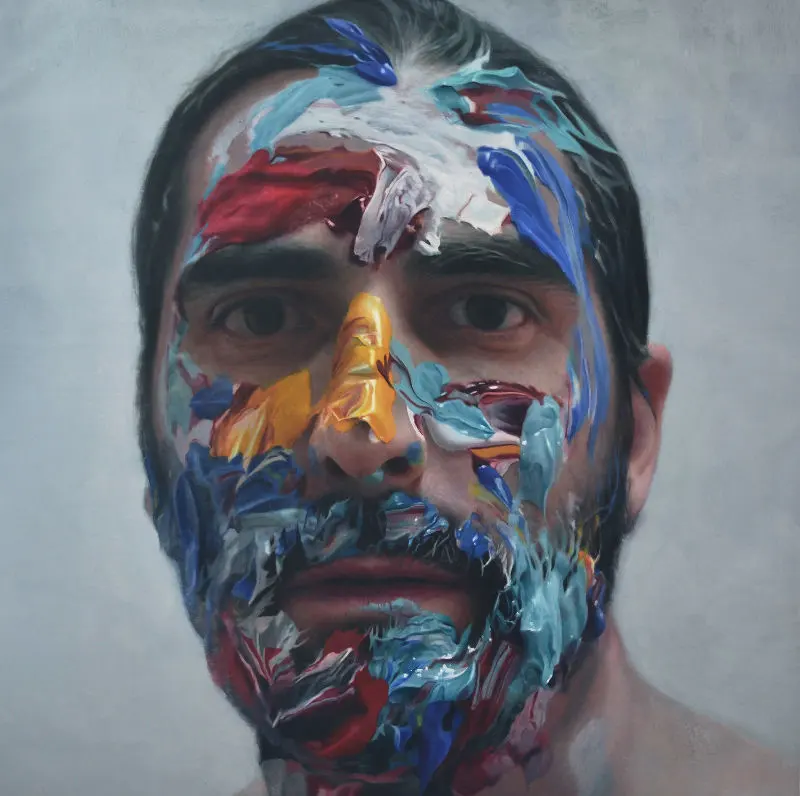
What is hyperrealism?
Hyperrealism is a genre of painting and sculpture that resembles a high-resolution photograph. Emerging in the late 1960s, it…
Historical events, people, traditions, languages and world cultures.
Hyperrealism is a genre of painting and sculpture that resembles a high-resolution photograph. Emerging in the late 1960s, it…
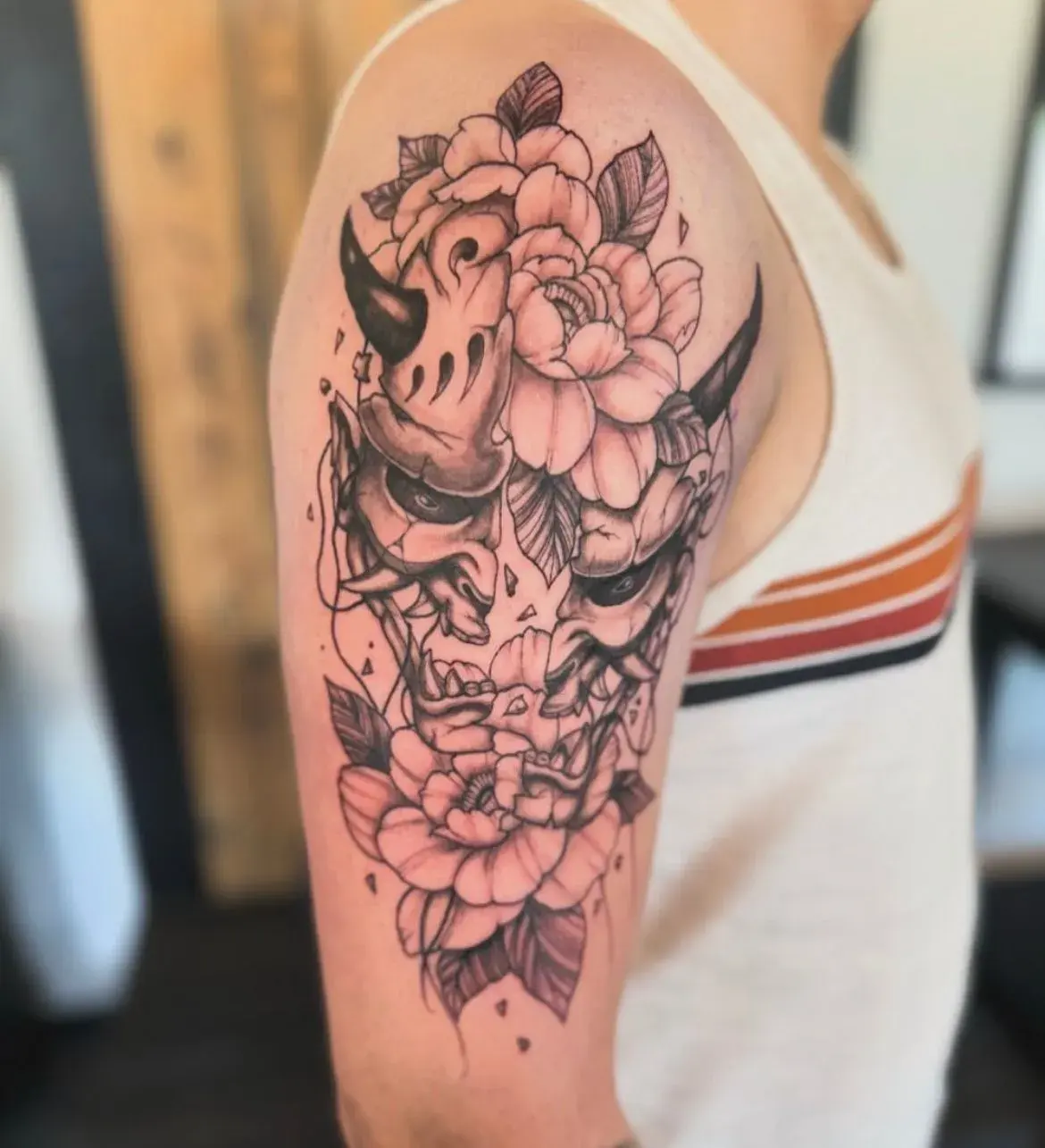
Japanese tattooing, or irezumi, is a traditional art form characterized by large-scale, intricate designs covering significant…

Photojournalism is a form of visual storytelling that uses still images to document news, social issues, or historical events…
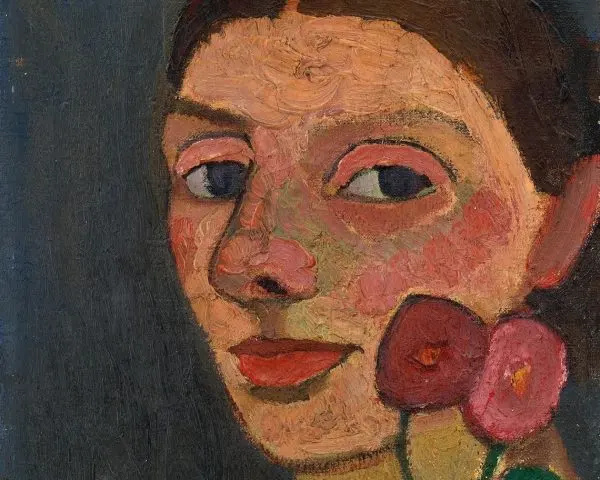
Paula Modersohn-Becker was a pioneering German Expressionist painter known for her raw, simplified style and profound…
Woodcut printing is a relief printing technique where an artist carves an image into the surface of a wooden block. The raised…
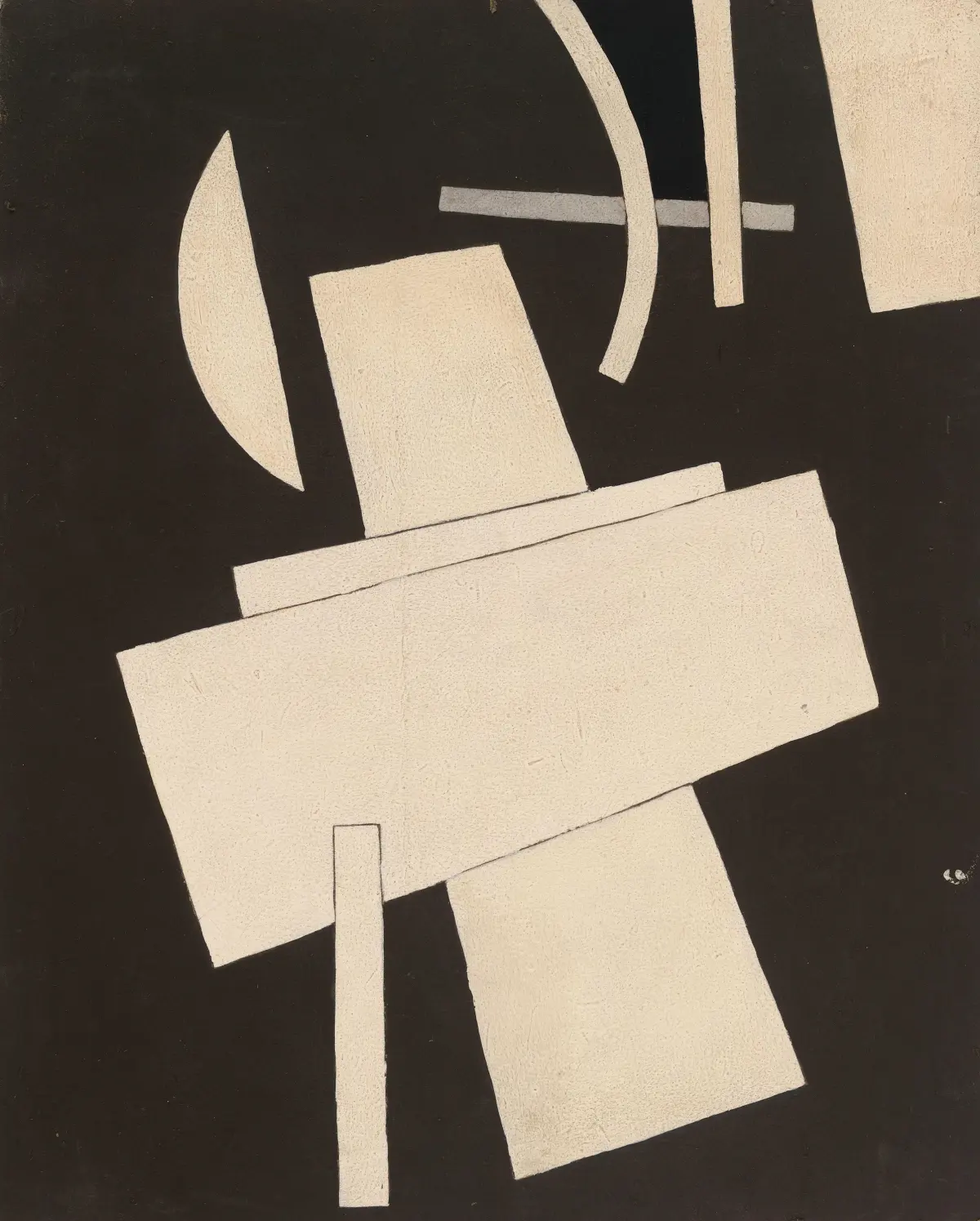
Suprematism is an art movement founded in 1913 by Russian painter Kazimir Malevich. It emphasizes pure geometric abstraction…
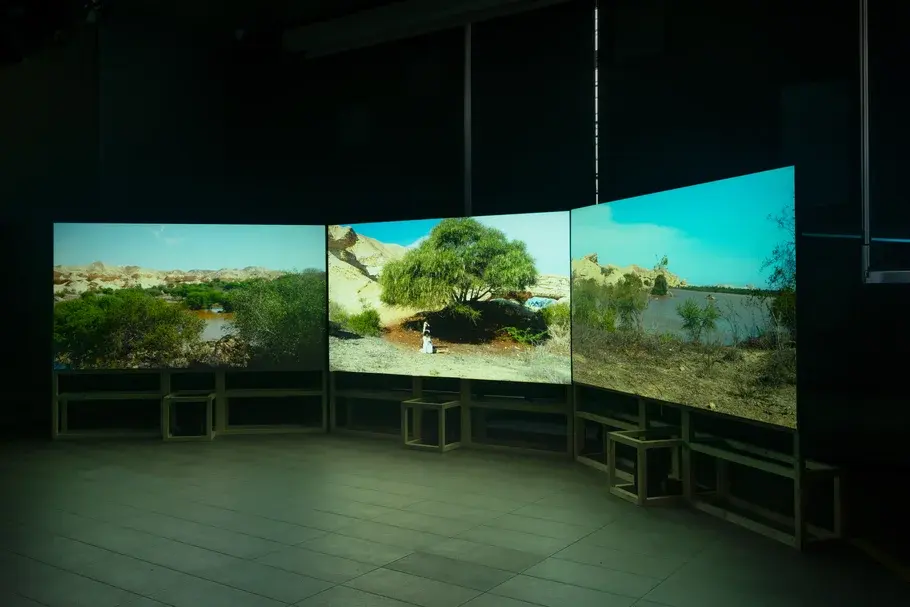
Video art is a contemporary medium that uses moving images and recorded sound as its primary artistic material. Unlike…
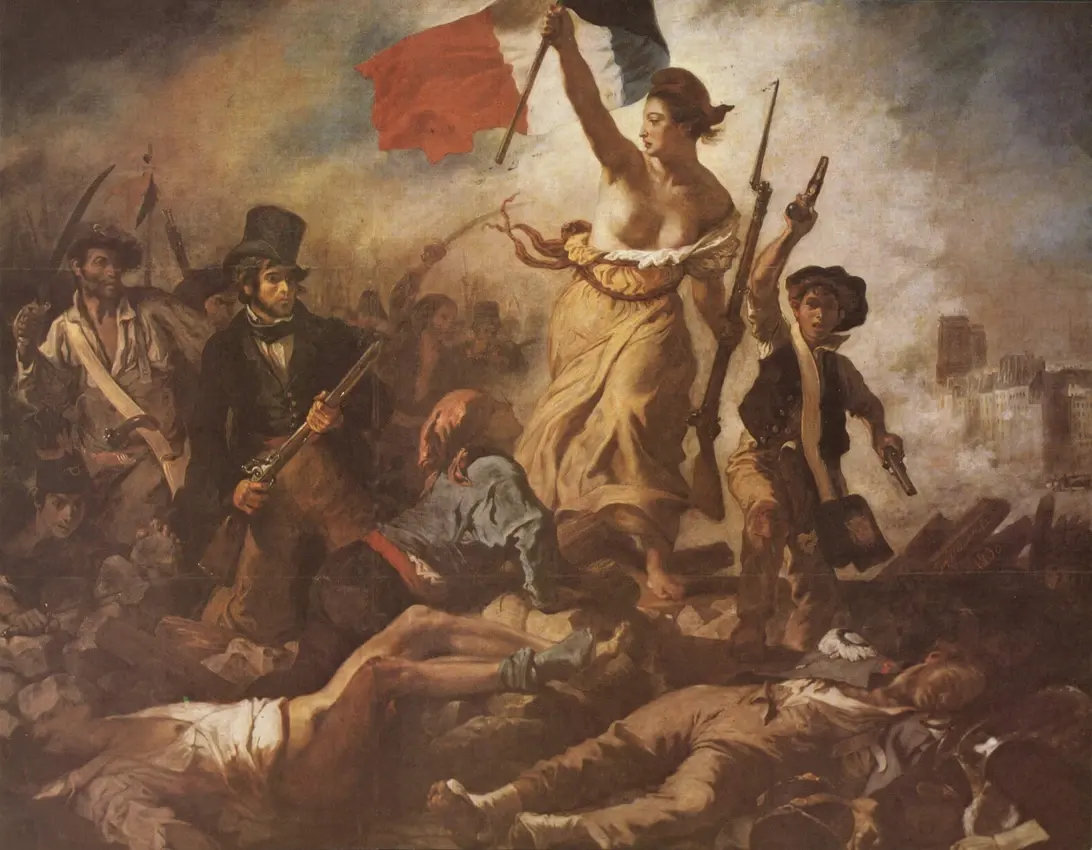
Eugène Delacroix’s Liberty Leading the People is famous for its powerful embodiment of the July Revolution of 1830. Its dynamic…
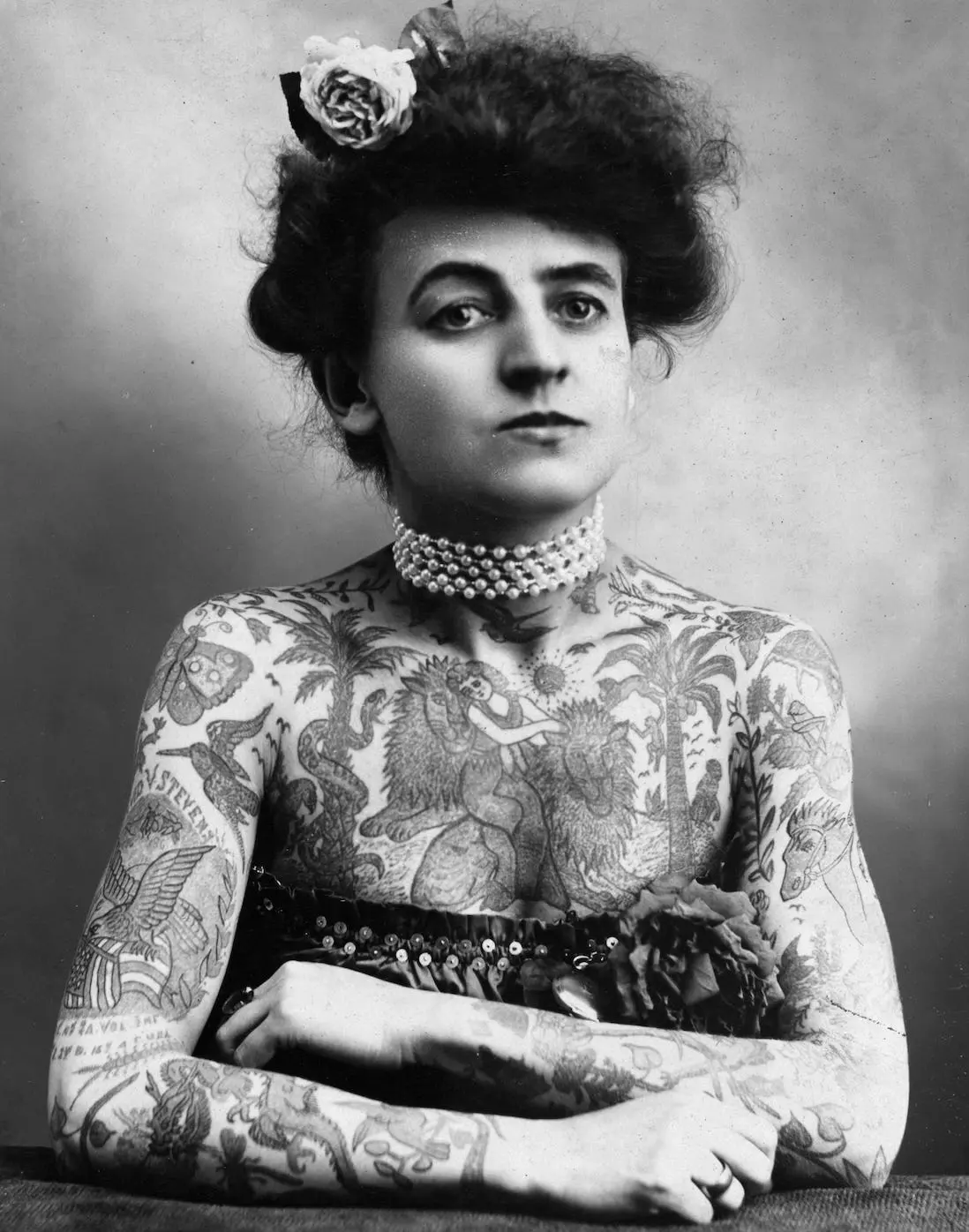
Tattooing is a permanent form of body modification dating back over 5,000 years. Historically used for tribal identification…
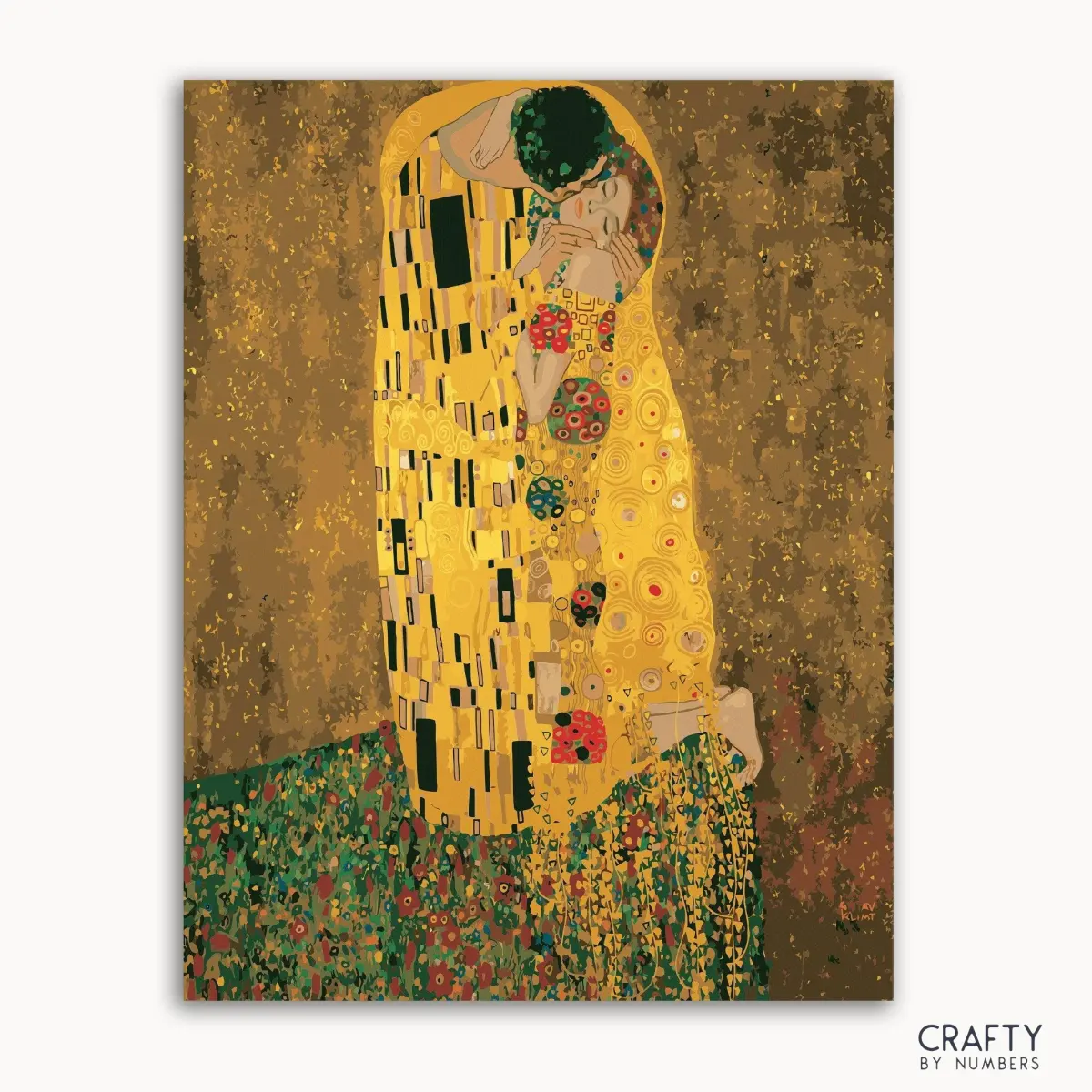
Gustav Klimt, a prominent Austrian Symbolist painter, created the world-famous oil painting titled The Kiss between 1907 and…
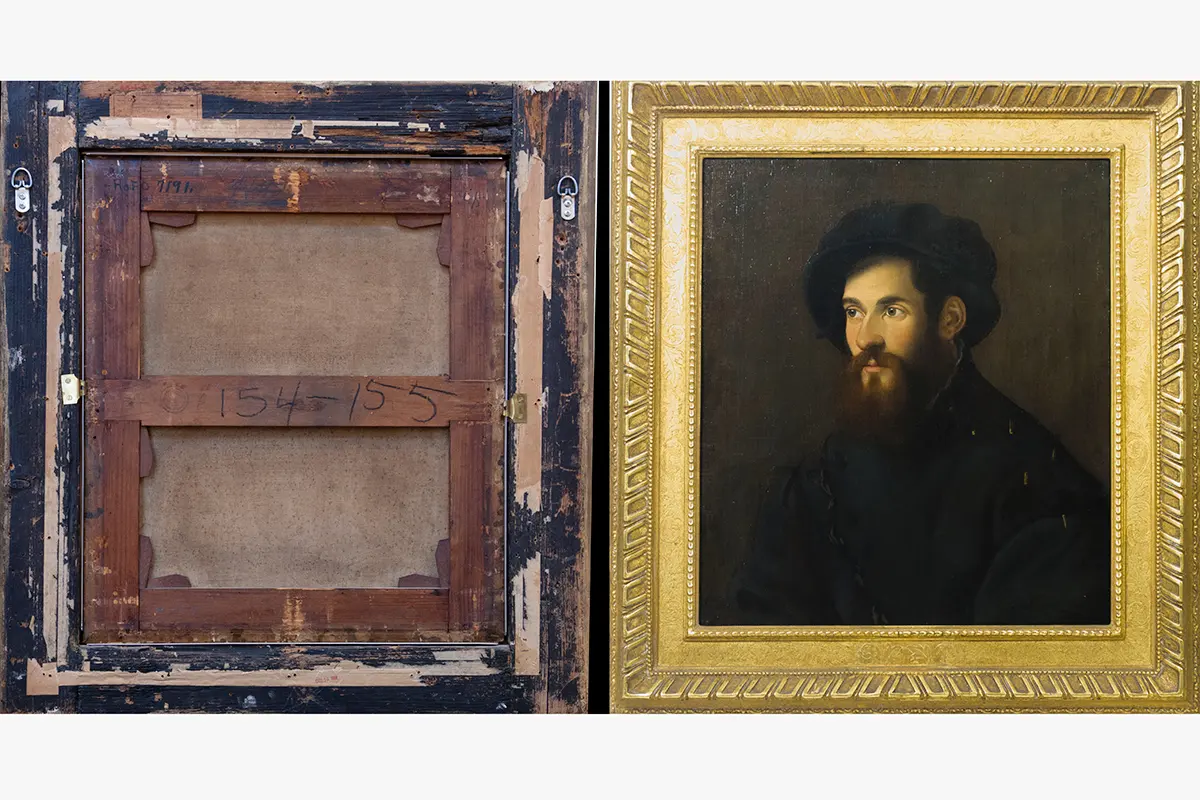
Provenance is the documented history of an artwork’s ownership, from its creation by the artist to its current location. It acts…
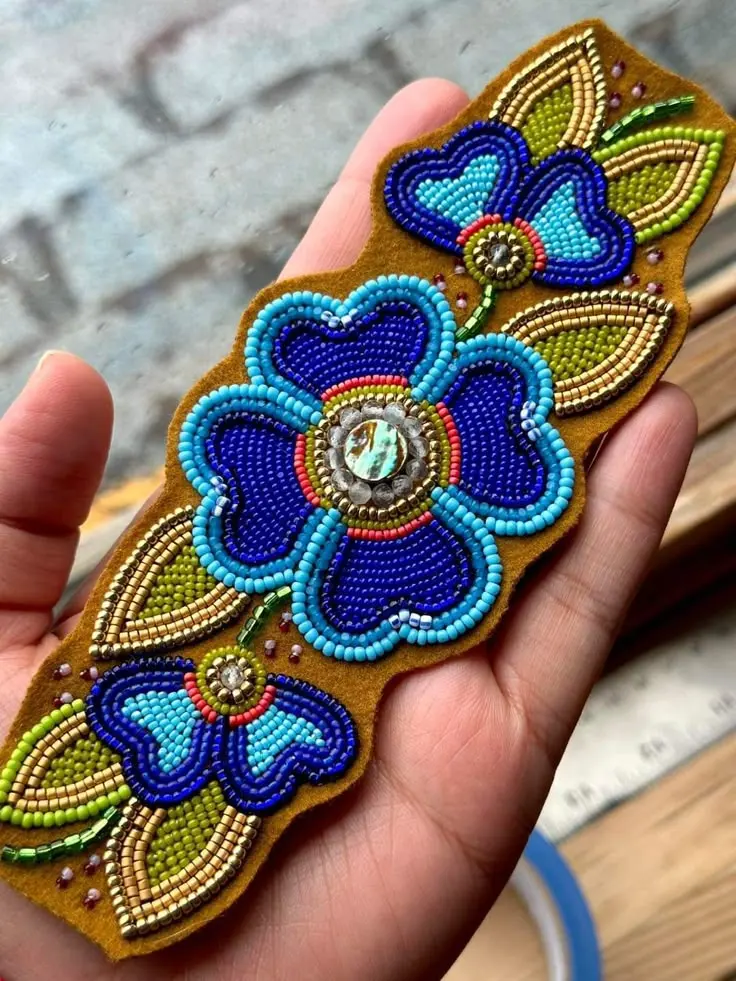
Métis beadwork is a distinctive Indigenous art form characterized by vibrant floral patterns, particularly roses, stitched onto…
Pop art emerged in the mid-1950s in Britain and the late 1950s in the United States as a challenge to traditional fine art. It…
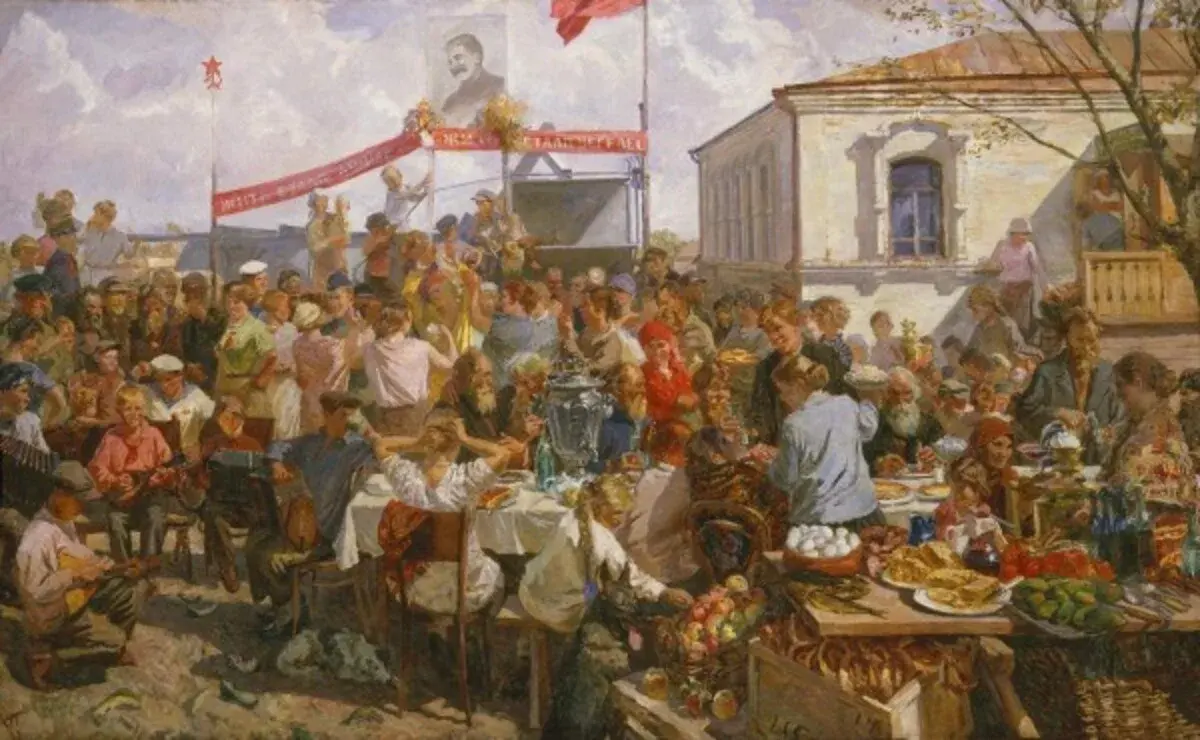
Socialist Realism was the official state-sanctioned artistic style in the Soviet Union and other communist countries from the…
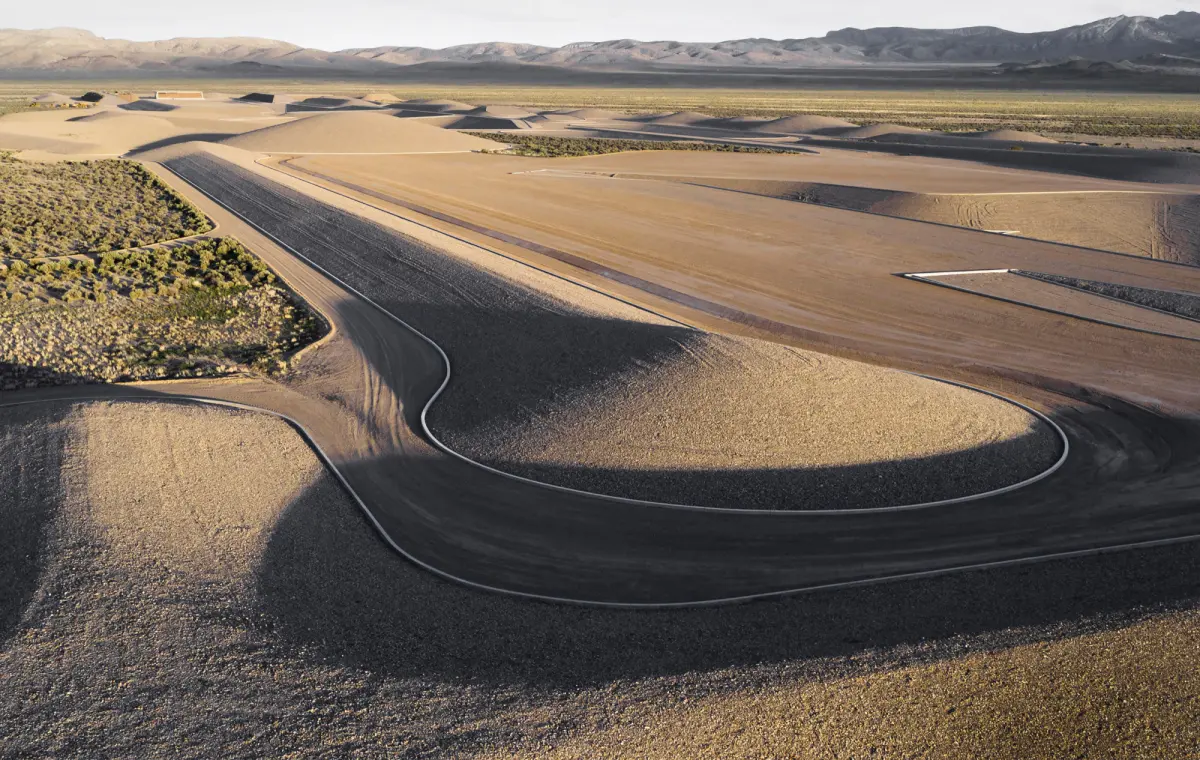
Land art, or Earth art, is an artistic movement that emerged in the late 1960s. It uses natural materials like soil, rocks…
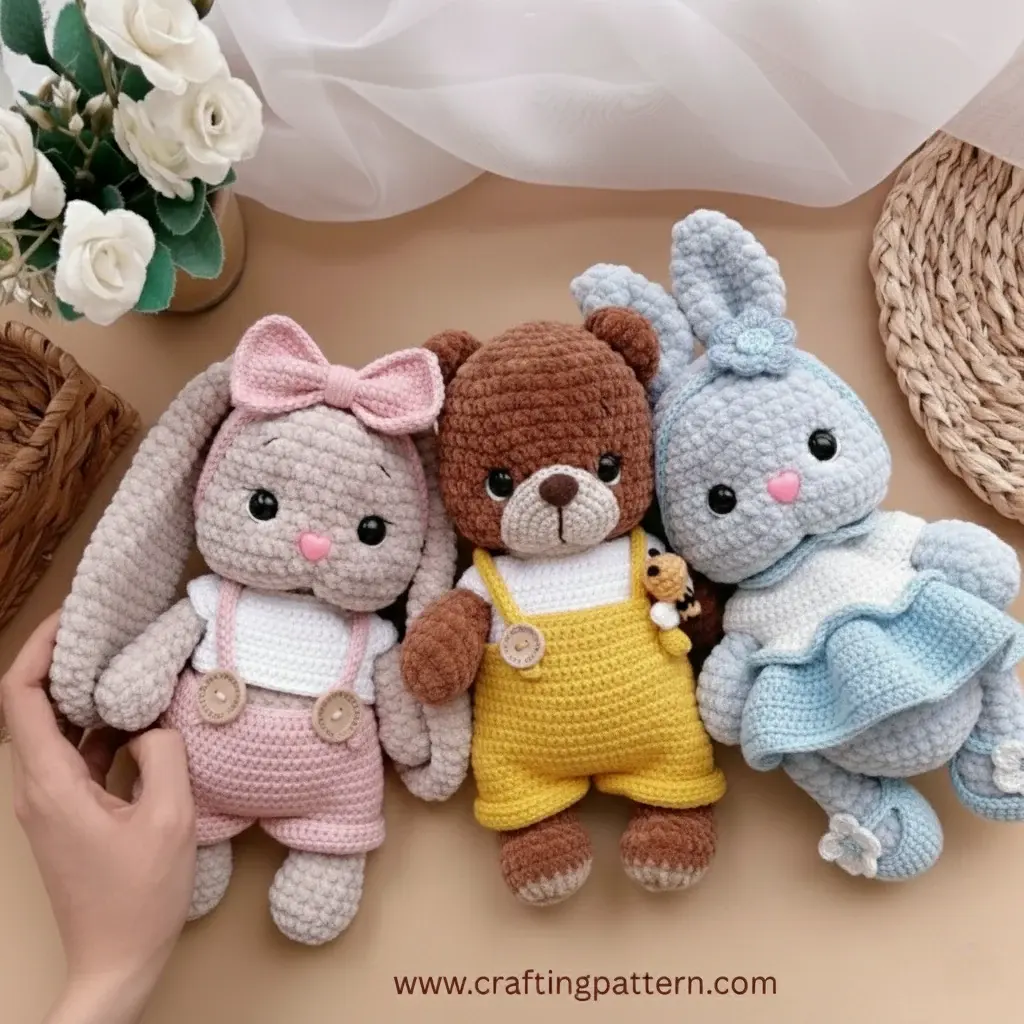
Amigurumi is the Japanese art of knitting or crocheting small, stuffed yarn creatures or objects. The term combines the Japanese…
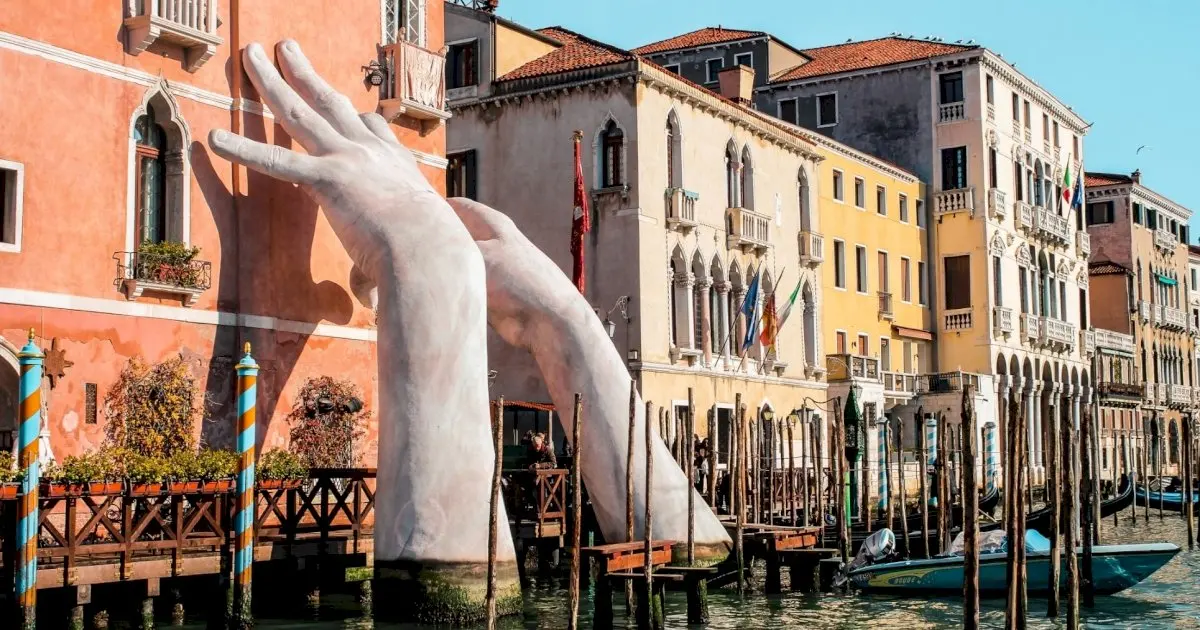
The Venice Biennale is one of the world’s most prestigious international art exhibitions, held biennially in Venice, Italy…
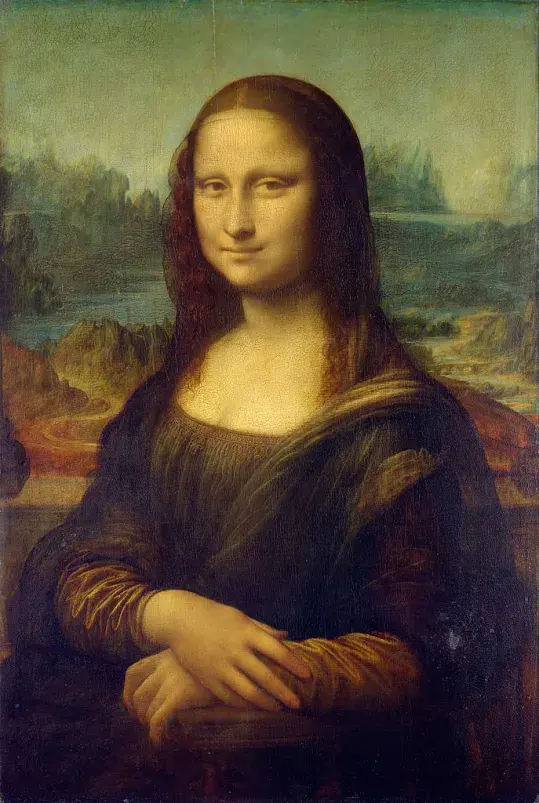
Realism is an artistic movement that emerged in 19th-century France, prioritizing the objective representation of everyday life…
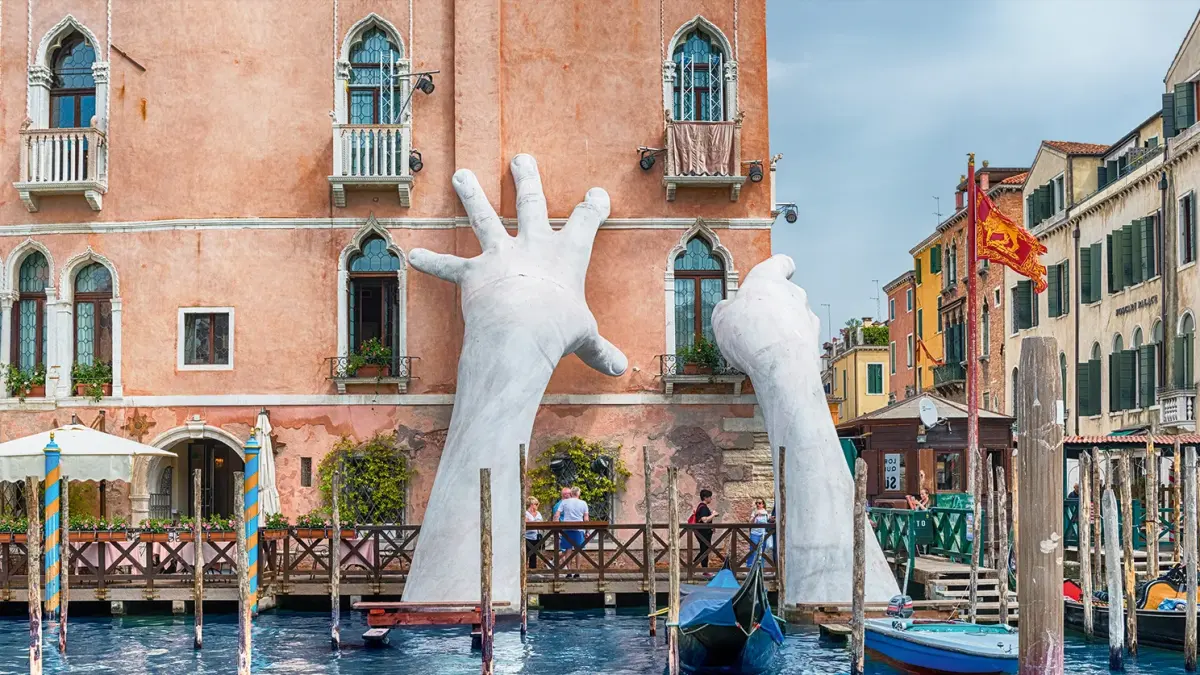
A biennale is a large-scale international art exhibition held every two years. Derived from the Italian word for "biennial,"…
A tapestry is a heavy, hand-woven textile used for wall hangings, furniture upholstery, or floor coverings. Unlike standard…
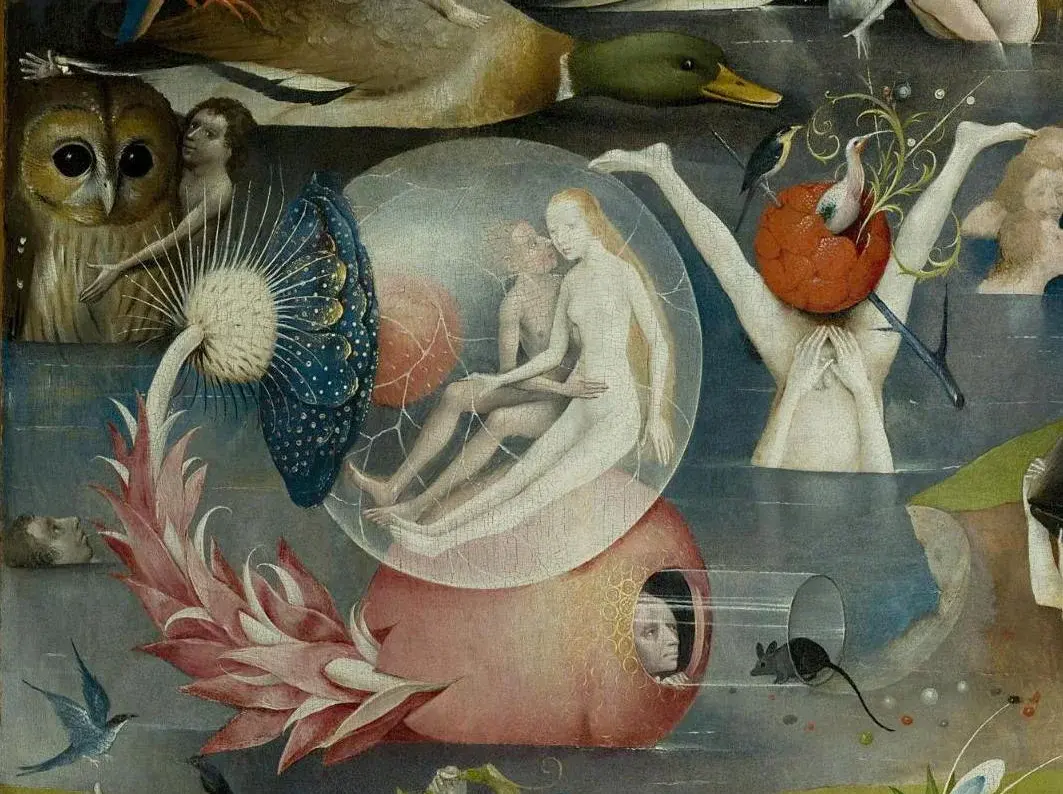
Hieronymus Bosch’s The Garden of Earthly Delights is famous for its unprecedented visual complexity, surreal moral allegory, and…
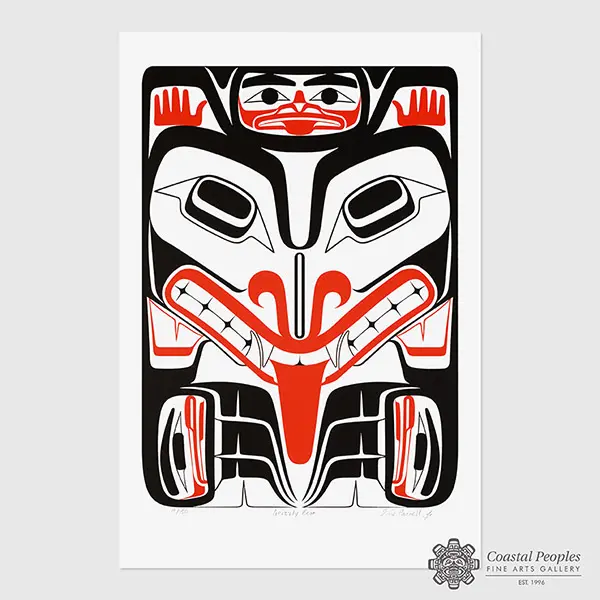
Northwest Coast art is the distinctive visual tradition of Indigenous peoples inhabiting the Pacific coast from Southeast Alaska…
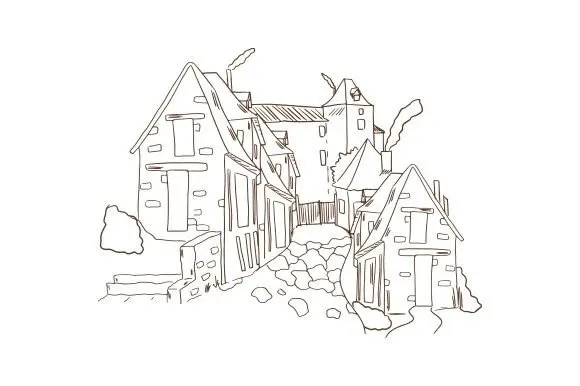
Drawing a medieval village requires balancing historical accuracy with artistic composition. Begin by establishing a central…
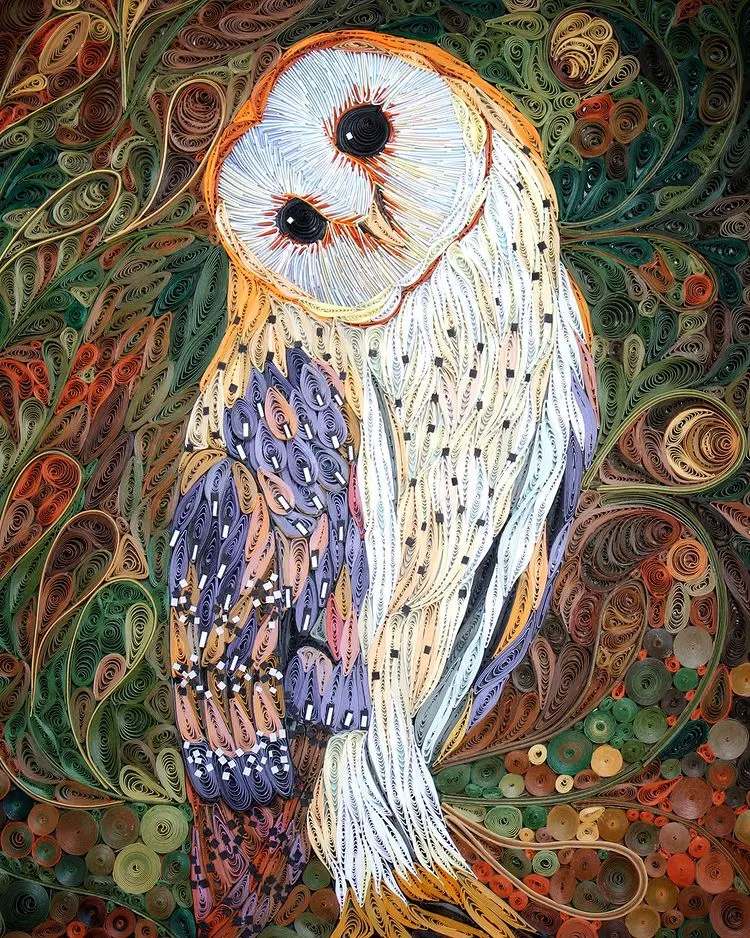
Quilling, also known as paper filigree, is an art form involving the use of thin strips of paper that are rolled, shaped, and…