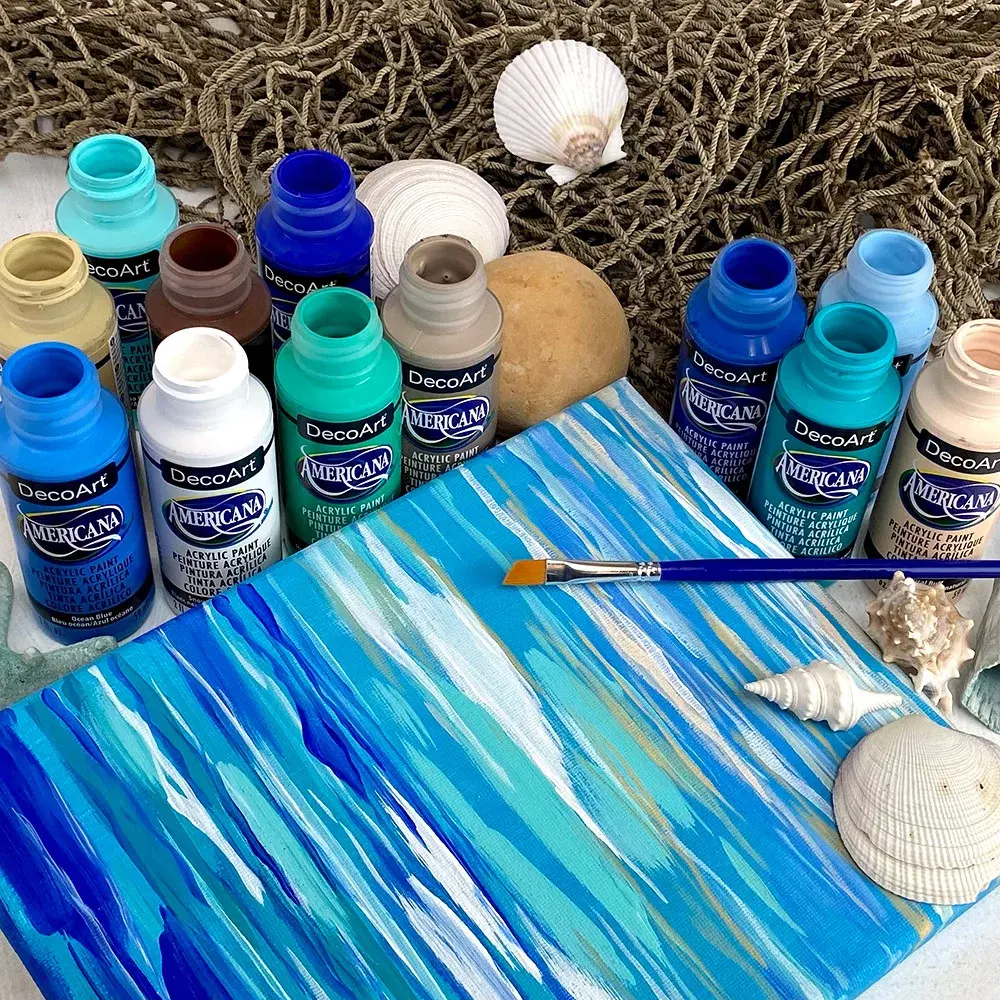
Painting & Color
How many colors do you need to paint?
You only need three primary colors—red, yellow, and blue—to paint almost any image. By mixing these pigments with white and…
Watercolor, acrylic and oil painting, color theory and mixing.
You only need three primary colors—red, yellow, and blue—to paint almost any image. By mixing these pigments with white and…
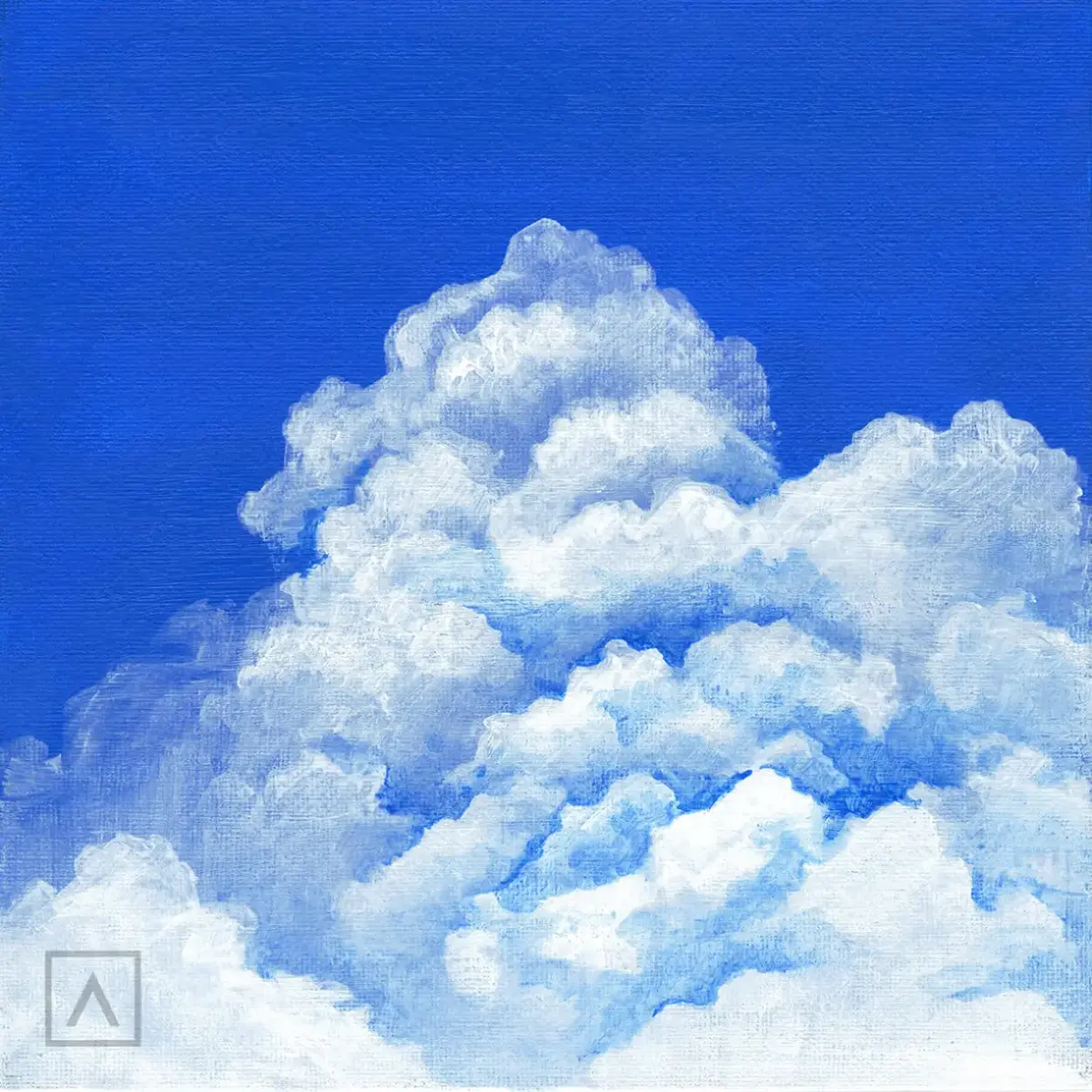
Painting clouds with acrylics requires layering thin, translucent glazes over a base color. By focusing on soft edges, varied…
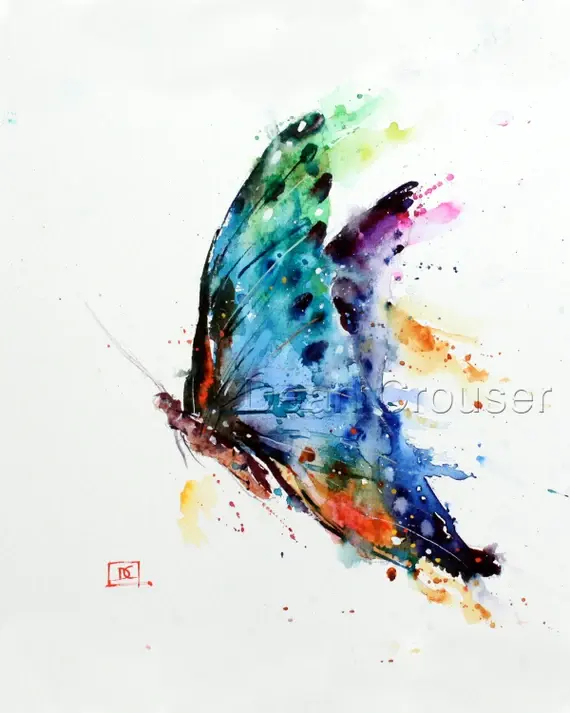
Painting a butterfly with watercolor requires layering transparent washes to build vibrant color and delicate detail. Begin by…
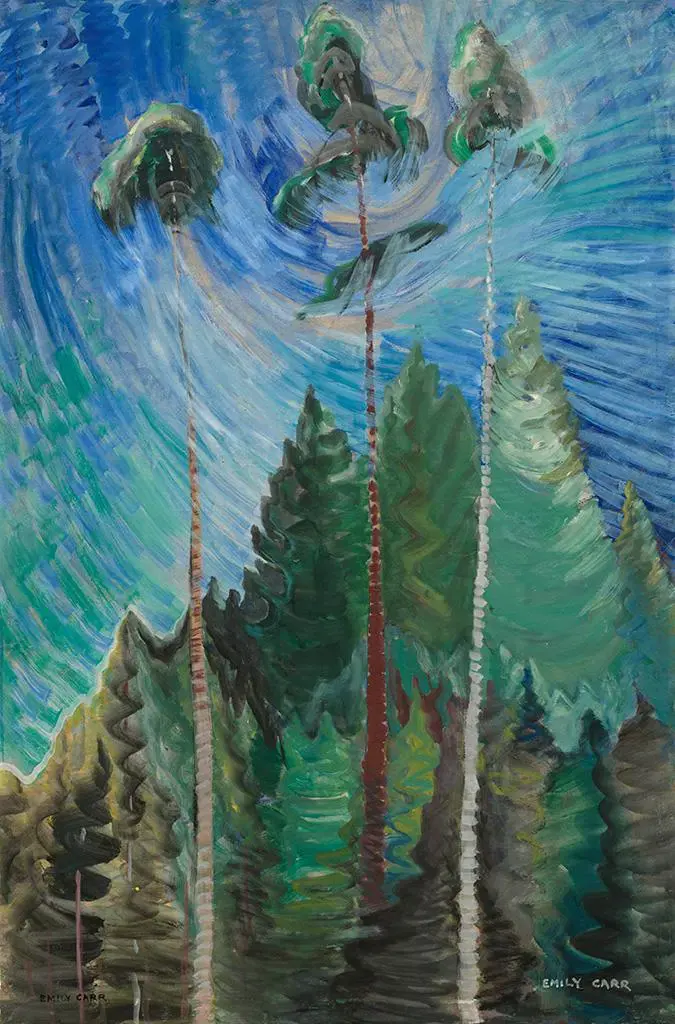
Emily Carr was a renowned Canadian artist and writer celebrated for her modernist paintings of British Columbia’s landscapes and…

Acrylic paint consists of three primary components: pigment, acrylic polymer emulsion, and water. The pigment provides the…
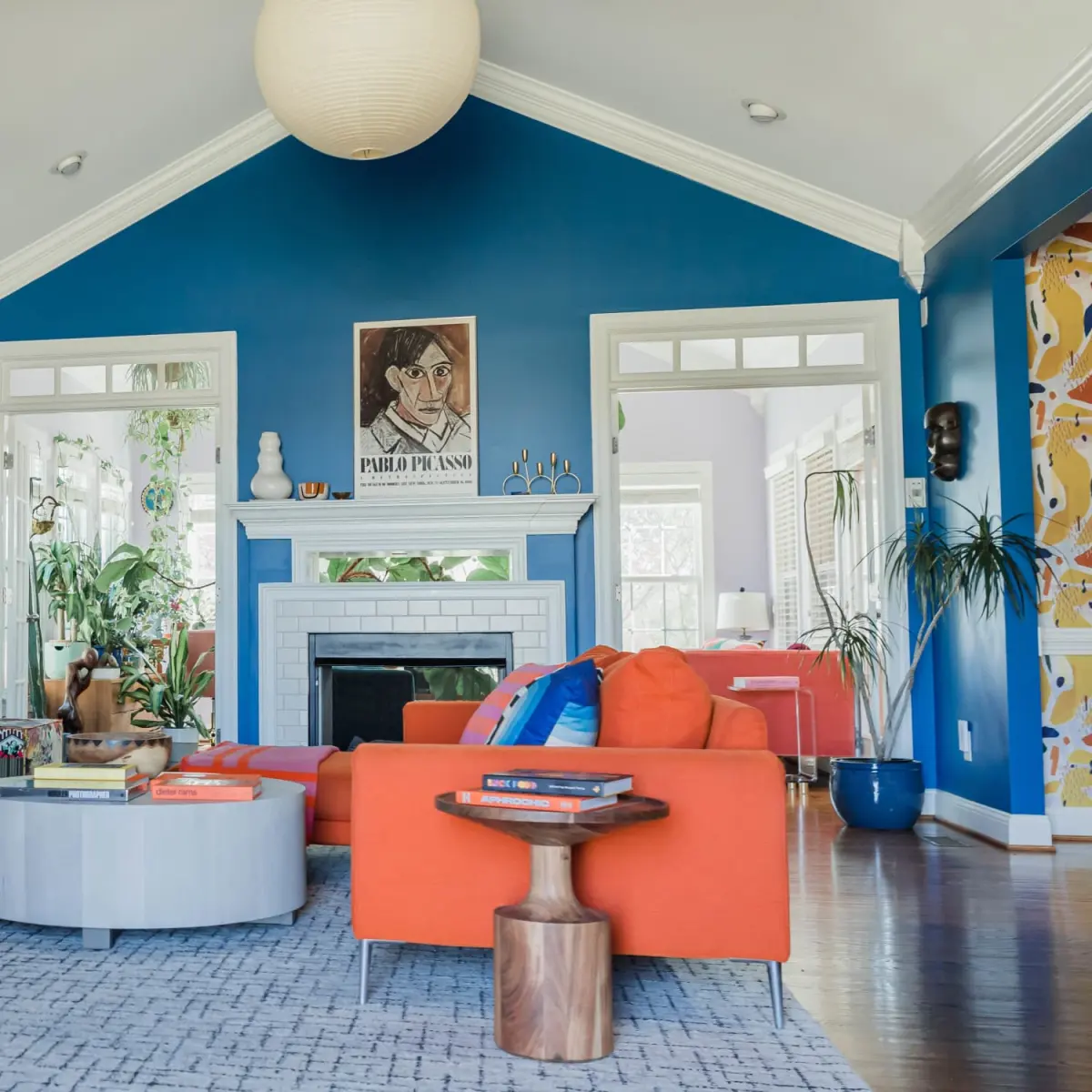
Light blue is created by mixing a primary blue pigment with white. In subtractive color mixing, such as paint, adding white…

Black is a versatile neutral that pairs effectively with almost any color. High-contrast combinations include white, metallics…
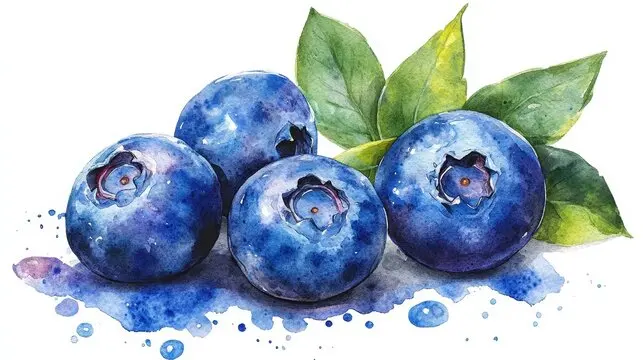
Painting fruit in watercolor requires layering transparent washes to build volume and depth. Begin with a light pencil sketch…
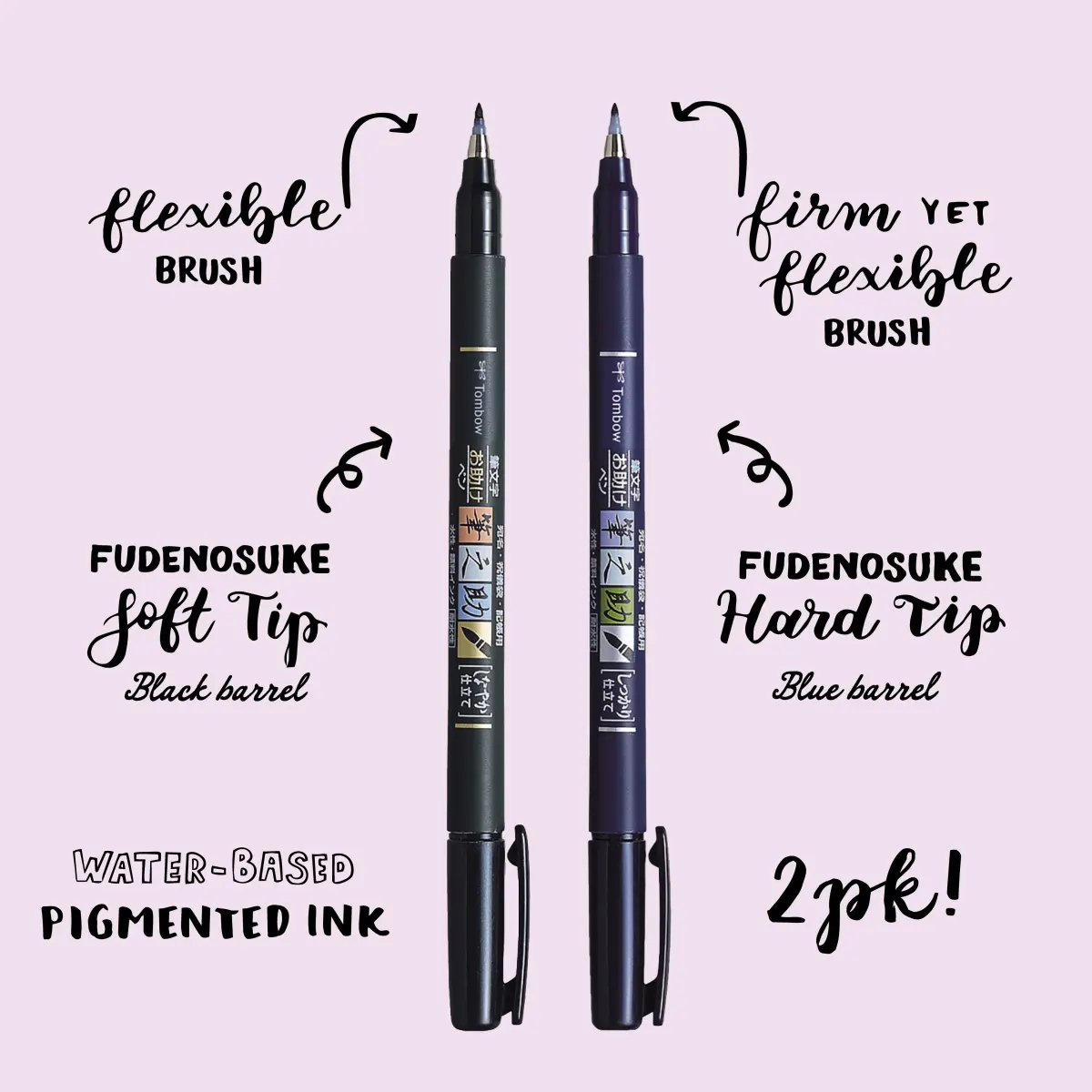
Brush pens are versatile writing tools featuring flexible, tapered tips that mimic traditional hair brushes. They are primarily…

Mint green is created by mixing a primary green pigment with a significant amount of white to achieve a soft, pastel tint. To…
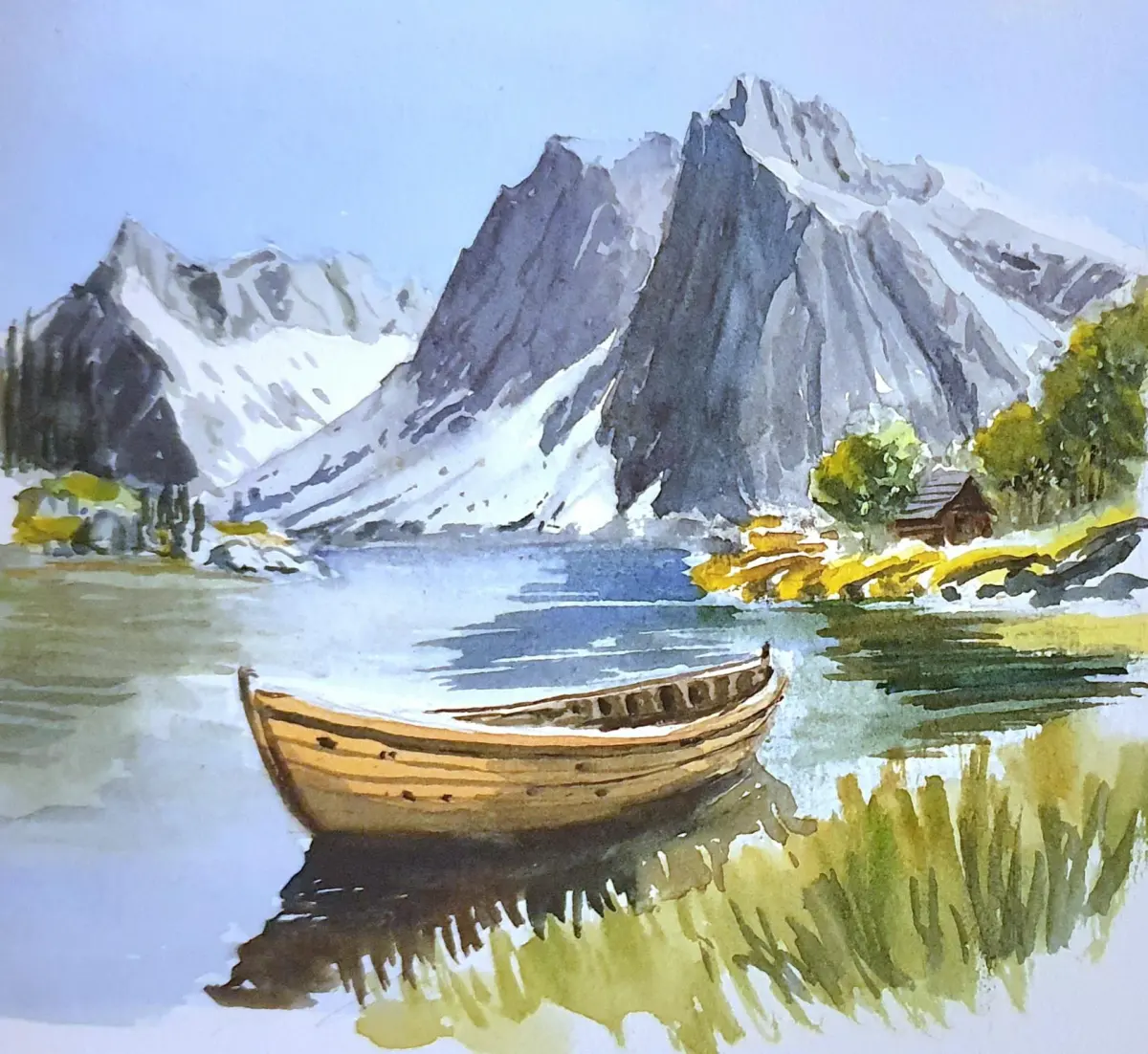
Painting a boat with watercolor requires careful planning of light and shadow, particularly regarding reflections on the water…
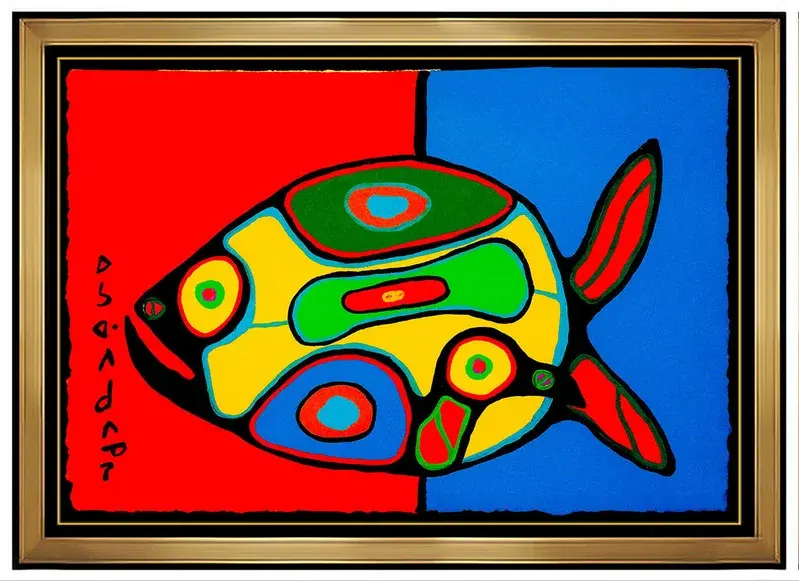
Norval Morrisseau was a pioneering Anishinaabe artist known as the founder of the Woodland School of art. He revolutionized…
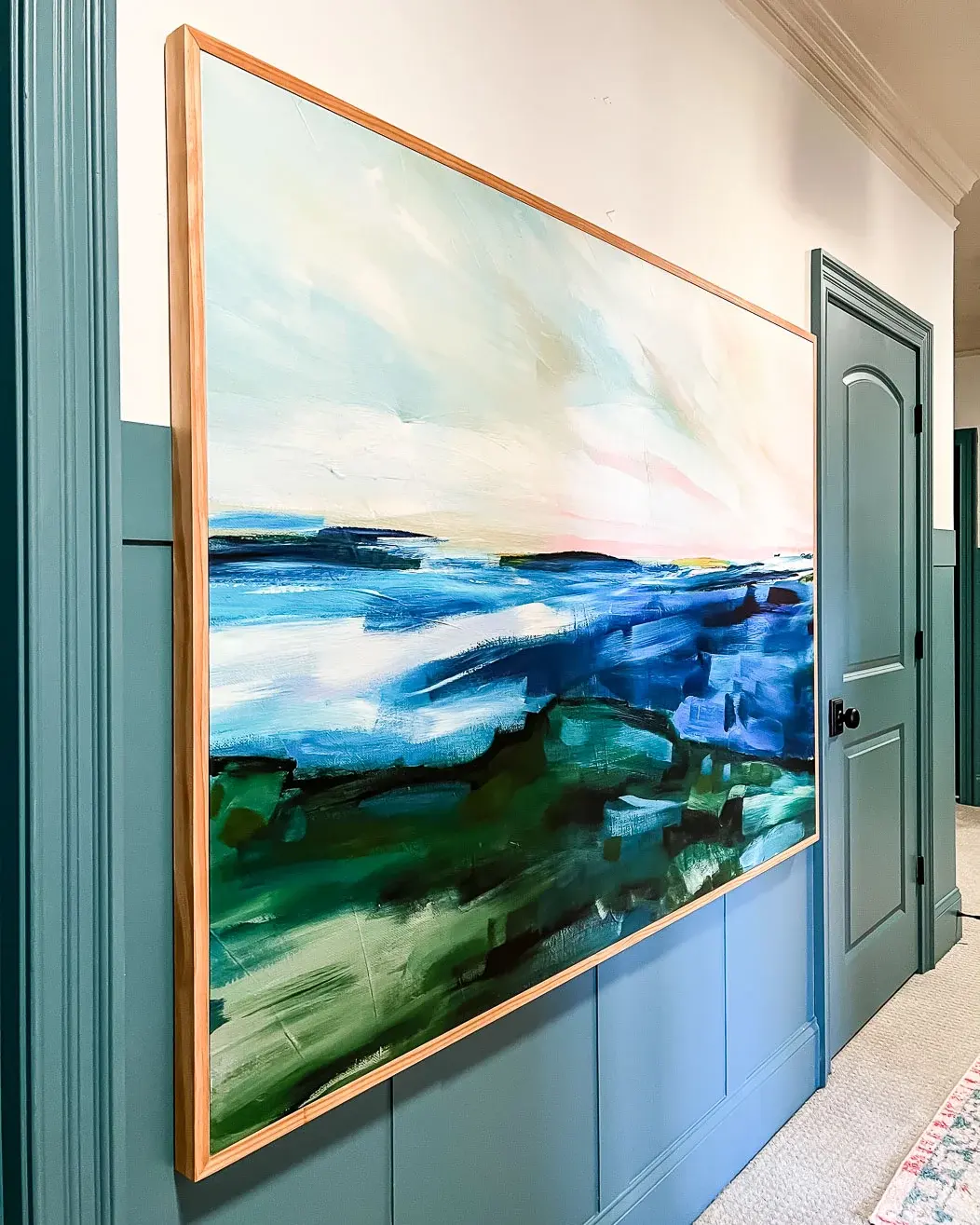
Framing a painting involves selecting a frame that complements the artwork, securing the canvas or board within the frame using…
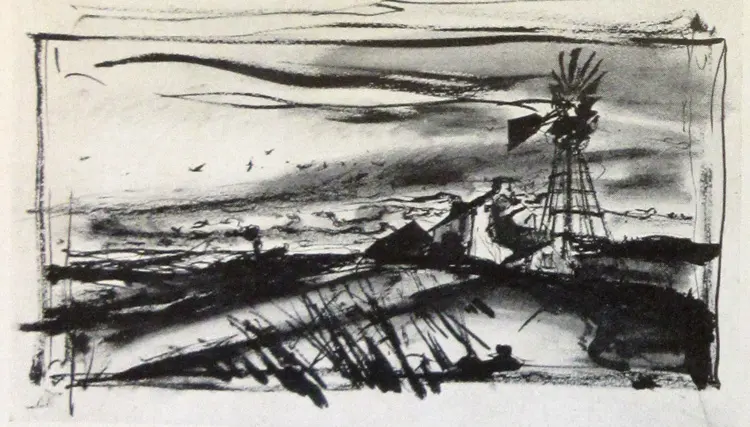
Andrew Wyeth primarily utilized drybrush watercolor and egg tempera to achieve his signature hyper-realistic, textured style. By…
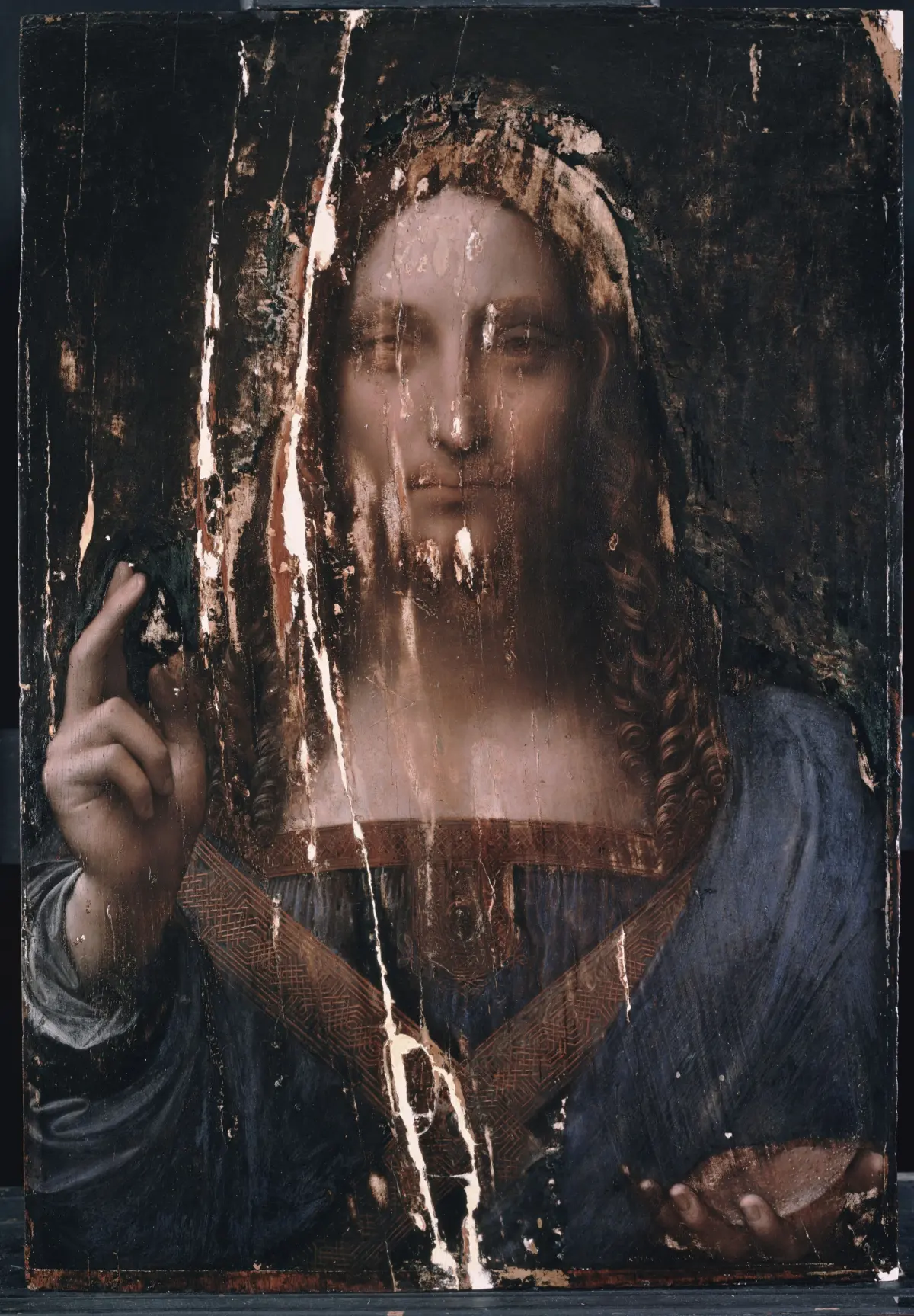
The Salvator Mundi is famous primarily because it holds the record as the most expensive painting ever sold, fetching $450.3…
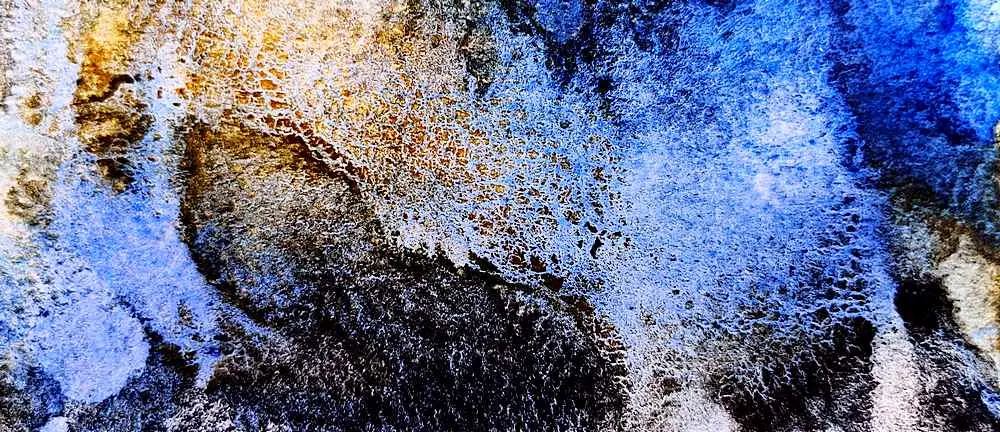
Granulation is a textural effect in watercolor where pigment particles settle into the hollows of the paper’s surface rather…
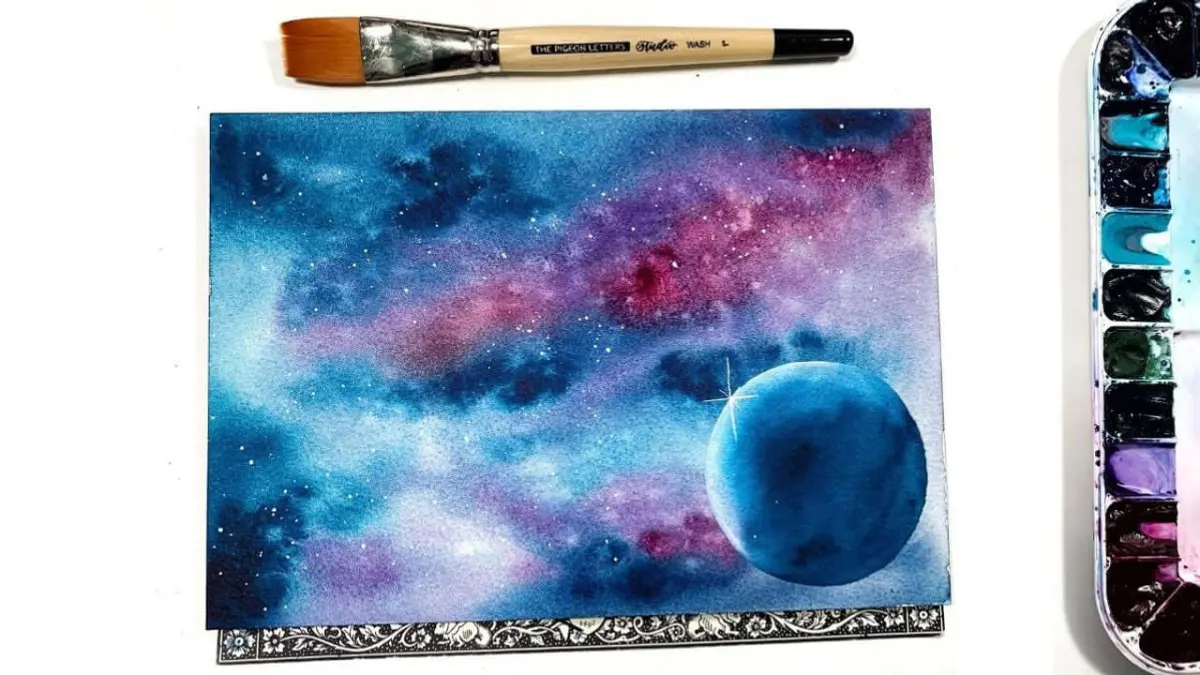
Painting a galaxy in watercolor involves the wet-on-wet technique to blend vibrant pigments seamlessly across the paper. By…
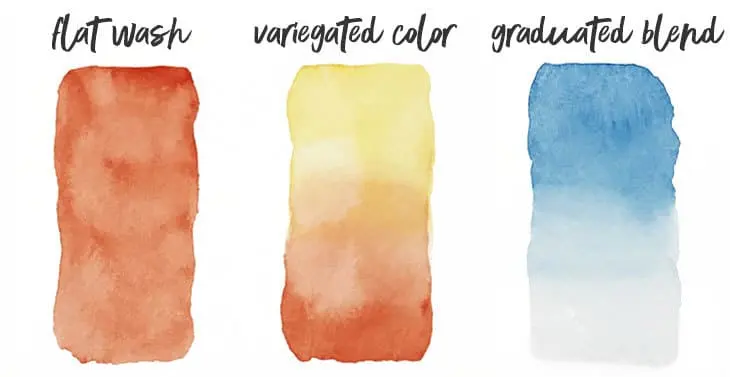
Wet-on-dry is a watercolor technique where wet paint is applied onto paper that has already dried from a previous layer. This…
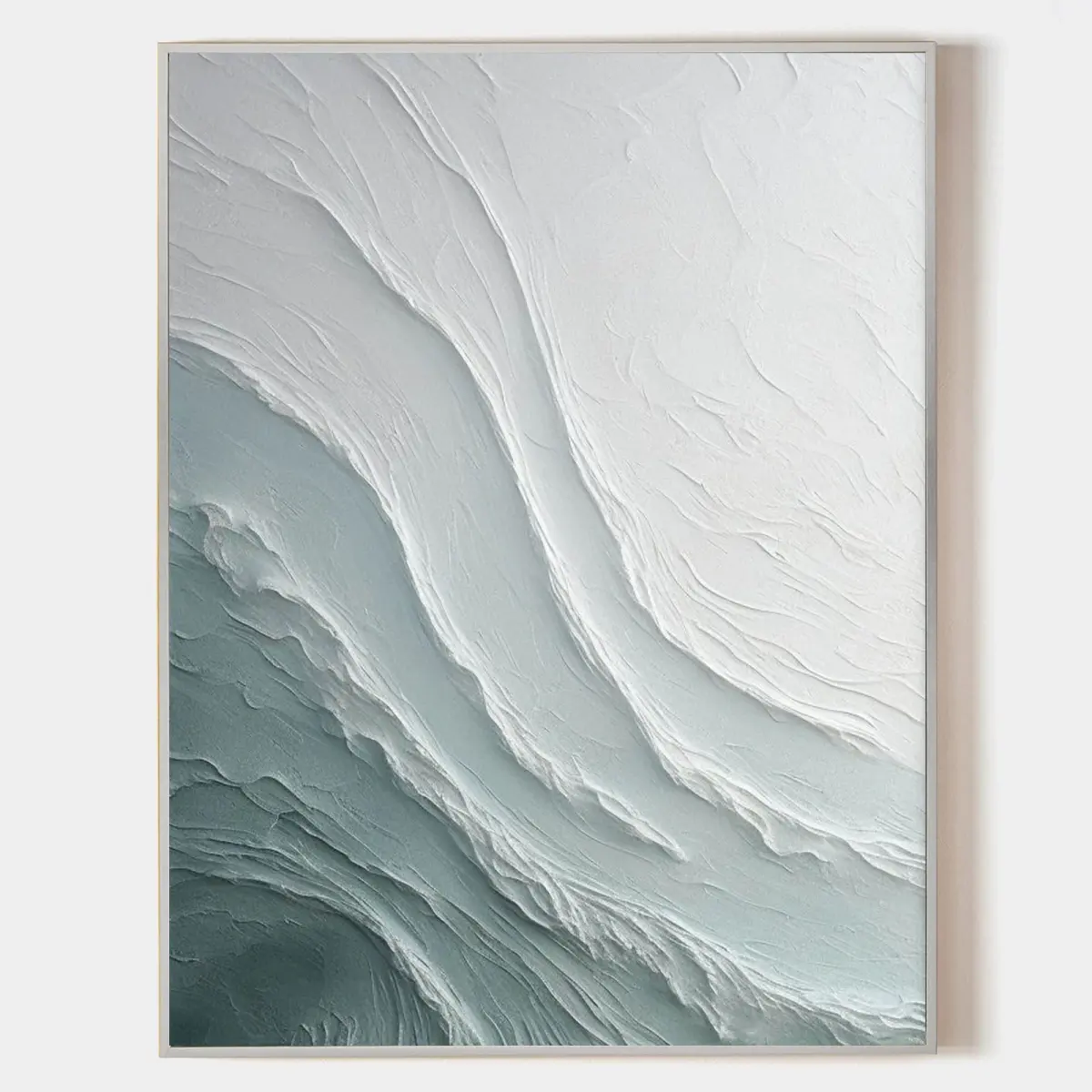
Texture is the perceived surface quality of an artwork, encompassing both the physical tactile feel of a medium and the visual…
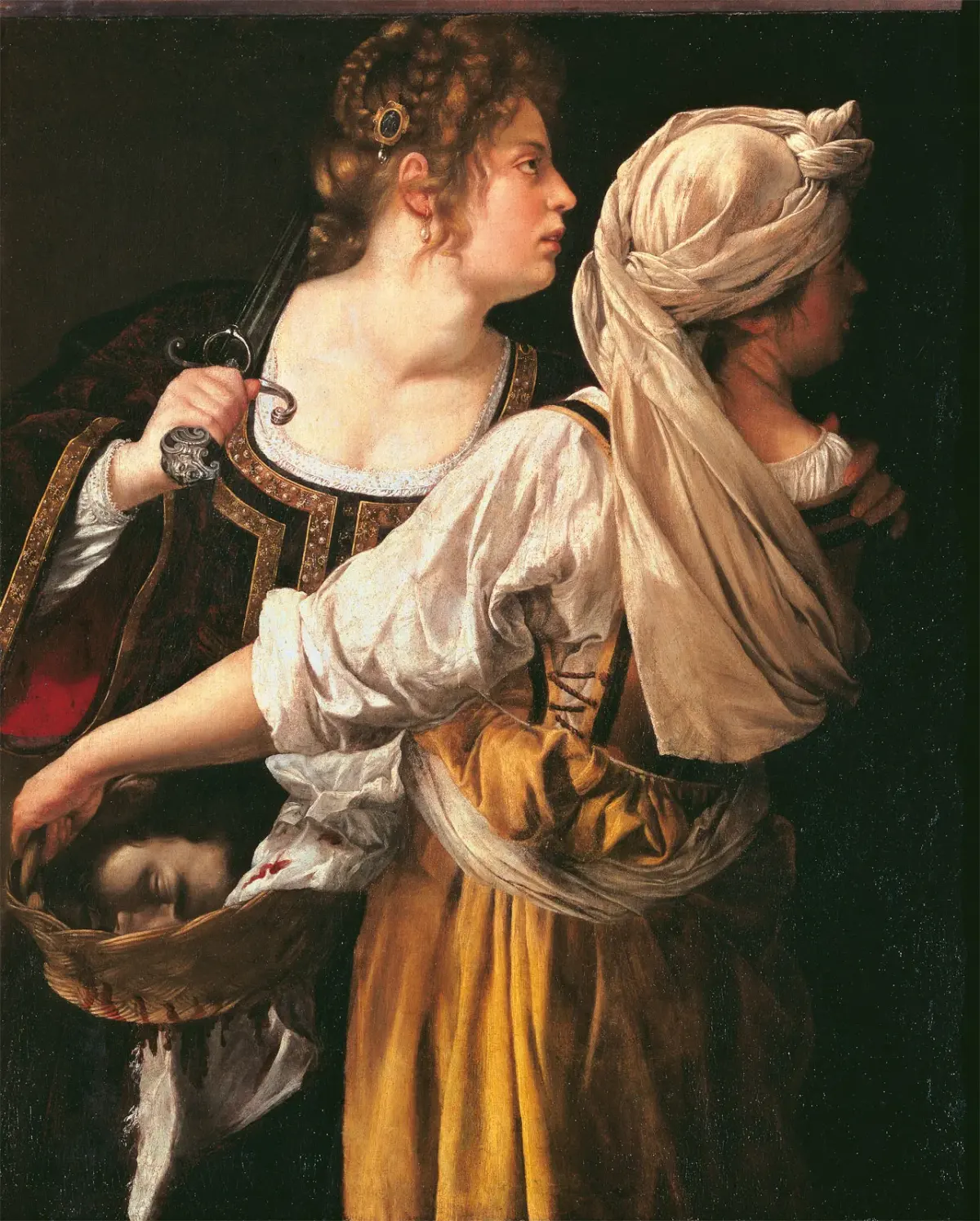
Artemisia Gentileschi is renowned as one of the most accomplished 17th-century Baroque painters. She is celebrated for her…
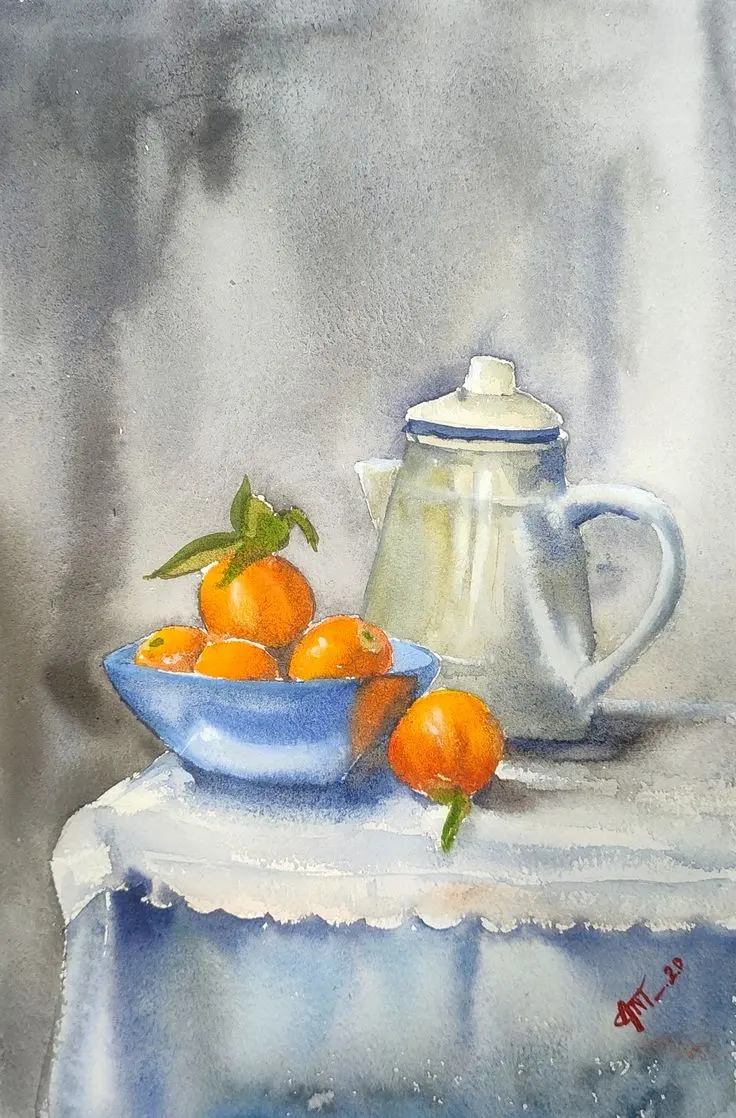
Painting a still life in watercolor involves arranging stable subjects, sketching light outlines, and applying transparent…

E.J. Hughes (1913–2007) was a renowned Canadian painter celebrated for his meticulous, panoramic depictions of the British…
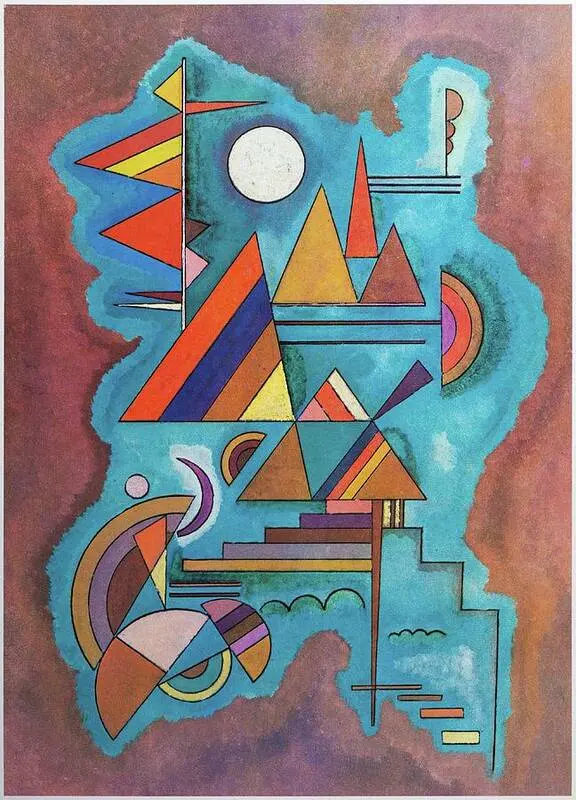
Composition VIII (1923) is widely considered Wassily Kandinsky’s most famous painting. This masterpiece serves as a definitive…
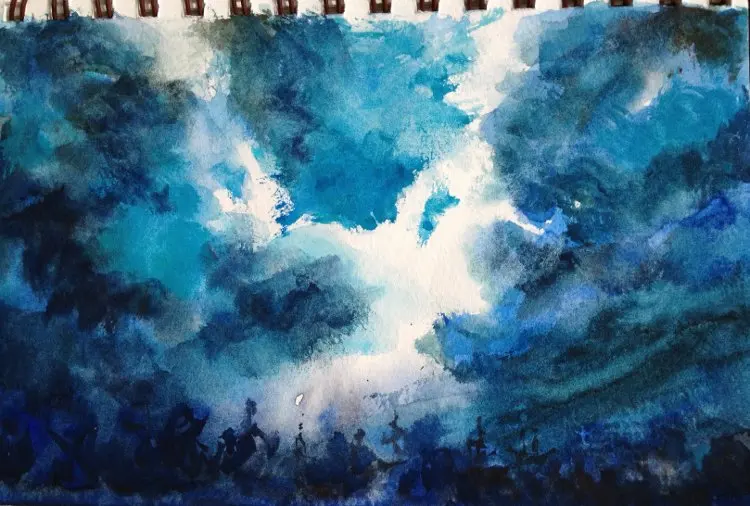
Painting a storm in watercolor requires managing moisture levels to create atmospheric depth. Use a wet-on-wet technique for…