Painting & Color
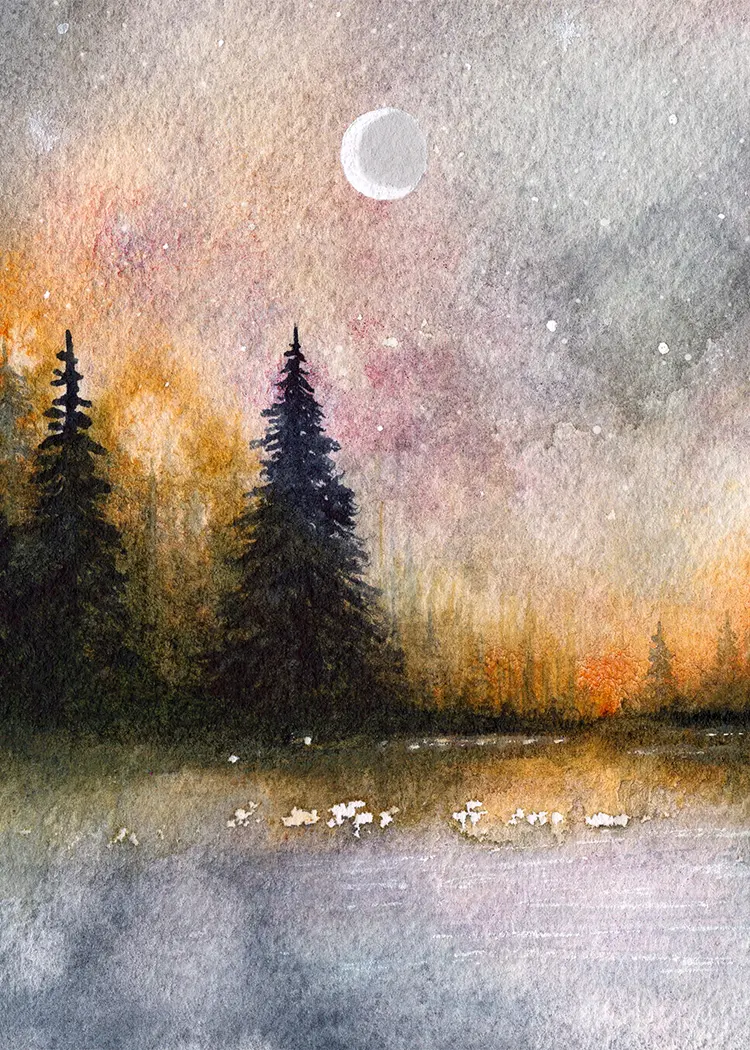
How do you paint the moon in watercolor?
Painting a realistic moon in watercolor requires a combination of masking fluid to preserve bright highlights and a "wet-on-wet"…
Watercolor, acrylic and oil painting, color theory and mixing.
Painting a realistic moon in watercolor requires a combination of masking fluid to preserve bright highlights and a "wet-on-wet"…
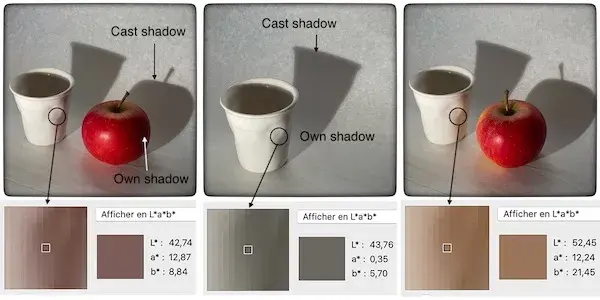
Shadows are rarely pure black or gray; they are typically desaturated, cooler versions of the object's local color. To mix a…
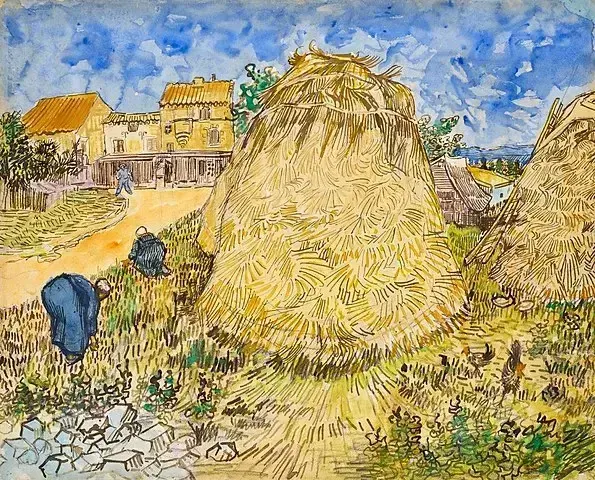
Yellow represents a spectrum of meanings in art, ranging from divinity, warmth, and prosperity to betrayal, sickness, and…
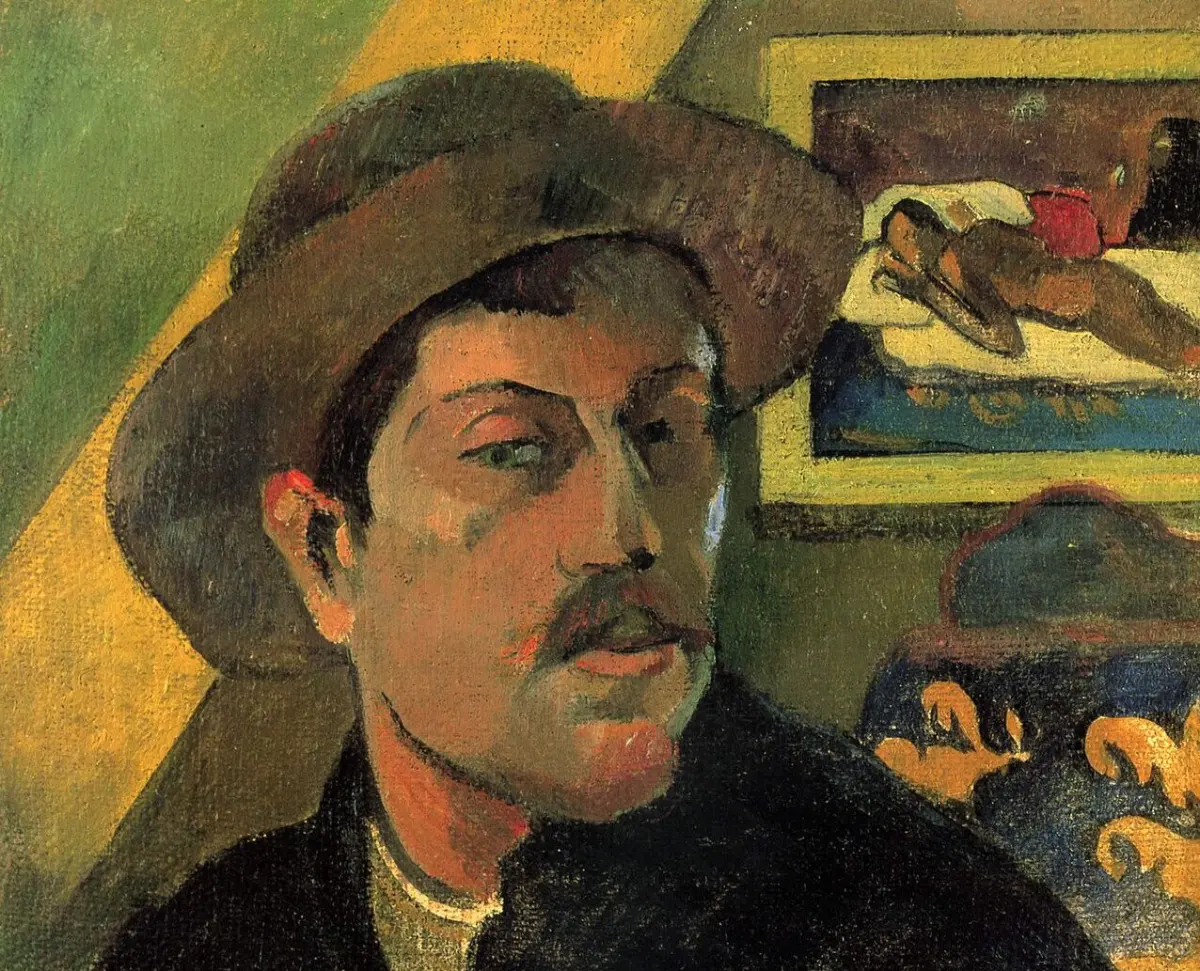
Paul Gauguin is renowned for his pioneering role in Post-Impressionism and his expressive use of bold, non-naturalistic color…
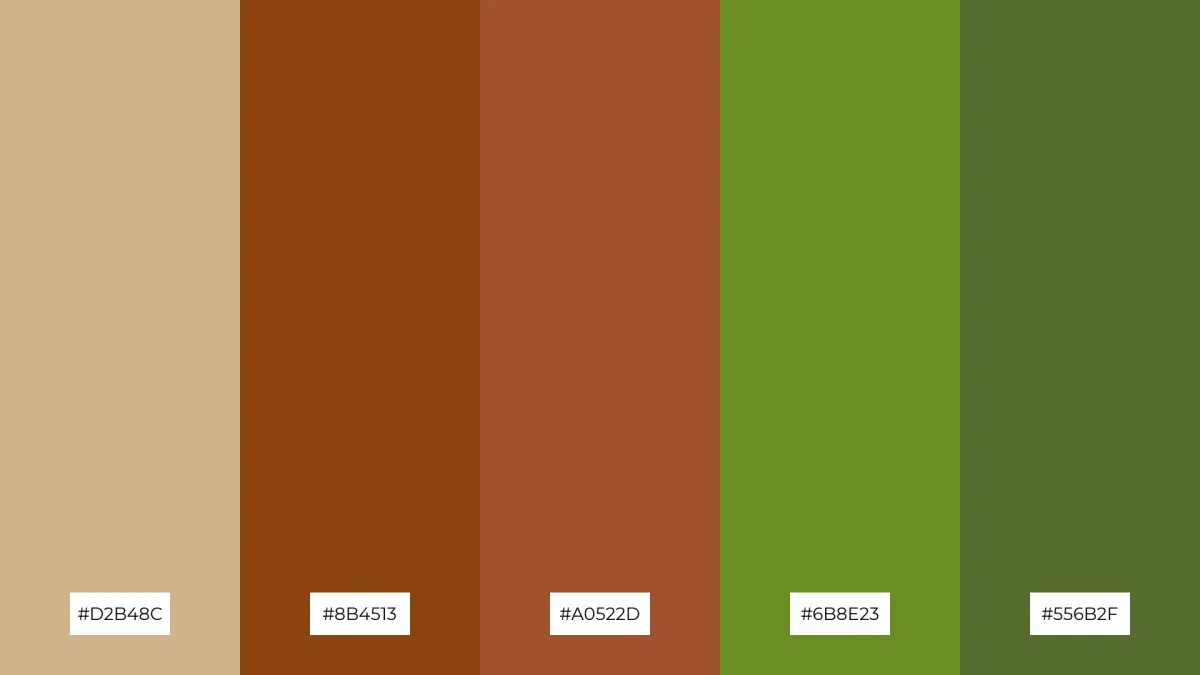
Tan is created by mixing a primary color—typically yellow—with a small amount of brown, or by combining all three primary colors…
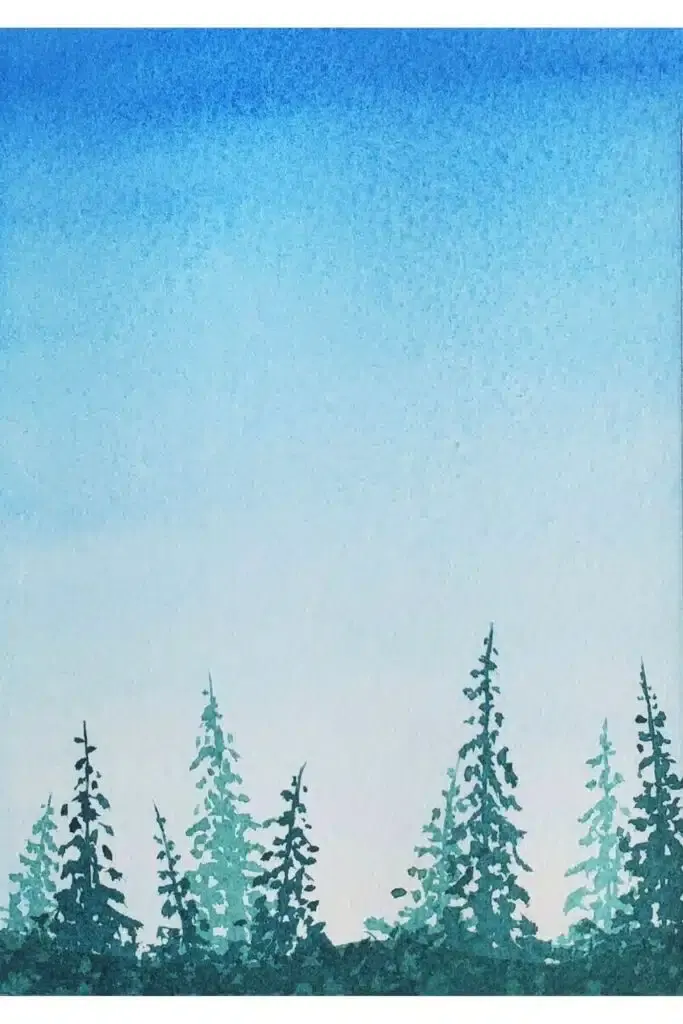
Painting a forest with watercolor involves layering transparent washes to build depth, starting with the background and moving…
Spotting a fake painting requires a combination of provenance research, stylistic analysis, and scientific testing. Experts…
Scumbling is a painting technique involving the application of a thin, opaque layer of light-colored paint over a darker, dry…
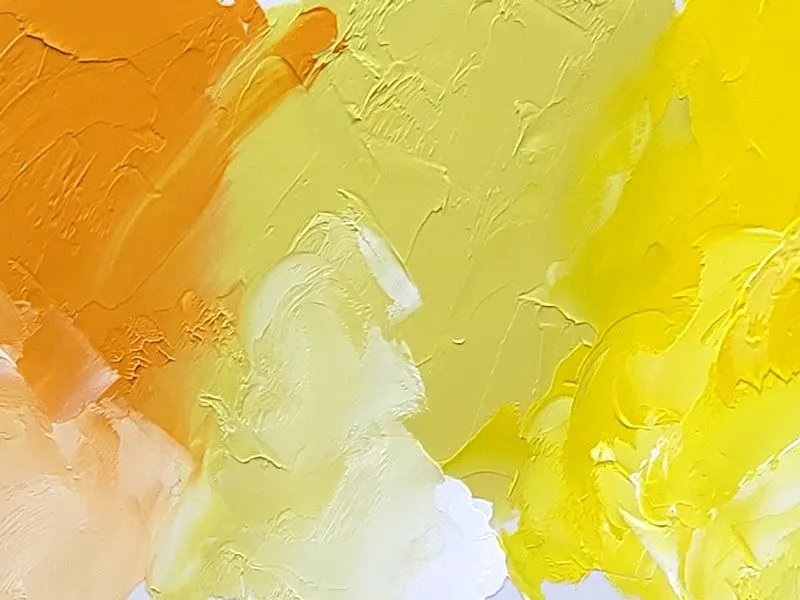
Oil paint is a mixture of dry pigment particles suspended in a drying oil binder, most commonly linseed oil. This combination…
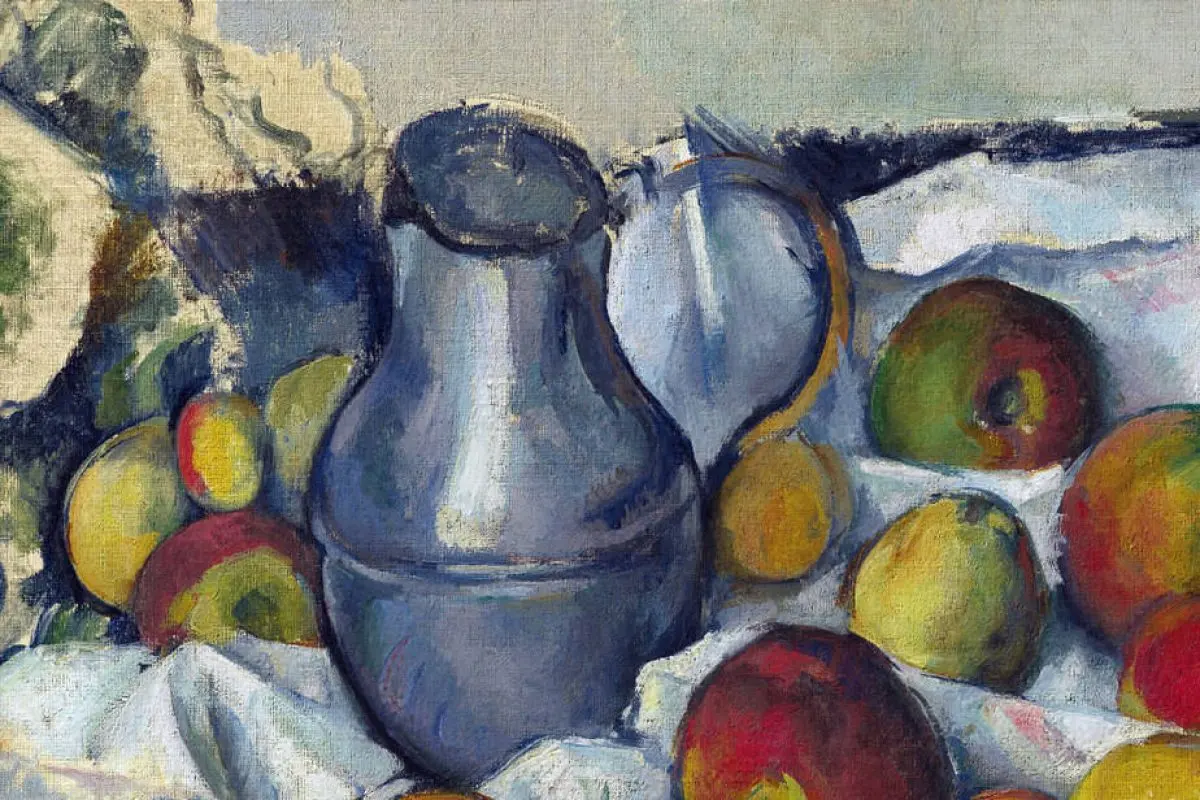
Paul Cézanne’s most famous painting is widely considered to be The Card Players, a series of five oil paintings created between…
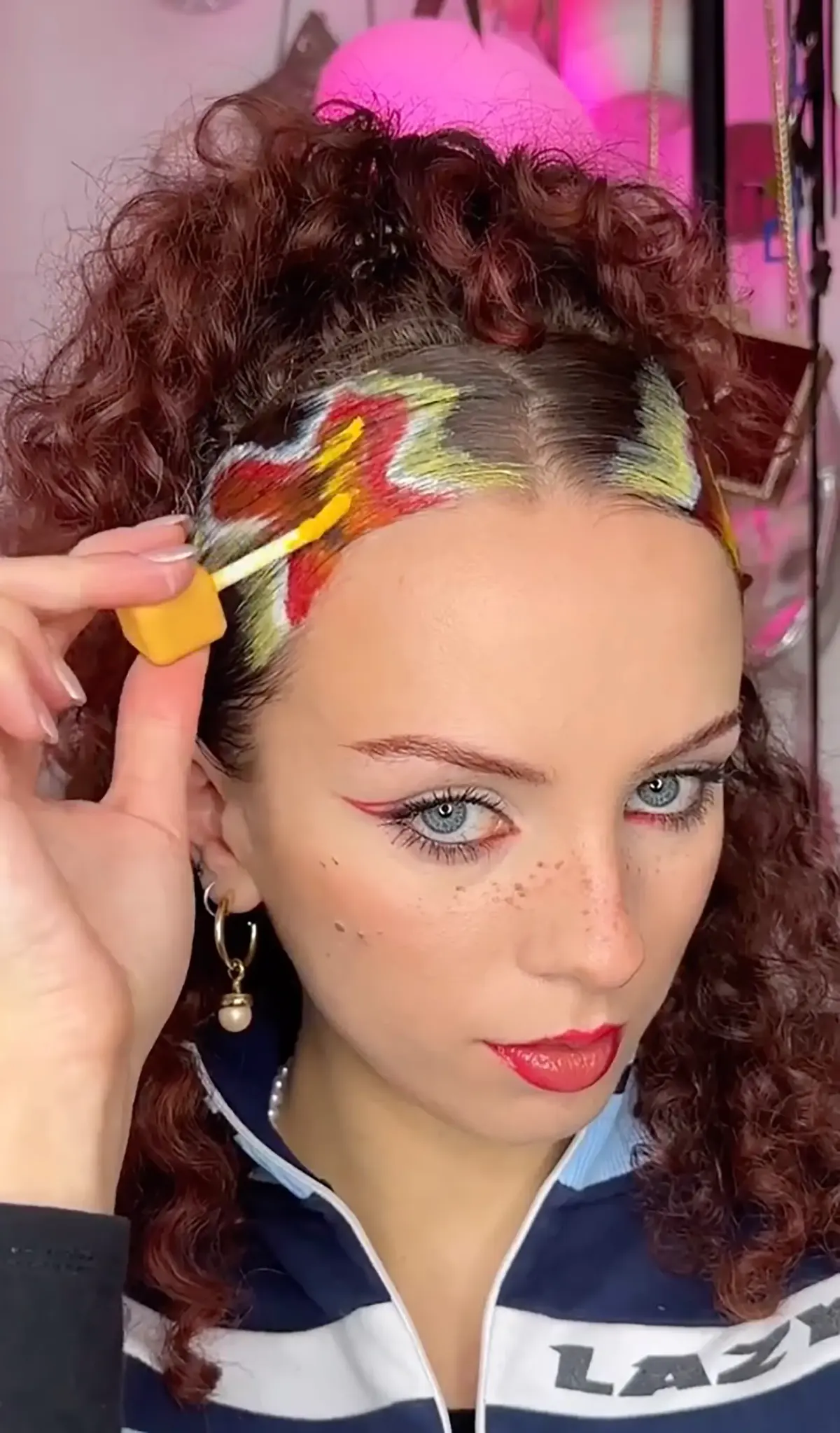
Painting hair requires treating it as a series of interconnected shapes rather than individual strands. Focus on establishing…
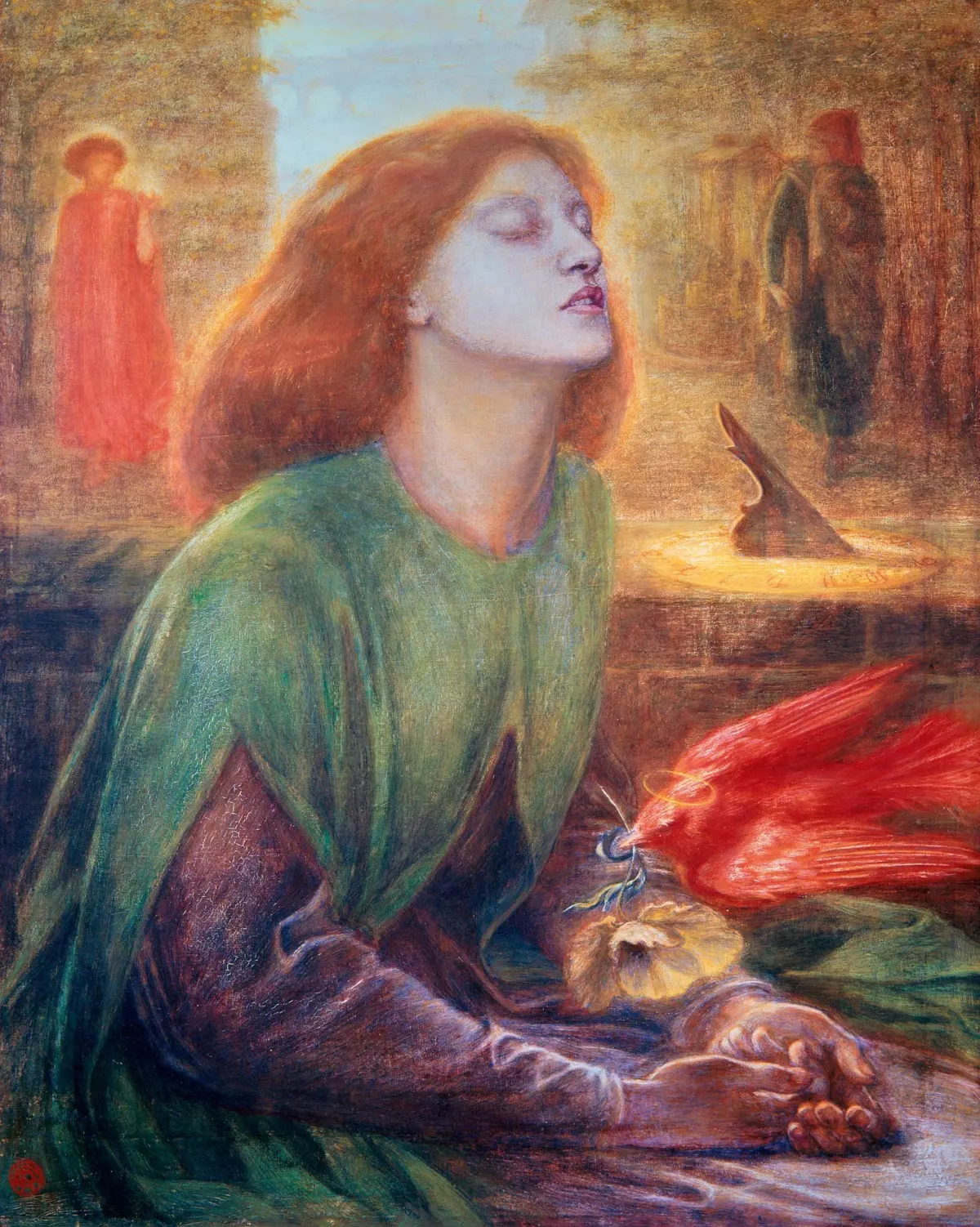
Dante Gabriel Rossetti was a pivotal 19th-century English poet and painter who co-founded the Pre-Raphaelite Brotherhood. He is…
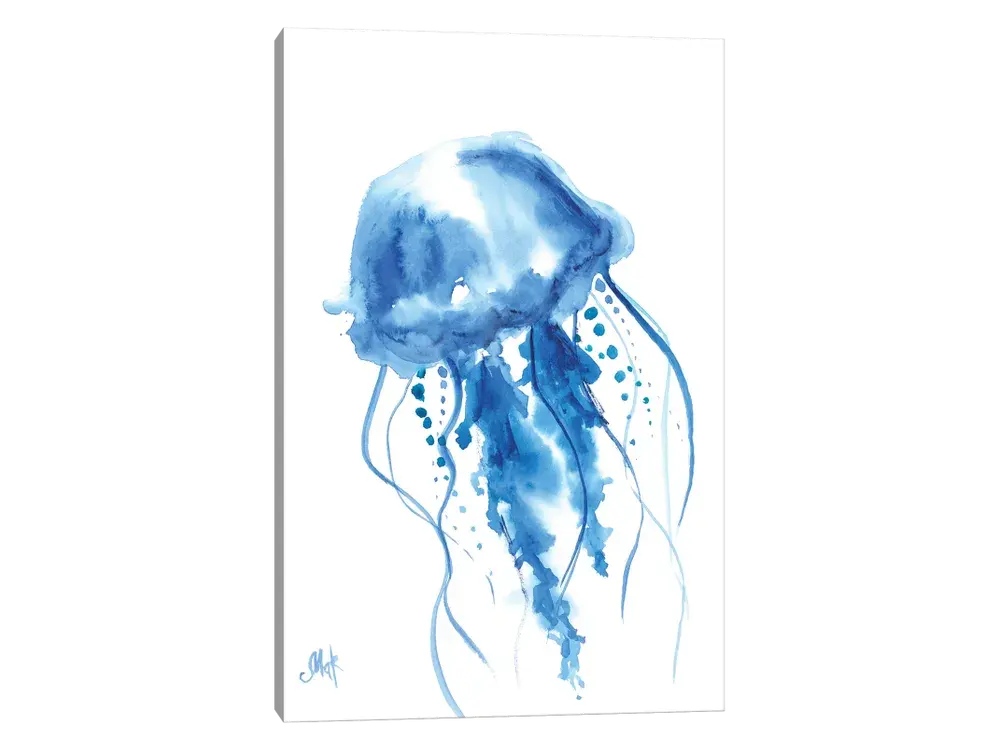
Painting a jellyfish in watercolor requires a focus on transparency, layering, and fluid brushwork. By utilizing the wet-on-wet…
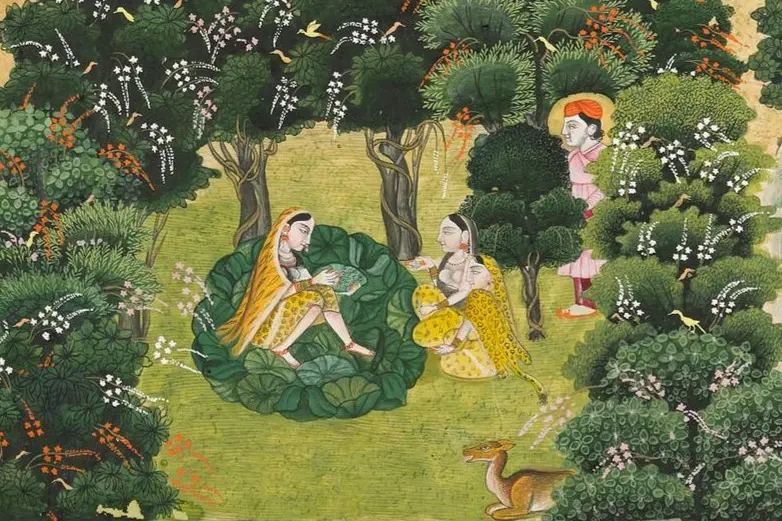
Indian miniature painting is a traditional art form characterized by highly detailed, small-scale compositions produced on…
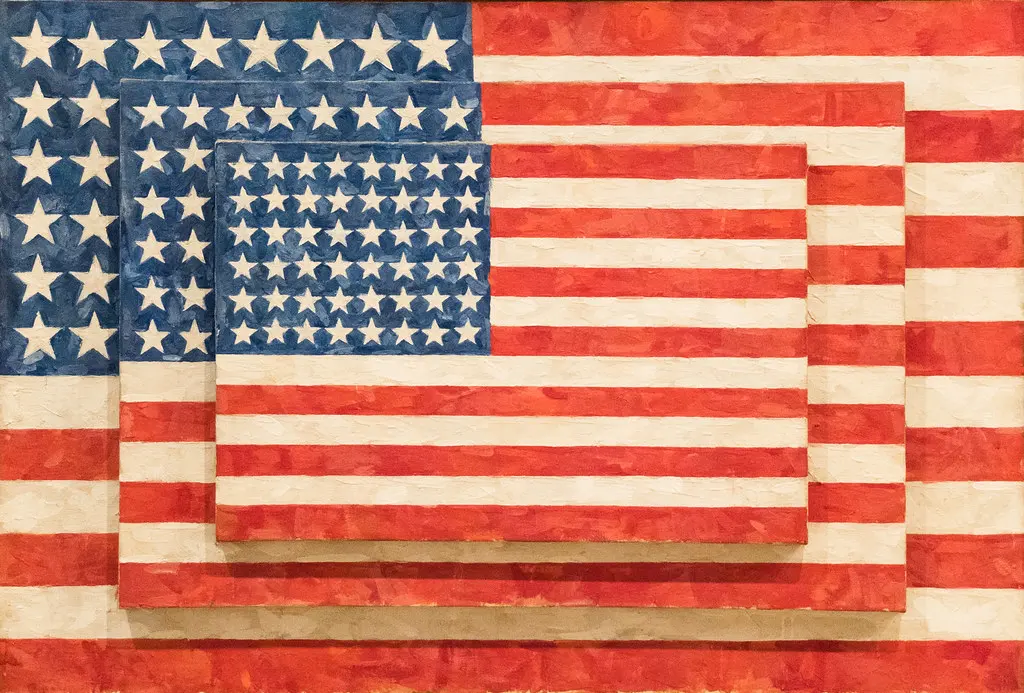
Jasper Johns is an American artist renowned for bridging the gap between Abstract Expressionism and Pop art. He is best known…
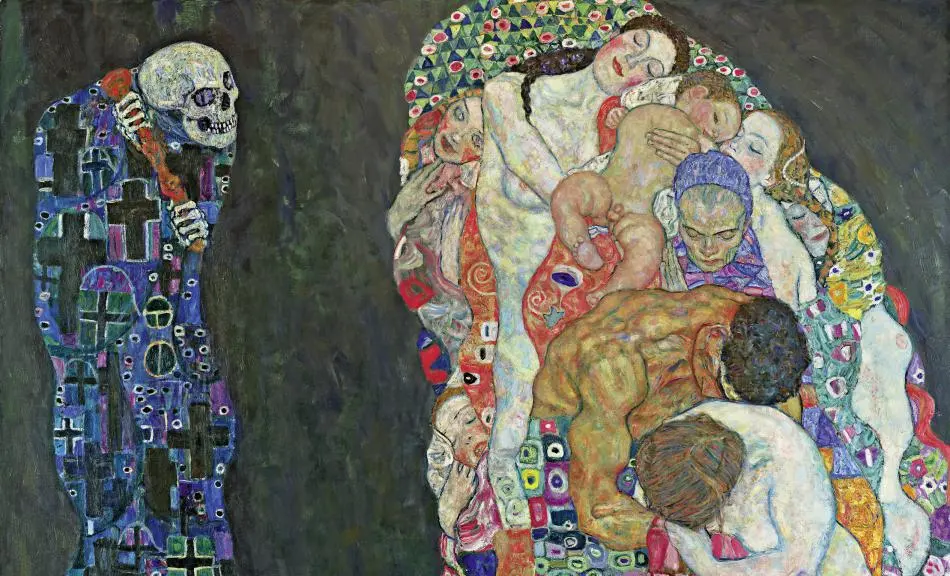
Gustav Klimt’s most famous painting is The Kiss, created between 1907 and 1908. This iconic masterpiece, measuring 180 by 180…
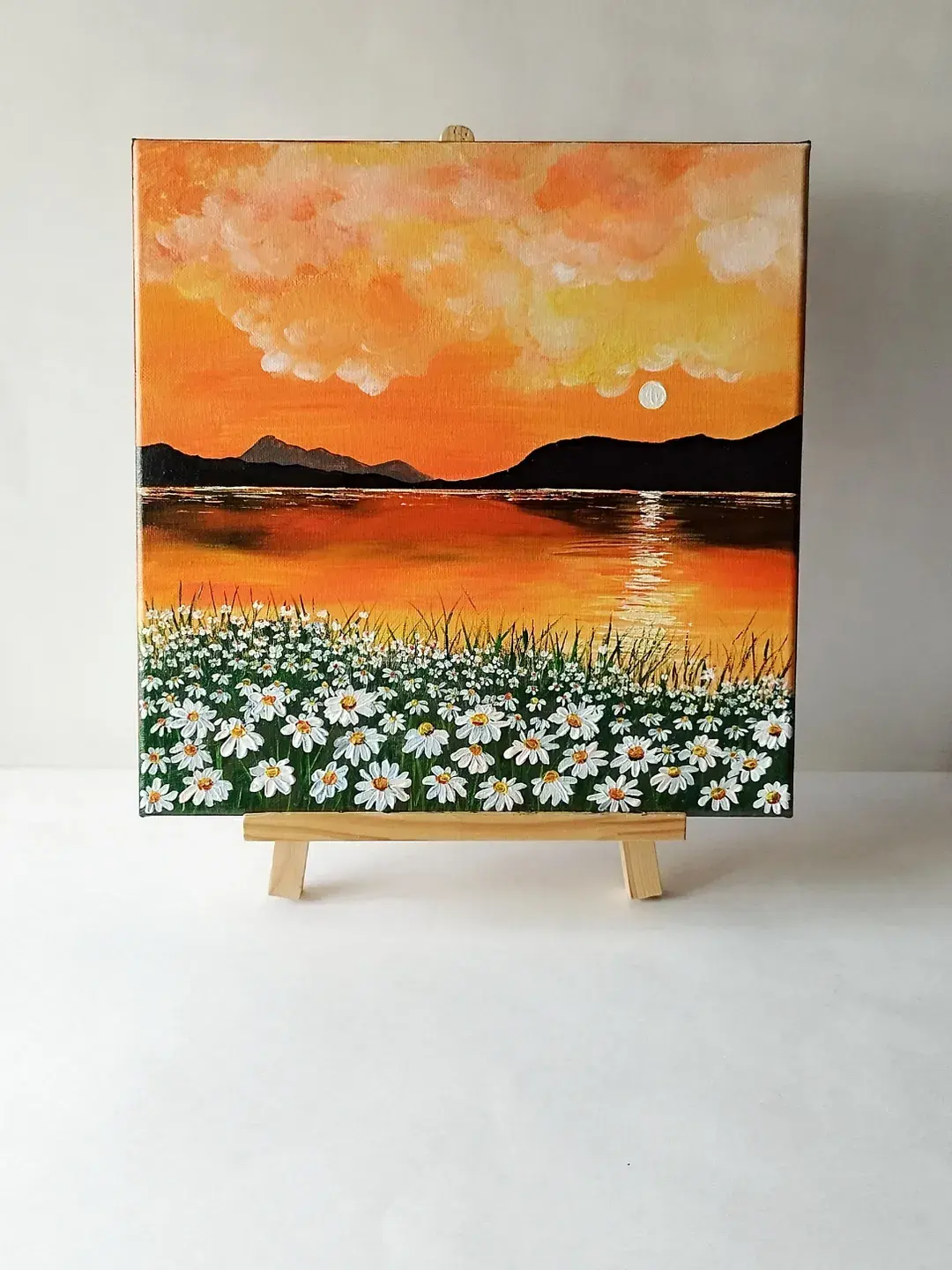
Painting a sunset with acrylics involves layering colors from light to dark, starting with a yellow horizon and transitioning…
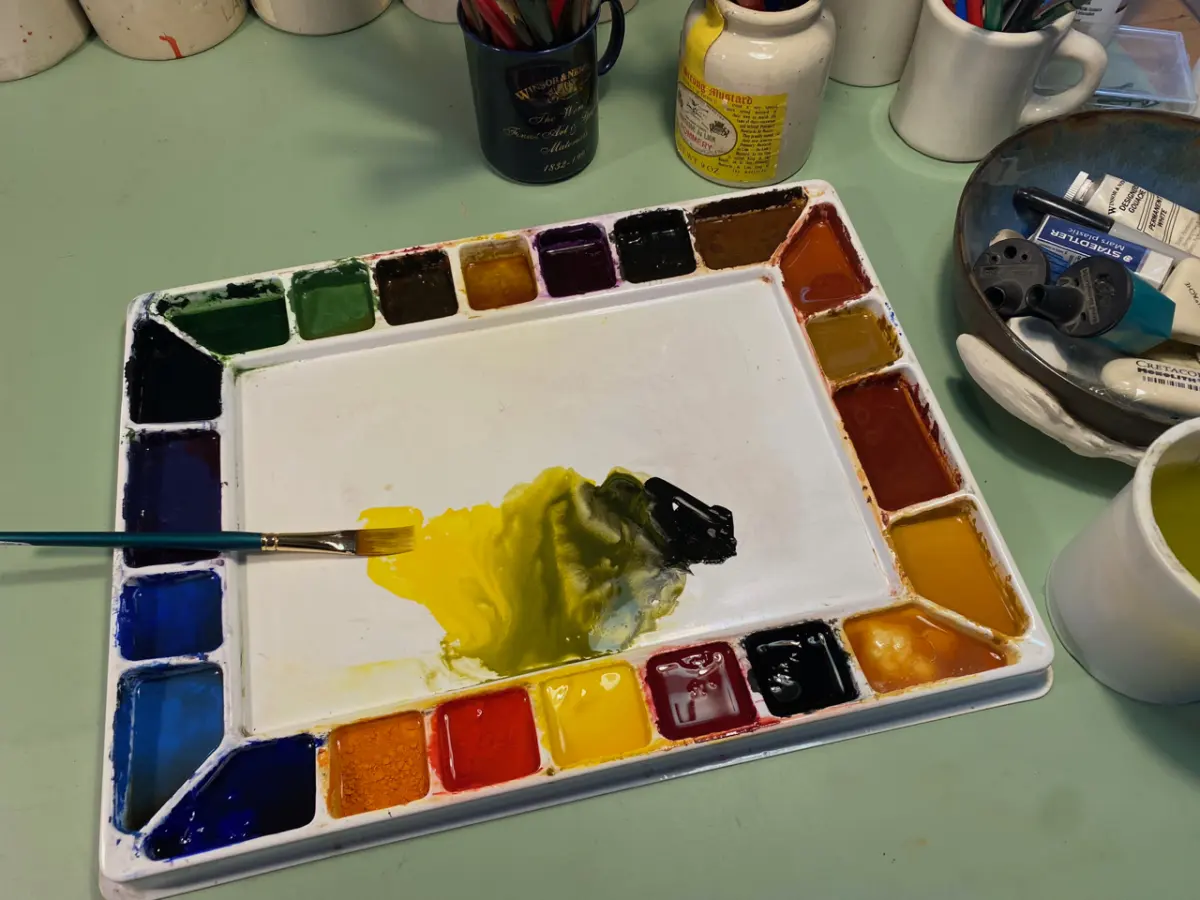
Watercolor paint typically dries to the touch within 10 to 30 minutes, depending on environmental conditions and application…
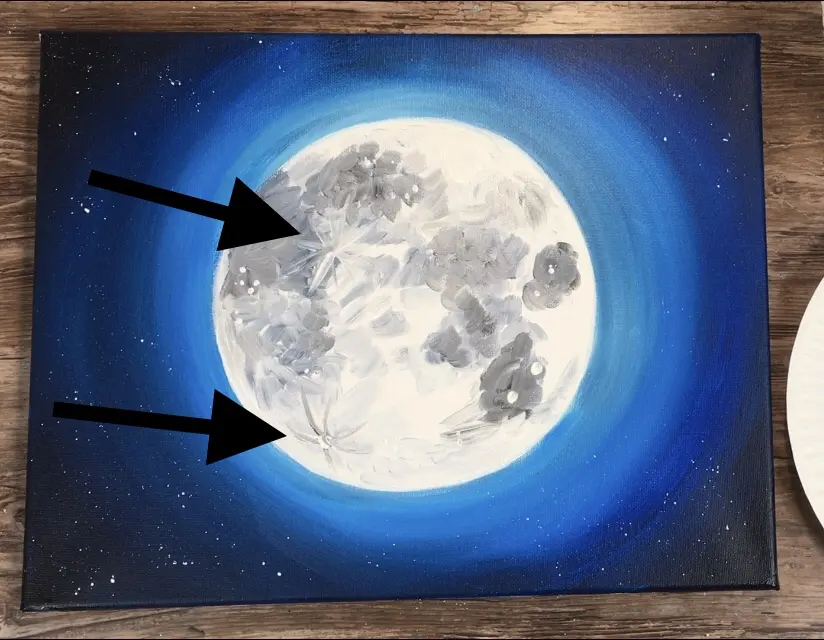
Painting the moon with acrylics requires layering shades of gray, white, and blue to capture its cratered texture. Begin by…
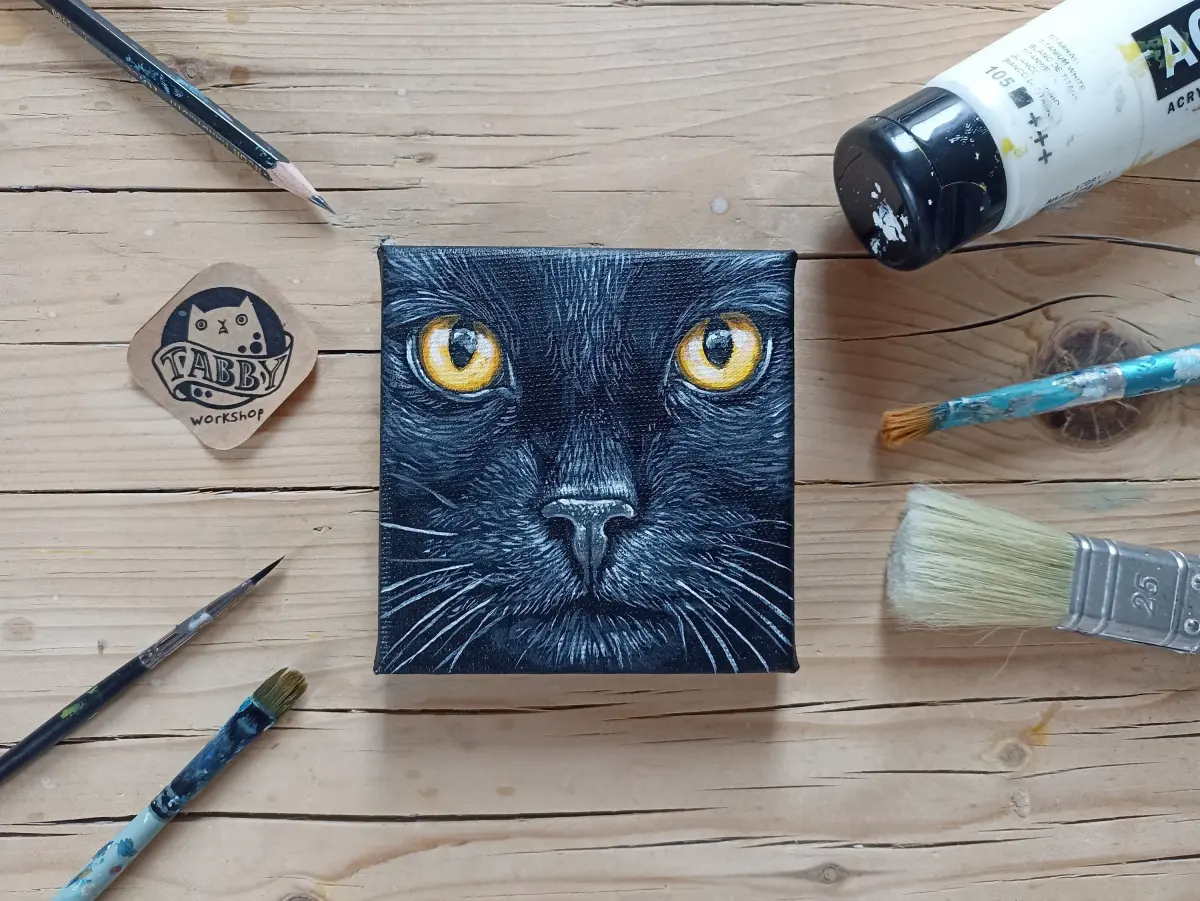
Painting a cat with acrylics involves sketching the feline’s anatomy, blocking in base colors, and layering fur textures. Use…
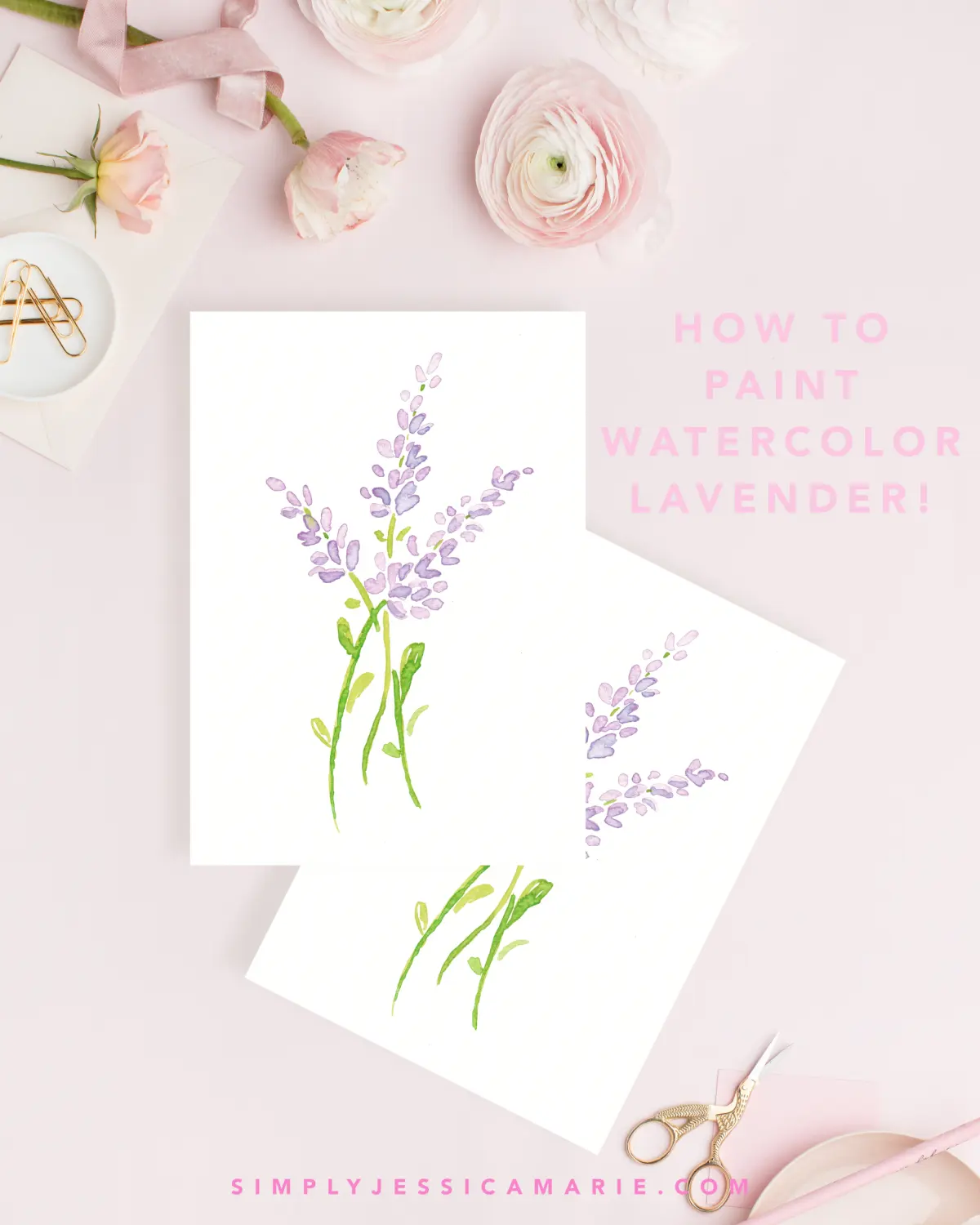
Painting lavender with watercolor requires a "less is more" approach, focusing on loose, rhythmic brushstrokes rather than…
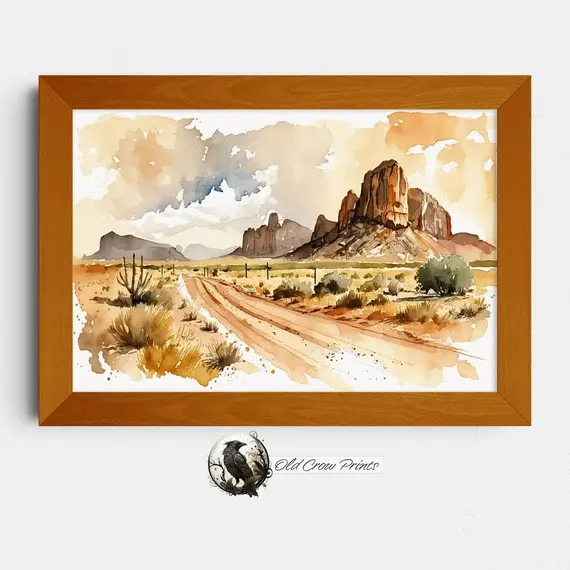
Painting a desert with watercolor requires mastering wet-on-wet washes for expansive skies and dry-brush techniques for textured…
Jan van Eyck was a 15th-century Flemish painter renowned for pioneering the use of oil paint to achieve unprecedented realism…
Turquoise pairs beautifully with crisp white, warm metallics, earthy neutrals, and bold complementary shades like coral or…