What is Dante Gabriel Rossetti known for?
Short answer
Dante Gabriel Rossetti was a pivotal 19th-century English poet and painter who co-founded the Pre-Raphaelite Brotherhood. He is best known for his lush, romantic depictions of women and his influence on the Aesthetic movement. His work bridged the gap between medieval inspiration and modern emotional intensity, leaving an indelible mark on Victorian art.
On this page
Who was Dante Gabriel Rossetti?
Dante Gabriel Rossetti was a central figure in the British art scene during the mid-to-late 19th century. Born in London in 1828 to Italian immigrant parents, he was a polymath who excelled in both visual arts and literature. He is most famous for his role as a founding member of the Pre-Raphaelite Brotherhood, a group of artists who sought to return to the detailed, vibrant, and sincere style of art that existed before the influence of Raphael.
Throughout his life, Rossetti maintained a dual career as a painter and a poet. His artistic style evolved from the strict, moralistic detail of his early Brotherhood days to the sensual, atmospheric portraits that defined his later career. His personal life, marked by intense passion and tragedy—most notably his relationship with his wife and muse, Elizabeth Siddal—often bled into his creative output, making his work deeply personal and emotionally resonant.
What are the characteristics of Pre-Raphaelite art?
The Pre-Raphaelite Brotherhood, formed in 1848 by Rossetti, William Holman Hunt, and John Everett Millais, rejected the academic conventions of the Royal Academy. They believed that art had become stagnant and overly artificial. Instead, they championed a return to "truth to nature," characterized by intense colors, complex compositions, and a focus on literary or historical themes.
To identify a Pre-Raphaelite work, look for these specific traits:
- Vibrant, jewel-toned pigments applied to a wet white ground to ensure luminosity.
- Extreme attention to detail, often capturing every leaf, petal, or fabric texture.
- Subject matter drawn from medieval legends, Arthurian romance, or works by Dante Alighieri and William Shakespeare.
- A rejection of the dark, murky shadows typical of the period, favoring clear, bright lighting.
- The use of contemporary models, often friends or family, to represent historical or mythological figures.
How to appreciate Rossetti’s paintings
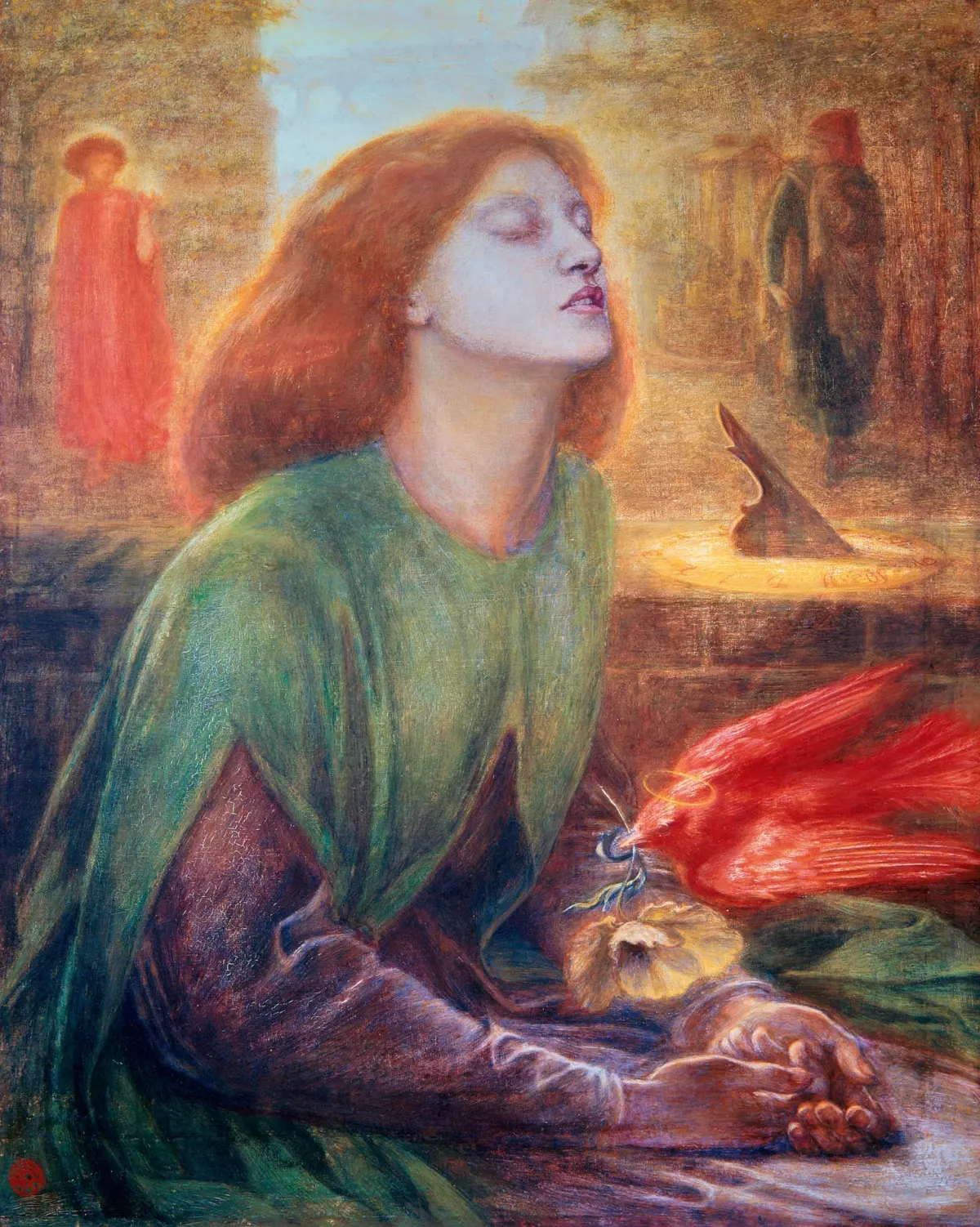
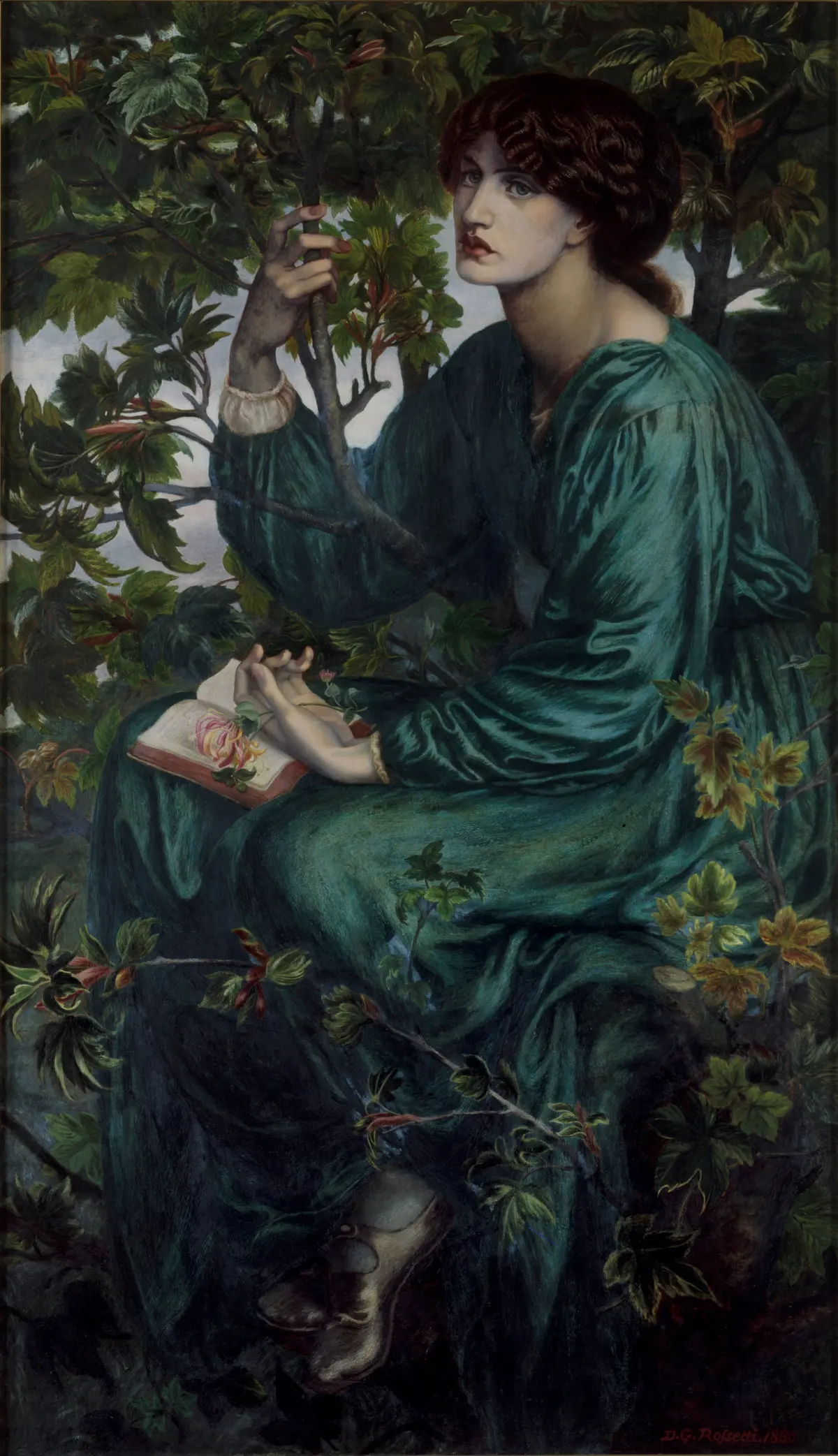
Rossetti’s later paintings are distinct for their dreamlike quality and the recurring image of the "stunner," a term he used for his idealized female subjects. These women, often featuring long, flowing hair and pensive expressions, became the hallmark of his style. Works like Proserpine and Beata Beatrix showcase his ability to blend mythological symbolism with human longing.
When viewing his paintings, consider the following steps to better understand his technique:
- Observe the subject’s expression: Rossetti often focused on the psychological state of his figures rather than just their physical appearance.
- Look for symbolic objects: He frequently included items like lilies, pomegranates, or incense burners to add layers of meaning to the portrait.
- Examine the color palette: Notice how he shifted from the bright, crisp colors of his youth to the rich, warm, and often melancholic tones of his later years.
- Consider the literary context: Many of his paintings were inspired by his own poetry or the works of his favorite authors, so reading the accompanying text can provide vital clues.
Why did he focus on poetry as well as painting?
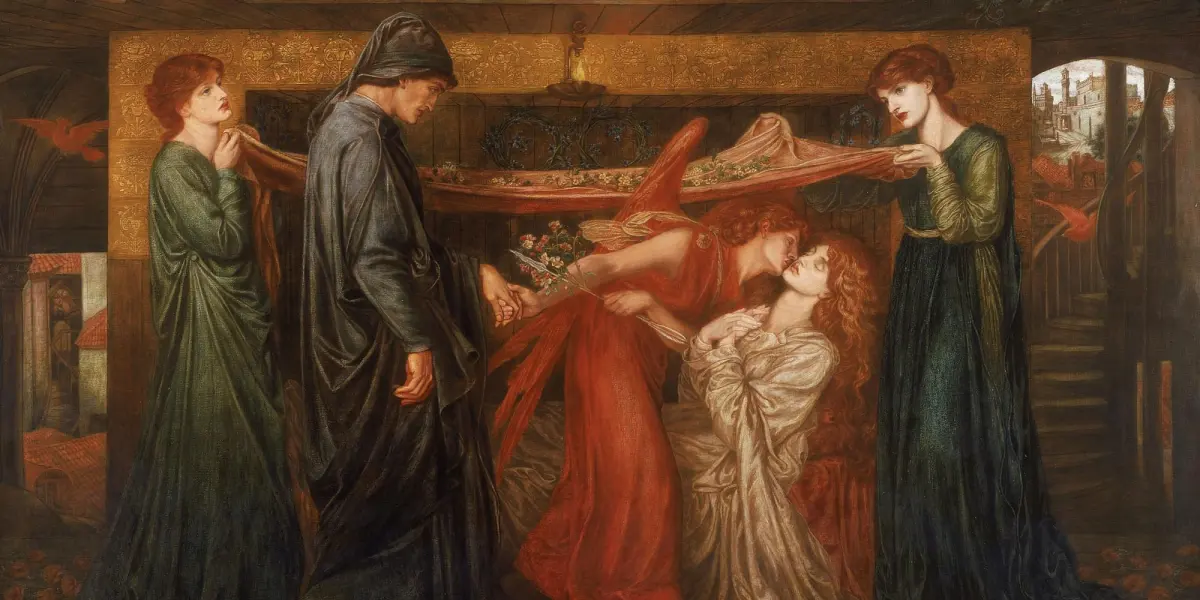
For Rossetti, painting and poetry were two sides of the same coin. He believed that art should be "poetic" in its conception, meaning it should evoke a mood or a story rather than simply recording reality. He often wrote sonnets to accompany his paintings, creating a symbiotic relationship between the two mediums that reinforced his artistic vision.
His literary contributions were significant, particularly his translations of early Italian poets and his own collection, Poems (1870). His writing style mirrored his painting style: rich in sensory detail, emotionally charged, and often focused on themes of love, loss, and the passage of time. This synthesis of word and image was a precursor to the Symbolist movement, influencing generations of writers and artists who followed him.
Common mistakes when studying Rossetti's work
A frequent error when studying Rossetti is to view his work solely through the lens of his personal scandals. While his life was indeed dramatic, focusing only on his relationships with Elizabeth Siddal, Jane Morris, or Fanny Cornforth ignores the technical mastery and theoretical depth of his art. Another common mistake is to assume all Pre-Raphaelite art looks identical; in reality, Rossetti’s individual style shifted drastically from the rigid realism of his youth to the stylized, decorative aesthetic of his later years.
To avoid these pitfalls, ensure you maintain a balanced perspective:
- Do not conflate the artist’s biography with the objective quality of his technical execution.
- Recognize that the Pre-Raphaelite Brotherhood was a diverse group with differing philosophies; Rossetti’s personal approach was often at odds with the more rigid, moralizing styles of his peers.
- Always check the date of the work, as his early, narrative-heavy paintings are fundamentally different from his later, mood-driven portraits.
- Avoid dismissing his work as merely "decorative" without considering the complex, often dark, psychological underpinnings he embedded in his compositions.
Key facts
- Dante Gabriel Rossetti was a founding member of the Pre-Raphaelite Brotherhood, established in 1848 to challenge the rigid conventions of the Royal Academy.
- He is widely recognized for his distinct artistic style, which favored vibrant colors, intricate detail, and highly stylized, romanticized portraits of women.
- Beyond painting, Rossetti was a prolific poet, known for works such as "The Blessed Damozel" and his complex sonnet sequence, "The House of Life."
- His later works often featured "stunners," or models with long, flowing hair and melancholic expressions, most notably Elizabeth Siddal, Jane Morris, and Fanny Cornforth.
- To study his art, visit the Tate Britain or the Ashmolean Museum, which house significant collections of his oil paintings and watercolors.
- When analyzing his work, avoid confusing his later, more decorative style with the strict naturalism practiced by his peers during the early Pre-Raphaelite period.
The bottom line
Dante Gabriel Rossetti remains a central figure in Victorian art, remembered for his role in founding the Pre-Raphaelite Brotherhood and his influential contributions to English poetry. His work bridges the gap between traditional narrative painting and the later Aesthetic movement, emphasizing emotional resonance and idealized beauty. By blending literature and visual art, Rossetti created a unique, romantic legacy that continues to define the Pre-Raphaelite aesthetic today.
People also ask
What was the primary goal of the Pre-Raphaelite Brotherhood?
The group aimed to return to the detailed, luminous style of Italian art from before the time of Raphael. They rejected the dark, muted tones and idealized compositions favored by the contemporary artistic establishment.
Who was Elizabeth Siddal and why is she important to Rossetti?
Siddal was an artist, poet, and Rossetti’s primary muse and wife. Her image appears in many of his most famous paintings, including "Ophelia" by John Everett Millais, for which she famously posed in a bathtub of water.
Did Rossetti influence other artists?
Yes, he was a pivotal figure in the development of the Aesthetic Movement and the Arts and Crafts movement. His focus on beauty, mood, and symbolism paved the way for later Symbolist painters and the Art Nouveau style.
Are Rossetti’s poems considered as important as his paintings?
During his lifetime, Rossetti was arguably as famous for his poetry as his visual art. His verses are noted for their sensual imagery and emotional intensity, often mirroring the themes found in his paintings.
What techniques did Rossetti use in his paintings?
He often applied thin layers of oil paint over a white ground to create a glowing, jewel-like effect. He also frequently experimented with watercolors, utilizing a technique that involved building up color through repeated washes.
Why are his paintings of women often controversial?
Critics sometimes argue that his obsession with specific facial features, such as thick necks and heavy-lidded eyes, became repetitive. However, supporters view these portraits as powerful explorations of female beauty and psychological depth.
This answer was created with the help of AI research tools and reference sources. Spotted an error? Let us know — we correct mistakes quickly. See our editorial policy.