Painting & Color
What colors make burnt orange?
Burnt orange is created by mixing a vibrant orange base with small amounts of blue or black to darken and desaturate the hue…
Watercolor, acrylic and oil painting, color theory and mixing.
Burnt orange is created by mixing a vibrant orange base with small amounts of blue or black to darken and desaturate the hue…
Green in art represents a complex spectrum of meanings, primarily symbolizing nature, fertility, and renewal. Historically, it…
Red is a primary color in traditional art theory, meaning it cannot be created by mixing other colors. You cannot make red by…
Alla prima is a painting technique where layers of wet paint are applied directly onto previous layers of wet paint without…
Tom Thomson is celebrated as the foundational figure of Canadian landscape painting. His vibrant, expressive depictions of the…
Willem de Kooning was a central figure in Abstract Expressionism, renowned for his aggressive brushwork and synthesis of…
Painting a waterfall with acrylics involves layering colors from dark to light, using vertical brushstrokes to suggest falling…
Sign a painting by placing a subtle, legible signature in a corner, typically the bottom right or left, using a color that…
Painting with a palette knife involves applying thick, textured layers of paint directly onto a canvas using metal or plastic…
A sponge is a versatile painting tool used to create unique textures, apply washes, and soften edges. Painters utilize natural…
Painting roses with acrylics involves building depth through layering. Start by establishing a dark base, then apply mid-tones…
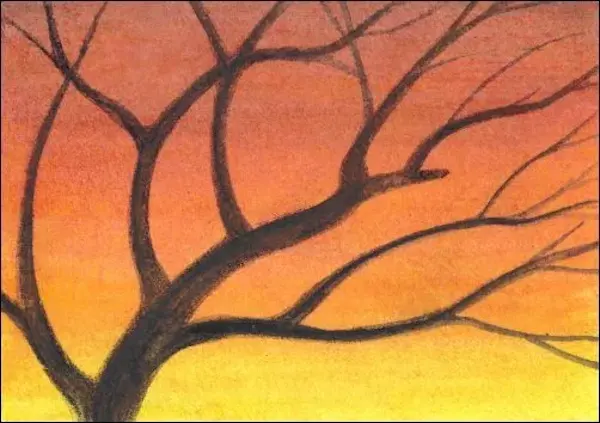
Coloring a sunset requires a layered approach, starting with light yellows and transitioning through oranges, reds, and deep…
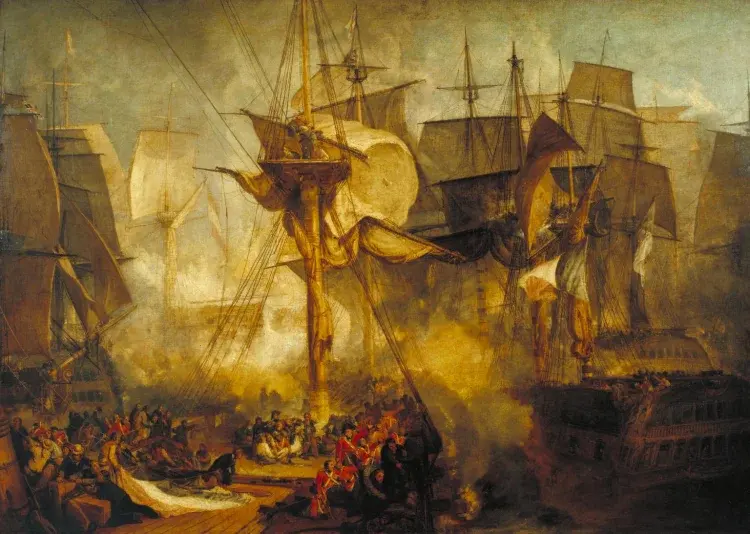
The Fighting Temeraire is famous for its poignant depiction of the transition from the age of sail to the industrial era…
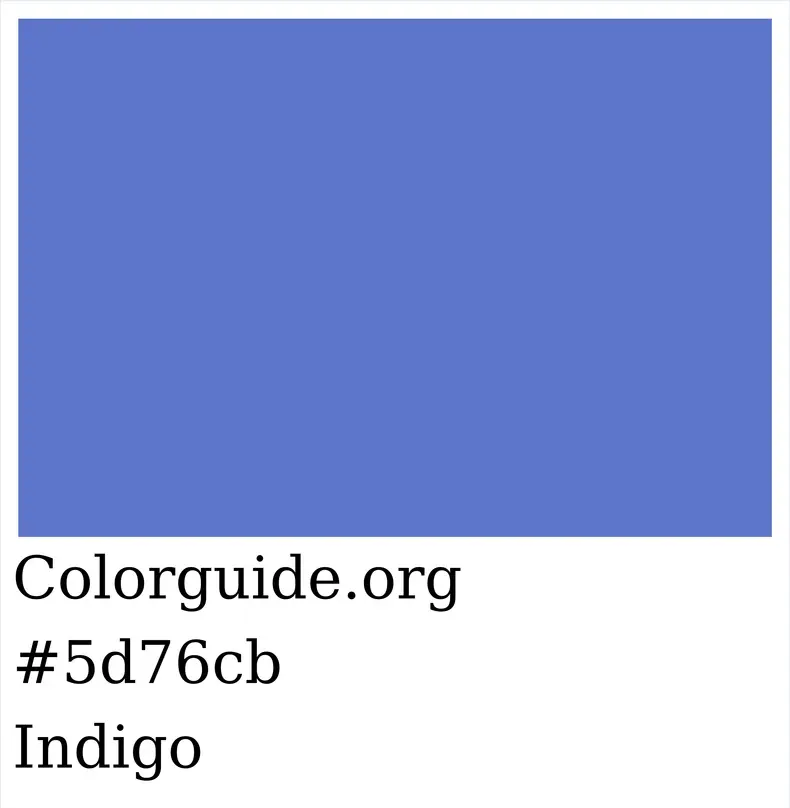
Indigo is created by mixing blue and violet pigments. In traditional color theory, it sits between these two hues on the…
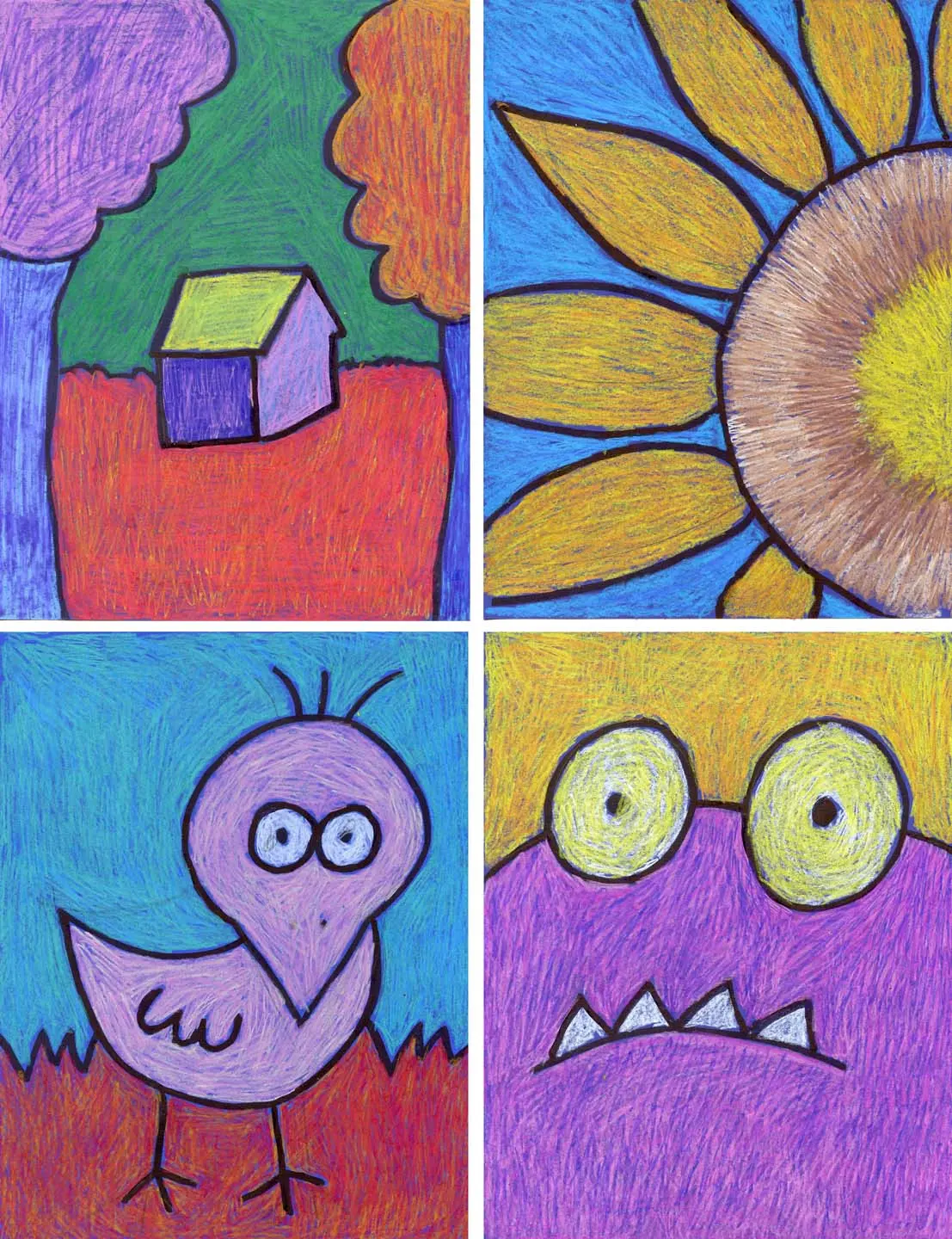
Coloring a drawing involves selecting a medium, establishing a light source, and applying pigments in layers. Beginners should…
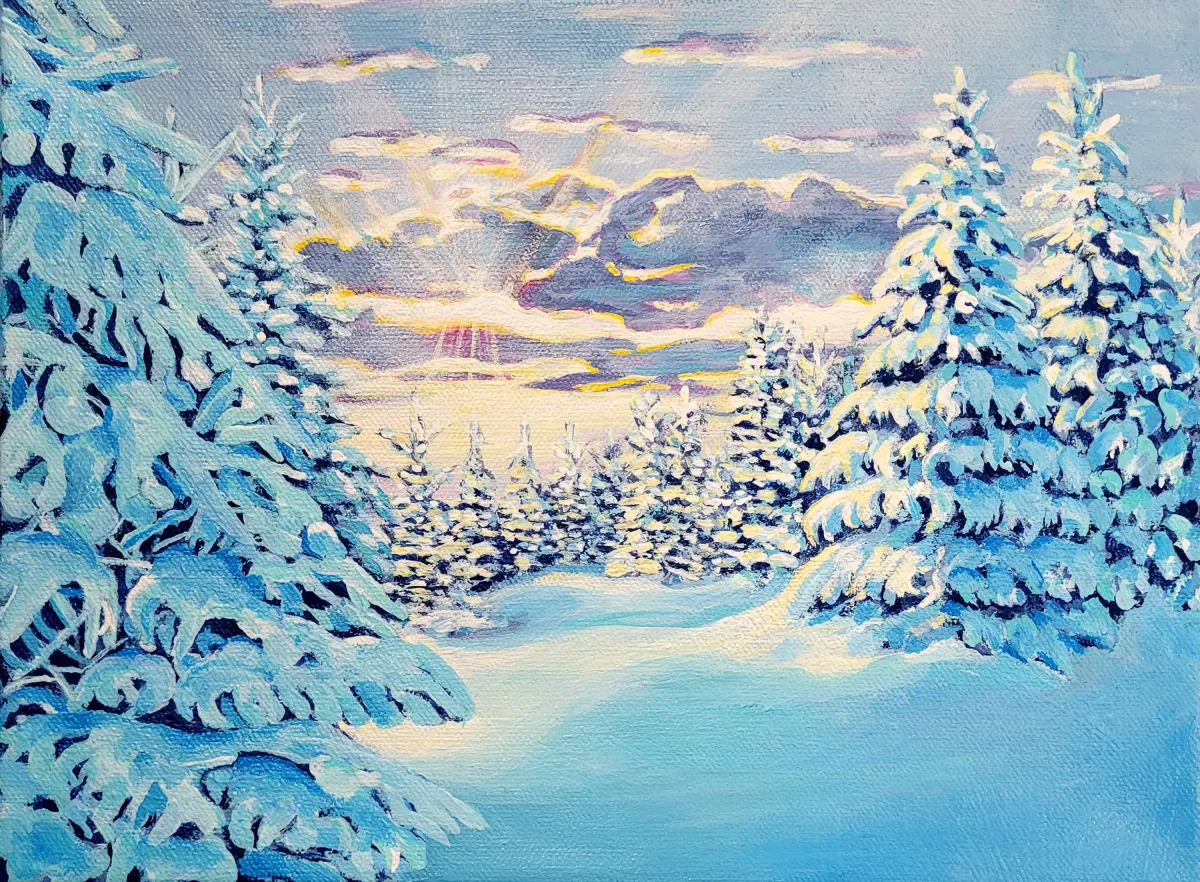
Painting snow with acrylics requires layering cool-toned shadows over a warm base to create depth. Avoid using pure white, as it…
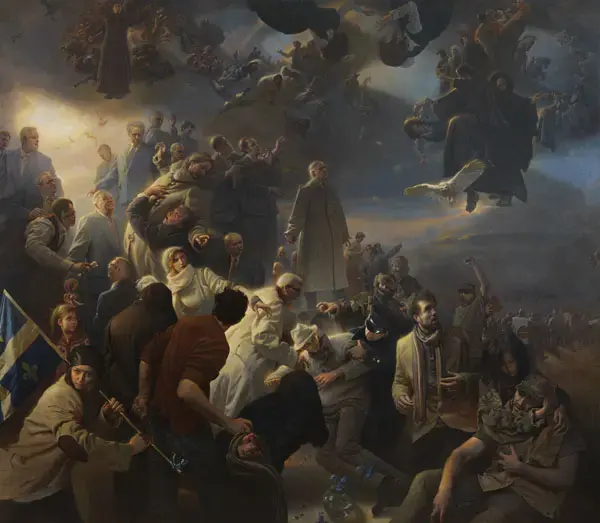
Painting is the application of pigments to a surface to create representational or abstract images. Its history spans tens of…
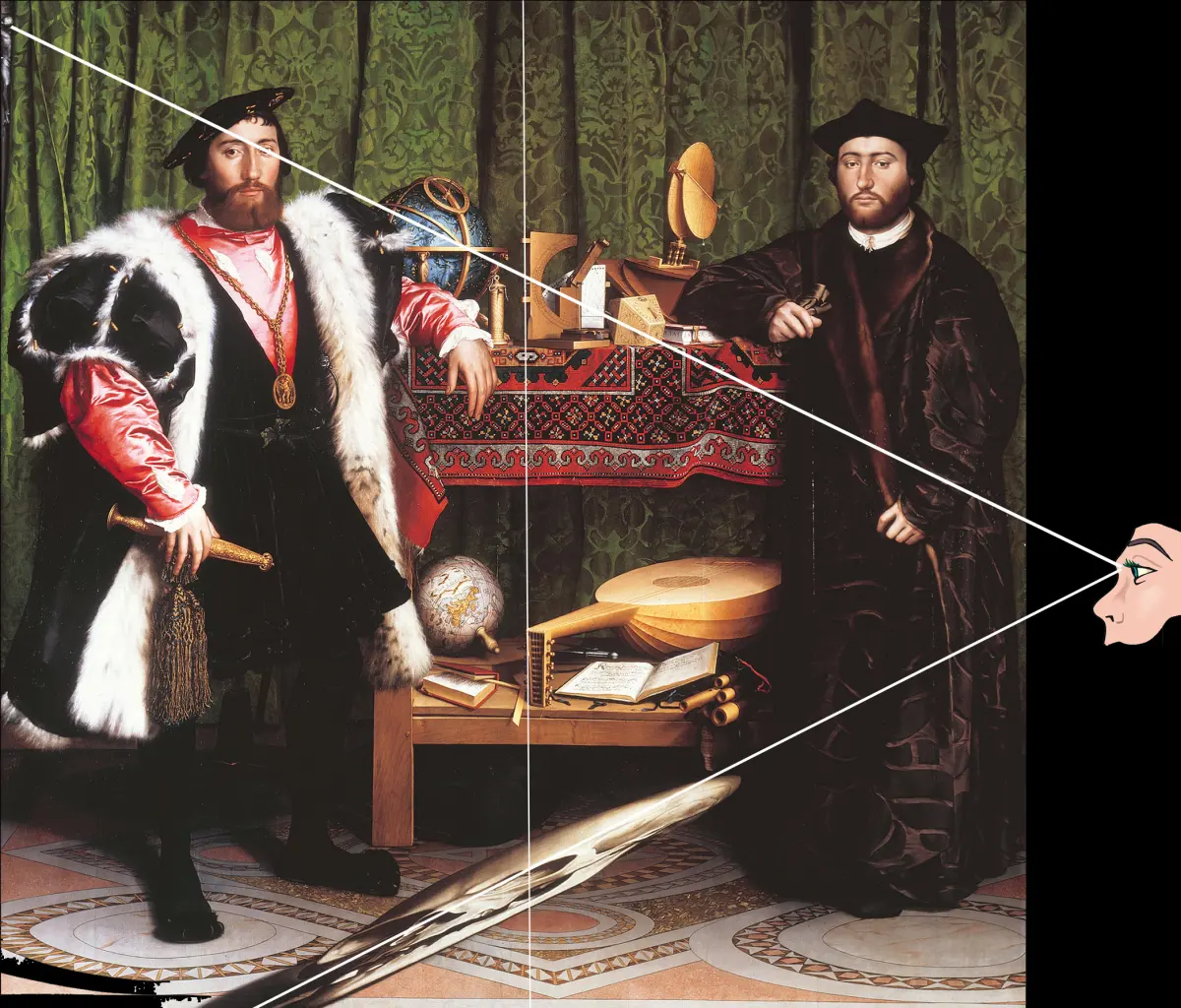
Hans Holbein the Younger’s 1533 masterpiece, The Ambassadors, is famous for its technical virtuosity, complex symbolism, and the…
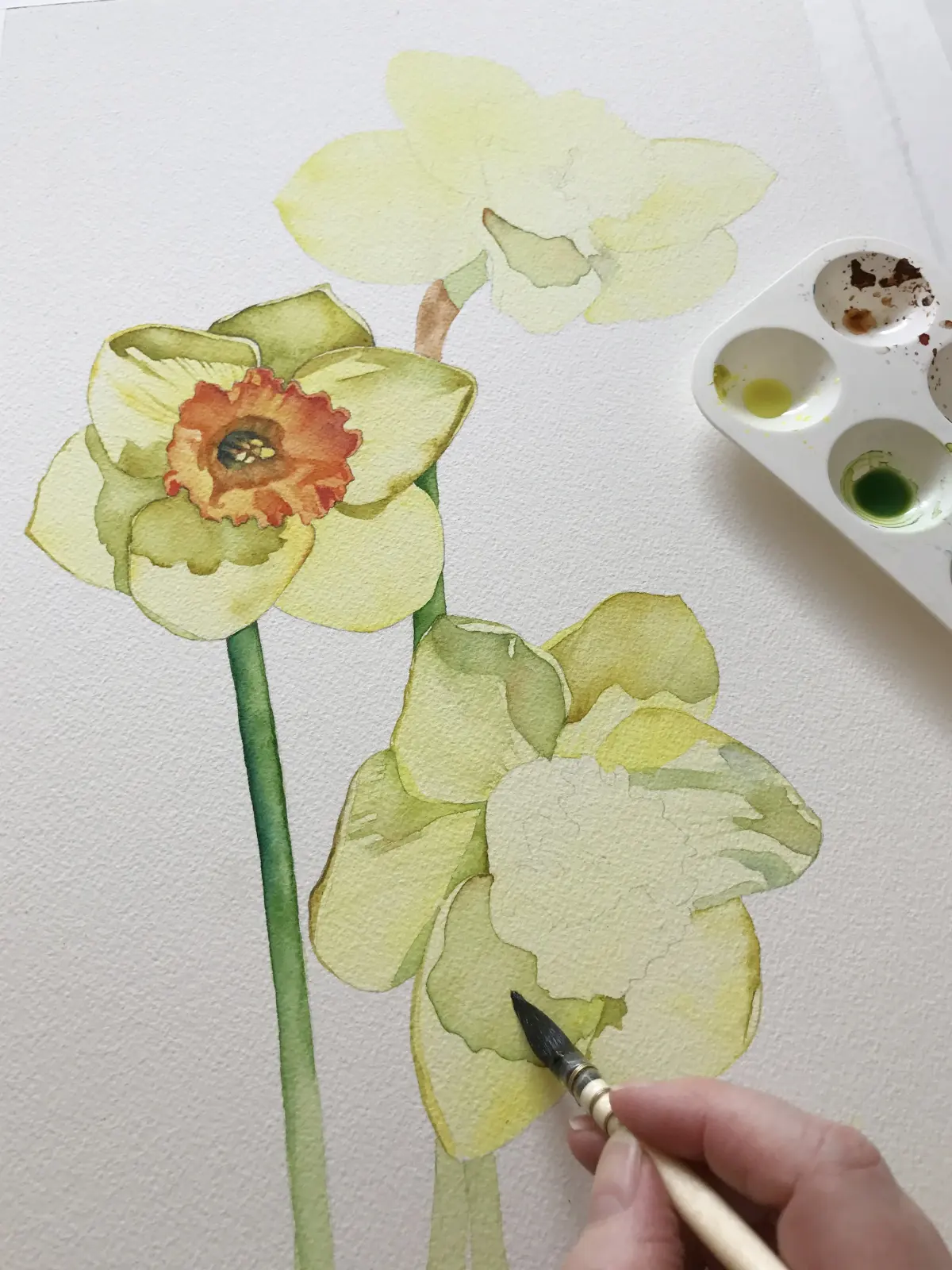
Painting flowers in watercolor requires balancing the medium’s natural fluidity with controlled brushwork. By mastering…
Light skin tones are primarily composed of white base paint mixed with small amounts of yellow, red, and blue. Artists achieve…
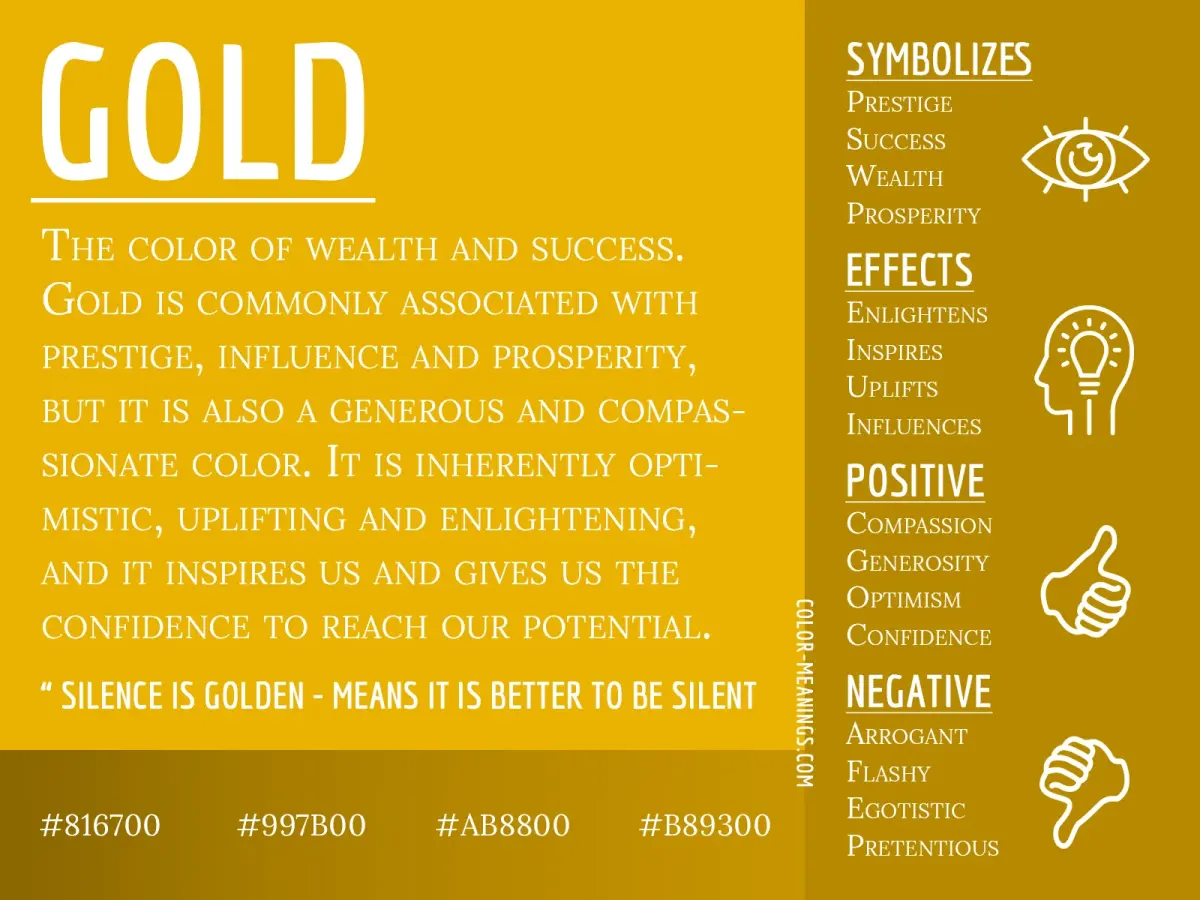
Gold is a chemical element with the symbol Au and cannot be created by mixing other colors. However, you can replicate the…
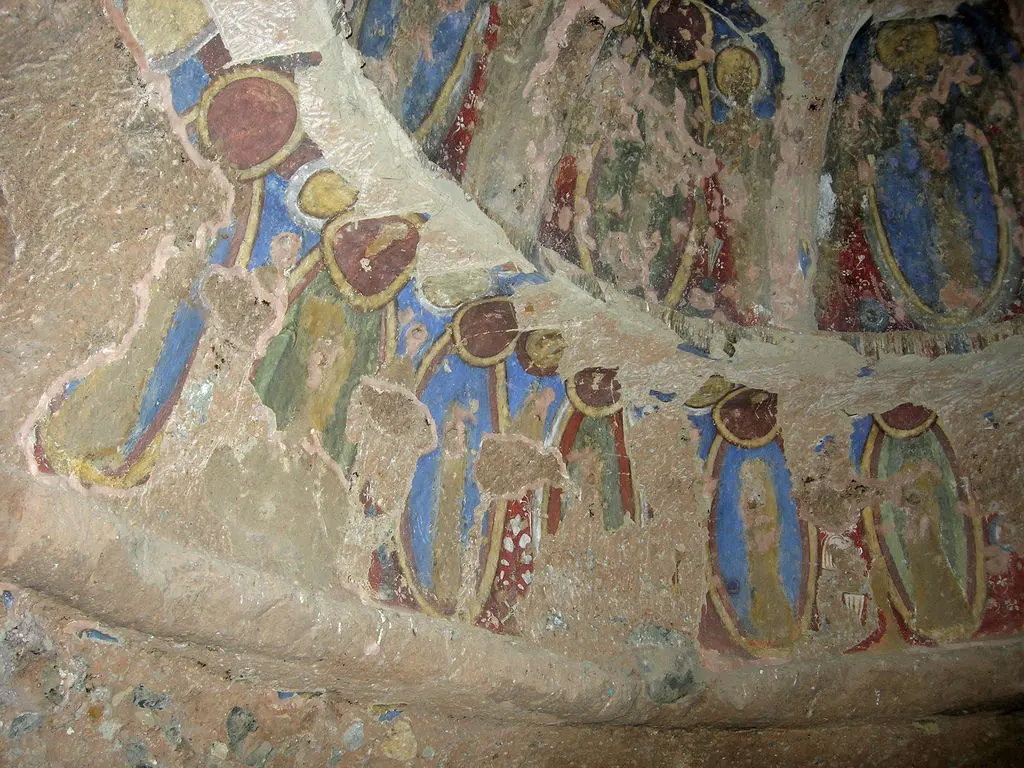
Ultramarine is a deep blue pigment historically derived from the semi-precious stone lapis lazuli. Mined primarily in…
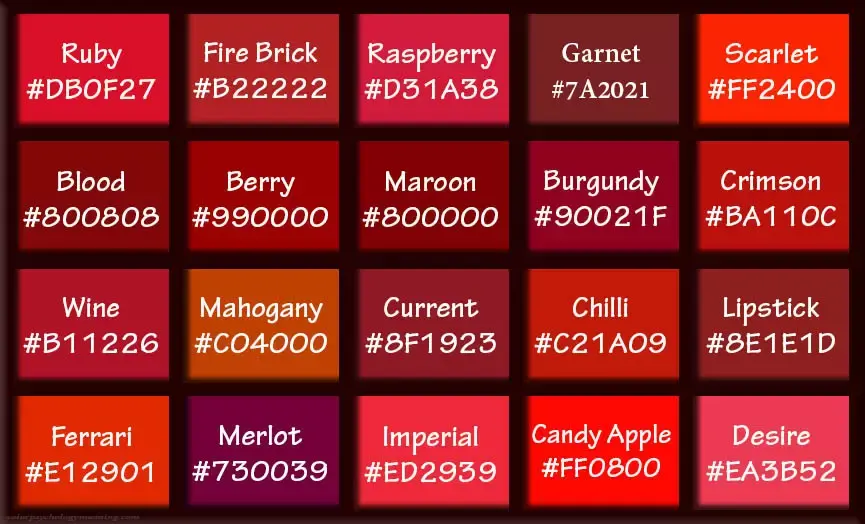
Scarlet is a brilliant, intense red color with a subtle orange undertone. To create it, mix a primary red—such as cadmium red or…
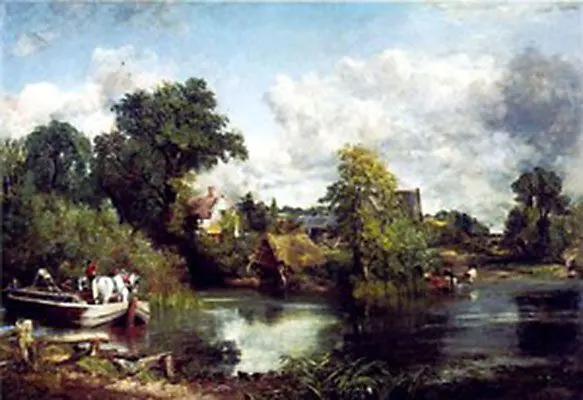
John Constable was a 19th-century English Romantic painter celebrated for his revolutionary landscape paintings of the Suffolk…