General Knowledge
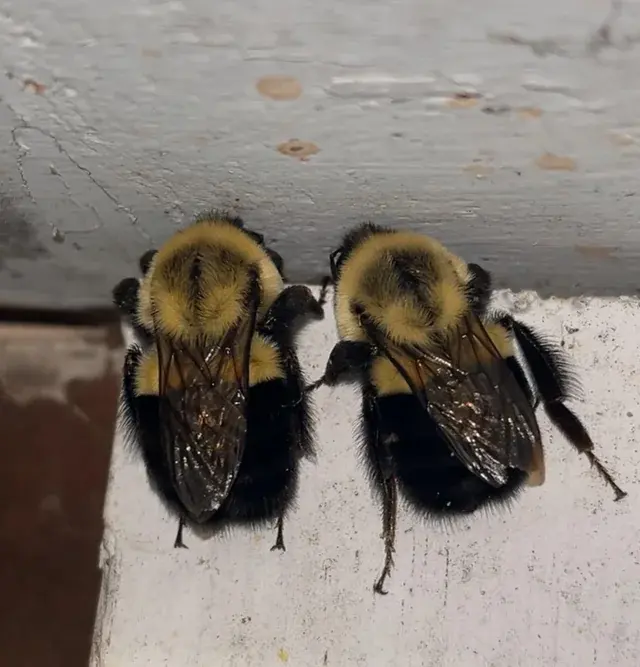
How big do bumblebees get?
Bumblebees typically range from 0.5 to 1 inch (12 to 25 millimeters) in length. Size varies significantly based on the bee’s…
Useful answers to everyday questions.
Bumblebees typically range from 0.5 to 1 inch (12 to 25 millimeters) in length. Size varies significantly based on the bee’s…
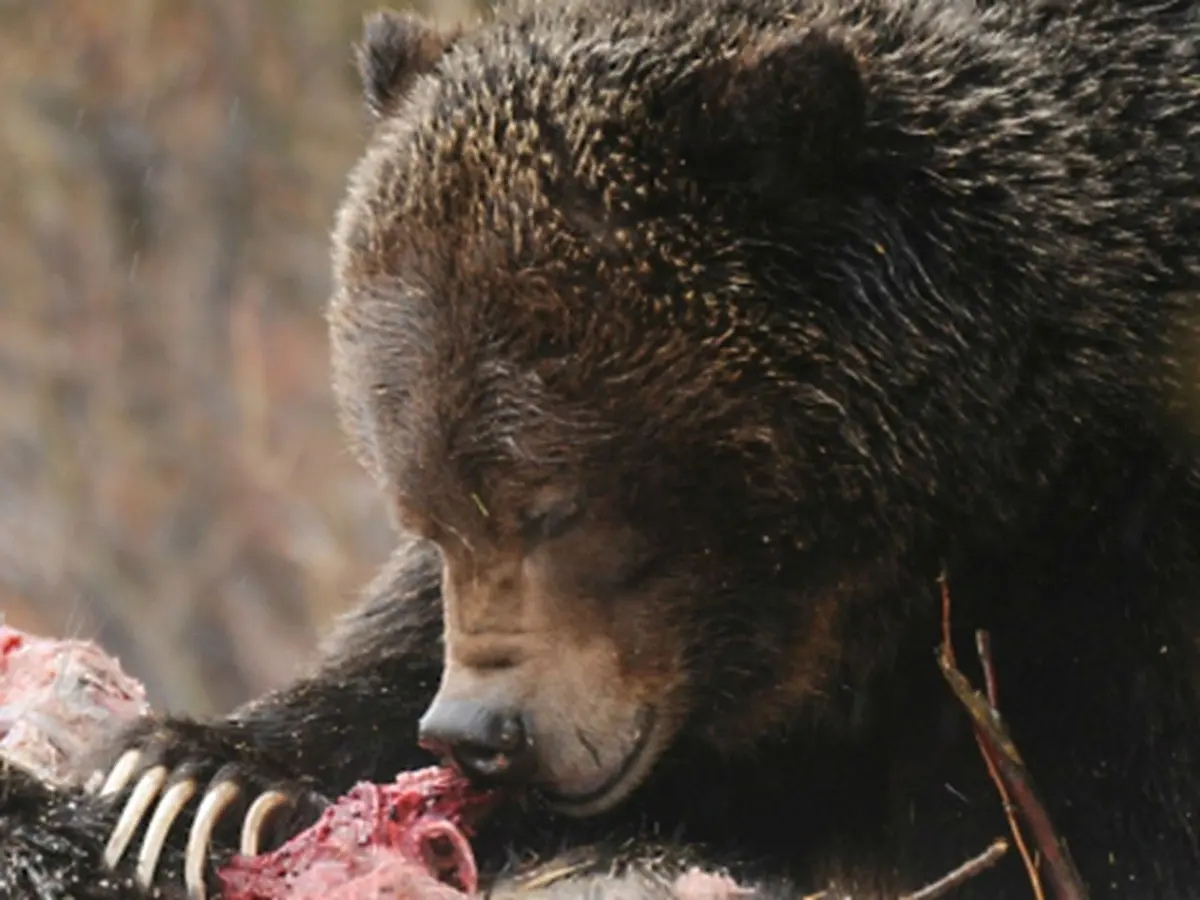
Grizzly bears are opportunistic omnivores with a diet that shifts significantly by season. They consume a wide variety of…

Seagulls are opportunistic generalists that consume a wide variety of food sources, including fish, crustaceans, insects, worms…
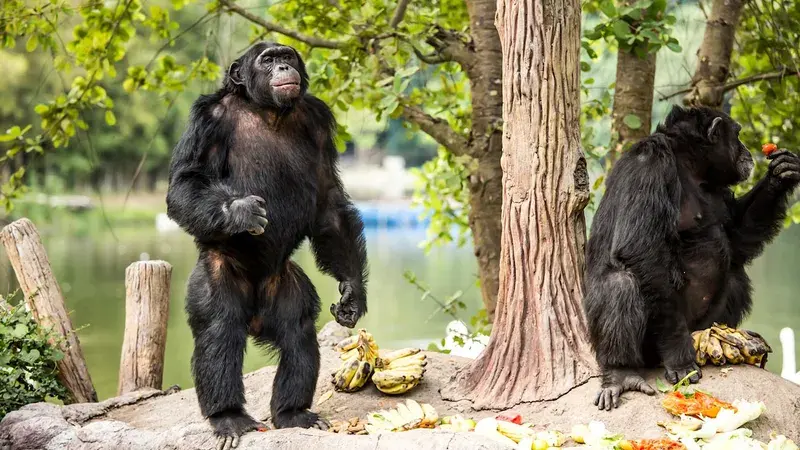
Adult chimpanzees typically stand between 3 and 5 feet tall when fully upright. Males generally weigh between 70 and 130 pounds…
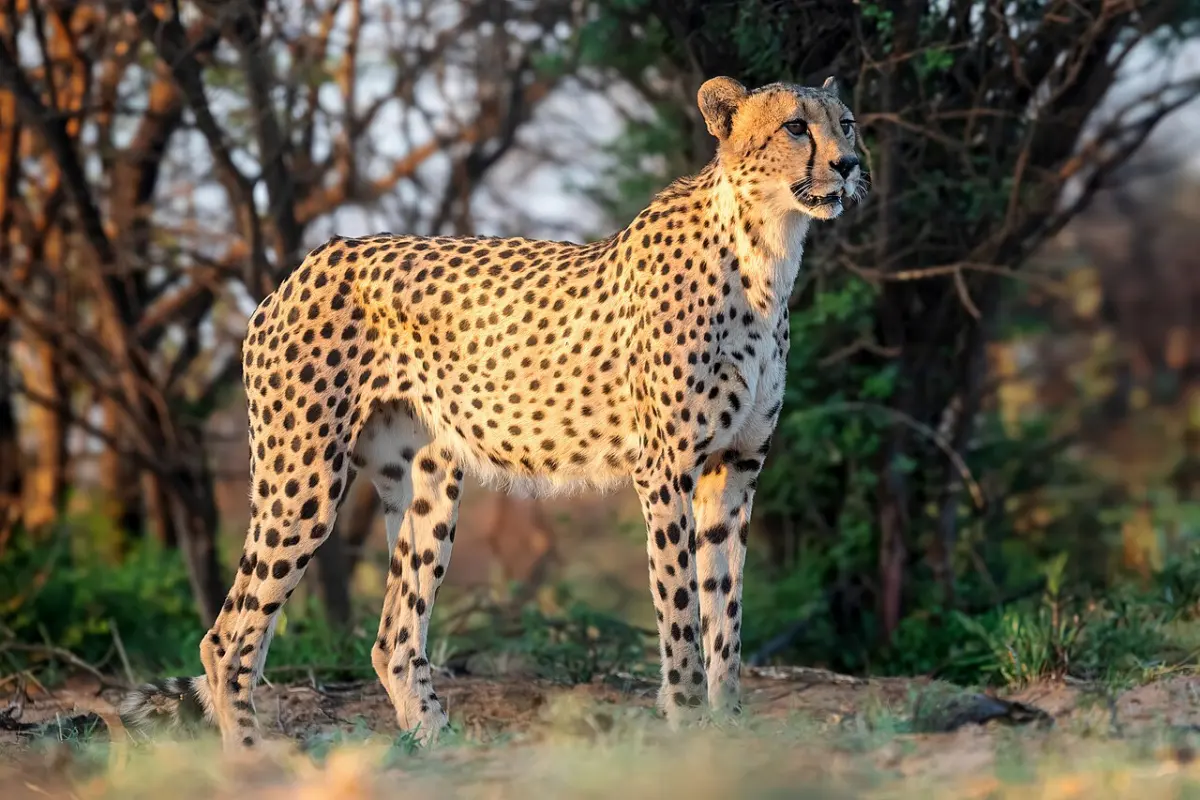
Adult cheetahs typically stand 28 to 35 inches tall at the shoulder and reach lengths of 44 to 53 inches, excluding their tail…
Rabbits typically have between four and eight babies per litter, though the number can range from one to fourteen depending on…
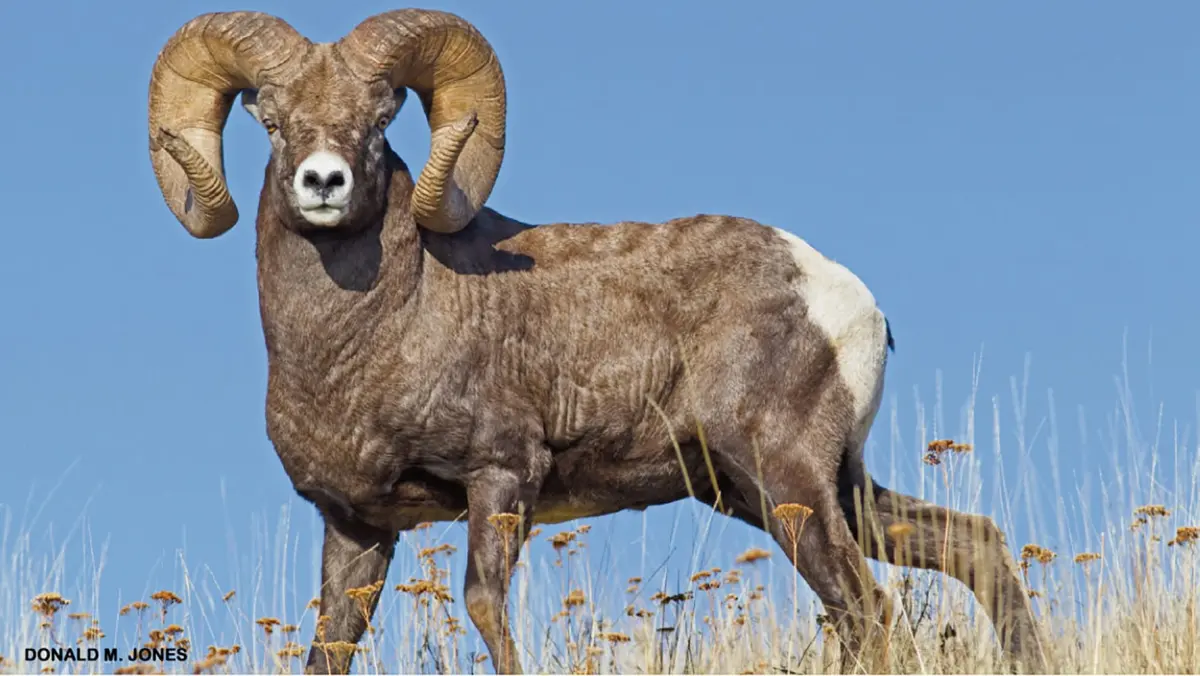
Bighorn sheep inhabit mountainous regions across western North America, ranging from southern Canada through the United States…
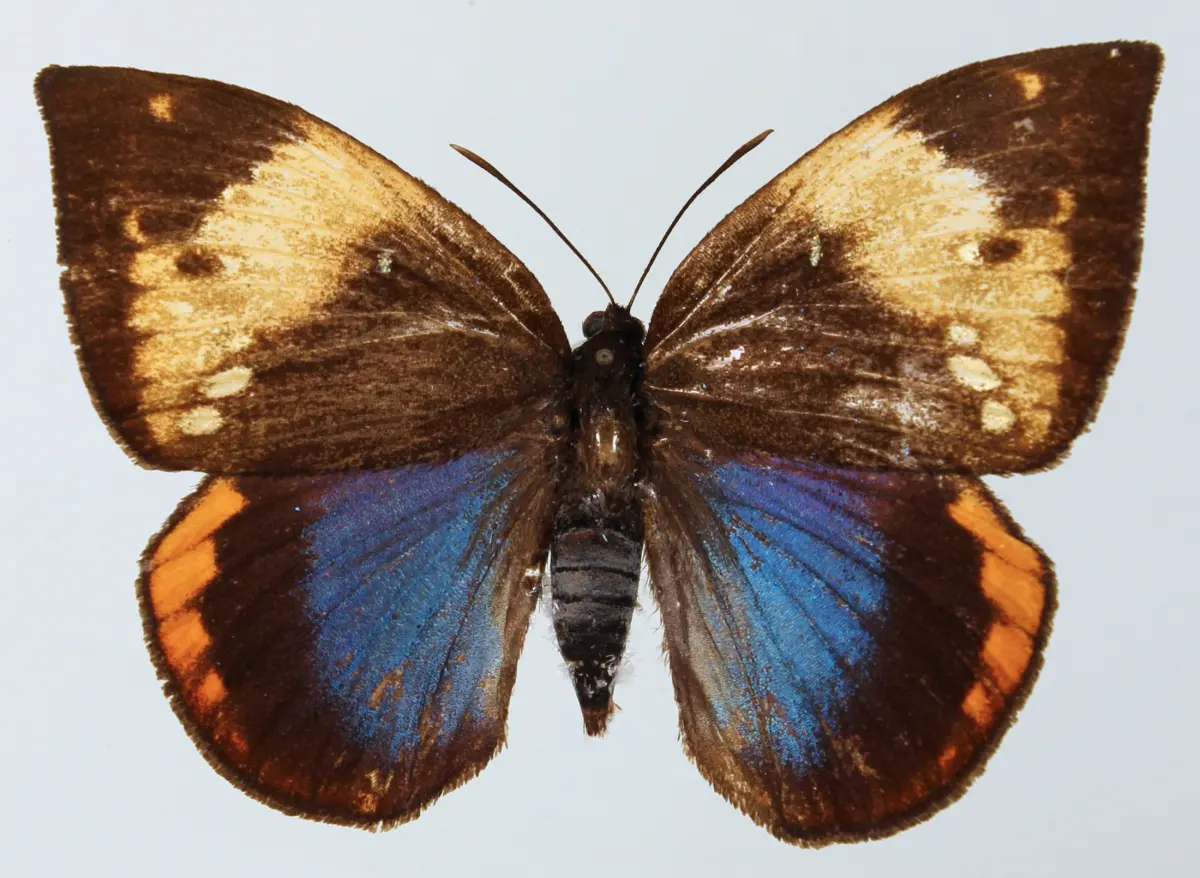
Butterflies and moths belong to the order Lepidoptera, but they differ significantly in physical traits and behavior…
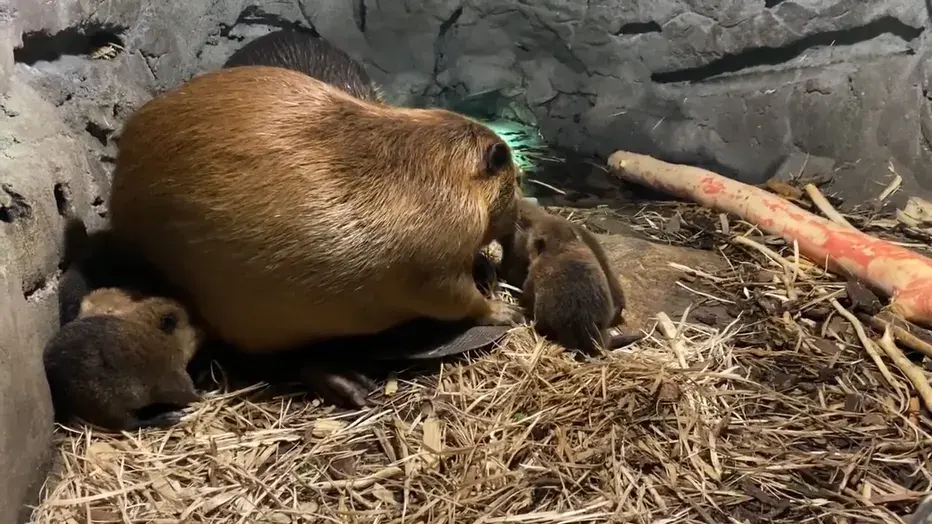
Beavers typically give birth to a single litter each year, usually consisting of two to four kits. While litters can…

Nowruz is the Iranian or Persian New Year, marking the vernal equinox and the beginning of spring. Celebrated for over 3,000…
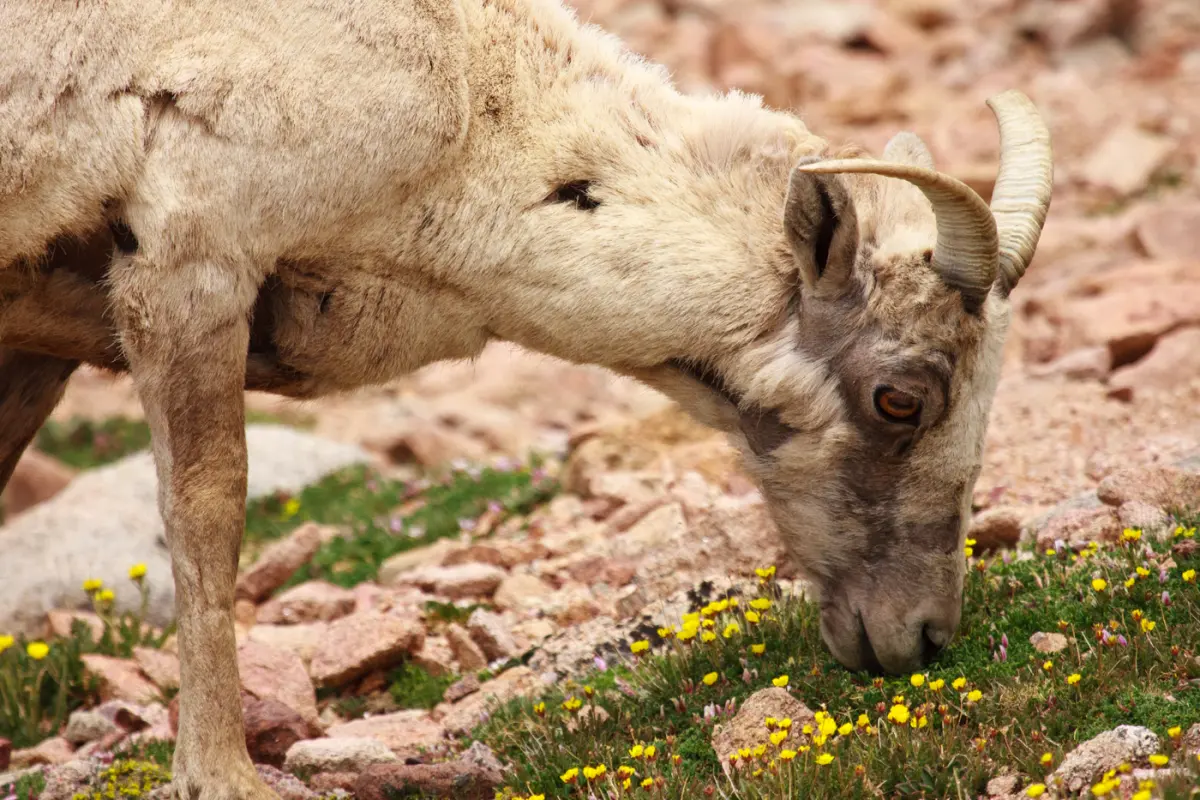
Bighorn sheep are opportunistic herbivores that primarily consume grasses, sedges, and forbs. Their diet shifts seasonally based…
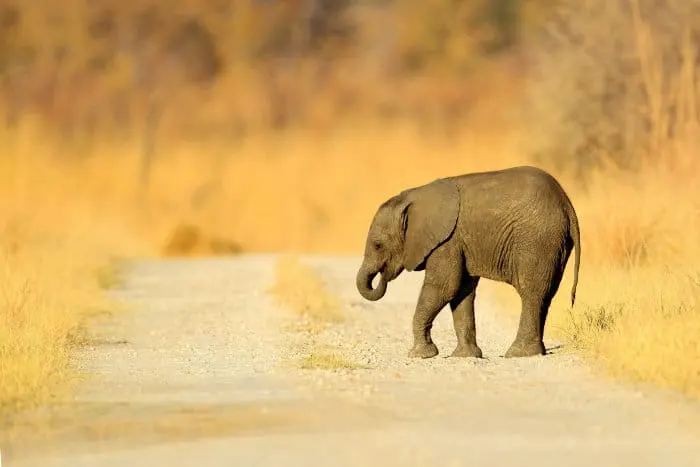
A baby elephant is called a calf. Upon birth, these animals typically weigh between 200 and 250 pounds and stand about three…

Lightning is incredibly hot, reaching temperatures of approximately 50,000 degrees Fahrenheit (27,760 degrees Celsius). This is…

Potato chips are produced by slicing raw potatoes into thin rounds, washing away excess starch, and frying them in hot vegetable…

Ears pop because of rapid changes in cabin air pressure during takeoff and landing. This pressure differential creates a vacuum…
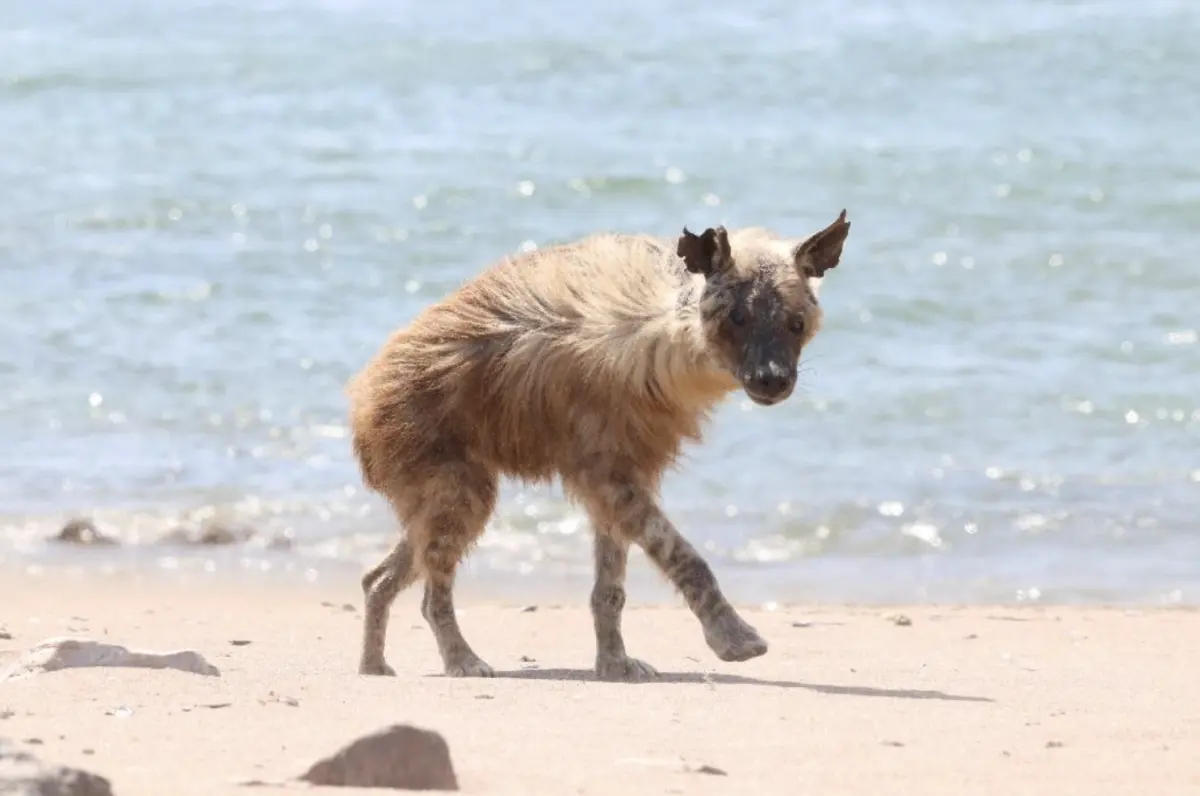
Spotted hyenas generally live between 12 and 20 years in the wild, though some individuals in protected environments have…

The Roaring Twenties was a decade of profound social, cultural, and economic transformation in the United States and Europe…

Iguanas primarily inhabit tropical and subtropical regions of the Americas and the Caribbean. They are native to areas ranging…
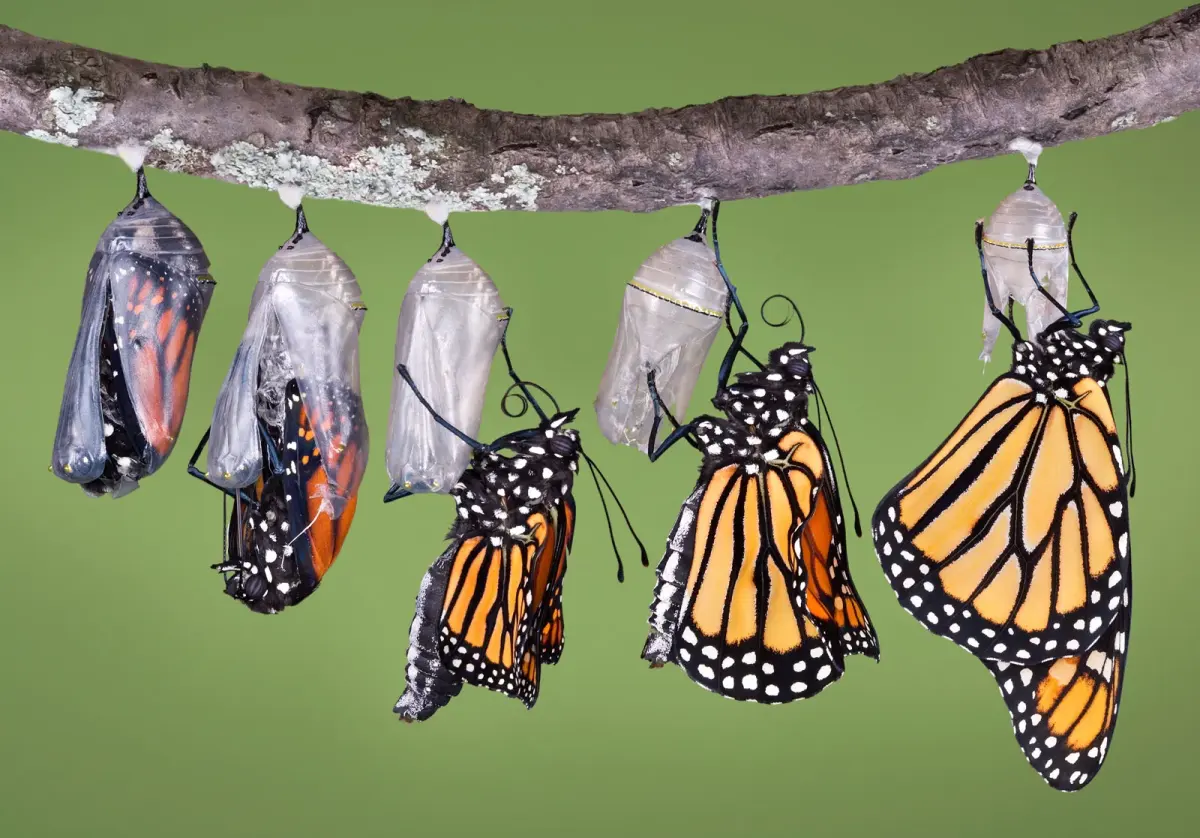
A baby butterfly is called a caterpillar or larva. It is the second stage of the butterfly life cycle, following the egg stage…

Bays and gulfs are both coastal indentations where the ocean extends into the land, but they differ primarily in size and shape…
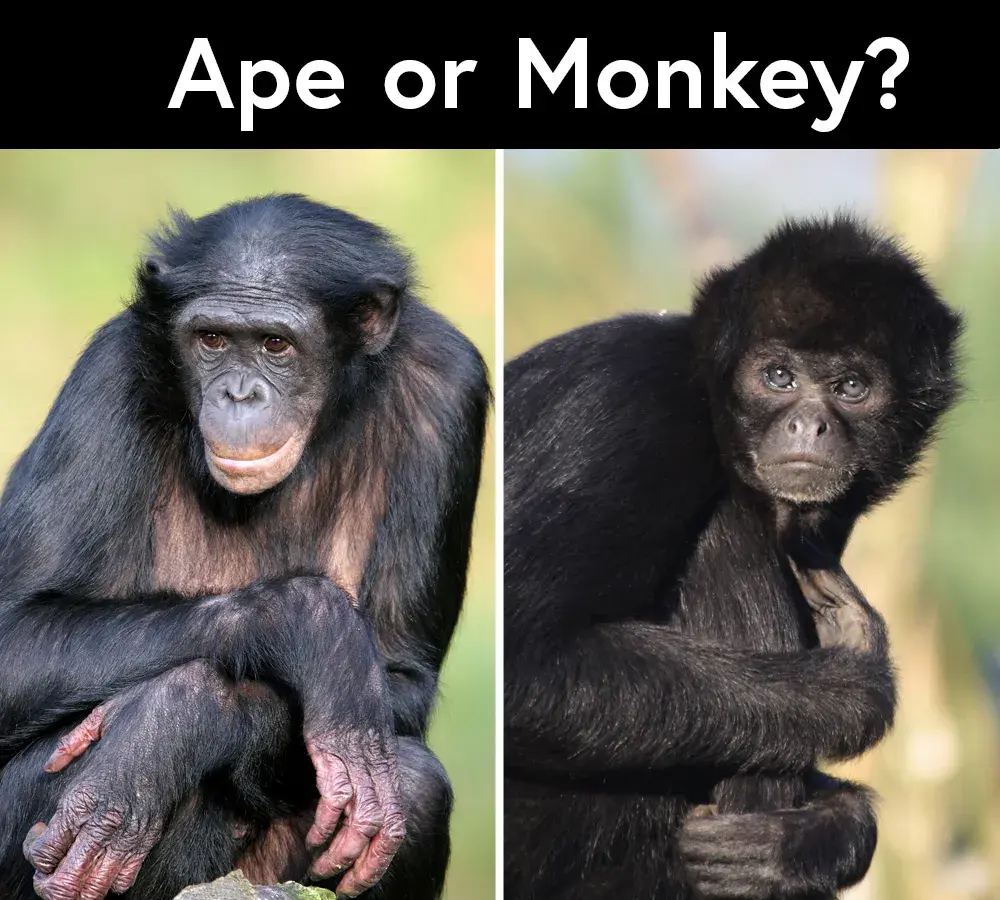
The primary difference between apes and monkeys is the presence of a tail. Apes, which include humans, gorillas, and…

The Big Bang theory is the leading scientific explanation for the origin and evolution of the universe. It proposes that the…

Leather is produced by transforming raw animal hides into a durable, flexible material through a chemical process called…

Camels typically live between 40 and 50 years. While wild populations face environmental challenges, domesticated camels often…