Painting & Color
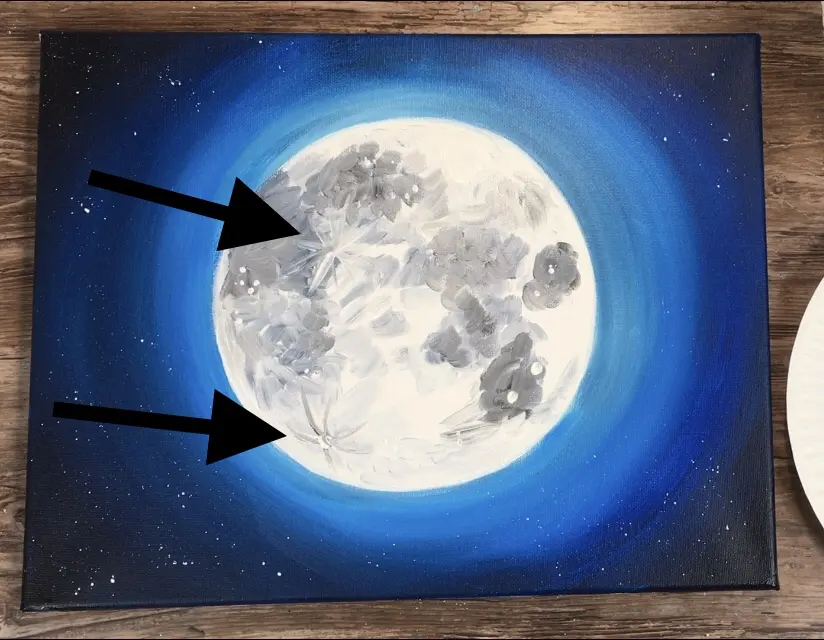
How do you paint the moon with acrylic paint?
Painting the moon with acrylics requires layering shades of gray, white, and blue to capture its cratered texture. Begin by…
Questions and answers about acrylic paint.
Painting the moon with acrylics requires layering shades of gray, white, and blue to capture its cratered texture. Begin by…
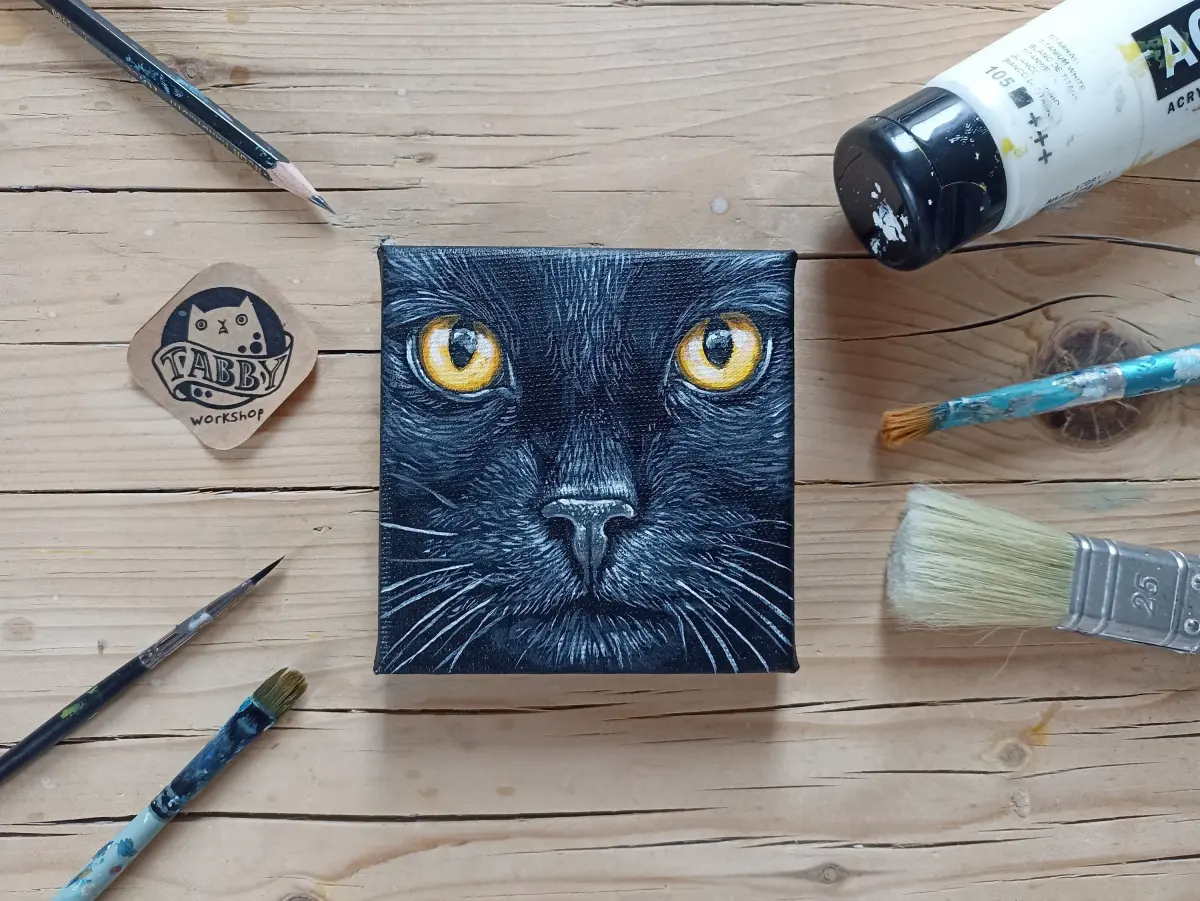
Painting a cat with acrylics involves sketching the feline’s anatomy, blocking in base colors, and layering fur textures. Use…
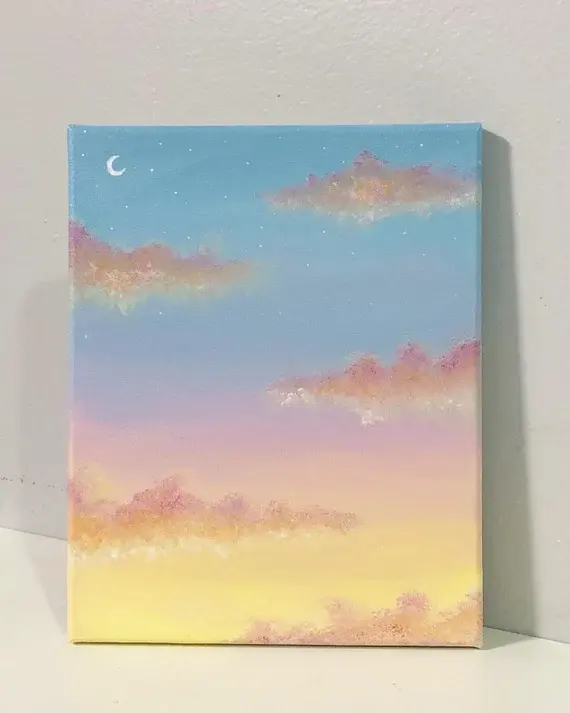
To paint a sunrise with acrylics, begin by applying a light-to-dark gradient of yellow, orange, and pink across your canvas. Use…

Painting a portrait with acrylics involves sketching the subject, blocking in base skin tones, and layering details. Because…
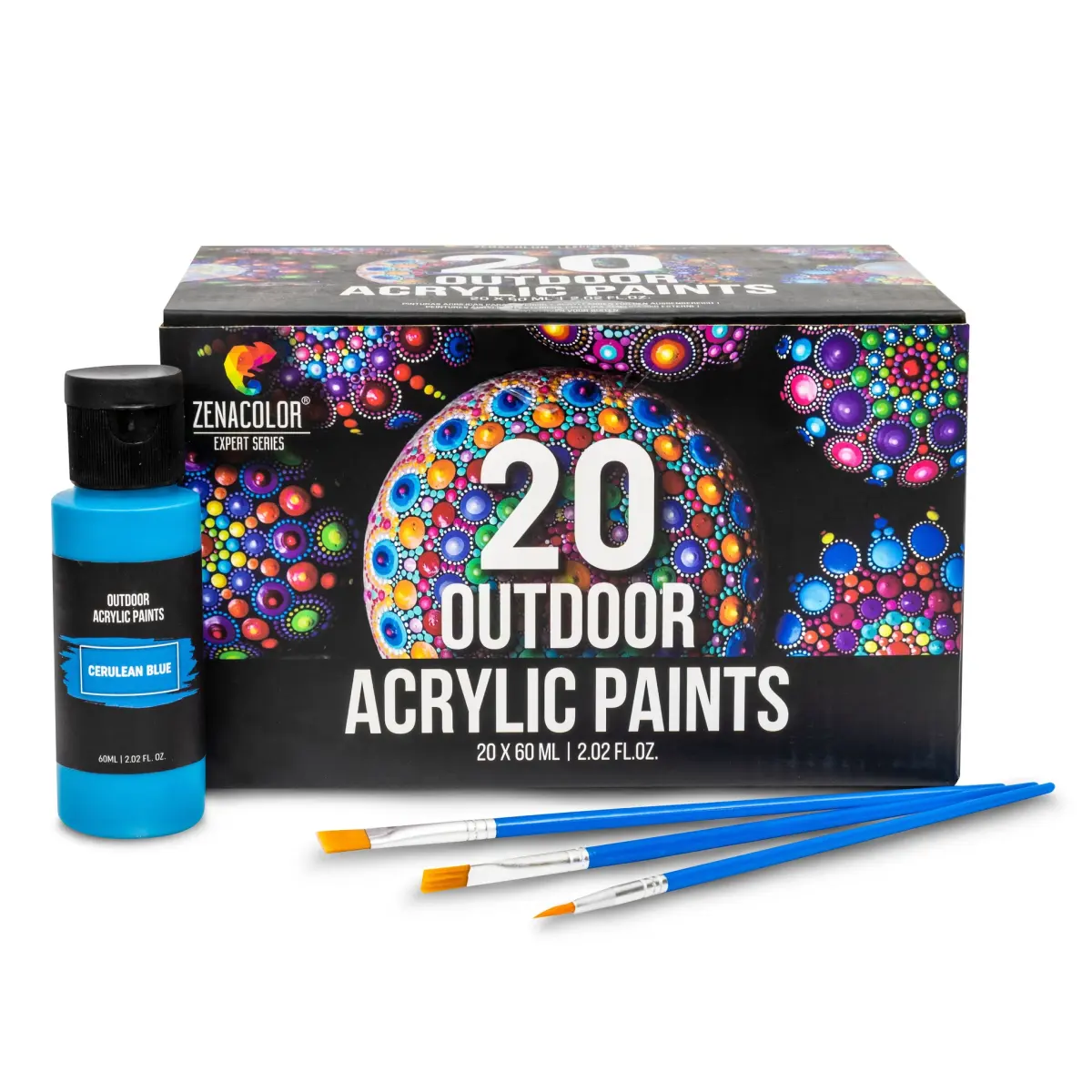
Acrylic paint is water-resistant once fully cured, but it is not strictly waterproof. While it withstands moisture and light…
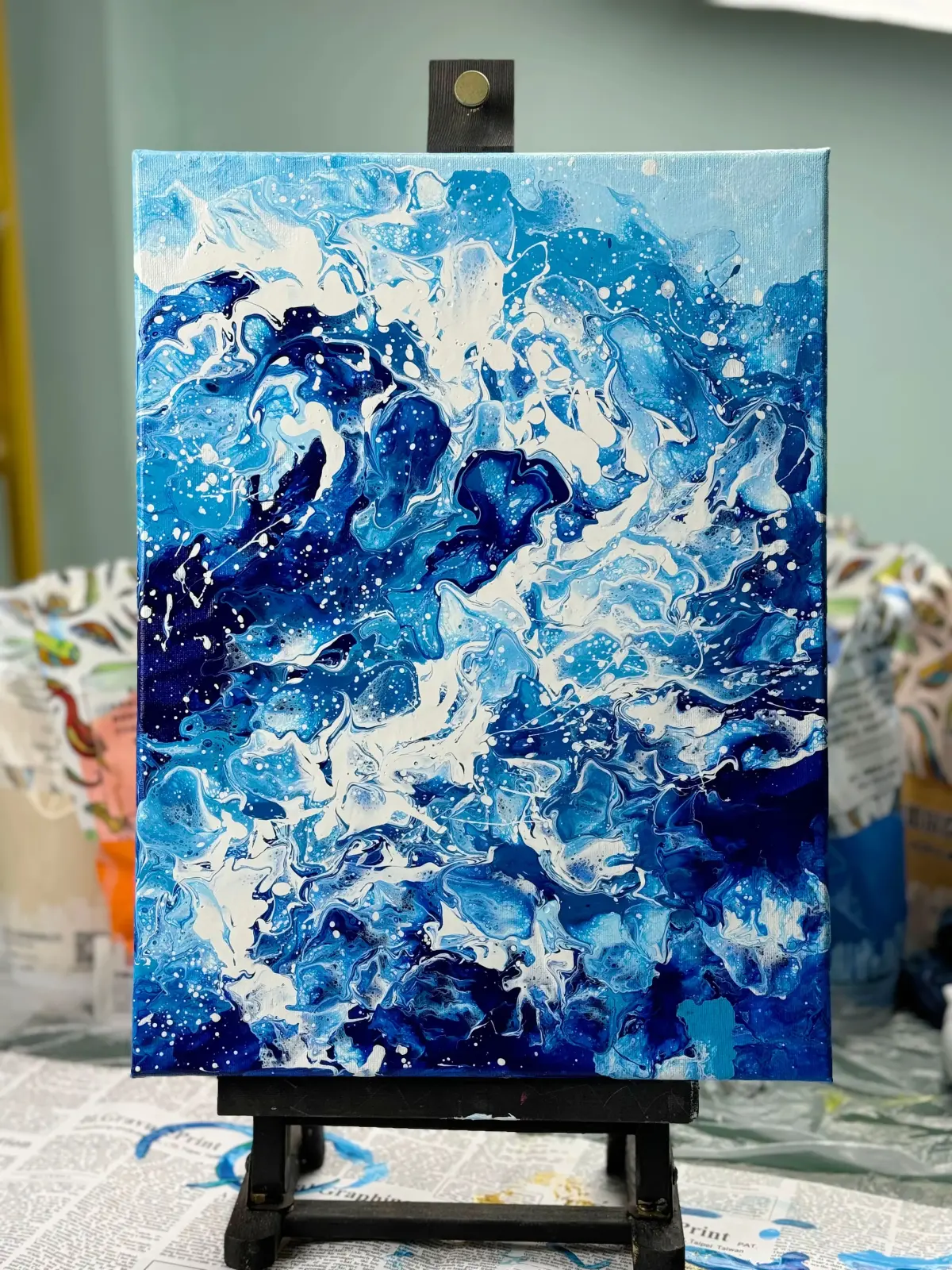
Painting the ocean with acrylics requires building depth through layering, starting with dark base tones and moving toward…
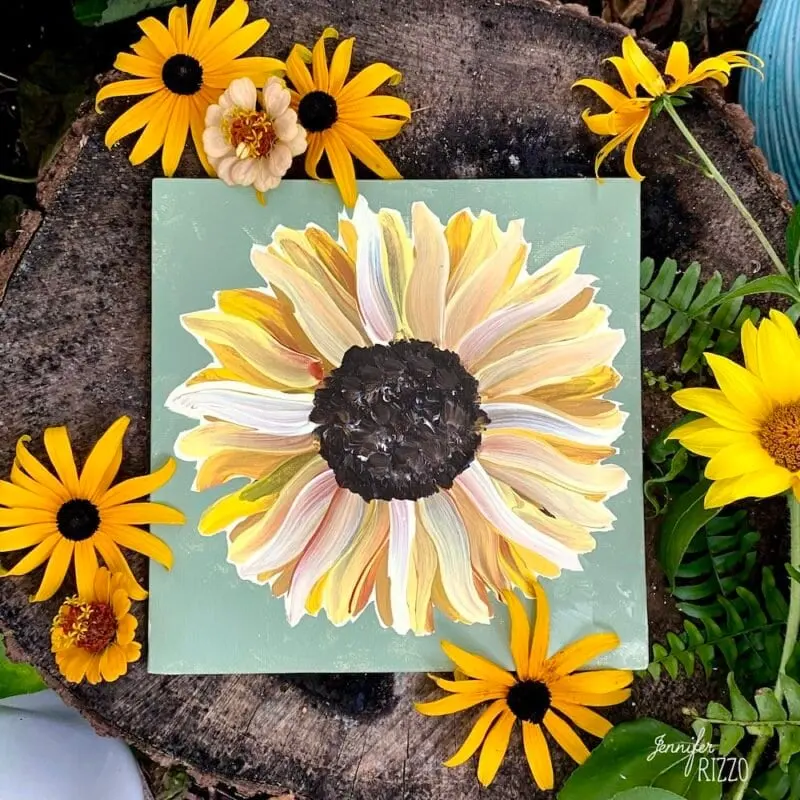
Painting sunflowers with acrylics involves layering warm yellows and oranges over a dark, earthy base. Begin by sketching the…

Student-grade acrylic paints are the best choice for beginners due to their affordability, blendability, and ease of use. Brands…
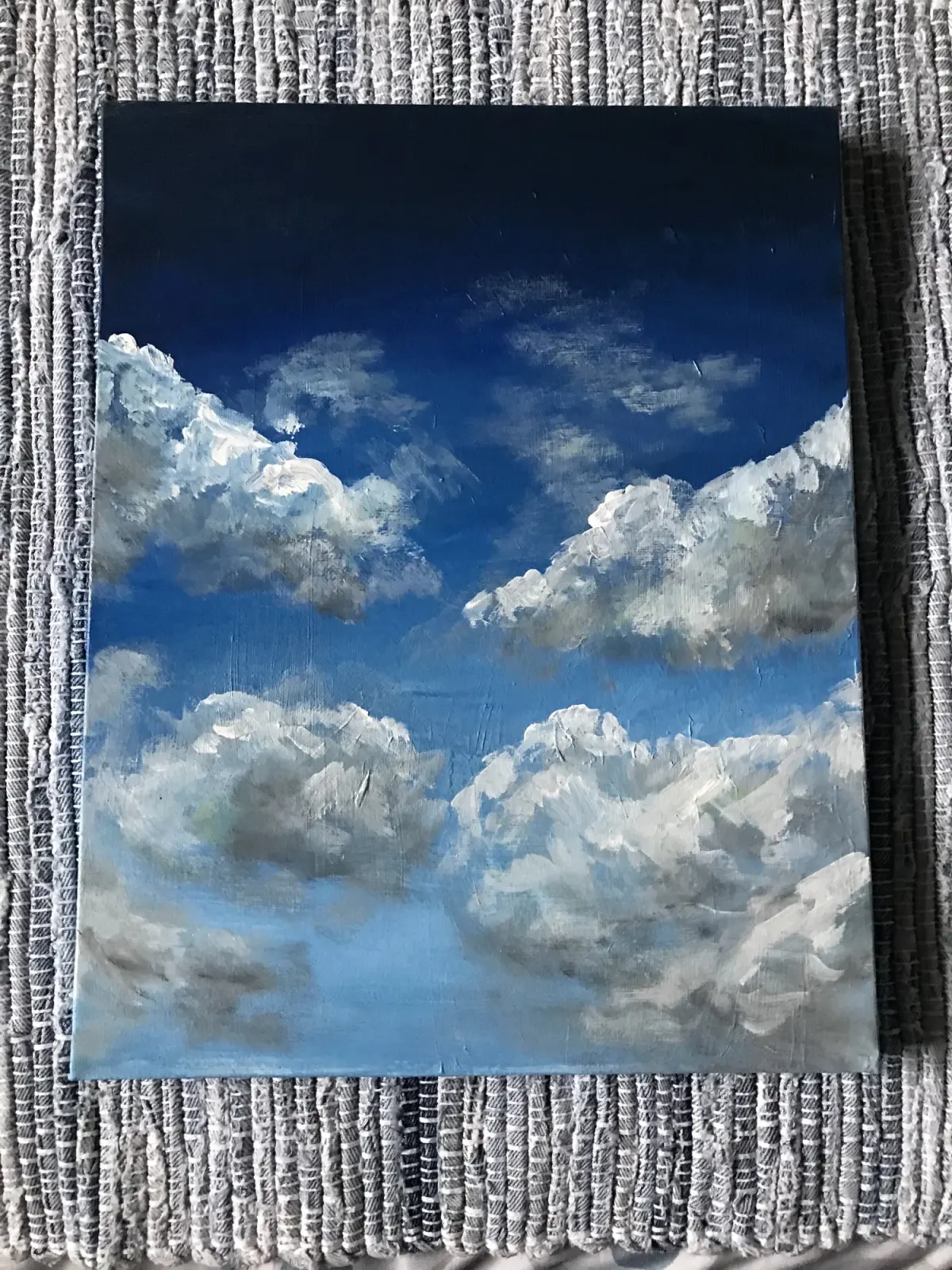
Painting a realistic sky with acrylics requires layering colors from dark to light while the paint remains wet. Use a large…
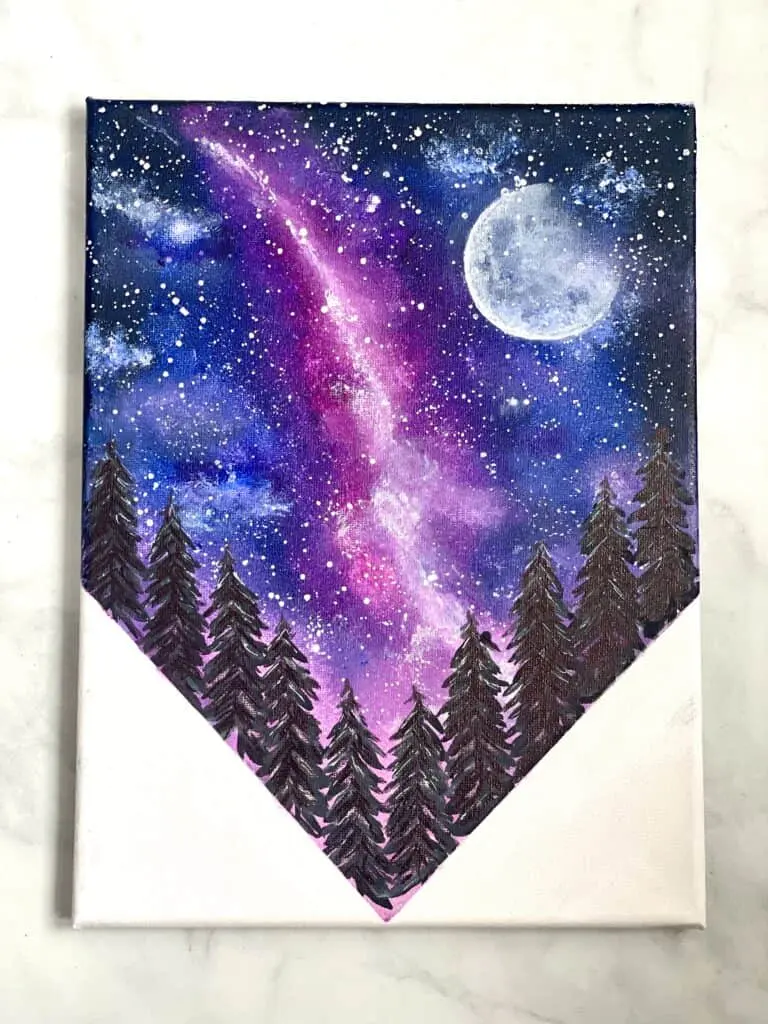
Painting a galaxy with acrylics involves layering dark backgrounds with vibrant nebulas using a "dry brush" or "sponge"…
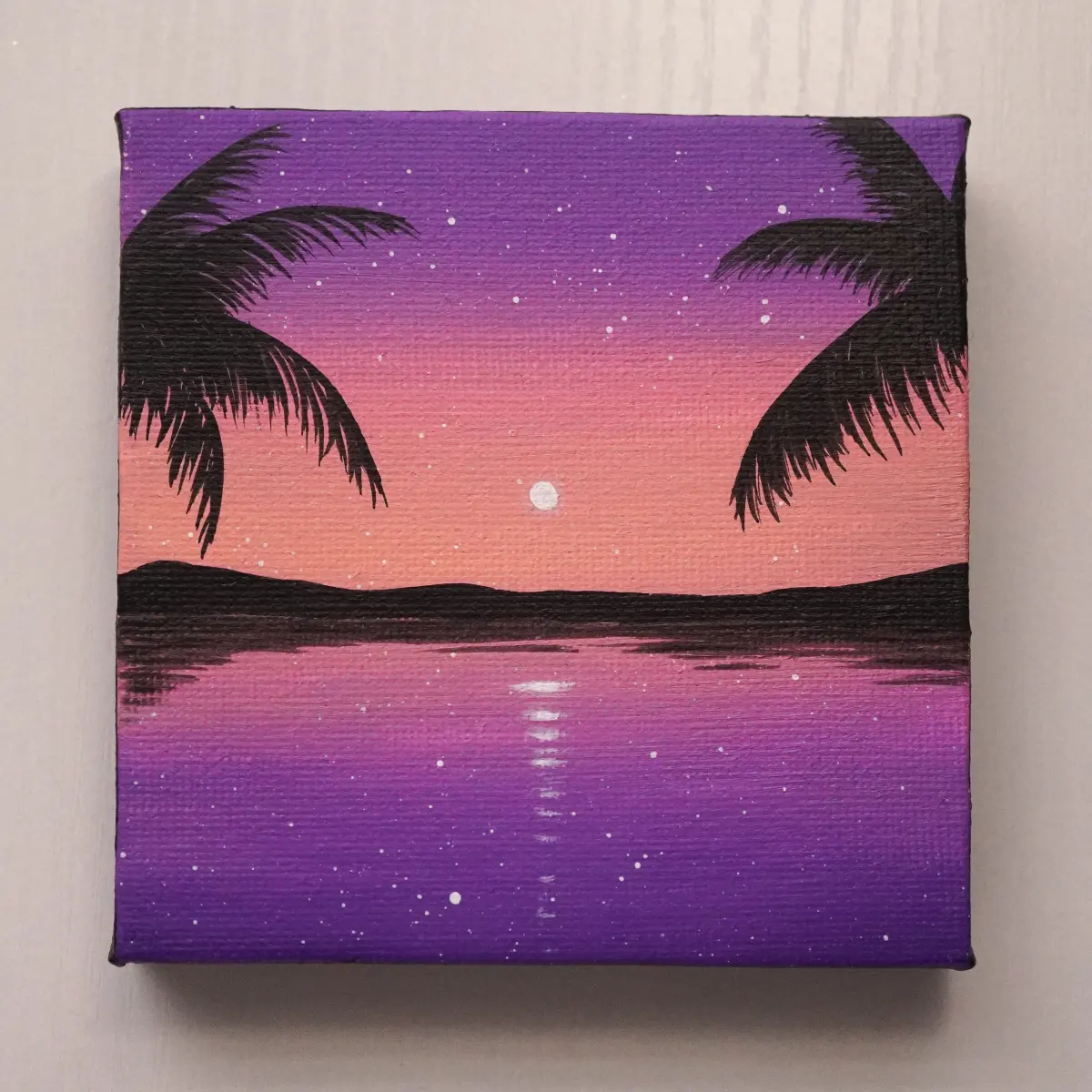
Painting a palm tree with acrylics involves creating a vertical trunk using brown tones and fanning out long, textured fronds…
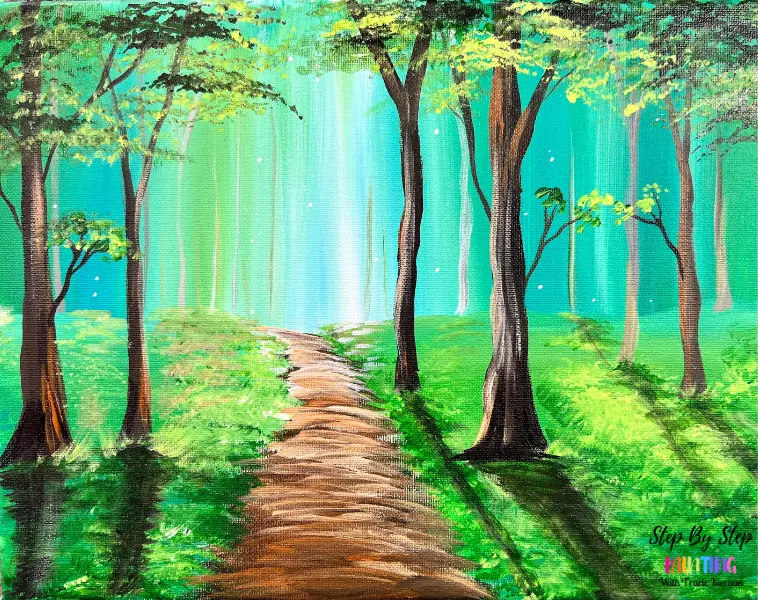
Painting a forest with acrylics requires layering from the background to the foreground. Begin by establishing atmospheric depth…

Acrylic paint is generally considered non-toxic and safe for most adult users when handled properly. While the acrylic polymer…
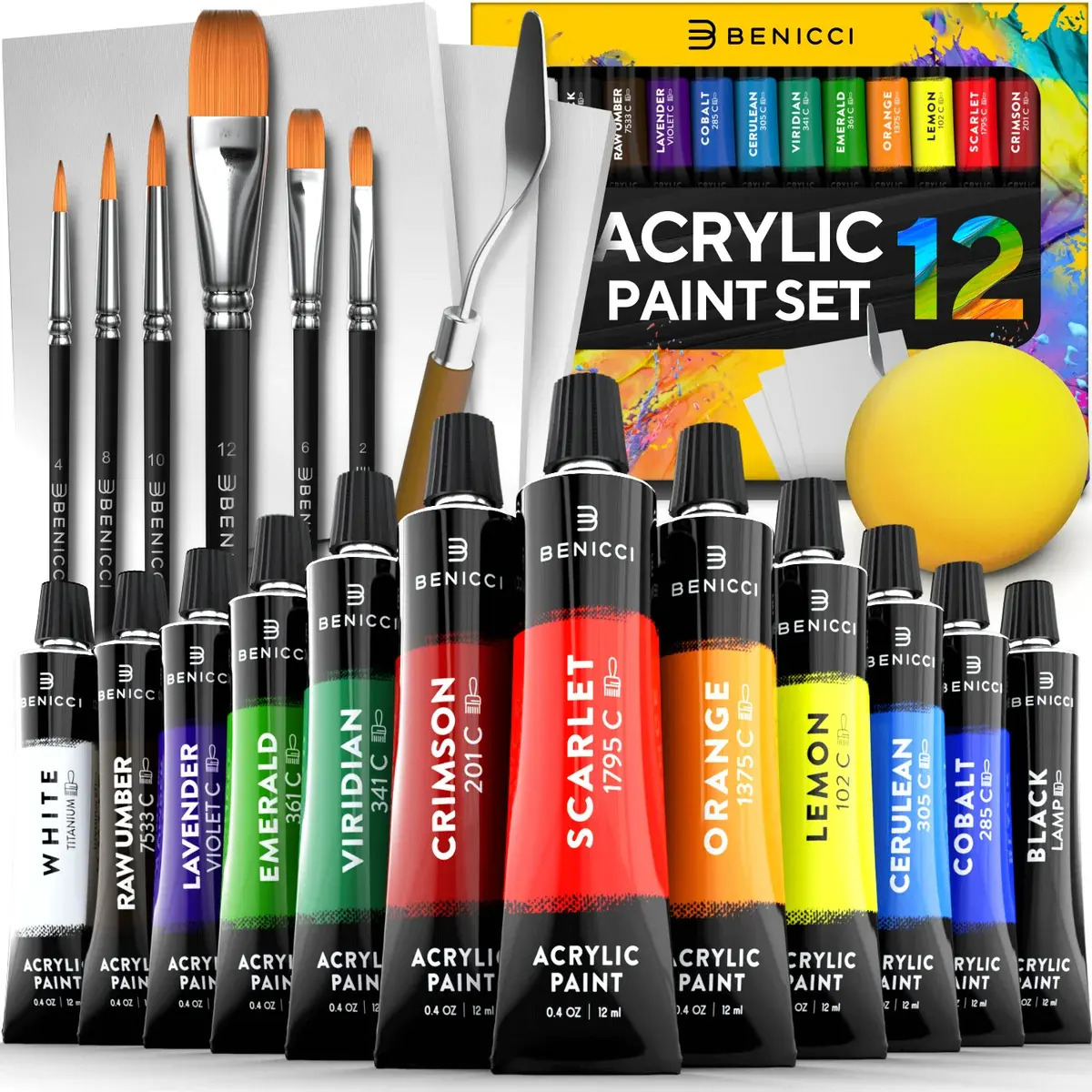
The best acrylic paint sets for beginners balance affordability with quality, offering high pigment density and smooth…
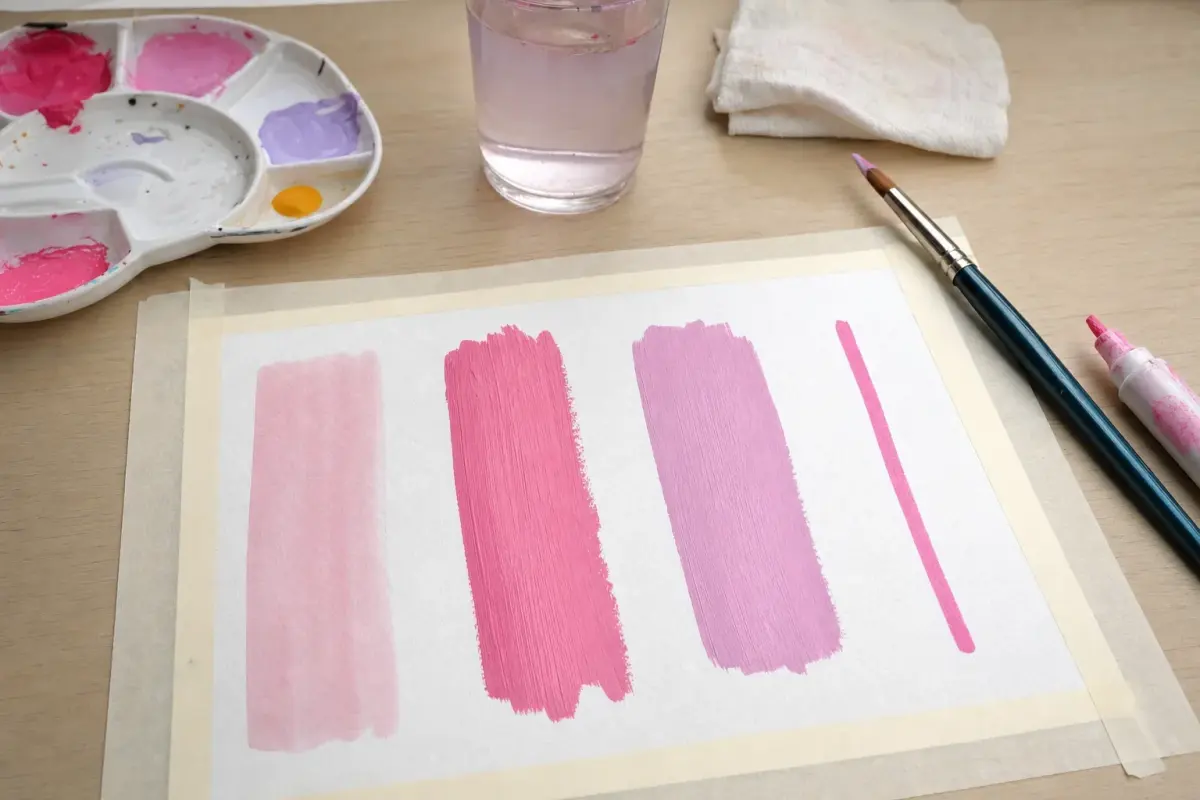
Watercolor paint is a water-soluble medium made of pigment suspended in gum arabic, known for transparency and delicate…
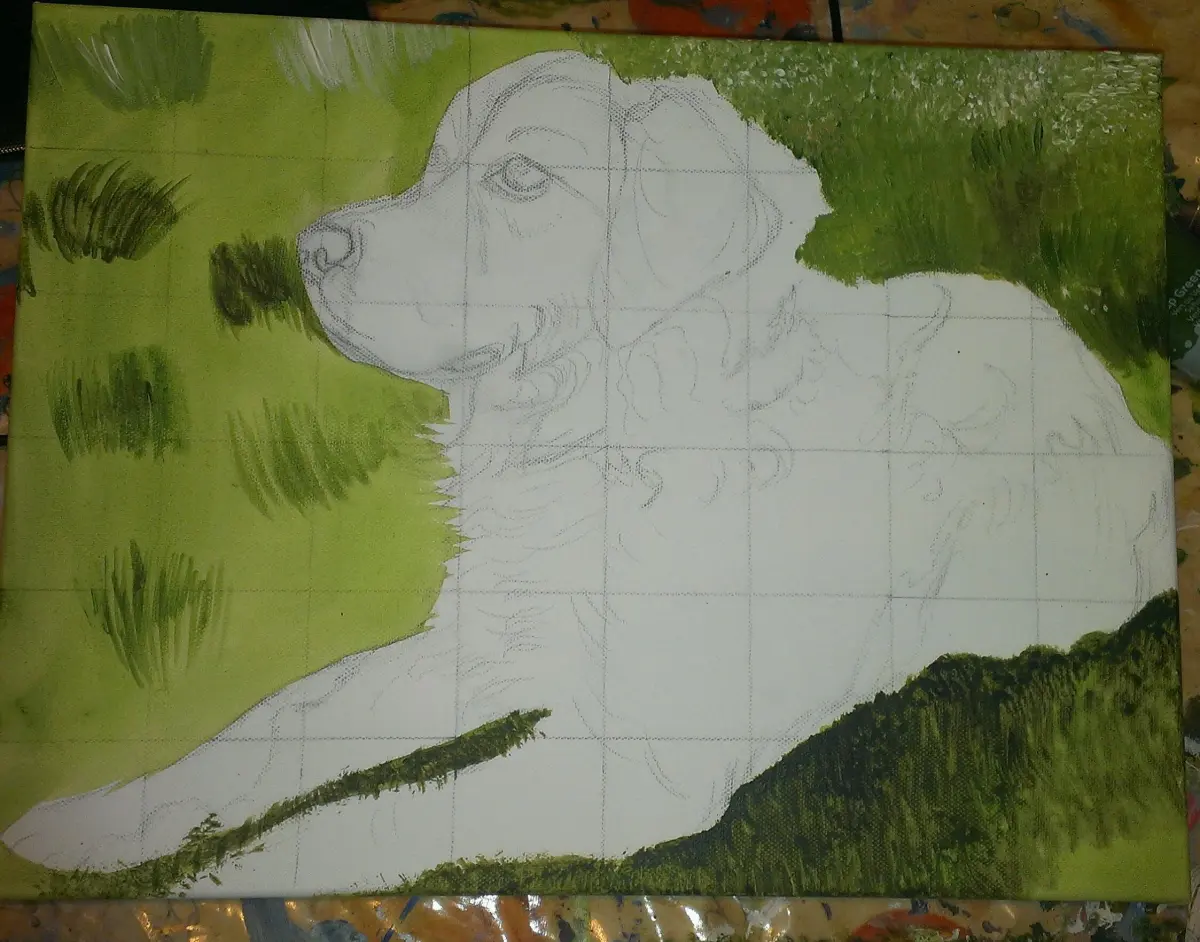
Painting realistic grass with acrylics requires layering colors from dark to light using a dry-brushing technique. Start with a…
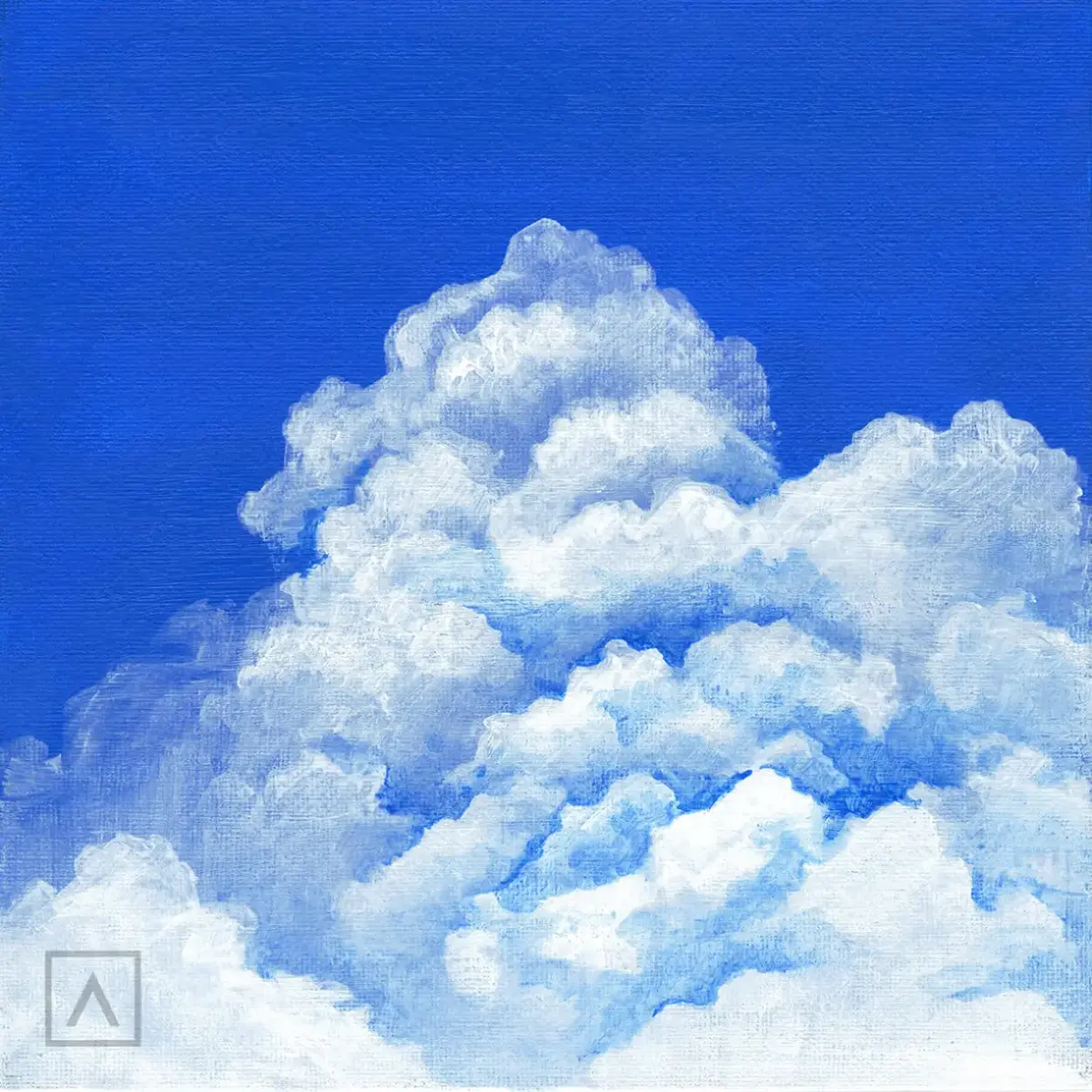
Painting clouds with acrylics requires layering thin, translucent glazes over a base color. By focusing on soft edges, varied…

Acrylic paint consists of three primary components: pigment, acrylic polymer emulsion, and water. The pigment provides the…
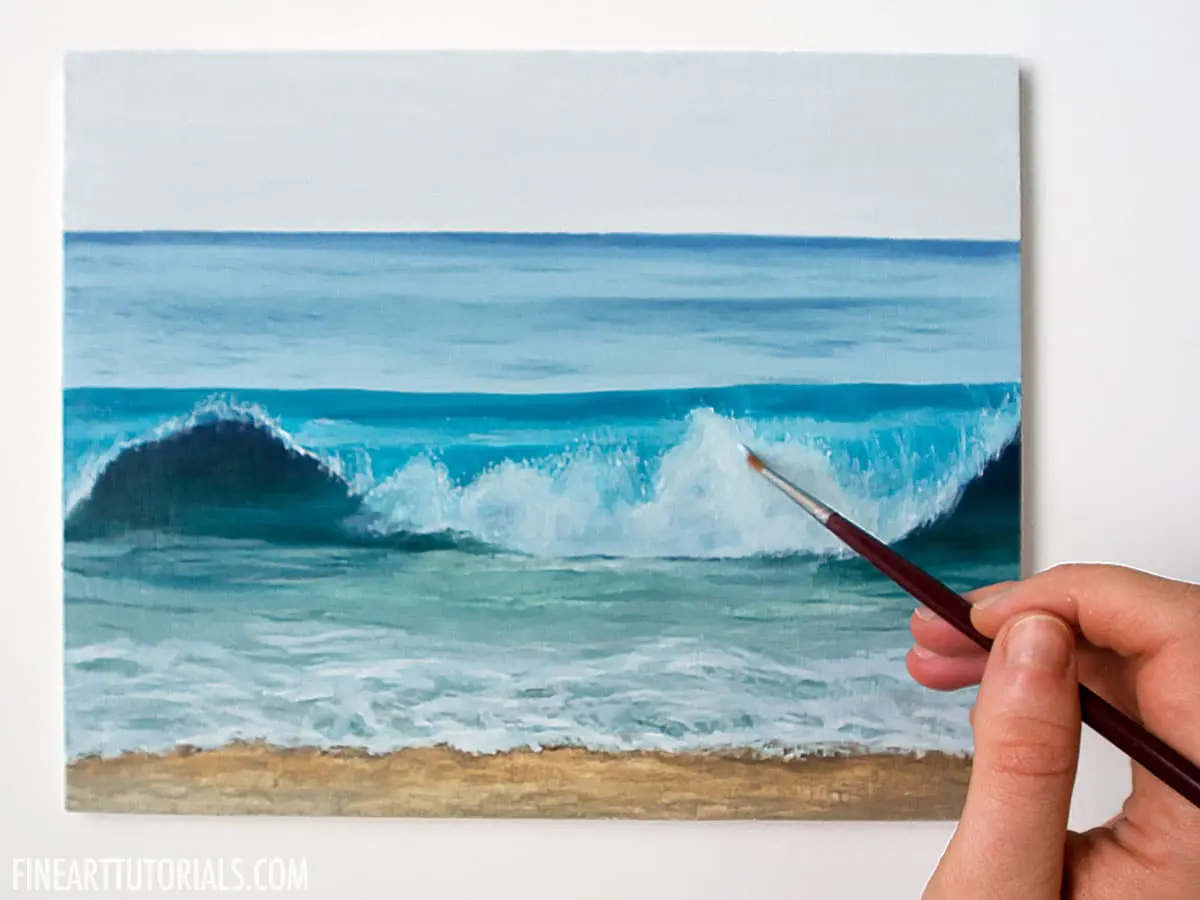
Yes, acrylic paint is an excellent choice for wood surfaces. It adheres well, dries quickly, and offers a durable, flexible…

To paint the northern lights with acrylics, focus on layering transparent glazes over a dark background. Start with a black or…
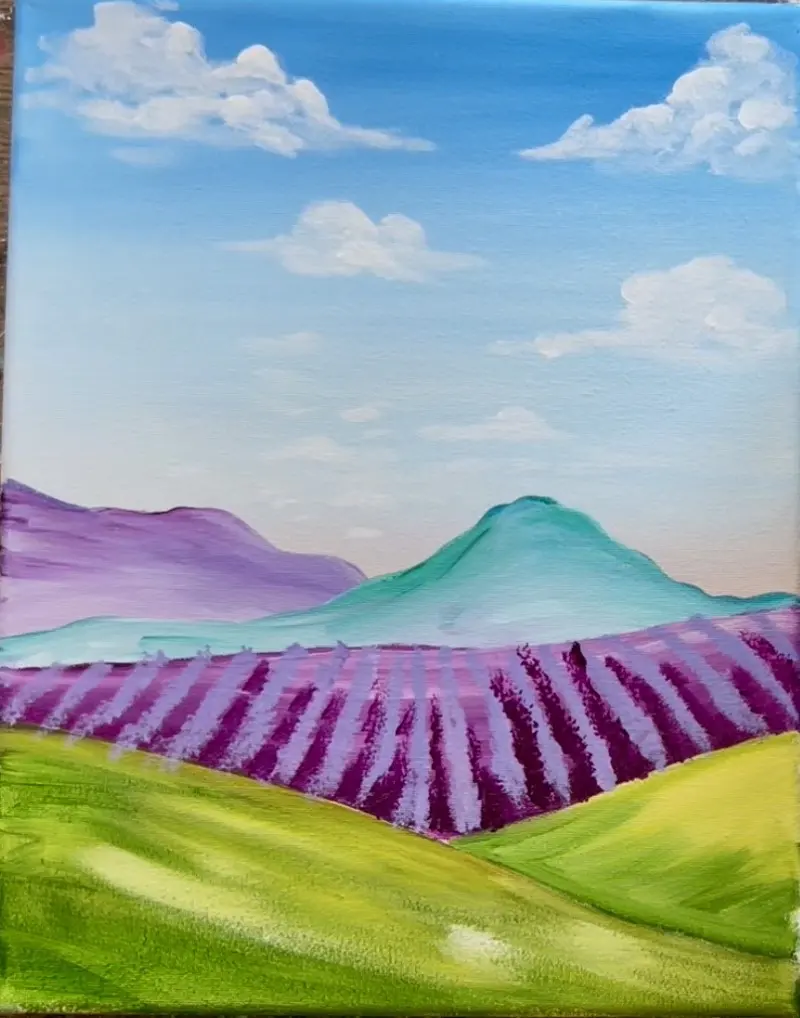
Painting a lavender field with acrylics involves building depth through layered color application. Begin by establishing a…
Painting water with acrylics requires layering transparent glazes over an opaque base to simulate depth and reflection. By using…
Painting a city skyline with acrylics involves layering from the background to the foreground. Begin by establishing a gradient…
Paint autumn trees by layering acrylic colors from dark to light. Start with a deep brown or black silhouette for the trunk and…