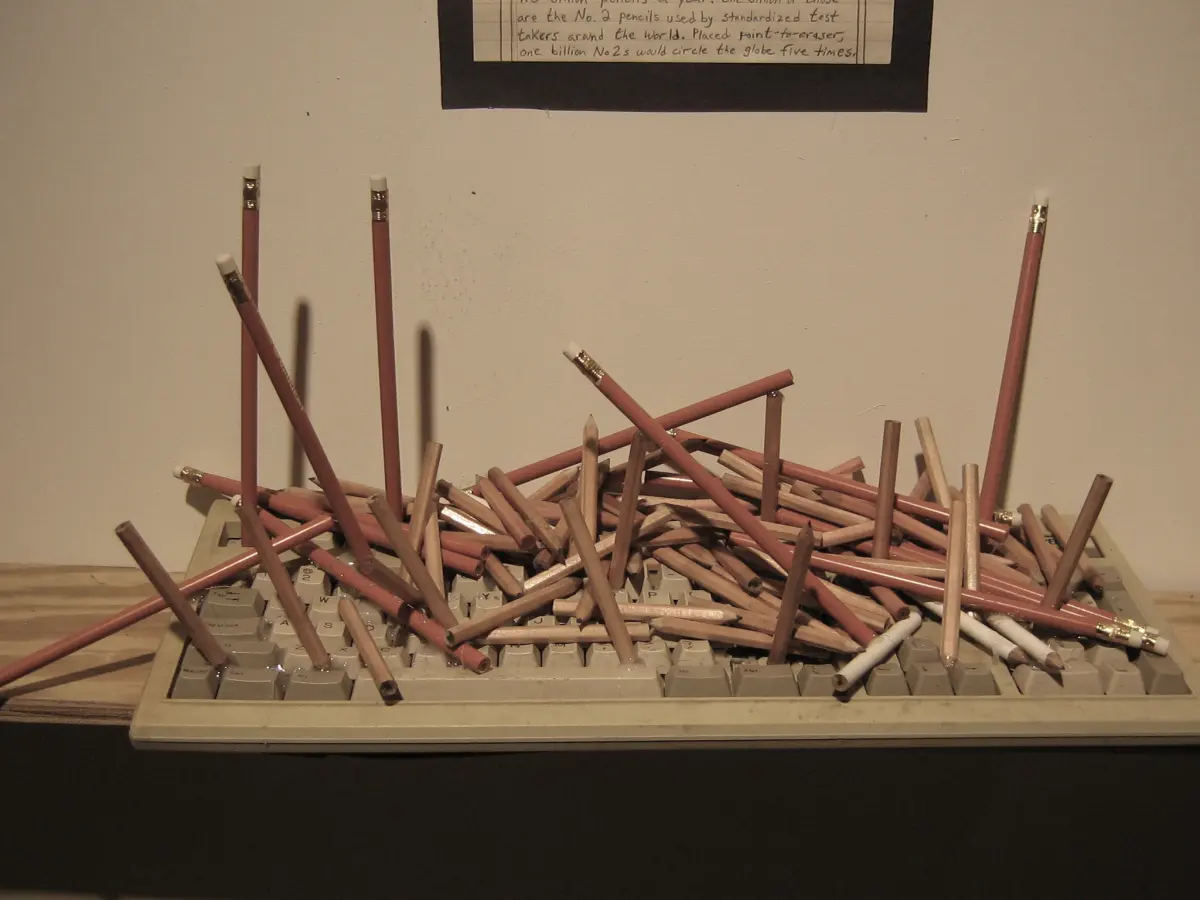
Art Supplies & Tools
What is the history of the pencil?
The pencil originated in 1564 when a massive deposit of pure graphite was discovered in Borrowdale, England. Initially wrapped…
Questions and answers about pencil.
The pencil originated in 1564 when a massive deposit of pure graphite was discovered in Borrowdale, England. Initially wrapped…
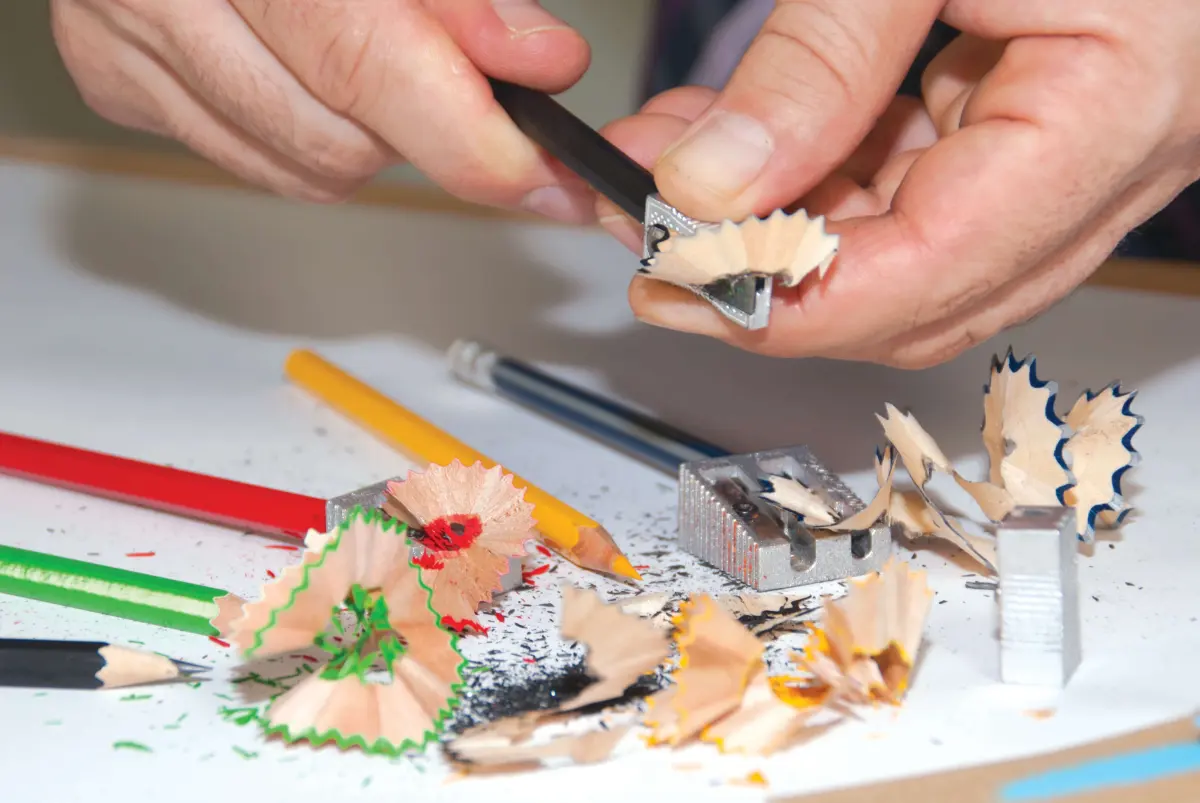
Using a pencil sharpener for art requires selecting the right tool for your specific medium, such as graphite, charcoal, or…
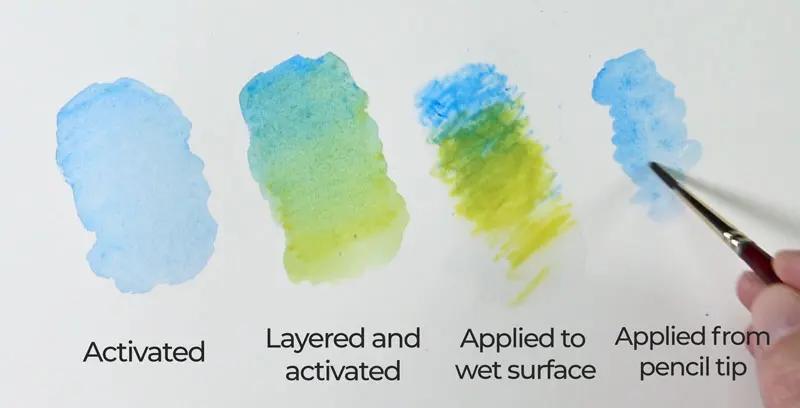
Watercolor pencils are versatile drawing tools containing water-soluble pigment cores encased in wood. They function as standard…
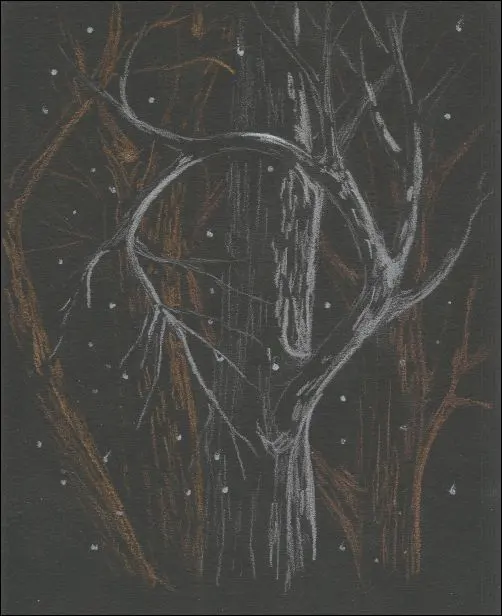
Drawing on dark paper requires opaque, high-pigment pencils, such as wax-based or oil-based brands, to ensure colors stand out…
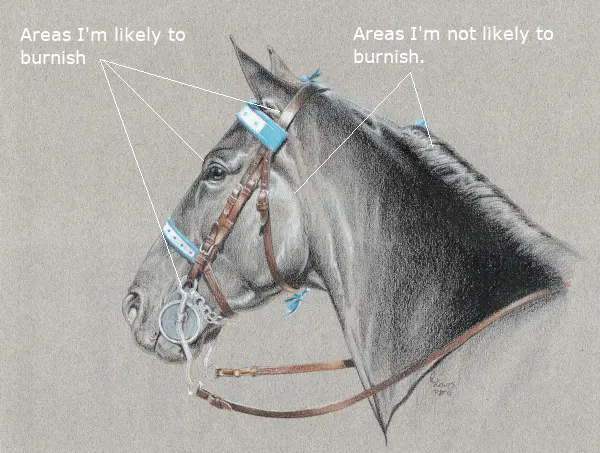
Burnishing is the technique of applying heavy pressure to colored pencil layers to compress the pigment into the paper’s tooth…
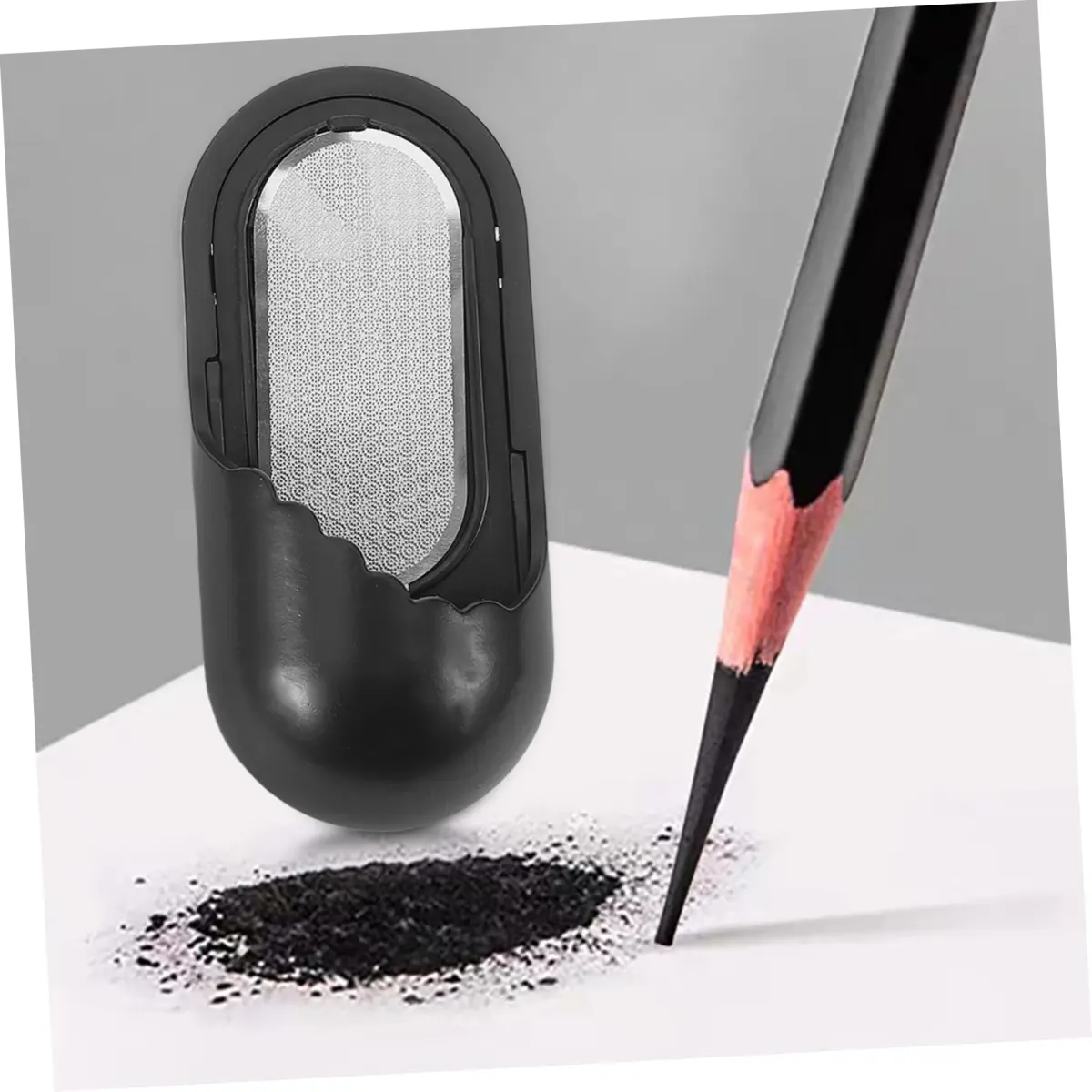
Sharpen a charcoal pencil using a metal craft knife or a sandpaper block to achieve a long, tapered point. Avoid traditional…
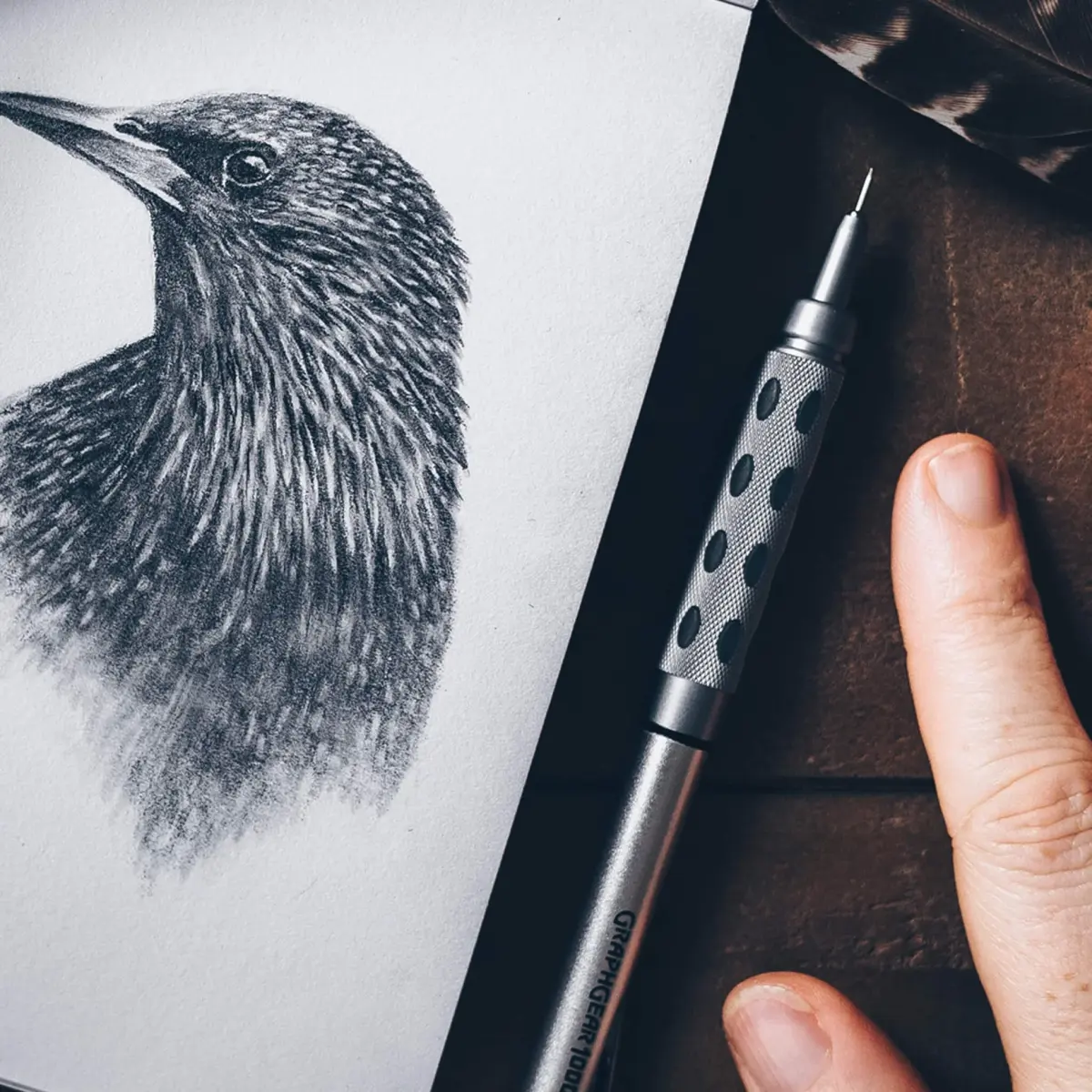
Drawing with a mechanical pencil involves using a precise, consistent lead diameter to create controlled lines without the need…
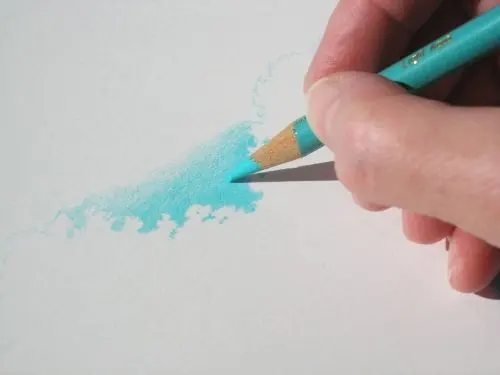
Coloring a realistic sky with colored pencils requires layering light colors, using light pressure, and blending with a…
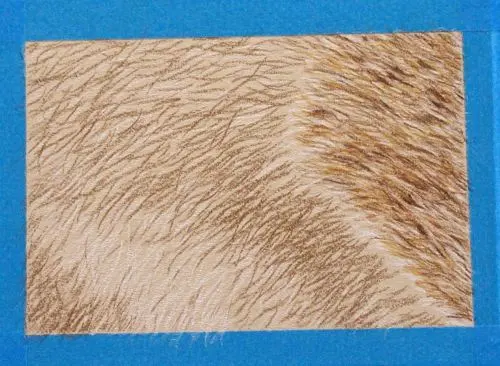
Coloring fur with colored pencils requires building layers from light to dark, using sharp pencils to mimic individual hair…
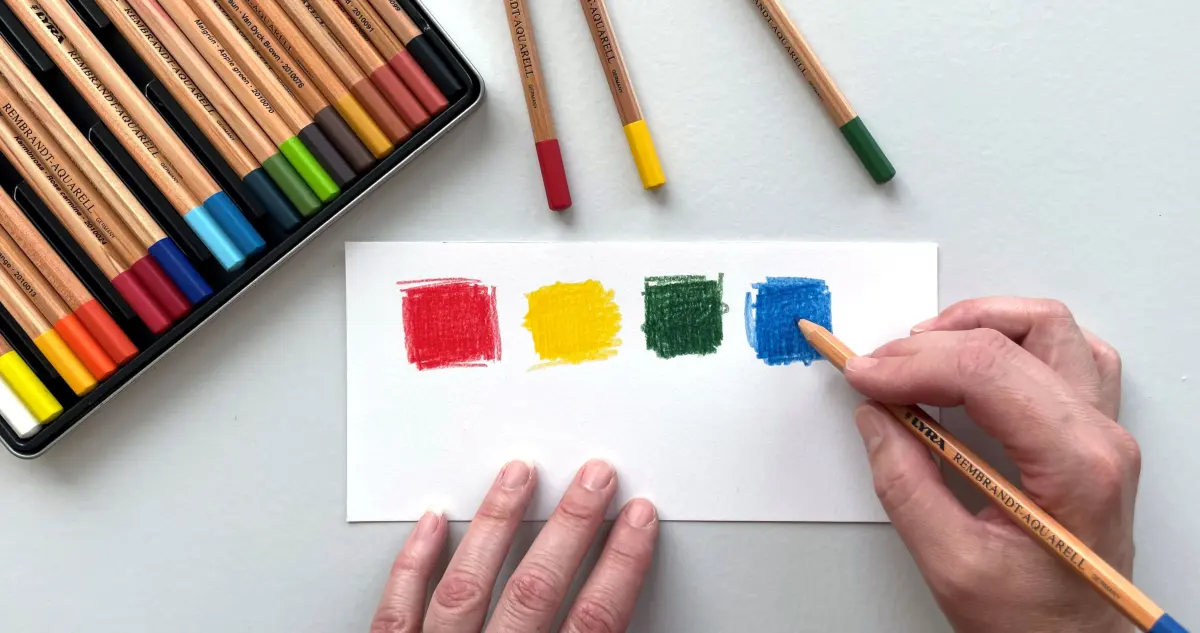
Colored pencils use wax or oil-based binders that remain permanent on the page, creating rich, opaque layers without water…
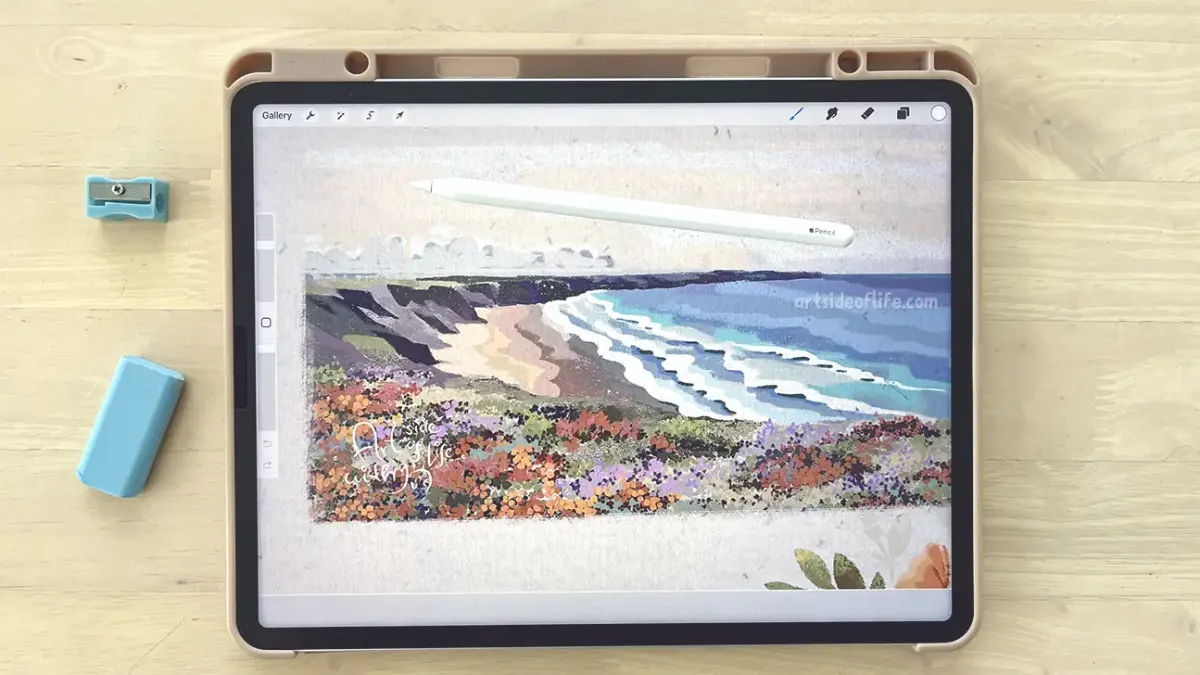
Every Apple Pencil model currently manufactured is compatible with Procreate, provided the stylus is paired with a supported…
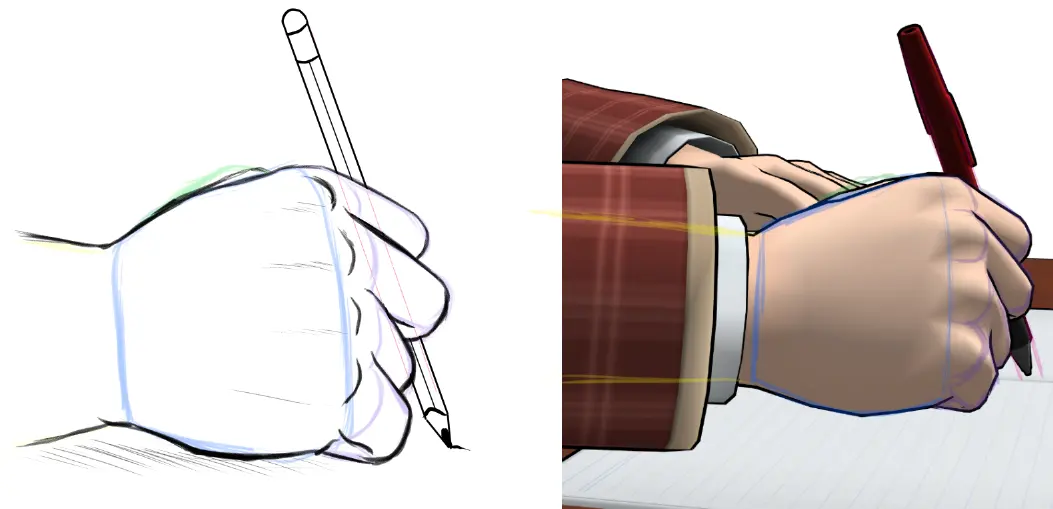
Drawing a hand holding a pencil requires breaking the complex anatomy into simple geometric shapes. By establishing the palm as…
Layering is a colored pencil technique involving the application of multiple translucent colors over one another to create…
A pencil extender is a simple tool designed to hold the short, unusable stub of a pencil, allowing you to continue using it…
Erasing colored pencil is difficult because the pigments are bound in wax or oil, which adheres firmly to paper fibers. While…
Charcoal pencils are versatile drawing tools used for sketching, shading, and creating high-contrast artwork. They combine the…
Burnishing is a colored pencil technique that involves applying heavy pressure to layer pigments until the paper’s tooth is…
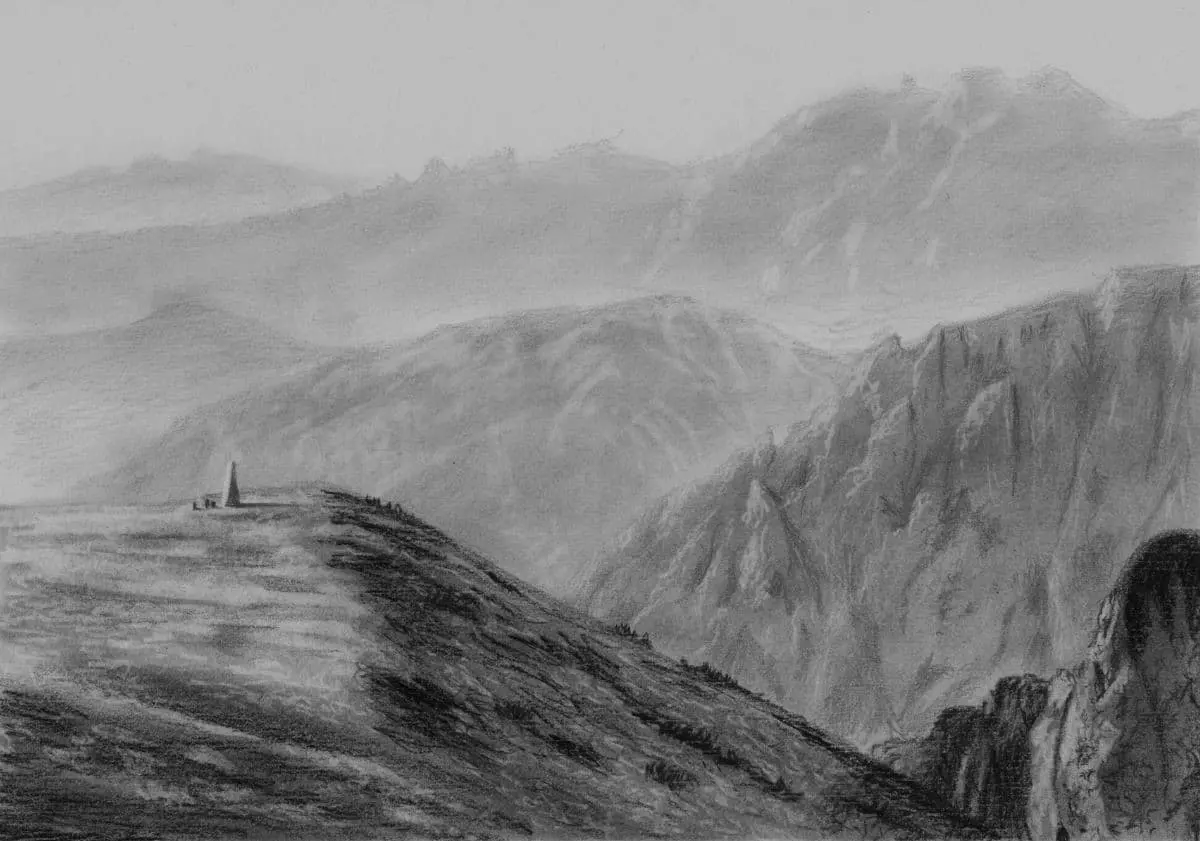
Drawing mountains requires establishing a jagged horizon line, layering atmospheric perspective, and using directional shading…
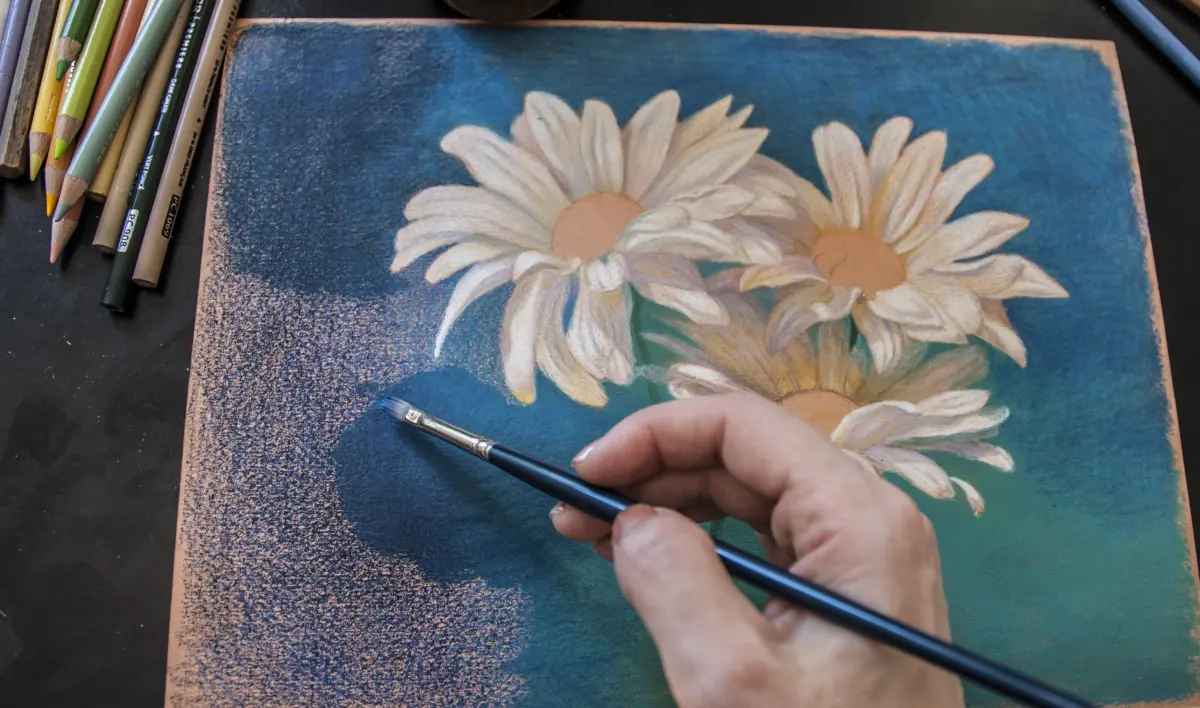
Blending colored pencils involves layering pigments to create smooth transitions, gradients, or new colors. You can achieve this…
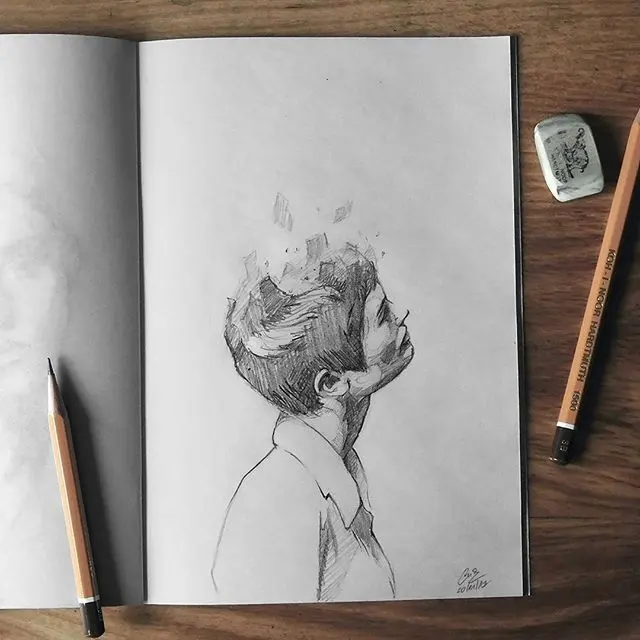
The best paper for pencil drawing is high-quality, acid-free drawing paper with a medium tooth, typically weighing between 80…
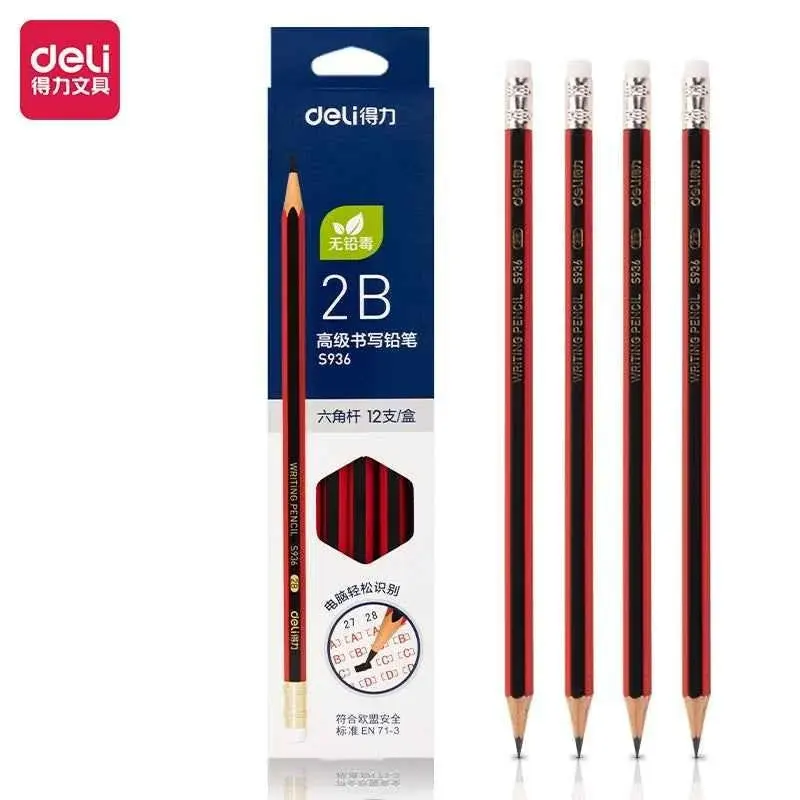
The difference between HB and 2B pencils lies in the ratio of graphite to clay within the core. HB pencils contain more clay…
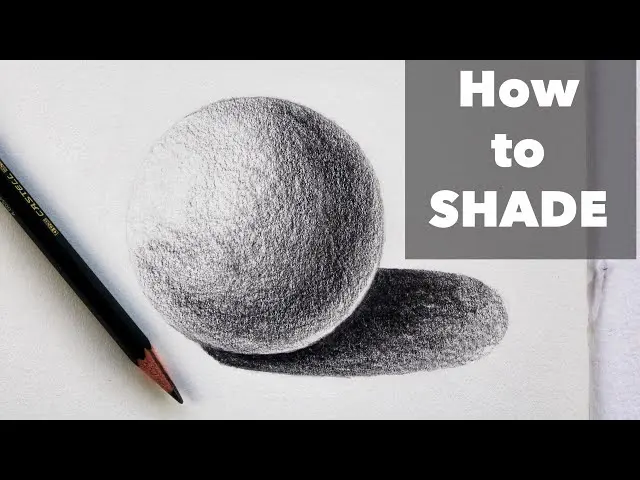
Shading with a pencil involves varying pressure and layering graphite to create the illusion of three-dimensional form. By…
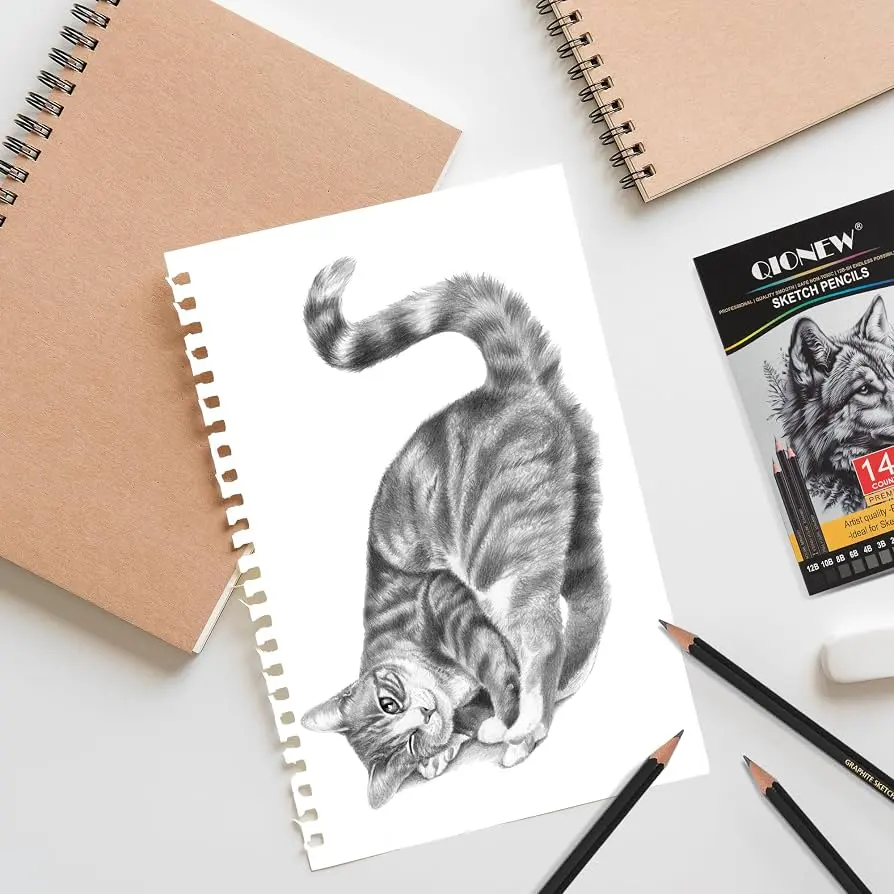
Professional artists use a range of graphite pencils, typically graded from 4H to 6B, to achieve varied tonal depth and texture…